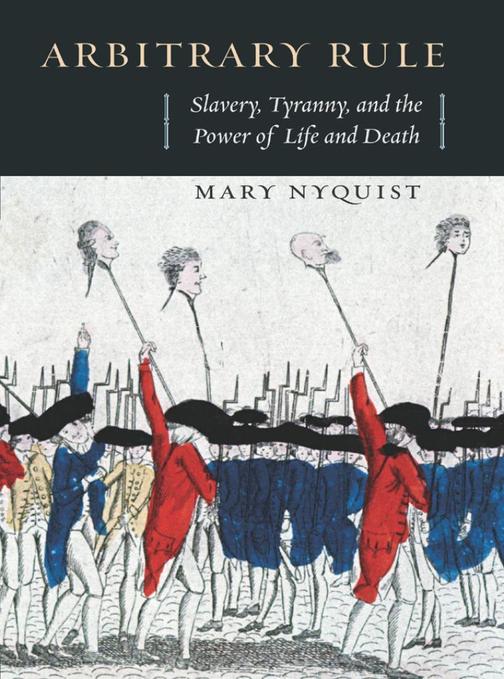
Slavery appears as a figurative construct during the English revolution of the mid-seventeenth century, and again in the American and French revolutions, when radicals represent their treatment as a form of political slavery. What, if anything, does figurative, political slavery have to do with transatlantic slaveryIn Arbitrary Rule, Mary Nyquist explores connections between political and chattel slavery by excavating the tradition of Western political thought that justifies actively opposing tyranny. She argues that as powerful rhetorical and conceptual constructs, Greco-Roman political liberty and slavery reemerge at the time of early modern Eurocolonial expansion; they help to create racialized "e;free"e; national identities and their "e;unfree"e; counterparts in non-European nations represented as inhabiting an earlier, privative age.?Arbitrary Rule is the first book to tackle political slavery's discursive complexity, engaging Eurocolonialism, political philosophy, and literary studies, areas of study too often kept apart. Nyquist proceeds through analyses not only of texts that are canonical in political thought-by Aristotle, Cicero, Hobbes, and Locke-but also of literary works by Euripides, Buchanan, Vondel, Montaigne, and Milton, together with a variety of colonialist and political writings, with special emphasis on tracts written during the English revolution. She illustrates how "e;antityranny discourse,"e; which originated in democratic Athens, was adopted by republican Rome, and revived in early modern Western Europe, provided members of a "e;free"e; community with a means of protesting a threatened reduction of privileges or of consolidating a collective, political identity. Its semantic complexity, however, also enabled it to legitimize racialized enslavement and imperial expansion.?Throughout, Nyquist demonstrates how principles relating to political slavery and tyranny are bound up with a Roman jurisprudential doctrine that sanctions the power of life and death held by the slaveholder over slaves and, by extension, the state, its representatives, or its laws over its citizenry.展开

 假如给我三天光明(英文版)
[美] 海伦·凯勒
假如给我三天光明(英文版)
[美] 海伦·凯勒
 福尔摩斯探案集(英文版)
[英] 柯南·道尔
福尔摩斯探案集(英文版)
[英] 柯南·道尔
 傲慢与偏见(英文版)
[英] 简·奥斯汀
傲慢与偏见(英文版)
[英] 简·奥斯汀
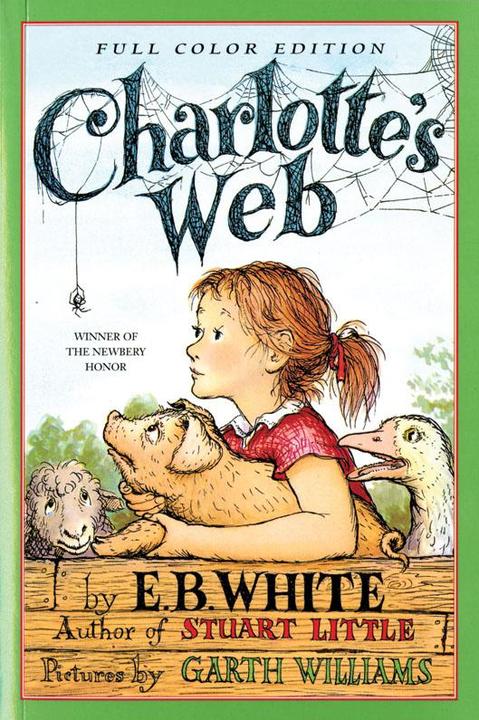 Charlotte's Web 夏洛特的网
White, E. B.
Charlotte's Web 夏洛特的网
White, E. B.
 The Year of Magical Thinking
Joan Didion
The Year of Magical Thinking
Joan Didion
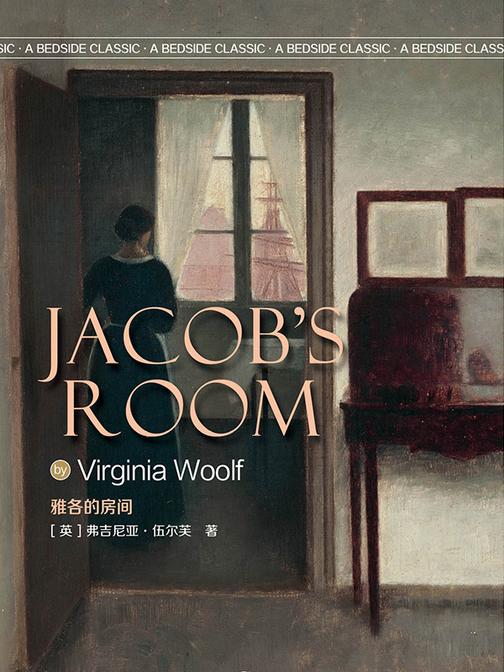 雅各的房间(英语文库)
弗吉尼亚·伍尔芙
雅各的房间(英语文库)
弗吉尼亚·伍尔芙
 A Single Step: Book 1 of The Grayson Trilogy
Georgia Rose
A Single Step: Book 1 of The Grayson Trilogy
Georgia Rose
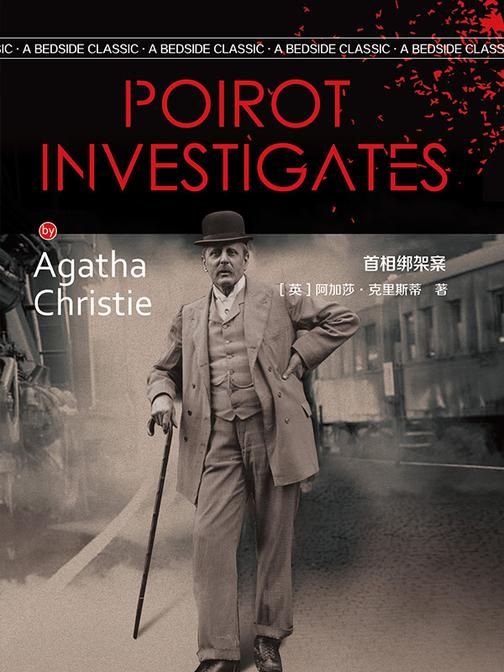 首相绑架案(英语文库)
阿加莎·克里斯蒂
首相绑架案(英语文库)
阿加莎·克里斯蒂
 诗翁彼豆故事集
罗琳, J.K.,
诗翁彼豆故事集
罗琳, J.K.,
 市井人间三部曲(套装共3册)
 陶行知教育合集(套装2册)