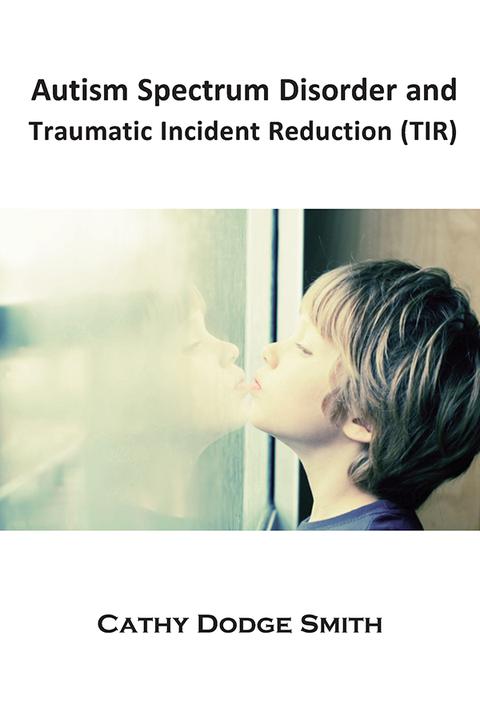
Autism Spectrum Disorder a…
提示:数字商品不支持退换货,不提供源文件,不支持导出打印。

 A Writer's Life: How do Successful Writers Really Live
Bo Karma
A Writer's Life: How do Successful Writers Really Live
Bo Karma
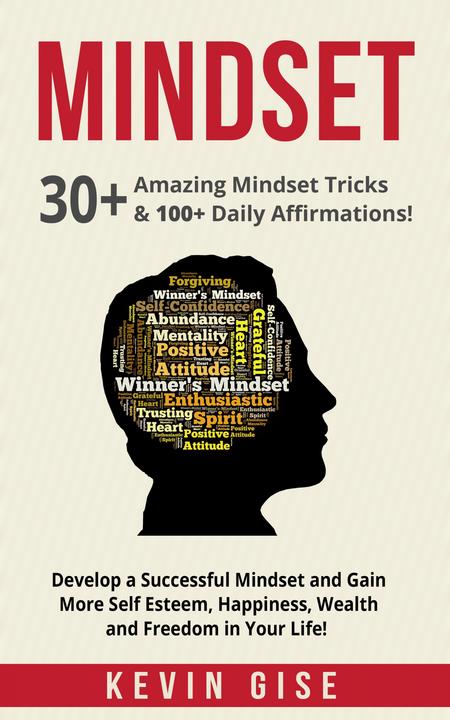 Mindset
Kevin Gise
Mindset
Kevin Gise
 A Verdade: Quem somos, de onde viemos para onde vamos e porque vivemos
Daniel Marques
A Verdade: Quem somos, de onde viemos para onde vamos e porque vivemos
Daniel Marques
 Ego Sentio Ergo Sum: A Influência da Lei do Amor na Lei da Atra??o
Daniel Marques
Ego Sentio Ergo Sum: A Influência da Lei do Amor na Lei da Atra??o
Daniel Marques
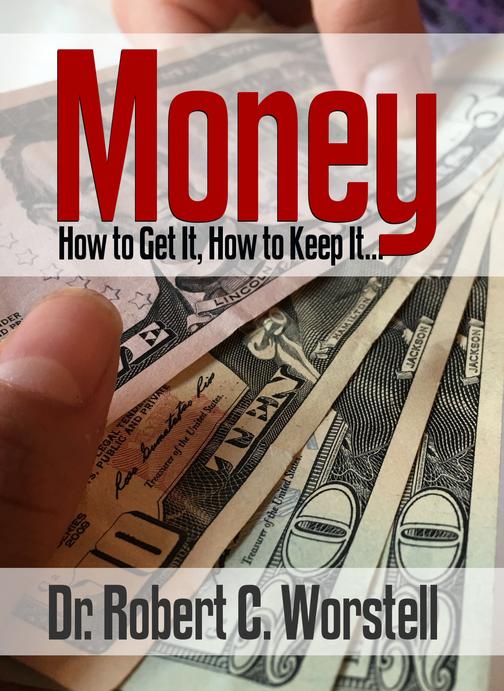 Mone: How to Get it, How to Keep it...
Robert C. Worstell
Mone: How to Get it, How to Keep it...
Robert C. Worstell
 Swan
Mary-Christine Hidle
Swan
Mary-Christine Hidle
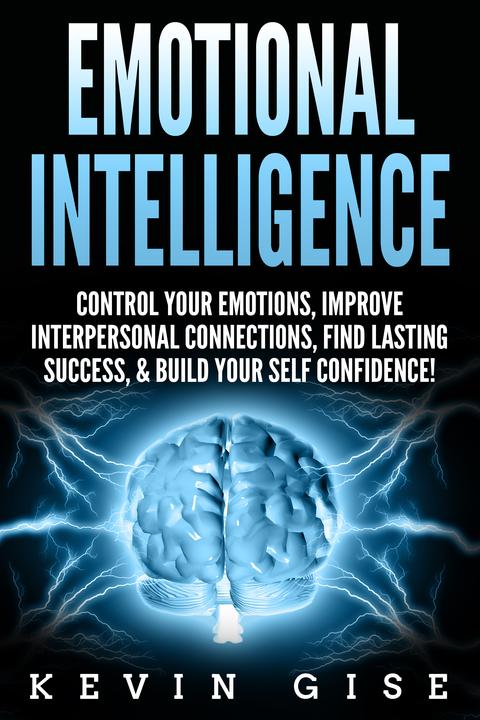 Emotional Intelligence:: Control Your Emotions
Kevin Gise
Emotional Intelligence:: Control Your Emotions
Kevin Gise
 The Illusion of "Me": Rediscovering my identity with the rest of the world
Bo Karma
The Illusion of "Me": Rediscovering my identity with the rest of the world
Bo Karma
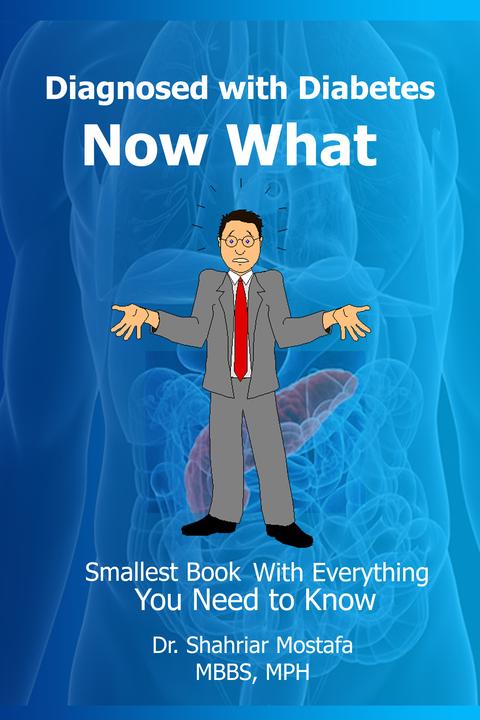 Diagnosed with Diabetes, Now What: Smallest Book With Everything You Need to Kno
Dr. Shahriar Mostafa
A Writer's Life: How do Successful Writers Really Live
Bo Karma
Mindset
Kevin Gise
A Verdade: Quem somos, de onde viemos para onde vamos e porque vivemos
Daniel Marques
Ego Sentio Ergo Sum: A Influência da Lei do Amor na Lei da Atra??o
Daniel Marques
Mone: How to Get it, How to Keep it...
Robert C. Worstell
Swan
Mary-Christine Hidle
Emotional Intelligence:: Control Your Emotions
Kevin Gise
The Illusion of "Me": Rediscovering my identity with the rest of the world
Bo Karma
Diagnosed with Diabetes, Now What: Smallest Book With Everything You Need to Kno
Dr. Shahriar Mostafa
Diagnosed with Diabetes, Now What: Smallest Book With Everything You Need to Kno
Dr. Shahriar Mostafa
A Writer's Life: How do Successful Writers Really Live
Bo Karma
Mindset
Kevin Gise
A Verdade: Quem somos, de onde viemos para onde vamos e porque vivemos
Daniel Marques
Ego Sentio Ergo Sum: A Influência da Lei do Amor na Lei da Atra??o
Daniel Marques
Mone: How to Get it, How to Keep it...
Robert C. Worstell
Swan
Mary-Christine Hidle
Emotional Intelligence:: Control Your Emotions
Kevin Gise
The Illusion of "Me": Rediscovering my identity with the rest of the world
Bo Karma
Diagnosed with Diabetes, Now What: Smallest Book With Everything You Need to Kno
Dr. Shahriar Mostafa