


 购物车
购物车 个人中心
个人中心

江苏出版史·当代卷(1949-2008)
¥42.66
本书引用大量一手权威资料,系统梳理了1949—2008这60年江苏出版业的发展历程,对新中国成立后江苏出版业的创建、曲折发展、探索,以及现代化转型之路作了全面、客观、深的阐述。 全书资料翔实,全景式展现了江苏当代出版人初创时期筚路蓝缕、以启山林的艰辛与努力,在特定时期的坚忍冷静与艰难维持,转折时期见机而行、敢为天下先的胆识、勇气和胸怀,以及发展时期乘势而上的热情与改革智慧,展现了江苏出版人勇创先、走在前列的奋斗精神与踏实不虚、好思实用的工作作风。
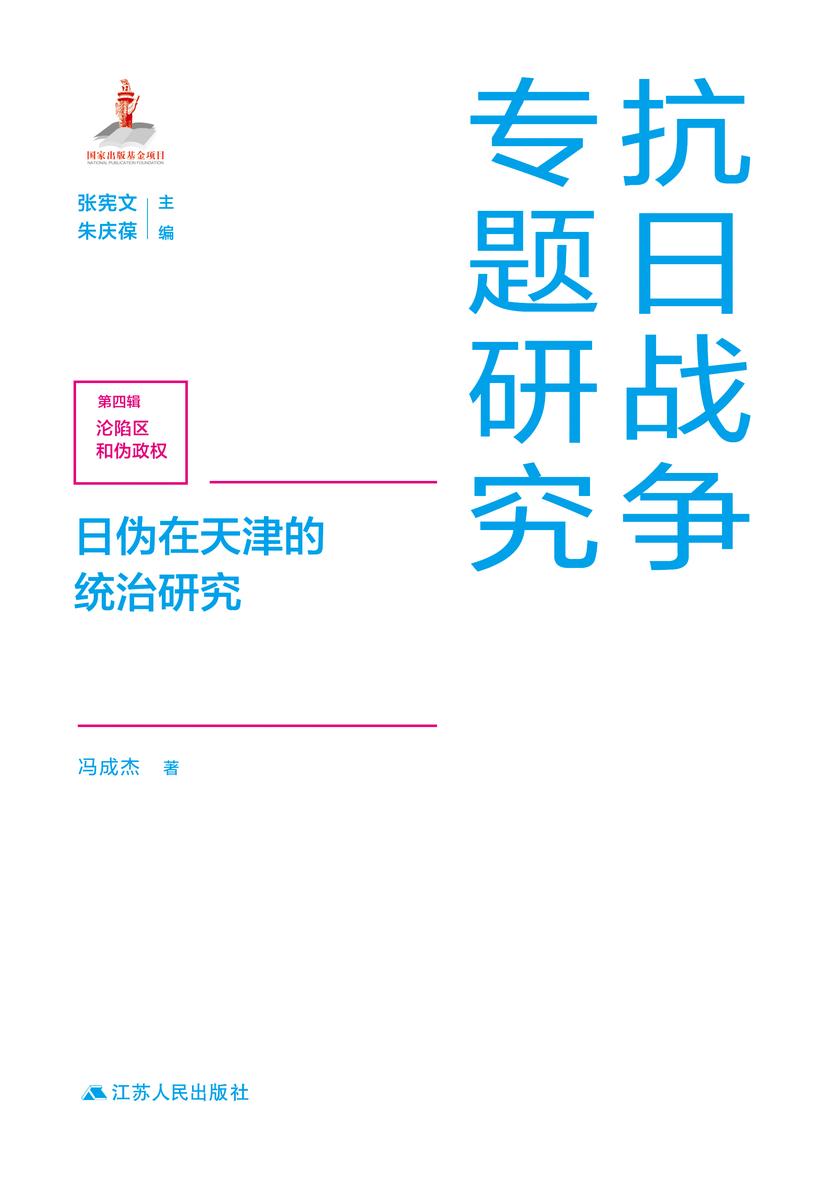
日伪在天津的统治研究
¥42.66
七七事变后,日军在各沦陷区推行“以华制华”政策,扶植伪政权。在长达八年的时期内,沦陷区发生了重要变化。本书以1937-1945年日伪对天津的统治为切,探讨其如何运用多种方式对天津行控制,分析伪政权与日本、英法租界之间复杂的关系,力求呈现日伪统治下沦陷区的多面性。本书为“中国抗日战争专题研究”项目,列南京大学实现“双一流”建设个卓越计划项目,并上报国家*批准为“*哲学社会科学研究重大委托项目”。全套丛书百卷左右,规模宏大;参与撰写的教授、研究人员达百余人。由南京大学联合国内外对抗日战争深研究、卓有成就的大学,合作行。
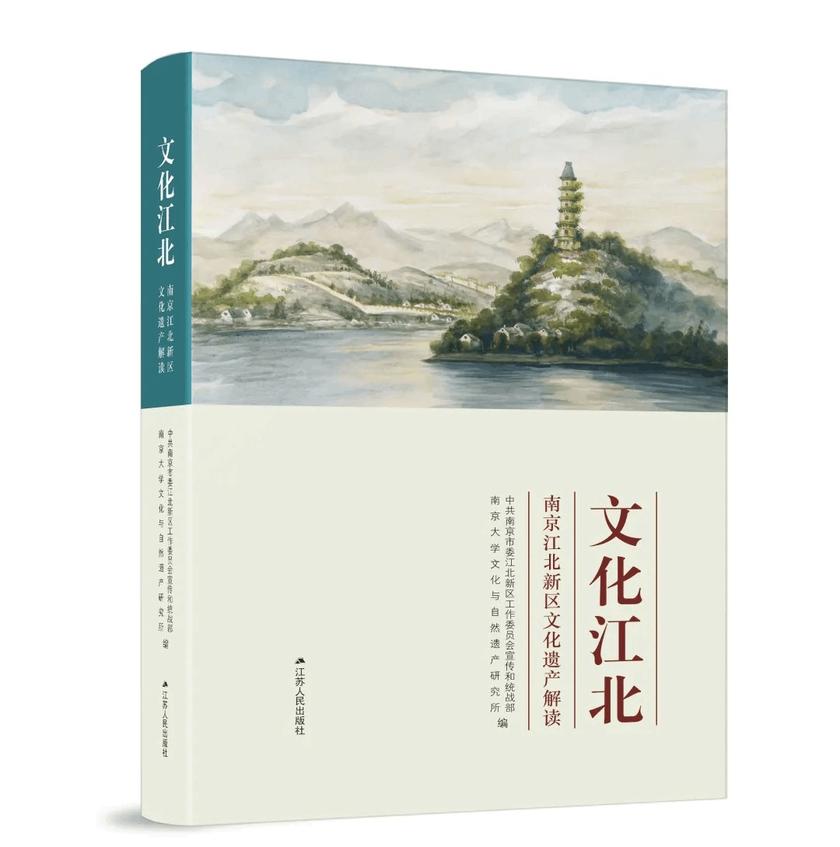
文化江北——南京江北新区文化遗产解读
¥42.66
【内容简介】 本书以南京市第三次全国文物普查成果为基础,挖掘整理南京江北新区文化遗产资源,主要包括物质文化遗产、非物质文化遗产,并按照文化遗产分类标准,结合江北新区文化遗产状况,对文化遗产进行分类解读。解读包括各类文化遗产的历史沿革、文化内涵、人物故事、相关档案资料、遗产价值等方面的内容。
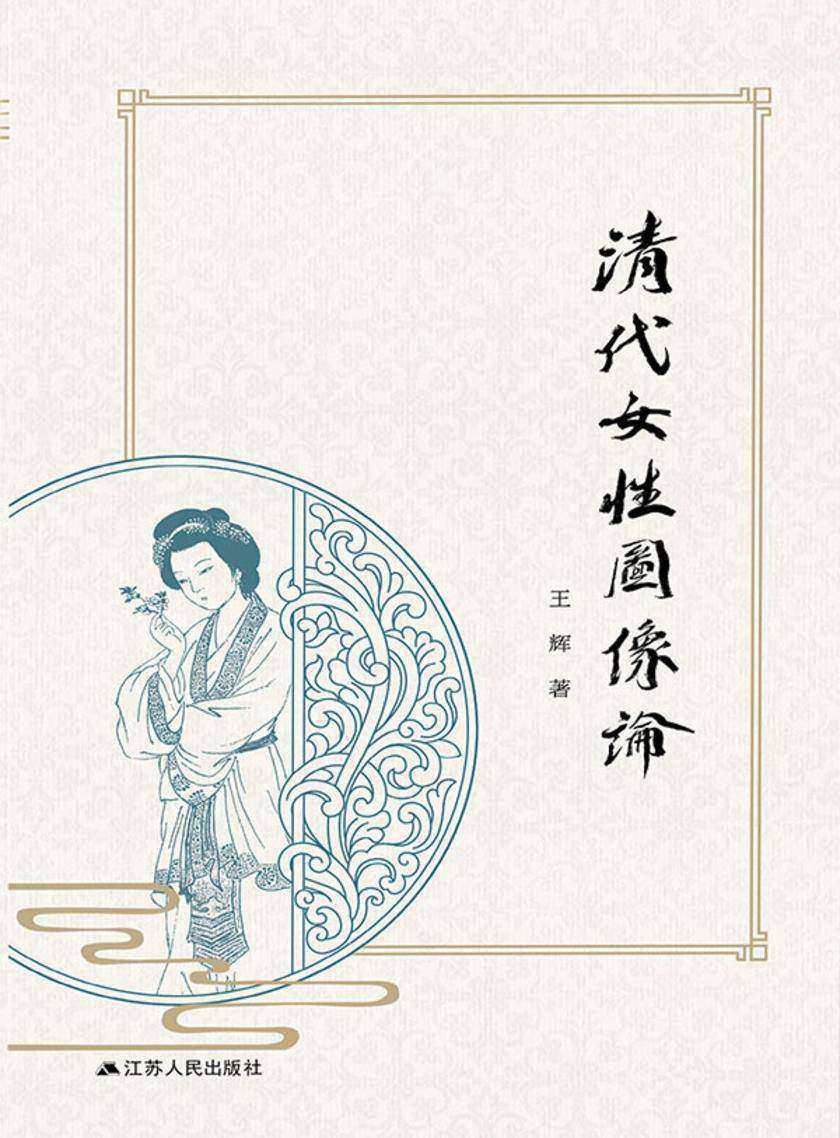
清代女性图像论
¥42.66
【内容简介】 本书选取涉及清中期才媛人生几个不同阶段的五个题材图绘——“佳人展卷”图绘、“对镜”自观图绘、“雅集图”图绘、“眷侣联吟”图绘、“才媛课读”图绘,及相关文字,结合现存实物作品的个案图像,从清中叶江南地区才媛“文士化”形象塑造、女性意识觉醒、才媛文学交游关系及群体认同、婚姻生活观、家族文化及母教文化等几个方面对才媛生活状态进行深入分析,涉及女性图像视觉表达、女性诗风诗艺、女性文化、女性意识觉醒、女性题咏社群交游等多个层面,试图通过绘图的文化内涵、题咏的文学特征及才媛的心路历程三个方面,勾勒清中叶江南才媛文学创作和生活轨迹,再现清代女性尤其是江南才媛群体的艺文成就、学术情况、精神祈向和生活状态。

古代世界中的鸟类与文化
¥42.66
【内容简介】 鸟类遍布古代世界,深刻地影响着普通人的日常生活与想象,并在文学与艺术中占据显著地位。它们不仅是时间、季节与天气的自然指示者,更是神话传说中丰富的符号源泉,以及占卜仪式中神与人的媒介。 本书展示了鸟类在古典文明中所扮演的多种不同角色,通过萃取百余位古典作家的珍贵文献,配以大量精美插图,融合科学记述与历史逸事,构建出了一幅绚丽的文化图景。作者杰里米·迈诺特以鸟类为棱镜,既揭示了古代与现代自然观的相通之处,又展现了二者的惊人差异,为鸟类文化史研究开辟了新维度。
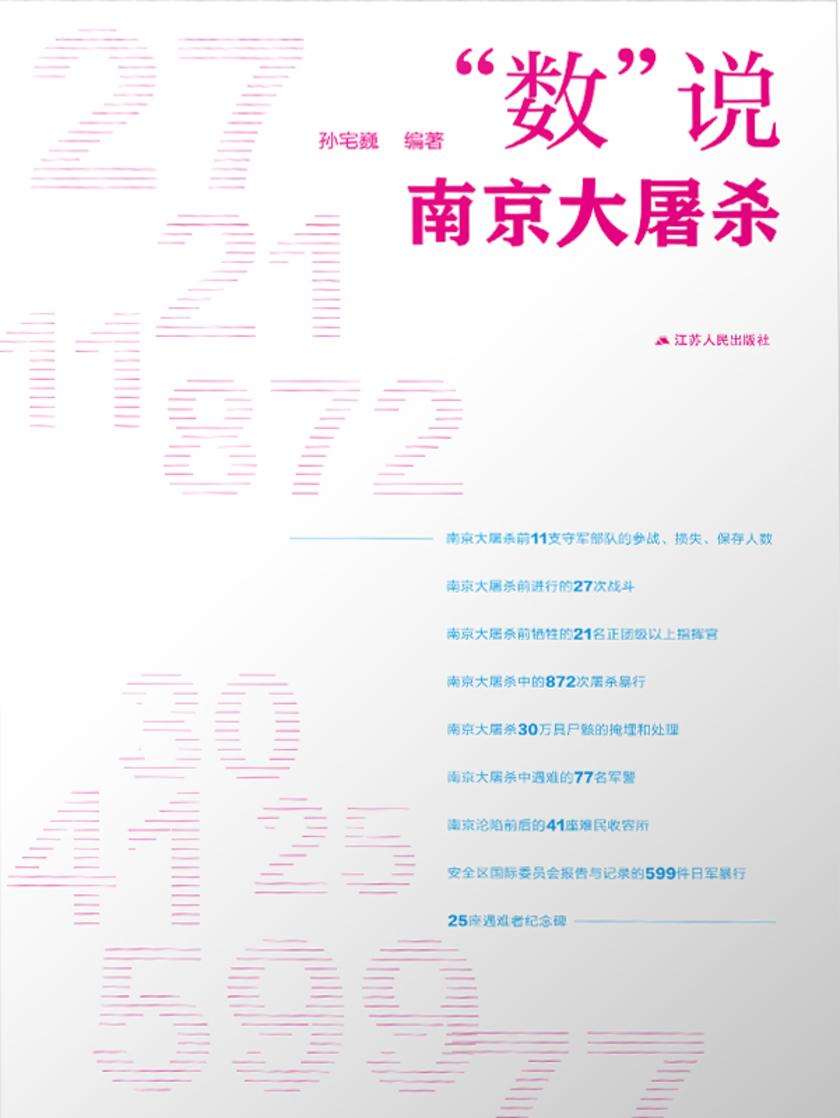
“数”说南京大屠杀
¥42.66
自20世纪80年代以来,南京大屠杀的研究受到国内外学术界及社会各界的高度重视,其研究成果汗牛充栋,研究视角也不断拓宽。侵华日军南京大屠杀的暴行记忆,离不数字记忆。从其背景南京保卫战,至其死难人数、难民救济、尸体掩埋,直至死难者纪念墓碑,无一不是由林林总总的数字所构成。至今已经出版的众多书籍资料中,均包含着南京保卫战与南京大屠杀的部分数字记忆,迄今为止,尚无一书,能将南京大屠杀的各类数字记忆集合于一体。本书着眼于填补社会活动与学术研究中的这一空白,得以在有限的篇幅中,将与南京大屠杀的相关数据,即南京大屠杀的数字记忆,以实证性、工具型的方式,浓缩于一书之中。本书收集统计的的数字有;南京大屠杀前11支守军部队的参战、损失、保存人数;南京大屠杀前行的27次战斗;南京大屠杀前牺牲的21名正团级以上指挥官;南京大屠杀中的872次屠杀暴行;南京大屠杀30万具尸骸的掩埋和处理;南京大屠杀中遇难的77名军警;南京沦陷前后的41座难民收容所;南京安全区国际委员会报告与记录的599件日军暴行;25座遇难者纪念碑。
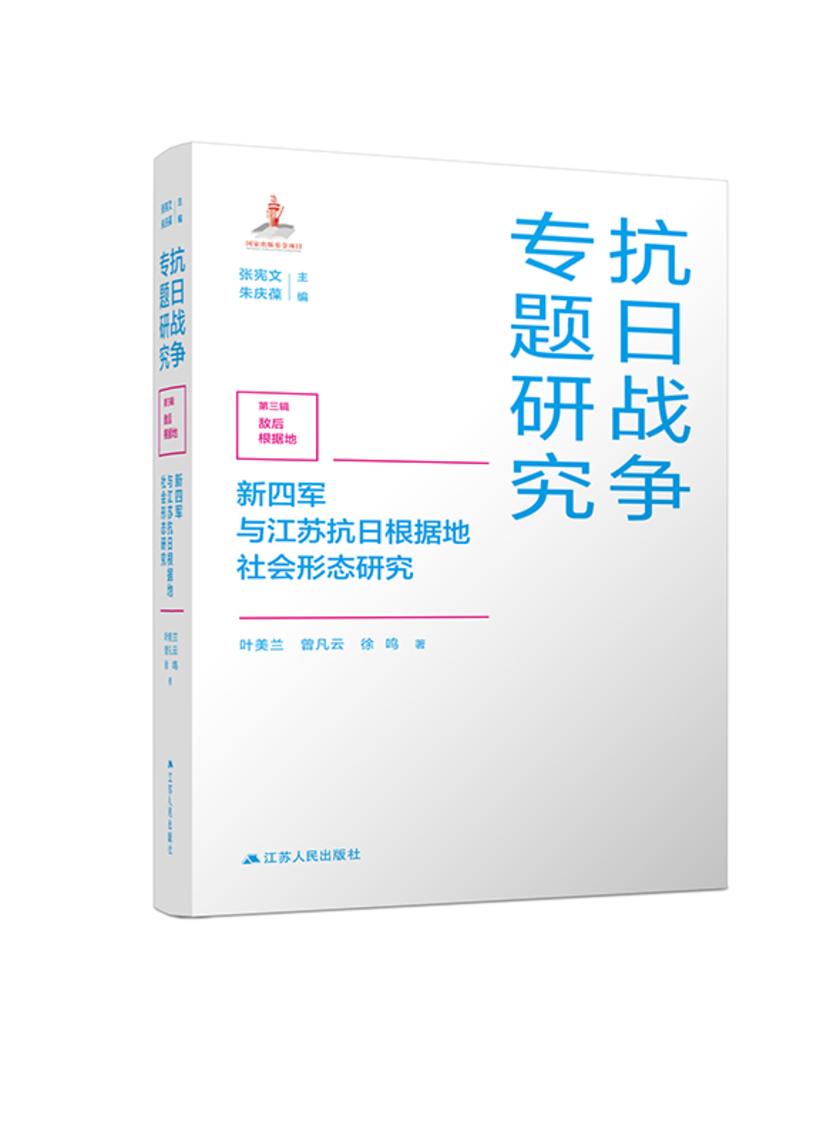
新四军与江苏抗日根据地社会形态研究
¥42.66
本书研究的“江苏抗日根据地”主要包括新四军在江苏建立的苏南、苏中、苏北三块抗日根据地,以及目前行政区域属于江苏的新四军建立的淮北抗日根据地和淮南抗日根据地的一部分。国内对新四军与江苏抗日根据地的研究已经有了一定的基础,本书从新四军革命精神与当代中国主流价值观的关系整合手,分析新四军文化发展的必然趋势以及由此对践行社会主义核心价值观所带来的深刻影响,探讨江苏红色文化资源的保护和放策略,研究新四军文化发展的历程及其价值意蕴、新四军文化价值观对马克思主义中国化的理论贡献等一系列重大、热问题。

战时西北国际交通线
¥42.66
本书回顾了全面抗战始后中国的国际处境与外交策略,分析了苏联与中日的利害关系及援华战略的形成;对于西北国际交通线辟的背景、过程、运行情况,以及诸多参与方在其间的影响行了评述;揭示了主导抗日民族统一战线的中国共产党在西北国际大通道辟和运营过程中的积极作用;分析了苏联通过西北国际大通道对华援助情况,包括贷款的使用、偿还,苏联军事顾问和技术专家来华助战及志愿飞行员参战情况等。既纵向梳理了史实,总结了西北国际交通线的顺利运行在全面抗战初期发挥的巨大作用,又横向研究了由“大通道”建设引发的相关问题,较为全面地再现了西北援华国际通道的历史。
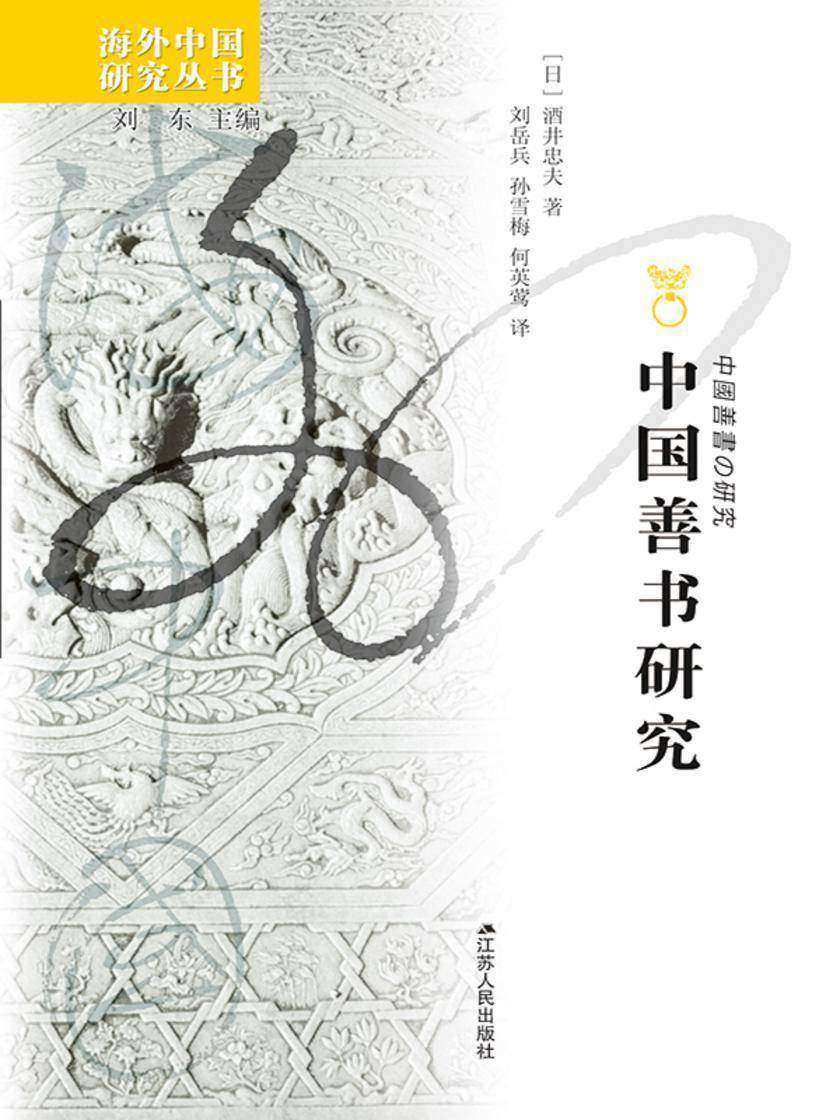
中国善书研究(增补版)上下卷
¥42.66
“善书”即劝善之书,不仅常见于宋代以后的史籍,在民间也广为流传。始于《感应篇》的中国庶民文化中的善书运动,在明末清初达到高潮。《中国善书研究》是酒井忠夫教授在其博士学位论文基础上积其毕生精力而完成的一部经典著作。上卷论述了自宋代到明末清初善书的制作、流通及其与当时的中国政治、社会、文化各方面的关系;下卷论述了从明末清初到清末与善书相关的诸问题,并阐述了善书文化在日本、朝鲜等中国周边地区的传播情况。《中国善书研究》史料翔实,以善书这一历史现象为主线,对明末清初庶民社会的历史、王朝的民众教化政策及民众救济福利政策、三教合一思想等行了综合性研究。阐明了明清时代特别是明末清初在中国历史。

《论语》言论评析(上下册)
¥42.66
本书是继《〈论语〉人物评传》《〈论语〉事件评述》之后的又一本研读《论语》工具书。全书继续坚持史学研究的方法,从《论语》中梳理出93个主题概念(命题),并将孔子相关言论集中起来行评析。全书直评析孔子言论350余章,间评析言论则数倍于此。这种用若干主题概念来串连孔子相关言论的研究方法是具有创意义的,可以帮助研读者从儒家思想体系的整体高度来研读《论语》。
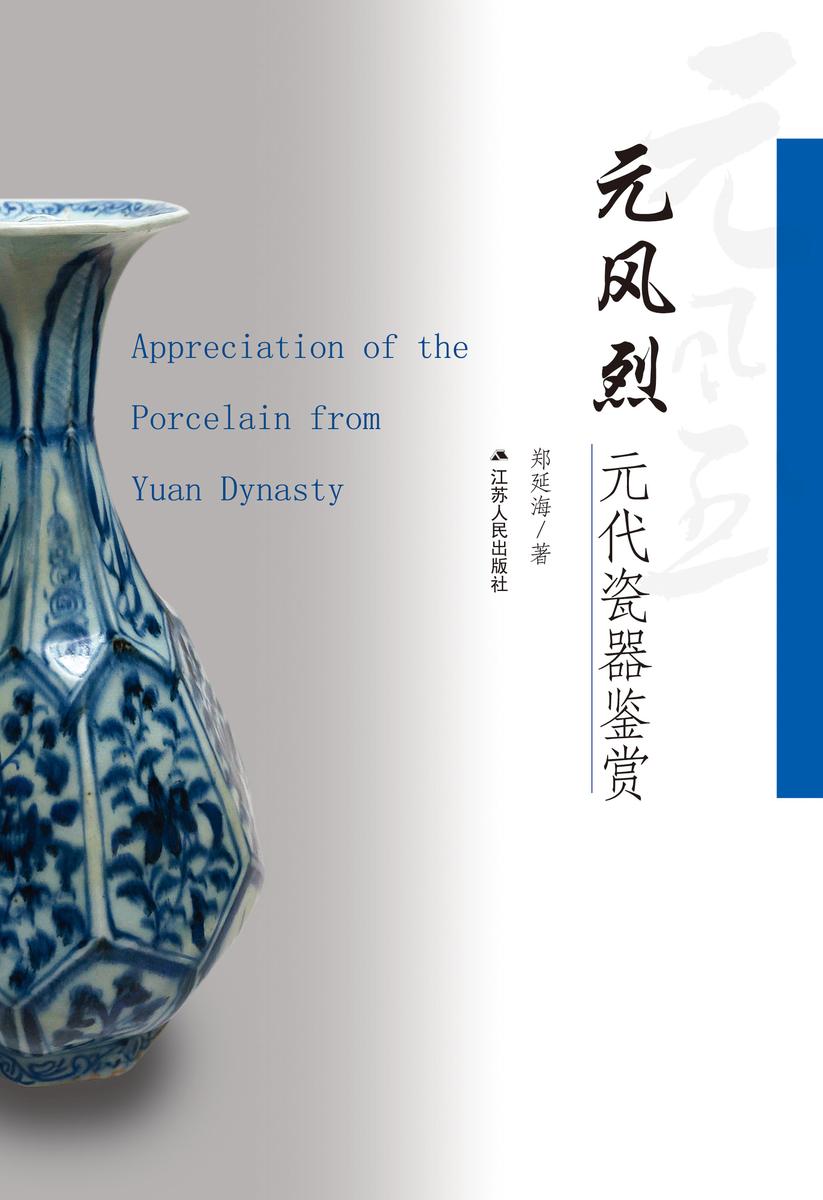
元风烈:元代瓷器鉴赏
¥42.66
【内容简介】 《元风烈》是以研究元代瓷器为主,传承弘扬优秀传统文化为宗旨的一本书。瓷器是中国人对人类文明的一大发明,本书通过对元代瓷器的独特造型、色彩及纹饰做了较为系统的探究,以便揭开其神秘的面纱,使得世人对它有个更为全面的认识。
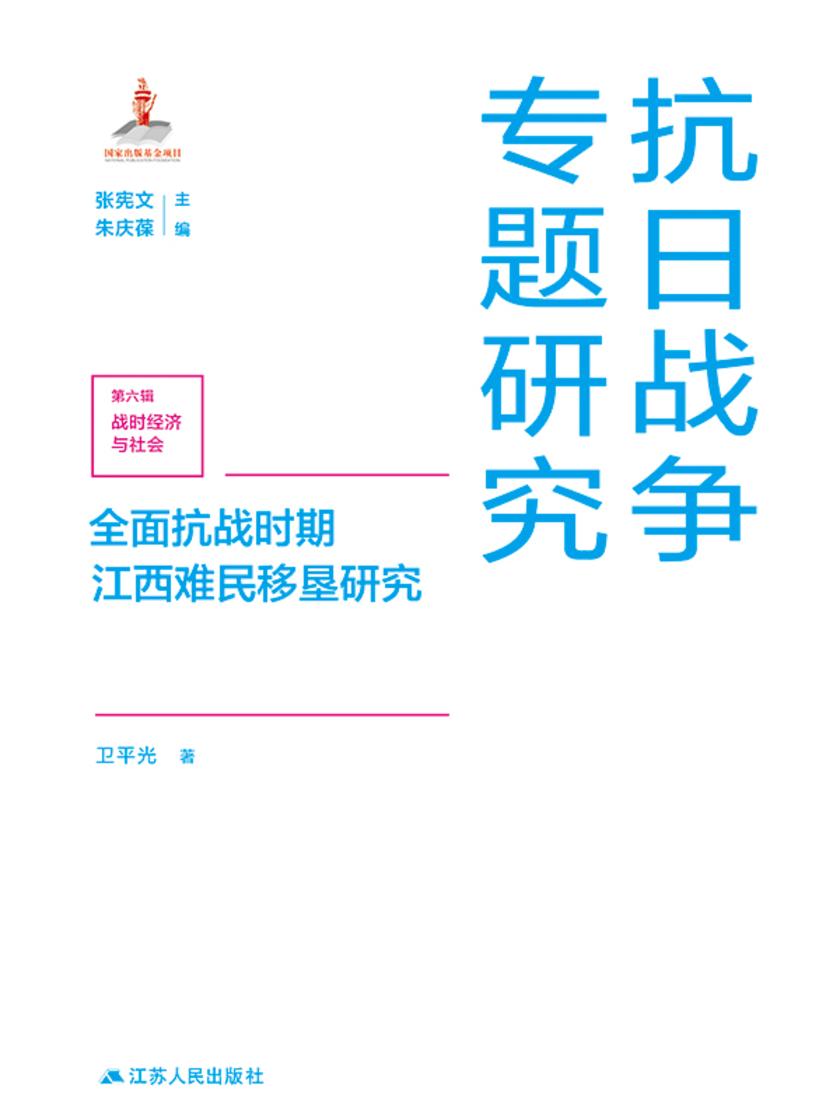
*抗战时期江西难民移垦研究
¥42.66
全面抗战时期,为救济难民、发展生产、厚积抗战的物质基础,国民政府秉持“以垦荒为配置难民中心工作”的方针,积极组织战区难民垦荒自救,并督导国统区各省政府和民间力量参与其中。农林部、江西省垦务处和众多民间团体大力移送难民至赣西南垦荒,从而在江西形成了国营、省营和民营垦殖齐头并的格局。垦民经过一两年的努力耕作,多数实现了自给自足,初步达到了救济目标,推动了垦殖事业的发展,为争取抗战胜利贡献了积极力量。但是,受经费缺乏、管理不善、贪污腐败和土客矛盾等因素的制约,移垦所能救济的难民究属有限,政策推行亦遭遇诸多窒碍,垦民屡屡弃垦他去,“难民——垦民——居民”的转化不畅,江西省政府力图通过难民移垦调节人口分布的目标几近落空。
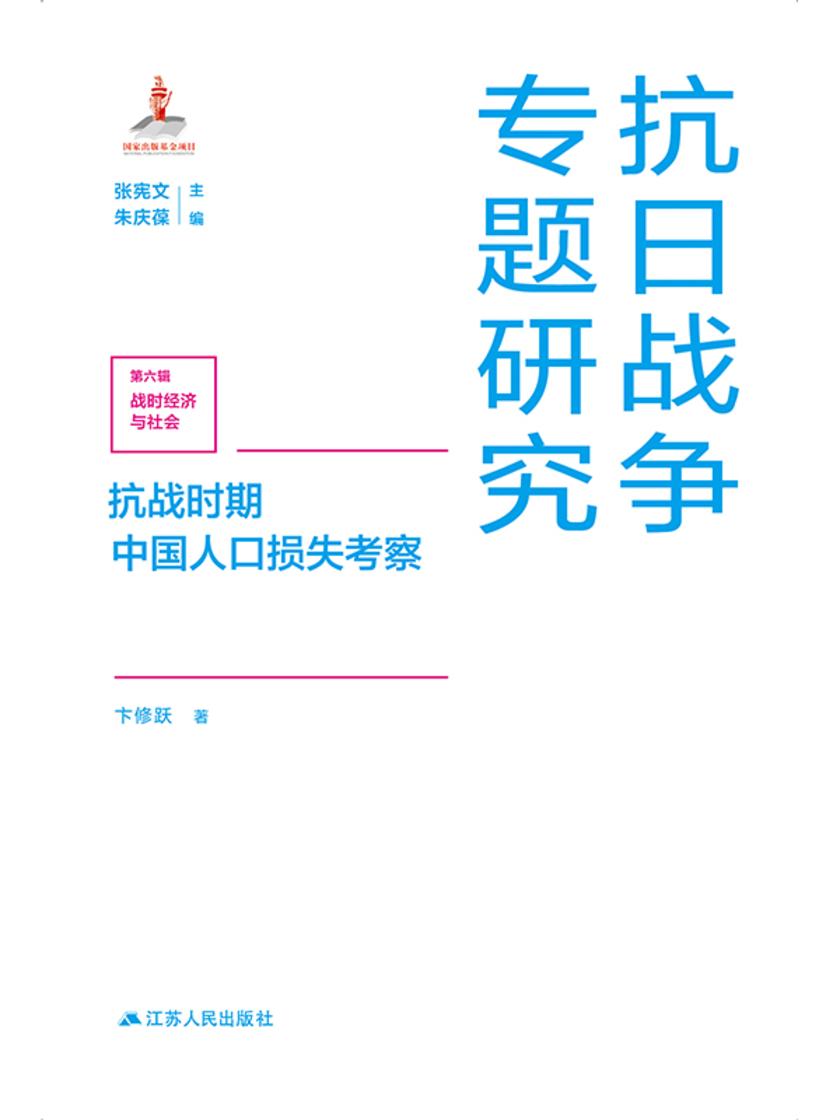
抗战时期中国人口损失考察
¥42.66
日本侵华战争给中国人民造成了极其惨重的人口损失。本书运用大量文献档案资料,结合史学研究与人口学统计等方法,对中国抗战人口损失相关概念行辨析,分析了抗战时期中国人口的生存环境,对抗战时期各省人口损失情况行整理统计和估计,并就中国抗战人口损失数量及类型、结构、区域分布等方面的问题,作全面细致的考察与分析,从而深刻揭示中国人民在抗日战争中所遭受的巨大损失。
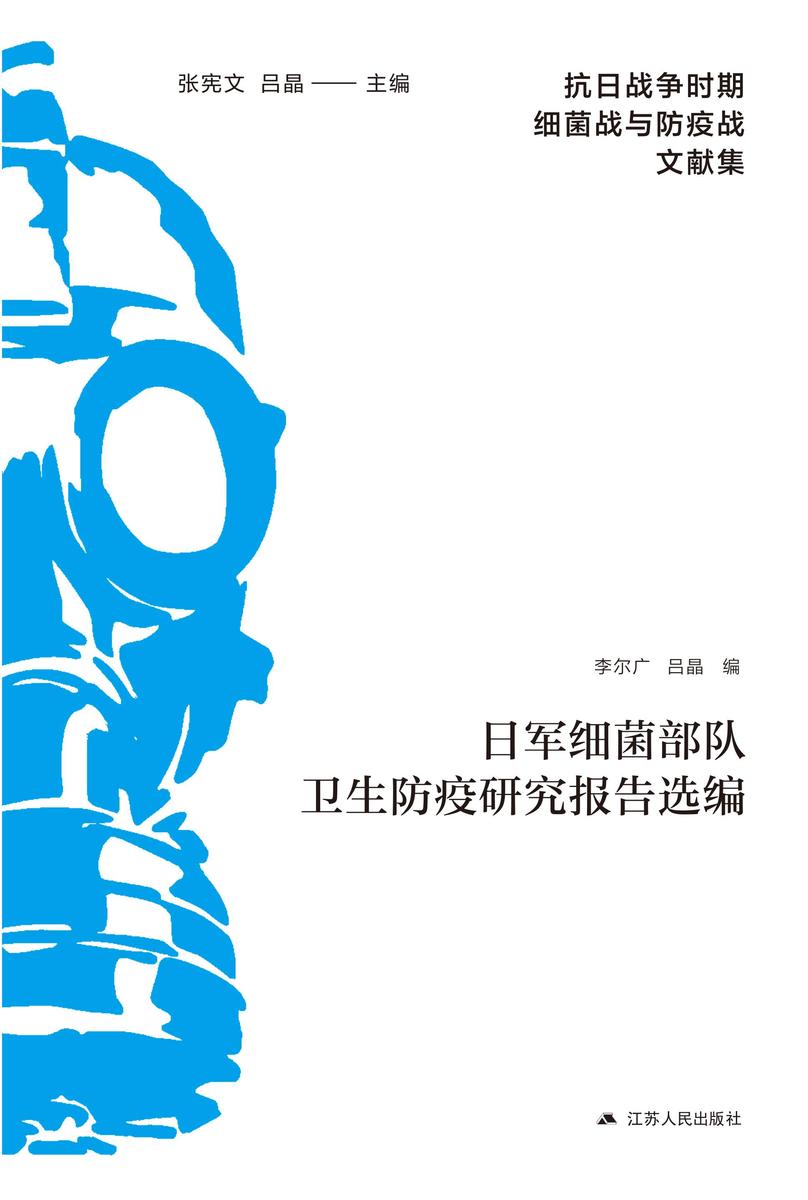
日军细菌*卫生防疫研究报告选编
¥42.66
【内容简介】 本卷主要由项目研究团队近年来发现的细菌*卫生防疫研究报告组成,其中包括七三一*对苏联和伪满卫生防疫状况的调查研究报告、荣字一*四*对长江流域风土病的调查研究报告、甲字一八五五*对河南等地疫病的调查研究报告、冈字九四二〇*对东南亚地区疟疾流行状况的调查研究报告等。这些报告不仅反映了当时这些地区疫情流布的实相,也揭示了这些细菌*的研究兴趣之所在,尤其是从军事医学、微生物学角度,去看待这几支细菌*依据所在地区的特点,因地制宜地所展开的相应研究,并为后期作战做了充分准备,亦可窥见日军细菌战略的意图和布局。
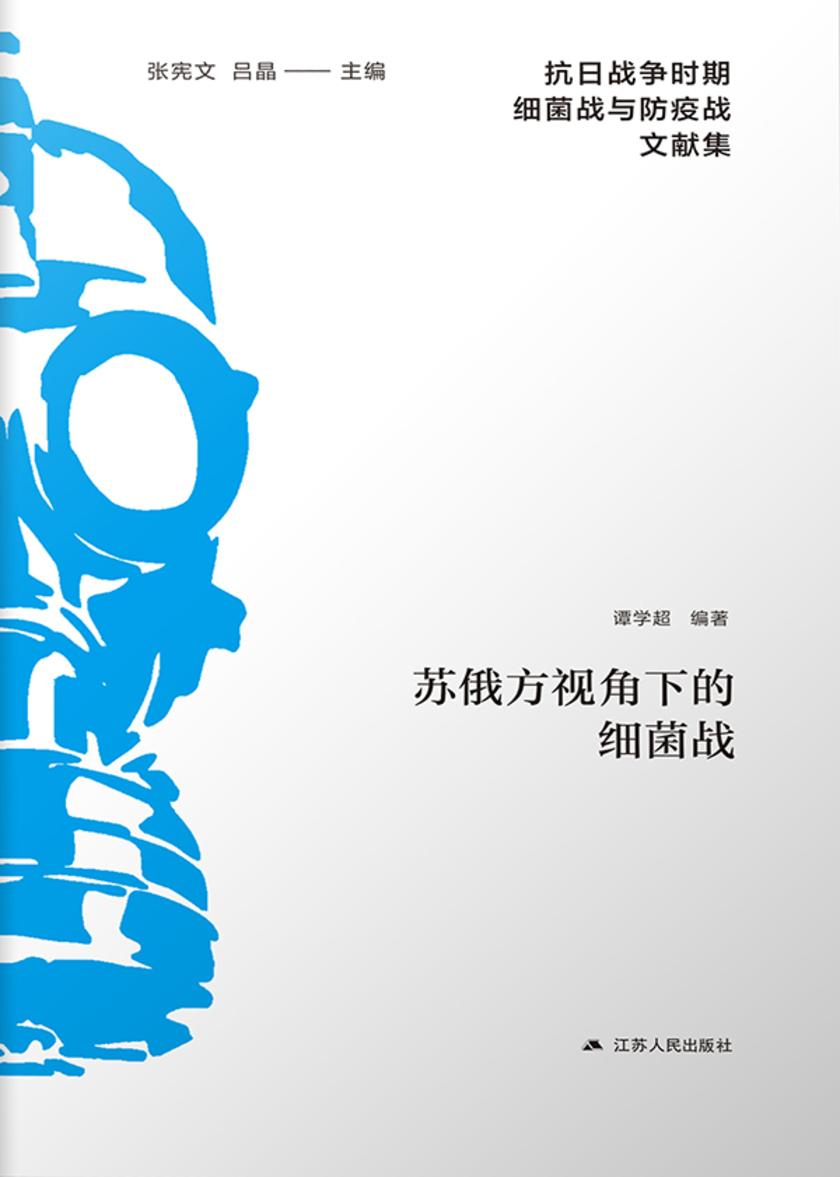
苏俄方视角下的细菌战
¥42.66
【内容简介】 本书是关于苏联和俄罗斯在生化战和细菌战领域中的相关史料文献、研究资料与社会评述报导的资料集,通过选编、摘译、介绍苏联和俄罗斯针对生化战和细菌武器的文献资料,呈现了苏联和俄罗斯历史上与生化战和细菌战之间的关系,以及苏、俄军方和科学界对它们的认知、研究、防范的科学历史和人文历史的过程,由此为中国国内历史学等领域提供研究生化战和细菌战的另一种视角。主要内容分为七个专题,即苏联早期引进的细菌战研究著作、伯力审判材料、《真理报》刊登的伯力审判材料及其与日本侵华生化战有关的材料、苏联和俄罗斯关于生化战研的究与引进、俄安全局档案分局2021年解密日军生化战档案、俄国内对于新解密材料的新闻报导。
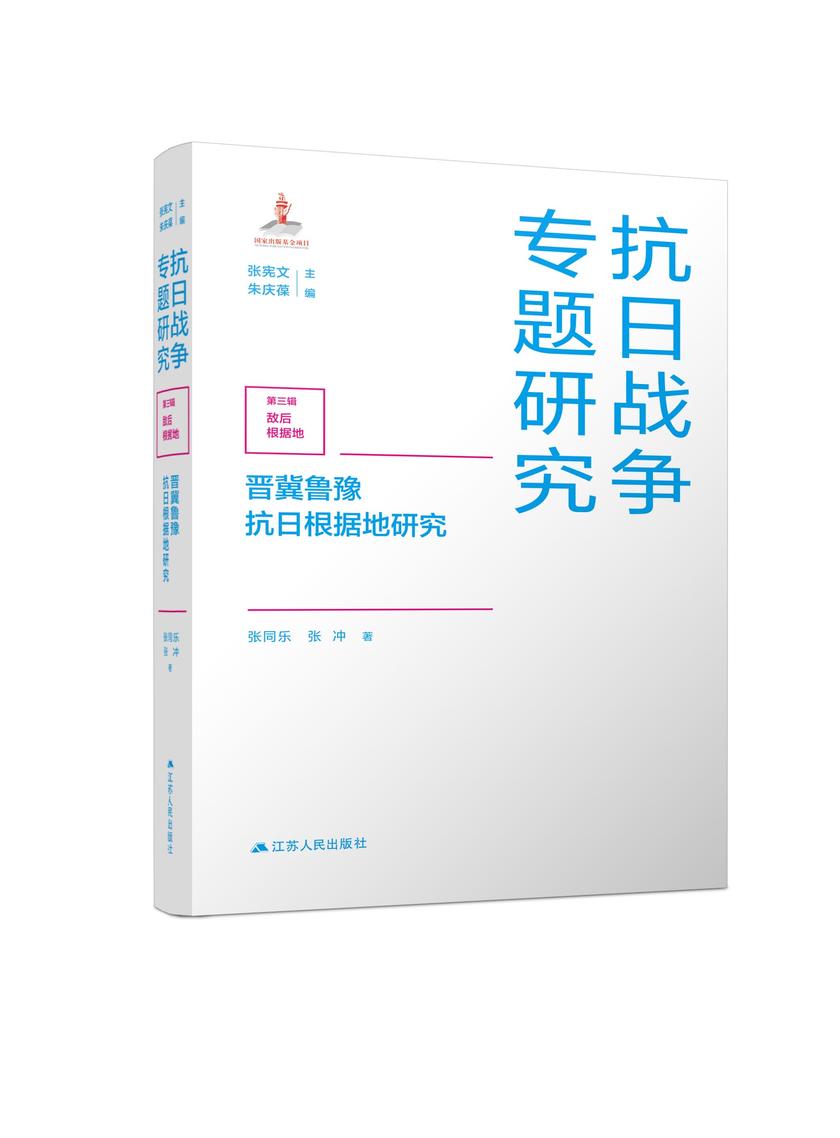
晋冀鲁豫抗日根据地研究
¥42.66
晋冀鲁豫抗日根据地位于山西、河北、山东、河南四省边界地区, 包括太行、太岳、冀鲁豫、冀南四个区,是中国共产党领导的面积最大的敌后抗日根据地。本书力求深挖掘馆藏档案文献史料,专题性谋篇布局,拓创新。梳理八路军第一二九师抗战与根据地创建的历史,研究中共中央的华北敌后抗战决策、八路军总部建设抗日根据地的方略。研究晋冀鲁豫边区的政权建设和巩固,总结冀太联办及边区政府执政经验,分析根据地的法制建设与司法实践、灾荒治理救治特别是蝗灾与社会应对。探究“九千名将士涉县,三十万大军出太行”历史壮举背后的社会因素、民心向背;探究人民战争的无比威力和抗战精神的凝练、民族复兴力量的积蓄。聚焦专题,位深耕,揭示根据地发展壮大、人民必胜的历史规律。

百年中国考古
¥42.66
文物和文化遗产承载着中华民族的基因和血脉。考古人在不起眼的陶片、锈迹斑斑的铜钱、肉眼看不见的孢子花粉上寻找历史的线索,与深埋在地下的过去对话。本书述及考古学基本知识及中国考古学发展历程,展现百年来中国考古的一次次新发现,有利于加深对中华文明悠久历史和宝贵价值的认识,让世界触摸绵延不息的中华文脉。
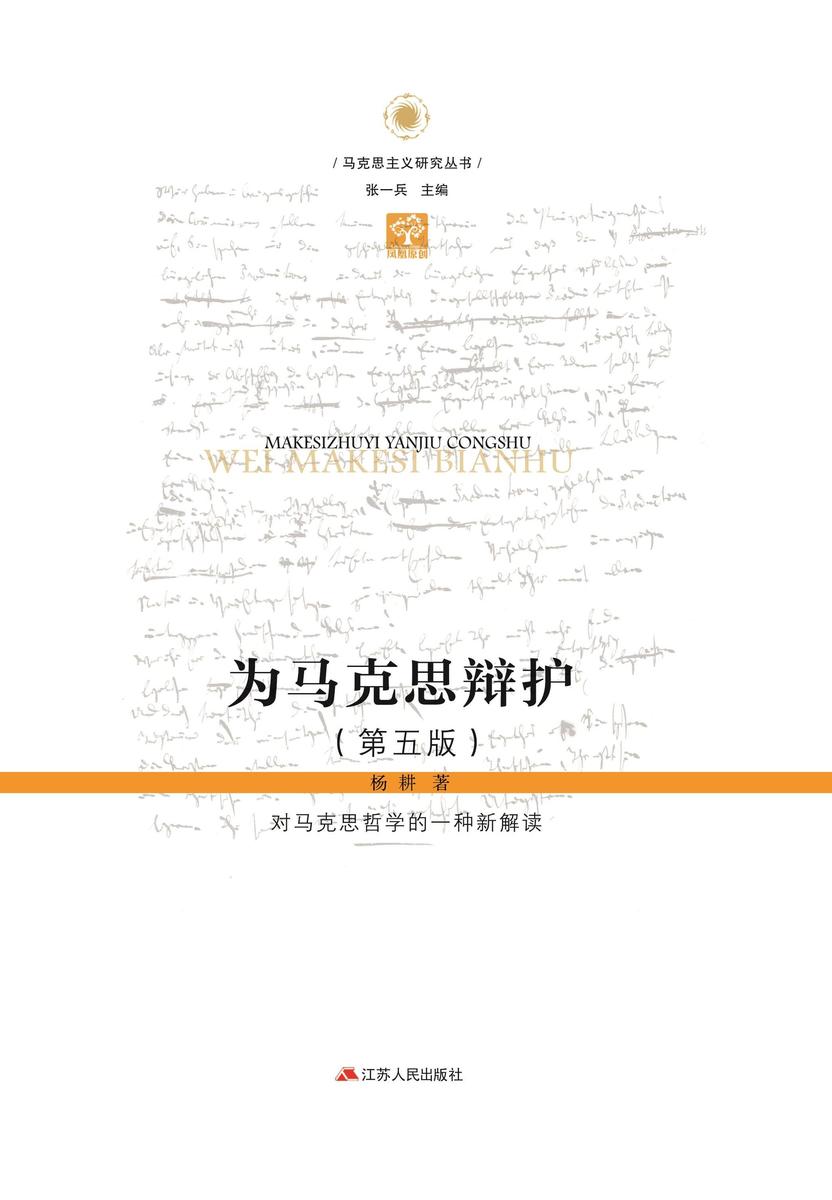
为马克思辩护:对马克思哲学的一种新解读(第五版)
¥42.66
本书围绕重释马克思哲学这一主题,展示马克思哲学的当代意义这一目标,把马克思哲学置于一个宏大的理论背景中,从理论与文本、理论与历史、理论与现实三个维度展对马克思哲学的研究,并用新的实践、科学和哲学成果重新阐释已经成为“常识”的马克思哲学的基本观,深探讨被忽视、被遗忘的马克思哲学的基本观,系统论证马克思有所论述但又未展、同时又契合着当代重大问题的观,并使之上升为马克思主义哲学的基本观,从而为我们展示了一个新的马克思的“形象”,为我们重新理解马克思哲学提供了一个新的思维空间。

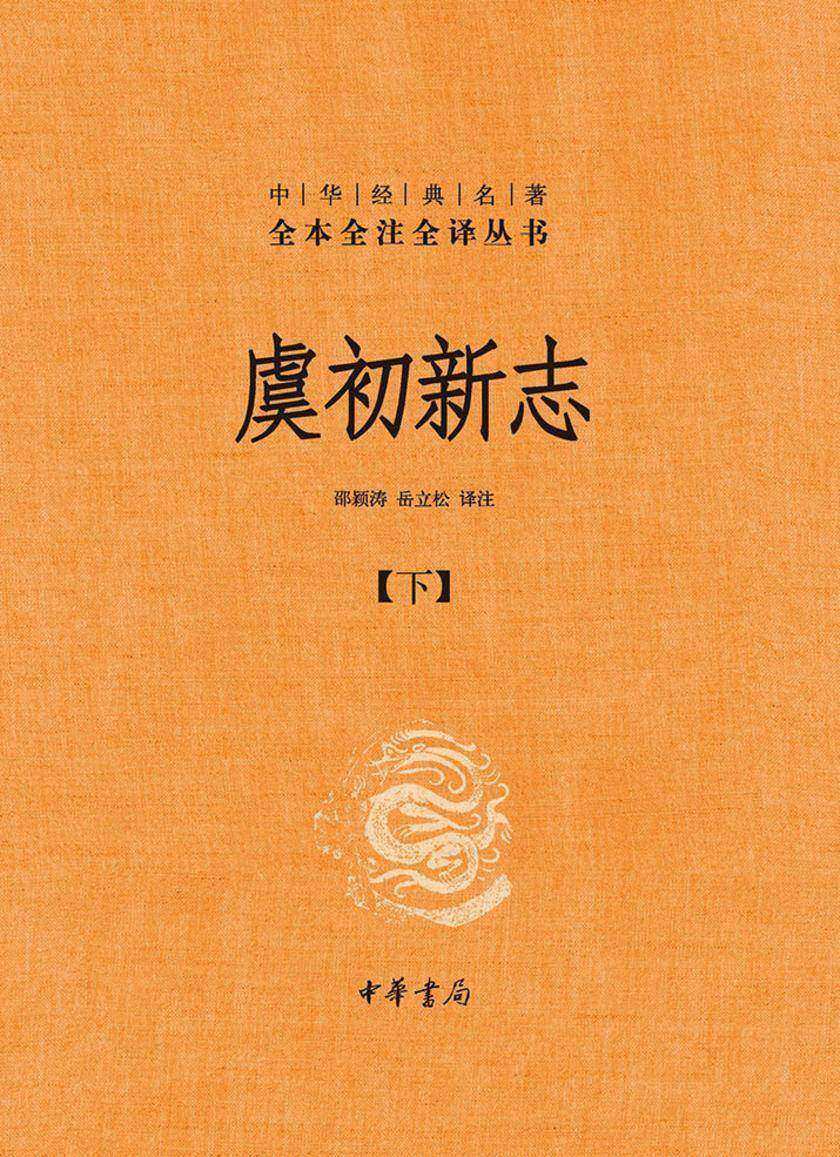
虞初新志(全2册)--中华经典名著全本全注全译丛书(套装全两册)【第二分册】 中华书局出品
¥42.60
《虞初新志》二十卷,明末清初文言短篇笔记小说集。书中收集的文章题材广泛﹐既有明清传奇人物,亦有奇异事件,所记多为真人真事﹐不尽是子虚乌有。用小品文的笔调﹐写不平凡的人物故事﹐引人胜,聆听明清奇闻逸事的同时看尽人生百态。本书既对后世作家创作有深远的影响,亦流传至海外,在域外产生深远的影响。
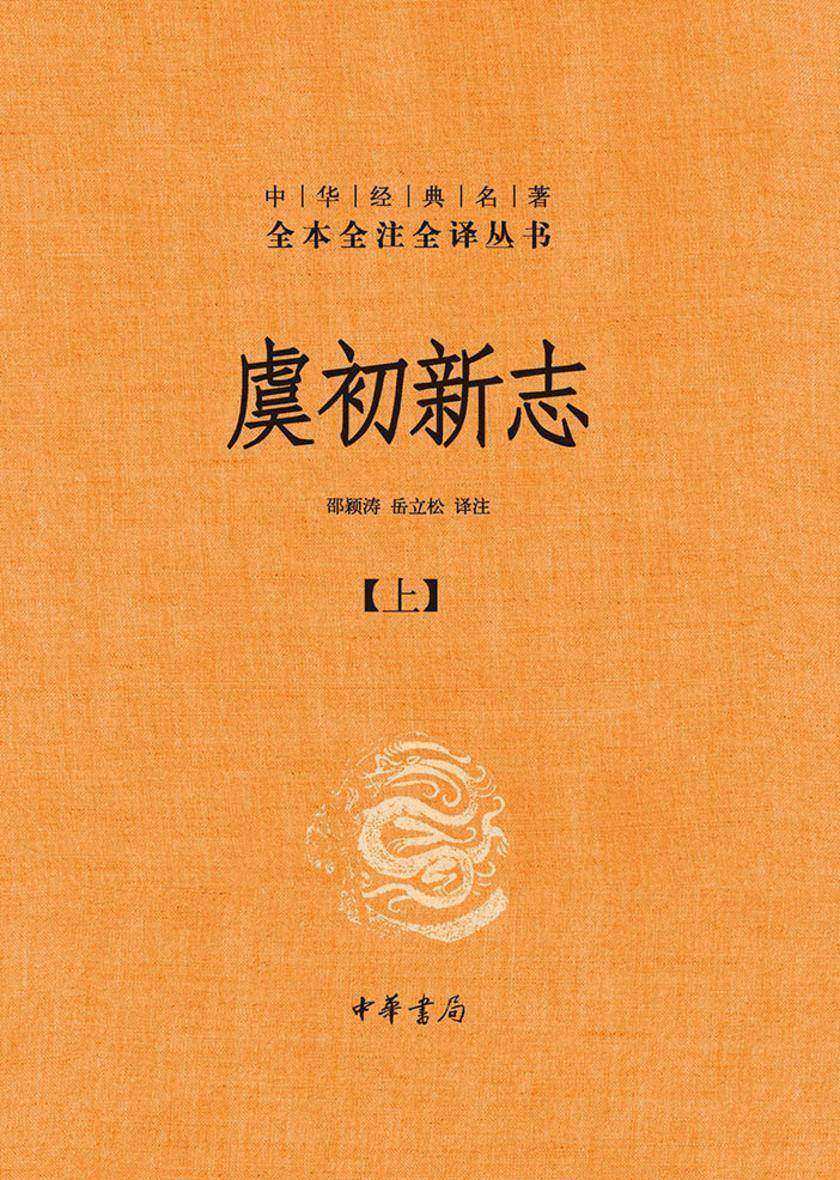
虞初新志(全2册)--中华经典名著全本全注全译丛书(套装全两册)【*分册】 中华书局出品
¥42.60
《虞初新志》二十卷,明末清初文言短篇笔记小说集。书中收集的文章题材广泛﹐既有明清传奇人物,亦有奇异事件,所记多为真人真事﹐不尽是子虚乌有。用小品文的笔调﹐写不平凡的人物故事﹐引人胜,聆听明清奇闻逸事的同时看尽人生百态。本书既对后世作家创作有深远的影响,亦流传至海外,在域外产生深远的影响。
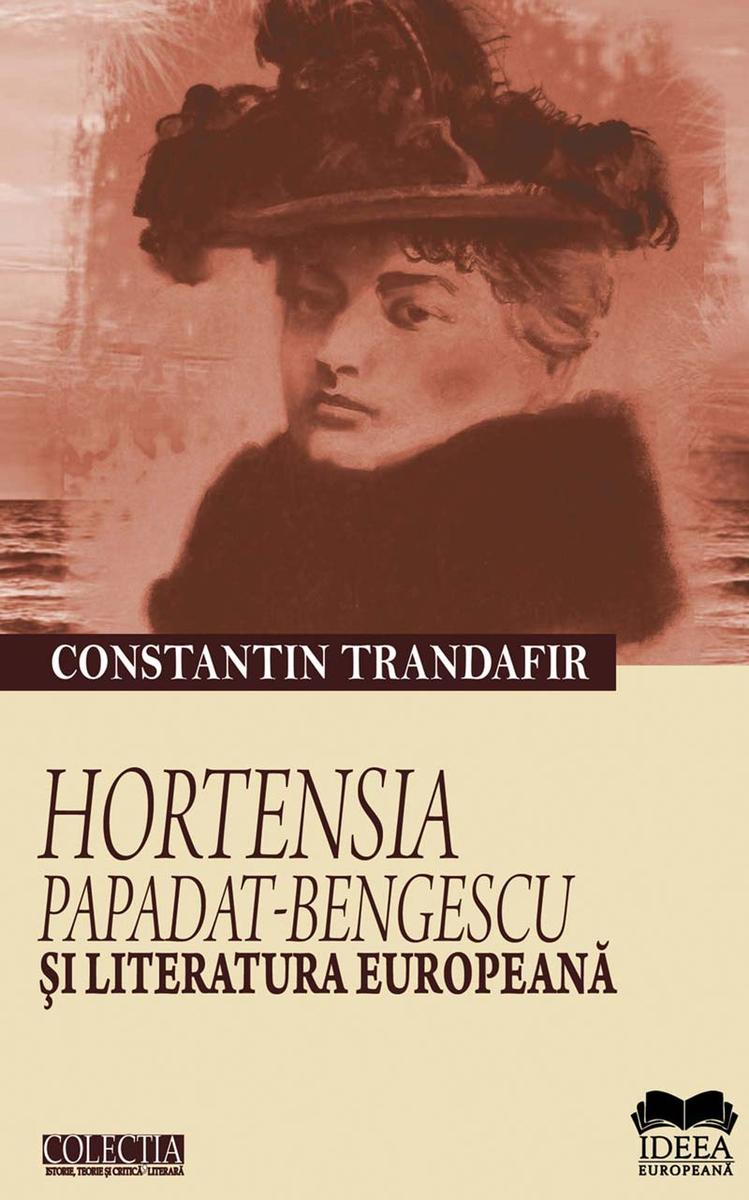
Hortensia Papadat-Bengescu ?i literatura european?
¥42.51
Dintre autorii italieni ai secolului XX, Antonio Gramsci este cel mai cunoscut pe plan interna?ional. Utilizarea pe scar? larg? a ideilor, conceptelor ?i categoriilor sale se datoreaz? at?t caracterului antidogmatic ?i eterodox, c?t ?i originalit??ii remarcabile prin care a inovat tradi?ia marxist?. Lucrarea sa principal?, intitulat? Caietele din ?nchisoare, ?n ciuda caracterului fragmentar, s-a remarcat prin bog??ia ?i amploarea subiectelor acoperite, atr?g?nd interesul unui larg spectru de speciali?ti din diverse discipline din ?ntreaga lume.


