


 购物车
购物车 个人中心
个人中心
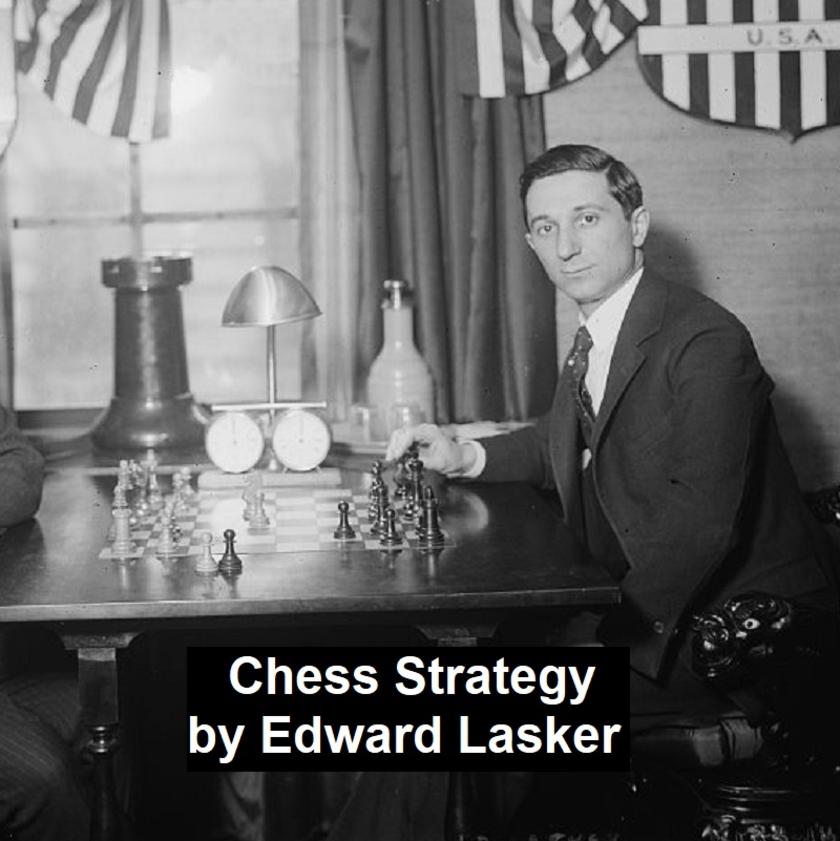
Chess Strategy
¥8.09
Classic chess guide, first published in 1915. According to Wikipedia: "Edward Lasker (December 3, 1885 – March 25, 1981) was a leading German-American chess and Go player. He was awarded the title of International Master of chess by FIDE. Lasker was an engineer by profession, and an author."

Triumph of the Egg and Other Stories
¥8.09
Dodo Collections brings you another classic from Sherwood Anderson, ‘"Triumph of the Egg and Other Stories".’ ? This collection of short stories solidified the author's reputation as a major American writer. Despite their narrative simplicity (similar in style to the work of Hemingway, who was highly influenced by Anderson's technique), these stories explore intriguing psychological depths, redolent with personal epiphanies, erotic undercurrents, and sudden eruptions of passion among seemingly repressed, inarticulate Midwesterners. ? Anderson was born on Sept. 13, 1876, in Camden, Ohio. He never finished high school because he had to work to support his family. By 1912, he was the successful manager of a paint factory in Elyria, Ohio, and the father of three children by the first of his four wives. In 1912, Anderson deserted his family and job. In early 1913, he moved to Chicago, where he devoted more time to his imaginative writing. He became a heroic model for younger writers because he broke with what they considered to be American materialism and convention to commit himself to art.
Kai Lung's Golden Hours
¥8.09
Dodo Collections brings you another classic from Bramah Ernest, ‘Kai Lung's Golden Hours.’ ? As with other Kai Lung novels, the main plot serves primarily as a vehicle for the presentation of the gem-like, aphorism-laden stories told by the protagonist Kai Lung, an itinerant story-teller of ancient China. In?Kai Lung's Golden Hours?he is brought before the court of the Mandarin Shan Tien on charges of treason by the Mandarin's confidential agent Ming-shu. In a unique defense, Kai Lung recites his beguiling tales to the Mandarin, successfully postponing his conviction time after time until he is finally set free. In the process he attains the love and hand of the maiden Hwa-Mei. ? Bramah was a reclusive soul, who shared few details of his private life with his reading public. His full name was Ernest Bramah Smith. It is known that he dropped out of Manchester Grammar School at the age of 16, after displaying poor aptitude as a student and thereafter went into farming, and began writing vignettes for the local newspaper. Bramah's father was a wealthy man who rose from factory hand to a very wealthy man in a short time, and who supported his son in his various career attempts.? Bramah went to Fleet Street after the farming failure and became a secretary to Jerome K. Jerome, rising to a position as editor of one of Jerome's magazines. At some point, he appears to have married Mattie.
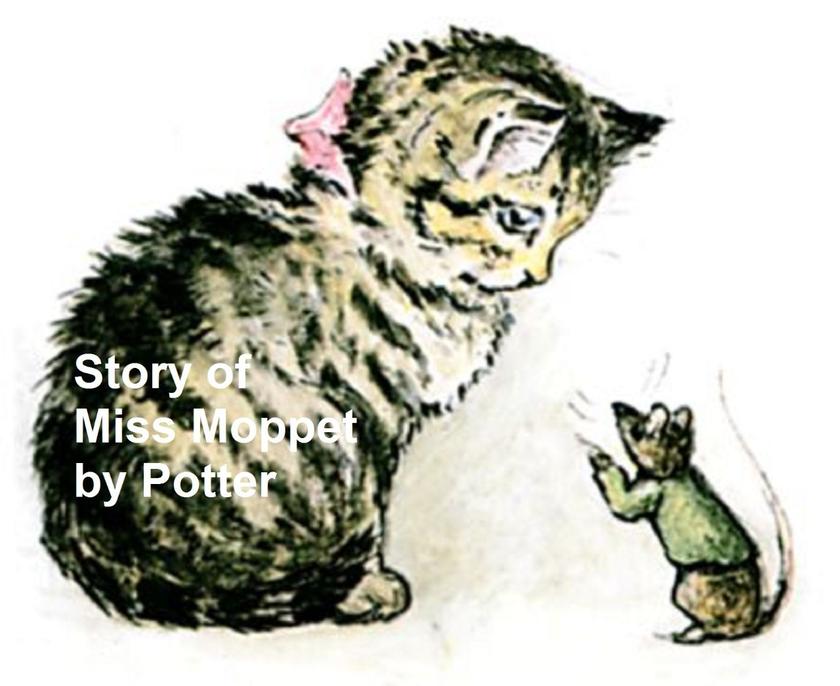
The Story of Miss Moppet
¥8.09
Classic children's picture book, with the 15 original color illustrations. According to Wikipedia: "Helen Beatrix Potter (28 July 1866 – 22 December 1943) was an English author, illustrator, natural scientist and conservationist best known for her imaginative children’s books featuring animals such as those in The Tale of Peter Rabbit which celebrated the British landscape and country life."

Hilda Lessways
¥8.09
Dodo Collections brings you another classic from Arnold Bennett, ‘"Hilda Lessways”. ? In the second volume of the trilogy, events in Clayhanger are retold from the perspective of Hilda Lessways, who is embarking upon a relationship with George Cannon, a charismatic entrepreneur, whose success has taken him from the Five Towns to Brighton. A disastrous bigamous marriage and pregnancy result. Finally, however, she is reconciled with Edwin Clayhanger and one of Bennett’s most lively heroines must face up to her conflicting emotions, and the reality of her hopes and tragedies. ? Enoch Arnold Bennett (always known as Arnold Bennett) was one of the most remarkable literary figures of his time, a product of the English Potteries that he made famous as the Five Towns. Yet he could hardly wait to escape his home town, and he did so by the sheer force of his ambition to succeed as an author. In his time he turned his hand to every kind of writing, but he will be remembered for such novels as The Old Wives' Tale, the Clayhanger trilogy (Clayhanger, Hilda Lessways, and These Twain), and The Card. He also wrote such intriguing self-improvement books as Literary Taste, How To Live on 24 Hours a Day, The Human Machine, etc. ? After a local education Bennett finished his education at the University of London and for a time was editor of Woman magazine. After 1900 he devoted himself entirely to writing; dramatic criticism was one of his foremost interests. Bennett is best known, however, for his novels, several of which were written during his residence in France. ? Bennett's infancy was spent in genteel poverty, which gave way to prosperity as his father succeeded as a solicitor. From this provincial background he became a novelist. ? His enduring fame is as a Chronicler of the Potteries towns, the setting and inspiration of some of his most famous and enduring literary work and the place where he grew up.
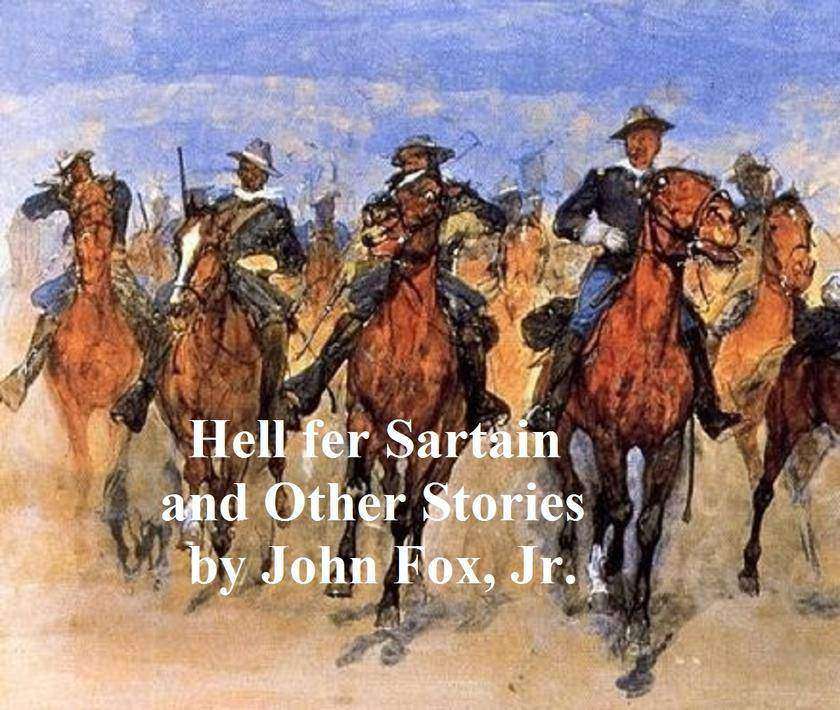
Hell fer Sartain and Other Stories
¥8.09
The stories include: ON HELL-FER-SARTAIN CREEK, THROUGH THE GAP, A TRICK O' TRADE, GRAYSON'S BABY, COURTIN' ON CUTSHIN, THE MESSAGE IN THE SAND, THE SENATOR'S LAST TRADE, PREACHIN' ON KINGDOM-COME, THE PASSING OF ABRAHAM SHIVERS, and A PURPLE RHODODENDRON. According to Wikipedia: "Born in Stony Point, Kentucky to John William Fox, Sr., and Minerva Worth Carr, Fox studied English at Harvard University. He graduated in 1883 before becoming a reporter in New York City. After working for both New York Times and the New York Sun, he published a successful serialization of his first novel, A Mountain Europa, in Century magazine in 1892. Two moderately successful short story collections followed, as well as his first conventional novel, The Kentuckians in 1898. Fox gained a following as a war correspondent, working for Harper's Weekly in Cuba during the Spanish-American War of 1898, where he served with the "Rough Riders." Six years later he traveled to Asia to report on the Russo-Japanese War for Scribner's magazine. Though he occasionally wrote for periodicals, after 1904, Fox dedicated much of his attention to fiction. The Little Shepherd of Kingdom Come (published in 1903) and The Trail of the Lonesome Pine (published in 1908) are arguably his most well known and successful works, entering the New York Times top ten list of bestselling novels for 1903, 1904, 1908, and 1909 respectively. Many of his works reflected the naturalist style, his childhood in Kentucky's Bluegrass region, and his life among the coal miners of Big Stone Gap, Virginia. Many of his novels were historical romances or period dramas set in that region."
Tom Sawyer Detective
¥8.09
Sequel to the Adventures of Tom Sawyer. Short novel. According to Wikipedia: "Samuel Langhorne Clemens (November 30, 1835 - April 21, 1910), better known by the pen name Mark Twain, was a humorist, satirist, lecturer and writer from the United States of America. Twain is most noted for his novels Adventures of Huckleberry Finn, which has since been called the Great American Novel, and The Adventures of Tom Sawyer. He is also known for his quotations. During his lifetime, Twain became a friend to presidents, artists, leading industrialists and European royalty. Twain enjoyed immense public popularity, and his keen wit and incisive satire earned him praise from both critics and peers. American author William Faulkner called Twain 'the father of American literature.'"
The Further Adventures of Robinson Crusoe
¥8.09
Sequel to the well-known classic. The story begins: "THAT homely proverb, used on so many occasions in England, viz. "That what is bred in the bone will not go out of the flesh," was never more verified than in the story of my Life. Any one would think that after thirty-five years' affliction, and a variety of unhappy circumstances, which few men, if any, ever went through before, and after near seven years of peace and enjoyment in the fulness of all things; grown old, and when, if ever, it might be allowed me to have had experience of every state of middle life, and to know which was most adapted to make a man completely happy; I say, after all this, any one would have thought that the native propensity to rambling which I gave an account of in my first setting out in the world to have been so predominant in my thoughts, should be worn out, and I might, at sixty one years of age, have been a little inclined to stay at home, and have done venturing life and fortune any more." According to Wikipedia: Daniel Defoe (1659/1661 [?] — 1731), born Daniel Foe, was an English writer, journalist, and pamphleteer, who gained enduring fame for his novel Robinson Crusoe. Defoe is notable for being one of the earliest practitioners of the novel, as he helped to popularise the form in Britain, and is even referred to by some as one of the founders of the English novel. A prolific and versatile writer, he wrote more than five hundred books, pamphlets, and journals on various topics (including politics, crime, religion, marriage, psychology and the supernatural). He was also a pioneer of economic journalism."
Dickens in Camp
¥8.09
Short poem, considered Harte's verse masterpiece. According to Wikipedia: "Bret Harte (August 25, 1836[2] – May 6, 1902) was an American author and poet, best remembered for his accounts of pioneering life in California. He was born in Albany, New York. ... He moved to California in 1853, later working there in a number of capacities, including miner, teacher, messenger, and journalist. He spent part of his life in the northern California coast town now known as Arcata, then just a mining camp on Humboldt Bay. His first literary efforts, including poetry and prose, appeared in The Californian, an early literary journal edited by Charles Henry Webb. In 1868 he became editor of The Overland Monthly, another new literary magazine, but this one more in tune with the pioneering spirit of excitement in California. His story, "The Luck of Roaring Camp," appeared in the magazine's second edition, propelling Harte to nationwide fame... Determined to pursue his literary career, in 1871 he and his family traveled back East, to New York and eventually to Boston, where he contracted with the publisher of The Atlantic Monthly for an annual salary of $10,000, "an unprecedented sum at the time." His popularity waned, however, and by the end of 1872 he was without a publishing contract and increasingly desperate. He spent the next few years struggling to publish new work (or republish old), delivering lectures about the gold rush, and even selling an advertising jingle to a soap company. In 1878 Harte was appointed to the position of United States Consul in the town of Krefeld, Germany and then to Glasgow in 1880. In 1885 he settled in London. During the thirty years he spent in Europe, he never abandoned writing, and maintained a prodigious output of stories that retained the freshness of his earlier work. He died in England in 1902 of throat cancer and is buried at Frimley."

Woman in White
¥8.09
According to Wikipedia: "The Woman in White is an epistolary novel written by Wilkie Collins in 1859, serialized in 1859–1860, and first published in book form in 1860. It is considered to be among the first mystery novels and is widely regarded as one of the first (and finest) in the genre of 'sensation novels'. The story is considered an early example of detective fiction with the hero, Walter Hartright, employing many of the sleuthing techniques of later private detectives."

The Pension Beaurepas
¥8.09
Classic Henry James short story. According to Wikipedia: "Henry James, (1843 – 1916), son of theologian Henry James Sr., brother of the philosopher and psychologist William James and diarist Alice James, was an American-born British author. He is one of the key figures of 19th century literary realism; the fine art of his writing has led many academics to consider him the greatest master of the novel and novella form. He spent much of his life in England and became a British subject shortly before his death. He is primarily known for a series of major novels in which he portrayed the encounter of America with Europe. His plots centered on personal relationships, the proper exercise of power in such relationships, and other moral questions. His method of writing from the point of view of a character within a tale allowed him to explore the phenomena of consciousness and perception, and his style in later works has been compared to impressionist painting."
New Burlesques
¥8.09
Parodies, including: Rupert the Resembler, The Stolen Cigar Case, Golly and the Christian, The Adventures of John Longbowe, Don'l Borem, Stories Three, and "Zut-Ski" the Problem of a Wicked Feme Sole. According to Wikipedia: "Bret Harte (August 25, 1836[2] – May 6, 1902) was an American author and poet, best remembered for his accounts of pioneering life in California. He was born in Albany, New York. ... He moved to California in 1853, later working there in a number of capacities, including miner, teacher, messenger, and journalist. He spent part of his life in the northern California coast town now known as Arcata, then just a mining camp on Humboldt Bay. His first literary efforts, including poetry and prose, appeared in The Californian, an early literary journal edited by Charles Henry Webb. In 1868 he became editor of The Overland Monthly, another new literary magazine, but this one more in tune with the pioneering spirit of excitement in California. His story, "The Luck of Roaring Camp," appeared in the magazine's second edition, propelling Harte to nationwide fame... Determined to pursue his literary career, in 1871 he and his family traveled back East, to New York and eventually to Boston, where he contracted with the publisher of The Atlantic Monthly for an annual salary of $10,000, "an unprecedented sum at the time." His popularity waned, however, and by the end of 1872 he was without a publishing contract and increasingly desperate. He spent the next few years struggling to publish new work (or republish old), delivering lectures about the gold rush, and even selling an advertising jingle to a soap company. In 1878 Harte was appointed to the position of United States Consul in the town of Krefeld, Germany and then to Glasgow in 1880. In 1885 he settled in London. During the thirty years he spent in Europe, he never abandoned writing, and maintained a prodigious output of stories that retained the freshness of his earlier work. He died in England in 1902 of throat cancer and is buried at Frimley."
The Bravest of the Brave
¥8.09
Classic historical novel. "There are few great leaders whose lives and actions have so completely fallen into oblivion as those of the Earl of Peterborough. His career as a general was a brief one, extending only over little more than a year, and yet in that time he showed a genius for warfare which has never been surpassed, and performed feats of daring worthy of taking their place among those of the leaders of chivalry." According to Wikipedia: "George Alfred Henty (8 December 1832 - 16 November 1902), referred to as G. A. Henty, was a prolific English novelist, special correspondent, and Imperialist born in Trumpington, Cambridgeshire, England. He is best known for his historical adventure stories that were popular in the late 19th century. His works include Out on the Pampas (1871), The Young Buglers (1880), With Clive in India (1884) and Wulf the Saxon (1895)."
Two Men of Sandy Bar
¥8.09
Play set in the American West. According to Wikipedia: "Bret Harte (August 25, 1836[2] – May 6, 1902) was an American author and poet, best remembered for his accounts of pioneering life in California. He was born in Albany, New York. ... He moved to California in 1853, later working there in a number of capacities, including miner, teacher, messenger, and journalist. He spent part of his life in the northern California coast town now known as Arcata, then just a mining camp on Humboldt Bay. His first literary efforts, including poetry and prose, appeared in The Californian, an early literary journal edited by Charles Henry Webb. In 1868 he became editor of The Overland Monthly, another new literary magazine, but this one more in tune with the pioneering spirit of excitement in California. His story, "The Luck of Roaring Camp," appeared in the magazine's second edition, propelling Harte to nationwide fame... Determined to pursue his literary career, in 1871 he and his family traveled back East, to New York and eventually to Boston, where he contracted with the publisher of The Atlantic Monthly for an annual salary of $10,000, "an unprecedented sum at the time." His popularity waned, however, and by the end of 1872 he was without a publishing contract and increasingly desperate. He spent the next few years struggling to publish new work (or republish old), delivering lectures about the gold rush, and even selling an advertising jingle to a soap company. In 1878 Harte was appointed to the position of United States Consul in the town of Krefeld, Germany and then to Glasgow in 1880. In 1885 he settled in London. During the thirty years he spent in Europe, he never abandoned writing, and maintained a prodigious output of stories that retained the freshness of his earlier work. He died in England in 1902 of throat cancer and is buried at Frimley."
The Counterpane Fairy
¥8.09
Popular children's book, with 11 black-and-white illustrations. According to the University of Delaware Library: "Artist, illustrator, and author Katharine Pyle (1863-1938), was born and raised in Wilmington, Delaware. .. her brothers included well-known artist and writer Howard Pyle (1853-1911)... Pyle achieved recognition as an author through her short stories, poems, and plays for children. She also compiled and retold several volumes of fairy tales and myths. Her works include The Counterpane Fairy (1898), The Christmas Angel (1900), Once Upon a Time in Delaware (1911), Tales of Wonder and Magic (1920), Tales from Greek Mythology (1928), and Charlemagne and his Knights (1932). Pyle illustrated many of her own works as well as those of other authors, including her brother."
The Boy Knight
¥8.09
Classic historical novel. According to Wikipedia: "George Alfred Henty (8 December 1832 - 16 November 1902), referred to as G. A. Henty, was a prolific English novelist, special correspondent, and Imperialist born in Trumpington, Cambridgeshire, England. He is best known for his historical adventure stories that were popular in the late 19th century. His works include Out on the Pampas (1871), The Young Buglers (1880), With Clive in India (1884) and Wulf the Saxon (1895)."

What Dress Makes of Us (Illustated)
¥8.09
Practical clothing advice for women, first published in 1897. "Did you ever observe, dear comrade, what an element of caricature lurks in clothes? A short, round coat on a stout man seems to exaggerate his proportions to such a ridiculous degree that the profile of his manly form suggests "the robust bulge of an old jug." A bonnet decorated with loops of ribbon and sprays of grass, or flowers that fall aslant, may give a laughably tipsy air to the long face of a saintly matron of pious and conservative habits. A peaked hat and tight-fitting, long-skirted coat may so magnify the meagre physical endowments of a tall, slender girl that she attains the lank and longish look of a bottle of hock..."
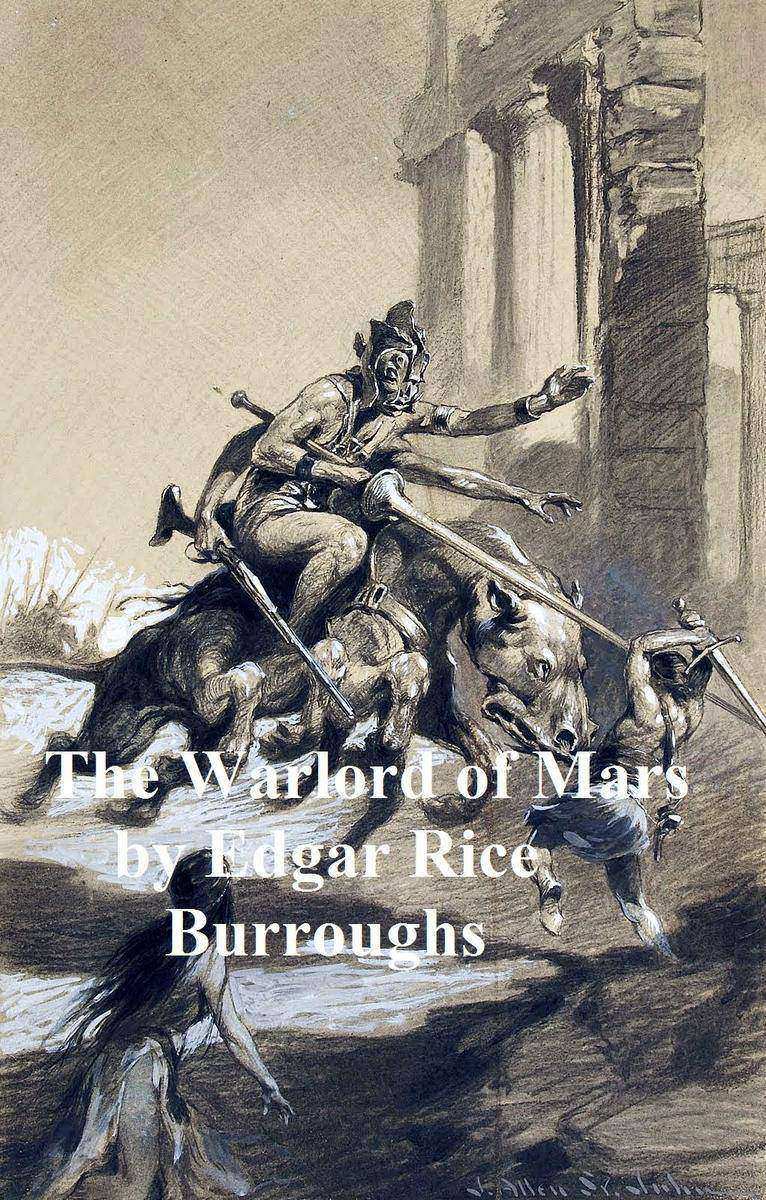
The Warlord of Mars
¥8.09
Science fiction adventure first published in 1918. According to Wikipedia: "Edgar Rice Burroughs (1875 – 1950) was an American author, best known for his creation of the jungle hero Tarzan and the heroic John Carter, although he produced works in many genres.
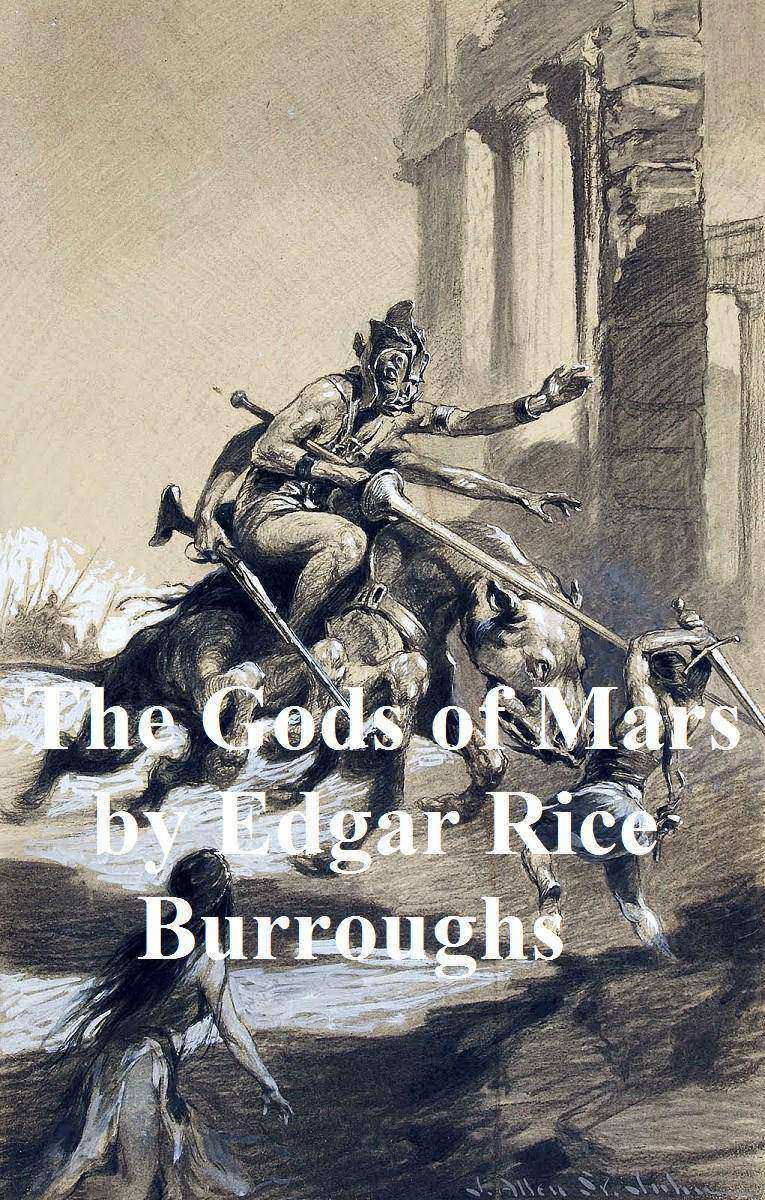
The Gods of Mars
¥8.09
Science fiction adventure, first published in 1914. According to Wikipedia: "Edgar Rice Burroughs (1875 – 1950) was an American author, best known for his creation of the jungle hero Tarzan and the heroic John Carter, although he produced works in many genres."
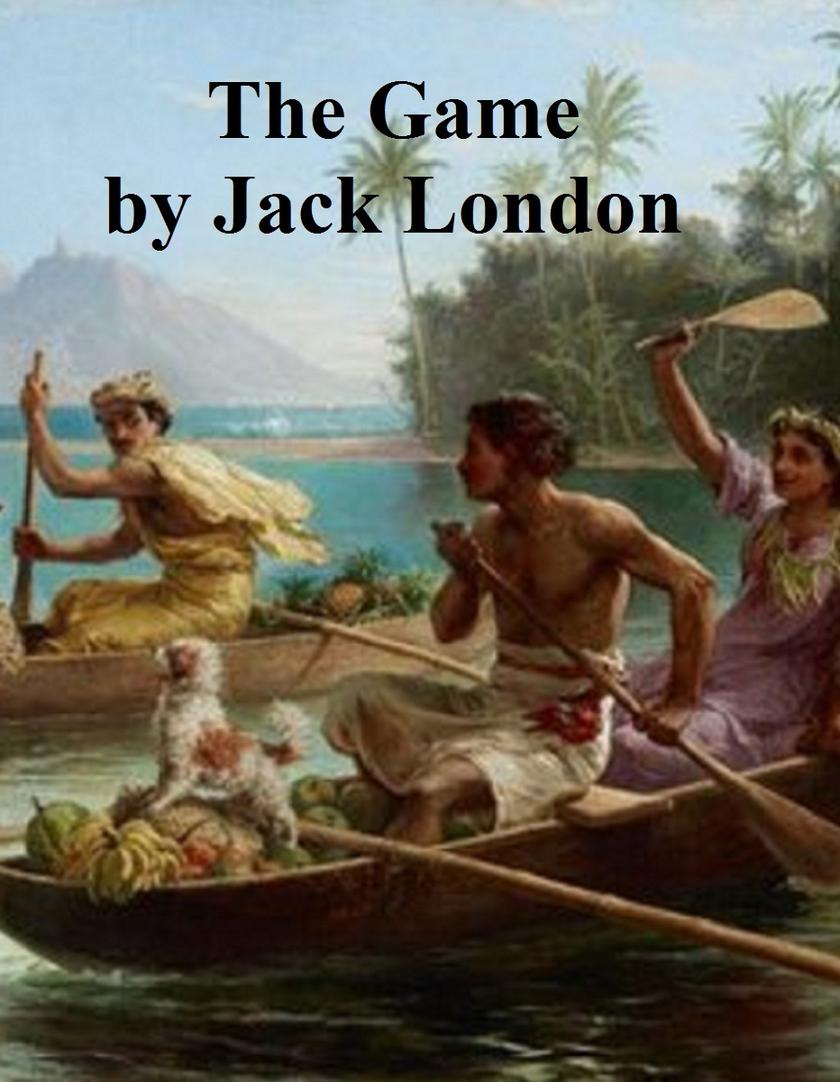
The Game
¥8.09
Classic Jack London novel. According to Wikipedia: "Jack London (1876 – 1916) was an American author who wrote The Call of the Wild, White Fang, and The Sea Wolf along with many other popular books. A pioneer in the then-burgeoning world of commercial magazine fiction, he was one of the first Americans to make a lucrative career exclusively from writing."
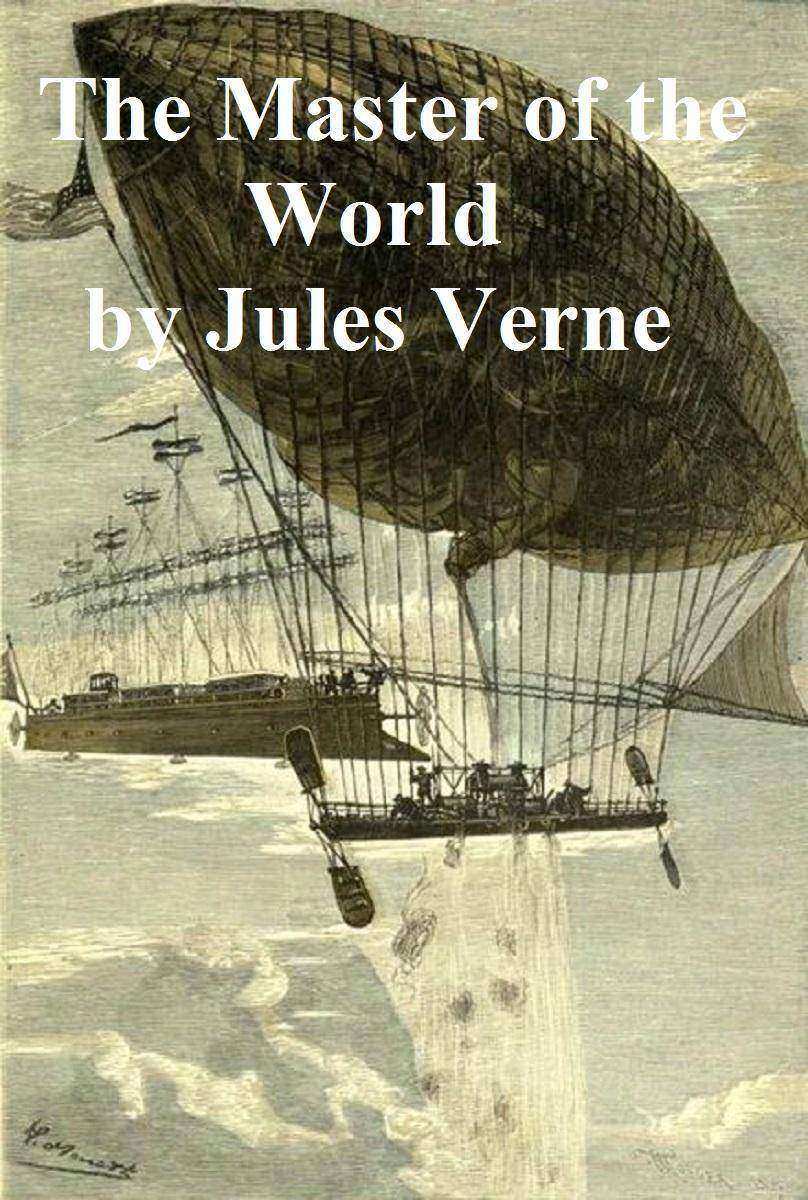
The Master of the World
¥8.09
Science fiction novel first published in 1904. Sequel to Robur the Conqueror. According to Wikipedia: "Jules Gabriel Verne (February 8, 1828 – March 24, 1905) was a French author who pioneered the science-fiction genre. He is best known for his novels Journey to the Center of the Earth (written in 1864), From the Earth to the Moon (1865), Twenty Thousand Leagues Under the Sea (1869–1870), and Around the World in Eighty Days (1873). Verne wrote about space, air, and underwater travel before navigable aircraft and practical submarines were invented, and before any means of space travel had been devised. Consequently he is often referred to as the "Father of science fiction", along with H. G. Wells. Verne is the second most translated author of all time, only behind Agatha Christie with 4162 translations, according to Index Translationum. Some of his work has been made into films."


