


 购物车
购物车 个人中心
个人中心
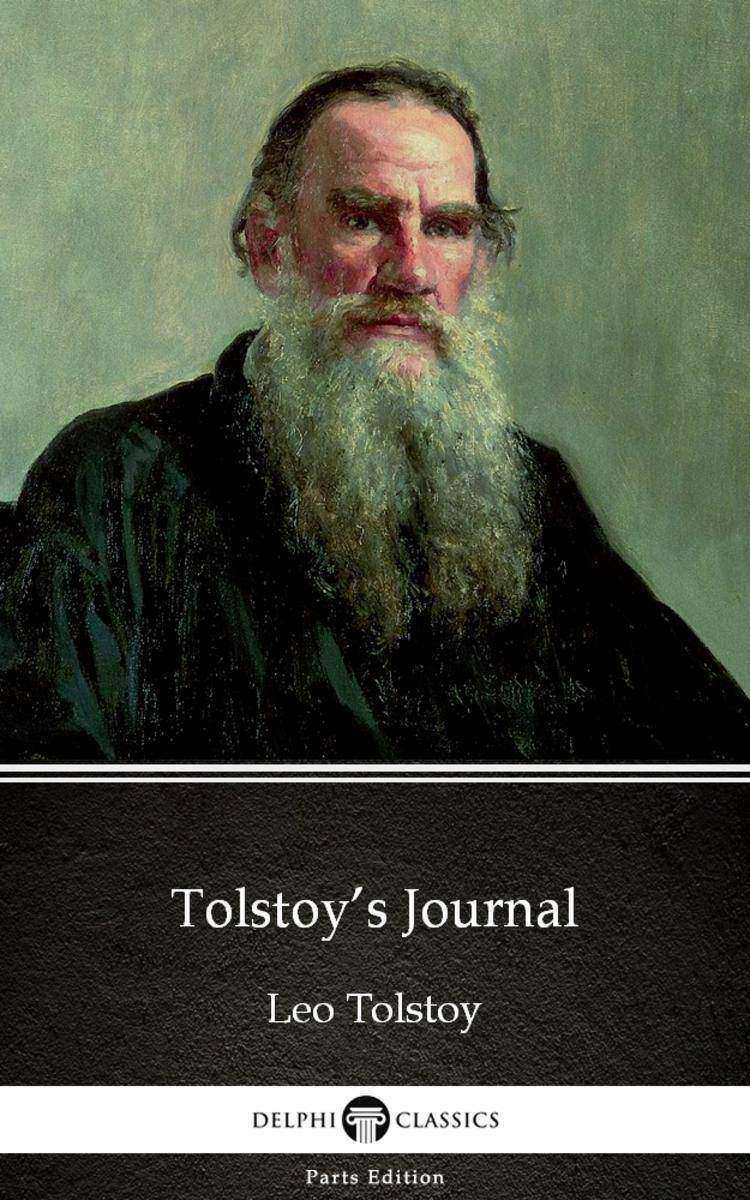
Tolstoy’s Journal by Leo Tolstoy (Illustrated)
¥8.09
This eBook features the unabridged text of ‘Tolstoy’s Journal’ from the bestselling edition of ‘The Complete Works of Leo Tolstoy’. Having established their name as the leading publisher of classic literature and art, Delphi Classics produce publications that are individually crafted with superior formatting, while introducing many rare texts for the first time in digital print. The Delphi Classics edition of Tolstoy includes original annotations and illustrations relating to the life and works of the author, as well as individual tables of contents, allowing you to navigate eBooks quickly and easily.eBook features:* The complete unabridged text of ‘Tolstoy’s Journal’* Beautifully illustrated with images related to Tolstoy’s works* Individual contents table, allowing easy navigation around the eBook* Excellent formatting of the textPlease visit www.delphiclassics.com to learn more about our wide range of titles
Right Ho, Jeeves
¥8.09
This Point Blank Classics edition includes the full original text and an easy to use interactive table of contents.

Sons and Lovers
¥8.09
This Point Blank Classics edition includes the full original text as well as an easy to use interactive table of contents.

The Adventures of Tom Sawyer
¥8.09
This Point Blank Classics edition includes the full original text as well as an easy to use interactive table of contents.
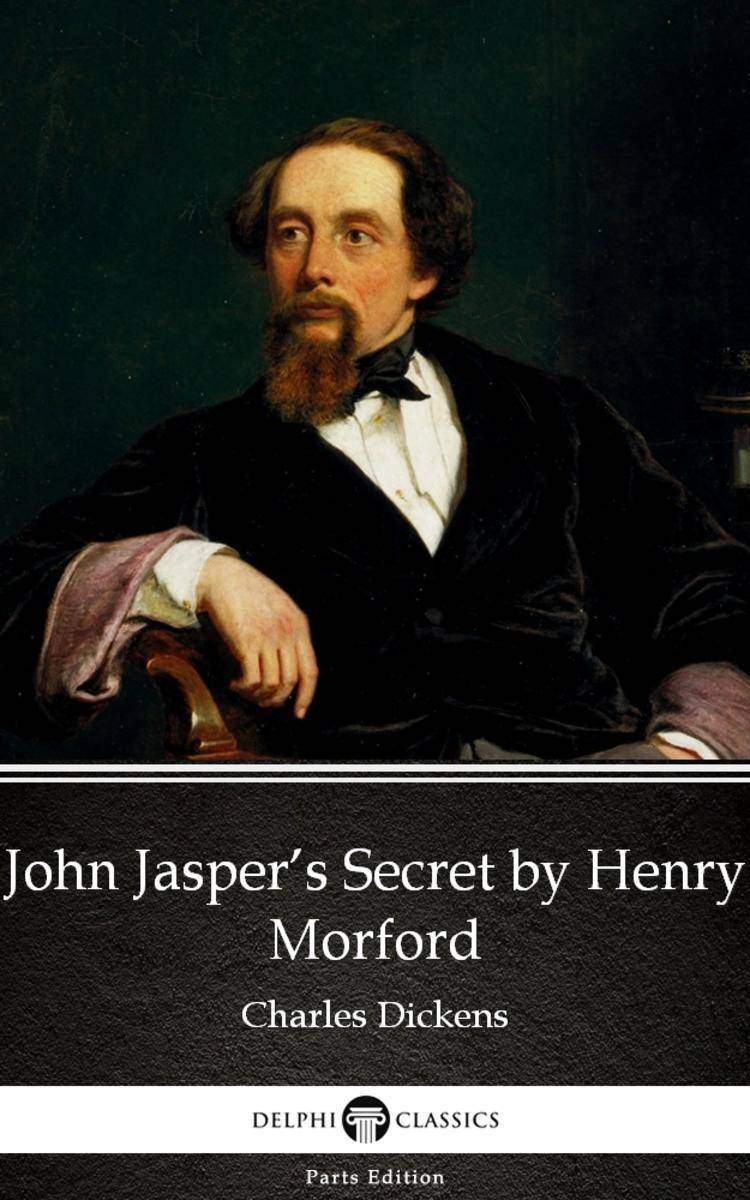
John Jasper’s Secret by Henry Morford (Illustrated)
¥8.09
This eBook features the unabridged text of ‘John Jasper’s Secret by Henry Morford’ from the bestselling edition of ‘The Complete Works of Charles Dickens’. Having established their name as the leading publisher of classic literature and art, Delphi Classics produce publications that are individually crafted with superior formatting, while introducing many rare texts for the first time in digital print. The Delphi Classics edition of Dickens includes original annotations and illustrations relating to the life and works of the author, as well as individual tables of contents, allowing you to navigate eBooks quickly and easily.eBook features:* The complete unabridged text of ‘John Jasper’s Secret by Henry Morford’* Beautifully illustrated with images related to Dickens’s works* Individual contents table, allowing easy navigation around the eBook* Excellent formatting of the textPlease visit www.delphiclassics.com to learn more about our wide range of titles
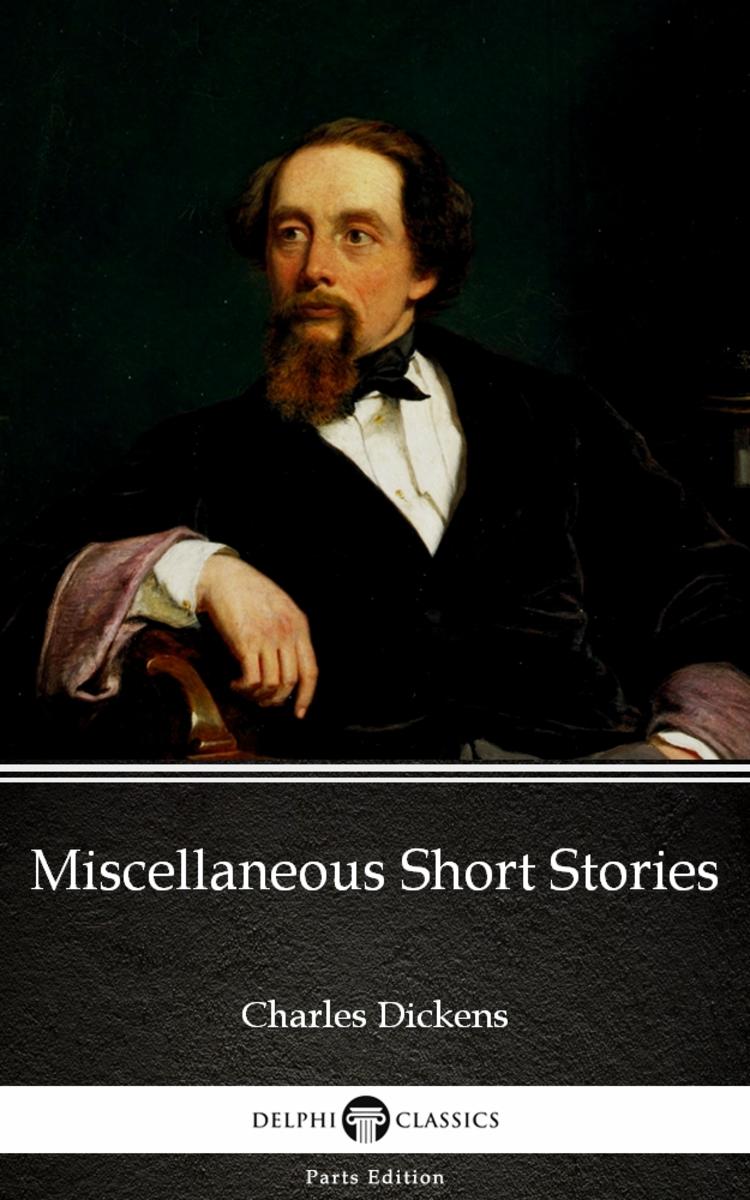
Miscellaneous Short Stories by Charles Dickens (Illustrated)
¥8.09
This eBook features the unabridged text of ‘Miscellaneous Short Stories’ from the bestselling edition of ‘The Complete Works of Charles Dickens’. Having established their name as the leading publisher of classic literature and art, Delphi Classics produce publications that are individually crafted with superior formatting, while introducing many rare texts for the first time in digital print. The Delphi Classics edition of Dickens includes original annotations and illustrations relating to the life and works of the author, as well as individual tables of contents, allowing you to navigate eBooks quickly and easily.eBook features:* The complete unabridged text of ‘Miscellaneous Short Stories’* Beautifully illustrated with images related to Dickens’s works* Individual contents table, allowing easy navigation around the eBook* Excellent formatting of the textPlease visit www.delphiclassics.com to learn more about our wide range of titles

The VIllage Coquettes by Charles Dickens (Illustrated)
¥8.09
This eBook features the unabridged text of ‘The VIllage Coquettes’ from the bestselling edition of ‘The Complete Works of Charles Dickens’. Having established their name as the leading publisher of classic literature and art, Delphi Classics produce publications that are individually crafted with superior formatting, while introducing many rare texts for the first time in digital print. The Delphi Classics edition of Dickens includes original annotations and illustrations relating to the life and works of the author, as well as individual tables of contents, allowing you to navigate eBooks quickly and easily.eBook features:* The complete unabridged text of ‘The VIllage Coquettes’* Beautifully illustrated with images related to Dickens’s works* Individual contents table, allowing easy navigation around the eBook* Excellent formatting of the textPlease visit www.delphiclassics.com to learn more about our wide range of titles

Stress:Dealing With Stress
¥8.09
Dealing with Stress is perhaps the most important thing that you will ever do. Stress -Dealing with Stress will offer you a comprehensive overview of what stress is and how to deal with it both in terms of its effect biologically, chemically and emotionally. The thing about stress it that it is perhaps the number one cause of other mental illnesses such as Depression and PTSD. It can do tremendous damage to your physical health as well. Stress can lead to weight gain or serious weight loss. Stress can cause heart attacks and strokes. If you do not learn how to manage and to deal with stress it can kill you. The good news is that stress can be managed with medication, exercise and simple activates that you will be introduced to in my book Stress, Dealing With Stress. Stress Management is something that can be easily learned ad before you know it you will not only be someone who has learned how to deal with stress, but you will be well on your way to living a stress free life.
American Fairy Tales
¥8.09
American Fairy Tales is the title of a collection of twelve fantasy stories by L. Frank Baum, published in 1901 by the George M. Hill Company, the firm that issued The Wonderful Wizard of Oz the previous year. ? L. Frank Baum was doing well in 1901, better than ever before in his life. He had written two popular books, Father Goose: His Book and The Wonderful Wizard of Oz, and was determined to capitalize on this success. In addition to American Fairy Tales, Baum's Dot and Tot of Merryland and The Master Key appeared in 1901. ? Publisher George M. Hill sold the serialization rights to the twelve stories in AFT to five major newspapers, the Pittsburgh Dispatch, the Boston Post, the Cincinnati Enquirer, the St. Louis Republic, and The Chicago Chronicle. The stories appeared between March 3 and May 19, 1901; the book followed in October. The first three papers used or adapted the book's illustrations for their publications of the stories, while the Chronicle and the Republic had their own staff artists do separate pictures.
The Marvelous Land of Oz
¥8.09
The Marvelous Land of Oz: Being an Account of the Further Adventures of the Scarecrow and the Tin Woodman, commonly shortened to The Land of Oz, published on July 5, 1904, is the second of L. Frank Baum's books set in the Land of Oz, and the sequel to The Wonderful Wizard of Oz (1900). This and the next 34 Oz books of the famous 40 were illustrated by John R. Neill. The book was made into an episode of The Shirley Temple Show in 1960, and into a Canadian animated feature film of the same name in 1987. It was also adapted in comic book form by Marvel Comics, with the first issue being released in November 2009. Plot elements from The Marvelous Land of Oz are included in the 1985 Disney feature film Return to Oz.

Japan Folklore Vol. 2 The Tale of Princess Hase-Hime
¥8.09
Many, many years ago there lived in Nara, the ancient Capital of Japan, a wise State minister, by name Prince Toyonari Fujiwara. His wife was a noble, good, and beautiful woman called Princess Murasaki (Violet). They had been married by their respective families according to Japanese custom when very young, and had lived together happily ever since. They had, however, one cause for great sorrow, for as the years went by no child was born to them. This made them very unhappy, for they both longed to see a child of their own who would grow up to gladden their old age, carry on the family name, and keep up the ancestral rites when they were dead. The Prince and his lovely wife, after long consultation and much thought, determined to make a pilgrimage to the temple of Hase-no-Kwannon (Goddess of Mercy at Hase), for they believed, according to the beautiful tradition of their religion, that the Mother of Mercy, Kwannon, comes to answer the prayers of mortals in the form that they need the most. Surely after all these years of prayer she would come to them in the form of a beloved child in answer to their special pilgrimage, for that was the greatest need of their two lives. Everything else they had that this life could give them, but it was all as nothing because the cry of their hearts was unsatisfied. So the Prince Toyonari and his wife went to the temple of Kwannon at Hase and stayed there for a long time, both daily offering incense and praying to Kwannon, the Heavenly Mother, to grant them the desire of their whole lives. And their prayer was answered. A daughter was born at last to the Princess Murasaki, and great was the joy of her heart. On presenting the child to her husband, they both decided to call her Hase-Hime, or the Princess of Hase, because she was the gift of the Kwannon at that place. They both reared her with great care and tenderness, and the child grew in strength and beauty.
The Conquest of Europe by the Pacific Empire:A Fairy Tale
¥8.09
Today, the Pacific islands reflect the best and worst in western society. On the one hand are the bravery and persistence of early European navigators, missionaries, and government officers; the early, well-meaning efforts by many westerners to help the islanders become ‘civilized’; the assistance readily given in times of natural disasters; and the grants and concessional loans to help Pacific countries develop into independent economic entities, to name but a few. On the other hand are the persistence in demolishing the islanders’ tropical culture and turning them into unwilling citizens or dependents of temperate countries, like puppets; the arrogance of assuming that modern western democracy and societal norms, which date back but a few generations, must replace the islanders’ far longer-standing societies; and the continuation of all these efforts to westernize them and their countries in the face of growing awareness in those Pacific countries of the value of their own well tried-and-tested lifestyles—to name but a few. What if history had gone another way? What if the Pacific islanders had taken over Europe instead? That would have been impossible, of course, or would it?

The Horse-Stealers and Other Stories
¥8.09
Twenty-two stories deal with an insane asylum, an old, retired Army officer, superstition, a matchmaker, an architect's trip back to his home town, and a man's efforts to have his brother released from prison.
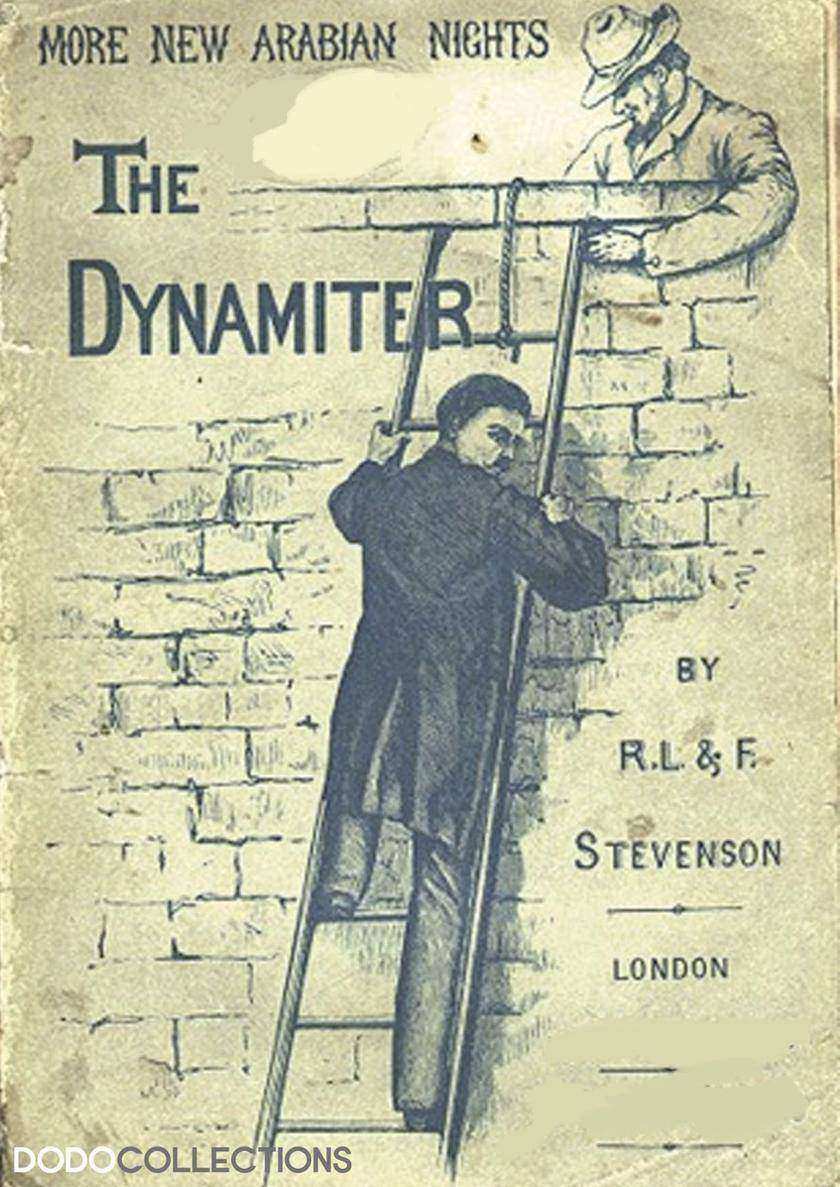
The Dynamiter
¥8.09
More New Arabian Nights: The Dynamiter (1885) is a collection of linked short stories by Robert Louis Stevenson and Fanny Vandegrift. ? "Prologue of the Cigar Divan" "Challoner's adventure: The Squire of Dames" "Story of the Destroying Angel" "The Squire of Dames (Concluded)" "Somerset's adventure: The Superfluous Mansion" "Narrative of the Spirited Old Lady" "The Superfluous Mansion (Continued)" "Zero's Tale of the Explosive Bomb" "The Superfluous Mansion (Continued)" "Desborough's Adventure: The Brown Box" "Story of the Fair Cuban" "The Brown Box (Concluded)" "The Superfluous Mansion (Concluded)" "Epilogue of the Cigar Divan"
Rasselas:Prince of Abyssinia
¥8.09
While the story is thematically similar to Candide by Voltaire, also published early in 1759 – both concern young men travelling in the company of honoured teachers, encountering and examining human suffering in an attempt to determine the root of happiness – their root concerns are distinctly different. Voltaire was very directly satirising the widely read philosophical work by Gottfried Leibniz, particularly the Theodicee, in which Leibniz asserts that the world, no matter how we may perceive it, is necessarily the "best of all possible worlds". In contrast the question Rasselas confronts most directly is whether or not humanity is essentially capable of attaining happiness. Writing as a devout Christian, Johnson makes through his characters no blanket attacks on the viability of a religious response to this question, as Voltaire does, and while the story is in places light and humorous, it is not a piece of satire, as is Candide.
Four Weird Tales
¥8.09
This collection assembles four of Blackwood's greatest stories: "The Insanity of Jones," "The Man Who Found Out," "The Glamour of the Snow," and "Sand." ? The son of a preacher, Blackwood had a life-long interest in the supernatural, the occult, and spiritualism, and firmly believed that humans possess latent psychic powers. The autobiography Episodes Before Thirty (1923) tells of his lean years as a journalist in New York. In the late 1940s, Blackwood had a television program on the BBC on which he read . . . ghost stories!
Clarissa:The History of a Young Lady
¥8.09
Clarissa, or, the History of a Young Lady is an epistolary novel by Samuel Richardson, published in 1748. It tells the tragic story of a heroine whose quest for virtue is continually thwarted by her family, and is regarded as the longest novel in the English language (based on estimated word count). It is generally regarded as Richardson's masterpiece. ? Clarissa Harlowe, the tragic heroine of Clarissa, is a beautiful and virtuous young lady whose family has become wealthy only recently and now desires to become part of the aristocracy. Their original plan was to concentrate the wealth and lands of the Harlowes into the possession of Clarissa's brother James Harlowe, whose wealth and political power will lead to his being granted a title. Clarissa's grandfather leaves her a substantial piece of property upon his death, and a new route to the nobility opens through Clarissa marrying Robert Lovelace, heir to an earldom. James's response is to provoke a duel with Lovelace, who is seen thereafter as the family's enemy. James also proposes that Clarissa marry Roger Solmes, who is willing to trade properties with James to concentrate James's holdings and speed his becoming Lord Harlowe. The family agrees and attempts to force Clarissa to marry Solmes, whom she finds physically disgusting as well as boorish.
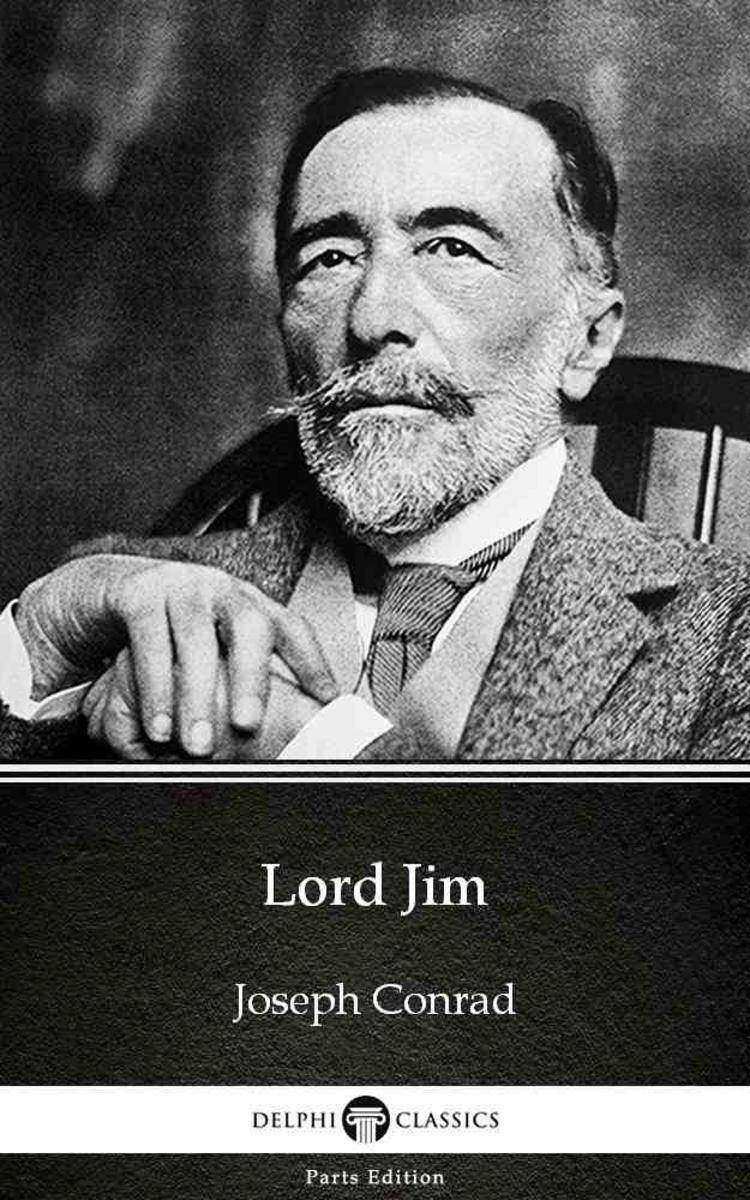
Lord Jim by Joseph Conrad (Illustrated)
¥8.09
This eBook features the unabridged text of ‘Lord Jim’ from the bestselling edition of ‘The Complete Works of Joseph Conrad’. Having established their name as the leading publisher of classic literature and art, Delphi Classics produce publications that are individually crafted with superior formatting, while introducing many rare texts for the first time in digital print. The Delphi Classics edition of Conrad includes original annotations and illustrations relating to the life and works of the author, as well as individual tables of contents, allowing you to navigate eBooks quickly and easily.eBook features:* The complete unabridged text of ‘Lord Jim’* Beautifully illustrated with images related to Conrad’s works* Individual contents table, allowing easy navigation around the eBook* Excellent formatting of the textPlease visit www.delphiclassics.com to learn more about our wide range of titles
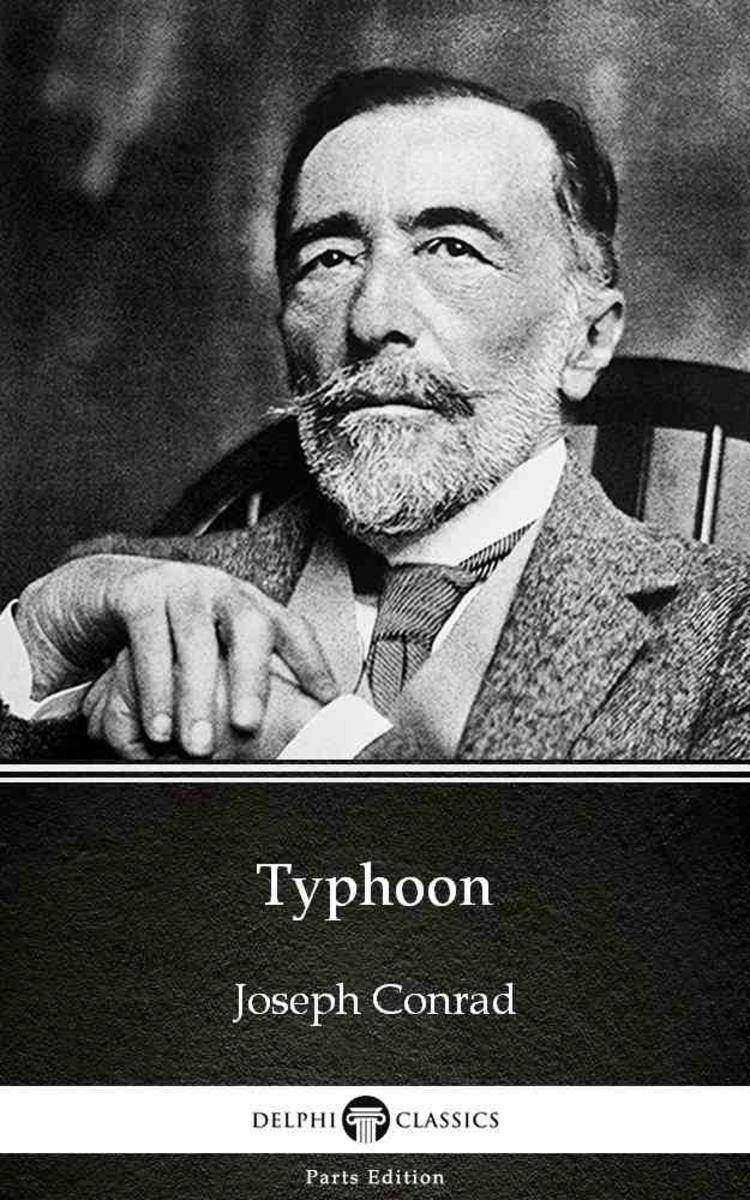
Typhoon by Joseph Conrad (Illustrated)
¥8.09
This eBook features the unabridged text of ‘Typhoon’ from the bestselling edition of ‘The Complete Works of Joseph Conrad’. Having established their name as the leading publisher of classic literature and art, Delphi Classics produce publications that are individually crafted with superior formatting, while introducing many rare texts for the first time in digital print. The Delphi Classics edition of Conrad includes original annotations and illustrations relating to the life and works of the author, as well as individual tables of contents, allowing you to navigate eBooks quickly and easily.eBook features:* The complete unabridged text of ‘Typhoon’* Beautifully illustrated with images related to Conrad’s works* Individual contents table, allowing easy navigation around the eBook* Excellent formatting of the textPlease visit www.delphiclassics.com to learn more about our wide range of titles
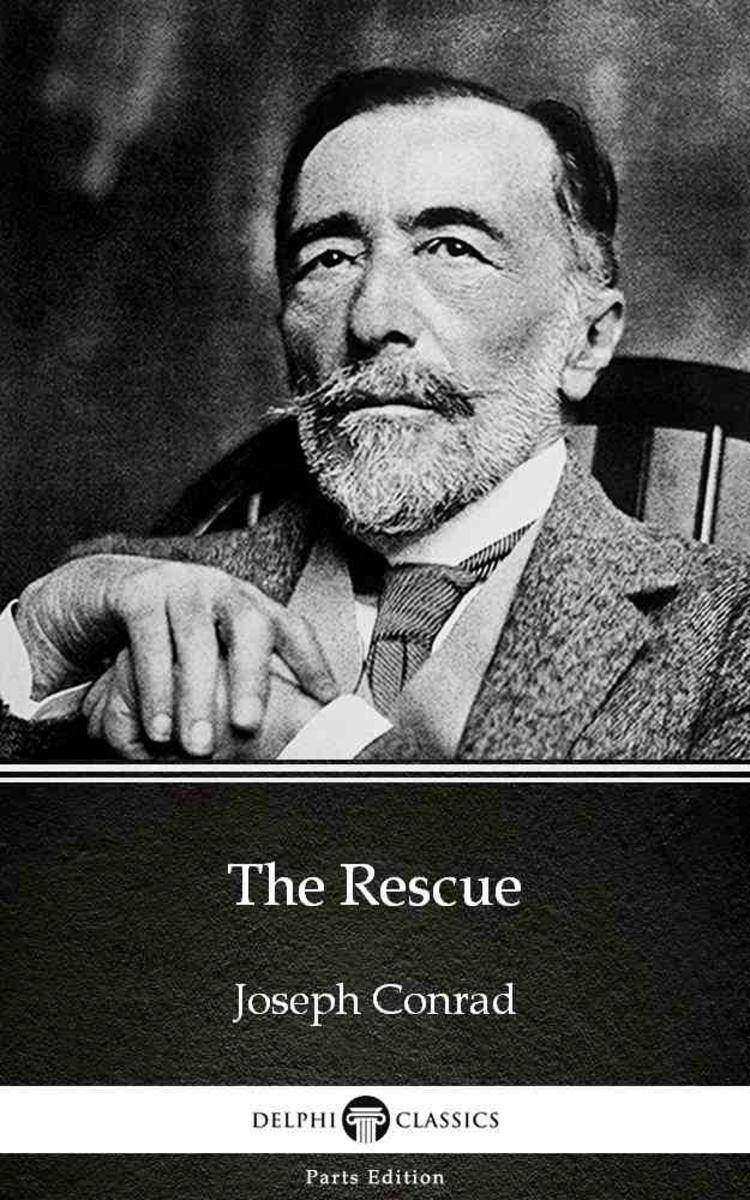
The Rescue by Joseph Conrad (Illustrated)
¥8.09
This eBook features the unabridged text of ‘The Rescue’ from the bestselling edition of ‘The Complete Works of Joseph Conrad’. Having established their name as the leading publisher of classic literature and art, Delphi Classics produce publications that are individually crafted with superior formatting, while introducing many rare texts for the first time in digital print. The Delphi Classics edition of Conrad includes original annotations and illustrations relating to the life and works of the author, as well as individual tables of contents, allowing you to navigate eBooks quickly and easily.eBook features:* The complete unabridged text of ‘The Rescue’* Beautifully illustrated with images related to Conrad’s works* Individual contents table, allowing easy navigation around the eBook* Excellent formatting of the textPlease visit www.delphiclassics.com to learn more about our wide range of titles
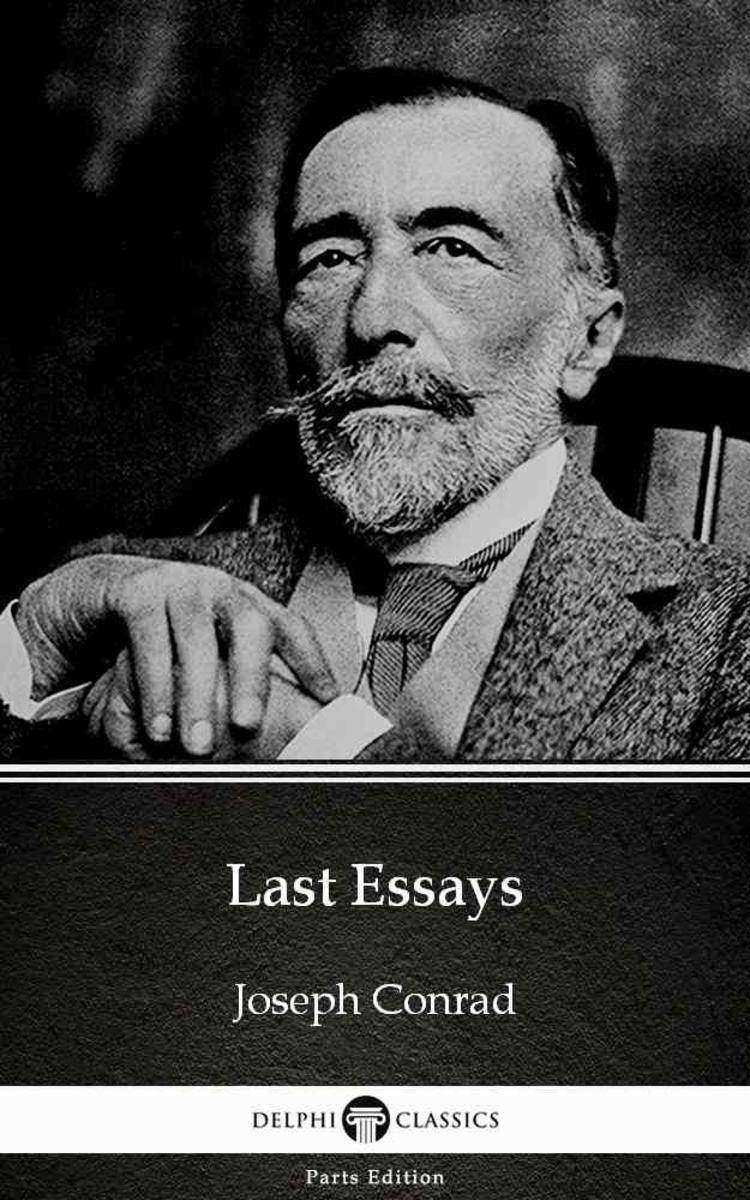
Last Essays by Joseph Conrad (Illustrated)
¥8.09
This eBook features the unabridged text of ‘Last Essays’ from the bestselling edition of ‘The Complete Works of Joseph Conrad’. Having established their name as the leading publisher of classic literature and art, Delphi Classics produce publications that are individually crafted with superior formatting, while introducing many rare texts for the first time in digital print. The Delphi Classics edition of Conrad includes original annotations and illustrations relating to the life and works of the author, as well as individual tables of contents, allowing you to navigate eBooks quickly and easily.eBook features:* The complete unabridged text of ‘Last Essays’* Beautifully illustrated with images related to Conrad’s works* Individual contents table, allowing easy navigation around the eBook* Excellent formatting of the textPlease visit www.delphiclassics.com to learn more about our wide range of titles


