


 购物车
购物车 个人中心
个人中心
Love Stories
¥8.09
According to Wikipedia: "Mary Roberts Rinehart (August 12, 1876-September 22, 1958) was a prolific author often called the American Agatha Christie.[1] She is considered the source of the phrase "The butler did it", although she did not actually use the phrase herself, and also considered to have invented the "Had-I-But-Known" school of mystery writing.... Rinehart wrote hundreds of short stories, poems, travelogues and special articles. Many of her books and plays, such as The Bat (1920) were adapted for movies, such as The Bat (1926), The Bat Whispers (1930), and The Bat (1959). While many of her books were best-sellers, critics were most appreciative of her murder mysteries. Rinehart, in The Circular Staircase (1908), is credited with inventing the "Had-I-But-Known" school of mystery writing. The Circular Staircase is a novel in which "a middle-aged spinster is persuaded by her niece and nephew to rent a country house for the summer. The house they choose belonged to a bank defaulter who had hidden stolen securities in the walls. The gentle, peace-loving trio is plunged into a series of crimes solved with the help of the aunt. This novel is credited with being the first in the "Had-I-But-Known" school."[3] The Had-I-But-Known mystery novel is one where the principal character (frequently female) does less than sensible things in connection with a crime which have the effect of prolonging the action of the novel. Ogden Nash parodied the school in his poem Don't Guess Let Me Tell You: "Sometimes the Had I But Known then what I know now I could have saved at least three lives by revealing to the Inspector the conversation I heard through that fortuitous hole in the floor." The phrase "The butler did it", which has become a cliché, came from Rinehart's novel The Door, in which the butler actually did do it, although that exact phrase does not actually appear in the work."
Wyoming, A Story of the Outdoor West
¥8.09
Classic western novel, first published in 1908. "In this vivid story the author brings out the turbid life of the frontier with all its engaging dash and vigor. According to Wikipedia: "William MacLeod Raine (1871—1954), was a British-born American novelist who wrote fictional adventure stories about the American Old West.."
The Man in Lower Ten
¥8.09
According to Wikipedia: "Mary Roberts Rinehart (August 12, 1876-September 22, 1958) was a prolific author often called the American Agatha Christie.[1] She is considered the source of the phrase "The butler did it", although she did not actually use the phrase herself, and also considered to have invented the "Had-I-But-Known" school of mystery writing.... Rinehart wrote hundreds of short stories, poems, travelogues and special articles. Many of her books and plays, such as The Bat (1920) were adapted for movies, such as The Bat (1926), The Bat Whispers (1930), and The Bat (1959). While many of her books were best-sellers, critics were most appreciative of her murder mysteries. Rinehart, in The Circular Staircase (1908), is credited with inventing the "Had-I-But-Known" school of mystery writing. The Circular Staircase is a novel in which "a middle-aged spinster is persuaded by her niece and nephew to rent a country house for the summer. The house they choose belonged to a bank defaulter who had hidden stolen securities in the walls. The gentle, peace-loving trio is plunged into a series of crimes solved with the help of the aunt. This novel is credited with being the first in the "Had-I-But-Known" school."[3] The Had-I-But-Known mystery novel is one where the principal character (frequently female) does less than sensible things in connection with a crime which have the effect of prolonging the action of the novel. Ogden Nash parodied the school in his poem Don't Guess Let Me Tell You: "Sometimes the Had I But Known then what I know now I could have saved at least three lives by revealing to the Inspector the conversation I heard through that fortuitous hole in the floor." The phrase "The butler did it", which has become a cliché, came from Rinehart's novel The Door, in which the butler actually did do it, although that exact phrase does not actually appear in the work."
Sight Unseen
¥8.09
According to Wikipedia: "Mary Roberts Rinehart (August 12, 1876-September 22, 1958) was a prolific author often called the American Agatha Christie.[1] She is considered the source of the phrase "The butler did it", although she did not actually use the phrase herself, and also considered to have invented the "Had-I-But-Known" school of mystery writing.... Rinehart wrote hundreds of short stories, poems, travelogues and special articles. Many of her books and plays, such as The Bat (1920) were adapted for movies, such as The Bat (1926), The Bat Whispers (1930), and The Bat (1959). While many of her books were best-sellers, critics were most appreciative of her murder mysteries. Rinehart, in The Circular Staircase (1908), is credited with inventing the "Had-I-But-Known" school of mystery writing. The Circular Staircase is a novel in which "a middle-aged spinster is persuaded by her niece and nephew to rent a country house for the summer. The house they choose belonged to a bank defaulter who had hidden stolen securities in the walls. The gentle, peace-loving trio is plunged into a series of crimes solved with the help of the aunt. This novel is credited with being the first in the "Had-I-But-Known" school."[3] The Had-I-But-Known mystery novel is one where the principal character (frequently female) does less than sensible things in connection with a crime which have the effect of prolonging the action of the novel. Ogden Nash parodied the school in his poem Don't Guess Let Me Tell You: "Sometimes the Had I But Known then what I know now I could have saved at least three lives by revealing to the Inspector the conversation I heard through that fortuitous hole in the floor." The phrase "The butler did it", which has become a cliché, came from Rinehart's novel The Door, in which the butler actually did do it, although that exact phrase does not actually appear in the work."
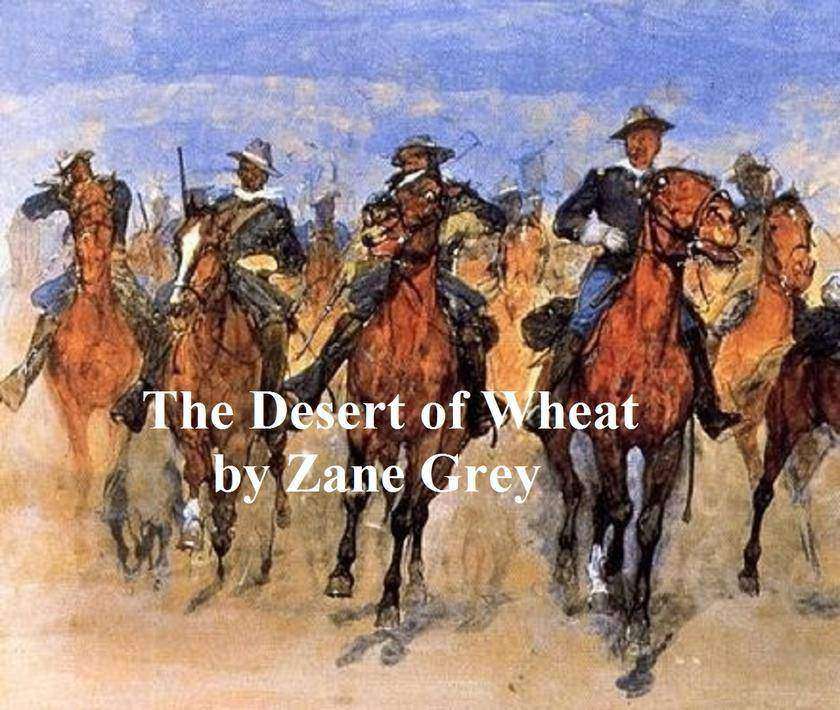
The Desert of Wheat
¥8.09
Classic Western. According to Wikipedia: "Zane Grey (1872 – 1939) was an American author best known for his popular adventure novels and stories that presented an idealized image of the rugged Old West. As of June 2007, the Internet Movie Database credits Grey with 110 films, one TV episode, and a series, Dick Powell's Zane Grey Theater based loosely on his novels and short stories."
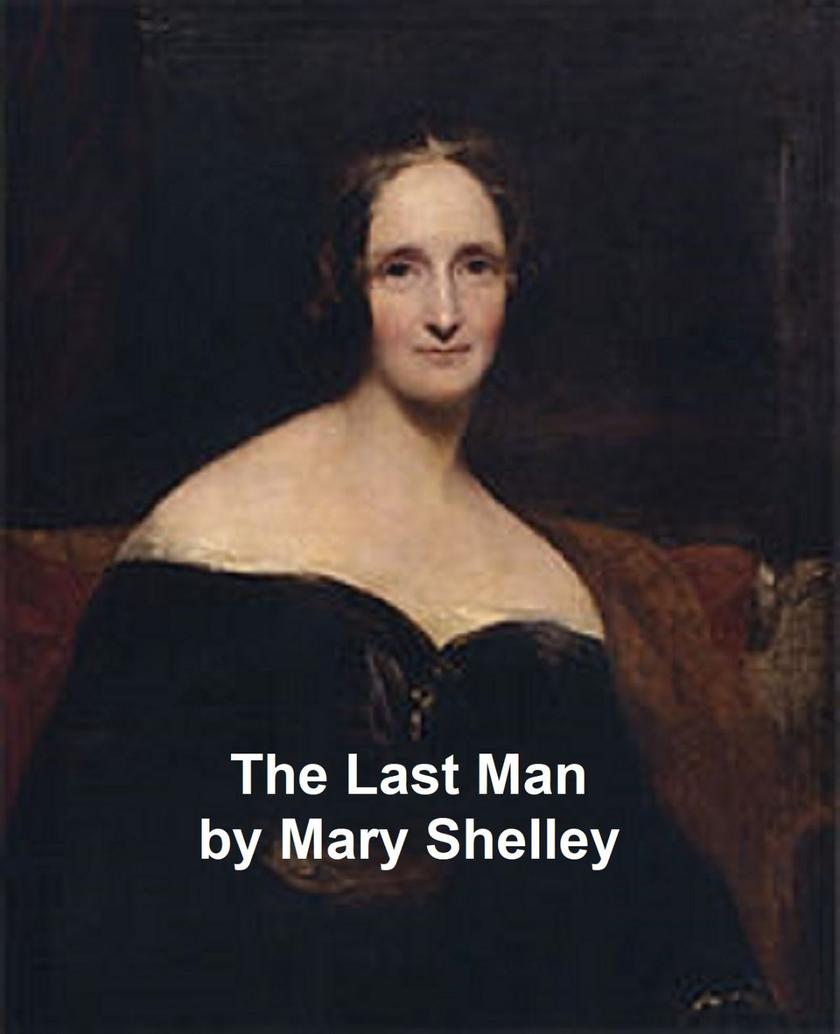
The Last Man
¥8.09
According to Wikipedia: "The Last Man is an apocalyptic science fiction novel by Mary Shelley, which was first published in 1826. The book tells of a future world that has been ravaged by a plague. The novel was harshly reviewed at the time, and was virtually unknown until a scholarly revival beginning in the 1960s. It is notable in part for its semi-biographical portraits of Romantic figures in Shelley's circle, particularly Shelley's late husband Percy Bysshe Shelley and Lord Byron."
A Group of Noble Dames
¥8.09
According to Wikipedia: "Thomas Hardy, (1840 – 1928) was an English author of the naturalist movement, though he regarded himself primarily as a poet and composed novels mainly for financial gain. The bulk of his work, set mainly in the semi-fictional land of Wessex, delineates characters struggling against their passions and circumstances. Hardy's poetry, first published in his 50s, has come to be as well regarded as his novels, especially after The Movement of the 1950s and 1960s."
Life's Little Ironies
¥8.09
According to Wikipedia: "Thomas Hardy, (1840 – 1928) was an English author of the naturalist movement, though he regarded himself primarily as a poet and composed novels mainly for financial gain. The bulk of his work, set mainly in the semi-fictional land of Wessex, delineates characters struggling against their passions and circumstances. Hardy's poetry, first published in his 50s, has come to be as well regarded as his novels, especially after The Movement of the 1950s and 1960s."
The Pit, A Story of Chicago
¥8.09
Classic novel. According to Wikipedia: "Benjamin Franklin Norris, Jr. (March 5, 1870 – October 25, 1902) was an American novelist, during the Progressive Era, writing predominantly in the naturalist genre. His notable works include McTeague (1899), The Octopus: A California Story (1901), and The Pit (1903). Although he did not openly support socialism as a political system, his work nevertheless evinces a socialist mentality and influenced socialist/progressive writers such as Upton Sinclair. Like many of his contemporaries, he was profoundly influenced by the advent of Darwinism, and Thomas Henry Huxley's philosophical defense of it. Norris was particularly influenced by an optimistic strand of Darwinist philosophy taught by Joseph LeConte, whom Norris studied under while at the University of California, Berkeley. Through many of his novels, notably McTeague, runs a preoccupation with the notion of the civilized man overcoming the inner "brute," his animalistic tendencies. His peculiar, and often confused, brand of Social Darwinism also bears the influence of the early criminologist Cesare Lombroso and the French naturalist Emile Zola."
The Argonauts of North Liberty
¥8.09
Classic novel. According to Wikipedia: "Bret Harte (August 25, 1836[2] – May 6, 1902) was an American author and poet, best remembered for his accounts of pioneering life in California. He was born in Albany, New York. ... He moved to California in 1853, later working there in a number of capacities, including miner, teacher, messenger, and journalist. He spent part of his life in the northern California coast town now known as Arcata, then just a mining camp on Humboldt Bay. His first literary efforts, including poetry and prose, appeared in The Californian, an early literary journal edited by Charles Henry Webb. In 1868 he became editor of The Overland Monthly, another new literary magazine, but this one more in tune with the pioneering spirit of excitement in California. His story, "The Luck of Roaring Camp," appeared in the magazine's second edition, propelling Harte to nationwide fame... Determined to pursue his literary career, in 1871 he and his family traveled back East, to New York and eventually to Boston, where he contracted with the publisher of The Atlantic Monthly for an annual salary of $10,000, "an unprecedented sum at the time." His popularity waned, however, and by the end of 1872 he was without a publishing contract and increasingly desperate. He spent the next few years struggling to publish new work (or republish old), delivering lectures about the gold rush, and even selling an advertising jingle to a soap company. In 1878 Harte was appointed to the position of United States Consul in the town of Krefeld, Germany and then to Glasgow in 1880. In 1885 he settled in London. During the thirty years he spent in Europe, he never abandoned writing, and maintained a prodigious output of stories that retained the freshness of his earlier work. He died in England in 1902 of throat cancer and is buried at Frimley."
Burning Daylight
¥8.09
Classic novel. According to Wikipedia: "Jack London (January 12, 1876 – November 22, 1916) was an American author who wrote The Call of the Wild, White Fang, and The Sea Wolf along with many other popular books. A pioneer in the then-burgeoning world of commercial magazine fiction, he was one of the first Americans to make a lucrative career exclusively from writing."
Mary
¥8.09
According to Wikipedia: "Mary: A Fiction is the only complete novel by the 18th-century British feminist Mary Wollstonecraft. It tells the tragic story of a heroine's successive "romantic friendships" with a woman and a man. Composed while Wollstonecraft was a governess in Ireland, the novel was published in 1788 shortly after her summary dismissal and her momentous decision to embark on a writing career, a precarious and disreputable profession for women in 18th-century Britain.Inspired by Jean-Jacques Rousseau's idea that geniuses are self-taughtgenius (a word which at the end of the 18th century was only beginning to take on its modern meaning of exceptional or brilliant), Wollstonecraft describes Mary as independent and capable of defining femininity and marriage for herself. It is Mary's "strong, original opinions" and her resistance to "conventional wisdom" that mark her as a genius. Making her heroine a genius allowed Wollstonecraft to criticize marriage as well: geniuses were "enchained" rather than enriched by marriage. Through this heroine Wollstonecraft also critiques 18th-century sensibilityMary rewrites the traditional romance plot through its reimagination of gender relations and female sexuality. Yet, because Wollstonecraft employs the genre of sentimentalism to critique sentimentalism itself, her "fiction", as she labels it, sometimes reflects the same flaws of sentimentalism that she is attempting to expose.Wollstonecraft later repudiated Mary, writing that it was laughable. However, scholars have argued that, despite its faults, the novel's representation of an energetic, unconventional, opinionated, rational, female genius (the first of its kind in English literature) within a new kind of romance is an important development in the history of the novel because it helped shape an emerging feminist discourse."
The History of Henry Esmond
¥8.09
Classic novel. According to Wikipedia: "Thackeray is most often compared to one other great novelist of Victorian literature, Charles Dickens. During the Victorian era, he was ranked second only to Dickens, but he is now much less read and is known almost exclusively for Vanity Fair. In that novel he was able to satirize whole swaths of humanity while retaining a light touch. It also features his most memorable character, the engagingly roguish Becky Sharp. As a result, unlike Thackeray's other novels, it remains popular with the general reading public; it is a standard fixture in university courses and has been repeatedly adapted for movies and television. In Thackeray's own day, some commentators, such as Anthony Trollope, ranked his History of Henry Esmond as his greatest work, perhaps because it expressed Victorian values of duty and earnestness, as did some of his other later novels. It is perhaps for this reason that they have not survived as well as Vanity Fair, which satirizes those values."
The Virginians
¥8.09
Classic novel. According to Wikipedia: "Thackeray is most often compared to one other great novelist of Victorian literature, Charles Dickens. During the Victorian era, he was ranked second only to Dickens, but he is now much less read and is known almost exclusively for Vanity Fair. In that novel he was able to satirize whole swaths of humanity while retaining a light touch. It also features his most memorable character, the engagingly roguish Becky Sharp. As a result, unlike Thackeray's other novels, it remains popular with the general reading public; it is a standard fixture in university courses and has been repeatedly adapted for movies and television. In Thackeray's own day, some commentators, such as Anthony Trollope, ranked his History of Henry Esmond as his greatest work, perhaps because it expressed Victorian values of duty and earnestness, as did some of his other later novels. It is perhaps for this reason that they have not survived as well as Vanity Fair, which satirizes those values."
King Midas: A romance
¥8.09
Classic novel. According to Wikipedia: "Upton Beall Sinclair, Jr. (1878 - 1968), was a prolific American author who wrote over 90 books in many genres and was widely considered to be one of the best investigators advocating socialist views. He achieved considerable popularity in the first half of the 20th century. He gained particular fame for his 1906 novel The Jungle, which dealt with conditions in the U.S. meat packing industry and caused a public uproar that partly contributed to the passage of the Pure Food and Drug Act and the Meat Inspection Act in 1906."
The Metropolis
¥8.09
Classic novel. According to Wikipedia: "Upton Beall Sinclair, Jr. (1878 - 1968), was a prolific American author who wrote over 90 books in many genres and was widely considered to be one of the best investigators advocating socialist views. He achieved considerable popularity in the first half of the 20th century. He gained particular fame for his 1906 novel The Jungle, which dealt with conditions in the U.S. meat packing industry and caused a public uproar that partly contributed to the passage of the Pure Food and Drug Act and the Meat Inspection Act in 1906."
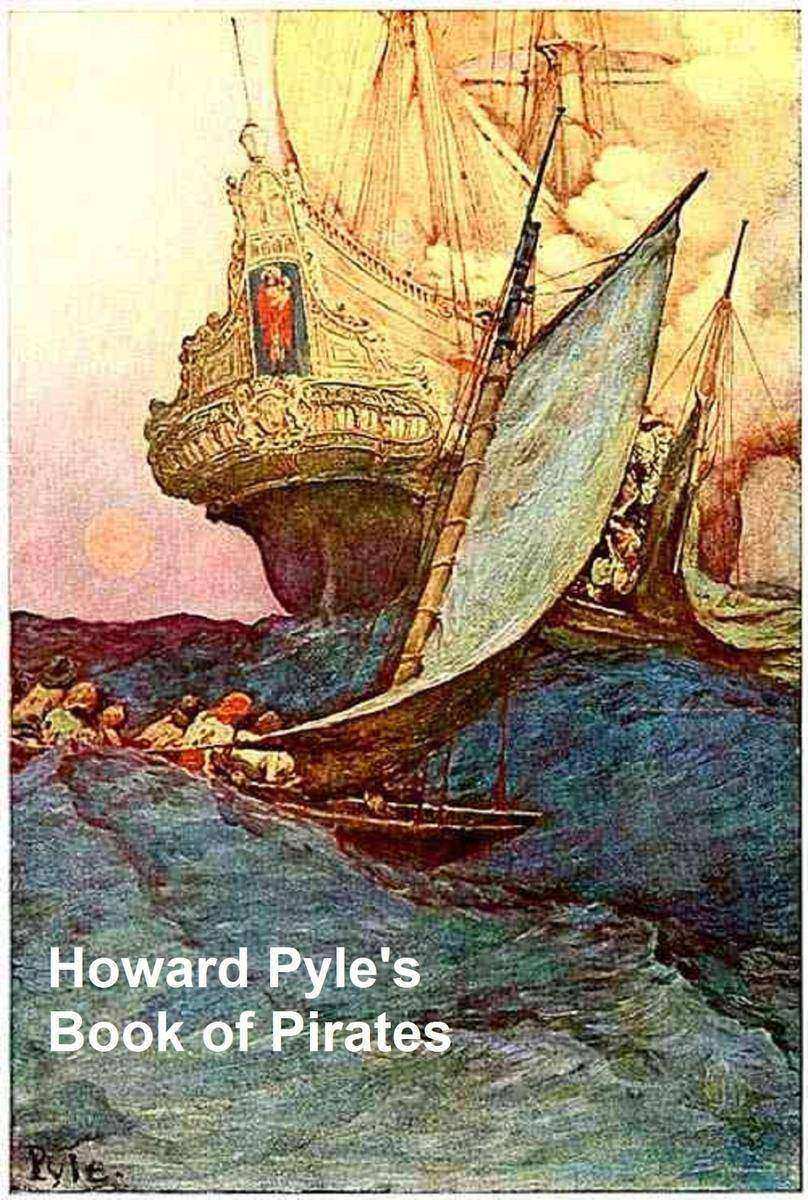
Book of Pirates
¥8.09
Fiction, fact and fancy concerning the bucaneers and marooners of the Spanish Main, from the writings of Howard Pyle. 56 illustrations, some color, some black-and-white. According to Wikipedia: "Howard Pyle (March 5, 1853 – November 9, 1911) was an American illustrator and author, primarily of books for young people... His 1883 classic publication The Merry Adventures of Robin Hood remains in print, and his other books, frequently with medieval European settings, include a four-volume set on King Arthur. He is also well known for his illustrations of pirates, and is credited with creating the now stereotypical modern image of pirate dress."
The Well-Beloved
¥8.09
According to Wikipedia: "Thomas Hardy, (1840 – 1928) was an English author of the naturalist movement, though he regarded himself primarily as a poet and composed novels mainly for financial gain. The bulk of his work, set mainly in the semi-fictional land of Wessex, delineates characters struggling against their passions and circumstances. Hardy's poetry, first published in his 50s, has come to be as well regarded as his novels, especially after The Movement of the 1950s and 1960s."
The Prairie: Fifth and last of the Leatherstocking Tales
¥8.09
Fifth and last of the Leatherstocking Tales in terms of the story line. Third in terms of publication date. Historical novel set in 1804, first published in 1827. The other Leatherstocking Tales are Deerslayer, Last of the Mohicans, Pathfinder, and Pioneers. According to Wikipedia: "James Fenimore Cooper (September 15, 1789 – September 14, 1851) was a prolific and popular American writer of the early 19th century. He is best remembered as a novelist who wrote numerous sea-stories and the historical novels known as the Leatherstocking Tales, featuring frontiersman Natty Bumppo. Among his most famous works is the Romantic novel The Last of the Mohicans, which many consider to be his masterpiece."
The Deerslayer: First of the Leatherstocking Tales
¥8.09
First of the Leatherstocking Tales (in terms of chronological order, rather than publication date). Historical novel set in 1744. First published in 1841. The other Leatherstocking Tales are Last of the Mohicans, Pathfinder, Pioneers, and Prairie. According to Wikipedia: "James Fenimore Cooper (September 15, 1789 – September 14, 1851) was a prolific and popular American writer of the early 19th century. He is best remembered as a novelist who wrote numerous sea-stories and the historical novels known as the Leatherstocking Tales, featuring frontiersman Natty Bumppo. Among his most famous works is the Romantic novel The Last of the Mohicans, which many consider to be his masterpiece."

The Antiquary
¥8.09
First published in 1816. Set in Angus, Scotland, in the 1790s. According to Wikipedia: "Sir Walter Scott, 1st Baronet (1771 – 1832) was a prolific Scottish historical novelist and poet popular throughout Europe during his time. In some ways Scott was the first English-language author to have a truly international career in his lifetime, with many contemporary readers all over Europe, Australia, and North America. His novels and poetry are still read, and many of his works remain classics of both English-language literature and of Scottish literature. Famous titles include Ivanhoe, Rob Roy, The Lady of The Lake, Waverley, The Heart of Midlothian and The Bride of Lammermoor."


