


 购物车
购物车 个人中心
个人中心

Dubliners by James Joyce (Illustrated)
¥8.09
This eBook features the unabridged text of ‘Dubliners’ from the bestselling edition of ‘The Complete Works of James Joyce’. Having established their name as the leading publisher of classic literature and art, Delphi Classics produce publications that are individually crafted with superior formatting, while introducing many rare texts for the first time in digital print. The Delphi Classics edition of Joyce includes original annotations and illustrations relating to the life and works of the author, as well as individual tables of contents, allowing you to navigate eBooks quickly and easily.eBook features:* The complete unabridged text of ‘Dubliners’* Beautifully illustrated with images related to Joyce’s works* Individual contents table, allowing easy navigation around the eBook* Excellent formatting of the textPlease visit www.delphiclassics.com to learn more about our wide range of titles
The Mystery of Edwin Drood by Charles Dickens (Illustrated)
¥8.09
This eBook features the unabridged text of ‘The Mystery of Edwin Drood’ from the bestselling edition of ‘The Complete Works of Charles Dickens’. Having established their name as the leading publisher of classic literature and art, Delphi Classics produce publications that are individually crafted with superior formatting, while introducing many rare texts for the first time in digital print. The Delphi Classics edition of Dickens includes original annotations and illustrations relating to the life and works of the author, as well as individual tables of contents, allowing you to navigate eBooks quickly and easily.eBook features:* The complete unabridged text of ‘The Mystery of Edwin Drood’* Beautifully illustrated with images related to Dickens’s works* Individual contents table, allowing easy navigation around the eBook* Excellent formatting of the textPlease visit www.delphiclassics.com to learn more about our wide range of titles

Uncollected Father Brown Stories by G. K. Chesterton (Illustrated)
¥8.09
This eBook features the unabridged text of ‘Uncollected Father Brown Stories’ from the bestselling edition of ‘The Complete Works of G. K. Chesterton’. Having established their name as the leading publisher of classic literature and art, Delphi Classics produce publications that are individually crafted with superior formatting, while introducing many rare texts for the first time in digital print. The Delphi Classics edition of Chesterton includes original annotations and illustrations relating to the life and works of the author, as well as individual tables of contents, allowing you to navigate eBooks quickly and easily.eBook features:* The complete unabridged text of ‘Uncollected Father Brown Stories’* Beautifully illustrated with images related to Chesterton’s works* Individual contents table, allowing easy navigation around the eBook* Excellent formatting of the textPlease visit www.delphiclassics.com to learn more about our wide range of titles

The Battle of Life by Charles Dickens (Illustrated)
¥8.09
This eBook features the unabridged text of ‘The Battle of Life’ from the bestselling edition of ‘The Complete Works of Charles Dickens’. Having established their name as the leading publisher of classic literature and art, Delphi Classics produce publications that are individually crafted with superior formatting, while introducing many rare texts for the first time in digital print. The Delphi Classics edition of Dickens includes original annotations and illustrations relating to the life and works of the author, as well as individual tables of contents, allowing you to navigate eBooks quickly and easily.eBook features:* The complete unabridged text of ‘The Battle of Life’* Beautifully illustrated with images related to Dickens’s works* Individual contents table, allowing easy navigation around the eBook* Excellent formatting of the textPlease visit www.delphiclassics.com to learn more about our wide range of titles

The Haunted Man and the Ghost’s Bargain by Charles Dickens (Illustrated)
¥8.09
This eBook features the unabridged text of ‘The Haunted Man and the Ghost’s Bargain’ from the bestselling edition of ‘The Complete Works of Charles Dickens’. Having established their name as the leading publisher of classic literature and art, Delphi Classics produce publications that are individually crafted with superior formatting, while introducing many rare texts for the first time in digital print. The Delphi Classics edition of Dickens includes original annotations and illustrations relating to the life and works of the author, as well as individual tables of contents, allowing you to navigate eBooks quickly and easily.eBook features:* The complete unabridged text of ‘The Haunted Man and the Ghost’s Bargain’* Beautifully illustrated with images related to Dickens’s works* Individual contents table, allowing easy navigation around the eBook* Excellent formatting of the textPlease visit www.delphiclassics.com to learn more about our wide range of titles

Is She His Wife? by Charles Dickens (Illustrated)
¥8.09
This eBook features the unabridged text of ‘Is She His Wife?’ from the bestselling edition of ‘The Complete Works of Charles Dickens’. Having established their name as the leading publisher of classic literature and art, Delphi Classics produce publications that are individually crafted with superior formatting, while introducing many rare texts for the first time in digital print. The Delphi Classics edition of Dickens includes original annotations and illustrations relating to the life and works of the author, as well as individual tables of contents, allowing you to navigate eBooks quickly and easily.eBook features:* The complete unabridged text of ‘Is She His Wife?’* Beautifully illustrated with images related to Dickens’s works* Individual contents table, allowing easy navigation around the eBook* Excellent formatting of the textPlease visit www.delphiclassics.com to learn more about our wide range of titles

The Lamplighter by Charles Dickens (Illustrated)
¥8.09
This eBook features the unabridged text of ‘The Lamplighter’ from the bestselling edition of ‘The Complete Works of Charles Dickens’. Having established their name as the leading publisher of classic literature and art, Delphi Classics produce publications that are individually crafted with superior formatting, while introducing many rare texts for the first time in digital print. The Delphi Classics edition of Dickens includes original annotations and illustrations relating to the life and works of the author, as well as individual tables of contents, allowing you to navigate eBooks quickly and easily.eBook features:* The complete unabridged text of ‘The Lamplighter’* Beautifully illustrated with images related to Dickens’s works* Individual contents table, allowing easy navigation around the eBook* Excellent formatting of the textPlease visit www.delphiclassics.com to learn more about our wide range of titles
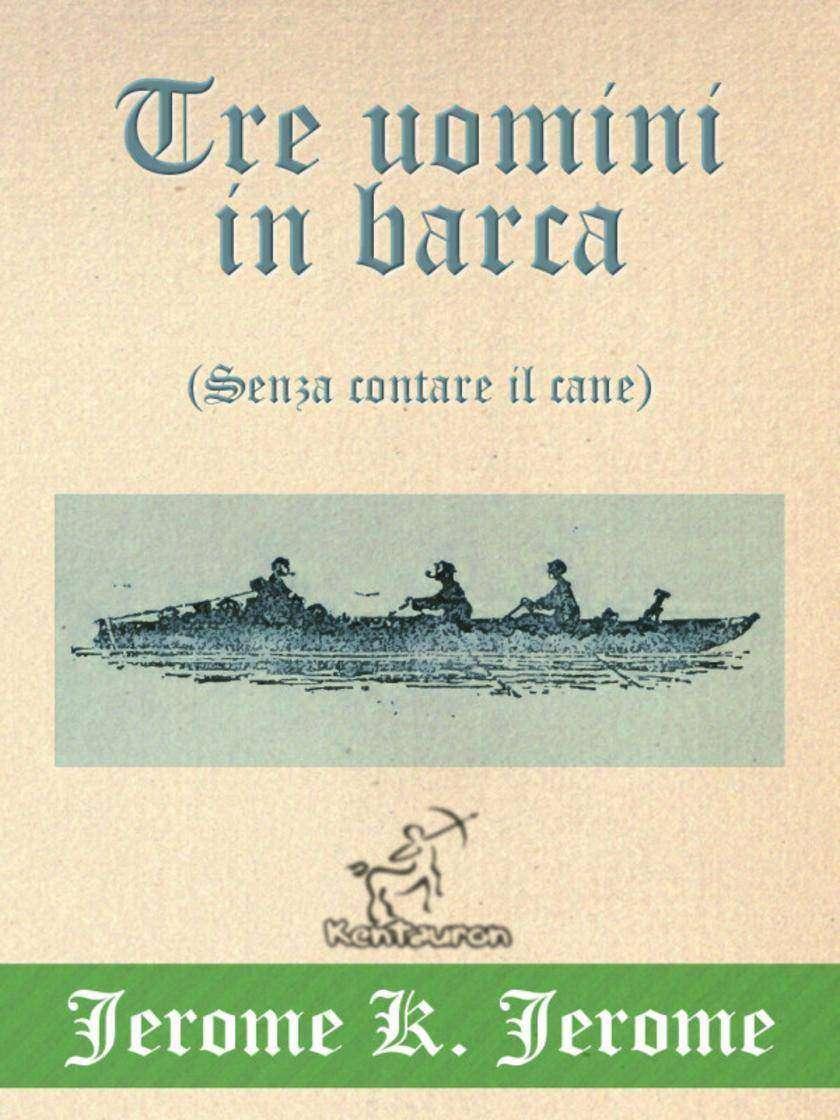
Tre uomini in barca (Senza contare il cane)
¥8.09
Edizione specifica per kindle con 67 illustrazioni, mappa del viaggio e indice navigabile. Tre uomini in barca (senza contare il cane) o, in altre traduzioni, Tre uomini in barca (per non parlar del cane) oppure Tre uomini in barca (per tacer del cane) è un romanzo di Jerome K. Jerome del 1889, è un romanzo umoristico ed considerato uno dei più importanti classici della letteratura inglese. Il romanzo narra la avventure di tre amici Jerome, Harris (l'uomo più prosaico della terra) e George (che ?va a dormire in una banca tutti i giorni dalle 10 alle 16, tranne il sabato che lo cacciano fuori alle 14?), che assieme al fedele cane Montmorency, viaggiano per giorni sulla loro imbarcazione, risalendo la corrente del fiume Tamigi, scorrendo lungo le campagne inglesi, e vivendo sempre nuove e inattese avventure che strappano risate di continuo. Il viaggio è costellato da una serie di gag comiche sulle gioie e sui dolori della vita in barca (quali le peripezie sul trasporto delle vivande, la costruzione della tenda sulla barca, i pericoli di cadute in acqua), unite a divertenti divagazioni che costituiscono storie a sé stanti, nel miglior stile dello humour inglese: celeberrimo è il racconto dello zio Podger alle prese con un quadro da appendere. Il tutto condito da descrizioni realistiche delle regioni attraversate dalla simpatica brigata e brevi notazioni di filosofia per non addetti ai lavori. La traduzione si basa sull'edizione del 1922 curata da Silvio Spaventa Filippi, ma è stata aggiornata all'italiano corrente dal redattore preservando lo stile dell'epoca in cui è stato scritto. Il testo è completo e si riferisce all'edizione del 1899 ed è arricchito da 67disegni originali di A. Frederics e della mappa del viaggio. Jerome K. Jerome (Walsall, 2 maggio 1859 – Northampton, 14 giugno 1927) è stato uno scrittore, giornalista e umorista britannico. ? ritenuto tra i maggiori scrittori umoristici inglesi. Lontano dai modi della farsa, del facile gioco di parole, dell'allusione oscena, il suo umorismo scaturiva anche dall'osservazione dalle situazioni più comuni e quotidiane. § Se sei interessato ad imparare o migliorare il tuo inglese o il tuo italiano, cerca l'edizione bilingue curata da Wirton Arvel. Troverai una versione Inglese-Italiano con paragrafo a fronte facile da leggere perché il testo originale e quello tradotto sono su due colonne affiancate. Nuova edizione: 5 giugno 2015Nota: Se hai acquistato questo ebook prima del 29 maggio 2015 e vuoi ricevere gratuitamente la nuova edizione, rivista e con disegni più grandi, invia un'email alla redazione di Kentauron, all'indirizzo che trovi all'interno dell'ebook.

The Common Reader Second Series by Virginia Woolf - Delphi Classics (Illustrated
¥8.09
This eBook features the unabridged text of ‘The Common Reader Second Series by Virginia Woolf - Delphi Classics (Illustrated)’ from the bestselling edition of ‘The Complete Works of Virginia Woolf’. Having established their name as the leading publisher of classic literature and art, Delphi Classics produce publications that are individually crafted with superior formatting, while introducing many rare texts for the first time in digital print. The Delphi Classics edition of Woolf includes original annotations and illustrations relating to the life and works of the author, as well as individual tables of contents, allowing you to navigate eBooks quickly and easily. eBook features: * The complete unabridged text of ‘The Common Reader Second Series by Virginia Woolf - Delphi Classics (Illustrated)’ * Beautifully illustrated with images related to Woolf’s works * Individual contents table, allowing easy navigation around the eBook * Excellent formatting of the text Please visit www.delphiclassics.com to learn more about our wide range of titles

The Second Jungle Book
¥8.09
Dodo Collections brings you another classic from Rudyard Kipling, ‘The Second Jungle Book’. The Second Jungle Book is a sequel to The Jungle Book by Rudyard Kipling. First published in 1895, it features five stories about Mowgli and three unrelated stories, all but one set in India, most of which Kipling wrote while living in Vermont. All of the stories were previously published in magazines in 1894-5, often under different titles. The original book is now worth $3.4 million. Joseph Rudyard Kipling an English short-story writer, poet, and novelist. He wrote tales and poems of British soldiers in India and stories for children. He was born in Bombay, in the Bombay Presidency of British India, and was taken by his family to England when he was five years old. Kipling's works of fiction include The Jungle Book (1894), Kim (1901), and many short stories, including "The Man Who Would Be King" (1888). His poems include "Mandalay" (1890), "Gunga Din" (1890), "The Gods of the Copybook Headings" (1919), "The White Man's Burden" (1899), and "If—" (1910). He is regarded as a major innovator in the art of the short story; his children's books are classics of children's literature; and one critic described his work as exhibiting "a versatile and luminous narrative gift".
A Rogue’s Life by Wilkie Collins - Delphi Classics (Illustrated)
¥8.09
This eBook features the unabridged text of ‘A Rogue’s Life by Wilkie Collins - Delphi Classics (Illustrated)’ from the bestselling edition of ‘The Complete Works of Wilkie Collins’. Having established their name as the leading publisher of classic literature and art, Delphi Classics produce publications that are individually crafted with superior formatting, while introducing many rare texts for the first time in digital print. The Delphi Classics edition of Collins includes original annotations and illustrations relating to the life and works of the author, as well as individual tables of contents, allowing you to navigate eBooks quickly and easily. eBook features: * The complete unabridged text of ‘A Rogue’s Life by Wilkie Collins - Delphi Classics (Illustrated)’ * Beautifully illustrated with images related to Collins’s works * Individual contents table, allowing easy navigation around the eBook * Excellent formatting of the text Please visit www.delphiclassics.com to learn more about our wide range of titles
The Dead Secret by Wilkie Collins - Delphi Classics (Illustrated)
¥8.09
This eBook features the unabridged text of ‘The Dead Secret by Wilkie Collins - Delphi Classics (Illustrated)’ from the bestselling edition of ‘The Complete Works of Wilkie Collins’. Having established their name as the leading publisher of classic literature and art, Delphi Classics produce publications that are individually crafted with superior formatting, while introducing many rare texts for the first time in digital print. The Delphi Classics edition of Collins includes original annotations and illustrations relating to the life and works of the author, as well as individual tables of contents, allowing you to navigate eBooks quickly and easily. eBook features: * The complete unabridged text of ‘The Dead Secret by Wilkie Collins - Delphi Classics (Illustrated)’ * Beautifully illustrated with images related to Collins’s works * Individual contents table, allowing easy navigation around the eBook * Excellent formatting of the text Please visit www.delphiclassics.com to learn more about our wide range of titles
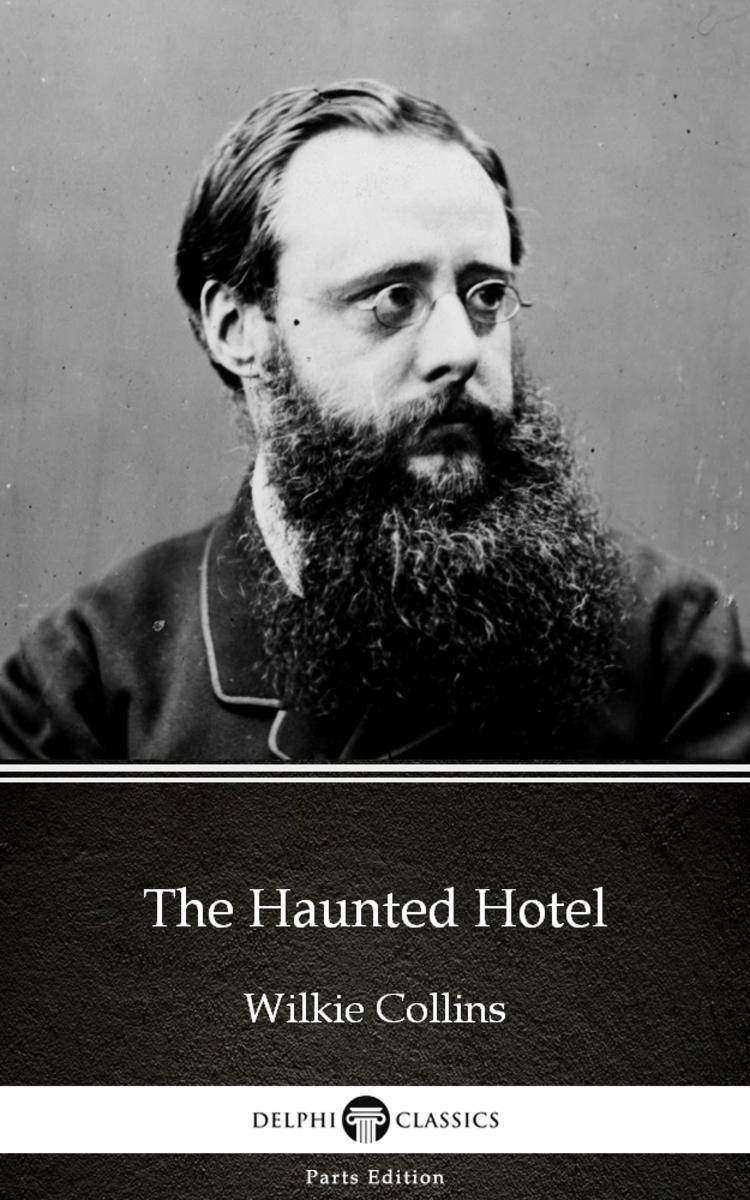
The Haunted Hotel by Wilkie Collins - Delphi Classics (Illustrated)
¥8.09
This eBook features the unabridged text of ‘The Haunted Hotel by Wilkie Collins - Delphi Classics (Illustrated)’ from the bestselling edition of ‘The Complete Works of Wilkie Collins’. Having established their name as the leading publisher of classic literature and art, Delphi Classics produce publications that are individually crafted with superior formatting, while introducing many rare texts for the first time in digital print. The Delphi Classics edition of Collins includes original annotations and illustrations relating to the life and works of the author, as well as individual tables of contents, allowing you to navigate eBooks quickly and easily. eBook features: * The complete unabridged text of ‘The Haunted Hotel by Wilkie Collins - Delphi Classics (Illustrated)’ * Beautifully illustrated with images related to Collins’s works * Individual contents table, allowing easy navigation around the eBook * Excellent formatting of the text Please visit www.delphiclassics.com to learn more about our wide range of titles

The Woggle-Bug Book by L. Frank Baum - Delphi Classics (Illustrated)
¥8.09
This eBook features the unabridged text of ‘The Woggle-Bug Book by L. Frank Baum - Delphi Classics (Illustrated)’ from the bestselling edition of ‘The Complete Works of L. Frank Baum’. Having established their name as the leading publisher of classic literature and art, Delphi Classics produce publications that are individually crafted with superior formatting, while introducing many rare texts for the first time in digital print. The Delphi Classics edition of Baum includes original annotations and illustrations relating to the life and works of the author, as well as individual tables of contents, allowing you to navigate eBooks quickly and easily. eBook features: * The complete unabridged text of ‘The Woggle-Bug Book by L. Frank Baum - Delphi Classics (Illustrated)’ * Beautifully illustrated with images related to Baum’s works * Individual contents table, allowing easy navigation around the eBook * Excellent formatting of the text Please visit www.delphiclassics.com to learn more about our wide range of titles

The Man Who Would Be King
¥8.09
Dodo Collections brings you another classic from Rudyard Kipling, ‘The Man Who Would Be King.’ ? The rugged mountains of 19th-century Afghanistan serve as the backdrop for this humorous and action-packed tale of two happy-go-lucky Britons who take over a remote kingdom. The colorful inhabitants and beautiful prose enrich a beautifully powerful ending. ? Kipling was one of the most popular writers in England, in both prose and verse, in the late 19th and early 20th centuries. Henry James said: "Kipling strikes me personally as the most complete man of genius (as distinct from fine intelligence) that I have ever known." In 1907, he was awarded the Nobel Prize in Literature, making him the first English-language writer to receive the prize, and its youngest recipient to date Among other honours, he was sounded out for the British Poet Laureateship and on several occasions for a knighthood, all of which he declined.

No One
¥8.09
Note: This is the book 3.5 in the Element Preservers series and should be read after book 3 since it contains spoilers for the first three books in the series. The novella has approximately 18000 words (74 pages). Aware that Ria's condition is getting worse, Adrian is determined to do whatever it takes so he can touch her again without weakening her, and the only ones who might be able to help him are his greatest enemies. Haunted by the memories, he has to get the information he needs without putting his life in danger, but that is easier said than done... Especially if there is no one you can trust. The Element Preservers series reading order (complete):DANGEROUS (Book 1)RUNAWAY (Book 2)DIVIDED (Book 3)NO ONE (Book 3.5)RESTLESS (Book 4)INDESTRUCTIBLE (Book 5)

Eric Brighteyes by H. Rider Haggard - Delphi Classics (Illustrated)
¥8.09
This eBook features the unabridged text of ‘Eric Brighteyes by H. Rider Haggard - Delphi Classics (Illustrated)’ from the bestselling edition of ‘The Complete Works of H. Rider Haggard’. Having established their name as the leading publisher of classic literature and art, Delphi Classics produce publications that are individually crafted with superior formatting, while introducing many rare texts for the first time in digital print. The Delphi Classics edition of Haggard includes original annotations and illustrations relating to the life and works of the author, as well as individual tables of contents, allowing you to navigate eBooks quickly and easily. eBook features: * The complete unabridged text of ‘Eric Brighteyes by H. Rider Haggard - Delphi Classics (Illustrated)’ * Beautifully illustrated with images related to Haggard’s works * Individual contents table, allowing easy navigation around the eBook * Excellent formatting of the text Please visit www.delphiclassics.com to learn more about our wide range of titles

Joan Haste by H. Rider Haggard - Delphi Classics (Illustrated)
¥8.09
This eBook features the unabridged text of ‘Joan Haste by H. Rider Haggard - Delphi Classics (Illustrated)’ from the bestselling edition of ‘The Complete Works of H. Rider Haggard’. Having established their name as the leading publisher of classic literature and art, Delphi Classics produce publications that are individually crafted with superior formatting, while introducing many rare texts for the first time in digital print. The Delphi Classics edition of Haggard includes original annotations and illustrations relating to the life and works of the author, as well as individual tables of contents, allowing you to navigate eBooks quickly and easily. eBook features: * The complete unabridged text of ‘Joan Haste by H. Rider Haggard - Delphi Classics (Illustrated)’ * Beautifully illustrated with images related to Haggard’s works * Individual contents table, allowing easy navigation around the eBook * Excellent formatting of the text Please visit www.delphiclassics.com to learn more about our wide range of titles

Heart of the World by H. Rider Haggard - Delphi Classics (Illustrated)
¥8.09
This eBook features the unabridged text of ‘Heart of the World by H. Rider Haggard - Delphi Classics (Illustrated)’ from the bestselling edition of ‘The Complete Works of H. Rider Haggard’. Having established their name as the leading publisher of classic literature and art, Delphi Classics produce publications that are individually crafted with superior formatting, while introducing many rare texts for the first time in digital print. The Delphi Classics edition of Haggard includes original annotations and illustrations relating to the life and works of the author, as well as individual tables of contents, allowing you to navigate eBooks quickly and easily. eBook features: * The complete unabridged text of ‘Heart of the World by H. Rider Haggard - Delphi Classics (Illustrated)’ * Beautifully illustrated with images related to Haggard’s works * Individual contents table, allowing easy navigation around the eBook * Excellent formatting of the text Please visit www.delphiclassics.com to learn more about our wide range of titles

“I Say No” by Wilkie Collins - Delphi Classics (Illustrated)
¥8.09
This eBook features the unabridged text of ‘“I Say No” by Wilkie Collins - Delphi Classics (Illustrated)’ from the bestselling edition of ‘The Complete Works of Wilkie Collins’. Having established their name as the leading publisher of classic literature and art, Delphi Classics produce publications that are individually crafted with superior formatting, while introducing many rare texts for the first time in digital print. The Delphi Classics edition of Collins includes original annotations and illustrations relating to the life and works of the author, as well as individual tables of contents, allowing you to navigate eBooks quickly and easily. eBook features: * The complete unabridged text of ‘“I Say No” by Wilkie Collins - Delphi Classics (Illustrated)’ * Beautifully illustrated with images related to Collins’s works * Individual contents table, allowing easy navigation around the eBook * Excellent formatting of the text Please visit www.delphiclassics.com to learn more about our wide range of titles
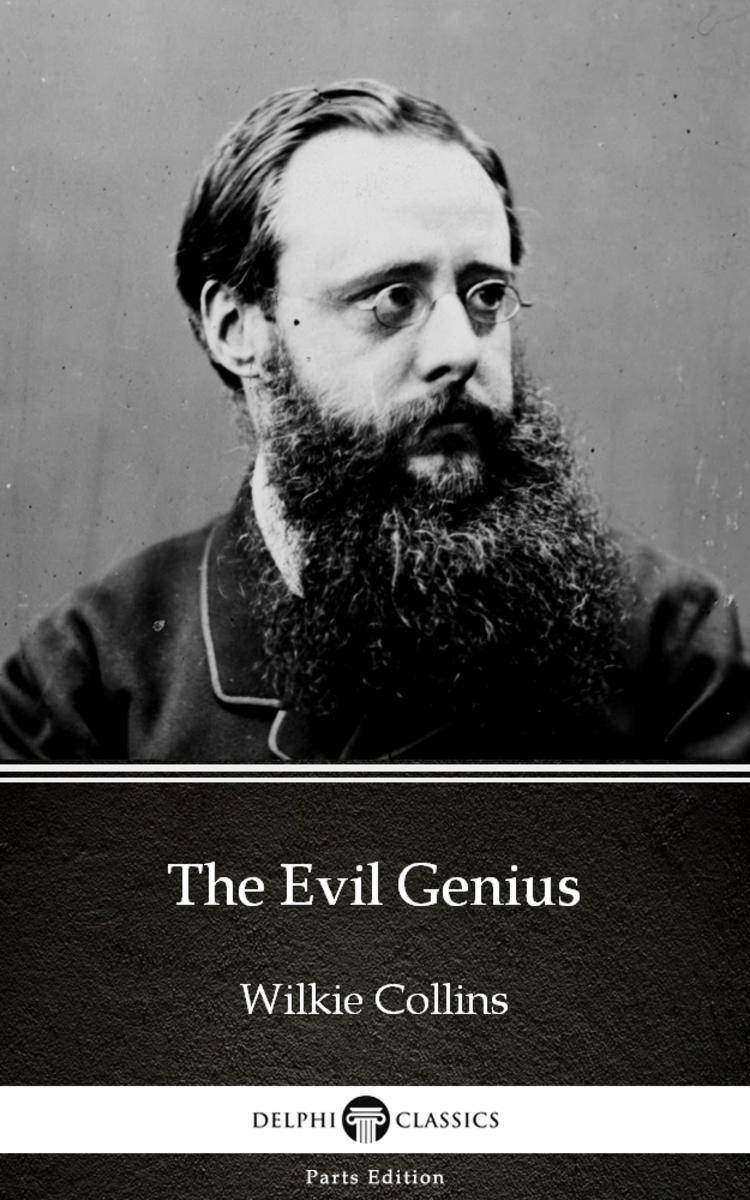
The Evil Genius by Wilkie Collins - Delphi Classics (Illustrated)
¥8.09
This eBook features the unabridged text of ‘The Evil Genius by Wilkie Collins - Delphi Classics (Illustrated)’ from the bestselling edition of ‘The Complete Works of Wilkie Collins’. Having established their name as the leading publisher of classic literature and art, Delphi Classics produce publications that are individually crafted with superior formatting, while introducing many rare texts for the first time in digital print. The Delphi Classics edition of Collins includes original annotations and illustrations relating to the life and works of the author, as well as individual tables of contents, allowing you to navigate eBooks quickly and easily. eBook features: * The complete unabridged text of ‘The Evil Genius by Wilkie Collins - Delphi Classics (Illustrated)’ * Beautifully illustrated with images related to Collins’s works * Individual contents table, allowing easy navigation around the eBook * Excellent formatting of the text Please visit www.delphiclassics.com to learn more about our wide range of titles


