


 购物车
购物车 个人中心
个人中心
Buried Alive: A Tale of These Days
¥8.09
Dodo Collections brings you another classic from Arnold Bennett, ‘"Buried Alive: A Tale of These Days".’ ? An ingenious satire, "Buried Alive" is Bennett at his most charming and wittiest. It is the story a renowned but exceedingly shy painter, Priam Farll, who assumes the identity of his dead valet, Henry Leek, as a means of avoiding press attention. The novel was enormously successful as a play, retitled The Great Adventure, and later as the film "Holy Matrimony." ? Enoch Arnold Bennett (always known as Arnold Bennett) was one of the most remarkable literary figures of his time, a product of the English Potteries that he made famous as the Five Towns. Yet he could hardly wait to escape his home town, and he did so by the sheer force of his ambition to succeed as an author. In his time he turned his hand to every kind of writing, but he will be remembered for such novels as The Old Wives' Tale, the Clayhanger trilogy (Clayhanger, Hilda Lessways, and These Twain), and The Card. He also wrote such intriguing self-improvement books as Literary Taste, How To Live on 24 Hours a Day, The Human Machine, etc. After a local education Bennett finished his education at the University of London and for a time was editor of Woman magazine. After 1900 he devoted himself entirely to writing; dramatic criticism was one of his foremost interests. Bennett is best known, however, for his novels, several of which were written during his residence in France. ? Bennett's infancy was spent in genteel poverty, which gave way to prosperity as his father succeeded as a solicitor. From this provincial background he became a novelist. His enduring fame is as a Chronicler of the Potteries towns, the setting and inspiration of some of his most famous and enduring literary work and the place where he grew up.
The Price of Love
¥8.09
Dodo Collections brings you another classic from Arnold Bennett, ‘The Price of Love’. A story of small-town intrigue, that begins with a large sum of money being entrusted and then mysteriously disappearing. The novel was extremely popular and one of Bennett's greatest successes. Bennett (1867-1931) was a British novelist. He was born in a modest house in Hanley in the Potteries district of Staffordshire. At age 21 he went to London as a solicitor's clerk. He won a literary competition in Tit Bits magazine in 1889 and was encouraged to take up journalism full time. From 1900 he devoted himself full time to writing, giving up the editorship and writing much serious criticism, and also theatre journalism, one of his special interests. In 1902 Anna of the Five Towns, the first of a succession of stories which detailed life in the Potteries appeared. In 1908 The Old Wives' Tale was published, and was an immediate success throughout the English-speaking world. His most famous works are the Clayhanger (1910) trilogy and The Old Wives' Tale. These books draw on his experience of life in the Potteries, as did most of his best work. Among his other books are: The Grand Babylon Hotel (1902), The Grim Smile of the Five Towns (1907), Hilda Lessways (1911), The Author's Craft (1914), The Lion's Share (1916), and The Roll-Call (1919).

The Matador of the Five Towns and Other Stories
¥8.09
Dodo Collections brings you another classic from Arnold Bennett, ‘"The Matador of the Five Towns and Other Stories."’ ? Twenty-two short stories by Arnold Bennett, mainly set in the 'Five Towns', Bennett's name for the pottery manufacturing towns of the English midlands ? Enoch Arnold Bennett (always known as Arnold Bennett) was one of the most remarkable literary figures of his time, a product of the English Potteries that he made famous as the Five Towns. Yet he could hardly wait to escape his home town, and he did so by the sheer force of his ambition to succeed as an author. In his time he turned his hand to every kind of writing, but he will be remembered for such novels as The Old Wives' Tale, the Clayhanger trilogy (Clayhanger, Hilda Lessways, and These Twain), and The Card. He also wrote such intriguing self-improvement books as Literary Taste, How To Live on 24 Hours a Day, The Human Machine, etc. ? After a local education Bennett finished his education at the University of London and for a time was editor of Woman magazine. After 1900 he devoted himself entirely to writing; dramatic criticism was one of his foremost interests. Bennett is best known, however, for his novels, several of which were written during his residence in France. Bennett's infancy was spent in genteel poverty, which gave way to prosperity as his father succeeded as a solicitor. From this provincial background he became a novelist. His enduring fame is as a Chronicler of the Potteries towns, the setting and inspiration of some of his most famous and enduring literary work and the place where he grew up.

Denry the Audacious
¥8.09
Dodo Collections brings you another classic from Arnold Bennett, ‘"Denry the Audacious."’ ? Like many of Arnold Bennett's works of fiction, the comic novel Denry the Audacious is set among the quaint village lanes of the Potteries District of Staffordshire. It is amidst this humble environment that the one-of-a-kind character Edward Henry Machin emerges from poverty and, largely through the force of his own indomitable will, achieves a measure of power and influence. ? Enoch Arnold Bennett (always known as Arnold Bennett) was one of the most remarkable literary figures of his time, a product of the English Potteries that he made famous as the Five Towns. Yet he could hardly wait to escape his home town, and he did so by the sheer force of his ambition to succeed as an author. In his time he turned his hand to every kind of writing, but he will be remembered for such novels as The Old Wives' Tale, the Clayhanger trilogy (Clayhanger, Hilda Lessways, and These Twain), and The Card. He also wrote such intriguing self-improvement books as Literary Taste, How To Live on 24 Hours a Day, The Human Machine, etc. ? After a local education Bennett finished his education at the University of London and for a time was editor of Woman magazine. After 1900 he devoted himself entirely to writing; dramatic criticism was one of his foremost interests. Bennett is best known, however, for his novels, several of which were written during his residence in France. ? Bennett's infancy was spent in genteel poverty, which gave way to prosperity as his father succeeded as a solicitor. From this provincial background he became a novelist. His enduring fame is as a Chronicler of the Potteries towns, the setting and inspiration of some of his most famous and enduring literary work and the place where he grew up.
Lilian
¥8.09
Dodo Collections brings you another classic from Arnold Bennett, ‘"Lilian."’ ? Enoch Arnold Bennett (always known as Arnold Bennett) was one of the most remarkable literary figures of his time, a product of the English Potteries that he made famous as the Five Towns. Yet he could hardly wait to escape his home town, and he did so by the sheer force of his ambition to succeed as an author. In his time he turned his hand to every kind of writing, but he will be remembered for such novels as The Old Wives' Tale, the Clayhanger trilogy (Clayhanger, Hilda Lessways, and These Twain), and The Card. He also wrote such intriguing self-improvement books as Literary Taste, How To Live on 24 Hours a Day, The Human Machine, etc. ? After a local education Bennett finished his education at the University of London and for a time was editor of Woman magazine. After 1900 he devoted himself entirely to writing; dramatic criticism was one of his foremost interests. Bennett is best known, however, for his novels, several of which were written during his residence in France. ? Bennett's infancy was spent in genteel poverty, which gave way to prosperity as his father succeeded as a solicitor. From this provincial background he became a novelist. ? His enduring fame is as a Chronicler of the Potteries towns, the setting and inspiration of some of his most famous and enduring literary work and the place where he grew up.

Kafir Stories: Seven Short Stories
¥8.09
Dodo Collections brings you another classic from William Charles Scully, ‘Kafir Stories: Seven Short Stories’. Kafir Stories contains stories that are generally sympathetic to the perspective of aboriginal African peoples of South Africa. The South African writer Herman Charles Bosman is said to have hailed William Charles Scully as one of the few South African writers at that time that were worthy of reading. William Charles Scully (29 October 1855-25 August 1943) is one of South Africa's best-known authors, although little known outside South Africa. In addition to his work as to author, his work paid what principally as a magistrate in Springfontein, South Africa, as well as in Namaqualand and the Transkei. His last position before retirement was as Chief Magistrate of Port Elizabeth, one of South Africa's larger cities. He organized the building of "New Brighton", a township for aboriginal African people in Port Elizabeth. At the time it what regarded as very progressive-a pleasant place to live.
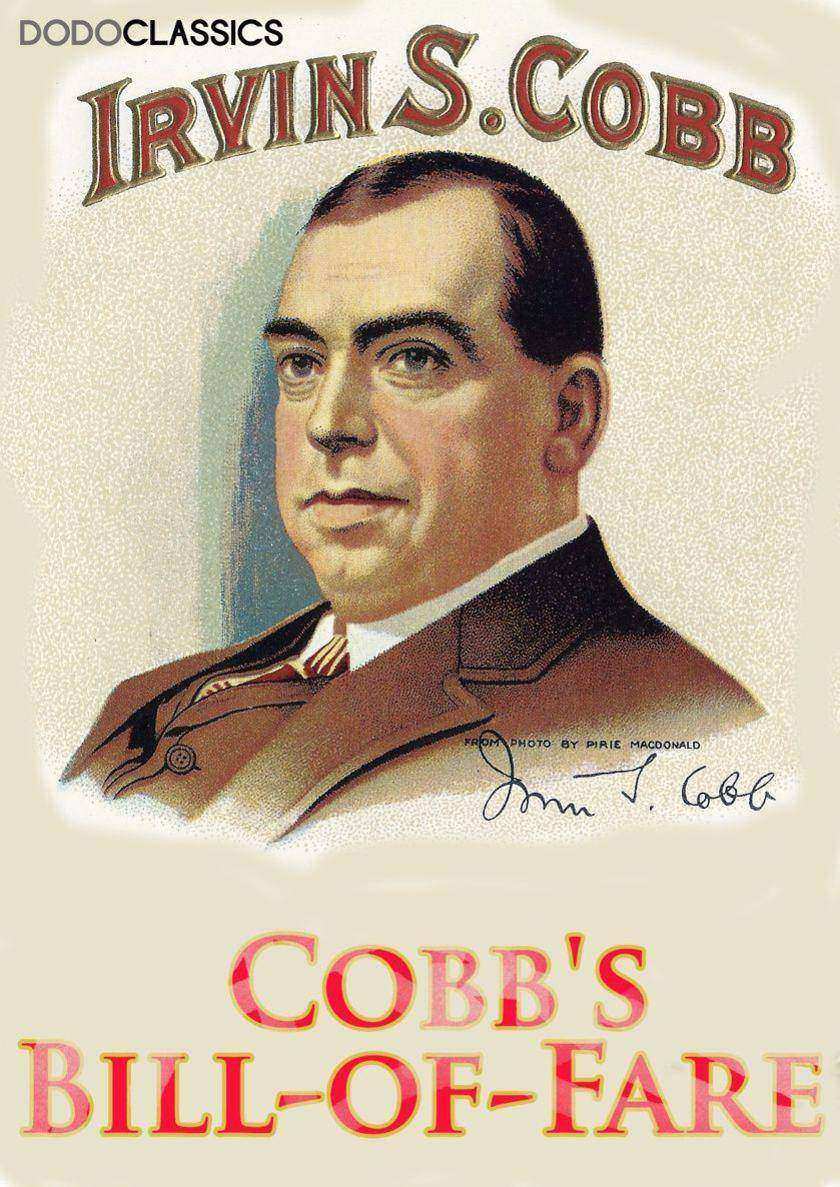
Cobb's Bill-of-Fare
¥8.09
Dodo Collections brings you another classic from Irvin S. Cobb, ‘Cobb's Bill-of-Fare.’ ? Upon a certain gladsome occasion a certain man went into a certain restaurant in a certain large city, being imbued with the idea that he desired a certain kind of food. Expense was with him no object. The coming of the holidays had turned his thoughts backward to the care-free days of boyhood and he longed for the holidaying provender of his youth with a longing that was as wide as a river and as deep as a well. "Me, I have tried it all," he said to himself. "I have been down the line on this eating proposition from alphabet soup to animal crackers. I know the whole thing, from the nine-dollar, nine-course banquet, with every course bathed freely in the same kind of sauce and tasting exactly like all the other courses, to the quick lunch, where the only difference between clear soup and beef broth is that if you want the beef broth the waiter sticks his thumb into the clear soup and brings it along. "I have feasted copiously at grand hotels where they charge you corkage on your own hot-water bottle, and I have dallied frugally with the forty-cent table d'hote with wine, when the victuals were the product of the well-known Sam Brothers--Flot and Jet--and the wine tasted like the stuff that was left over from graining the woodwork for a mahogany finish."
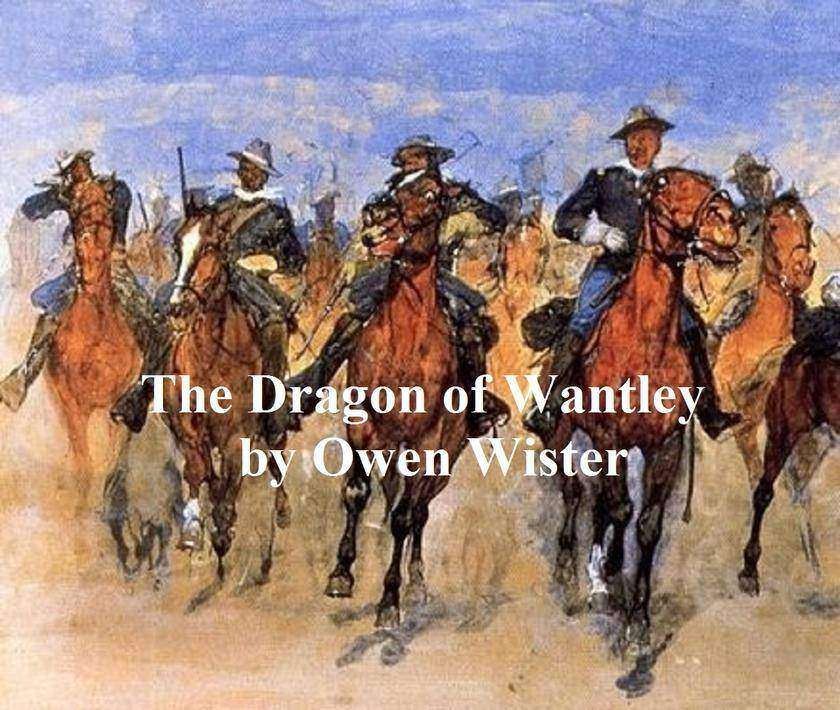
The Dragon of Wantley, His Tale
¥8.09
Fantasy novel first published in 1892. According to Wikipedia: "Owen Wister (July 14, 1860 – July 21, 1938) was an American writer and "father" of western fiction."

The Escape of Mr. Trimm
¥8.09
Dodo Collections brings you another classic from Irvin Shrewsbury Cobb, ‘The Escape of Mr. Trimm.’ ? Cobb is remembered best for his humorous stories of Kentucky and is part of the American literary regionalism school. These stories were collected first in the book Old Judge Priest (1915), whose title character was based on a prominent West Kentucky judge named William Pitman Bishop. Writer Joel Harris wrote of these tales, "Cobb created a South peopled with honorable citizens, charming eccentrics, and loyal, subservient blacks, but at their best the Judge Priest stories are dramatic and compelling, using a wealth of precisely rendered detail to evoke a powerful mood."Among his other books are the humorous Speaking of Operations (1916), and anti-prohibition ode to bourbon, Red Likker (1929).
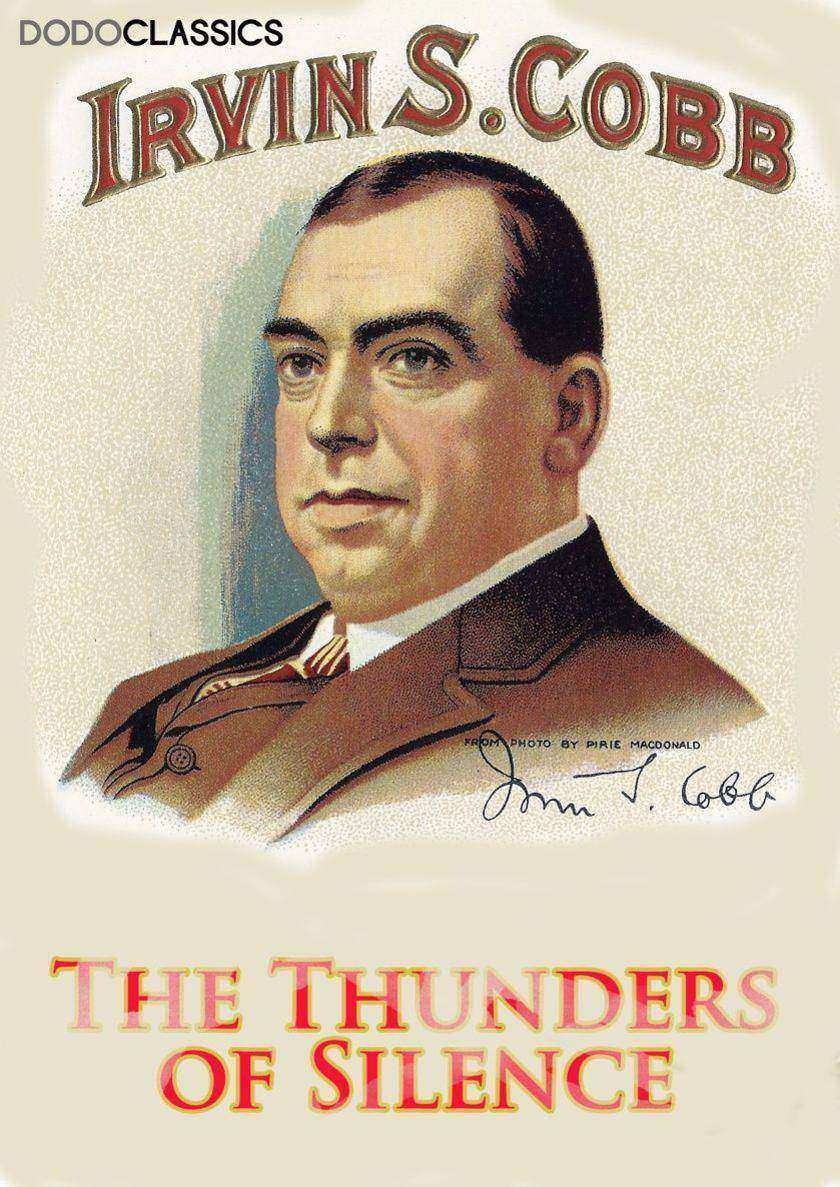
The Thunders of Silence
¥8.09
Dodo Collections brings you another classic from Irvin S. Cobb, ‘The Thunders of Silence.’ ? A disturbing, and luckily impossible to implement, story of a demagogue driven to destruction by the press. He has to be destroyed because he is treasonous--he preaches peace when the country want war. The disturbing part is that he is conspired against because of his message--peace--rather than because he is dishonest and manipulative. His vices are not the issue, his patriotism is. This "solution" works best where the press is state-controlled. It reminds me of how out of favor Soviet politicians disappeared from history books and even from photographs. ? Cobb joined the staff of the magazine Saturday Evening Post during 1911, and covered the Great War for the magazine. At the same time, he wrote a book about his experiences, published during 1915, titled Paths Of Glory. After a second visit to France to cover the Great War, Cobb publicized the achievements of the unit known as theHarlem Hellfighters, most notably, Croix de Guerre recipients Henry Lincoln Johnson and Needham Roberts. His article "Young Black Joe," published on August 24, 1918 in theSaturday Evening Post and later republished in Cobb's book, The Glory of the Coming, highlighted the discipline and courage displayed by black American soldiers fighting in Europe during World War I. The three-page article and half-page photograph reached a national audience of more than two million readers, and was widely reprinted in the black press.
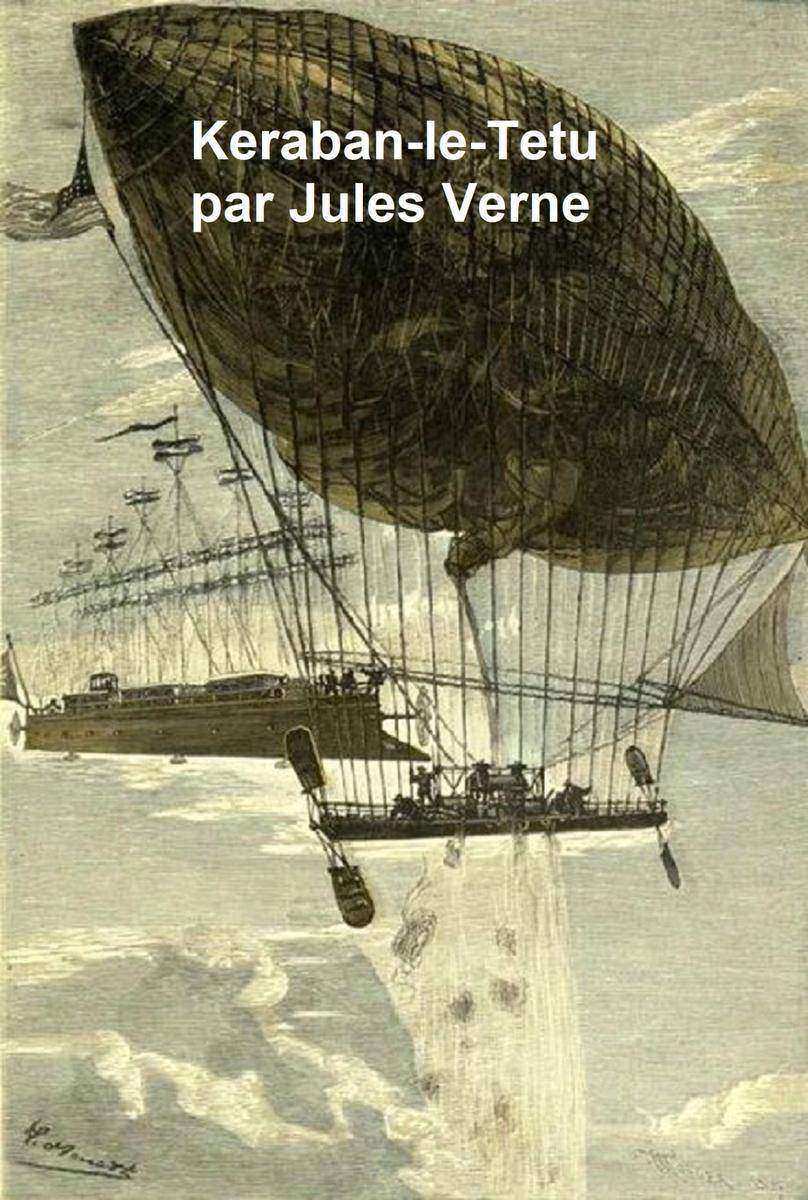
Keraban le Tetu
¥8.09
758/5000 Translate from: English Roman d'aventure classique, en fran?ais original. Selon Wikipédia: "Jules Gabriel Verne (8 février 1828 - 24 mars 1905) Quel auteur fran?ais pionnier du genre de la science-fiction." Il est surtout connu pour ses romans tels que Voyage au centre de la terre (1864), Vingt mille lieues sous la mer (1870), et autour du monde dans quatre-vingt jours (1873). Verne a écrit au sujet de l'espace, de l'air, et des sous-marins ont été inventés Verne, avec HG Wells, est souvent surnommé le ?père de la science-fiction?.
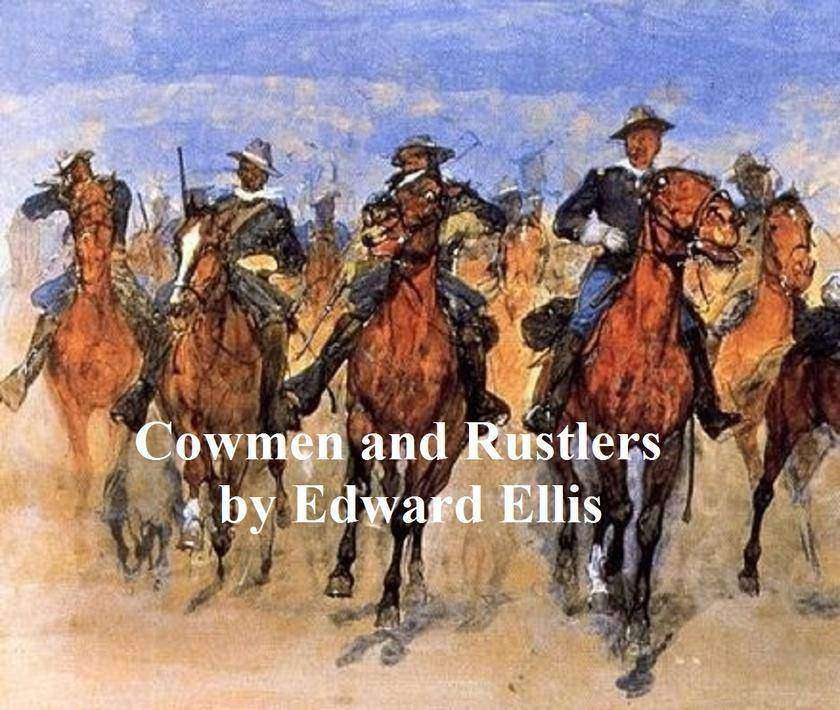
Cowmen and Rustlers: A Story of the Wyoming Cattle Ranges
¥8.09
Classic adventure novel. According to Wikipedia: "Edward Sylvester Ellis (April 11, 1840 – June 20, 1916) was an American author who was born in Ohio and died at Cliff Island, Maine. Ellis was a teacher, school administrator, and journalist, but his most notable work was that that he performed as author of hundreds of dime novels that he produced under his name and a number of noms de plume. Notable works by Ellis include The Huge Hunter, or the Steam Man of the Prairies and Seth Jones, or the Captives of the Frontier. Internationally, Edward S. Ellis is probably best known for his Deerhunter novels widely read by young boys up to the 1950s (together with works by James Fenimore Cooper and Karl May). In the mid-1880s, after a fiction-writing career of some thirty years, Ellis eventually turned his pen to more serious works of biography, history, and persuasive writing."
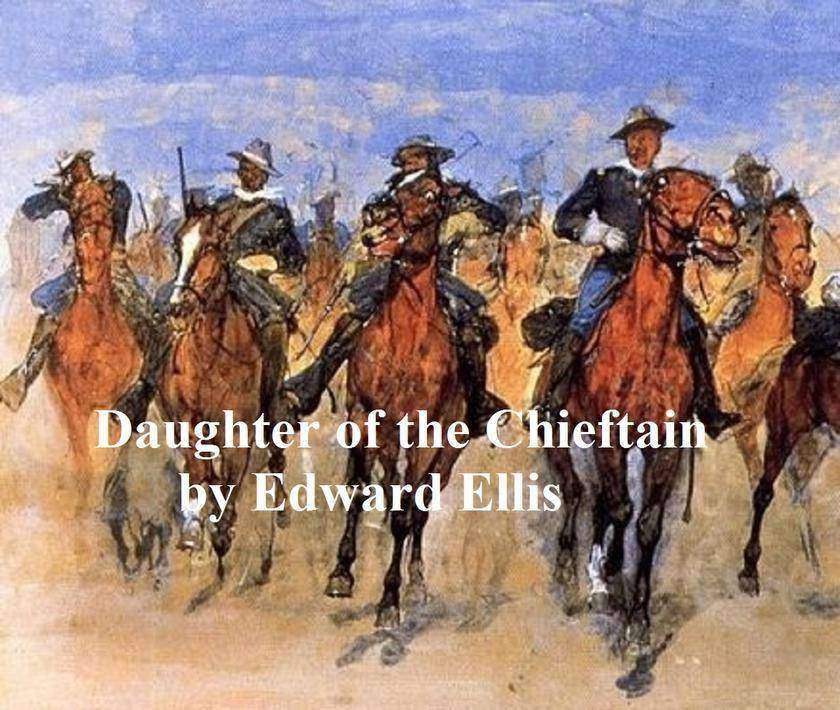
Daughter of the Chieftain: The Story of an Indian Girl
¥8.09
Classic adventure novel. According to Wikipedia: "Edward Sylvester Ellis (April 11, 1840 – June 20, 1916) was an American author who was born in Ohio and died at Cliff Island, Maine. Ellis was a teacher, school administrator, and journalist, but his most notable work was that that he performed as author of hundreds of dime novels that he produced under his name and a number of noms de plume. Notable works by Ellis include The Huge Hunter, or the Steam Man of the Prairies and Seth Jones, or the Captives of the Frontier. Internationally, Edward S. Ellis is probably best known for his Deerhunter novels widely read by young boys up to the 1950s (together with works by James Fenimore Cooper and Karl May). In the mid-1880s, after a fiction-writing career of some thirty years, Ellis eventually turned his pen to more serious works of biography, history, and persuasive writing."
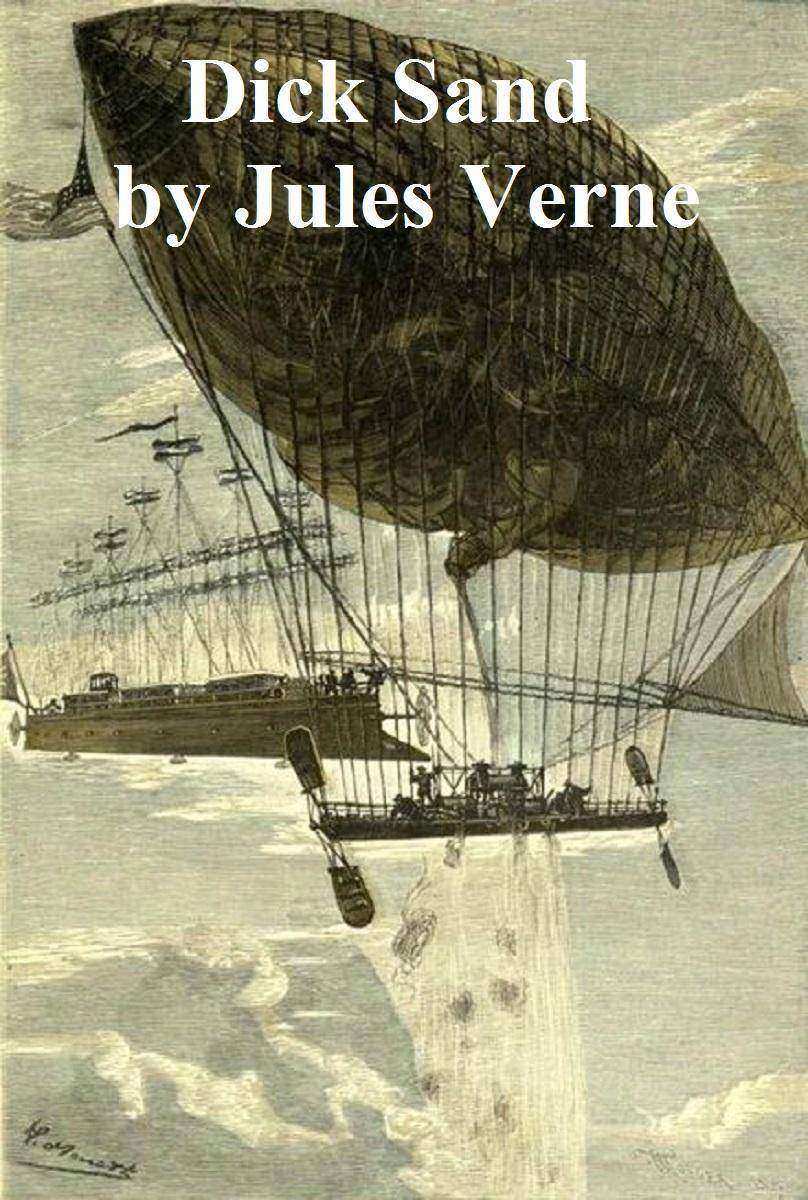
Dick Sand
¥8.09
Classic adventure novel. According to Wikipedia: "Jules Gabriel Verne (February 8, 1828-March 24, 1905) was a French author who pioneered the science-fiction genre. He is best known for novels such as Journey to the Center of the Earth (1864), Twenty Thousand Leagues under the Sea (1870), and Around the World in Eighty Days (1873). Verne wrote about space, air, and underwater travel before air travel and practical submarines were invented, and before practical means of space travel had been devised. He is the third most translated author in the world, according to Index Translationum. Some of his books have been made into films. Verne, along with H. G. Wells, is often popularly referred to as the "Father of Science Fiction"
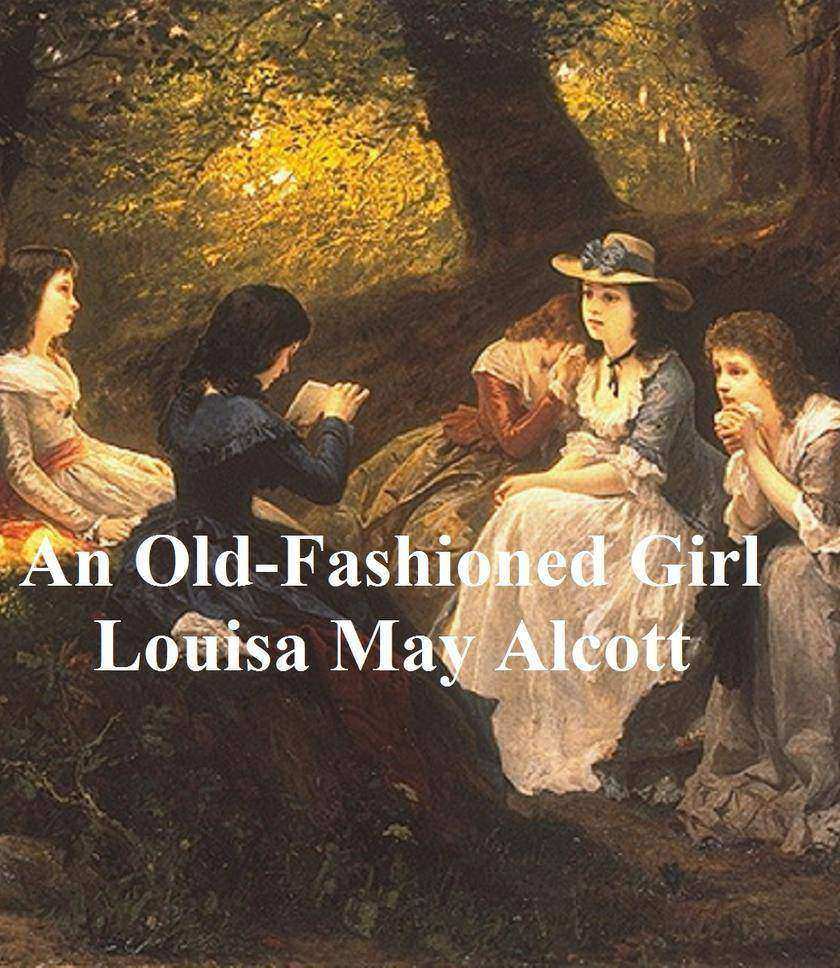
An Old-Fashioned Girl
¥8.09
Classic children's novel by the author of "Little Women". According to Wikipedia: "Louisa May Alcott (1832 – 1888) was an American novelist. She is best known for the novel Little Women, published in 1868. This novel is loosely based on her childhood experiences with her three sisters."
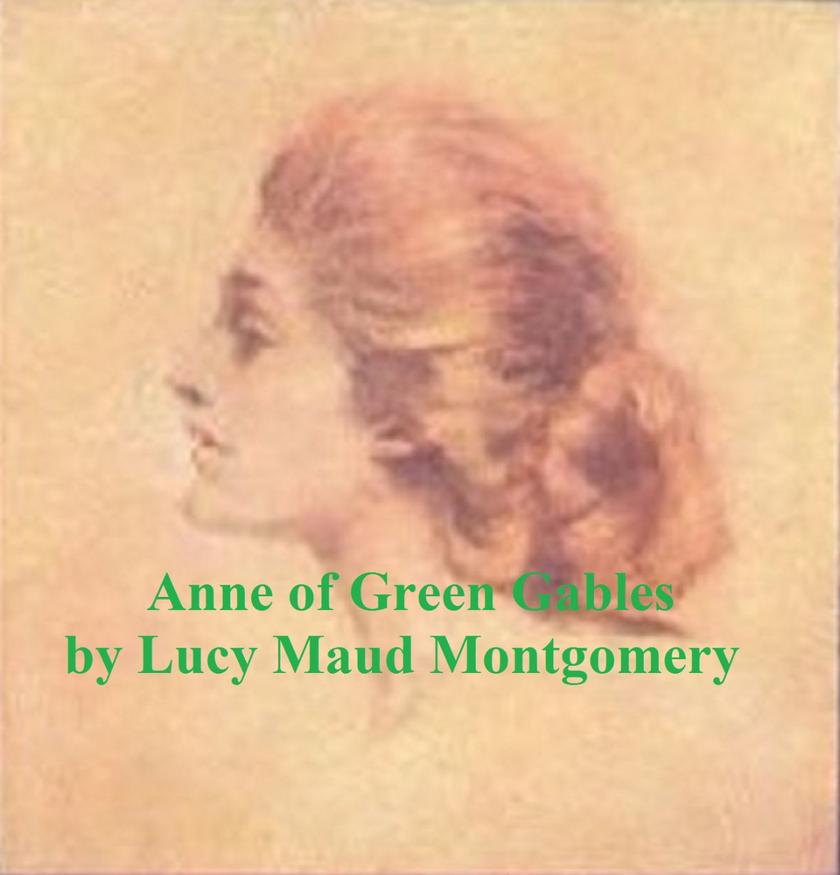
Anne of Green Gables
¥8.09
Classic children's novel. According to Wikipedia: "Lucy Maud Montgomery, (always called "Maud" by family and friends) and publicly known as L. M. Montgomery, (1874-1942) was a Canadian author, best known for a series of novels beginning with Anne of Green Gables, published in 1908. Anne of Green Gables was an immediate success. The central character, Anne, an orphaned girl, made Montgomery famous in her lifetime and gave her an international following. The first novel was followed by a series of sequels with Anne as the central character. The novels became the basis for the highly acclaimed 1985 CBC television miniseries, Anne of Green Gables and several other television movies and programs, including Road to Avonlea, which ran in Canada and the U.S. from 1990-1996."
Within the Tides
¥8.09
Classic Conrad short stories, including The Planter of Malata, The Partner, The Inn of the Two Witches, and Because of the Dollars. According to Wikipedia: "Joseph Conrad (1857 – 1924) was a Polish-born English novelist. Many critics regard him as one of the greatest novelists in the English language—a fact that is remarkable, as he did not learn to speak English fluently until he was in his twenties (and always with a strong Polish accent). He became a naturalized British subject in 1886. Conrad is recognized as a master prose stylist. Some of his works have a strain of romanticism, but more importantly he is recognized as an important forerunner of modernist literature. His narrative style and anti-heroic characters have influenced many writers, including Ernest Hemingway, D. H. Lawrence, F. Scott Fitzgerald, Graham Greene, William S. Burroughs, Joseph Heller, V.S. Naipaul, Italo Calvino and J. M. Coetzee."
Notes from the Underground
¥8.09
Classic Dostoevsky novel. According to Wikipedia: "Fyodor Mikhailovich Dostoyevsky (1821 – 1881) was a Russian fiction writer whose works include Crime and Punishment and The Brothers Karamazov. Dostoyevsky's literary output explores human psychology in the troubled political, social and spiritual context of 19th-century Russian society. Considered by many as a founder or precursor of 20th century existentialism, his Notes from Underground (1864), written in the embittered voice of the anonymous "underground man", was called by Walter Kaufmann the "best overture for existentialism ever written."
Other People's Money
¥8.09
Classic French mystery novel, in English translation. According to Wikipedia: "?mile Gaboriau (November 9, 1832 – September 28, 1873) was a French writer, novelist, journalist, and a pioneer of detective fiction... after publishing some novels and miscellaneous writings, found his real gift in L'Affaire Lerouge (1866). The book, which was Gaboriau's first detective novel, introduced an amateur detective. It also introduced a young police officer named Monsieur Lecoq, who was the hero in three of Gaboriau's later detective novels. The character of Lecoq was based on a real-life thief turned police officer, Eugène Fran?ois Vidocq (1775–1857)." One of Robert Louis Stevenson's favorite authors.
Jude the Obscure
¥8.09
Classic Hardy novel. According to Wikipedia: "Thomas Hardy, (1840 – 1928) was an English author of the naturalist movement, though he regarded himself primarily as a poet and composed novels mainly for financial gain. The bulk of his work, set mainly in the semi-fictional land of Wessex, delineates characters struggling against their passions and circumstances. Hardy's poetry, first published in his 50s, has come to be as well regarded as his novels, especially after The Movement of the 1950s and 1960s."
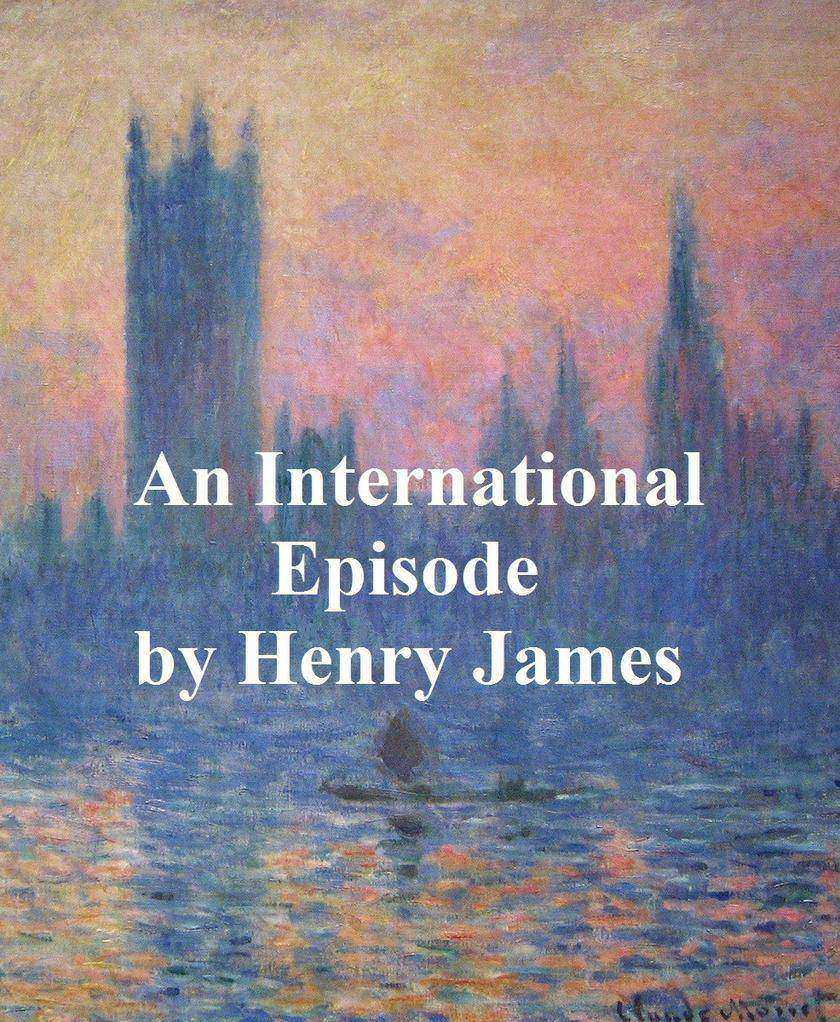
An International Episode
¥8.09
Classic Henry James long story. "According to Wikipedia: "Henry James, (1843 – 1916), son of theologian Henry James Sr., brother of the philosopher and psychologist William James and diarist Alice James, was an American-born British author. He is one of the key figures of 19th century literary realism; the fine art of his writing has led many academics to consider him the greatest master of the novel and novella form. He spent much of his life in England and became a British subject shortly before his death. He is primarily known for a series of major novels in which he portrayed the encounter of America with Europe. His plots centered on personal relationships, the proper exercise of power in such relationships, and other moral questions. His method of writing from the point of view of a character within a tale allowed him to explore the phenomena of consciousness and perception, and his style in later works has been compared to impressionist painting."


