


 购物车
购物车 个人中心
个人中心

Little Men by Louisa May Alcott (Illustrated)
¥8.09
This eBook features the unabridged text of ‘Little Men’ from the bestselling edition of ‘The Complete Works of Louisa May Alcott’. Having established their name as the leading publisher of classic literature and art, Delphi Classics produce publications that are individually crafted with superior formatting, while introducing many rare texts for the first time in digital print. The Delphi Classics edition of Alcott includes original annotations and illustrations relating to the life and works of the author, as well as individual tables of contents, allowing you to navigate eBooks quickly and easily.eBook features:* The complete unabridged text of ‘Little Men’* Beautifully illustrated with images related to Alcott’s works* Individual contents table, allowing easy navigation around the eBook* Excellent formatting of the textPlease visit www.delphiclassics.com to learn more about our wide range of titles

Eight Cousins by Louisa May Alcott (Illustrated)
¥8.09
This eBook features the unabridged text of ‘Eight Cousins’ from the bestselling edition of ‘The Complete Works of Louisa May Alcott’. Having established their name as the leading publisher of classic literature and art, Delphi Classics produce publications that are individually crafted with superior formatting, while introducing many rare texts for the first time in digital print. The Delphi Classics edition of Alcott includes original annotations and illustrations relating to the life and works of the author, as well as individual tables of contents, allowing you to navigate eBooks quickly and easily.eBook features:* The complete unabridged text of ‘Eight Cousins’* Beautifully illustrated with images related to Alcott’s works* Individual contents table, allowing easy navigation around the eBook* Excellent formatting of the textPlease visit www.delphiclassics.com to learn more about our wide range of titles
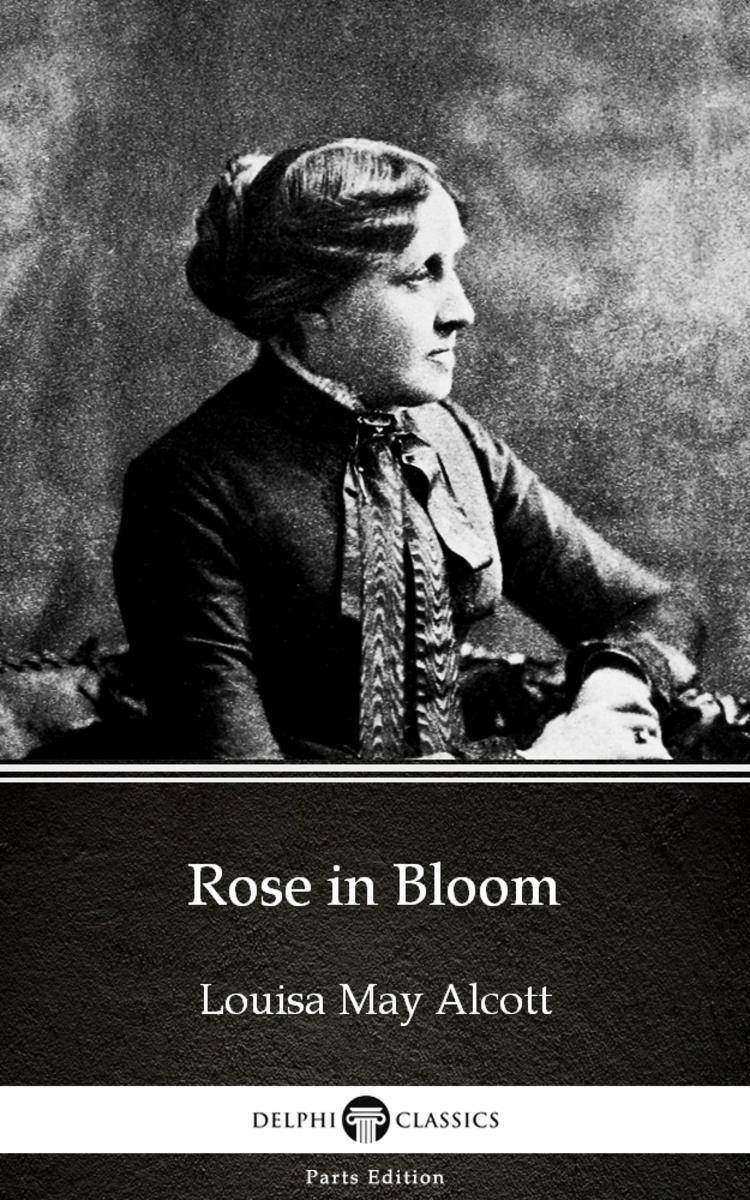
Rose in Bloom by Louisa May Alcott (Illustrated)
¥8.09
This eBook features the unabridged text of ‘Rose in Bloom’ from the bestselling edition of ‘The Complete Works of Louisa May Alcott’. Having established their name as the leading publisher of classic literature and art, Delphi Classics produce publications that are individually crafted with superior formatting, while introducing many rare texts for the first time in digital print. The Delphi Classics edition of Alcott includes original annotations and illustrations relating to the life and works of the author, as well as individual tables of contents, allowing you to navigate eBooks quickly and easily.eBook features:* The complete unabridged text of ‘Rose in Bloom’* Beautifully illustrated with images related to Alcott’s works* Individual contents table, allowing easy navigation around the eBook* Excellent formatting of the textPlease visit www.delphiclassics.com to learn more about our wide range of titles
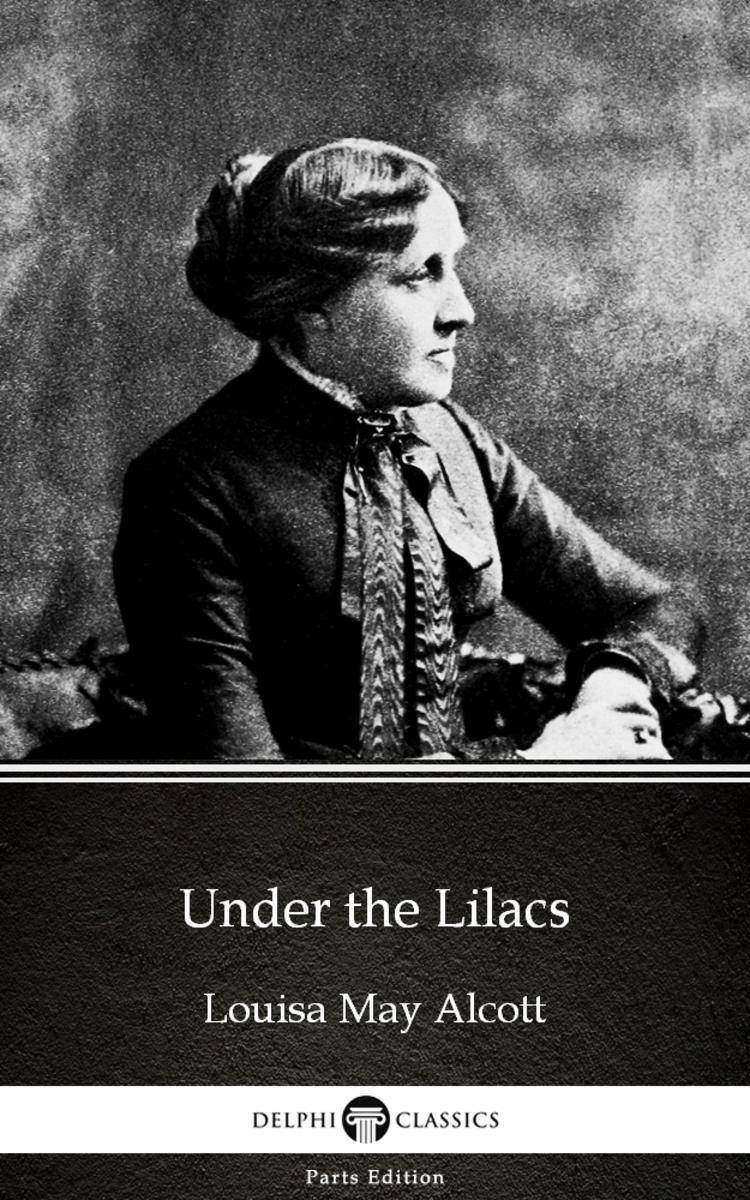
Under the Lilacs by Louisa May Alcott (Illustrated)
¥8.09
This eBook features the unabridged text of ‘Under the Lilacs’ from the bestselling edition of ‘The Complete Works of Louisa May Alcott’. Having established their name as the leading publisher of classic literature and art, Delphi Classics produce publications that are individually crafted with superior formatting, while introducing many rare texts for the first time in digital print. The Delphi Classics edition of Alcott includes original annotations and illustrations relating to the life and works of the author, as well as individual tables of contents, allowing you to navigate eBooks quickly and easily.eBook features:* The complete unabridged text of ‘Under the Lilacs’* Beautifully illustrated with images related to Alcott’s works* Individual contents table, allowing easy navigation around the eBook* Excellent formatting of the textPlease visit www.delphiclassics.com to learn more about our wide range of titles
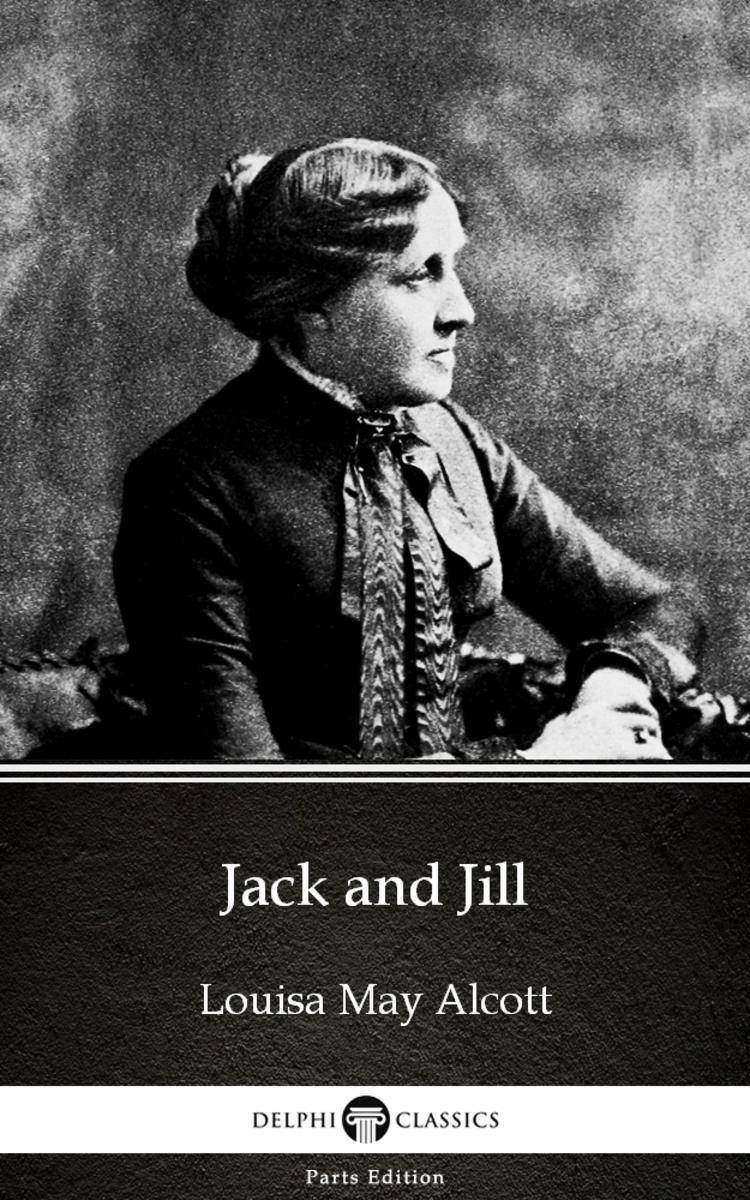
Jack and Jill by Louisa May Alcott (Illustrated)
¥8.09
This eBook features the unabridged text of ‘Jack and Jill’ from the bestselling edition of ‘The Complete Works of Louisa May Alcott’. Having established their name as the leading publisher of classic literature and art, Delphi Classics produce publications that are individually crafted with superior formatting, while introducing many rare texts for the first time in digital print. The Delphi Classics edition of Alcott includes original annotations and illustrations relating to the life and works of the author, as well as individual tables of contents, allowing you to navigate eBooks quickly and easily.eBook features:* The complete unabridged text of ‘Jack and Jill’* Beautifully illustrated with images related to Alcott’s works* Individual contents table, allowing easy navigation around the eBook* Excellent formatting of the textPlease visit www.delphiclassics.com to learn more about our wide range of titles
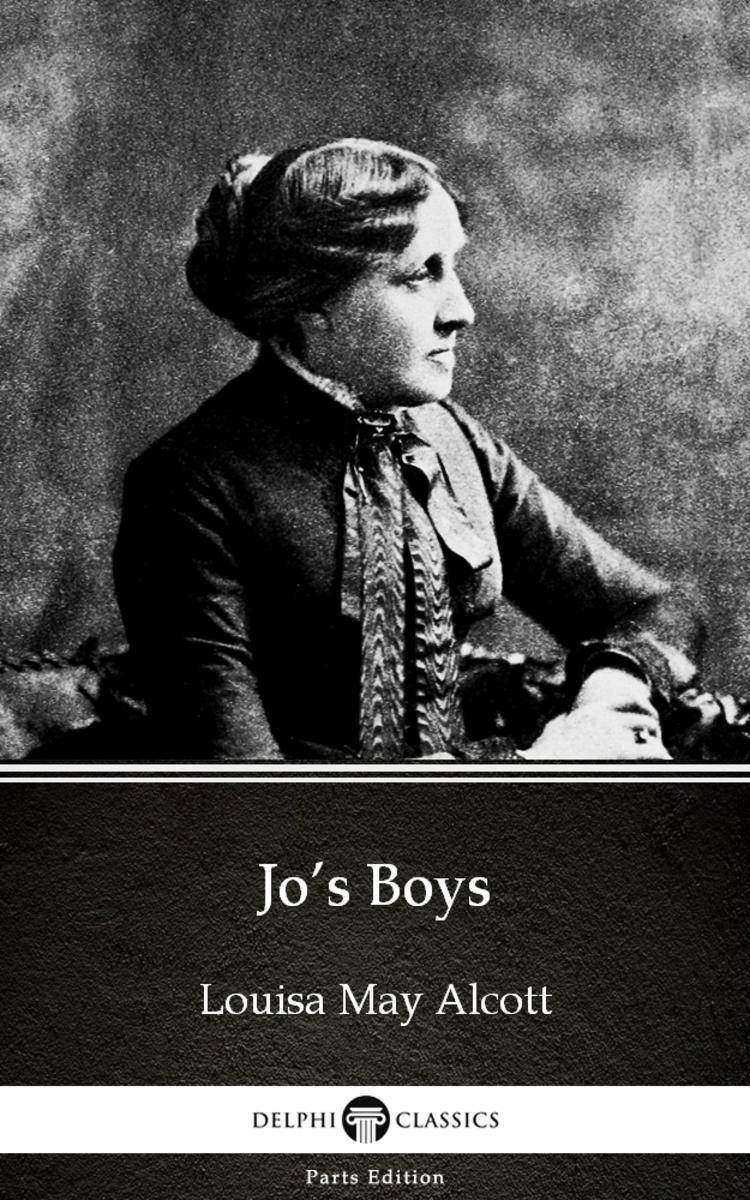
Jo’s Boys by Louisa May Alcott (Illustrated)
¥8.09
This eBook features the unabridged text of ‘Jo’s Boys’ from the bestselling edition of ‘The Complete Works of Louisa May Alcott’. Having established their name as the leading publisher of classic literature and art, Delphi Classics produce publications that are individually crafted with superior formatting, while introducing many rare texts for the first time in digital print. The Delphi Classics edition of Alcott includes original annotations and illustrations relating to the life and works of the author, as well as individual tables of contents, allowing you to navigate eBooks quickly and easily.eBook features:* The complete unabridged text of ‘Jo’s Boys’* Beautifully illustrated with images related to Alcott’s works* Individual contents table, allowing easy navigation around the eBook* Excellent formatting of the textPlease visit www.delphiclassics.com to learn more about our wide range of titles

The Dead Woman’s Wish by Emile Zola (Illustrated)
¥8.09
This eBook features the unabridged text of ‘The Dead Woman’s Wish’ from the bestselling edition of ‘The Complete Works of Emile Zola’. Having established their name as the leading publisher of classic literature and art, Delphi Classics produce publications that are individually crafted with superior formatting, while introducing many rare texts for the first time in digital print. The Delphi Classics edition of Zola includes original annotations and illustrations relating to the life and works of the author, as well as individual tables of contents, allowing you to navigate eBooks quickly and easily.eBook features:* The complete unabridged text of ‘The Dead Woman’s Wish’* Beautifully illustrated with images related to Zola’s works* Individual contents table, allowing easy navigation around the eBook* Excellent formatting of the textPlease visit www.delphiclassics.com to learn more about our wide range of titles

The Fat and the Thin by Emile Zola (Illustrated)
¥8.09
This eBook features the unabridged text of ‘The Fat and the Thin’ from the bestselling edition of ‘The Complete Works of Emile Zola’. Having established their name as the leading publisher of classic literature and art, Delphi Classics produce publications that are individually crafted with superior formatting, while introducing many rare texts for the first time in digital print. The Delphi Classics edition of Zola includes original annotations and illustrations relating to the life and works of the author, as well as individual tables of contents, allowing you to navigate eBooks quickly and easily.eBook features:* The complete unabridged text of ‘The Fat and the Thin’* Beautifully illustrated with images related to Zola’s works* Individual contents table, allowing easy navigation around the eBook* Excellent formatting of the textPlease visit www.delphiclassics.com to learn more about our wide range of titles
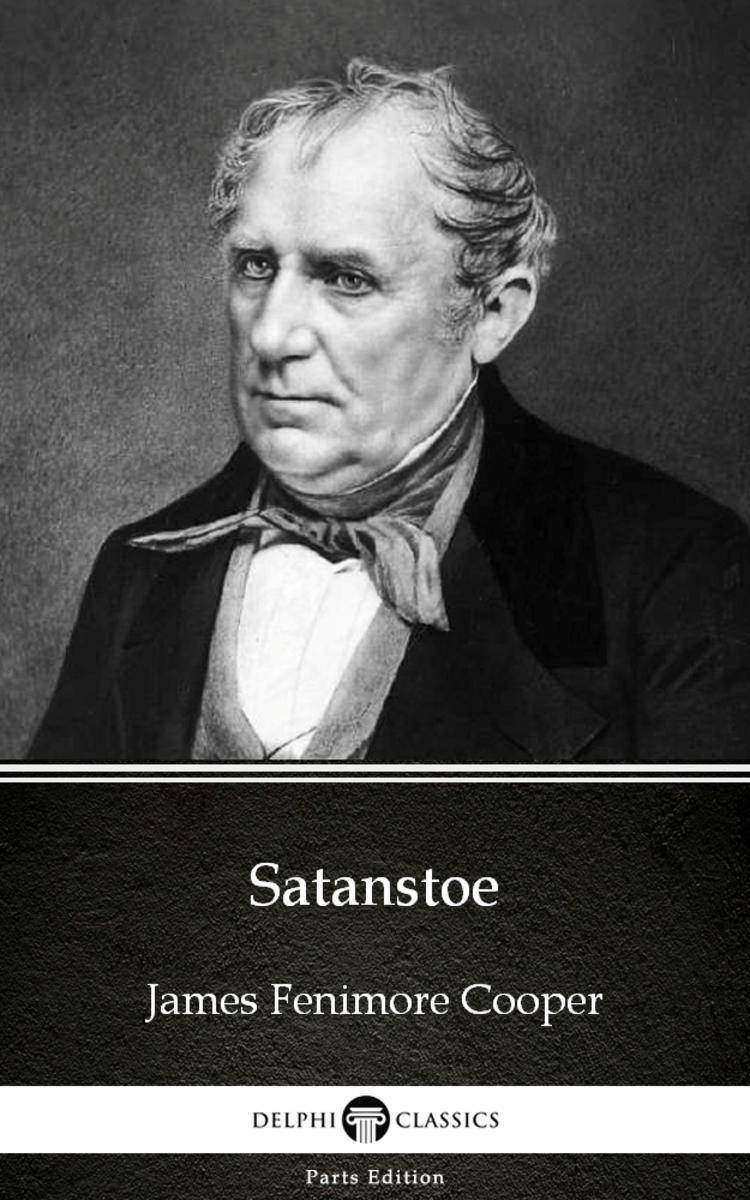
Satanstoe by James Fenimore Cooper - Delphi Classics (Illustrated)
¥8.09
This eBook features the unabridged text of ‘Satanstoe by James Fenimore Cooper - Delphi Classics (Illustrated)’ from the bestselling edition of ‘The Complete Works of James Fenimore Cooper’. Having established their name as the leading publisher of classic literature and art, Delphi Classics produce publications that are individually crafted with superior formatting, while introducing many rare texts for the first time in digital print. The Delphi Classics edition of Cooper includes original annotations and illustrations relating to the life and works of the author, as well as individual tables of contents, allowing you to navigate eBooks quickly and easily. eBook features: * The complete unabridged text of ‘Satanstoe by James Fenimore Cooper - Delphi Classics (Illustrated)’ * Beautifully illustrated with images related to Cooper’s works * Individual contents table, allowing easy navigation around the eBook * Excellent formatting of the text Please visit www.delphiclassics.com to learn more about our wide range of titles

The Dram Shop by Emile Zola (Illustrated)
¥8.09
This eBook features the unabridged text of ‘The Dram Shop’ from the bestselling edition of ‘The Complete Works of Emile Zola’. Having established their name as the leading publisher of classic literature and art, Delphi Classics produce publications that are individually crafted with superior formatting, while introducing many rare texts for the first time in digital print. The Delphi Classics edition of Zola includes original annotations and illustrations relating to the life and works of the author, as well as individual tables of contents, allowing you to navigate eBooks quickly and easily.eBook features:* The complete unabridged text of ‘The Dram Shop’* Beautifully illustrated with images related to Zola’s works* Individual contents table, allowing easy navigation around the eBook* Excellent formatting of the textPlease visit www.delphiclassics.com to learn more about our wide range of titles

A Love Episode by Emile Zola (Illustrated)
¥8.09
This eBook features the unabridged text of ‘A Love Episode’ from the bestselling edition of ‘The Complete Works of Emile Zola’. Having established their name as the leading publisher of classic literature and art, Delphi Classics produce publications that are individually crafted with superior formatting, while introducing many rare texts for the first time in digital print. The Delphi Classics edition of Zola includes original annotations and illustrations relating to the life and works of the author, as well as individual tables of contents, allowing you to navigate eBooks quickly and easily.eBook features:* The complete unabridged text of ‘A Love Episode’* Beautifully illustrated with images related to Zola’s works* Individual contents table, allowing easy navigation around the eBook* Excellent formatting of the textPlease visit www.delphiclassics.com to learn more about our wide range of titles
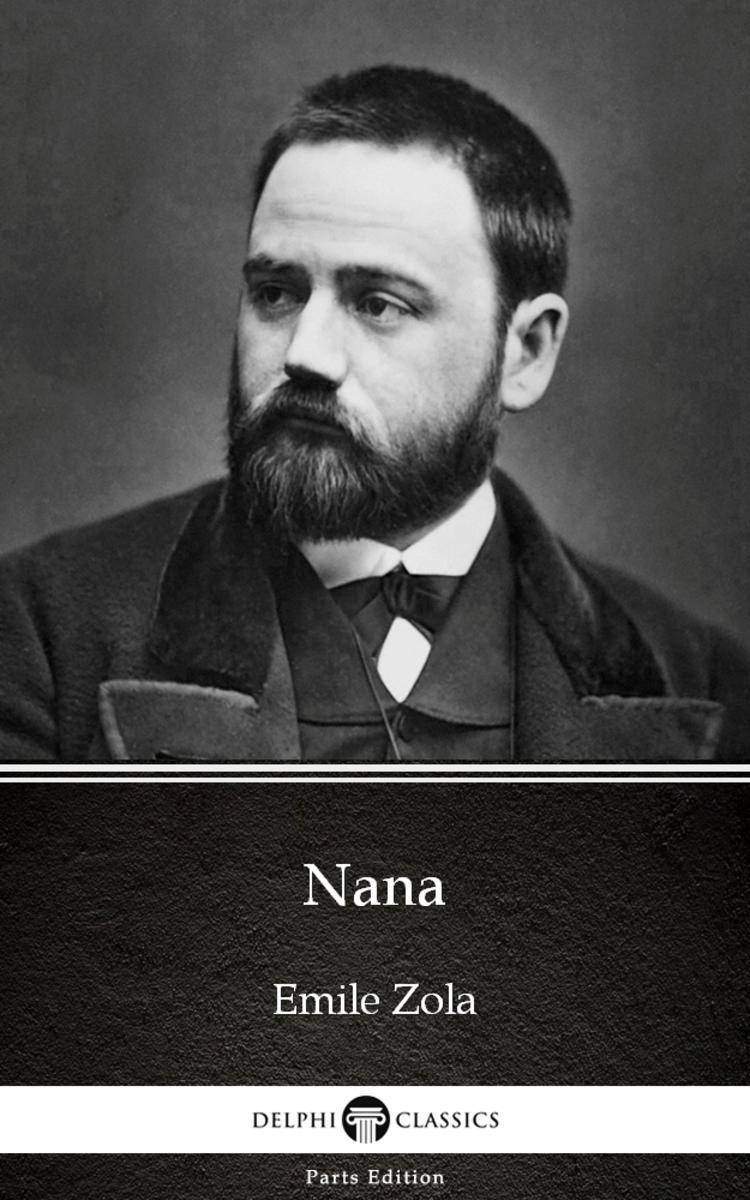
Nana by Emile Zola (Illustrated)
¥8.09
This eBook features the unabridged text of ‘Nana’ from the bestselling edition of ‘The Complete Works of Emile Zola’. Having established their name as the leading publisher of classic literature and art, Delphi Classics produce publications that are individually crafted with superior formatting, while introducing many rare texts for the first time in digital print. The Delphi Classics edition of Zola includes original annotations and illustrations relating to the life and works of the author, as well as individual tables of contents, allowing you to navigate eBooks quickly and easily.eBook features:* The complete unabridged text of ‘Nana’* Beautifully illustrated with images related to Zola’s works* Individual contents table, allowing easy navigation around the eBook* Excellent formatting of the textPlease visit www.delphiclassics.com to learn more about our wide range of titles

The Earth by Emile Zola (Illustrated)
¥8.09
This eBook features the unabridged text of ‘The Earth’ from the bestselling edition of ‘The Complete Works of Emile Zola’. Having established their name as the leading publisher of classic literature and art, Delphi Classics produce publications that are individually crafted with superior formatting, while introducing many rare texts for the first time in digital print. The Delphi Classics edition of Zola includes original annotations and illustrations relating to the life and works of the author, as well as individual tables of contents, allowing you to navigate eBooks quickly and easily.eBook features:* The complete unabridged text of ‘The Earth’* Beautifully illustrated with images related to Zola’s works* Individual contents table, allowing easy navigation around the eBook* Excellent formatting of the textPlease visit www.delphiclassics.com to learn more about our wide range of titles

The Story of a Fierce Bad Rabbit by Beatrix Potter - Delphi Classics (Illustrate
¥8.09
This eBook features the unabridged text of ‘The Story of a Fierce Bad Rabbit by Beatrix Potter - Delphi Classics (Illustrated)’ from the bestselling edition of ‘The Complete Works of Beatrix Potter’. Having established their name as the leading publisher of classic literature and art, Delphi Classics produce publications that are individually crafted with superior formatting, while introducing many rare texts for the first time in digital print. The Delphi Classics edition of Potter includes original annotations and illustrations relating to the life and works of the author, as well as individual tables of contents, allowing you to navigate eBooks quickly and easily. eBook features: * The complete unabridged text of ‘The Story of a Fierce Bad Rabbit by Beatrix Potter - Delphi Classics (Illustrated)’ * Beautifully illustrated with images related to Potter’s works * Individual contents table, allowing easy navigation around the eBook * Excellent formatting of the textPlease visit www.delphiclassics.com to learn more about our wide range of titles
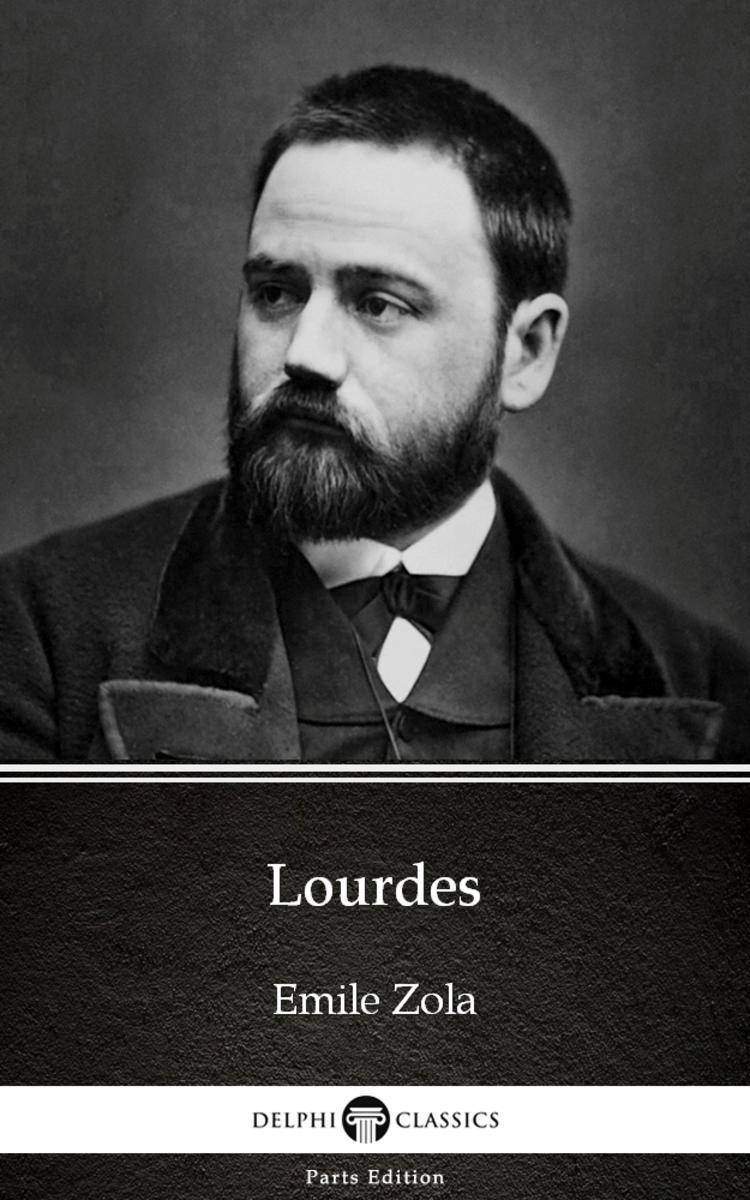
Lourdes by Emile Zola (Illustrated)
¥8.09
This eBook features the unabridged text of ‘Lourdes’ from the bestselling edition of ‘The Complete Works of Emile Zola’. Having established their name as the leading publisher of classic literature and art, Delphi Classics produce publications that are individually crafted with superior formatting, while introducing many rare texts for the first time in digital print. The Delphi Classics edition of Zola includes original annotations and illustrations relating to the life and works of the author, as well as individual tables of contents, allowing you to navigate eBooks quickly and easily.eBook features:* The complete unabridged text of ‘Lourdes’* Beautifully illustrated with images related to Zola’s works* Individual contents table, allowing easy navigation around the eBook* Excellent formatting of the textPlease visit www.delphiclassics.com to learn more about our wide range of titles

Stories for Ninon by Emile Zola (Illustrated)
¥8.09
This eBook features the unabridged text of ‘Stories for Ninon’ from the bestselling edition of ‘The Complete Works of Emile Zola’. Having established their name as the leading publisher of classic literature and art, Delphi Classics produce publications that are individually crafted with superior formatting, while introducing many rare texts for the first time in digital print. The Delphi Classics edition of Zola includes original annotations and illustrations relating to the life and works of the author, as well as individual tables of contents, allowing you to navigate eBooks quickly and easily.eBook features:* The complete unabridged text of ‘Stories for Ninon’* Beautifully illustrated with images related to Zola’s works* Individual contents table, allowing easy navigation around the eBook* Excellent formatting of the textPlease visit www.delphiclassics.com to learn more about our wide range of titles

Troilus and Criseyde - Original and Modernised Text by Geoffrey Chaucer - Delphi
¥8.09
This eBook features the unabridged text of ‘Troilus and Criseyde' in the Original medieval text and a Modernised Text, from the bestselling edition of ‘The Complete Works of Geoffrey Chaucer’. Having established their name as the leading publisher of classic literature and art, Delphi Classics produce publications that are individually crafted with superior formatting, while introducing many rare texts for the first time in digital print. The Delphi Classics edition of Chaucer includes original annotations and illustrations relating to the life and works of the author, as well as individual tables of contents, allowing you to navigate eBooks quickly and easily. eBook features: * The complete unabridged text of ‘Troilus and Criseyde - Original and Modernised Text by Geoffrey Chaucer - Delphi Classics (Illustrated)’ * Beautifully illustrated with images related to Chaucer’s works * Individual contents table, allowing easy navigation around the eBook * Excellent formatting of the textPlease visit www.delphiclassics.com to learn more about our wide range of titles

Minor Poems by Geoffrey Chaucer - Delphi Classics (Illustrated)
¥8.09
This eBook features the unabridged text of ‘Minor Poems by Geoffrey Chaucer - Delphi Classics (Illustrated)’ from the bestselling edition of ‘The Complete Works of Geoffrey Chaucer’. Having established their name as the leading publisher of classic literature and art, Delphi Classics produce publications that are individually crafted with superior formatting, while introducing many rare texts for the first time in digital print. The Delphi Classics edition of Chaucer includes original annotations and illustrations relating to the life and works of the author, as well as individual tables of contents, allowing you to navigate eBooks quickly and easily. eBook features: * The complete unabridged text of ‘Minor Poems by Geoffrey Chaucer - Delphi Classics (Illustrated)’ * Beautifully illustrated with images related to Chaucer’s works * Individual contents table, allowing easy navigation around the eBook * Excellent formatting of the textPlease visit www.delphiclassics.com to learn more about our wide range of titles

The Apple-Tree Table and Other Sketches by Herman Melville - Delphi Classics (Il
¥8.09
This eBook features the unabridged text of ‘The Apple-Tree Table and Other Sketches by Herman Melville - Delphi Classics (Illustrated)’ from the bestselling edition of ‘The Complete Works of Herman Melville’. Having established their name as the leading publisher of classic literature and art, Delphi Classics produce publications that are individually crafted with superior formatting, while introducing many rare texts for the first time in digital print. The Delphi Classics edition of Melville includes original annotations and illustrations relating to the life and works of the author, as well as individual tables of contents, allowing you to navigate eBooks quickly and easily. eBook features: * The complete unabridged text of ‘The Apple-Tree Table and Other Sketches by Herman Melville - Delphi Classics (Illustrated)’ * Beautifully illustrated with images related to Melville’s works * Individual contents table, allowing easy navigation around the eBook * Excellent formatting of the text Please visit www.delphiclassics.com to learn more about our wide range of titles

Albert Savarus by Honoré de Balzac - Delphi Classics (Illustrated)
¥8.09
This eBook features the unabridged text of ‘Albert Savarus by Honoré de Balzac - Delphi Classics (Illustrated)’ from the bestselling edition of ‘The Collected Works of Honoré de Balzac’. Having established their name as the leading publisher of classic literature and art, Delphi Classics produce publications that are individually crafted with superior formatting, while introducing many rare texts for the first time in digital print. The Delphi Classics edition of Balzac includes original annotations and illustrations relating to the life and works of the author, as well as individual tables of contents, allowing you to navigate eBooks quickly and easily. eBook features: * The complete unabridged text of ‘Albert Savarus by Honoré de Balzac - Delphi Classics (Illustrated)’ * Beautifully illustrated with images related to Balzac’s works * Individual contents table, allowing easy navigation around the eBook * Excellent formatting of the textPlease visit www.delphiclassics.com to learn more about our wide range of titles

The Imaginary Mistress by Honoré de Balzac - Delphi Classics (Illustrated)
¥8.09
This eBook features the unabridged text of ‘The Imaginary Mistress by Honoré de Balzac - Delphi Classics (Illustrated)’ from the bestselling edition of ‘The Collected Works of Honoré de Balzac’. Having established their name as the leading publisher of classic literature and art, Delphi Classics produce publications that are individually crafted with superior formatting, while introducing many rare texts for the first time in digital print. The Delphi Classics edition of Balzac includes original annotations and illustrations relating to the life and works of the author, as well as individual tables of contents, allowing you to navigate eBooks quickly and easily. eBook features: * The complete unabridged text of ‘The Imaginary Mistress by Honoré de Balzac - Delphi Classics (Illustrated)’ * Beautifully illustrated with images related to Balzac’s works * Individual contents table, allowing easy navigation around the eBook * Excellent formatting of the text Please visit www.delphiclassics.com to learn more about our wide range of titles


