


 购物车
购物车 个人中心
个人中心

D-day Dogs: Remarkable true stories of heroic dogs
¥9.71
Incredible true stories of canine loyalty in the Second World War. There were dogs involved with the landings, dogs the soldiers could not bear to leave behind and dogs trained to patrol, protect and locate. The dogs sailed with the Merchant Navy and brought their boats into dangerous waters to retrieve the wounded or stranded. They were on land, in the air and on the water during the D-Day operation – playing their special part in every aspect. Through this inspiring short collection of the true stories of four of these canine heroes the remarkable achievements of the D-Day dogs are brought to life.

Little Girl Lost: The true story of a broken child
¥9.71
The fourth in a series of true short stories from foster carer Mia Marconi. Kira first came to foster carer Mia Marconi’s home on respite care when she was three. She had suffered an unimaginable amount of abuse in her short life. Although she couldn’t tie her shoe laces, she could smash a room to pieces; she fought against everything like a wild cat. At the age of five Kira moved permanently to live with Mia and her family, but by the time she was nine years old the whole family was at breaking point. Mia is the kind of person who won’t give in and believes she can always change things for the better, but try as she might she can’t change Kira. So after six years, with a very heavy heart, she is forced to question whether she can really help this lost and damaged child. Raw, shocking and honest, this short story will shed new light on the role of foster carers, revealing the kind of heartbreaking real life situations carers like Mia Marconi are confronted with every day.
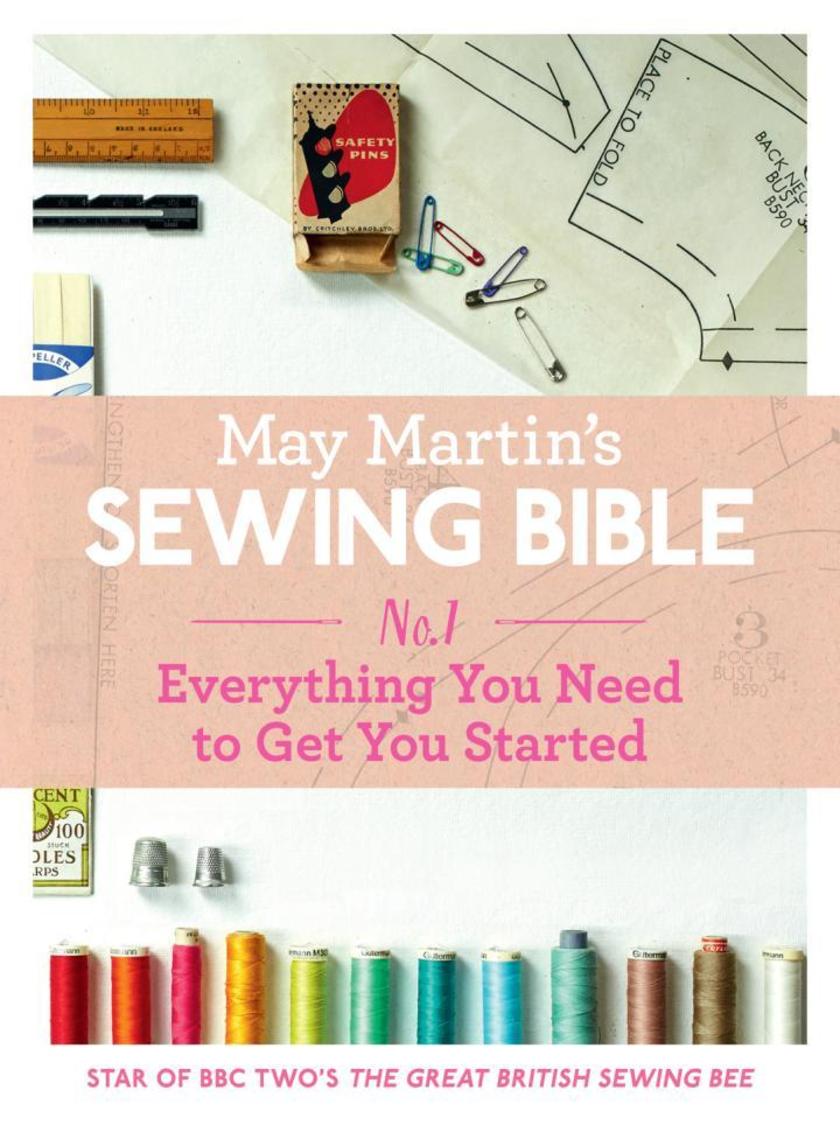
May Martin’s Sewing Bible e-short 1
¥9.71
The first of 6 eBook-only shorts from star of the Great British Sewing Bee and doyenne of the Women’s Institute, May Martin, with everything the aspiring seamstress needs to get started: A Place to Sew & the Equipment You Need, General Dressmaking Tips, and Hand Stitches. An exclusive first look at May Martin’s Sewing Bible, due out in August. May has been teaching sewing for over 40 years. Now for the first time she shares her tips and tricks, offering the ultimate beginners’ guide to sewing. Beautifully styled and simple-to-follow, this authoritative sewing e-short, taken from May Martin’s Sewing Bible, gives readers information on everything they need to know to get started with sewing.

Eat Clean: 20 Recipe Bite-Sized Edition
¥9.71
A mouthwatering collection of 20 easy, speedy, nutritional and delicious recipes taken from TV chef Ching’s beautiful new book, Eat Clean. Includes fresh and healthy breakfast, lunch and dinner recipes, as well as sides, pickles and salsas, and teas. Forget your saucepan and roasting tin, Ching-He Huang’s beautiful new recipe book shows you how you can Eat Clean and wok yourself to health. Eat Clean is the perfect cookery book for the time starved and health conscious who don’t want to compromise on taste. Drawing on her belief of the age-old principle of Yin and Yang, Ching-He Huang creates delicious fare for each mealtime which is specifically balanced in all these ways: food which is hassle-free, good for you and which you’ll enjoy!
Tough Justice: Burned (Part 3 Of 8) (Tough Justice, Book 3)
¥9.71
Justice is worth every sacrifice. Part 3 of 8 in the chilling, high-octane FBI thriller TOUGH JUSTICE from NYT bestselling author Carla Cassidy and Tyler Anne Snell, Carol Ericson and Gail Barrett. She burned Moretti. . . now it’s his turn. Destroying Moretti was Special Agent Lara Grant’s biggest coup—but she paid a heavy price to make the bust. She’ll do anything to keep him – and her secrets – behind bars. But even from jail, Lara knows he’s playing the FBI like a maestro. So when her boss’s daughter is kidnapped, it’s personal…and not just for Lara! With the team at breaking point, it’s up to Lara to keep everyone focused. Until a chilling photo is delivered to her home address. Moretti knows where she lives. And he knows what she’s hiding… Tough Justice: Exposed (Part 1 of 8) by Carla Cassidy Tough Justice: Watched (Part 2 of 8) by Tyler Anne Snell Tough Justice: Burned (Part 3 of 8) by Carol Ericson Tough Justice: Trapped (Part 4 of 8) by Gail Barrett Tough Justice: Twisted (Part 5 of 8) by Gail Barrett Tough Justice: Ambushed (Part 6 of 8) by Carol Ericson Tough Justice: Betrayed (Part 7 of 8) by Tyler Anne Snell Tough Justice: Hunted (Part 8 of 8) by Carla Cassidy
Tough Justice: Trapped (Part 4 Of 8) (Tough Justice, Book 4)
¥9.71
Justice is worth every sacrifice. Part 4 of 8 in the chilling, high-octane FBI thriller TOUGH JUSTICE from NYT bestselling author Carla Cassidy and Tyler Anne Snell, Carol Ericson and Gail Barrett. Can they get out of this investigation alive? Special Agent Lara Grant’s team are racing against the clock to prove infamous crime boss Moretti is behind a recent series of murders. With each lead ending up in a body bag, Lara’s trapped by the weight of her own guilt. How many would still be alive if it weren’t for her troubled history with the villain? But he won’t quit, so neither can Lara. The sniper is the key to finding the link between Moretti and the current cases. But before they can reach him, Moretti hits closer to home than Lara could have imagined . . . Tough Justice: Exposed (Part 1 of 8) by Carla Cassidy Tough Justice: Watched (Part 2 of 8) by Tyler Anne Snell Tough Justice: Burned (Part 3 of 8) by Carol Ericson Tough Justice: Trapped (Part 4 of 8) by Gail Barrett Tough Justice: Twisted (Part 5 of 8) by Gail Barrett Tough Justice: Ambushed (Part 6 of 8) by Carol Ericson Tough Justice: Betrayed (Part 7 of 8) by Tyler Anne Snell Tough Justice: Hunted (Part 8 of 8) by Carla Cassidy

Midnight At Tiffany's
¥9.71
Matilda is a New York waitress by day, but an aspiring author by night – and she loves to write about kickass heroines! So when she meets gorgeous millionaire Chase Adams, she decides to channel them and act on their sizzling attraction! One magical night later, she's living the dream, but will a trip to Tiffany's make it a reality?

Liverpool v Manchester United:Seeing Red (A Short Pass)
¥9.71
‘Seeing Red’ is an exclusive extract from the best-selling ‘Mad For It’, published in association with FourFourTwo magazine. It examines one of the greatest sporting rivalries from the viewpoint of the people that matter; the fans. ‘Mad For It’ proves that some football matches are far more than just a game. These short extracts, from the original book published in association with FourFourTwo magazine, provide a fresh and revealing insight into the people that make these matches matter – the fans – using their own words and stories to illuminate the conflicts, tensions, histories and celebrations behind these unforgettable games. This first essay examines the biggest rivalry in English, if not World, football. Led by Sir Alex Ferguson and Kenny Daglish, games between Manchester United and Liverpool stir up some of the strongest emotions of any sporting event. On match days, two of the biggest cities in the UK come to a standstill. ‘Seeing Red’ gets to the root cause of the rivalry and examines why it matters so much.

Just Friends? (Mills & Boon M&B)
¥9.71
NICU nurse Diego and consultant Izzy are supposed to just be colleagues. After all, she’s carrying her dead husband’s child. But can a kiss change everything? St Pirans: Part 1 - The Secret Son Part 2 - The Big Move Part 3 - Too Much At Stake Part 4 - The Wedding Part 5 - Pregnant Cinderella Part 6 - Just Friends? Part 7 - Baby Emergency Part 8 - Staying the Night Part 9 - A Family At Last Stay tuned for more in the St Pirans series!

The Wedding (Mills & Boon M&B)
¥9.71
You are cordially invited to the wedding of the year! But can Penhally’s favourite couple Dr. Nick Tremayne and midwife Kate Althorpe make it down the aisle without a hitch? St Pirans: Part 1 - The Secret Son Part 2 - The Big Move Part 3 - Too Much At Stake Part 4 - The Wedding Part 5 - Pregnant Cinderella Part 6 - Just Friends? Part 7 - Baby Emergency Part 8 - Staying the Night Part 9 - A Family At Last Stay tuned for more in the St Pirans series!

Too Much At Stake (Mills & Boon M&B)
¥9.71
Dr Nick Tremayne has always loved midwife Kate – and her son Jem. But when his real role in Jem’s life is revealed, will Nick be able to hold onto the people he cares most about? St Pirans: Part 1 - The Secret Son Part 2 - The Big Move Part 3 - Too Much At Stake Part 4 - The Wedding Part 5 - Pregnant Cinderella Part 6 - Just Friends? Part 7 - Baby Emergency Part 8 - Staying the Night Part 9 - A Family At Last Stay tuned for more in the St Pirans series!
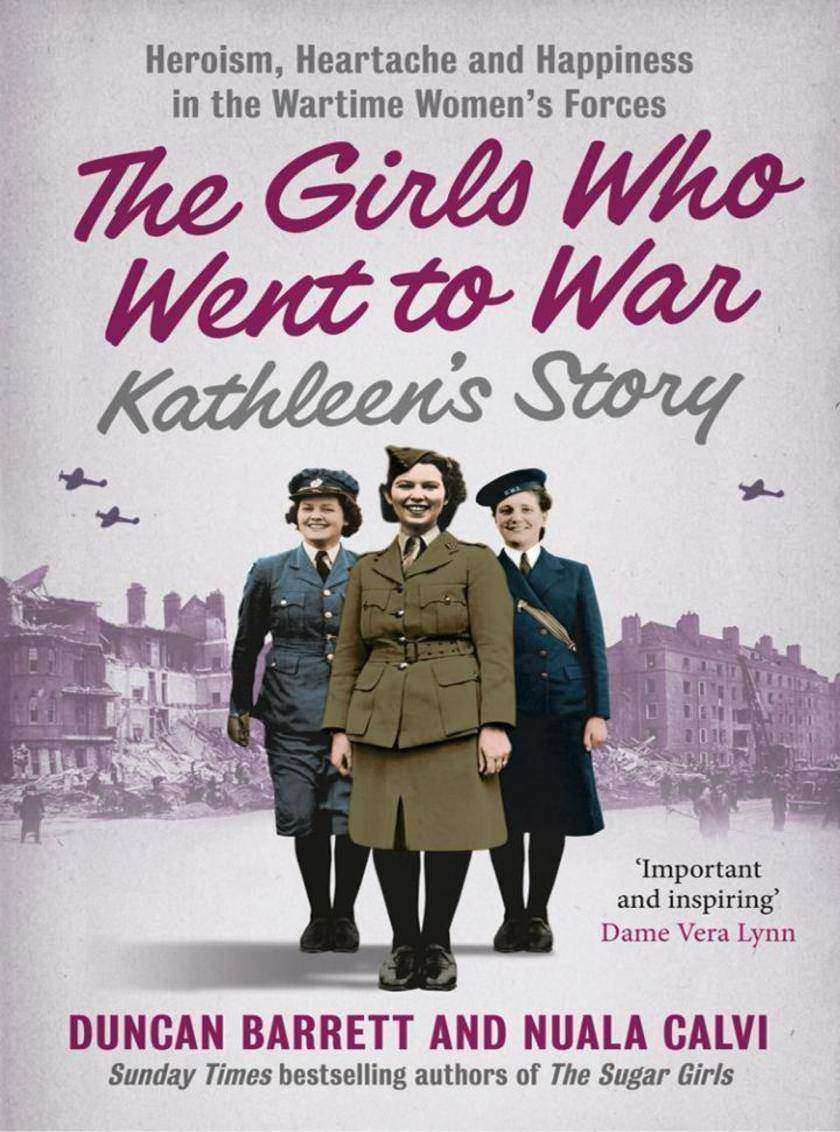
Kathleen’s Story
¥9.71
From the bestselling authors of The Sugar Girls and GI Brides, this is Kathleen’s story, one of three true accounts from the book The Girls Who Went to War. “Boxing Day was cold and frosty, and by the time Kathleen and the lads arrived at the football pitch she was already shivering. As they stood watching the game, Arnold silently took her hand and put it inside the pocket of his greatcoat. It was a small gesture, but it told her that she belonged to him now, and to Kathleen nothing had ever seemed so romantic.” In the summer of 1940, Britain stood alone against Germany. The British Army stood at just over one and a half million men, while the Germans had three times that many, and a population almost twice the size of ours from which to draw new waves of soldiers. Clearly, in the fight against Hitler, manpower alone wasn’t going to be enough. Nanny Kathleen Skin signed up for the WRNS, leaving her quiet home for the rigours of training, the camaraderie of the young women who worked together so closely and to face a war that would change her life forever. Overall, more than half a million women served in the armed forces during the Second World War. This book tells the story of just one of them. But in her story is reflected the lives of hundreds of thousands of others like them – ordinary girls who went to war, wearing their uniforms with pride.

An Old Woman and Her Cat
¥9.71
From the winner of the Nobel Prize for Literature, Doris Lessing, a short story about a woman’s gradual drift outside the limits of society. An old woman, with gipsy blood, begins to find the conventions of society stifling – when her husband dies, and her children leave home, she embraces a marginal, unconventional existence, accompanied by her faithful cat. ‘An Old Woman and Her Cat’ brilliantly combines Doris Lessing’s unforgiving examination of our society – and those it cannot accommodate and ulitmately fails – with a wonderful portrait of her favourite animal – the cat. This story also appears in the collection The Temptation of Jack Orkney.
Ramadan Sky
¥9.71
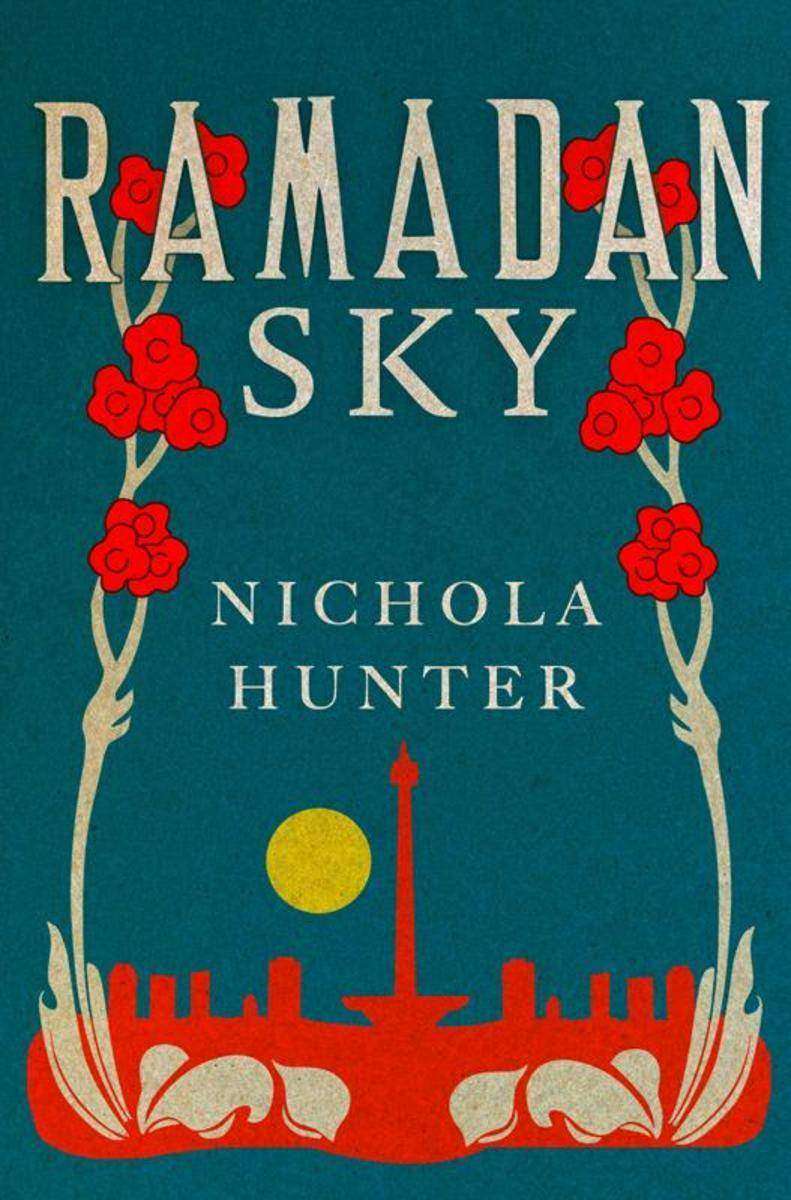
A contemporary twist on a classic story of forbidden love, set in Jakarta, capital city of Indonesia. When Vic accepts a teaching position in Jakarta, she has already been working and travelling in Asia for many years; she thinks she knows what to expect. However, before long she becomes troubled by the casual coexistence of vast wealth and woeful poverty, and by the stark differences in freedom and power between the men and the women. It also becomes apparent that there will be no support or companionship from her fellow Westerners and colleagues. Fajar has lived in Jakarta all his life. He gets by, loaning money from friends and family, spending his nights racing, and his days working on the roads as an ojek driver. When he impresses a customer with his understanding of English, he sees an opportunity. He dedicates himself to being the woman’s driver – taking her to and from work, running her errands. He thinks he’s won big. Neither Fajar nor Vic expect to find friendship and solace in their strange arrangement. But, before long, they will step outside the mores of their cultures together, crossing a boundary that will shake both of their lives.
The Last Kiss: HarperImpulse Mobile Shorts (The Kiss Collection)
¥9.71
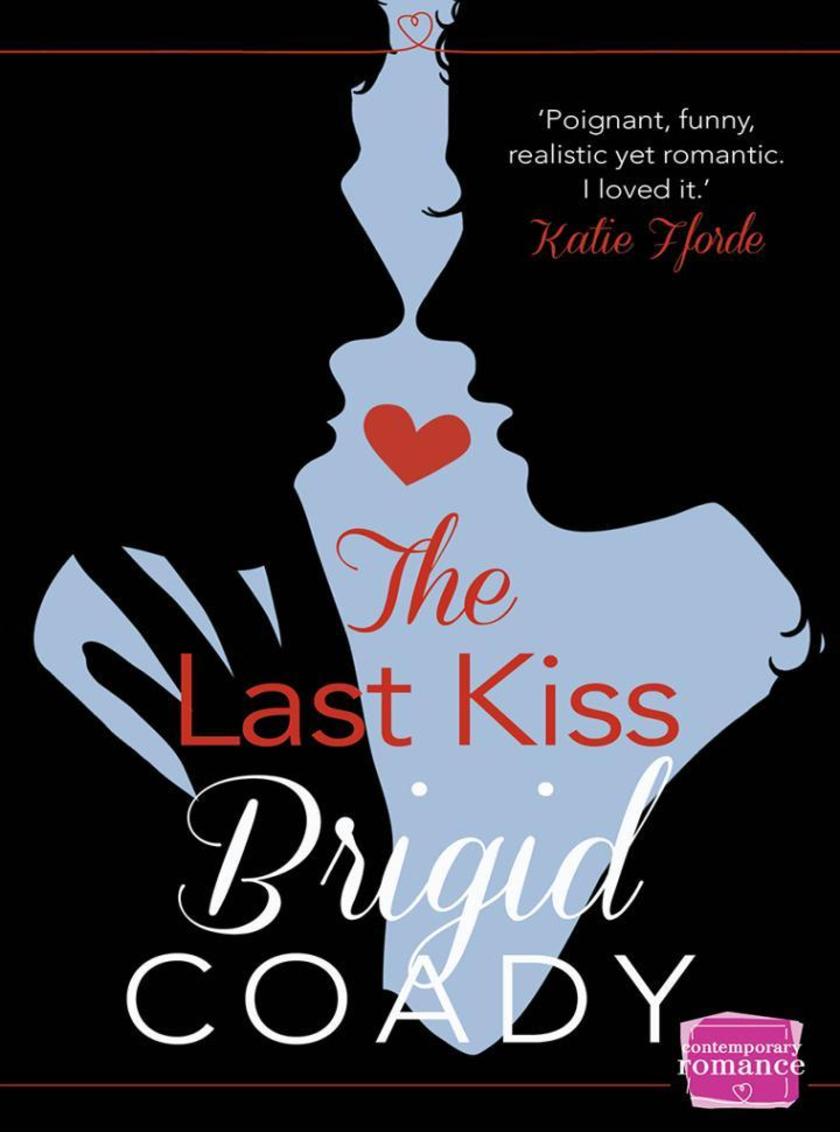
HarperImpulse Contemporary Romance Mobile Shorts 'Poignant, funny, realistic yet romantic, these stories make you relive the good times and sigh over the sad ones. I loved them.' – Katie Fforde First kisses are the ones that every one celebrates, the ones you remember. The ones you hope to treasure as it happened, storing up your memories to take out and relive. But what about the last kiss? The first in The Kiss Collection, an exciting new series of short stories from Brigid Coady & HarperImpulse. *Please note this is a short story, approx. 1000 words in length designed for reading on your mobile phone or tablet.*

Lipstick On His Collar: HarperImpulse Mobile Shorts (The Kiss Collection)
¥9.71
HarperImpulse Contemporary Romance Mobile Shorts 'Poignant, funny, realistic yet romantic, these stories make you relive the good times and sigh over the sad ones. I loved them.' – Katie Fforde The third book in The Kiss Collection, an exciting new series of short stories from Brigid Coady & HarperImpulse. *Please note this is a short story, approx. 1000 words in length designed for reading on your mobile phone or tablet.*
The Scent of Death: Free Sampler
¥9.71
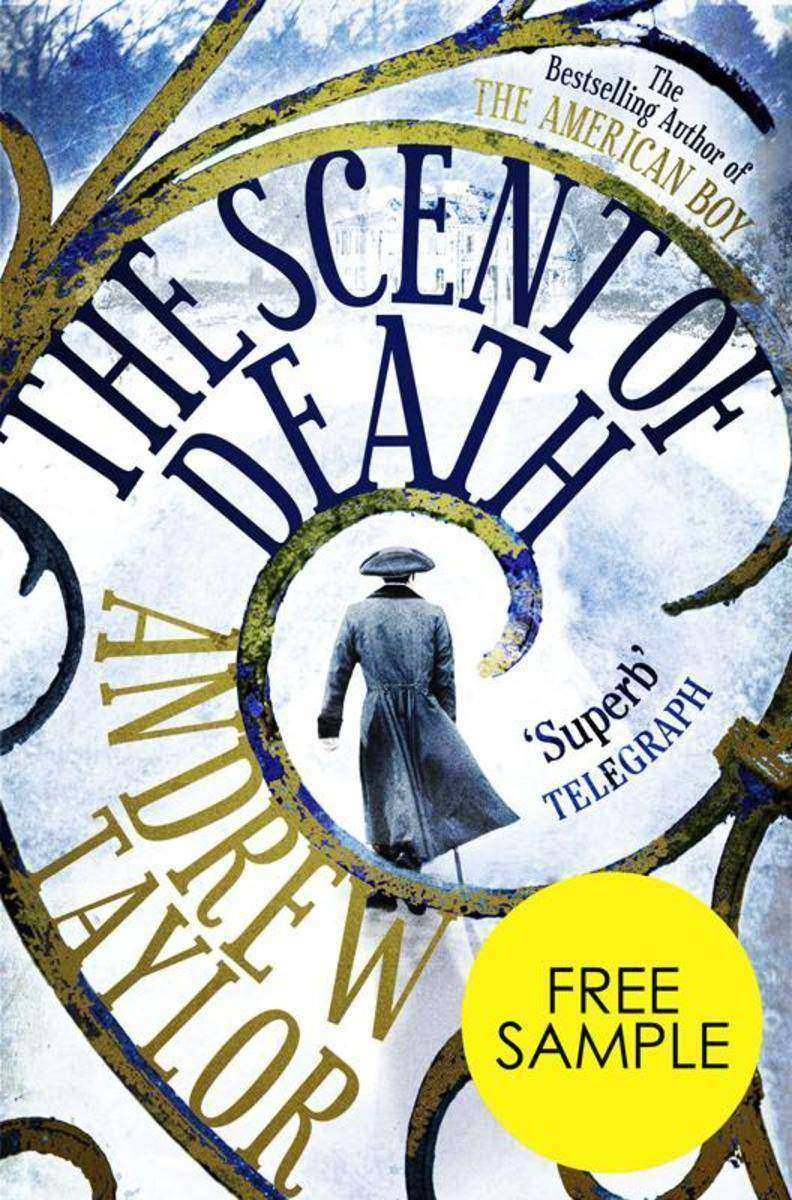
Discover the Best Historical Crime Novel of 2013 (Crime Writers’ Association Ellis Peters Award) with this FREE 100 page extract from the No.1 bestselling author of THE AMERICAN BOY. ‘Andrew Taylor’s historical crime fiction is always an event,’ Guardian. August, 1778. British-controlled Manhattan is a melting pot of soldiers, traitors and refugees, surrounded by rebel forces as the American War of Independence rages on. Into this simmering tension sails Edward Savill, a London clerk tasked with assessing the claims of loyalists who have lost out during the war. Savill lodges with the ageing Judge Wintour, his ailing wife, and their enigmatic daughter-in-law Arabella. However, as Savill soon learns, what the Wintours have lost in wealth, they have gained in secrets. The murder of a gentleman in the slums pulls Savill into the city’s underbelly. But when life is so cheap, why does one death matter? Because making a nation is a lucrative business, and some people cannot afford to miss out, whatever the price…
Margery’s Story
¥9.71
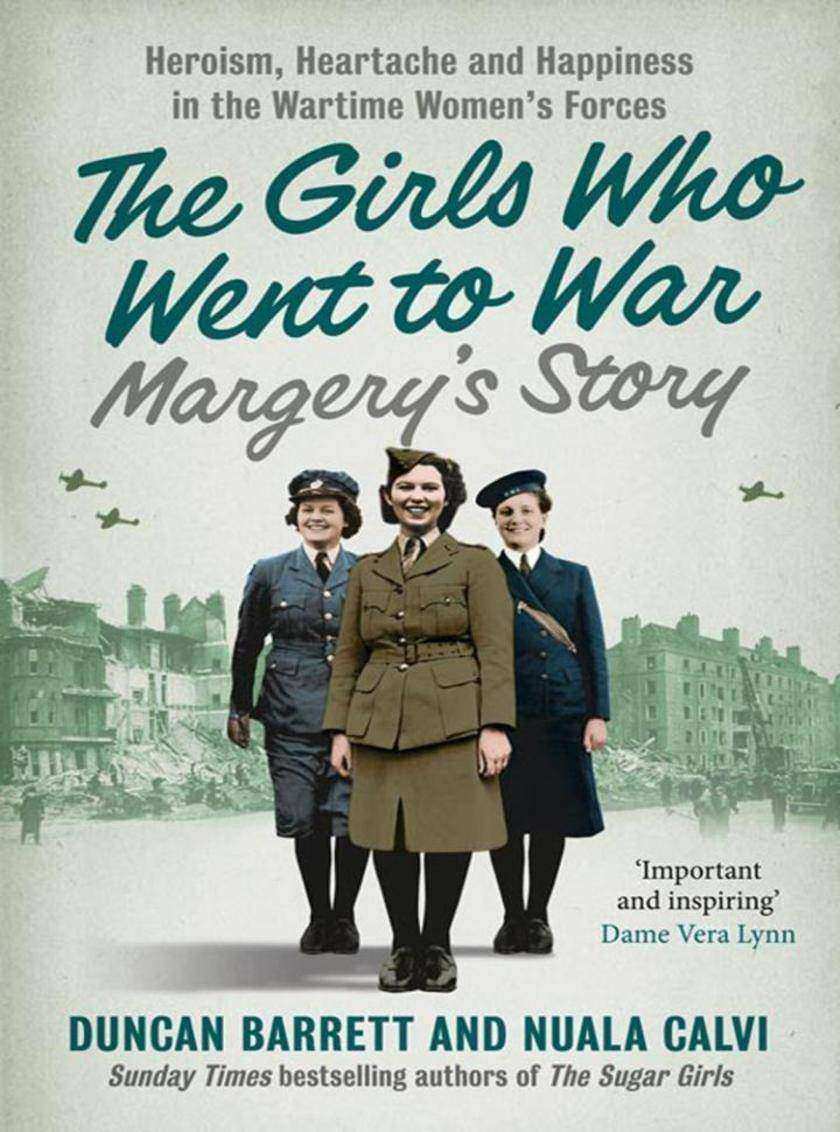
From the bestselling authors of The Sugar Girls and GI Brides, this is Margery’s story, one of three true accounts from the book The Girls Who Went to War. “‘Who does that man think he is?’ Margery muttered to a girl standing next to her. The words had slipped out before she could stop herself, but she realised, to her horror, that the warrant officer had heard them. ‘What was that?’ he demanded, striding over and fixing her with an angry stare. Margery gulped – but there was no going back now.” In the summer of 1940, Britain stood alone against Germany. The British Army stood at just over one and a half million men, while the Germans had three times that many, and a population almost twice the size of ours from which to draw new waves of soldiers. Clearly, in the fight against Hitler, manpower alone wasn’t going to be enough. Margery Pott signed up for the Women’s Auxiliary Air Force, leaving her quiet home for the rigours of training, the camaraderie of the young women who worked together so closely and to face a war that would change her life forever. Overall, more than half a million women served in the armed forces during the Second World War. This book tells the story of just one of them. But in her story is reflected the lives of hundreds of thousands of others like them – ordinary girls who went to war, wearing their uniforms with pride.
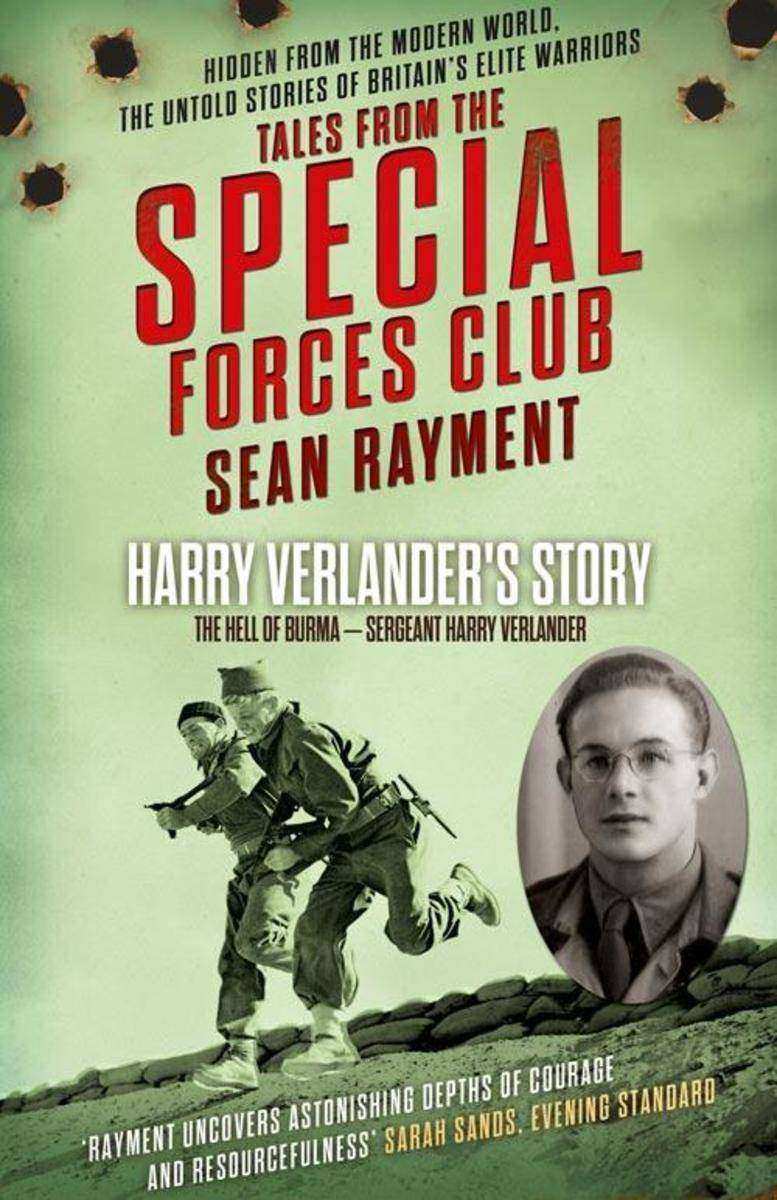
The Hell of Burma
¥9.71
This is Harry Verlander’s story, one of five true-life recollections from the Second World War in Tales From The Special Forces Club. The Special Forces Club is a fabled gentlemen’s club, based in the heart of London. It has a closely guarded secret: you have to be a genuine hero to be a member. Harry had volunteered aged 16 in 1942. By 1944, he was parachuting into France on D-Day as part of the Jedburgh espionage teams. His main adventure, though, was in the jungles of Burma fighting the Japanese. This is his story.
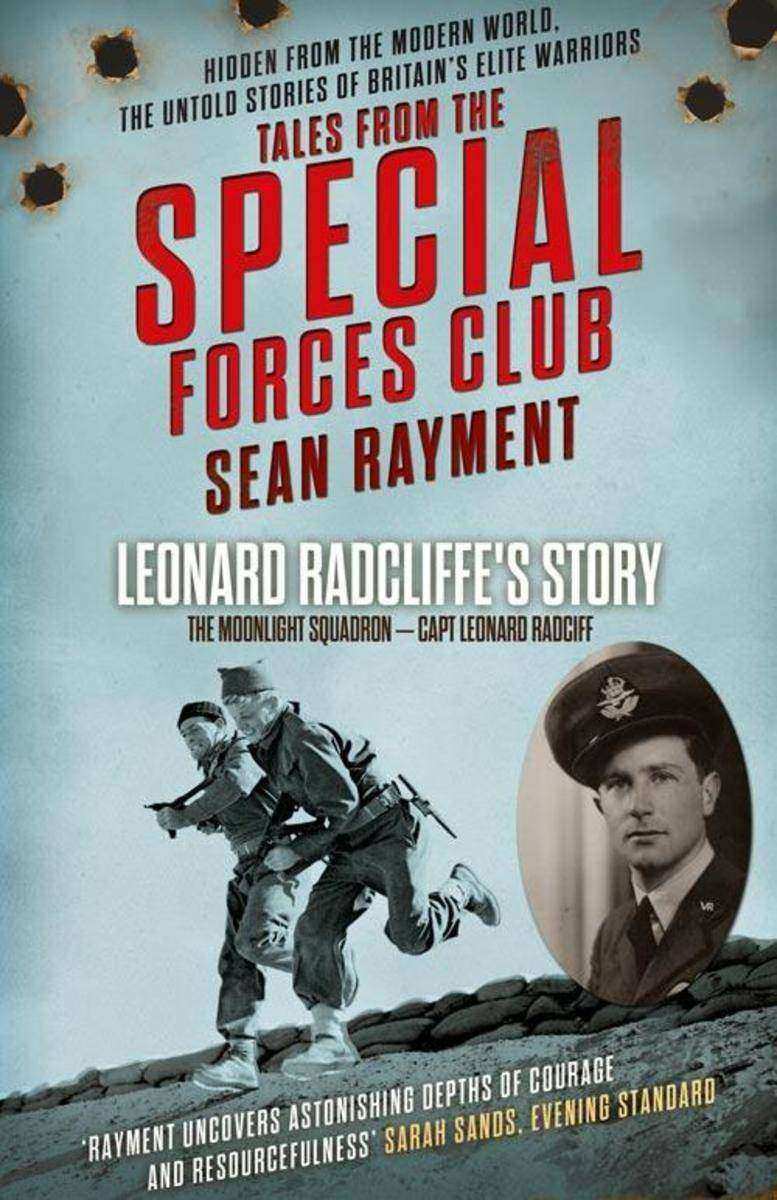
The Moonlight Squadron
¥9.71
This is Leonard Ratcliff’s story, one of five true-life recollections from the Second World War in Tales From The Special Forces Club. The Special Forces Club is a fabled gentlemen’s club, based in the heart of London. It has a closely guarded secret: you have to be a genuine hero to be a member. Leonard commanded a squadron tasked with flying Special Forces agents into Nazi-occupied Europe. His missions came with enormous risk and casualties were exceptionally high. By the end of the war the entire squadron had been lost three times over. Yet despite the dangers there was always a steady stream of volunteers ready to risk all. This is Leonard’s story.
Report on the Threatened City
¥9.71
From the winner of the Nobel Prize for Literature, Doris Lessing, a distinctive science fiction short story. Unknown observers send reports on a city that is threatened with destruction. They gather information on the inhabitants and their behaviour. It soon becomes clear that this is far from an alien planet. As in many of her acclaimed science fiction novels, in ‘Report on the Threatened City’, Doris Lessing uses the traditions of this genre to examine the world we know and human nature itself, from a completely new and often unforgiving perspective. This story also appears in the collection The Temptation of Jack Orkney.


