


 购物车
购物车 个人中心
个人中心
Lay Morals and Other Essays
¥8.09
A collection of essays, beginning with ruminations on ethics. The book starts: "The problem of education is twofold: first to know, and then to utter. Every one who lives any semblance of an inner life thinks more nobly and profoundly than he speaks; and the best of teachers can impart only broken images of the truth which they perceive. Speech which goes from one to another between two natures, and, what is worse, between two experiences, is doubly relative. The speaker buries his meaning; it is for the hearer to dig it up again; and all speech, written or spoken, is in a dead language until it finds a willing and prepared hearer. Such, moreover, is the complexity of life, that when we condescend upon details in our advice, we may be sure we condescend on error; and the best of education is to throw out some magnanimous hints. No man was ever so poor that he could express all he has in him by words, looks, or actions; his true knowledge is eternally incommunicable, for it is a knowledge of himself..."

Essays on Paul Bourget
¥8.09
Short collection of short essays, including "What Paul Bourget Thinks of Us" and "A Little Note to M. Paul Bourget". According to Wikipedia: "Samuel Langhorne Clemens (November 30, 1835 - April 21, 1910), better known by the pen name Mark Twain, was a humorist, satirist, lecturer and writer from the United States of America. Twain is most noted for his novels Adventures of Huckleberry Finn, which has since been called the Great American Novel, and The Adventures of Tom Sawyer. He is also known for his quotations. During his lifetime, Twain became a friend to presidents, artists, leading industrialists and European royalty. Twain enjoyed immense public popularity, and his keen wit and incisive satire earned him praise from both critics and peers. American author William Faulkner called Twain 'the father of American literature.'"
The Americanism of George Washington
¥8.09
Short essay, first published in 1906. According to Wikipedia: "Washington is seen as a symbol of the United States and republicanism in practice. His devotion to civic virtue made him an exemplary figure among early American politicians. Washington died in 1799, and in his funeral oration, Henry Lee said that of all Americans, he was "first in war, first in peace, and first in the hearts of his countrymen." Washington has been consistently ranked by scholars as one of the greatest U.S. Presidents."
Varied Types
¥8.09
Collection of essays (many of the essays from the collection "Twelve Types", plus more). According to Wikipedia: "Gilbert Keith Chesterton (1874 - 1936) was an influential English writer of the early 20th century. His prolific and diverse output included journalism, philosophy, poetry, biography, Christian apologetics, fantasy and detective fiction. Chesterton has been called the "prince of paradox."[1] He wrote in an off-hand, whimsical prose studded with startling formulations. For example: "Thieves respect property. They merely wish the property to become their property that they may more perfectly respect it."[2] He is one of the few Christian thinkers who are equally admired and quoted by both liberal and conservative Christians, and indeed by many non-Christians. Chesterton's own theological and political views were far too nuanced to fit comfortably under the "liberal" or "conservative" banner."
The Letters of Robert Louis Stevenson
¥8.09
According to Wikipedia: "Robert Louis (Balfour) Stevenson ( 1850 - 1894), was a Scottish novelist, poet, and travel writer, and a leading representative of Neo-romanticism in English literature. He was the man who "seemed to pick the right word up on the point of his pen, like a man playing spillikins", as G. K. Chesterton put it. He was also greatly admired by many authors, including Jorge Luis Borges, Ernest Hemingway, Rudyard Kipling, Vladimir Nabokov, and J. M. Barrie. Most modernist writers dismissed him, however, because he was popular and did not write within their definition of modernism. It is only recently that critics have begun to look beyond Stevenson's popularity and allow him a place in the canon."
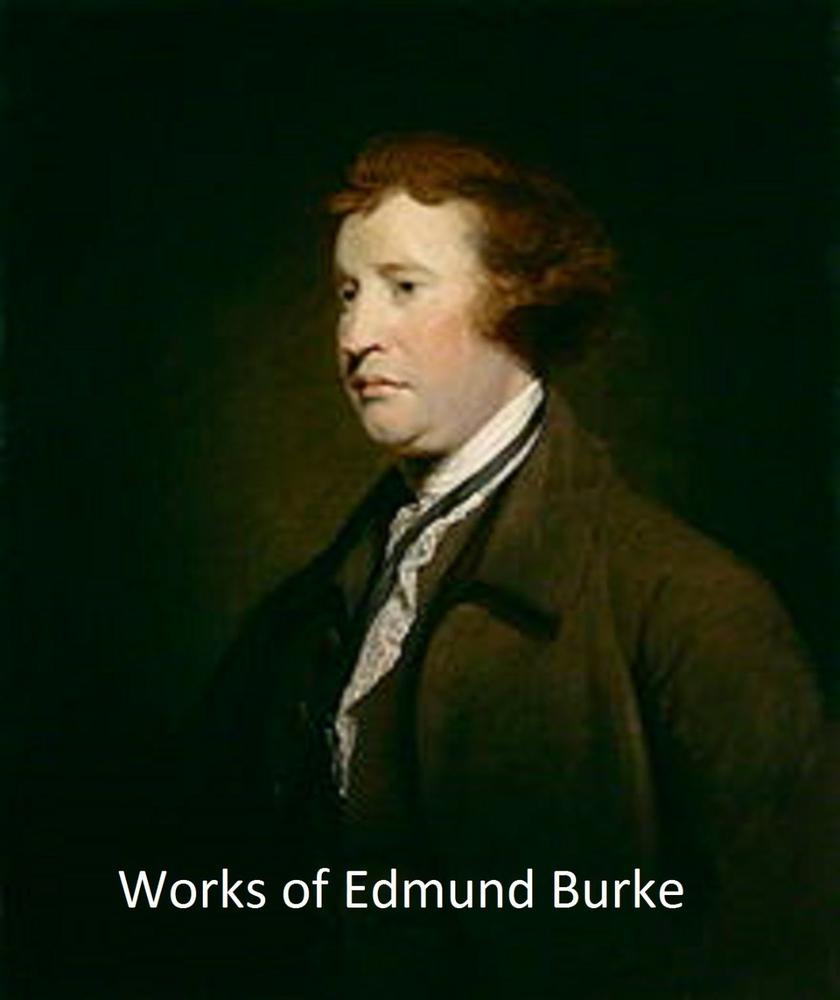
Works of Edmund Burke
¥8.09
Edition first published in 1887. According to Wikipedia: "Edmund Burke (1729-1797) was an Irish statesman, author, orator, political theorist, and philosopher, who served for many years in the British House of Commons as a member of the Whig party. He is mainly remembered for his support of the American colonies in the dispute with King George III and Great Britain that led to the American Revolution and for his strong opposition to the French Revolution... Burke also published philosophical works on aesthetics and founded the Annual Register, a political review. He is often regarded by conservatives as the Father of Anglo-American conservatism."
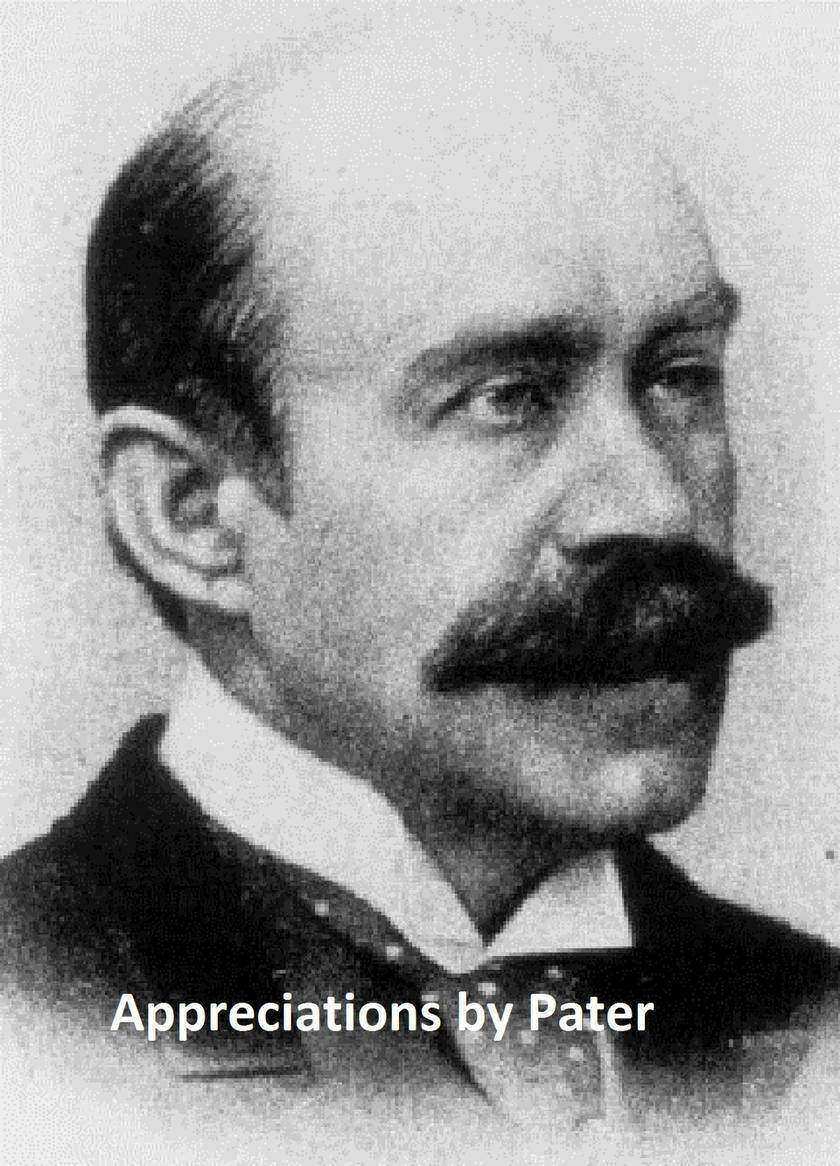
Appreciations
¥8.09
Essays on Style, Wordsworth, Coleridge, Lamb, Sir Thomas Brown, Love's Labours Lost, Measure for Measure, Shakespeare's English Kings, Dante Rossetti, and Feuillet's La Morte. According to Wikipedia: "Walter Horatio Pater (4 August 1839 - 30 July 1894) was an English essayist and critic of art and literary critic....his study of "Aesthetic Poetry" appeared in the Fortnightly Review, to be succeeded by essays on Leonardo da Vinci, Sandro Botticelli, Pico della Mirandola and Michelangelo. These, with other similar studies, were collected in his Studies in the History of the Renaissance in 1873. Pater, now at the centre of a small but interesting circle in Oxford, gained respect in London and elsewhere, numbering the Pre-Raphaelites among his friends.... by the time his philosophical novel Marius the Epicurean appeared, he had gathered quite a following. This, his chief contribution to literature, was published early in 1885. In it Pater displays, with fullness and elaboration, his ideal of the aesthetic life, his cult of beauty as opposed to bare asceticism, and his theory of the stimulating effect of the pursuit of beauty as an ideal of its own. The principles of what would be known as the Aesthetic movement were partly traceable to Pater and his effect was particularly felt on one of the movement's leading proponents, Oscar Wilde, a former student of Pater at Oxford. In 1887 he published Imaginary Portraits, a series of essays in philosophic fiction; Appreciations, with an Essay on Style was published in 1889 with a revised second edition in 1890; in 1893, Plato and Platonism; and in 1894, The Child in the House. His Greek Studies and his Miscellaneous Studies were collected posthumously in 1895; his romance Gaston de Latour appeared posthumously in 1896; and his essays from The Guardian were privately printed in 1897."
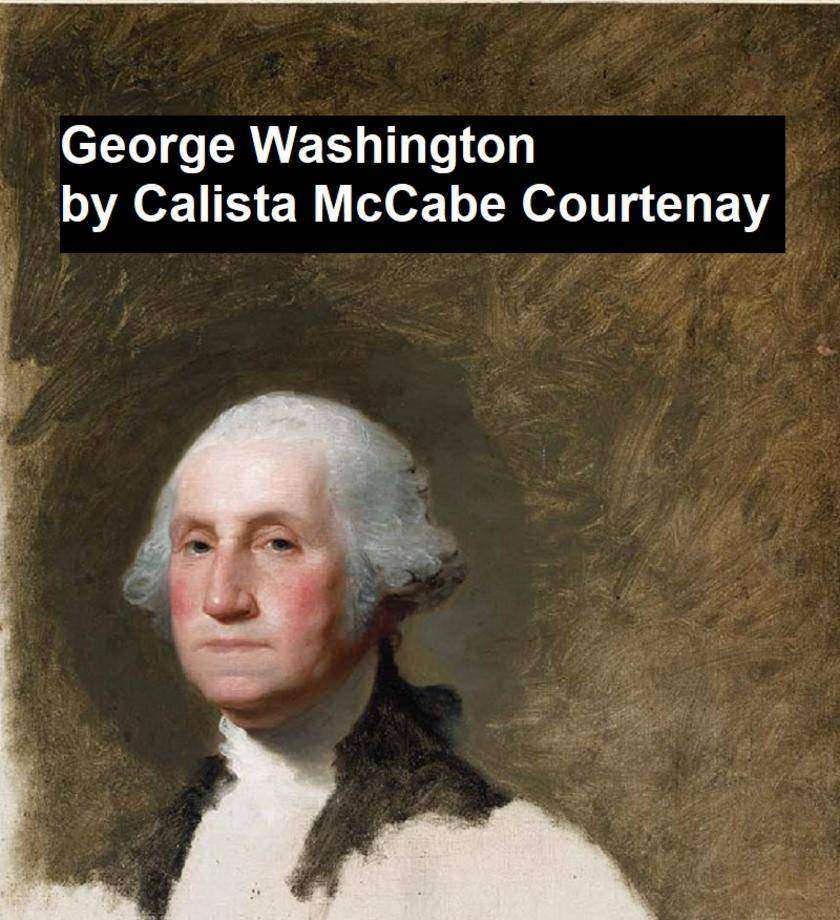
George Washington
¥8.09
According to Wikipedia: "Washington is seen as a symbol of the United States and republicanism in practice. His devotion to civic virtue made him an exemplary figure among early American politicians. Washington died in 1799, and in his funeral oration, Henry Lee said that of all Americans, he was "first in war, first in peace, and first in the hearts of his countrymen." Washington has been consistently ranked by scholars as one of the greatest U.S. Presidents."
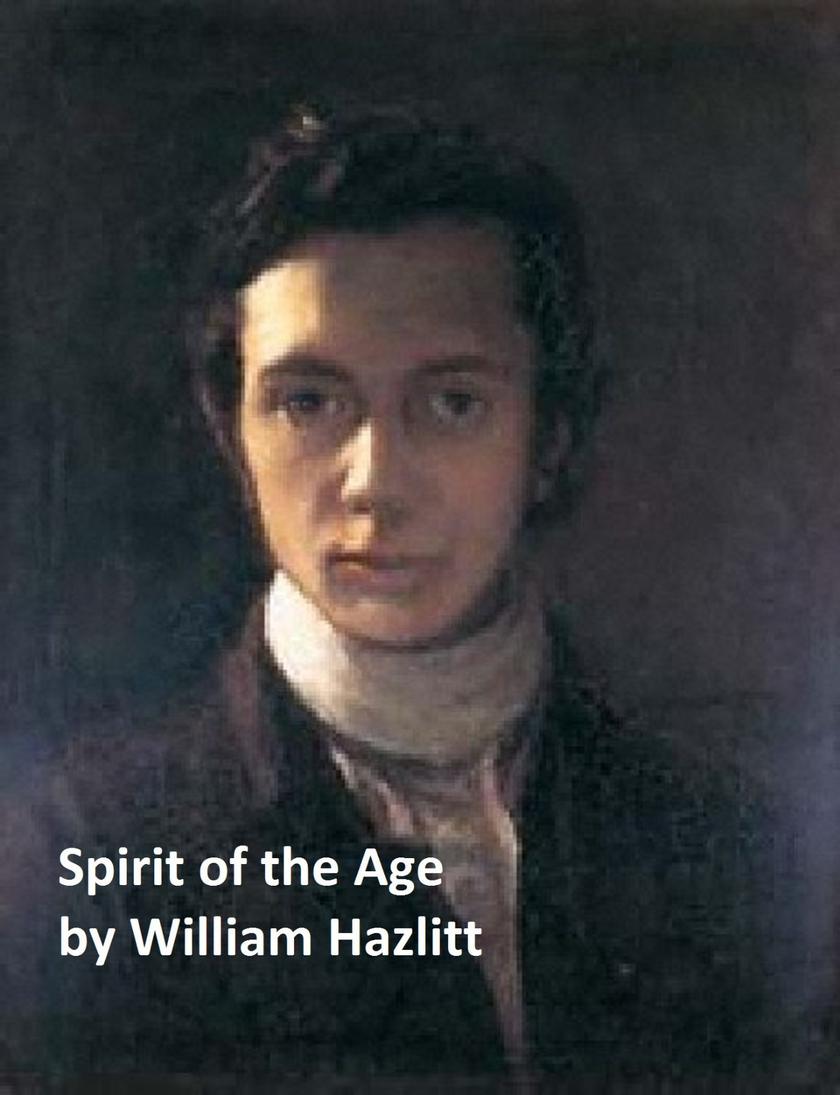
Spirit of the Age or Contemporary Portraits
¥8.09
Collection of essays covering Bentham, Godwin, Coleridge, Irving, Scott, Byron, Wordsworth, Malthus, and others.According to Wikipedia: "William Hazlitt (10 April 1778 – 18 September 1830) was an English writer remembered for his humanistic essays and literary criticism. Hazlitt was a prominent English literary critic, grammarian and philosopher. He is considered one of the greatest critics and essayists in English, placed in the same company as Samuel Johnson and George Orwell, but his work is currently little-read."
Memoir of Fleeming Jenkin
¥8.09
Biography by the author of Treasure Island. According to Wikipedia: "Henry Charles Fleeming Jenkin (25 March 1833 - 12 June 1885) was Professor of Engineering at the University of Edinburgh, remarkable for his versatility. Known to the world as the inventor of telpherage, he was an electrician and cable engineer, a lecturer, linguist, critic, actor, dramatist and artist."
Hawthorne
¥8.09
Biography of one New England author by another.? According to Wikipedia: "Nathaniel Hawthorne (July 4, 1804 – May 19, 1864) was an American novelist, dark romantic, and short story writer. He was born in 1804 in Salem, Massachusetts to Nathaniel Hathorne and the former Elizabeth Clarke Manning. His ancestors include John Hathorne, the only judge involved in the Salem witch trials who never repented of his actions. He entered Bowdoin College in 1821, was elected to Phi Beta Kappa in 1824,[1] and graduated in 1825. He published his first work in 1828, the novel Fanshawe; he later tried to suppress it, feeling that it was not equal to the standard of his later work.[2] He published several short stories in periodicals, which he collected in 1837 as Twice-Told Tales. The next year, he became engaged to Sophia Peabody. He worked at the Boston Custom House and joined Brook Farm, a transcendentalist community, before marrying Peabody in 1842. The couple moved to The Old Manse in Concord, Massachusetts, later moving to Salem, the Berkshires, then to The Wayside in Concord. The Scarlet Letter was published in 1850, followed by a succession of other novels. A political appointment as consul took Hawthorne and family to Europe before their return to Concord in 1860. Hawthorne died on May 19, 1864, and was survived by his wife and their three children."
Chapters from my Autobiography
¥8.09
Book-length autobiography, first published in the North American Review in 1906. According to Wikipedia: "Samuel Langhorne Clemens (November 30, 1835 - April 21, 1910), better known by the pen name Mark Twain, was a humorist, satirist, lecturer and writer from the United States of America. Twain is most noted for his novels Adventures of Huckleberry Finn, which has since been called the Great American Novel, and The Adventures of Tom Sawyer. He is also known for his quotations. During his lifetime, Twain became a friend to presidents, artists, leading industrialists and European royalty. Twain enjoyed immense public popularity, and his keen wit and incisive satire earned him praise from both critics and peers. American author William Faulkner called Twain 'the father of American literature.'"
Selected Prose
¥8.09
Book-length collection. According to Wikipedia: "Oscar Fingal O'Flahertie Wills Wilde (1854 - 1900) was an Irish playwright, novelist, poet, and author of short stories. Known for his barbed wit, he was one of the most successful playwrights of late Victorian London, and one of the greatest celebrities of his day. As the result of a famous trial, he suffered a dramatic downfall and was imprisoned for two years of hard labour after being convicted of the offence of 'gross indecency.'"
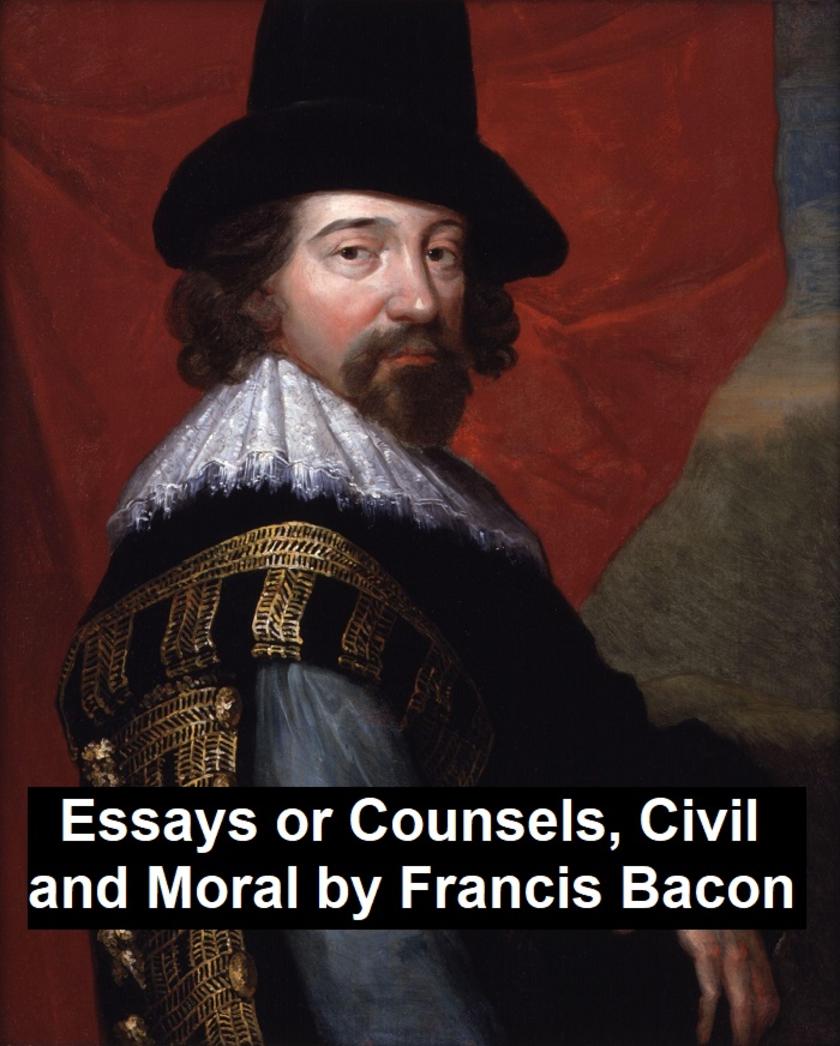
Essays and Counsels, Civil and Moral
¥8.09
From the essay "Of Study": "Some books are to be tasted, others to be swallowed, and some few to be chewed and digested; that is, some books are to be read only in parts; others to be read, but not curiously; and some few to be read wholly, and with diligence and attention." According to Wikipedia: "Francis Bacon, 1st Viscount St Alban KC QC (22 January 1561 — 9 April 1626) was an English philosopher, statesman, and author. He served both as Attorney General and Lord Chancellor of England. He is also known as a catalyst of the scientific revolution. His most celebrated works include The New Atlantis. Bacon was knighted in 1603, created Baron Verulam in 1618, and Viscount St Alban in 1621..."
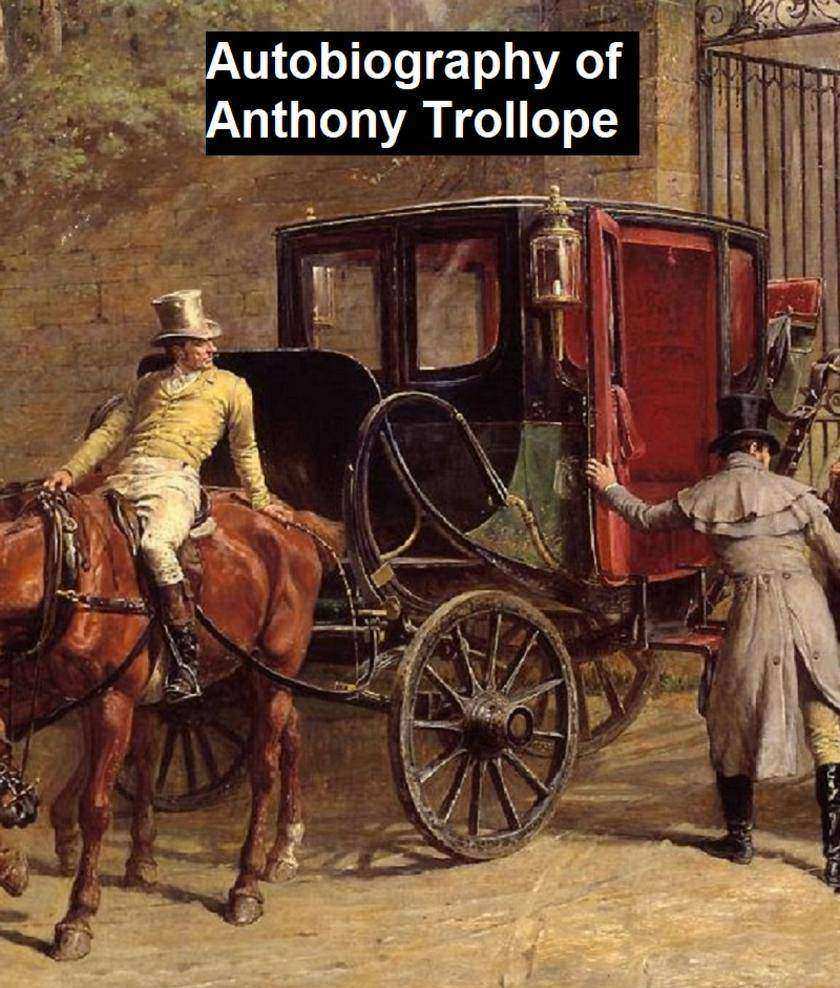
Autobiography of Anthony Trollope
¥8.09
Life of the prolific English novelist. According to Wikipedia: "Anthony Trollope ( 1815 – 1882 ) became one of the most successful, prolific and respected English novelists of the Victorian era. Some of Trollope's best-loved works, known as the Chronicles of Barsetshire, revolve around the imaginary county of Barsetshire; he also wrote penetrating novels on political, social, and gender issues and conflicts of his day. Trollope has always been a popular novelist. Noted fans have included Sir Alec Guinness (who never travelled without a Trollope novel), former British Prime Ministers Harold Macmillan and Sir John Major, economist John Kenneth Galbraith, American novelists Sue Grafton and Dominick Dunne and soap opera writer Harding Lemay. Trollope's literary reputation dipped somewhat during the last years of his life, but he regained the esteem of critics by the mid-twentieth century. "Of all novelists in any country, Trollope best understands the role of money. Compared with him even Balzac is a romantic." — W. H. Auden"
The Deserted Woman by Honoré de Balzac - Delphi Classics (Illustrated)
¥8.09
This eBook features the unabridged text of ‘The Deserted Woman by Honoré de Balzac - Delphi Classics (Illustrated)’ from the bestselling edition of ‘The Collected Works of Honoré de Balzac’. Having established their name as the leading publisher of classic literature and art, Delphi Classics produce publications that are individually crafted with superior formatting, while introducing many rare texts for the first time in digital print. The Delphi Classics edition of Balzac includes original annotations and illustrations relating to the life and works of the author, as well as individual tables of contents, allowing you to navigate eBooks quickly and easily. eBook features: * The complete unabridged text of ‘The Deserted Woman by Honoré de Balzac - Delphi Classics (Illustrated)’ * Beautifully illustrated with images related to Balzac’s works * Individual contents table, allowing easy navigation around the eBook * Excellent formatting of the text Please visit www.delphiclassics.com to learn more about our wide range of titles
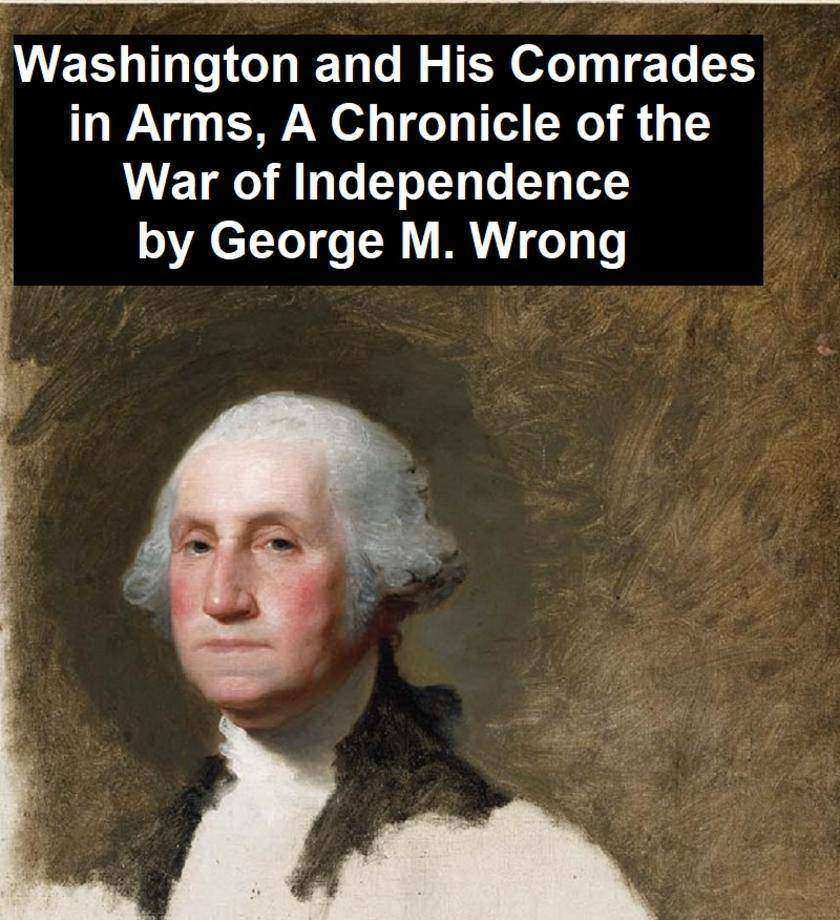
Washington and His Comrades in Arms, A Chronicle of the War of Independence
¥8.09
Volume 12 of the Chronicles of America Series. According to Wikipedia: "Washington is seen as a symbol of the United States and republicanism in practice. His devotion to civic virtue made him an exemplary figure among early American politicians. Washington died in 1799, and in his funeral oration, Henry Lee said that of all Americans, he was "first in war, first in peace, and first in the hearts of his countrymen." Washington has been consistently ranked by scholars as one of the greatest U.S. Presidents."
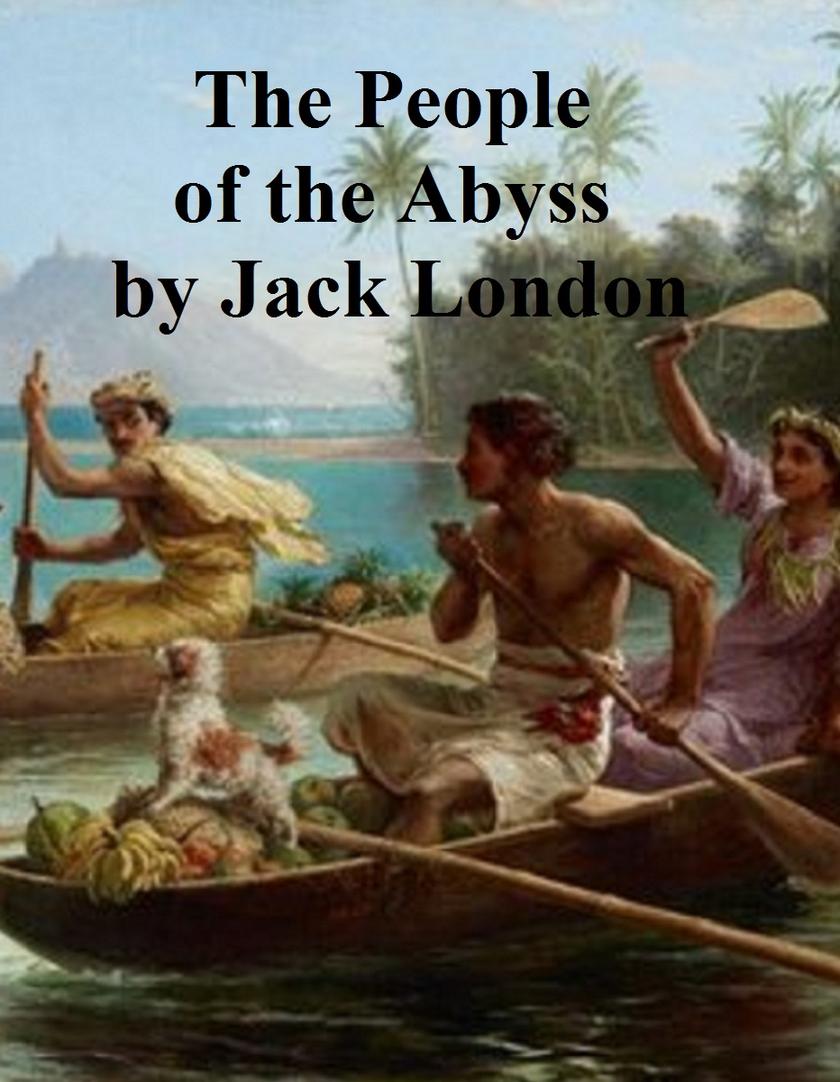
War of the Classes
¥8.09
Collection of essays, including The Class Struggle, The Tramp, The Scab, The Question of the Maximum, A Review, Wanted: A New Land of Development, and How I Became a Socialist. According to Wikipedia: "Jack London (1876 – 1916) was an American author who wrote The Call of the Wild, White Fang, and The Sea Wolf along with many other popular books. A pioneer in the then-burgeoning world of commercial magazine fiction, he was one of the first Americans to make a lucrative career exclusively from writing."
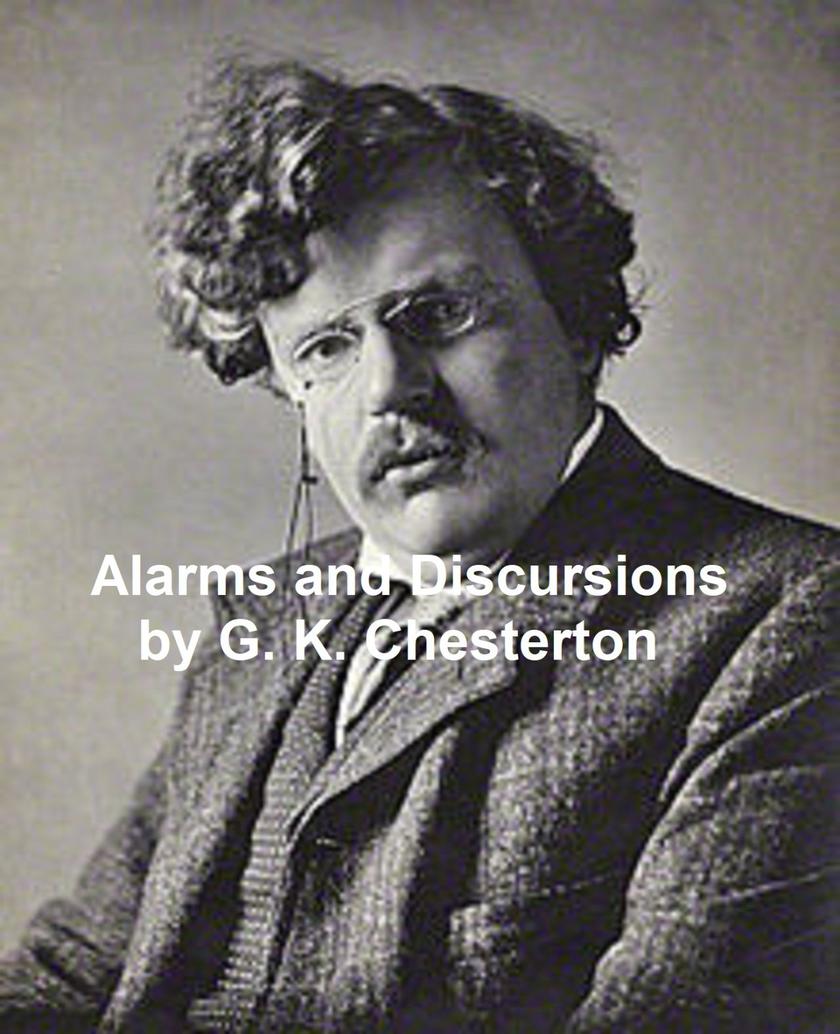
Alarms and Discursions
¥8.09
Collection of stories and essays. According to Wikipedia: "Gilbert Keith Chesterton (1874 ? 1936) was an influential English writer of the early 20th century. His prolific and diverse output included journalism, philosophy, poetry, biography, Christian apologetics, fantasy and detective fiction. Chesterton has been called the "prince of paradox."[1] He wrote in an off-hand, whimsical prose studded with startling formulations. For example: "Thieves respect property. They merely wish the property to become their property that they may more perfectly respect it."[2] He is one of the few Christian thinkers who are equally admired and quoted by both liberal and conservative Christians, and indeed by many non-Christians. Chesterton's own theological and political views were far too nuanced to fit comfortably under the "liberal" or "conservative" banner. "
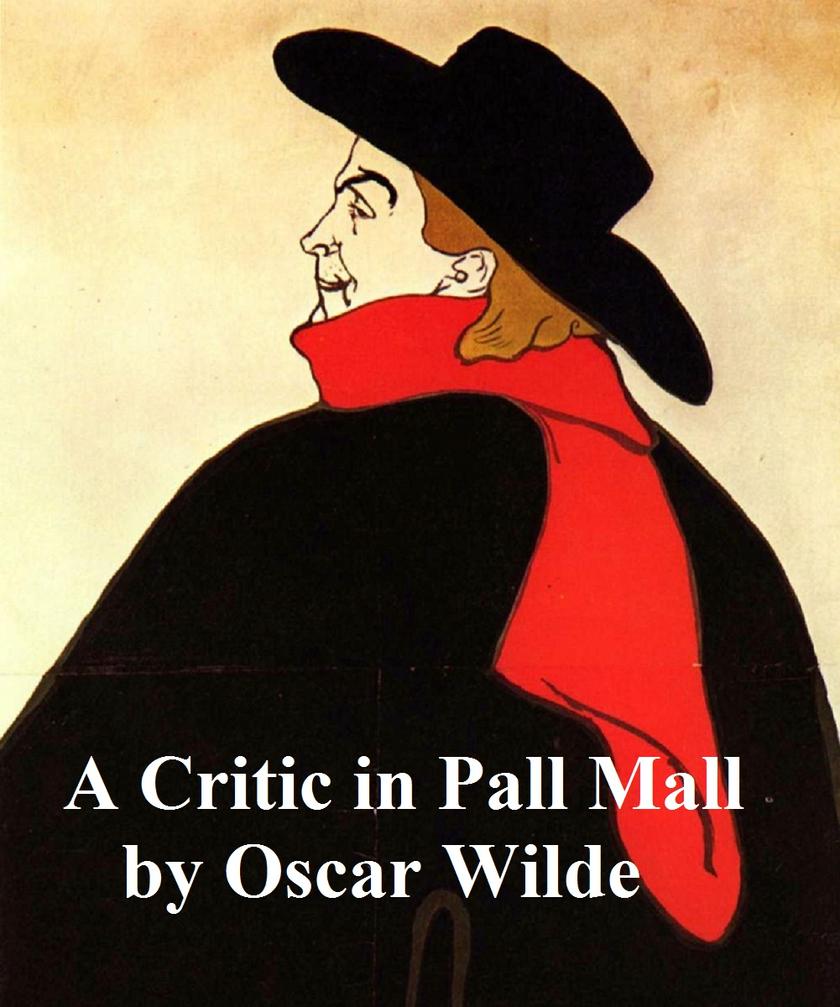
A Critic in Pall Mall: Extracts from reviews and miscellanies
¥8.09
Popular collection of essays, first published in 1919. According to Wikipedia: "Oscar Fingal O'Flahertie Wills Wilde (16 October 1854 – 30 November 1900) was an Irish writer, poet, and prominent aesthete who, after writing in different forms throughout the 1880s, became one of London's most popular playwrights in the early 1890s. Today he is remembered for his epigrams, plays and the tragedy of his imprisonment, followed by his early death."
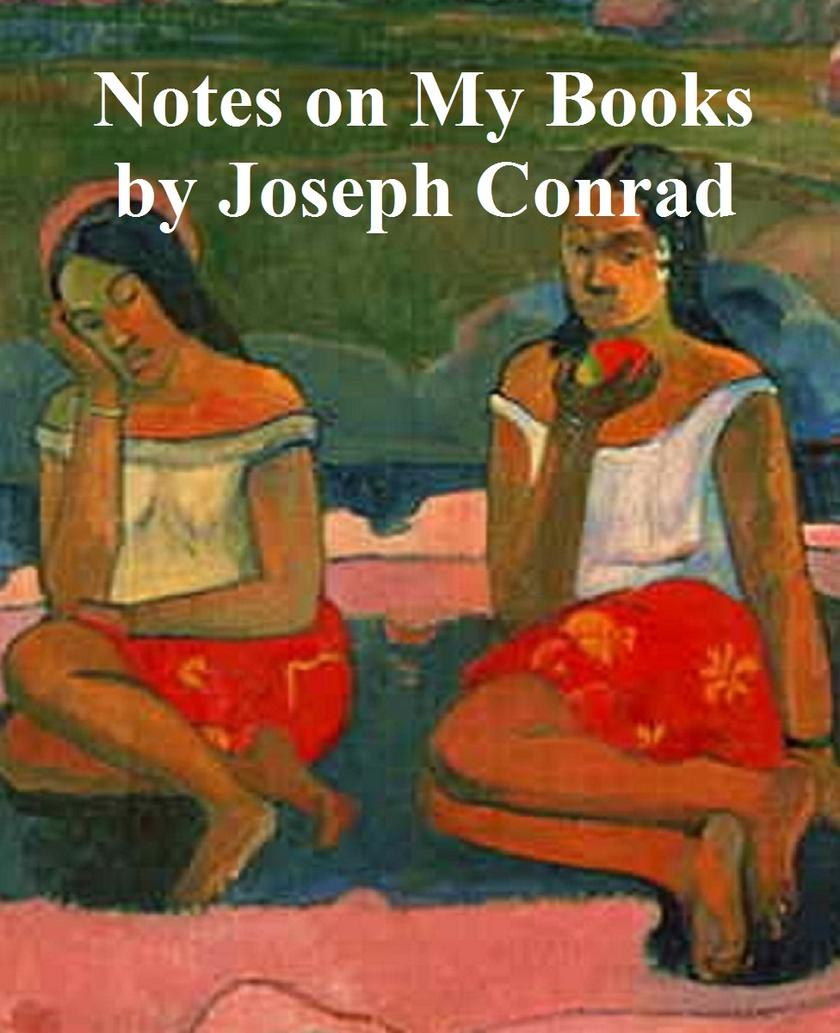
Notes on My Books
¥8.09
Conrad's summaries, prefaces, and ruminations about his books. According to Wikipedia: "Joseph Conrad (1857 – 1924) was a Polish-born English novelist. Many critics regard him as one of the greatest novelists in the English language—a fact that is remarkable, as he did not learn to speak English fluently until he was in his twenties (and always with a strong Polish accent). He became a naturalized British subject in 1886. Conrad is recognized as a master prose stylist. Some of his works have a strain of romanticism, but more importantly he is recognized as an important forerunner of modernist literature. His narrative style and anti-heroic characters have influenced many writers, including Ernest Hemingway, D. H. Lawrence, F. Scott Fitzgerald, Graham Greene, William S. Burroughs, Joseph Heller, V.S. Naipaul, Italo Calvino and J. M. Coetzee."


