


 购物车
购物车 个人中心
个人中心

The Promise of Amazing
¥56.08
Robin Constantine's New Jersey romance The Promise of Amazing is a sexy, poignant, funny, and authentic debut novel that will appeal to fans of books by Stephanie Perkins, Sarah Mlynowski, and Jennifer E. Smith.Wren Caswell is average. Ranked in the middle of her class at Sacred Heart, she's not popular, not a social misfit. Wren is the quiet good girl who's always done what she's supposed to—only now, in her junior year, this passive strategy is backfiring. She wants to change but doesn't know how.Grayson Barrett was the king of St. Gabe's: star of the lacrosse team, top of his class, and on the fast track to a brilliant future—until he was expelled for being a "term-paper pimp." Now Gray is in a downward spiral and needs to change but doesn't know how.One fateful night, their paths cross at Wren's family's Arthurian-themed catering hall. What follows is the complicated, awkward, hilarious, and tender tale of two teens shedding their pasts, figuring out who they are—and falling in love.
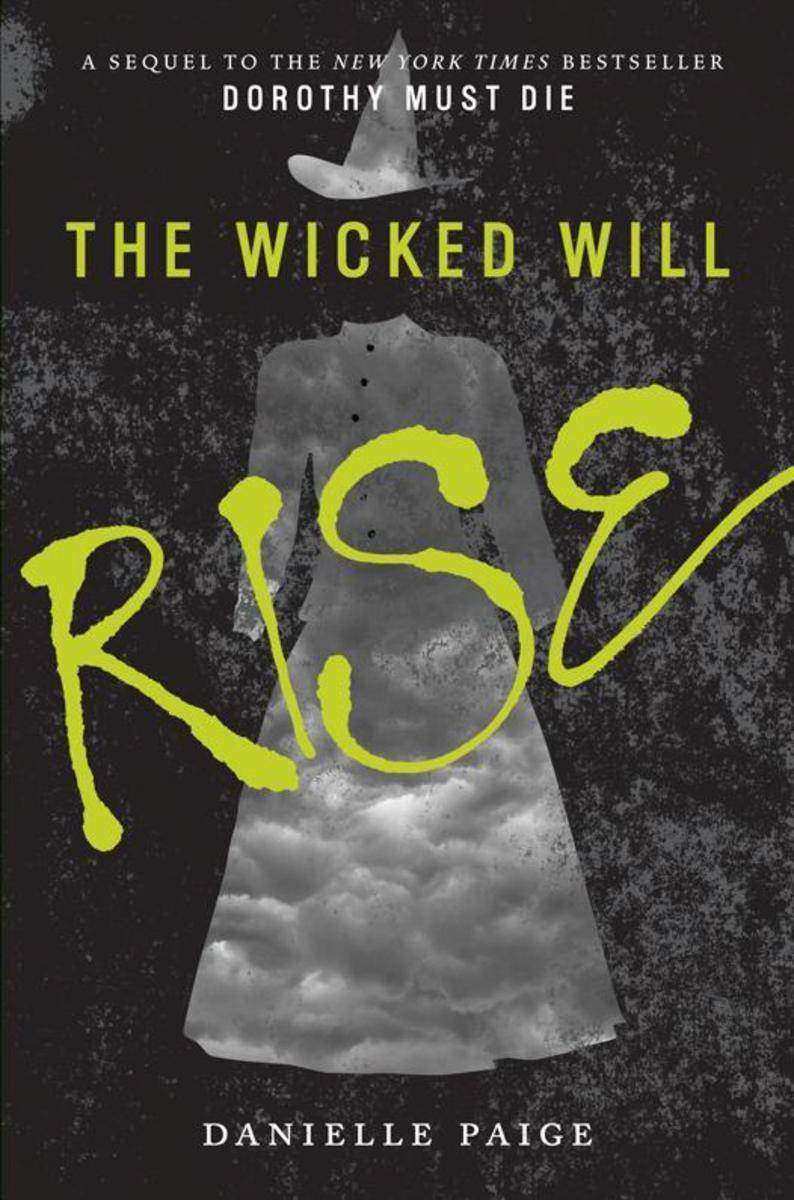
The Wicked Will Rise
¥56.08
In this New York Times bestselling sequel to Dorothy Must Die, who is good—and who is actually WickedThe Wicked Will Rise is perfect for fans of richly reimagined fairy tales and classic tales like Marissa Meyer’s Lunar Chronicles and Gregory Maguire’s Wicked.My name is Amy Gumm—and I’m the other girl from Kansas. After a tornado swept through my trailer park, I ended up in Oz. But it wasn’t like the Oz I knew from books and movies. Dorothy had returned, but she was now a ruthless dictator. Glinda could no longer be called the Good Witch. And the Wicked Witches who were leftThey’d joined forces as the Revolutionary Order of the Wicked, and they wanted to recruit me.My missionKill Dorothy. Except my job as assassin didn’t work out as planned. Dorothy is still alive. The Order has vanished. And the home I couldn’t wait to leave behind might be in danger.Somehow, across a twisted and divided land, I have to find the Order, protect the true ruler of Oz, take Dorothy and her henchmen down—and try to figure out what I’m really doing here.

The Witch Must Burn
¥65.33
There’s a new Wicked Witch in Oz—and her name is Dorothy. This digital original novella is the second installment in the prequel arc to the edgy and exciting New York Times bestseller Dorothy Must Die.Dorothy Gale is back . . . and she’s not the sweet little heroine of Oz anymore. She’s power-hungry and vicious, and she leaves a trail of destruction beneath her spike-heeled, magical shoes. But behind the scenes, there’s someone else pulling the strings. Someone who doesn’t want fame or glory—just control.Glinda of the North brought Dorothy back to Oz for a reason. And in The Witch Must Burn, a young maid is about to discover that a witch who says she’s Good might be the most dangerous kind of Wicked.The Witch Must Burn, by debut author Danielle Paige, is a dark and compelling reimagining of a beloved classic and is perfect for fans of Cinder by Marissa Meyer, Beastly by Alex Flinn, and Wicked by Gregory Maguire.

The Revenge Playbook
¥56.08
Don't get mad, get even! In this poignant and hilarious novel, Rachael Allen brilliantly explores the nuances of high school hierarchies, the traumas sustained on the path to finding true love, and the joy of discovering a friend where you least expect.In the small town of Ranburne, high school football rules and the players are treated like kings. How they treat the girls they go to school withThat's a completely different story. Liv, Peyton, Melanie Jane, and Ana each have their own reason for wanting to teach the team a lesson—but it's only when circumstances bring them together that they come up with the plan to steal the one thing the boys hold sacred. All they have to do is beat them at their own game.
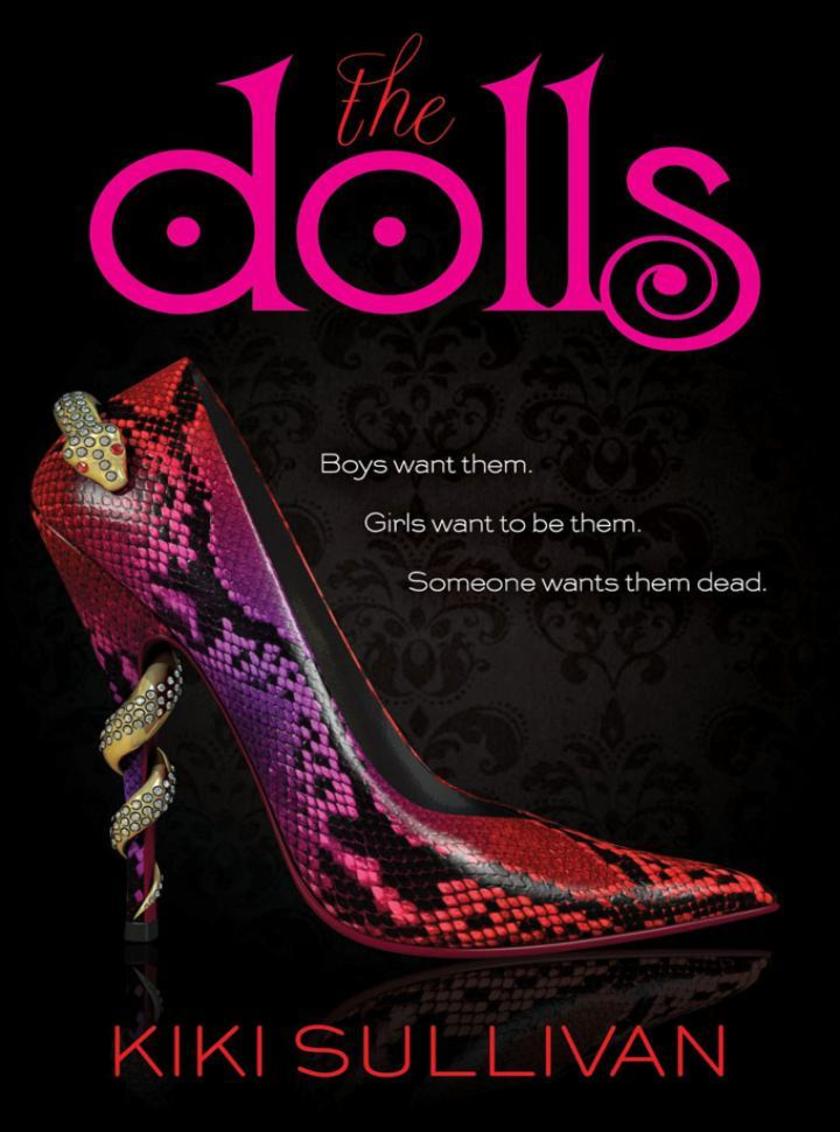
The Dolls
¥55.33
Pretty Little Liars meets Beautiful Creatures in this steamy southern suspense novel about a group of powerful teen voodoo queens who will do anything to get what they want.Eveny Cheval has just moved back to Carrefour, Louisiana—a town she left fourteen years ago in the wake of her mother's suicide. An outsider at first, Eveny quickly finds herself embroiled in a web of intrigue, betrayal, and lies. Enter Peregrine Marceau, Chloe St. Pierre, and their group of rich, sexy friends collectively known as the Dolls. They want to bring Eveny into their circle and share their darkest truths with her.Eveny is wary of these girls, but after murder strikes and she discovers that everything she believes about herself, her family, and her life is a lie, she's forced to turn to the Dolls for answers. Something's wrong in paradise, and it's up to Eveny, Chloe, and Peregrine to save Carrefour and make it right.
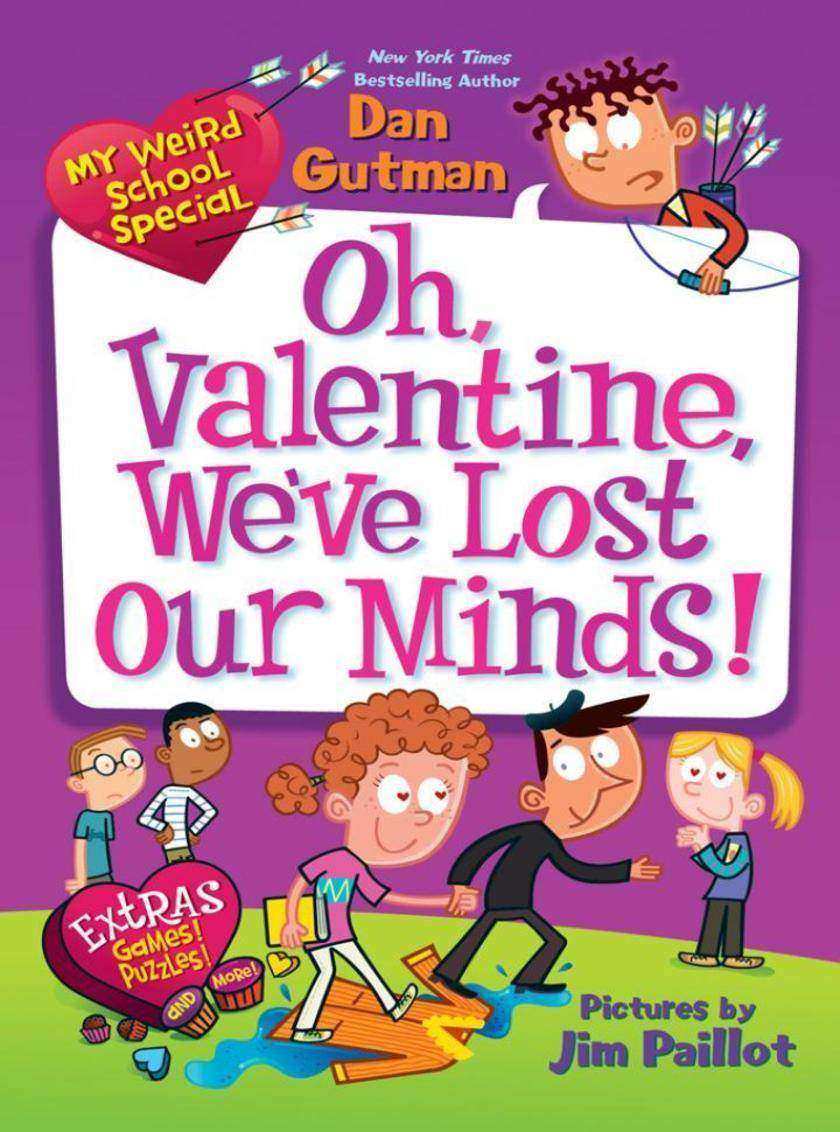
My Weird School Special: Oh, Valentine, We've Lost Our Minds!
¥33.53
A.J. and the gang from My Weird School star in this series of after-school, holiday-themed chapter books featuring all-new hilarious stories and thirty-two pages of games, puzzles, and more.It's the week of Valentine's Day, and A.J.'s class is getting a foreign exchange student! His name is Pierre, and he's from France. But what happens when Pierre challenges A.J. to a duel (or at least a thumb war) over AndreaOne thing's for sure: when L-O-V-E comes to Ella Mentry, it spells the weirdest Valentine's Day story in the history of the world!Bestselling author Dan Gutman brings his kid-friendly sense of humor to this all-new series of holiday adventures. With My Weird School checklists and trivia plus tons of Valentine-themed facts and puzzles, this is one weird Valentine special you don't want to miss!
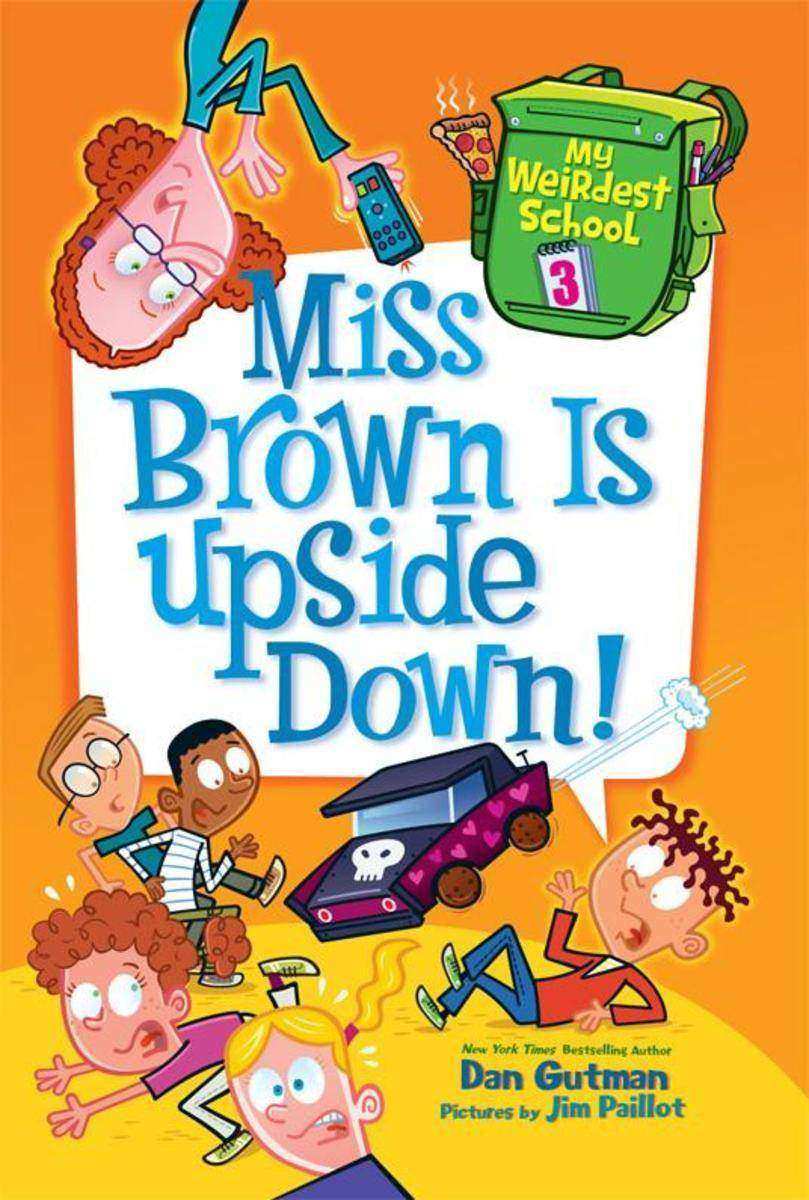
My Weirdest School #3: Miss Brown Is Upside Down!
¥27.94
With more than 9 million books sold, the My Weird School series really gets kids reading!In this third book in the new My Weirdest School series, the Brain Games are coming to Ella Mentry School! Miss Brown will help the kids do creative projects, like building a bridge out of toothpicks and designing a remote control car. But the kids are up against some tough competition. They will have to compete against the students of Dirk School to win the grand prize: a free trip to PizzaWorld!Perfect for reluctant readers and word lovers alike, Dan Gutman's hugely popular My Weird School series has something for everyone. Don't miss the hilarious adventures of A.J. and the gang.
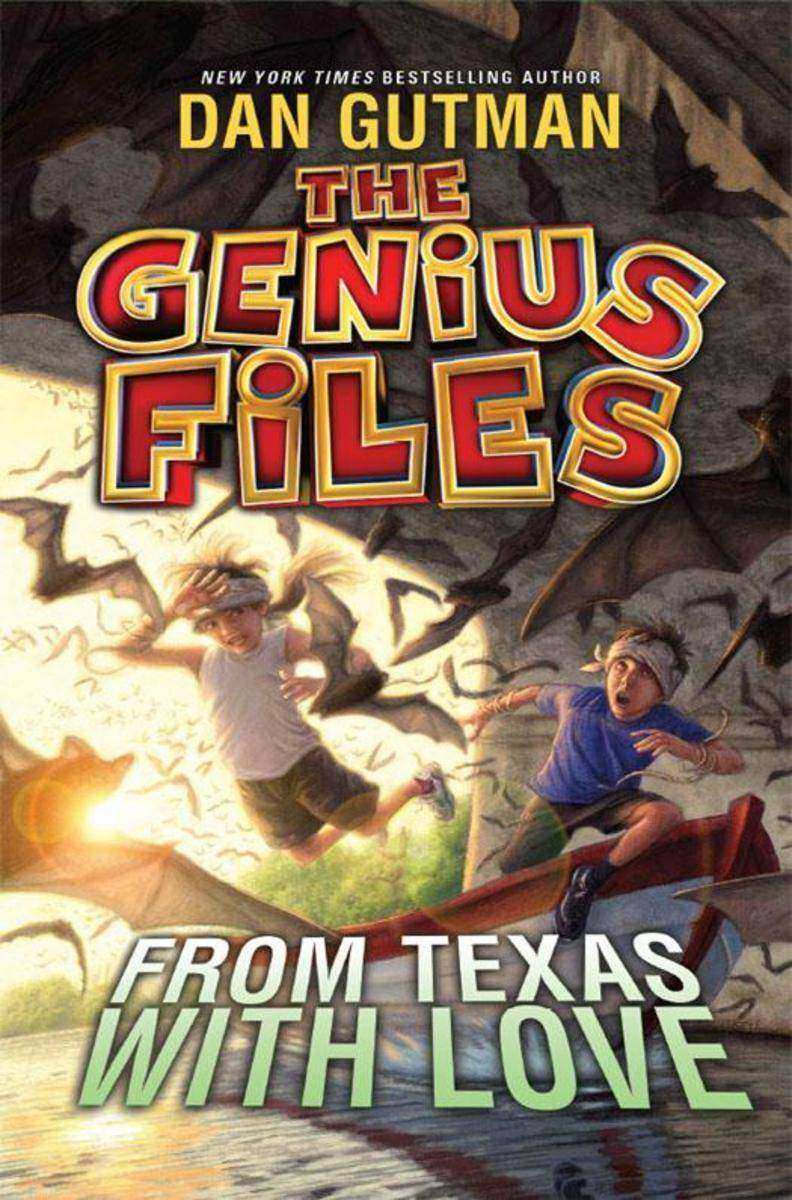
The Genius Files #4: From Texas with Love
¥39.13
The wackiest road trip in history continues in book four of the New York Times bestselling Genius Files series, following twins Coke and Pepsi as they dodge villains and visit weird-but-true landmarks from Texas all the way to Roswell, New Mexico!After their explosive escape at Graceland, twins Coke and Pepsi are ready to resume their trip across America—only now in a convertible instead of the RV. They travel through Arkansas and Oklahoma, visiting weird-but-true tourist stops along the way, and finally end up in Texas, home of the Weird Capital of the Country, Austin. The twins' many enemies—the bowler dudes, Mrs. Higgins, and Dr. Warsaw—all swear that they're done chasing Coke and Pepsi for good. But when the twins start receiving more codes and ciphers from a mysterious robotic voice, they know someone's after them. They just have to figure out who before the mystery villain finds them first.With the real-kid humor that has earned him millions of readers around the world, and featuring all new weird-but-true locations around America, this fourth book in the New York Times bestselling Genius Files series is absolutely batty!
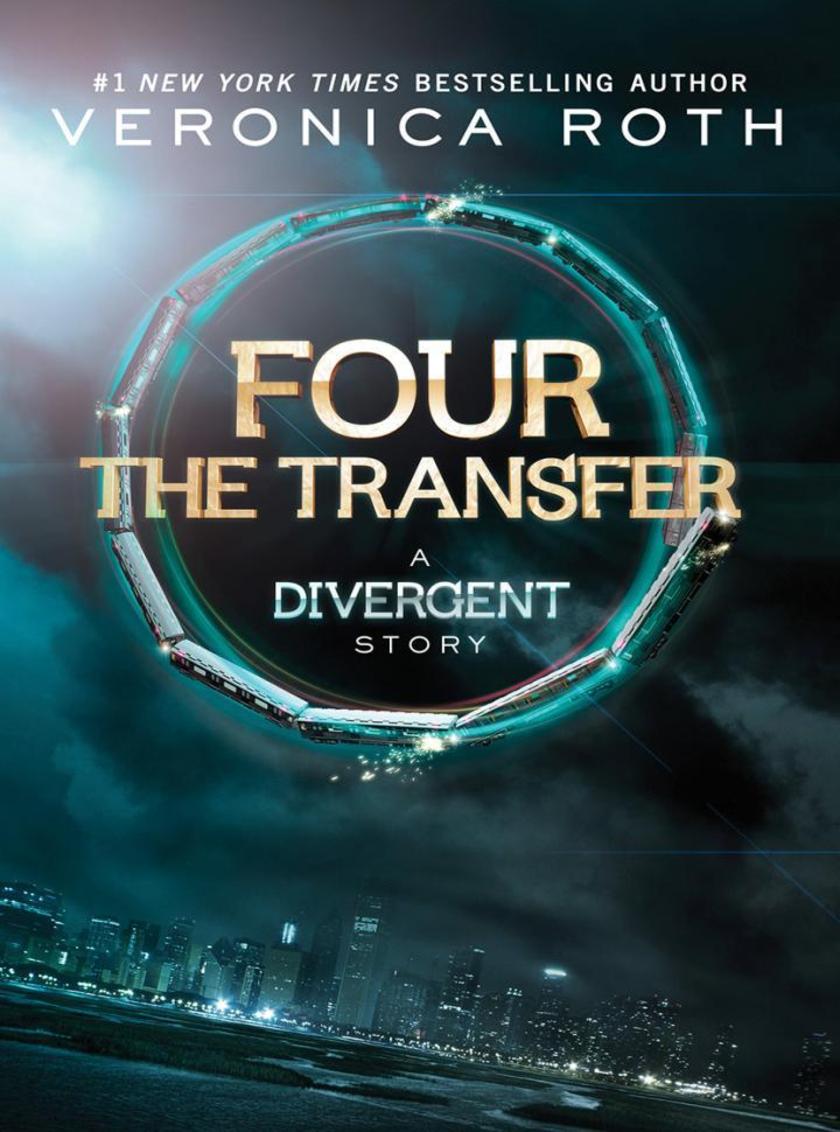
Four: The Transfer
¥54.42
Complete your Divergent library with the Four stories!Fans of the Divergent series by #1 New York Times bestselling author Veronica Roth will be captivated by "Four: The Transfer," the first of four stories, each between fifty and seventy-five pages long, set in the world of Divergent and told from Tobias's perspective.In "The Transfer," readers witness Tobias's aptitude test, Choosing Day, and the moment he is given the infamous nickname "Four."
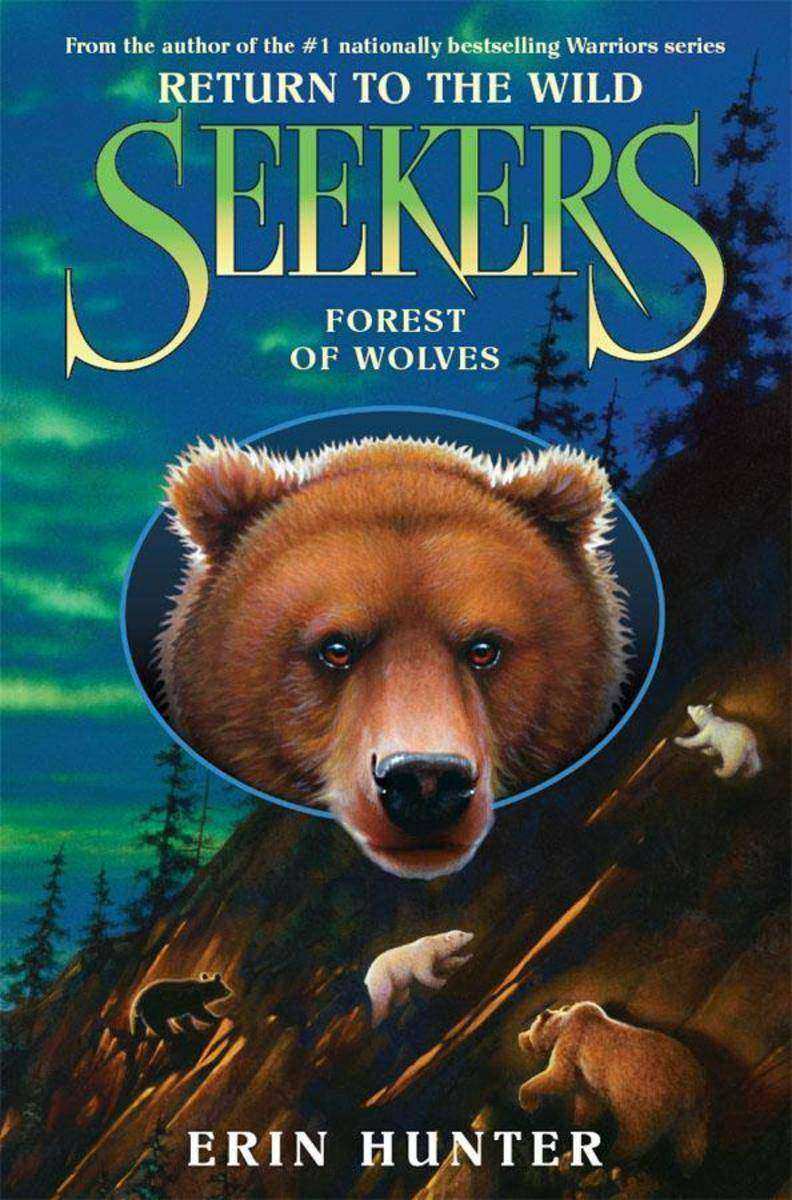
Seekers: Return to the Wild #4: Forest of Wolves
¥39.13
Erin Hunter's New York Times bestselling Seekers series continues in the fourth book in the Return to the Wild story arc. With its thrilling blend of action and suspense, this epic animal fantasy is perfect for fans of the #1 nationally bestselling Warriors series.After a harrowing journey, the four bears finally arrive at Toklo's former home. Toklo is thrilled to be in the mountains, surrounded by warm memories of his cubhood, but his homecoming has come at a price. Yakone is dangerously ill and may not survive. Meanwhile, Lusa is unsure of what her future holds. Is she ready to find her own way if it means leaving her friends—the only family she has left?Also includes a sneak peek at Seekers: Return to the Wild #5: The Burning Horizon!
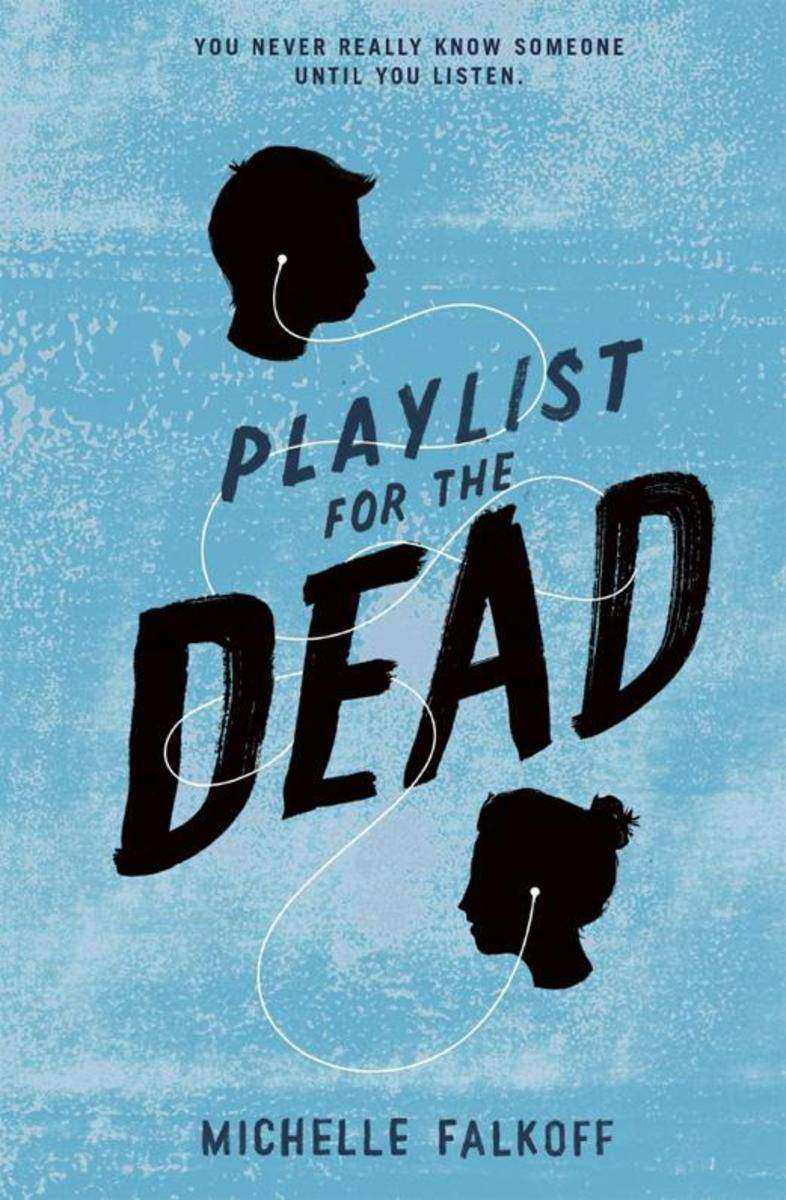
Playlist for the Dead
¥55.93
Part mystery, part love story, and part coming-of-age tale in the vein of The Perks of Being a Wallflower and The Spectacular Now.There was a party. There was a fight. The next morning, Sam's best friend, Hayden, was dead. And all he left Sam was a playlist of songs and a suicide note: For Sam—listen and you'll understand. To figure out what happened, Sam has to rely on the playlist and his own memory. But the more he listens, the more he realizes that his memory isn't as reliable as he thought. And it might only be by taking out his earbuds and opening his eyes to the people around him that he'll finally be able to piece together his best friend's story. And maybe have a chance to change his own.Playlist for the Dead is an honest and gut-wrenching first novel about loss, rage, what it feels like to outgrow a friendship that's always defined you—and the struggle to redefine yourself. But above all, it's about finding hope when hope seems like the hardest thing to find.
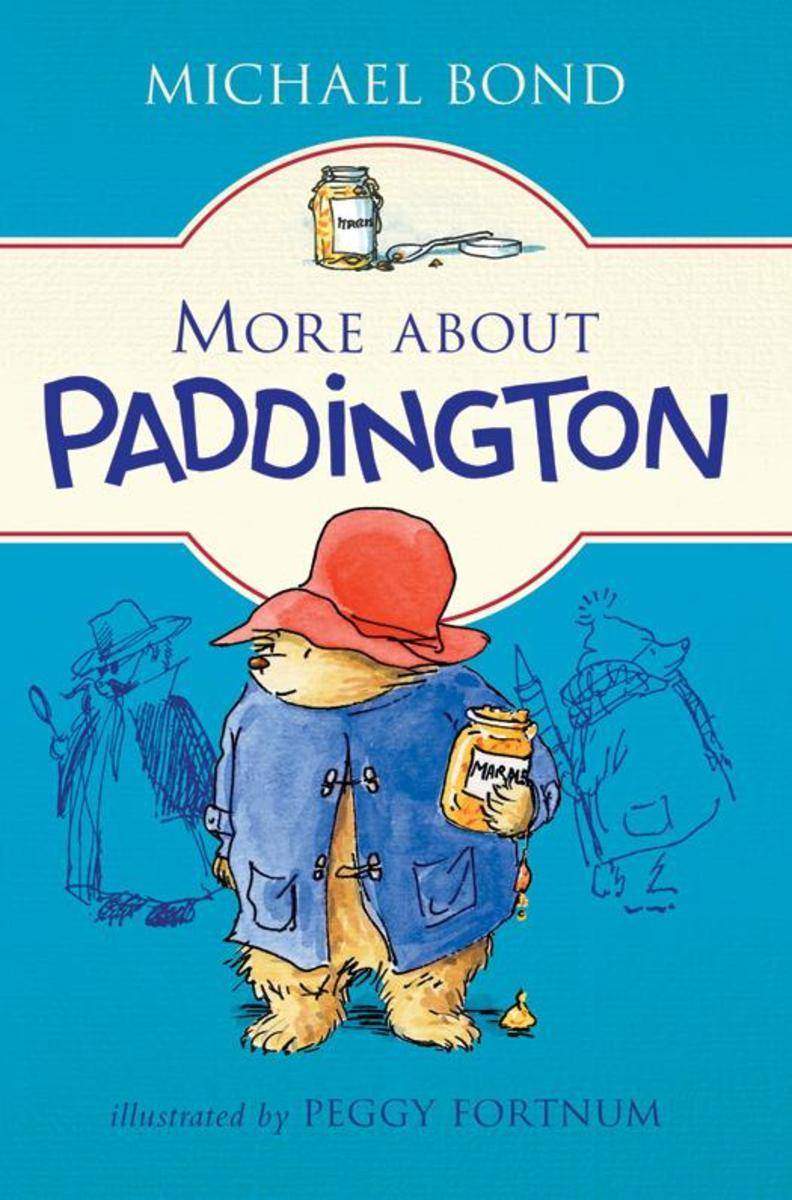
More about Paddington
¥33.63
Paddington Bear becomes a celebrity when he takes portraits of the Brown family with a very old camera. Thanks to the unique results, a local shop puts the photos on display. And that's just the first adventure this extraordinary bear finds himself in. From wallpapering to mystery-solving, Paddington does it all with the sense of wonder and playful charm that readers have come to love.First published in 1959, More about Paddington is the second novel by Michael Bond chronicling the adventures of this classic character. Paddington has warmed the hearts of generations of readers with his earnest good intentions and humorous misadventures. This brand-new paper-over-board edition of the classic novel contains the original text by Michael Bond and illustrations by Peggy Fortnum.
Epic Reads Impulse
¥107.82
The enticing world of Valkyrie Rising, Ingrid Paulson's debut teen novel, is introduced in Valkyrie Symptoms, a prequel short story.This twenty-page original story introduces the characters from the perspective of the ever-flippant, if undeniably alluring, Tucker Halloway. It also includes a teaser to Valkyrie Rising, a novel in which deadly legends, hidden identities, and tentative romance swirl together into an unexpectedly epic adventure when seventeen-year-old Ellie travels to Norway with her big brother and Tuck, his best friend, and encounters Valkyries: the legendary women warriors of Norse mythology.Epic Reads Impulse is a digital imprint with new releases each month.
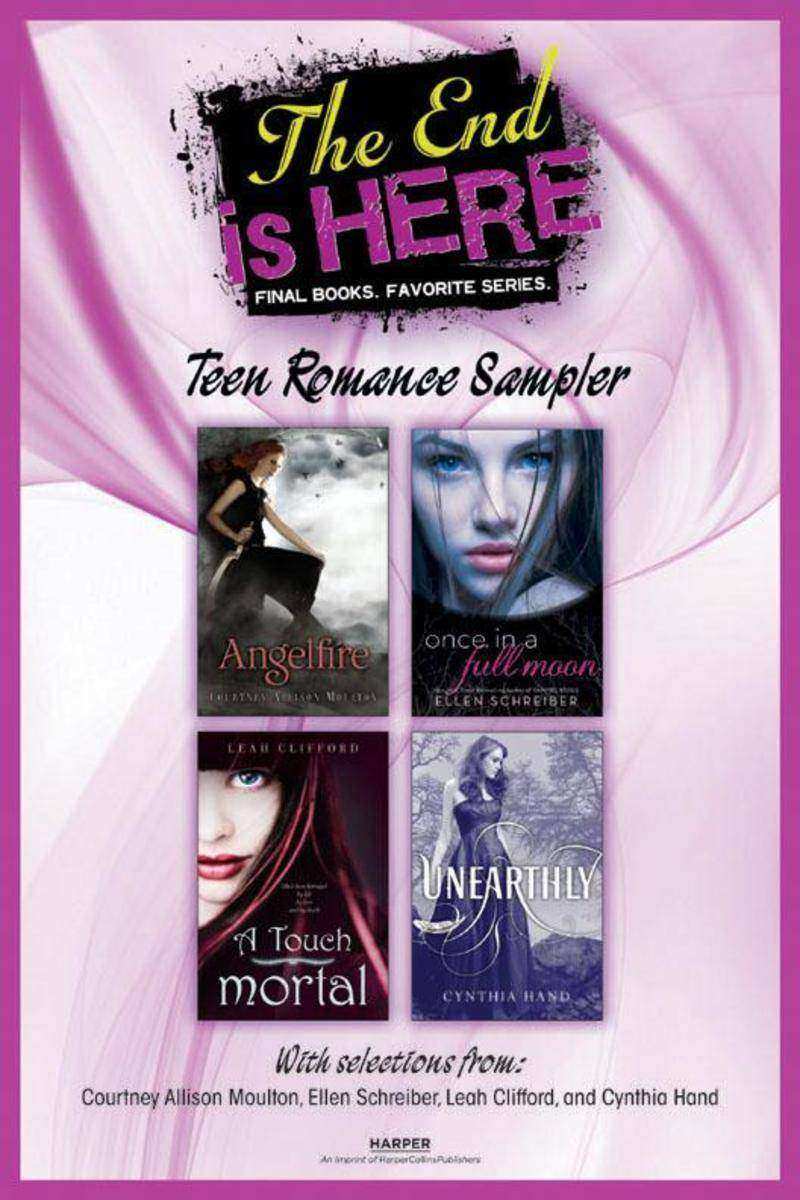
The End Is Here: Teen Romance Sampler
¥38.06
The end is here! At least, the end of these popular series is almost here. Before they reach their conclusion, read selections from the first books. You'll fall in love with the paranormal worlds of Angelfire by Courtney Allison Moulton, Once in a Full Moon by Ellen Schreiber, A Touch Mortal by Leah Clifford, and Unearthly by Cynthia Hand.
The King's Guard
¥10.71
Hector of Ventierra is the youngest commander of the Royal Guard in his kingdom's history. But before he was lord commander, he was a lowly squire. In this short fantasy novella, set in the world of The Girl of Fire and Thorns, Rae Carson introduces readers to Hector before he became the man Queen Elisa fell in love with. The King's Guard also includes a teaser chapter for The Bitter Kingdom, the conclusion to the Fire and Thorns trilogy.At fifteen years old, Hector is the youngest squire in the most elite military force in the country. And his first day is disastrous. Everyone assumes the only reason he was recruited is his close personal association with King Alejandro, not because he's really earned it.But Alejandro needs Hector for a secret mission, one that gives him the chance to prove to everyone—including himself—that he is worthy to be a Royal Guard. Hector must break into the ancient Fortress of Wind to retrieve something so important that the kingdom's future depends on it. What Hector finds in the fortress will stretch his bond of friendship with his king near to breaking. And it will prepare him to become the fearsome warrior and lord commander Elisa will never let go.A riveting prequel to Rae Carson's epic and acclaimed Fire and Thorns series.

Epic Reads Impulse
¥107.82
A short stand-alone digital novella set in the world of Leah Cypess's Nightspell, where ghosts exist alongside humans and nearly every lavish ball is part murder mystery.In the kingdom of Ghostland, every murdered soul comes back as a ghost, and every ghost has only one desire—vengeance. Emilie had everything she'd ever wanted—beautiful dresses, a perfectly decorated room, a party every night, and the eye of a nobleman. But then she's killed. And now she'll stop at nothing to find out who did it. No one in the palace of Ghostland is above suspicion—not even the people closest to her. This haunting fantasy novella is filled with supernatural thrills and surprising plot twists.Epic Reads Impulse is a digital imprint with new releases each month.
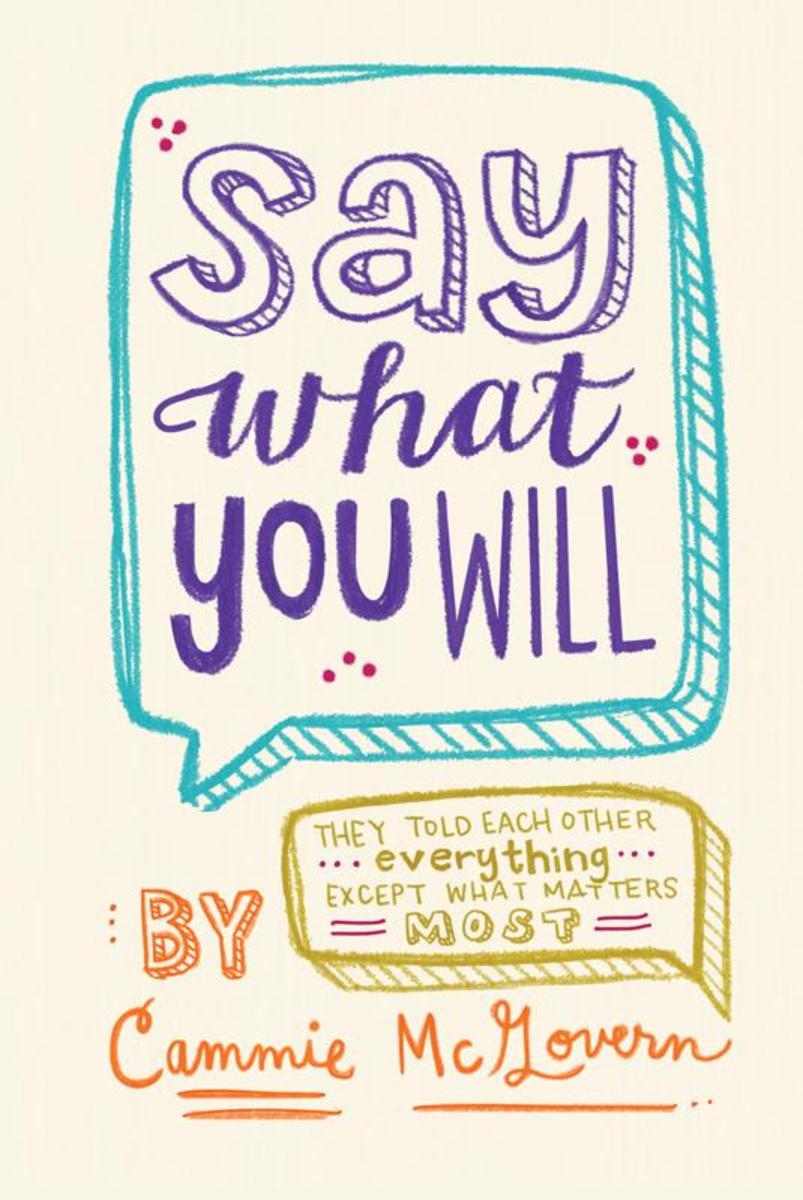
Say What You Will
¥55.33
John Green's The Fault in Our Stars meets Rainbow Rowell's Eleanor & Park in this beautifully written, incredibly honest, and emotionally poignant novel. Cammie McGovern's insightful young adult debut is a heartfelt and heartbreaking story about how we can all feel lost until we find someone who loves us because of our faults, not in spite of them.Born with cerebral palsy, Amy can't walk without a walker, talk without a voice box, or even fully control her facial expressions. Plagued by obsessive-compulsive disorder, Matthew is consumed with repeated thoughts, neurotic rituals, and crippling fear. Both in desperate need of someone to help them reach out to the world, Amy and Matthew are more alike than either ever realized.When Amy decides to hire student aides to help her in her senior year at Coral Hills High School, these two teens are thrust into each other's lives. As they begin to spend time with each other, what started as a blossoming friendship eventually grows into something neither expected.
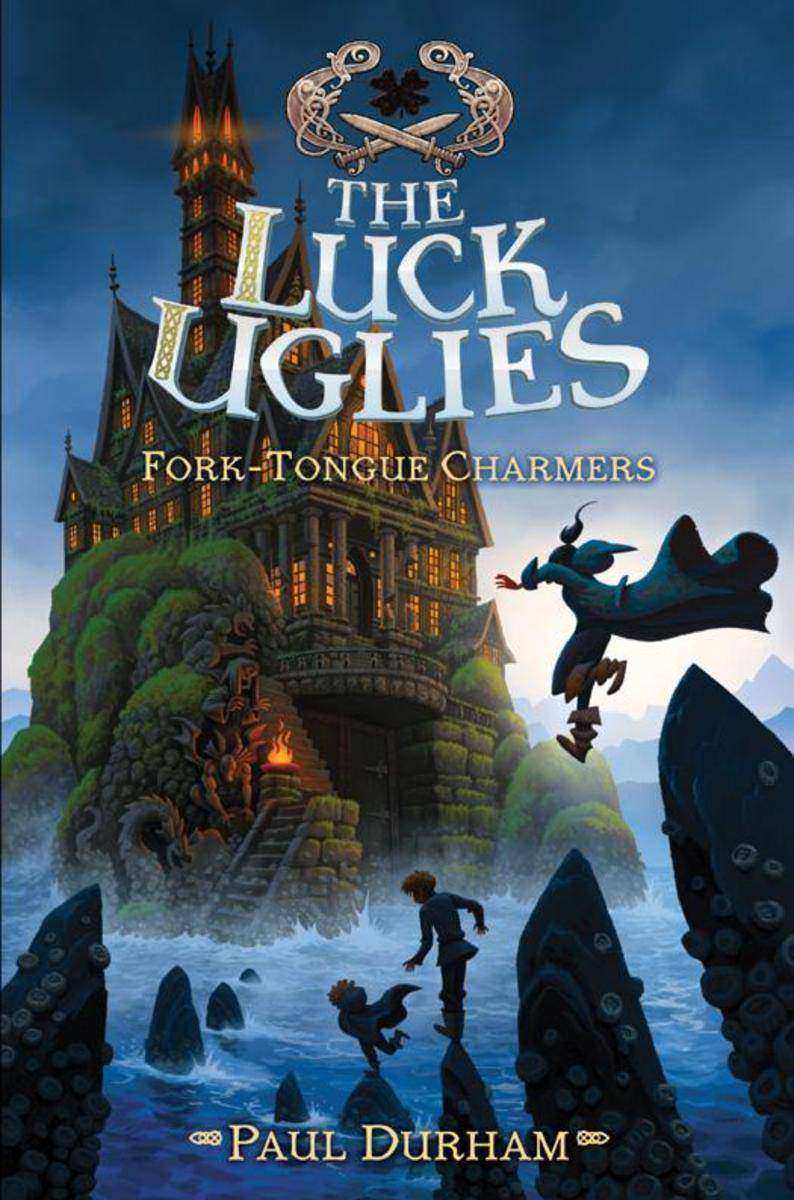
Luck Uglies #2: Fork-Tongue Charmers
¥44.25
The Luck Uglies face their greatest enemies in this thrilling sequel to the critically acclaimed first book in the series, hailed by Kirkus in a starred review as “a sparkling must-read”! The Luck Uglies is a perfect match for fans of Chris Colfer's Land of Stories books and Joseph Delaney's Last Apprentice series. This second installment ratchets up the humor, charm, and adventure, taking the series to brand-new heights!Rye O’Chanter was shocked to discover that her father was the leader of the notorious band of outlaws known as the Luck Uglies. Now she too has been declared a criminal in her own village, and she must flee to the strange and remote Isle of Pest while her father faces off against the Luck Uglies’ bitter rivals, the Fork-Tongue-Charmers, on the mainland.But all bets are off when the battle moves to the shores of Pest. To defeat the Fork-Tongue Charmers, Rye must defy a deranged earl, survive a test meant to judge the grit of the fiercest men, and lead the charge in defending the island against a strangely familiar enemy, which means uncovering some long-buried family secrets….The first Luck Uglies book was named an ALA Notable Children’s Book as well as a New York Public Library Title for Reading and Sharing, and it won the Cybil Award for Middle Grade Speculative Fiction.
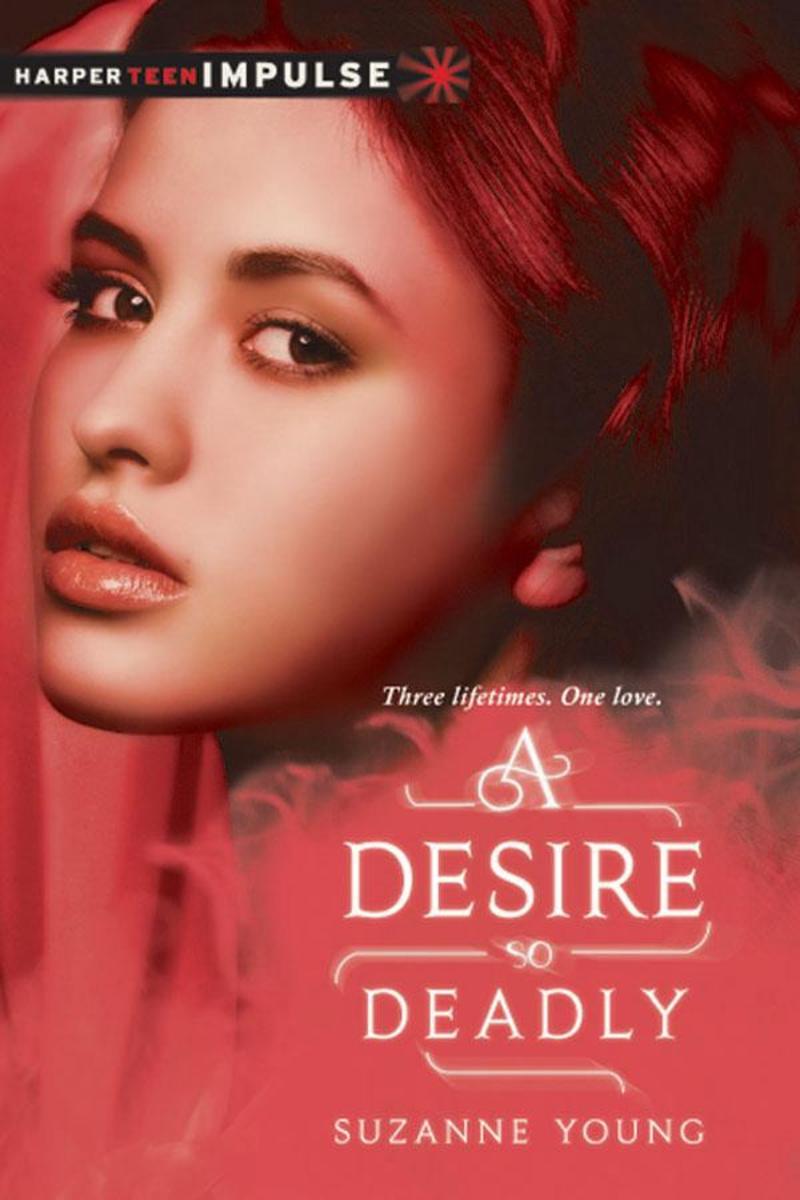
A Desire So Deadly
¥21.73
In this 50-page digital original novella, Suzanne Young extends the dazzling world of A Need So Beautiful and A Want So Wicked.Eighteen-year-old Claire Becks leads a charmed life surrounded by her loving family, great friends, and sexy boyfriend, Ezra. Claire is known for her great advice—and for how easily she puts others at ease. And although she feels occasional bouts of sadness she can't quite place, she is otherwise happy.Then one day a mysterious stranger walks into her family's bakery. Claire immediately senses something about Harlin—something tortured and dark. Even after he leaves, she can't stop thinking about him, inexplicably feeling like there is unfinished business between them.When Lucy, the new girl in town, starts to draw Claire into her world of darkness, Harlin realizes who Claire really is. But Claire will have to realize it too if she hopes to escape the fate of the Shadows.Epic Reads Impulse is a digital imprint with new releases each month.

Stuart Little
¥44.73
Now available for the first time as an ebook! Illustrations in this ebook appear in vibrant full color on a full-color device and in rich black-and-white on all other devices.This beloved book by E. B. White, author of Charlotte's Web and The Trumpet of the Swan, is a classic of children's literature that features a very small mouse on a very big adventure. Stuart Little is no ordinary mouse. Born to a family of humans, he lives in New York City with his family. But when Stuart's best friend goes missing, he's determined to leave home and take an epic journey to find his friend.E. B. White's classic book is a tender novel of friendship, family, and adventure that will continue to be enjoyed by generations to come. It contains beautiful illustrations by Garth Williams, the acclaimed illustrator of E. B. White's Charlotte's Web and Laura Ingalls Wilder's Little House series, among many other books. Correlates to the Common Core State Standards in English Language Arts
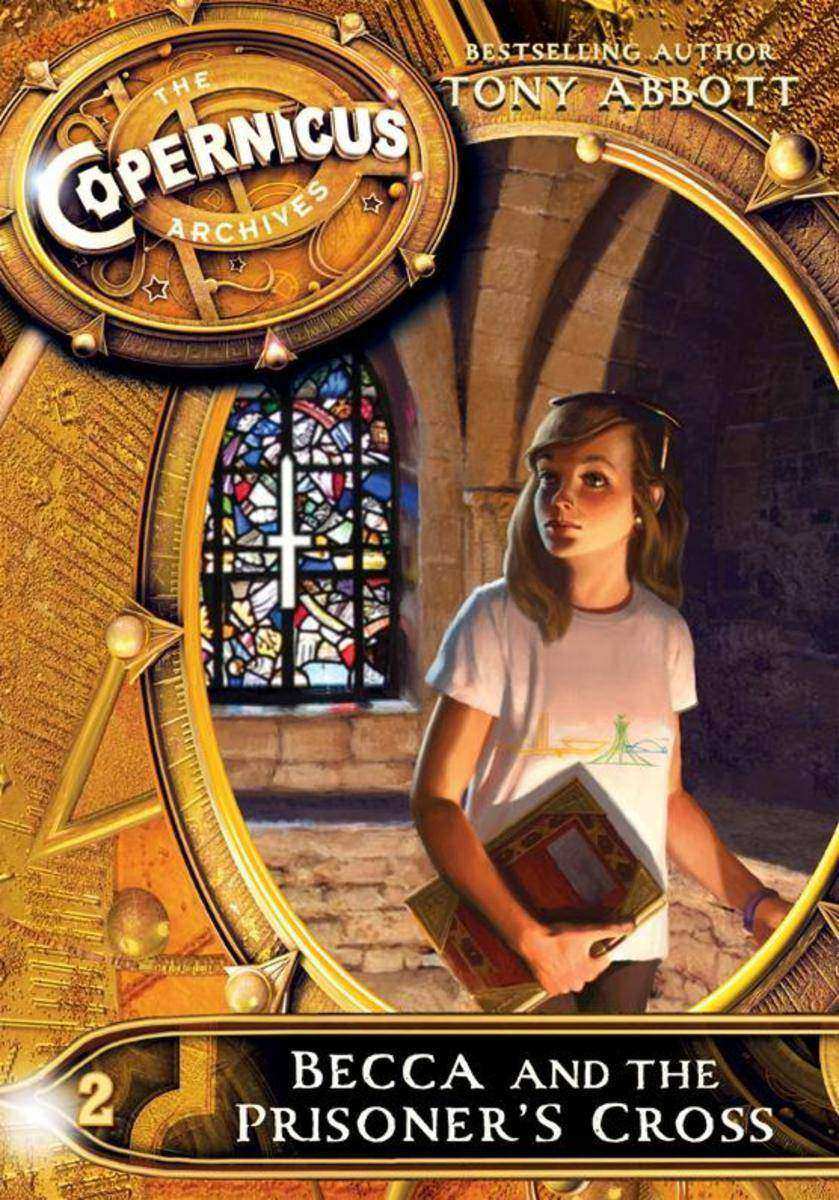
The Copernicus Archives #2: Becca and the Prisoner's Cross
¥22.33
Travel deeper into the mysterious world of the Copernicus Legacy with the Copernicus Archives: exciting, fast-paced novellas that get you close to the characters and the heart of the adventure.The Copernicus Archives #2: Becca and the Prisoner's Cross is studious language expert Becca's thrilling first-person account of the next stop in the Kaplans' perilous journey. As Becca and her family race through London, it's up to Becca to make sense of the strange time blackouts she's experiencing before the evil Teutonic Order beats them to the next relic. Or worse, hurts the people she loves.Perfect for fans of Rick Riordan and Ridley Pearson, Becca and the Prisoner's Cross continues the thrilling Copernicus Legacy quest and brings one of the characters into the spotlight.Correlates to the Common Core State Standards in English Language Arts


