


 购物车
购物车 个人中心
个人中心

Golden Steps to Respectability, Usefulness, and Happiness
¥8.09
Golden Steps to Respectability, Usefulness, and Happiness
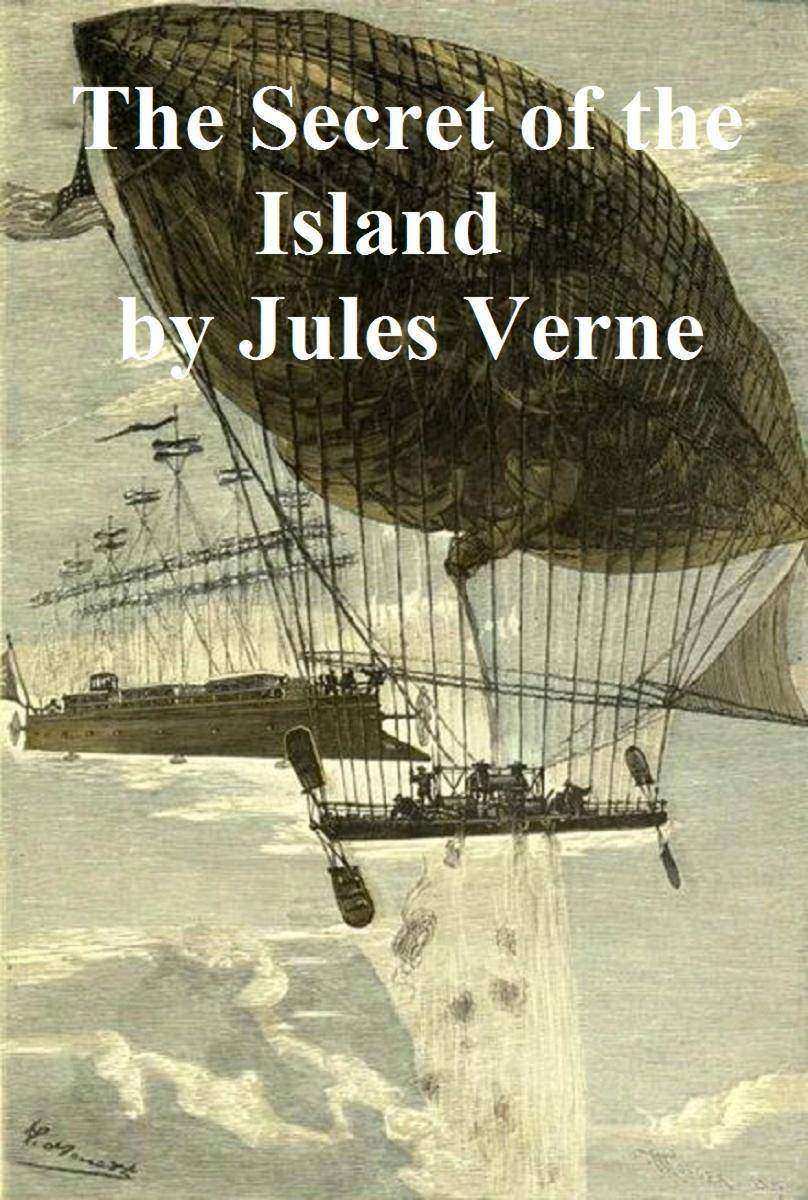
The Secret of the Island
¥8.09
The Secret of the Island
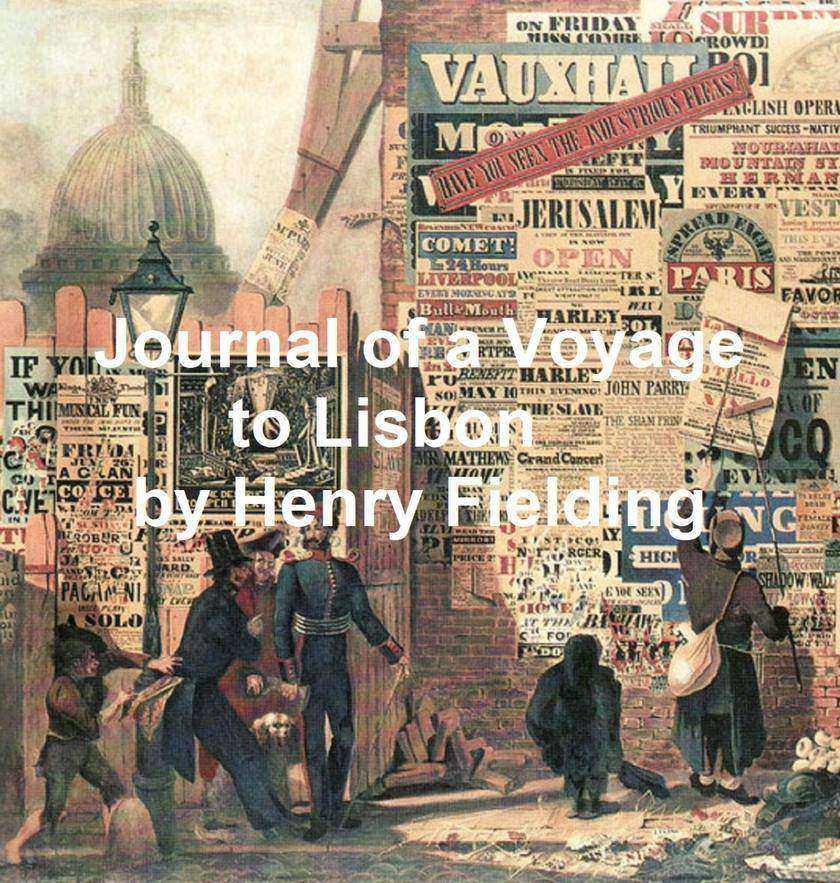
The Journal of a Voyage to Lisbon
¥8.09
The Journal of a Voyage to Lisbon
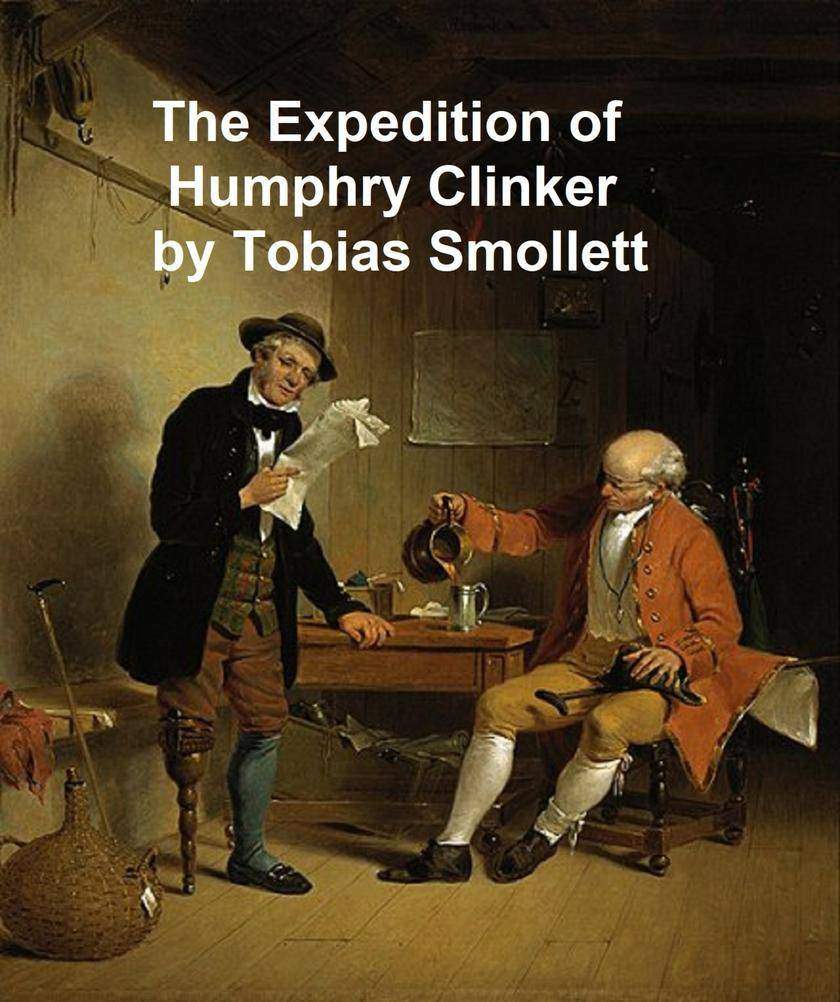
The Expedition of Humphry Clinker
¥8.09
The Expedition of Humphry Clinker
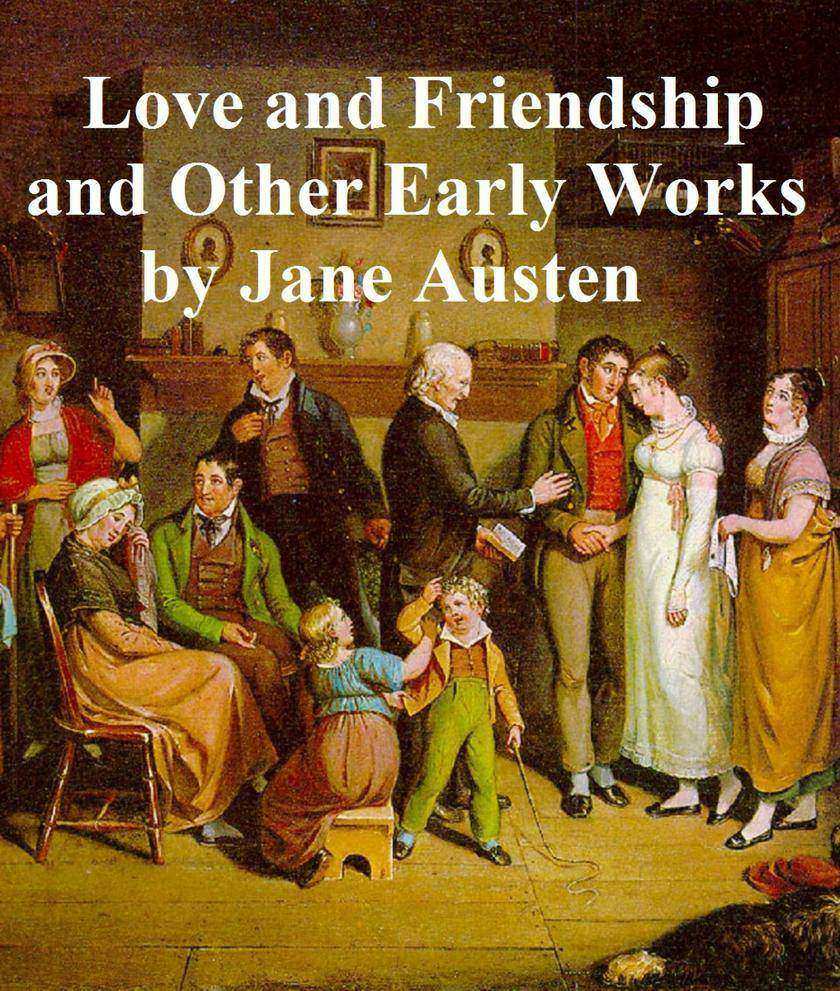
Love and Friendship and Other Early Works
¥8.09
Love and Friendship and Other Early Works
Essays Upon Projects
¥8.09
Essays Upon Projects
Short Stories: 1896-1922
¥8.09
Short Stories: 1896-1922
Characters of Shakespeare's Plays
¥8.09
Characters of Shakespeare's Plays
Early Life of Abraham Lincoln
¥8.09
Early Life of Abraham Lincoln

Professor Winn’s 15 Habits of Highly Successful TOEFL iBT? Candidates
¥8.09
Professor Winn’s 15 Habits of Highly Successful TOEFL iBT? Candidates
The Millionaire Baby
¥8.09
The Millionaire Baby
Nightmares of Winter Dreaming
¥8.09
Nightmares of Winter Dreaming
The Duel and Other Stories
¥8.09
The Duel and Other Stories
Red Pepper Patients, with an account of Anne Linton's case in particular
¥8.09
Red Pepper Patients, with an account of Anne Linton's case in particular

Story of the War in South Africa 1899-1900
¥8.09
Classic work of history. According to Wikipedia: "Alfred Thayer Mahan (September 27, 1840 - December 1, 1914) was a United States Navy officer, geostrategist, and educator. His ideas on the importance of sea power influenced navies around the world, and helped prompt naval buildups before World War I. Several ships were named USS Mahan, including the lead vessel of a class of destroyers. His research into naval History led to his most important work, The Influence of Seapower Upon History,1660-1783, published in 1890."
Sixes and Sevens
¥8.09
According to Wikipedia: "O. Henry was the pen name of American writer William Sydney Porter (September 11, 1862 – June 5, 1910). O. Henry short stories are known for wit, wordplay, warm characterization and clever twist endings…. Most of O. Henry's stories are set in his own time, the early years of the 20th century. Many take place in New York City, and deal for the most part with ordinary people: clerks, policemen, waitresses. Fundamentally a product of his time, O. Henry's work provides one of the best English examples of catching the entire flavor of an age. Whether roaming the cattle-lands of Texas, exploring the art of the "gentle grafter," or investigating the tensions of class and wealth in turn-of-the-century New York, O. Henry had an inimitable hand for isolating some element of society and describing it with an incredible economy and grace of language. Some of his best and least-known work resides in the collection Cabbages and Kings, a series of stories which each explore some individual aspect of life in a paralytically sleepy Central American town while each advancing some aspect of the larger plot and relating back one to another in a complex structure which slowly explicates its own background even as it painstakingly erects a town which is one of the most detailed literary creations of the period. The Four Million is another collection of stories. It opens with a reference to Ward McAllister's "assertion that there were only 'Four Hundred' people in New York City who were really worth noticing. But a wiser man has arisen—the census taker—and his larger estimate of human interest has been preferred in marking out the field of these little stories of the 'Four Million.'" To O. Henry, everyone in New York counted. He had an obvious affection for the city, which he called "Bagdad-on-the-Subway,"
The Yellow Fairy Book
¥8.09
Collection of classic fairy tales. According to Wikipedia: "Andrew Lang (March 31, 1844, Selkirk ? July 20, 1912, Banchory, Kincardineshire) was a prolific Scots man of letters. He was a poet, novelist, and literary critic, and contributor to anthropology. He now is best known as the collector of folk and fairy tales." With the active (hyperlinked) table of contents, click on a story title to go to that story.

The Crimson Fairy Book
¥8.09
Collection of classic fairy tales. According to Wikipedia: "Andrew Lang (March 31, 1844, Selkirk July 20, 1912, Banchory, Kincardineshire) was a prolific Scots man of letters. He was a poet, novelist, and literary critic, and contributor to anthropology. He now is best known as the collector of folk and fairy tales." With the active (hyperlinked) table of contents, click on a story title to go to that story.
The Trimmed Lamp and Other Stories of the Four Million
¥8.09
According to Wikipedia: "O. Henry was the pen name of American writer William Sydney Porter (September 11, 1862 – June 5, 1910). O. Henry short stories are known for wit, wordplay, warm characterization and clever twist endings…. Most of O. Henry's stories are set in his own time, the early years of the 20th century. Many take place in New York City, and deal for the most part with ordinary people: clerks, policemen, waitresses. Fundamentally a product of his time, O. Henry's work provides one of the best English examples of catching the entire flavor of an age. Whether roaming the cattle-lands of Texas, exploring the art of the "gentle grafter," or investigating the tensions of class and wealth in turn-of-the-century New York, O. Henry had an inimitable hand for isolating some element of society and describing it with an incredible economy and grace of language. Some of his best and least-known work resides in the collection Cabbages and Kings, a series of stories which each explore some individual aspect of life in a paralytically sleepy Central American town while each advancing some aspect of the larger plot and relating back one to another in a complex structure which slowly explicates its own background even as it painstakingly erects a town which is one of the most detailed literary creations of the period. The Four Million is another collection of stories. It opens with a reference to Ward McAllister's "assertion that there were only 'Four Hundred' people in New York City who were really worth noticing. But a wiser man has arisen—the census taker—and his larger estimate of human interest has been preferred in marking out the field of these little stories of the 'Four Million.'" To O. Henry, everyone in New York counted. He had an obvious affection for the city, which he called "Bagdad-on-the-Subway,"

The Finer Grain
¥8.09
Collection of classic Henry James long stories, including The Velvet Glove, Mora Montravers, A Round of Visits, Crapy Cornelia, and The Bench of Desolation. According to Wikipedia: "Henry James, (1843 – 1916), son of theologian Henry James Sr., brother of the philosopher and psychologist William James and diarist Alice James, was an American-born British author. He is one of the key figures of 19th century literary realism; the fine art of his writing has led many academics to consider him the greatest master of the novel and novella form. He spent much of his life in England and became a British subject shortly before his death. He is primarily known for a series of major novels in which he portrayed the encounter of America with Europe. His plots centered on personal relationships, the proper exercise of power in such relationships, and other moral questions. His method of writing from the point of view of a character within a tale allowed him to explore the phenomena of consciousness and perception, and his style in later works has been compared to impressionist painting."
Waifs and Strays
¥8.09
According to Wikipedia: "O. Henry was the pen name of American writer William Sydney Porter (September 11, 1862 – June 5, 1910). O. Henry short stories are known for wit, wordplay, warm characterization and clever twist endings…. Most of O. Henry's stories are set in his own time, the early years of the 20th century. Many take place in New York City, and deal for the most part with ordinary people: clerks, policemen, waitresses. Fundamentally a product of his time, O. Henry's work provides one of the best English examples of catching the entire flavor of an age. Whether roaming the cattle-lands of Texas, exploring the art of the "gentle grafter," or investigating the tensions of class and wealth in turn-of-the-century New York, O. Henry had an inimitable hand for isolating some element of society and describing it with an incredible economy and grace of language. Some of his best and least-known work resides in the collection Cabbages and Kings, a series of stories which each explore some individual aspect of life in a paralytically sleepy Central American town while each advancing some aspect of the larger plot and relating back one to another in a complex structure which slowly explicates its own background even as it painstakingly erects a town which is one of the most detailed literary creations of the period. The Four Million is another collection of stories. It opens with a reference to Ward McAllister's "assertion that there were only 'Four Hundred' people in New York City who were really worth noticing. But a wiser man has arisen—the census taker—and his larger estimate of human interest has been preferred in marking out the field of these little stories of the 'Four Million.'" To O. Henry, everyone in New York counted. He had an obvious affection for the city, which he called "Bagdad-on-the-Subway,"


