


 购物车
购物车 个人中心
个人中心
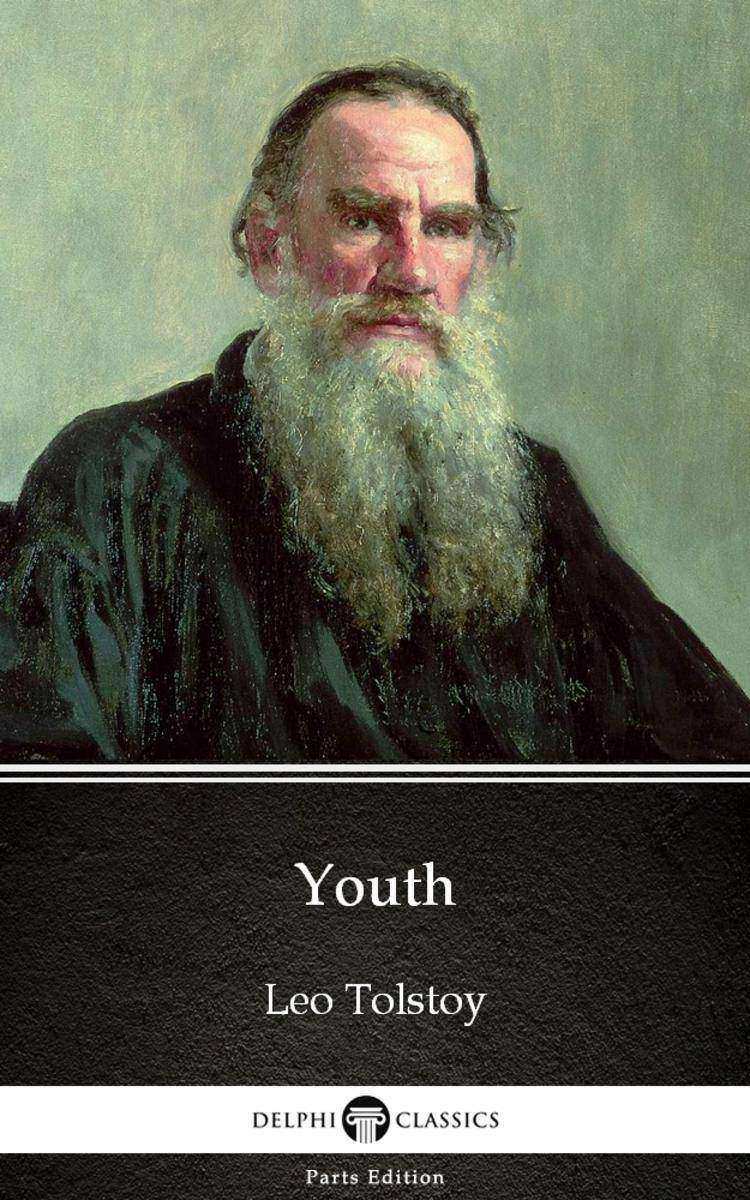
Youth by Leo Tolstoy (Illustrated)
¥8.09
This eBook features the unabridged text of ‘Youth’ from the bestselling edition of ‘The Complete Works of Leo Tolstoy’. Having established their name as the leading publisher of classic literature and art, Delphi Classics produce publications that are individually crafted with superior formatting, while introducing many rare texts for the first time in digital print. The Delphi Classics edition of Tolstoy includes original annotations and illustrations relating to the life and works of the author, as well as individual tables of contents, allowing you to navigate eBooks quickly and easily.eBook features:* The complete unabridged text of ‘Youth’* Beautifully illustrated with images related to Tolstoy’s works* Individual contents table, allowing easy navigation around the eBook* Excellent formatting of the textPlease visit www.delphiclassics.com to learn more about our wide range of titles

War and Peace by Leo Tolstoy (Illustrated)
¥8.09
This eBook features the unabridged text of ‘War and Peace’ from the bestselling edition of ‘The Complete Works of Leo Tolstoy’. Having established their name as the leading publisher of classic literature and art, Delphi Classics produce publications that are individually crafted with superior formatting, while introducing many rare texts for the first time in digital print. The Delphi Classics edition of Tolstoy includes original annotations and illustrations relating to the life and works of the author, as well as individual tables of contents, allowing you to navigate eBooks quickly and easily.eBook features:* The complete unabridged text of ‘War and Peace’* Beautifully illustrated with images related to Tolstoy’s works* Individual contents table, allowing easy navigation around the eBook* Excellent formatting of the textPlease visit www.delphiclassics.com to learn more about our wide range of titles
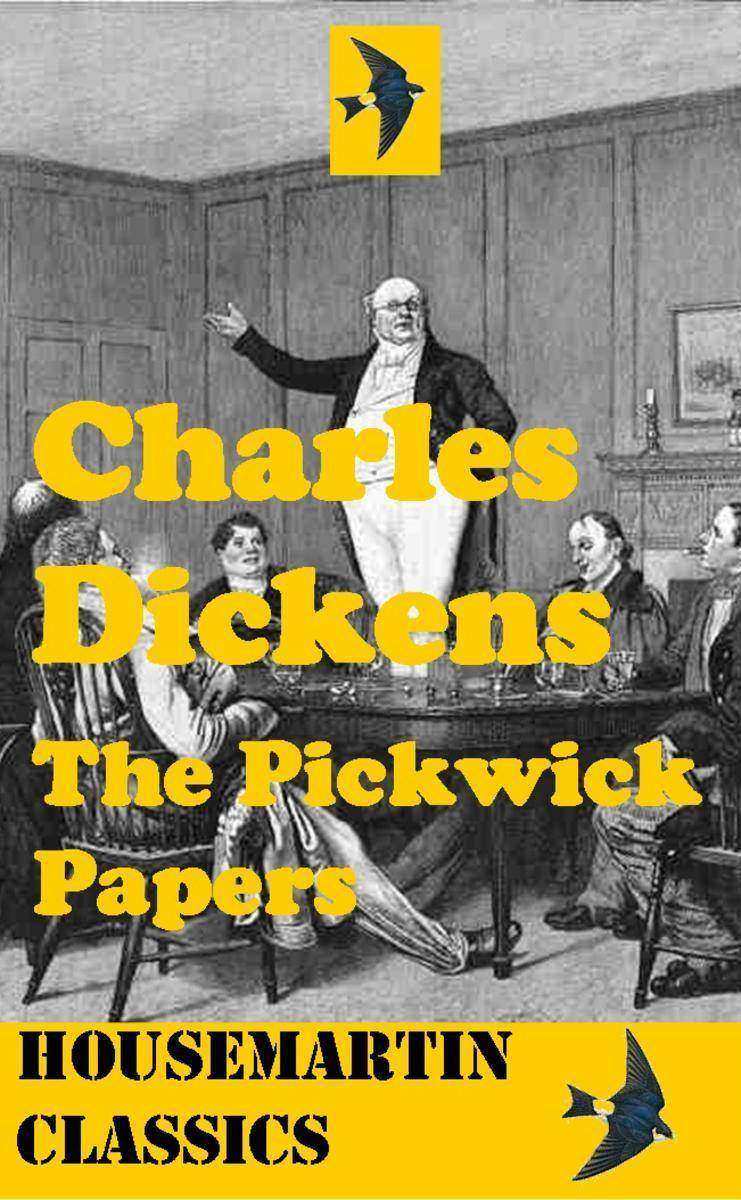
The Pickwick Papers
¥8.09
This Housemartin Classics edition includes the full original text as well as exclusive images exclusive to this edition and an easy to use interactive table of contents.
The Rainbow
¥8.09
This Housemartin Classics edition includes the full original text as well as an easy to use interactive table of contents.
Little Women
¥8.09
This Tribeca Press edition includes the full original text as well as exclusive images exclusive to this edition and an easy to use interactive table of contents.
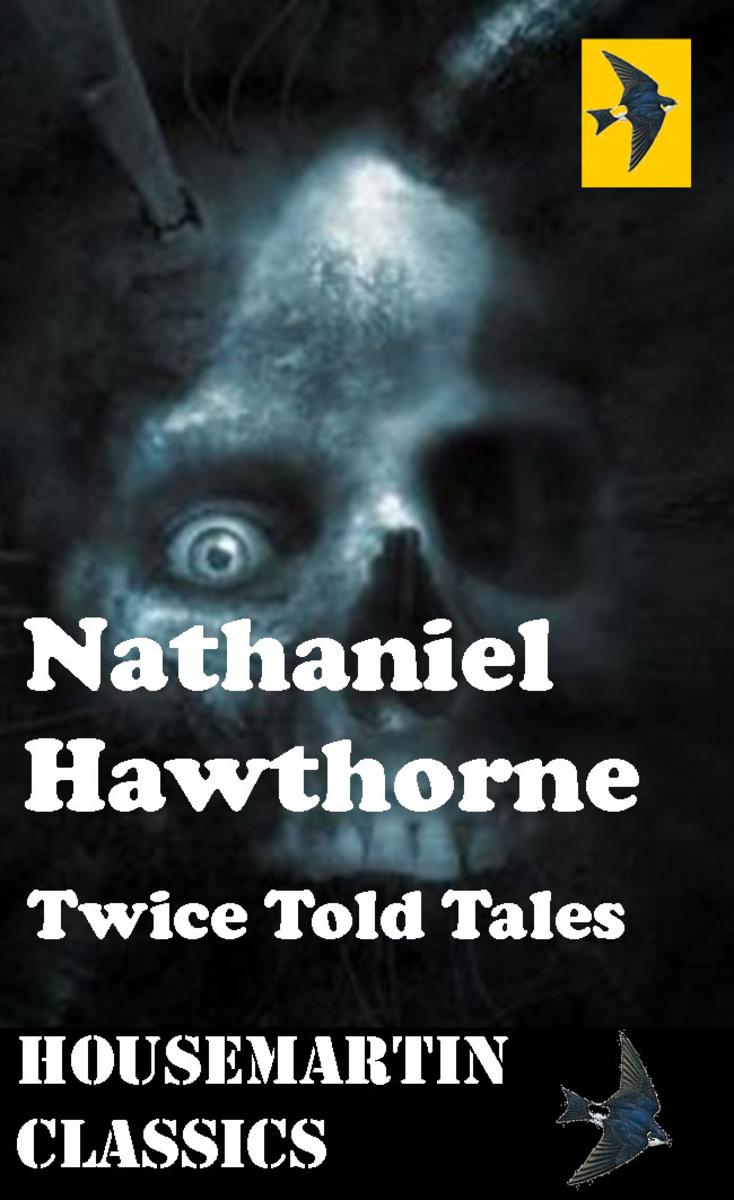
Twice Told Tales
¥8.09
This Housemartin Classics edition includes the full original text as well as an easy to use interactive table of contents.
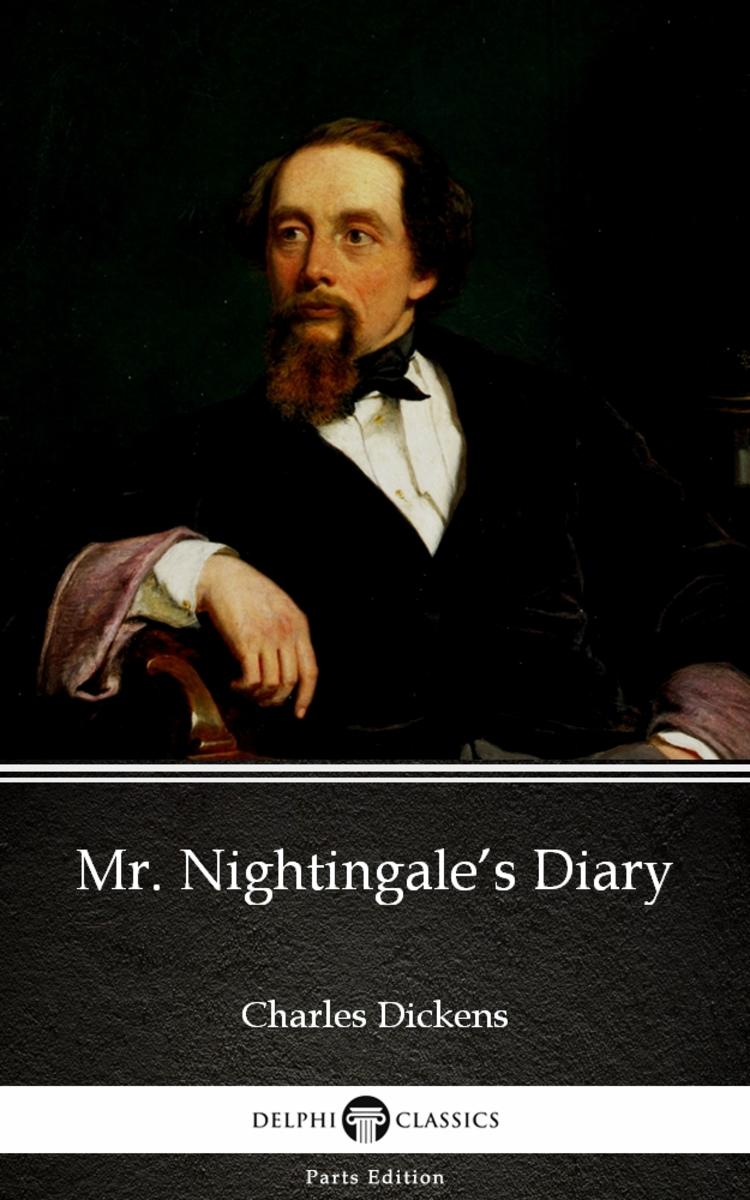
Mr. Nightingale’s Diary by Charles Dickens (Illustrated)
¥8.09
This eBook features the unabridged text of ‘Mr. Nightingale’s Diary’ from the bestselling edition of ‘The Complete Works of Charles Dickens’. Having established their name as the leading publisher of classic literature and art, Delphi Classics produce publications that are individually crafted with superior formatting, while introducing many rare texts for the first time in digital print. The Delphi Classics edition of Dickens includes original annotations and illustrations relating to the life and works of the author, as well as individual tables of contents, allowing you to navigate eBooks quickly and easily.eBook features:* The complete unabridged text of ‘Mr. Nightingale’s Diary’* Beautifully illustrated with images related to Dickens’s works* Individual contents table, allowing easy navigation around the eBook* Excellent formatting of the textPlease visit www.delphiclassics.com to learn more about our wide range of titles

The Frozen Deep by Charles Dickens (Illustrated)
¥8.09
This eBook features the unabridged text of ‘The Frozen Deep’ from the bestselling edition of ‘The Complete Works of Charles Dickens’. Having established their name as the leading publisher of classic literature and art, Delphi Classics produce publications that are individually crafted with superior formatting, while introducing many rare texts for the first time in digital print. The Delphi Classics edition of Dickens includes original annotations and illustrations relating to the life and works of the author, as well as individual tables of contents, allowing you to navigate eBooks quickly and easily.eBook features:* The complete unabridged text of ‘The Frozen Deep’* Beautifully illustrated with images related to Dickens’s works* Individual contents table, allowing easy navigation around the eBook* Excellent formatting of the textPlease visit www.delphiclassics.com to learn more about our wide range of titles
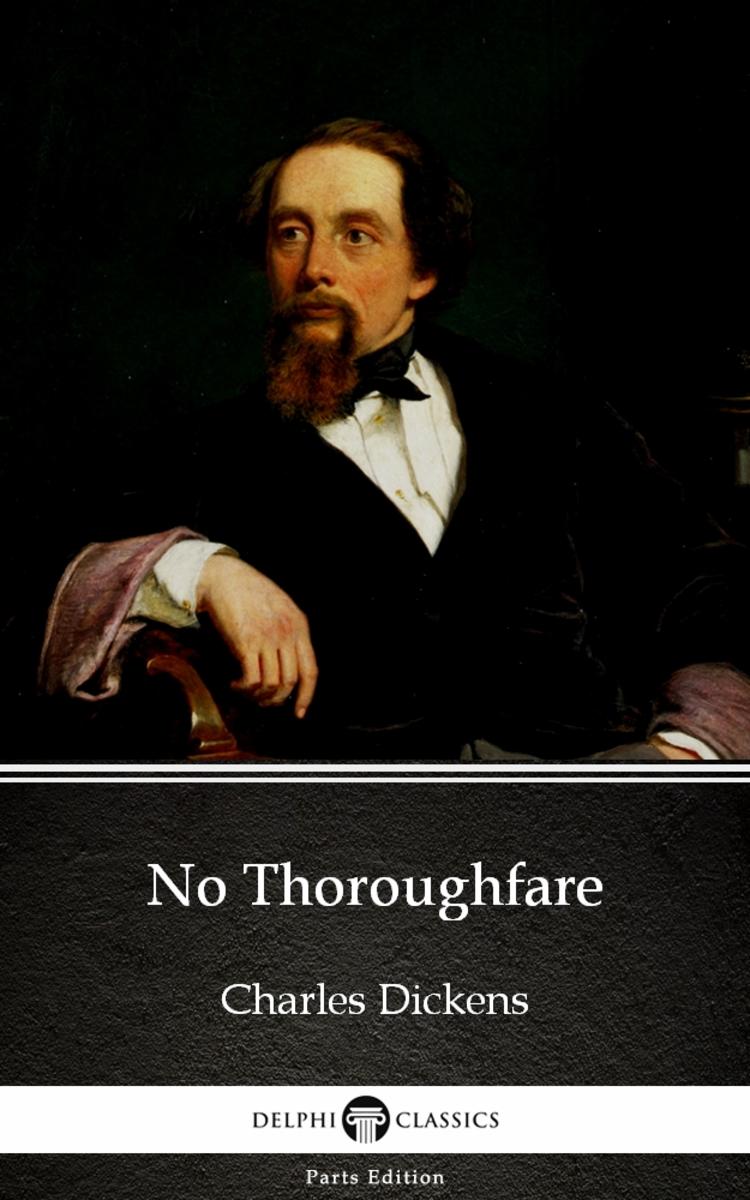
No Thoroughfare by Charles Dickens (Illustrated)
¥8.09
This eBook features the unabridged text of ‘No Thoroughfare’ from the bestselling edition of ‘The Complete Works of Charles Dickens’. Having established their name as the leading publisher of classic literature and art, Delphi Classics produce publications that are individually crafted with superior formatting, while introducing many rare texts for the first time in digital print. The Delphi Classics edition of Dickens includes original annotations and illustrations relating to the life and works of the author, as well as individual tables of contents, allowing you to navigate eBooks quickly and easily.eBook features:* The complete unabridged text of ‘No Thoroughfare’* Beautifully illustrated with images related to Dickens’s works* Individual contents table, allowing easy navigation around the eBook* Excellent formatting of the textPlease visit www.delphiclassics.com to learn more about our wide range of titles

Pictures from Italy by Charles Dickens (Illustrated)
¥8.09
This eBook features the unabridged text of ‘Pictures from Italy’ from the bestselling edition of ‘The Complete Works of Charles Dickens’. Having established their name as the leading publisher of classic literature and art, Delphi Classics produce publications that are individually crafted with superior formatting, while introducing many rare texts for the first time in digital print. The Delphi Classics edition of Dickens includes original annotations and illustrations relating to the life and works of the author, as well as individual tables of contents, allowing you to navigate eBooks quickly and easily.eBook features:* The complete unabridged text of ‘Pictures from Italy’* Beautifully illustrated with images related to Dickens’s works* Individual contents table, allowing easy navigation around the eBook* Excellent formatting of the textPlease visit www.delphiclassics.com to learn more about our wide range of titles

The Legend of Sleepy Hollow
¥8.09
This Tribeca Press edition includes the full original text as well as an easy to use interactive table of contents.
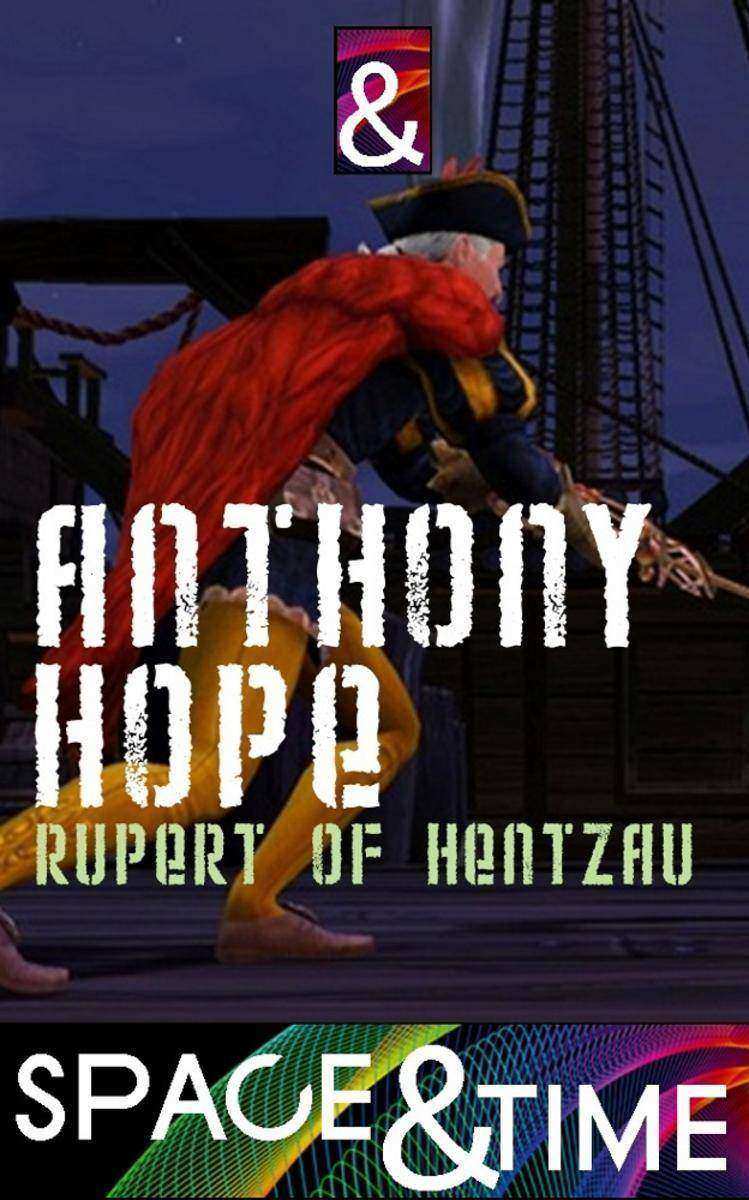
Rupert of Hentzau
¥8.09
Space and Time are pleased to bring you Anthony Hopes Rupert of Hentzau. This classic is presented as a wonderfully presented edition with a fully interactive table of contents.
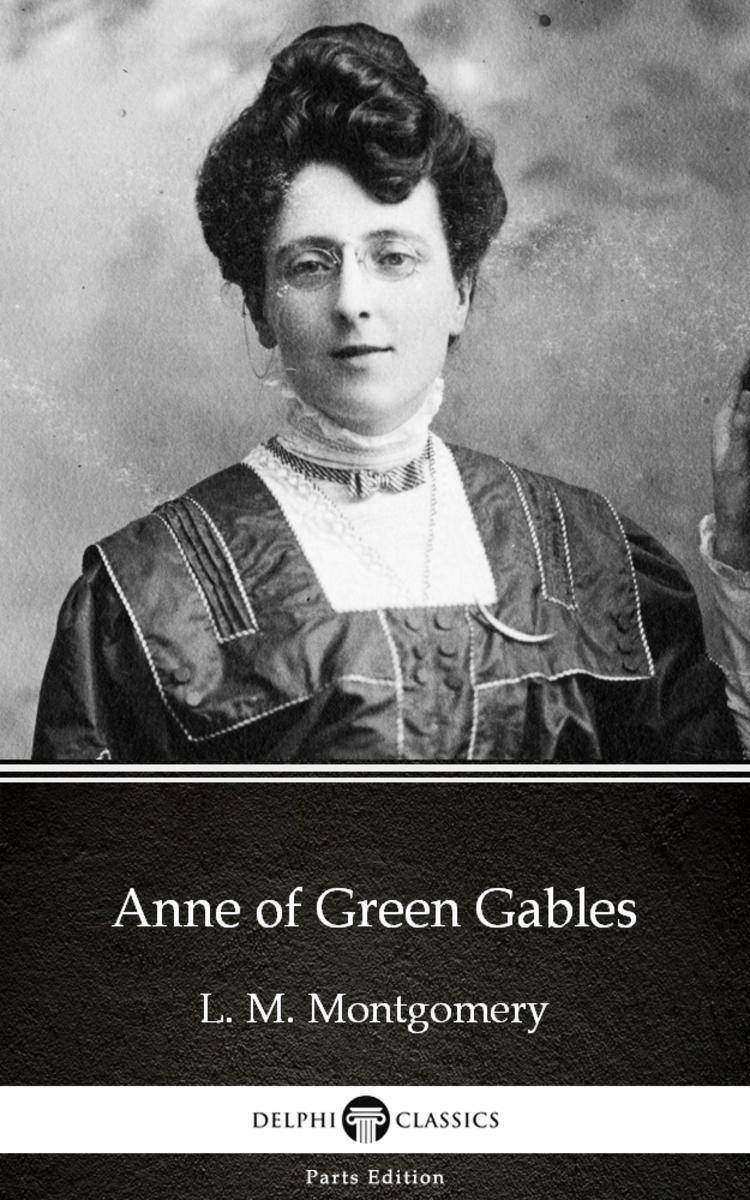
Anne of Green Gables by L. M. Montgomery (Illustrated)
¥8.09
This eBook features the unabridged text of ‘Anne of Green Gables’ from the bestselling edition of ‘The Complete Works of L. M. Montgomery’. Having established their name as the leading publisher of classic literature and art, Delphi Classics produce publications that are individually crafted with superior formatting, while introducing many rare texts for the first time in digital print. The Delphi Classics edition of Montgomery includes original annotations and illustrations relating to the life and works of the author, as well as individual tables of contents, allowing you to navigate eBooks quickly and easily. eBook features:* The complete unabridged text of ‘Anne of Green Gables’* Beautifully illustrated with images related to Montgomery’s works* Individual contents table, allowing easy navigation around the eBook* Excellent formatting of the textPlease visit www.delphiclassics.com to learn more about our wide range of titles
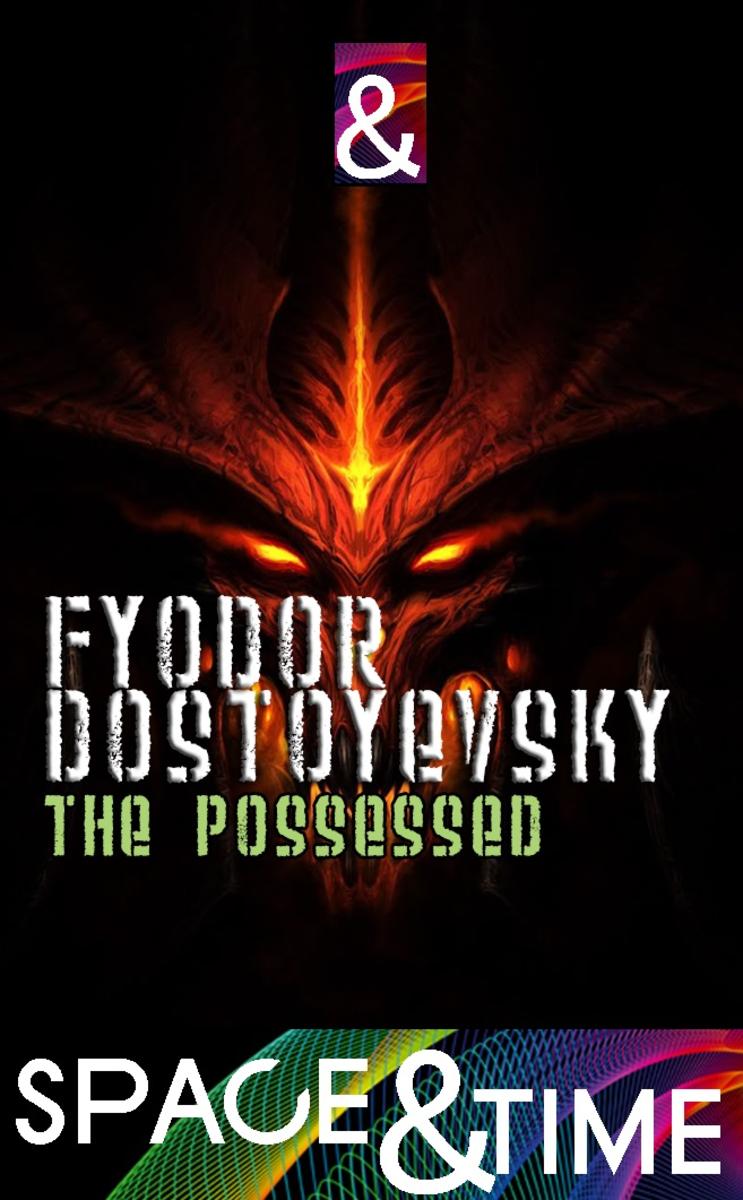
The Possessed
¥8.09
Space and Time are pleased to bring you The Possessed By Fyodor Dostoevsky. This classic is presented as a wonderfully presented edition with a fully interactive table of contents.
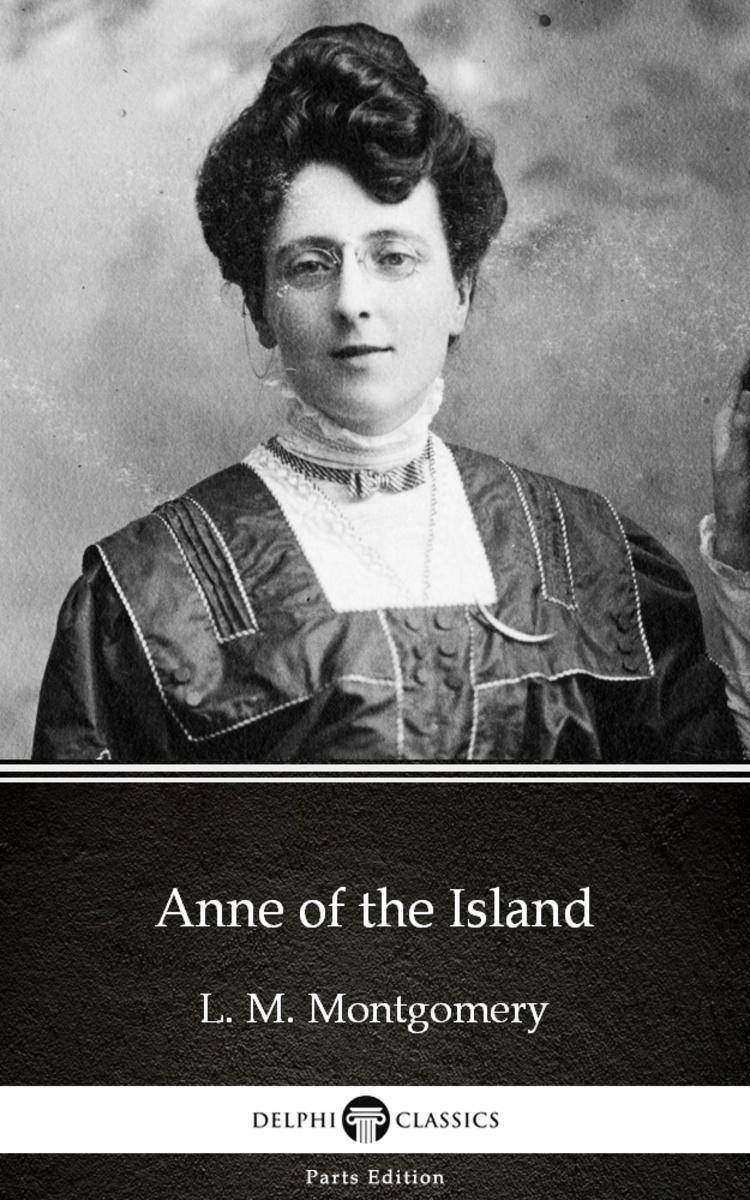
Anne of the Island by L. M. Montgomery (Illustrated)
¥8.09
This eBook features the unabridged text of ‘Anne of the Island’ from the bestselling edition of ‘The Complete Works of L. M. Montgomery’. Having established their name as the leading publisher of classic literature and art, Delphi Classics produce publications that are individually crafted with superior formatting, while introducing many rare texts for the first time in digital print. The Delphi Classics edition of Montgomery includes original annotations and illustrations relating to the life and works of the author, as well as individual tables of contents, allowing you to navigate eBooks quickly and easily. eBook features:* The complete unabridged text of ‘Anne of the Island’* Beautifully illustrated with images related to Montgomery’s works* Individual contents table, allowing easy navigation around the eBook* Excellent formatting of the textPlease visit www.delphiclassics.com to learn more about our wide range of titles
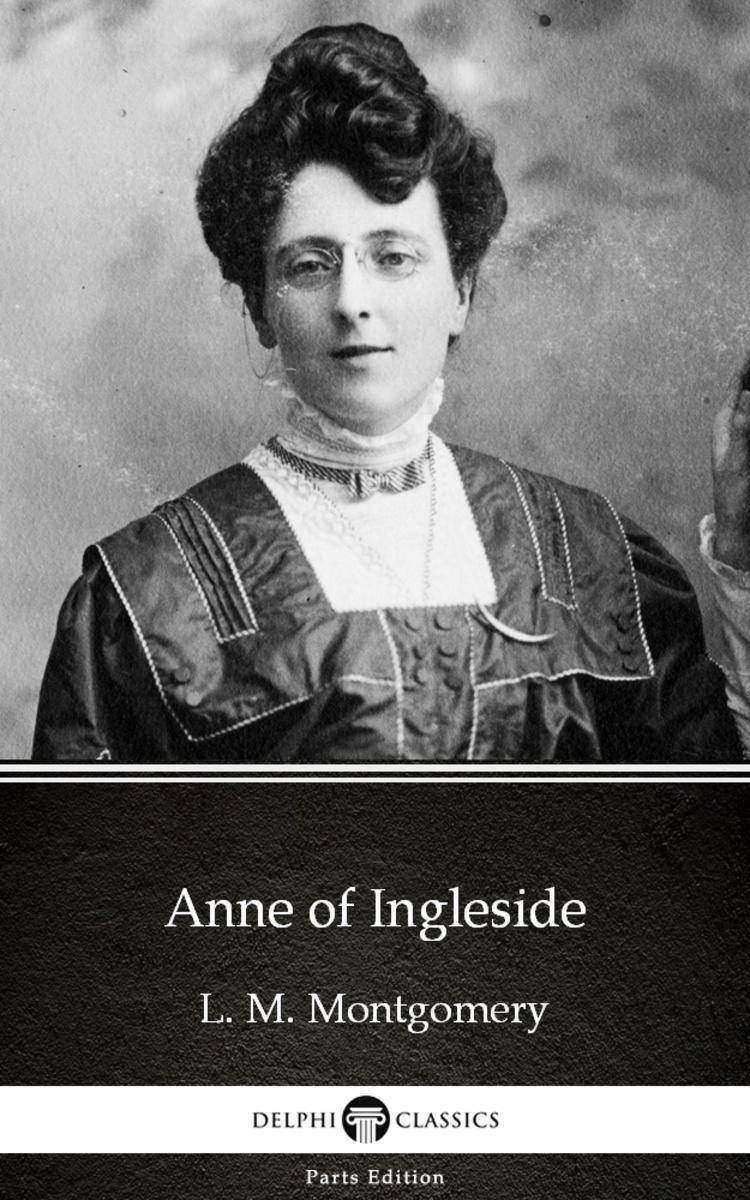
Anne of Ingleside by L. M. Montgomery (Illustrated)
¥8.09
This eBook features the unabridged text of ‘Anne of Ingleside’ from the bestselling edition of ‘The Complete Works of L. M. Montgomery’. Having established their name as the leading publisher of classic literature and art, Delphi Classics produce publications that are individually crafted with superior formatting, while introducing many rare texts for the first time in digital print. The Delphi Classics edition of Montgomery includes original annotations and illustrations relating to the life and works of the author, as well as individual tables of contents, allowing you to navigate eBooks quickly and easily.eBook features:* The complete unabridged text of ‘Anne of Ingleside’* Beautifully illustrated with images related to Montgomery’s works* Individual contents table, allowing easy navigation around the eBook* Excellent formatting of the textPlease visit www.delphiclassics.com to learn more about our wide range of titles
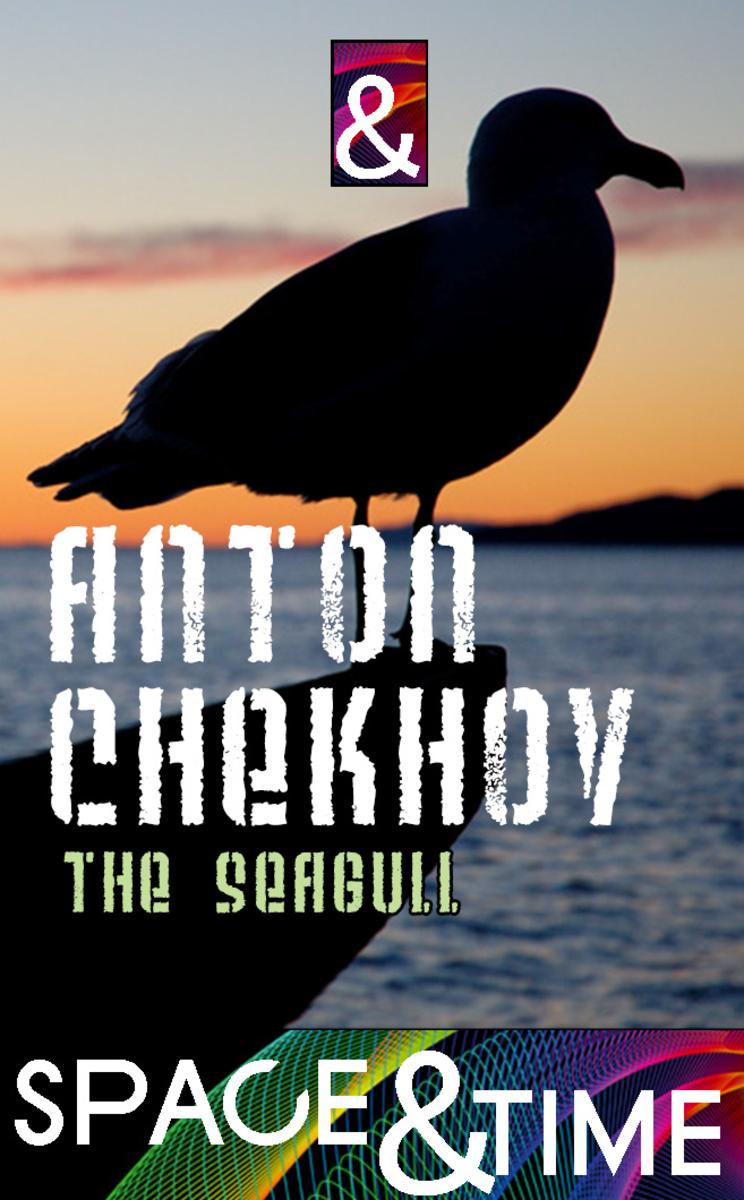
The Seagull
¥8.09
Space and Time are pleased to bring you The Seagull by Anton Checkov. This classic is presented as a wonderfully presented edition with a fully interactive table of contents.
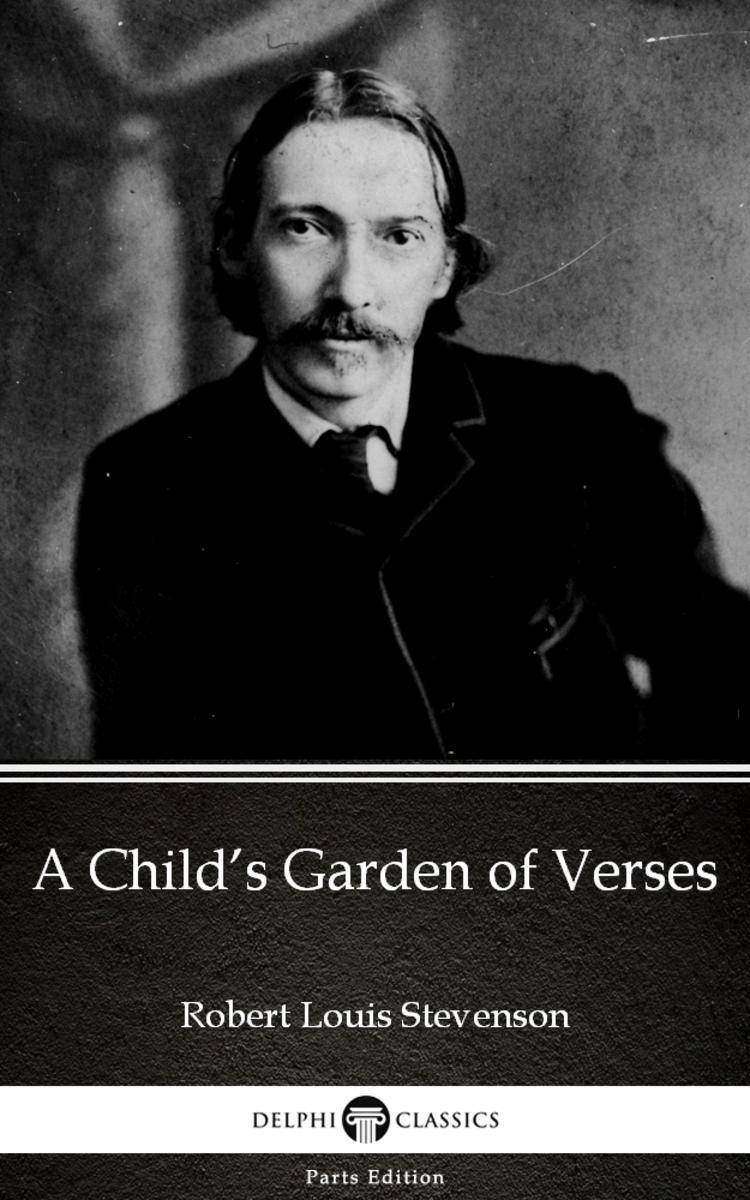
A Child’s Garden of Verses by Robert Louis Stevenson (Illustrated)
¥8.09
This eBook features the unabridged text of ‘A Child’s Garden of Verses’ from the bestselling edition of ‘The Complete Works of Robert Louis Stevenson’. Having established their name as the leading publisher of classic literature and art, Delphi Classics produce publications that are individually crafted with superior formatting, while introducing many rare texts for the first time in digital print. The Delphi Classics edition of Stevenson includes original annotations and illustrations relating to the life and works of the author, as well as individual tables of contents, allowing you to navigate eBooks quickly and easily.eBook features:* The complete unabridged text of ‘A Child’s Garden of Verses’* Beautifully illustrated with images related to Stevenson’s works* Individual contents table, allowing easy navigation around the eBook* Excellent formatting of the textPlease visit www.delphiclassics.com to learn more about our wide range of titles

The Innocents Abroad by Mark Twain (Illustrated)
¥8.09
This eBook features the unabridged text of ‘The Innocents Abroad’ from the bestselling edition of ‘The Complete Works of Mark Twain’. Having established their name as the leading publisher of classic literature and art, Delphi Classics produce publications that are individually crafted with superior formatting, while introducing many rare texts for the first time in digital print. The Delphi Classics edition of Twain includes original annotations and illustrations relating to the life and works of the author, as well as individual tables of contents, allowing you to navigate eBooks quickly and easily.eBook features:* The complete unabridged text of ‘The Innocents Abroad’* Beautifully illustrated with images related to Twain’s works* Individual contents table, allowing easy navigation around the eBook* Excellent formatting of the textPlease visit www.delphiclassics.com to learn more about our wide range of titles

The Mayor of Casterbridge by Thomas Hardy (Illustrated)
¥8.09
This eBook features the unabridged text of ‘The Mayor of Casterbridge’ from the bestselling edition of ‘The Complete Works of Thomas Hardy’. Having established their name as the leading publisher of classic literature and art, Delphi Classics produce publications that are individually crafted with superior formatting, while introducing many rare texts for the first time in digital print. The Delphi Classics edition of Hardy includes original annotations and illustrations relating to the life and works of the author, as well as individual tables of contents, allowing you to navigate eBooks quickly and easily.eBook features:* The complete unabridged text of ‘The Mayor of Casterbridge’* Beautifully illustrated with images related to Hardy’s works* Individual contents table, allowing easy navigation around the eBook* Excellent formatting of the textPlease visit www.delphiclassics.com to learn more about our wide range of titles

Life’s Little Ironies by Thomas Hardy (Illustrated)
¥8.09
This eBook features the unabridged text of ‘Life’s Little Ironies’ from the bestselling edition of ‘The Complete Works of Thomas Hardy’. Having established their name as the leading publisher of classic literature and art, Delphi Classics produce publications that are individually crafted with superior formatting, while introducing many rare texts for the first time in digital print. The Delphi Classics edition of Hardy includes original annotations and illustrations relating to the life and works of the author, as well as individual tables of contents, allowing you to navigate eBooks quickly and easily.eBook features:* The complete unabridged text of ‘Life’s Little Ironies’* Beautifully illustrated with images related to Hardy’s works* Individual contents table, allowing easy navigation around the eBook* Excellent formatting of the textPlease visit www.delphiclassics.com to learn more about our wide range of titles


