万本电子书0元读

万本电子书0元读

顶部广告

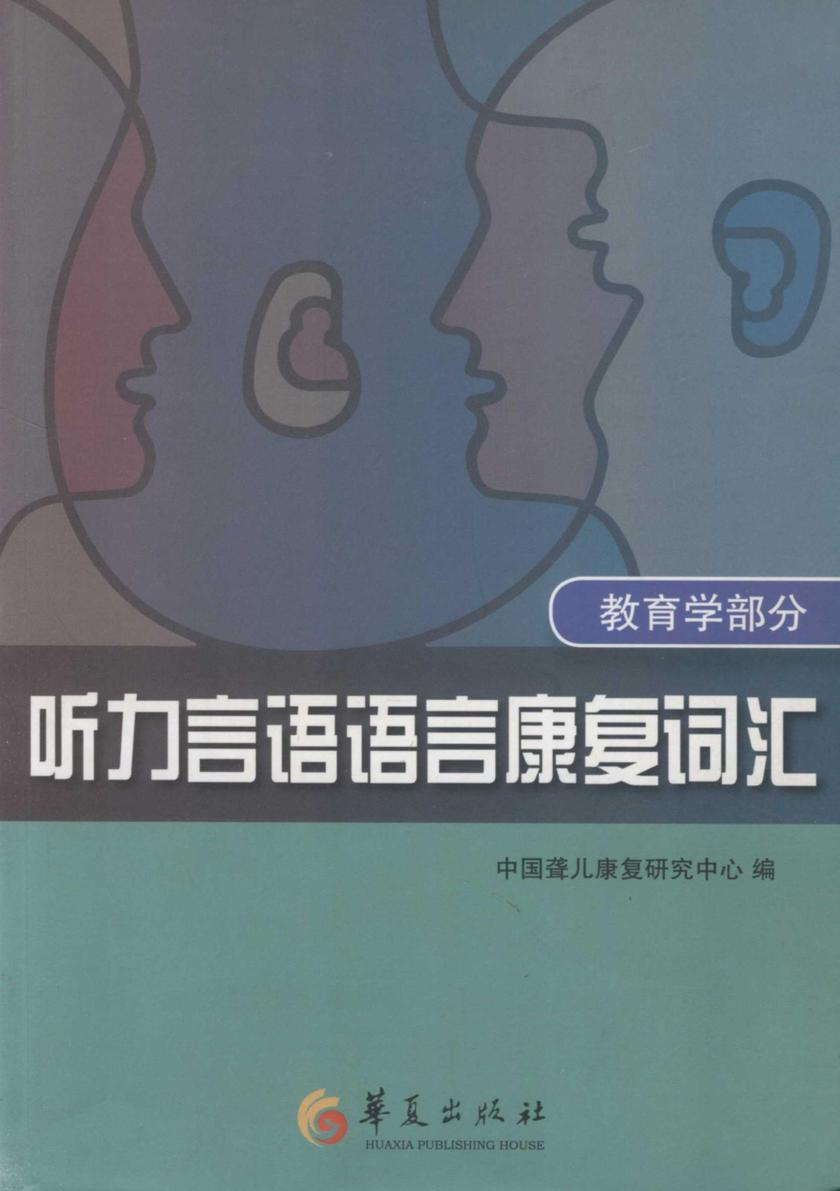
听力言语语言康复词汇——教育学部分电子书

售       价:¥

纸质售价:¥38.60购买纸书

48人正在读 | 1人评论 6.2

作       者:中国聋儿康复研究中心, 编

出  版  社:华夏出版社有限公司

出版时间:2013-01-01

字       数:39.2万

所属分类: 科技 > 医学 > 临床医学/护理学

温馨提示:数字商品不支持退换货,不提供源文件,不支持导出打印

为你推荐

  • 读书简介
  • 目录
  • 累计评论(1条)
  • 读书简介
  • 目录
  • 累计评论(1条)
《听力言语语言康复词汇:教育学部分》主要内容包括:阿普加新生儿评分量表、安全型依恋、巴甫洛夫、巴甫洛夫条件作用实验、白板说、拜瑞-布坦尼卡视觉-动作统整发展测验、半放式辨听、保持、保护性抑制、暴露疗法、爆震性耳聋、贝利婴儿发展量表、备课资料子系统、被动攻者、被动受欺负者等。<br/>
目录展开

版权页

编委会

前言

凡例

A

阿普加新生儿评分量表(Apgar Scale)

安全型依恋(secure attachment)

B

巴甫洛夫(Pavlov)

巴甫洛夫条件作用实验(Pavlovian conditioning experiment)

白板说(theory of tabula rasa)

拜瑞-布坦尼卡视觉-动作统整发展测验(The Berry-Buktenica Developmental Test of Visual-Motor Integration)

半开放式辨听

保持(retention)

保护性抑制(protective inhibition)

暴露疗法(exposure therapy)

爆震性耳聋(explosion deafness)

贝利婴儿发展量表(Bayley Scales of Infant Development)

备课资料子系统(semi-system of the preparing material)

被动攻击者(reactive aggressor)

被动受欺负者(passive victim)

被试(subject)

被试间设计(between-subjects design)

被试内设计(within-subjects design)

本能(instinct)

本能反射(instinct reflection)

本体感觉(proprioceptive sensation)

本体知觉反馈(proprioceptive feedback)

本我(Id)

本族语言(native language)

鼻咽腔闭锁不全(nasopharyngeal regurgitation)

鼻音(nasal)

鼻音化构音(nasality dysarthria)

鼻音缺失(closure of nasal disorder)

鼻音训练(nasal training)

比较(comparison)

比率智商(ratio IQ)

毕生发展心理学(life span development psychology)

边音化构音(laterals misarticulation)

变更舌位法

变量(variable)

辨识(identification)

辨音训练(discrimination training of sound)

标准化测验(standardized test)

表层结构(surface structure)

表达性角色(expressive role)

表达性语言(expressive language)

表情(emotional expression)

表情言语(expressive speech)

表象(image)

表演游戏(performance play)

并行搜索(parallel search)

病弱儿童(children with health impairments)

病因(pathogeny)

波动(oscillation)

补偿(compensation)

补偿性教育模式(compensatory education model)

补救教学(remedial teaching)

不良行为(problem behavior)

不匹配反应技术(incompatible-response technique)

不平衡(disequilibriums)

不送气化构音(nonaspirate dysarthria)

不送气音(non-air sound)

不随意识记(involuntary memorizing)

布雷泽尔顿新生儿行为评价量表(Braelon Behavioral Assessment Scale for Neonate,BBAS)

布洛卡区(Broca's area)

布洛卡失语症(Broca's aphasia)

部分同化(accommodation)

C

《残疾儿童综合功能评定法》

《残疾人机会均等标准规则》

《残疾人教育条例》

《残疾人就业条例》

《残疾人权利宣言》

《残疾人职业康复和就业公约》

参与观察(participant observation)

参与局限性

残废(disabiliy)

残疾(disabiity)

残疾成人教育(education for adults with disabilities)

残疾儿童性障碍(sexual disturbances of the handicapped children)

操作法(method of the operation)

操作活动(activity of the operation)

操作行为(operant behavior)

操作性定义(operational definition)

操作性条件作用(operant conditioning)

测验法(measurement method)

测验偏向(test bias)

策略(strategy)

层次网络模型(hierarchical network model)

产生式思维(production thinking)

产生性语言(productive language)

长度错觉(length illusion)

长时记忆(long-term memory)

尝试错误说(trial and error theory)

常规课程(regular course)

常模(norm)

常模参照评估(Norm-Referenced Test)

常态儿童(normal children)

常态发展(normative development)

超常儿童(supernormal child)

超我(superego)

陈述性知识(declarative knowledge)

晨检(the morning check)

成长动机(growth motive;growth motivation)

成长需要(growth need)

成绩目标(performance goal)

成就测验(achievement test)

成就动机(achievement motivation)

成就归因(achievement attributions)

成就期望(achievement expectancy)

成人-婴儿游戏(game of adult-infant)

成人中心的方法(methods of adult centre)

成熟(maturation)

惩罚(punishment)

程序性知识(procedural knowledge)

程序学习(programmed learning)

程序语言(program language)

痴愚儿童(imbecile)

迟缓型(slow to warm-up temperament)

持续言语(perseveration)

冲动(impulse)

冲动儿童(impulsive children)

冲动行为(impulsive behavior)

冲突(conflict)

重复话语(echo utterance)

重复性书写(repetitive writing)

重复言语(palilalia)

重复阅读法(method of repeated reading)

重言症(tautology disease)

抽象(abstraction)

抽象概念(abstract concept)

抽象名词(abstract noun)

抽象思维(abstract thinking)

抽象语音(abstract sound)

抽样调查(sampling survey)

初级情绪(basic emotions)

初级记忆(primary memory)

初级强化物(primary reinforcers)

处方教学法(prescriptive teaching)

触点(touch spot)

触觉(touch sensation)

触觉法(the touch methods)

触觉感受野(touch receptive field)

触知觉(tactual perception)

传出性运动失语症(motor efferent aphasia)

传导性失语症(conduction aphasia)

传入性运动失语症(motor afferent aphasia)

传送带理论(convey belt theory)

创造力测验(creativity test)

创造性思维(creative thinking)

创造性天才(creative genius)

创造性想象(creative imagination)

创造性游戏(creative play)

唇齿音(labia-dental)

唇读(lip reading)

唇裂与腭裂(cleft lip and cleft palate)

词(words;vocabulary)

词汇(lexicon)

词汇识别(vocabulary identification)

词汇寻取困难(word finding difficulties)

词类(parts of speech)

词聋(word deafness)

词盲(word blindness)

词频效应(word frequency effect)

词序策略(the word order strategy)

词语辨析(the word differentiation)

次级记忆(secondary memory)

次级强化物(secondary reinforcer)

次级情绪(complex emotions)

刺激(stimulus)

刺激辨别(stimulus discrimination)

刺激-反应训练(S-R training)

刺激泛化(the stimulus generalization)

催化剂疗法(catalyst therapy)

存储(storage)

撮口呼(y-medialed final)

错读症(paralexia)

错觉(illusion)

错误信念任务(false belief task)

错语(paraphasia)

D

第二次全国残疾人抽样调查

大脑皮质语言区(cortex of cerebrum area of language)

大小恒常性(ze constancy)

大小知觉(ze perception)

代币制(ken economy)

代表性启发法(representativeness heuristic)

代表性样本(representative sample)

代偿(compensation)

代名词反转(pronominal reversal)

丹佛发展筛选测验(Denver Developmental Screening Test,DDST)

丹佛预筛发展问卷(Denver Prescreening Developmental Questionnaire,DPDQ)

单侧失写与失用症(unilateral agraphia and apraxia)

单词句(single-word sentence)

单眼线索(monocular cue)

单眼运动视差(monocular movement parallax)

单因素随机区组设计(single factors random design)

单组前测后测设计(single group design with post-test)

倒摄抑制(retroactive inhibition)

道德(morality)

道德情感(moral affect)

道德推理(moral reasoning)

道德行为(moral behavior)

德鲁尔阅读困难分析(Durrell analysis of reading difficulty)

等响曲线(equal-loudness contour)

低成就天才(underachieved gifted)

低成就者(underachiever)

敌意归因偏见(hostile attributional bias)

敌意性攻击(hostile aggression)

第二信号系统(second signal system)

第二语言(second language)

第二作业技术(secondary task technique)

第一次全国残疾人抽样调查(National Sample Survey for the Handicapped)

第一语言(first language)

典型调查(typical investigation)

典型化(typicality)

电报式言语(telegraphic speech)

电子备课系统(electronic lesson preparation system)

调查研究(investigation)

调和的互动(transactive interactions)

定势(set)

定性分析(qualitative analysis)

动机(motivation)

动机冲突(motivation conflict)

动机迁移(motivation transfer)

动机水平(motivation level)

动机梯度(gradient of motivation)

动机行为(motivation behavior)

动机性遗忘(motivated forgetting)

动机周期(motivation cycle)

动觉(kinesthesis)

动觉天才(kinesthetic gifted child)

动力性失语症(motivational aphasia)

动态评估(dynamic assessment)

动作表达能力测验(manual expression test)

独自游戏(solitary play)

短时记忆(short-term memory)

对比敏感度(contrast sensitive degree)

对比效应(contrast effect)

对比阈限(contrast threshold)

对立联想(association by contrast)

顿悟(insight)

多层感知(multilayer perception)

多重残疾(multiple disability)

多重残疾听力损伤者(multiple and disabled hearing impaired)

多重感官法(the methods of the multiple sense)

多重依恋阶段(multiple attachment)

多重障碍(multiple handicap)

多动性注意缺陷障碍(attention-deficit-hyperactivity disorder, ADHD)

多媒体网络教室(multi-media internet classroom)

多学科诊断小组(multidisciplinary team,MT)

多因素实验设计(the experiment designs many factors)

多语症(logorrhea)

多元智能理论(theory of multiple intelligences)

E

俄狄浦斯道德(Oedipus Ethics)

俄狄浦斯情结(Oedipus complex)

儿歌(children's rhyme)

儿童(children)

儿童不良习惯(unhealthy habit of child)

儿童-成人交往(child intercourse with adult)

儿童发展(child development)

儿童分离焦虑障碍(separation anxiety disorder of childhood)

儿童孤独症(children autism)

儿童间相互作用(child-child interaction)

儿童健康评价(evaluation of children's health)

儿童焦虑症(childhood anxiety)

儿童精神病学(child psychiatry)

儿童慢性病(chronic illness of children)

儿童虐待(child abuse)

儿童期(childhood period)

儿童期精神分裂症(childhood schizophrenia)

儿童气质(children's temperament)

儿童强迫状态(childhood obsessions)

儿童情感的冲动性(the implus of the children emotion)

儿童情感的外露(the exposure of the children emotion)

儿童情感的易变性(the change of the children emotion)

儿童社会交往类型(children's social interaction type)

儿童社会性发展(children's social development)

儿童失语症(childhood aphasia)

儿童退缩行为(childhood withdrawal behavior)

儿童显性焦虑量表(Children's Manifest Anxiety Scale, CMAS)

儿童相互模仿(mutual imitation among children)

儿童想象力的发展(development of the children imagination)

儿童心理发展的转折期(turning period of the children mental development)

儿童心理发展阶段(children's psychological developmental stage)

儿童心理年龄特征(children's psychological age features)

儿童心理学(child psychology)

儿童心理治疗(children psychotherapy)

儿童心理咨询(children's phycological consultation)

儿童行为问题

儿童语言发展迟缓

儿童躁郁症(childhood manic-depressive psychosis)

儿童注意的发展(the development of the children attention)

儿语(baby talk)

耳语测听(whisper test)

二重感觉障碍(double sensory impairment)

F

发散思维(divergent thinking)

发生认识论(genetic epistemology)

发声障碍(pararthria)

发现法(the methods of the discovery)

发音部位(pronunciation parts)

发音参数(pronunciation parameter)

发音方法(pronunciation methods)

发音辅助器材(pronunciation auxiliary equipment)

发音含糊(pronunciation inaccuracy)

发音基础(basis of pronunciation)

发音技术(pronunciation techniques)

发音教学(pronunciation teaching)

发音阶段(pronunciation stages)

发音困难(dysphonia)

发音器官(vocal apparatus)

发音位势(pronunciation setting)

发音训练(the training of the pronunciation)

发音诱导(eliciting pronunciation)

发音语音学(articulatory phonetics)

发音障碍(pararthria)

发育迟缓(developmental delay)

发育性口吃(developmental stuttering)

发育性障碍(developmental disability)

发展(development)

发展测试图(developmental profile)

发展的连续性(continuity of development)

发展方向律(law of development direction)

发展加速现象(developmental acceleration)

发展阶段性(stage of development)

发展曲线(developmental curve)

发展任务(developmental task)

发展水平(developmental level)

发展顺序(developmental sequence)

发展心理学(developmental psychology)

发展性失语症(developmental dysphasia;develepmental aphasia)

发展性学习障碍(developmental learning disability)

发展性游戏(developmental play)

发展性语言障碍(developmental language disabilities)

发展性障碍儿童(children with developmental disabilities)

发展研究(the development research)

发展原则(principle of development)

发展指标(development index)

反常用调(abnormal tune)

反馈法(the methods of the feedback)

反射(reflex)

反响语(echolalia behavior)

反移情(countertransference)

反应变量(response variable)

反应时(reaction time)

范畴(category)

方位知觉(orientation perception)

仿说(imitation)

访谈(interview)

非参与观察(non-participatory observation)

非代表性样本(nonrepresentive sample)

非典型儿童综合征(atyical child syndrome)

非条件反射(unconditioned reflex)

非文字测验(nonverbal test)

非言语材料(nonverbal material)

非言语沟通(nonverbal communication)

非言语记忆(nonverbal memory)

非言语交流(nonverbal communication)

非言语学习障碍(nonverbal learning disabilities)

非语言(nonverbal;nonlinguistic)

非语言策略(nonverbal strategies)

非正常元音(abnormal vowel)

非指导性游戏疗法(nondirective play therapy)

非自然语言系统(non-natural language system)

费力音(effortless sound)

分类(classification)

分类教学(group teaching)

分离焦虑(separation anxiety)

分析(analysis)

分析思维(analytic thinking)

分析性教学大纲(analytic syllabus)

分心(distraction)

分心能力(distract ability)

分组教学(group teaching)

福利院(child welfare institution)

符号表征阶段(stage of symbolic representation)

符号任意性(arbitrariness of linguistic signs)

符号生成性(generation of linguistic signs)

符号位移性(displacement of linguistic signs)

符号系统性(systematicity of linguistic signs)

符号线条性(linear of linguistic signs)

抚养假说(caregiving hypothesis)

辅音(consonant)

父母管理训练(parent management training)

父母教养方式(parenting style)

父母教育(parent education)

父亲依恋(attachment for father)

负强化(negative reinforcement)

负相关(negative correlation)

复合音(composite sound)

复述(retelling)

复习(review)

G

《关于发展特殊教育的若干意见》

《关于改革学制的决定》

《关于贯彻实施〈中华人民共和国残疾人保障法〉的通知》

《关于教育体制改革的决定》

《关于开展残疾儿童少年随班就读工作的试行办法》

《关于印发〈残疾人康复中心建设标准〉的通知》

概括(generalization)

概率推理(probability reasoning)

概念(concept)

概念发展(conception development)

概念结构(concept structure)

概念扩充(concept extension)

概念识别(concept identification)

概念体系(system of concept)

概念同化(concept assimilation)

概念形成(concept formation)

概念形成策略(strategy of concept formation)

概念学习(concept learning)

概念属性(nature of concept)

概念贮存(concept storage)

干扰变量(interference variable)

干扰理论(interference theory)

感觉(sensation)

感觉辨别(sense discrimination)

感觉辨别能力障碍(agnosia)

感觉剥夺(sensory deprivation)

感觉反馈(sensory feedback)

感觉复合(complex of sensory)

感觉隔离(sensory isolation)

感觉间整合(intersensory integration)

感觉器官(sense organ)

感觉器官相互作用(interaction of sense organs)

感觉适应(sensory adaptation)

感觉通道(sensory modality)

感觉统合疗法(sensory intergration therapy)

感觉系统(sensory system)

感觉属性(attribute of sensation)

感觉注意(sensory attention)

感情(affection)

感知运动阶段(sensorimotor stage)

肛门期(anal stage)

高创造力儿童(child with high creativity)

高天资儿童(talented child)

高危人群(high risk group)

格雷口语阅读测验(Gray Oral Reading Tests)

格塞尔发展测验(Gesell Developmental Test)

隔离(seperation)

隔离教育(segregated education)

个案研究(case study)

个案研究法(case study method)

个别化教育计划(individualized educational plans,IEPs)

个别化康复(individual rehabilitation)

个人知觉(person perception)

个人主义社会(individualistic society)

个体差异(individual difference)

个体心理(individual mind)

个性倾向性(personality trend)

个性心理特征(psychological characteristic of personality)

工作记忆(working memory)

弓状束(arcuate fasciculus)

公平道德(morality of justice)

公平游戏疗法(fair play therapy)

公众自我(public self)

功能固着(functional fixedness)

功能性发声异常(functional voice disorder)

功能性构音异常(functional articulation disorders)

功能性构音障碍(functional dysathria)

功能性评价(functional assessment)

功能性障碍导致的语音异常(speech abnormal caused by functional disorders)

攻击性行为(aggressive behavior)

共鸣训练(resonance training)

共同中介说(theory of common mediaton)

沟通障碍(communication disorder)

构音不能(alalia)

构音点(dysarthric point)

构音检查(dysarthria examination)

构音障碍(articulation disorders)

构语训练操

构字障碍(configuration disorders)

咕咕声(coos)

孤独(feeling of isolation)

孤独感(aloneness)

固有动作模式(innate action pattern)

固执(willfulness)

关爱道德(morality of care)

关键期(critical period)

关键字法(key word method)

关系攻击(relational aggression)

观察法(observation method)

观察学习(observational learning)

归因训练(attribution training)

规范化语言(normalized language)

规则性游戏(systematic games)

国际SOS儿童村(SOS children's village)

国际功能、残疾和健康分类(International Classification of Function,Disabilty and Healh,ICF)

国际疾病分类(Interational Classification of Diseases)

国际口吃日(International Stuttering Awareness Day)

过分保护(parental overprotection)

过分欢乐(euphoria)

过期产儿(postmature infant)

H

哈欠法

汉语拼音教学

好奇心(curiosity)

合成分析论(analysis-by-synthesis)

合口呼(u-medialed final)

合作计划(cooprative program)

合作游戏(cooperative games)

痕迹消退理论(theory of trace extinction)

恒常发展序列(invariant development sequence)

恒常性指数(index of constancy)

横断法(cross-sectional method)

横向研究(cross-sectional study)

宏观系统(macrosystem)

喉部按摩法

后觉(after-sensation)

后天环境论

后天性残疾(acquired disability)

后习俗道德(postconventional morality)

后象(after-image)

后语言区(posterior cortex of language)

呼吸练习(respiratory practice)

互说故事法(mutual story telling)

话语理解

环境剥夺(environmental deprivation)

环境决定论(environmental determinism)

幻觉(hallucination)

幻想(fantasy)

唤醒(arousal)

回避动机(avoidance motive)

回避型依恋(avoidant attachment)

回归主流(mainstreaming)

回忆(recall)

会话准则(conversational maxim)

混合性神经皮质失语(mixed nerve cortex aphasia)

混淆变量(confounding variable)

活动受限

活动—游戏疗法(activity-play therapy)

获得性语言处理障碍

霍-里成人神经心理成套测验中国修订本(Halstead-Reitain Neuropsychological Battery for Adults Revised in China,HRB[A]-RC)

霍-里神经心理成套测验(Halstead-Reitain Battery,HRB)

霍-里幼儿神经心理成套测验中国修订本(Halstead-Reitain Neuropsychological Battery for Younger Children Revised in China,HRB[Y]-RC)

霍桑效应(Hawthorne effect)

J

击掌测听

机械识记(rote memorizing)

积极词汇(active vocabulary)

积极技能(active skills)

积极语言知识(active language knowledge)

基本词汇(basic vocabulary)

基本方位反射(cardinal point reflex)

基本心理能力(primary mental ability)

基本心理能力测验(Primaty Mental Abilities Test,PMAT)

基本性别认同(basic gender identity)

基玛斯诊断算术测验(KeyMath Diagnostic Arithmetic Test)

急语症(tachylalia)

集成型学习资源(compositive learning resource)

集体康复教育(the collective recovery education)

集体社会(collectivist or communal society)

集体授课教学模式(group presentation pattern)

集体训练(the collective training)

集中趋势(central tendency)

计算机辅助教学(Computer-Assisted Instruction,CAI)

计算机辅助教育网络(network in computer-assisted educational system)

计算机辅助学习(Computer-Assisted Learning)

计算机管理教学(computer management instruction, CMI)

计算机模拟(computer simulation)

计算教具(calculating aid)

记忆(memory)

记忆编码(memory coding)

记忆表象(memory image)

记忆策略(memory strategy)

记忆错误(paramnesia)

记忆定位(memory location)

记忆发展(development of memory)

记忆广度(memory span)

记忆后象(memory after-image)

记忆恢复(reminiscence)

记忆类型(memory type)

记忆能力(memory ability)

记忆容量有限理论(theory of limit of memory storage)

记忆术(memonics)

记忆树(memory tree)

记忆搜索(memory search)

记忆系统(memory system)

记忆障碍(memory disorders)

记忆组织(organization of memory)

继时性扫描(successive scanning)

加工水平说

家长本位的语言介入模式(parents based language intervention approach)

家长间支持关系网络(the network of the relationship among the parent support)

家长康复技能(the skills of the parent recovery)

家长素质(parents quality)

家长指导(parent instruction)

家庭成员互动(family members interaction)

家庭关系(family relation)

家庭教养方式(family upbringing)

家庭教育氛围(family education atmosphere)

家庭康复(family rehabilitation)

家庭康复效果评估(the appraises of the effect of the home recovery)

家庭治疗(home therapy)

家庭咨询(family counseling)

家庭自我(family self)

价值(value)

假设(hypothesis)

假设检验说(hypothesis-testing theory)

假声(falsetto)

假性智力落后(pseudo retardation)

假装游戏(pretended play)

间接推理(indirect inference)

缄默症(mutism)

检索工具查找法

简单随机化设计(simple random design)

简易声音测听(simple voice test)

简约性(parsimony)

建筑游戏(building-up play)

鉴别超常儿童认知能力测验

讲解演示法(the methods of the explanation and demonstration)

讲述(talking)

交叉感觉匹配 (cross-modality matching)

交叉性失语(crossed aphasia)

交际(communication)

交际能力(communicative competence)

交际行为(act of communication)

交流板(communication board)

交往障碍(communicating disabilities)

焦虑(anxiety)

角色扮演(role playing)

角色游戏(role play)

教案(teaching plan)

教材(subject matter)

教材结构(structure of subject matter)

教材逻辑顺序(logical sequence of subject matter)

教材逻辑组织法(logical organization approach of subject matter)

教材排列(arrangement of subject matter)

教材评估(teaching material evaluation)

教材心理顺序(psychological sequence of subject matter)

教材心理组织法(psychological organization approach of subject matter)

教材研究(subject matter research)

教材组织(the organization of the textbook)

教具(the teaching aids)

教师主导性

教室本位的语言治疗介入模式(classroom-based intervention approach)

教学板(board for instruction)

教学包(instructional package)

教学标本(teaching specimen)

教学表达策略(strategies of instructional expression)

教学参考单元(teaching reference unit)

教学参考书(teaching reference book)

教学策略(teaching strategy)

教学产品(instructional products)

教学单元(teaching unit)

教学档案(pedagogic work file)

教学方案(teaching program)

教学方法(method of instruction)

教学方式(the ways of teaching)

教学挂图(the teaching pictures)

教学过程(the teaching procedure)

教学环节(links in teaching)

教学环境(teaching environment)

教学活动(instructional events)

教学机智(teaching wit)

教学技能(the skills of the teaching)

教学技巧(the skills of the teaching)

教学模式(the instructional models)

教学目标(objective of teaching)

教学目的(the goals of instruction)

教学能力(the teaching ability)

教学评估(evaluation of teaching and learning)

教学任务(teaching task)

教学设备(the instructional equipment)

教学设计(the instructional design)

教学设计成果评价(products evaluation of instructional design)

教学设计模式(models of instructional design)

教学设计小组(the team of instructional design)

教学设计子系统

教学时间表(teaching timetable;class schedule)

教学实验(the experiment of teaching)

教学顺序(the instructional sequence)

教学行为(instructional behavior)

教学行为模式(the teaching behavior pattern)

教学语言(the instructional language)

教学原则(the principle of instruction)

教学质量标准(the quality criterion for instruction)

教学质量分析(analysis of instructional quality)

教学质量检查(the check-up for instructional quality)

教学质量控制(the control of instructional quality)

教学质量评价(the evaluation of instructional quality)

教学资源(instructional resources)

教学资源管理系统(the management system of the teaching resources)

教学组织策略(the strategies of instructional organization)

教学组织形式(the organizational form teaching)

教育(eudcation)

教育复健策略(education recovery strategy)

教育规律(the rules of the education)

教育环境(the enviroment of the education)

教育活动(the actvities of the education)

教育价值(the value of the education)

教育康复(the education rehabilitation)

教育目标(the targets of the education)

教育目的(the purposes of the education)

教育内容(the contents of the education)

教育评估(educational evaluation)

教育软件(educational software)

教育听力学(educational audiology)

教育心理学(educational psychology)

教育信息化(education informatization)

教育诊断(the educational diagnosis)

教育诊断的基本任务(basic tasks of the educational diagnosis)

教育准备(preparation of the education)

接触联想(association by contiguity)

接收性失语症

接受性语言(receptive language)

节奏(rhythm)

结构观察法(structural observation method)

结构教学法(the method of the structral teaching)

结构式访谈(structural interview)

结构意义言语(articulate speech)

结构游戏(constructional play )

结构主义(structuralism)

解除反应(lifting response)

介助呼吸训练(mediated respiratory training aid)

近因效应(recent effect)

近远原则

经典条件作用(classical conditioning)

经皮质感觉性失语症(transcortical sensory aphasia)

经皮质运动性失语症(transcortical motor aphasia)

精神分析游戏疗法(psychoanalytic play therapy)

精神疾病(mental illness)

警觉(alertness)

静态评估(static assessment)

镜像书写(mirror writing)

镜像知觉(mirror perception)

镜像自我(mirror self)

咀嚼法(training of the chewing)

句法(syntax)

句法构造缺陷(deficiency in formulation and syntax)

句法理论(Aspects Theory;Aspects Model)

句式图

句子成分(sentence elements)

句子构成障碍(sentence constituting disorders)

句子理解(sentence comprehension)

具体化(concretizing)

具体思维(concrete thinking)

具体运算阶段(concrete-operational stage)

距离恒常性(distance constancy)

聚合思维(convergent thinking)

聚焦策略(focusing strategy)

决策(decision)

决策理论(decision-making theory)

决策树(decision tree)

绝对反义词(absolute antonyms)

绝对感受性(absolute sensitivity)

绝对听觉阈限(absolute auditory threshold)

绝对形容词(absolute adjective)

绝对阈限(absolute threshold)

觉醒反射(arousal reflex)

觉知需要(aware need)

K

卡特尔婴儿量表(Cattell Infant Scale)

卡特尔智力结构理论(Cattell's theory of intelligence structure)

开放式对话交流(open-set conversation)

开放式复述(the openning retelling)

开放式问题(open-ended question)

开口呼(low-vowel-medialed final)

看话

看话教学(speech-reading teaching)

看图讲故事

看图讲述

看图说话

康复(rehabilitation)

康复活动(actvities of the recovery)

康复教育(educational rehabilitation)

康复态度(attitude of the recovery)

康复训练(training of the recovery)

康复医学(rehabilitation medicine)

康复中心(rehabilitation center)

抗拒型依恋(resistant attachment)

考夫曼儿童评估成套测验(Kaufman Assessment Battery for Children,K-ABC)

考夫曼婴儿和学前量表(Kauffman Infant and Preschool Scale, KIPS)

科学方法(scientific method)

科学概念(scientific concept)

科学教育(the scientific education)

科学探究(scientific exploration)

科学小实验(simple scientific experiment)

科学游戏(scientific gaming )

可接纳性语言(accessibility language)

可接受性测验(acceptability test)

可接受性语言(acceptability language)

可视语言(visual language)

可说明性语言(accountability language)

可塑性(plasticity)

可听度(audibility)

可听度范围(audibility range)

可听度极限(audibility limit)

可听度曲线(audibility curve)

可听语言(audible language)

可证伪性(falsifiability)

刻板行为(stereotypic behaviors)

刻板语言(stereotype speech)

客观测听法(objective audiometry)

客体(object)

客体永恒性(object permanence)

客体永久性(object permanence)

客体游戏(object play)

客体知觉(object perception)

课程(the courses;the curriculums)

课程本位评估(curriculum standard assessment)

课程编订程序(procedures in curriculum making)

课程编制(curriculum making)

课程编制法(approaches to curriculum making)

课程变革(curriculum change)

课程标准(curriculum criterion)

课程材料(curriculum materials)

课程采用(curriculum adoption)

课程创作(the creation of the course)

课程范型(curriculum paradigm)

课程分析(curriculum analysis)

课程改编(curriculum adaptation)

课程改革(curriculum reform)

课程改良(curriculum improvement)

课程革新(curriculum innovation)

课程工程(curriculum engineering)

课程功能(function of curriculum)

课程顾问(curriculum consultant)

课程管理(curriculum management)

课程基础 (foundations of curriculum)

课程价值 (curriculum value)

课程决策(curriculum decision-making)

课程开发(curriculum development)

课程开发中的教师参与(teachers participation in curriculum development)

课程框架(curriculum framework)

课程扩散与传播(curriculum diffusion and dissemination)

课程类型(curriculum types)

课程领域(curriculum areas)

课程模式 (curriculum model)

课程目标(curriculum goal)

课程内部评价(internal evaluation of curriculum)

课程内容(curriculum content)

课程平衡 (curriculum balance)

课程评价(the evaluation of the course)

课程评价系统(curriculum evaluation system)

课程潜能(curriculum potential)

课程设计(curriculum design)

课程审议(curriculum deliberation)

课程实施(curriculum implementation)

课程试验(curriculum tryout)

课程外部评价(external evaluation of curriculum)

课程文化 (curriculum culture)

课程系统(curriculurn system)

课程要素(curriculum elements)

课程政策(curriculum policies)

课程知识 (curriculum knowledge)

课程资源(curriculum resources)

课程组织(curriculum organization)

课的类型(types of lesson)

课间操(setting-up exercises during the break between classes)

课件(courseware)

课件开发环境(courseware development environment)

课件制作子系统(the courseware making subsystem)

课时计划(teaching period plan)

课堂管理(the management in the classroom)

课堂环境(the classroom environment)

课堂纪律(the classroom discipline)

课堂教学观(points of view on classroom instruction)

课堂气氛(the classroom atmosphere)

课堂情境(definition of classroom situation)

课堂讨论 (classroom discussion)

课堂信息系统(audio-visual classroom)

空间定向(space orientation)

空间概念(space concept)

空间知觉(space perception)

空气透视(aerial perspective)

恐怖症(phobia)

控制变量(controlled variable)

控制程序(control precudures)

控制性加工(controlled processing)

口部操(oral drill)

口吃(stuttering )

口吃伴随症状(associated behaviors in stuttering)

口吃阶段发展论(stages of stuttering development)

口唇期(oral stage)

口腔内压(cavity pressure)

口失用(verbal dyspraxia)

口头语言(spoken language)

口音(accent)

口语(spoken language;oral language)

口语表达能力测验(verbal expression test)

口语教学(the spoken teaching)

跨代问题(cross-generational problem)

跨听(the crossing listenning)

跨文化比较(cross-cultural comparison)

跨文化研究(cross-cultural study)

快速读音形式(allegroform)

困难型气质(diffcult temperament)

困难型婴儿(criticality baby)

扩展(expansion)

扩展语言(expansive languages)

扩展自我(extended self)

L

拉丁方设计(Latin square design)

朗诵训练(reading training)

类比推理(analogical inference)

类别自我(categorical self)

类化或迁移(generalization or carry over)

累赘语(circumlocution)

离差智商(deviation IQ)

离散性的度量(measure of variability)

李昂哈特症状(Leonhard's syndrome)

理解(comprehension)

理解策略 (comprehension strategy)

理论(theory)

历时系统(chronosystem)

立即性鹦鹉式语言(immediate echolalia)

利他主义(altruism)

连续性与阶段性问题(continuity/discontinuity issue)

联合游戏(cooperative games)

联系强度(associative strength)

联想(association)

联想测验(association test)

联想搭配(association-collocation)

联想记忆(associative memory)

联想律(law of association)

联想思维(association thinking)

联想性回忆(associative recall)

练习法(the methods of the execises)

练习效应(practice effect)

良性口吃(benign stuttering)

两点阈 (two-point threshold;two-point limen)

两类记忆存储(two types of memory storage)

量变(quantitative change)

临床法(clinical method)

临床心理学(clinical psychology)

灵感(inspiration)

林氏六音

流畅性障碍(fluency disorder)

六小时落后儿童(six-hour retarded child)

聋(deafness)

聋儿(deaf children)

聋儿的康复教育(the recovery education of the deaf children)

聋儿的语言教育(language education of the deaf children)

聋儿的早期康复(the early recovery of the deaf children)

聋儿故事法

聋儿家庭康复评估(the appraise of the deaf children home recovery)

聋儿康复(the recovery of the deaf children)

聋儿康复数据库系统

聋儿全面康复教育模式

聋儿听力语言基础学历发展课程的内部结构

聋儿听力语言基础学历发展课程的外部结构

聋儿听力语言基础学历发展课程结构

聋健合一

律动(rhythm)

轮廓(contour)

逻辑记忆(logic memory)

逻辑判断(logical judgment)

逻辑思维(logical thinking)

逻辑障碍综合征(dialogic syndrome)

M

妈妈语(motherese)

麻刺感(tingling)

麦卡锡儿童能力量表(McCarthy Scale of Children's Abilities,MSCA)

慢性口吃(chronic stuttering)

盲(blind)

盲聋障碍(deaf-blind impairment)

美工角(art activities corner)

蒙台梭利教学法(Montessori teaching method)

面向21世纪教育振兴行动计划

描述统计(descriptive statistics)

民办特殊教育机构(non-goverment special educational organization)

民间游戏(folk play)

敏感期(sensitive period;critical period)

明度恒常性(brightness constancy)

明度知觉(brightness perception)

明尼苏达多相人格量表(Minnesota Multiphasic Personality Inventory,MMPI)

明适应(bright adaptation)

命名爆炸(naming explosion)

命名性失语症(anomic aphasia)

命题编码说(propositional coding theory)

命题表征(propositional representation)

命题网络(propositional network)

模仿(imitation)

模仿性游戏(imitative play)

模仿学习(imitative learning)

模仿言语(echolalia)

模仿语言(imitation language)

模糊痕迹理论(fuzzy-trace theory)

模式辨别 (pattern discrimination)

模式识别 (pattern recognition)

陌生人焦虑(stranger anxiety)

陌生人恐惧(stranger fear)

莫尔反射(Moro's reflex)

母爱剥夺(mothers deprived of their hypothesis)

母性过度保护(maternal overprotection)

母子同一性(mother-child identity)

母子相互作用同步(mother-child interactional synchrony)

木偶疗法(puppet therapy)

N

内部成就取向(intrinsic achievement orientation)

内部感觉(internal sensation)

内部工作模型(internal working model)

内部言语(internal speech)

内部致病因素(the inside pathogenic factor)

内化(internalization)

内抑制(interal inhibition)

内隐认知(implicit cognition)

内源性智力落后(endogenous mental retardation)

内在动机(intrinsic motivation)

内脏觉(visceral sensation)

纳入法

脑语言功能一侧化(lateralization of brain language function)

能力测验(ability test)

能力的固存观(entity view of ability)

能力的增长观(incremental view of ability)

拟合优度(goodness of fit)

逆反心理(antagonistic psychology)

努力性发声(vocal effort)

P

排除法(exclusive method)

判断(judgment)

旁观者游戏(onlooker play)

配对的实验组对照组设计

配对法(pairing method)

配景测听法

碰音法

批判性思维(critical thinking)

皮肤感觉(skin sensation)

皮革马利翁效应(Pygmalion effect)

皮亚杰(Piaget)

皮质下失语(subcortical aphasia)

匹堡第个人成绩测验(Peabody Individual Achievement Test,PIAT)

胼胝体分离综合征(colossal disconnection syndrome)

拼图讲述(narration by conceiving a pictorial scene)

拼图游戏(jigsaw puzzle)

拼写障碍(spelling difficulty)

拼音文字(alphabetic writing)

拼音训练

平衡双语使用人(balanced bilingual)

平均数(mean)

平行谈话(parallel talk)

平行游戏(parallel games)

评课(evaluation of a lesson)

评论话语(comment utterance)

凭感知讲述(narration out of perception)

凭记忆讲述(narration from memory)

凭想象讲述(narration with imagination)

屏蔽记忆(screen memory)

Q

齐齿呼(i-medialed final)

启动效应(priming effect)

启发式教学(heuristic method)

启发性原则(principle of elicitation)

启蒙教学法(ABC method)

起音困难(initial difficulty)

气氛效应(atmosphere effect)

气息声(breathy voice)

气质(temperament)

气质假说(temperament hypothesis)

器官缺陷(organ inferiority)

器质性发声异常(organic voice disorder)

器质性构音障碍(deformity dysarthria)

前道德阶段(premoral period)

前摄抑制(proactive inhibition)

前习俗道德(preconventional morality)

前言语交流(prelinguistic communication)

前言语阶段(prelanguage period)

前言语行为(prelinguistic behavior)

前意识记忆(preconscious memories)

前语言区(frontal cortex of language)

前运算阶段(preoperational stage)

潜能开发(potential development)

潜意识(unconsciousness)

强度理论(strength theory)

强化(reinforcement)

强化量(reinforcement amount)

强化物(reinforcer)

强制性家庭环境(coercive home environment)

乔姆斯基(Noam Chomsky)

亲社会道德推理(prosocial moral reasoning)

亲社会社会化(prosocial socialization)

亲社会行为(prosocial behavior)

亲社会行为发展(development of prosocial behavior)

亲子沟通(parent-child communication)

亲子关系(parent-child relation)

亲子互动(parent-child interactivity)

亲子疗法(filial therapy)

侵犯行为(aggressive behavior)

青春期时间效应(“timing of puberty”effect)

青年期(youth)

轻声(soft voice)

清辅音(voiceless consonant)

清醒梦境(lucid dreaming)

清音(voiceless sound)

情感性障碍(affective disorders)

情感障碍(affective disorder)

情节(plot)

情结(complex)

情景记忆(episodic memory)

情景教学(scenic teaching)

情境讲述(situational narration)

情境教学(situational teaching and learning)

情境教育(situational education)

情绪成熟(emotion maturity)

情绪发展(emotional development)

情绪记忆(emotional memory)

情绪年龄(emotional age)

情绪识别(recognition of emotion)

情绪适应(emotional adjustment)

情绪体验(emotional experience)

情绪稳定性(emotional stability)

情绪性(emotionality)

情绪性反应(emotional response)

情绪压力(emotional stress)

情绪状态(emotional state)

区角活动(corner activity)

区域语言学(areal linguistics)

屈光参差(anisometropia)

躯体感觉(comatosense)

趋近动机(approach motive)

取消关爱(love withdrawal)

去机构化(deinstitutionition)

去中心化(decentration)

全聋(totally deaf)

全面调查(overall investigation)

全面交流法(total communication)

全纳教育(inclusive education)

权力压制(power assertion)

权威型抚养方式(authoritative parenting)

缺陷(deficiency)

缺陷补偿(deficiency compensation)

缺陷儿童(defect child)

缺陷天才(handicapped gifted)

缺陷心理学(psychology of deficiency)

R

人格化(personification)

人格社会化(socialization of personality)

人格适应(personality adjustment)

人格障碍(personality disorder)

人格整合(personality integration)

人工概念(artificial concept)

人工喉(artificial larynx)

人工语言(artificial language)

人机交互(the interaction between the person and computer)

人际期望效应(interpersonal expectancy effect)

人际信任(interpersonal trust)

人类发音学(anthropophonics)

人类语言学(anthropological linguistics)

人造语言(artificial language)

人种志研究法(ethnography)

认同(identification)

认同感(identity)

认同感混乱(indentity diffusion)

认同感获得(identity achievement)

认同感危机(identity crisis)

认知(cognition)

认知发展(cognition development)

认知过程(cognitive process)

认知结构(cognitive structure)

认知神经科学(cognitive neuroscience)

认知心理学(cognitive psychology)

认知治疗(cognitive therapy)

日常非正式言语(colloquial speech)

日常概念(everyday concept)

日常生活活动能力检查(daily living ability test)

日常生活交流能力测验(communication skills test of daily life)

日常协调性(synchronized routines)

日间托护中心(day-care center)

容易型气质(easy temperament)

软腭麻痹(uranoplegia)

软起声(soft attack)

瑞文推理测验(Raven's Progressive Matrices,RPM)

S

塞音(plosive)

三早原则(EEE)

桑代克(Edward Lee Thorndike)

桑代克迷箱实验(Thorndike's puzzle box experiment)

桑代克学习律(Thorndike's learning law)

嗓音练习(voice training)

嗓音训练(the training of the voice)

嗓音障碍(the hinders of the voice)

扫描策略(scanning strategy)

筛查性评估(screening assessment)

筛选测验(screening test)

上下文(context)

少年期(juvenile period)

哨声测听(whistle test)

舌部操(the execise of the tongue)

舌根化构音(dysarthria of radix linguae)

舌尖化构音(progolssis dysarthria)

社会比较(social comparison)

社会成熟量表(Social Maturity Scale)

社会传统规则(traditional rules of society)

社会化(socialization)

社会技能(social skill)

社会角色假设(social roles hypothesis)

社会年龄(social age)

社会认知(social coginition)

社会商数(social quotient,SQ)

社会文化理论(social cultural theory)

社会性潜能(social latent competence)

社会性微笑(social inhibition)

社会支持系统(social support system)

身势语(body language)

深层结构(deep structure)

深度知觉(depth perception)

神经传导功能障碍(neurapraxia)

神经肌肉功能检查

神经心理学(neuropsychology)

神经语言学(neurolinguistics)

升级与降级(upgrade&downgrade)

生长发育一般规律(general roles of growth)

生成课程(generate course)

生成语义学(generative semantics)

生理节律(circadian ryhthm)

生理年龄(chronological age)

生理语音学(physiological phonetics)

生态评估(ecological assessment)

生态系统理论(ecological systems theory)

生态效度(ecological validity)

生物发生模型(biogenic models)

声调(tone)

声母(initials)

声气结合训练

声学分析(acoustic analysis)

声学过滤器(acoustic filter)

声学语音学(acoustic phonetics)

声学重点

声音(sound)

声音的基本特性(the basic features of the sound)

声音障碍(the hinders of the sound)

省略音(omissions)

失读症(alexia)

失歌症(amusia)

失认症(agnosia)

失算症(dyscalculia)

失写症(agraphia)

失音症(aphonic)

失语症(aphasia)

失语症检查(aphasia test)

“十一五”期间中西部地区特殊教育学校建设规划

时间定向(temporal orientation)

时间概念(time concept)

时间取样(time sampling)

时间推理(time reasoning)

时间序列设计

时间知觉(time perception)

时距判断(judgment of duration)

时空感知障碍(space-time perception hinders)

时序判断(judgment of succession)

实地查找法

实物画(drawing of objects)

实物贴画(object-pasting pictures)

实物直观(material object intuition)

实验变量(test variables)

实验法(experimental method)

实验控制(experimental control)

实验设计(experimental design)

实验室实验(laboratory experiment)

实用主义课程观(pragmatic view of curriculum)

示范(modeling)

示范教学法(demonstration teaching method)

示范疗法(modeling)

示范模仿法(the methods of the immitation)

事件相关电位(event-related potential)

视、听、讲、做结合法

视错觉(visual illusion)

视觉(vision)

视觉刺激(visual stimulus)

视觉登记(visual register)

视觉发展(visual development)

视觉绝对阈限(absolute threshold of vision)

视觉皮层(visual cortex)

视觉疲劳(visual fatigue)

视觉偏爱(visual preference)

视觉诱发电位(visual evoked potential)

视听教材(audio-visual teaching materials)

视听教学法(audio-visual method)

视听设备(audio-visual equipment)

视野(visual field)

视知觉(visual perception)

适应不良行为(maladaptive behavior)

适应性行为(adaptive behavior)

适应性行为评定(adaptive behavior assessment)

手势语(sign language)

手语(sign language)

手语法(manual method)

手语教学(teaching by manualism)

手指游戏(play with fingers)

手指语(finger spelling)

守恒(conservation)

书面拼写测验(test of written spelling-2,TWS-2)

书面言语损害(written language impairment)

书面语言测验(test of written language,TOWL)

书写错乱(writing disorde)

书写倒错(upside-down writing)

书写障碍(writing difficulty)

熟语(idiom)

双盲实验(double blind experiment)

双性化(androgyny)

双眼视差 (binocular disparity)

双语(bilingualism)

双语儿童(bilingual children)

双语教学(bilingual teaching)

双语教育(bilingual education)

双语模式(billingual model)

双语判断法(two lexical decision method)

双语现象(bilingualism)

双语研究(research of bilingual)

双重模型(dual model)

顺应(accommodation)

说话(talking)

说话训练(speech training)

私人自我(private self)

思维(thinking)

思维奔逸(flight of thinking)

思维边缘理论(peripheralist theory of thinking)

思维不连贯(incoherence of thinking)

思维操作(operation of thinking)

思维插入(thought insertion)

思维迟缓(retardation of thinking)

思维创造性发展(development of thinking creativeness)

思维的独创性(originality of thinking)

思维的灵活性(flexibility of thinking)

思维的流畅性(fluency of thinking)

思维发展(development of thinking)

思维扩散(thought spreading)

思维模拟(thinking simulation)

思维贫乏(poverty of thought)

思维品质发展(development of thinking trait)

思维破裂(splitting of thought)

思维声化(audible thought)

思维形式(form of thinking)

思维云集(pressure of thought)

思维粘滞(viscosity of thinking)

思维障碍(thought disorder)

思维中断(thought blocking)

思维中枢论(centralist theory of thinking)

思维阻断技术(thought stopping technique)

斯坦福-比奈量表(Stanford-Binet Intelligence Scale)

斯坦福诊断阅读测验(Stanford Diagnostic Reading Test,SDRT)

嘶哑声(creaky voice)

四声训练

似动知觉(apparent motion perception)

诵读困难(dyslexia)

送气化构音(aspirate dysarthria)

送气音

搜索模型(search model)

速度恒常性(velocity constancy)

算法语言(algorithmic language)

随班就读(learning in regular class)

随机分配(random assignment)

随意识记(intentional memorizing)

损伤(impairent)

T

《特殊教育学校暂行规程》

胎儿期(fetal stage)

他律(other-discipline)

台湾听觉障碍分类(Taiwan's categorization of hearing handicap)

探究行为(exploratory behavior)

烫觉(burning sensation)

特定儿童技能发育障碍

特定型语言障碍(specific language impairment)

特殊班(special class)

特殊才能鉴定(identification of special talent)

特殊儿童(exceptional child)

特殊儿童超龄班(homogenerous grouping)

特殊儿童出现率(prevalence of special chidren)

特殊儿童的教育评估

特殊儿童发生率(incidence of special children)

特殊儿童分类(classifcation of exceptional chidren)

特殊儿童家庭教育(family education for exceptional children)

特殊儿童鉴定(assessment of special children)

特殊儿童筛查(screening on special children)

特殊儿童校外教育(exra-school education for special children)

特殊儿童心理健康教育(mental health education for exceptional children)

特殊儿童义务教育(compulsory education for special children)

特殊儿童早期教育(preschool education for special children)

特殊儿童诊断(diagnosis of special children)

特殊儿童指导中心(guide center for special children)

特殊教学法(special teaching principles)

特殊教学格局(special education structure and form)

特殊教学设备(special teaching equipment)

特殊教育(special education)

特殊教育发展方针(guiding principles for developing special education)

特殊教育辅导教师(resource teacher of special education)

特殊教育管理(management of special education)

特殊教育课程(the curriculums of the special education)

特殊教育目标(task of special education)

特殊教育目的(aims of special education)

特殊教育师资培养(teacher training of special education)

特殊教育需要协调员(special educational needs co-ordinator,SENCO)

特殊教育学(special didactics)

特殊教育巡回教师(itinerant program teacher of special education)

特殊教育专业(special education)

特殊需要儿童(child with special needs)

特殊学校(special school)

特殊学校社会工作者(social worker in special school)

特殊艺术教育(special arts education)

特征觉察(feature detection)

体态语言(body language)

体育器械和玩具(apparatus and toys for physical education)

体育游戏(sports plays)

天才(genius)

天才儿童(gifted child)

天才儿童多指标鉴别(synthetic index of identification for gifted child)

天才儿童鉴别(identification for gifted child)

天才儿童人格测验(personality test of gifted child)

天才儿童智商测试(test of intelligence quotient for gifted child)

天才显露年龄(appearance age of giftedness)

天赋(gift)

天性与教养(nature and nurture)

条件刺激(conditioned stimulus,CS)

条件反射(conditioned reflex)

条件反应(conditionedl response, CR)

听错觉 (auditory illusion)

听话(listening)

听觉表象(auditory image)

听觉察觉(perception of hearing)

听觉登记(auditory register)

听觉定位(auditory localization)

听觉感觉级(auditory sensation level)

听觉构成能力测验(auditory closure test)

听觉过滤(acoustic formant)

听觉和言语训练(hearing and speech training)

听觉技能(the skills of the listenning)

听觉接收能力测验(auditory reception test)

听觉紧要区(the important areas of the listenning)

听觉康复(the recovery of the sense of the hearing)

听觉口语法(auditory-verbal therapy, AVT)

听觉理解(the understanding of the sense of the hearing)

听觉年龄(age of hearing)

听觉冗余性(acoustic redundancy)

听觉识别(the identification of the sense of the hearing)

听觉性认知缺陷症(auditory agnosis)

听觉序列记忆能力测验(auditory sequential memory test)

听觉选择(selection of the sense of the hearing)

听觉训练(auditory training)

听觉言语康复(hearing and speech rehabilitation)

听觉艺术的审美教育(aesthetic education of hearing art)

听觉障碍(hearing handicap)

听觉障碍儿童(auditory handicap children)

听觉注意(the attention of the sense of the hearing)

听觉追述法(auditory tracing)

听力补偿(compensation of the hearing)

听力残疾(hearing disability)

听力干预

听敏度(the sensitiviness of the hearing)

听能背景测知

听能分辨(the resolution of the hearing)

听能管理(hearing management)

听能回馈(the feedback of the hearing)

听能混合(the mixture of the hearing)

听能记忆(the memory of the hearing)

听能理解(the understandingof the hearing)

听能修补(the repairing/mendment of the hearing)

听能训练(the training of the hearing)

听能追踪(the tracking of the hearing)

听说法技巧(auditory-language method techniques)

听说法原则(Auditory-Language Method principles;A-L M principles)

听说活动(the activity of the listening and talking)

听说教学法(audiolingual method)

听-说联合能力测验(auditory-vocal association test)

听阈测量(hearing threshold measurement)

听障儿童艺术教育(the art education of the auditory handicap children)

听障儿童早期教育(the early education of the auditory handicap children)

听障者人生发展阶段(the developing stages of the auditory handicaped people)

同伴关系(peer relationship)

同伴关系疗法(companionship therapy)

同伴接纳(peer acceptance)

同伴拒绝(peer rejection)

同伴群体发展(development of peer gourp)

同辈效应(cohort effect)

同化(assimilation)

同龄人交往(peer intercourse)

同情式的移情唤起(sympathetic empathic arousal)

同质编班(heterogenerous grouping)

童话(fairy)

童话故事音乐(music for fairy tales)

童语(child language)

统计控制(statistical control)

投影教室(the multimedia classroom)

投影片(overhead projector,OHP)

投影器(classroom information system,CIS)

投掷(throw)

突发除阻(abrupt release)

突发音(abrupt)

图片故事语言测验(picture story language test)

图式(scheme)

图书角(book corner)

图形/图像素材(the material of the pictures or photos)

图形-背景混乱(figure-background confusion)

图形视力表(symbol chart for visual test)

团体测验(group test)

推撑疗法(push support therapy)

推理(inference)

推论统计(referential statistics)

推体训练法

托伦斯创造性思维测验(Torrance Tests of Creative Thinking)

托效应(Tau effect)

W

娃娃家(house play)

瓦列特基本学习能力发展调查(Valett Psycho-educational Inventory of Basic Learning Abilities)

歪曲(distortion)

外部感觉(external sensation )

外部言语(external speech)

外层系统(exosyste m)

外加双语教学 (additive bilingual education)

外扰变量(the outside disturbing variable)

外显认知(explicit cognition)

外抑制(exteral inibition)

外源性微笑(exogenous smile)

外源性智力落后(exogenous mental retardation)

外在动机(extrinsic motivation)

完全随机化的实验组对照设计

完全性失语症(global aphasia)

完全性书写障碍(global dystrophic)

网络互动教学系统

网络教学系统(system of the internet teaching)

网络教育(internet education)

网络教育信息标准化(the standardization of the internet educational information)

网络教育支撑平台(the surpporting platform of the internet education)

网络教育资源(the resourse of the internet education)

网络教育资源的教学设计(the teaching design of the internet educational resourse)

网络课程(internet course)

网络课程的设计(the design of the internet courses)

网络课程开发工具(the tools of the development of the internet course)

威尔尼克区(Wernicker's area)

威尔尼克失语症(Wernicke's aphasia)

微系统(micro-system)

微笑发展(smile development)

韦伯定律(Weber's ration)

韦氏成人智力量表(Wechsler Adult Intelligence Scale,WAIS)

韦氏儿童智力量表(Wechsler Intelligence Scale for Children, WISC)

韦氏幼儿智力量表(Wechsler Preschool and Primary Scale of Intelligence,WPPSI)

韦氏智力量表(Wechsler Intelligence Test,WIT)

围产期(perinatal)

维果斯基(Vigotsky)

伪聋(pseudo-deafness)

萎缩(atrophy)

未分化型游戏(indistinct play)

位置恒常性(location constancy)

味觉(taste sensation)

味觉敏感(taste acuity)

味知觉(taste perception)

温度觉(temperature sensation;thermal sensation)

温度适应(temperature adaptation)

温觉发展(development of warm sensation)

文法构成能力测验(grammatic closure test)

文献研究法(literature research method)

问卷调查(questionnaire survey)

问卷法(questionnaire method)

问题表征(problem representation)

问题儿童(problem child)

问题教学法(problem method)

问题解决(problem solving)

问题解决策略(strategy of problem solving)

问题中心设计(problem-centered design)

沃尔夫假说(Whorfian hypothesis)

沃克问题行为鉴定表(Walker Problem Behavior identification Checklist,WBPIC)

无区分的依恋阶段(phase of indiscriminate attachments)

无社会性阶段(asocial phase)

无声调语言(atonic language)

无条件刺激(unconditioned stimulus,UCS)

无条件反应(unconditioned response,UCR)

无意识(unconsciousness)

无意识动机(unconscious motives)

无意想象(unconscious imagination)

无意象思维(imageless thinking)

无意注意(involuntary attention)

无助感(helplessness)

五段教学法(five lesson-steps)

伍德科克阅读掌握测验(Woodcock Reading Mastery Tests,WRMT)

舞蹈症(chorea)

物质滥用(substance abuse)

X

西格蒙德·弗洛伊德(Sigmund Freud,1856.5.6-1939.9.23)

希-内学习能力倾向测验(Hiskey-Nebraska Test of Learning Aptitude)

析取概念(disjunctive concept)

习得性失助(learned helpless)

习得性无助取向(learned-helplessness orientation)

习惯化(habituation)

习俗道德(conventional morality)

习性学(ethology)

系列搜索(serial search)

系统脱敏(systematic desensitization)

先天获得性耳聋(congenital deafness)

先天决定论

先天性残疾(congenital disabiity)

先天性耳廓畸形(congenital prominence of auricle)

先学前期(early preschool period)

显性口吃(exteriorized stuttering )

显著差异(significant difference)

现场实验(field experiment)

现在自我(present self)

现状研究(study on present situation)

线索回忆(cued recall)

线索言语(cued speech)

线索依赖性遗忘(cue-dependent forgetting)

线条透视(liner perspective)

限额抽样法(the quota models after by sampling)

相关设计(correlational design)

相关系数(correlation coefficient)

相关研究(correlation research)

相互反应的关系定向(mutually responsive orientation)

相互作用论

相似联想(association by similarity)

相同要素说(theory of identical element)

想象(imagination)

象形写字(pictographic writing)

象征性游戏(symbolic play)

象征性语言(figurative language)

消极暗示(negativity suggestion)

消极强化物(negative reinforcer)

消退法(extinction)

小床-0-图试验

小组治疗(group therapy)

效度(validity)

效益性评估

歇斯底里性聋(hysterical deafness)

心境(mood)

心理比较阶段(psychological comparisons phase)

心理病态(psychopathy)

心理测量学(psychometrics)

心理测验(psychological test)

心理词典(mental lexicon)

心理动力学观点(psychodynamic perspective)

心理发展障碍(disorder of psychological development)

心理防御机制(mental defense mechanism)

心理健康(mental health)

心理健康教育(education of mental health)

心理结构阶段(psychological constructs phase)

心理康复(psychological rehabilitation)

心理理论(theory of mind)

心理年龄(mental age,MA)

心理评估(psychological evaluation)

心理社会理论(psychosocial theory)

心理神经性学习障碍(psychoneurological learning disabilities)

心理生理学方法(psychophysiological methods)

心理性动机(psychological motive)

心理性欲理论(psychosexual theory)

心理需求(psychological need)

心理学(psychology)

心理语言学(psycholinguistics)

心理语言学家(psycholinguists)

心理障碍(mental hinders)

心理治疗(mental therapy)

心理状态检查(mental status examination)

心理咨询(psychological counseling)

心身障碍(psychosomatic disorders)

心因性聋(psychogenic deafness;nonorganic deaf)

新生儿反射(neonatal reflex)

新生儿期(neonatal period)

新生儿筛查(newborn screening)

新造语(neologism)

信度(reliability)

信号系统(signal system)

信念—愿望的心理理论(belief - desire theory of mind)

信息化教学环境(the teaching enviroment of the informationization)

信息化教学设计(the design of the informationizing teaching)

信息化学习资源(the leaning resources of the informationizing learning)

信息技术与课程整合(integrating information technology into curriculum)

信息加工理论(information-processing theory)

信息谈话法(informative talk)

信息提取(information retrieval)

兴奋和抑制(excitation and inhibition)

兴趣(interest)

行动研究(action research)

行为(behavior)

行为比较阶段(behavioral comparisons phase)

行为测量(behavioral measures)

行为反应测听

行为干预(behavioral intervention)

行为问题表(Behavior Problem Checklist)

行为问题类型学(typology of behavior problems)

行为抑制性(behavioral inhibition)

行为障碍(behavior disorder)

行为治疗(behavioral therapy)

行为主义(behaviorism)

形成性评估(formative evaluation)

形容词化(adjectivization)

形式运算阶段(formal-operational stage)

形体感觉障碍(the shape feeling obstacle)

形象记忆(imaginal memory)

形象思维(imaginal thinking)

形象思维发展(development of imaginal thinking)

形象语言(figurative language)

形状恒常性(shape constancy)

形状适应(form adaptation)

形状知觉(shape perception)

性本善说(theory on the goodness of human nature)

性别分离(gender segregation)

性别恒常性(gender consistency)

性别化(gender typing)

性别角色发展(gender-role development)

性别角色认同(gender identification)

性别强化(gender intensification)

性别认同(gender indentity)

性别认同障碍(gender indentity disorder)

性别图式(gender schemas)

性别稳定性(gender stability)

性器期(phallic stage)

性向测验(aptitude test)

修复(repair)

虚假自我行为(false self-behavior)

需要(need)

序列回忆(sequential recall)

序列设计(sequential design)

续编故事(completing an unfinished story)

旋转知觉(rotation perception)

选择化的消耗(selective attrition)

选择性知觉(selective perception)

选择性注意(selective attention)

学龄前儿童口吃评定(stuttering assessment of preschool children)

学龄前聋童班(preschool deaf children)

学龄前天才儿童(gifted child of preschool ages)

学前儿童活动调查表(Preschool Activeties Inventory,PSAI)

学前儿童焦虑观察量表(Preschool Observation Scale of Anxiety,PSOSA)

学前期(preschool period )

学生期的口吃评定(stuttering assessment of school children)

学习(learning)

学习材料的多媒体化

学习迟缓者(slow learner)

学习障碍(learning disabilities)

学校处境不利儿童(disadvantaged children in school)

学校压力(school stress)

学业成绩测验(academic achievement test)

学业性天才儿童(academic gifted child)

学业性学习障碍(academic learning disability)

Y

压抑(repression)

阉割焦虑(castration anxiety)

延迟模仿(deferred imitation)

延迟性鹦鹉式语言(delayed echolalia)

延伸与详述(extension&expatiation)

言语(speech)

言语/语言交流障碍(speech / language communicative disorders)

言语报告法(verbal report method)

言语表达(verbal expression)

言语表达发展(development of verbal expression)

言语补充现象(phenomenon of language added)

言语残疾(speech disability)

言语产生(speech production)

言语发展(language development)

言语发展认知基础理论(cognitive base theory of language development)

言语功能发展(development of verbal function)

言语合成(speech synthesis)

言语和语言特殊发展障碍(specific developmental disorder of speech and language)

言语和语言障碍儿童(children with speech and/ language communicative disorders)

言语呼吸操

言语活动(speech act)

言语获得条件作用理论(conditioning theory of speech acquisition)

言语急迫(press for speech)

言语交际链(the relative chain of the speech)

言语交流(verbal communication)

言语矫治(speech therapy)

言语康复(speech rehabilitation;speech reeducation)

言语可懂度(speech intelligibility)

言语可懂度测验(test of speech intelligibility)

言语理解(speech comprehension)

言语联想学习(associative learning of speech)

言语量表(verbal scale)

言语能力(verbal ability)

言语气流(air stream of speech)

言语器官(speech organs)

言语清晰度(articulation of speech)

言语认知(speech cognition)

言语声谱(spectrum of speech)

言语失用(apraxia of speech)

言语失用症(verbal apraxia)

言语失真(speech distortion)

言语识别系统(speech-recognition system)

言语听觉(the hearing of the speech)

言语听觉发展(development of speech audition)

言语听觉训练(speech and listenning training)

言语听力损伤(impairment of hearing for speech)

言语通讯(speech communication)

言语系统媒体(verbal system media)

言语信息学习(verbal information learning)

言语行为(act of speech)

言语性别差异(sex difference in speech)

言语学习(verbal learning)

言语训练(training of speech)

言语掩蔽(speech shadowing)

言语噪声比(speech-to-noise ratio)

言语障碍(the hinders of the speech)

言语障碍的标准(the standards of the speaking obstacle)

言语障碍儿童教育(education of speech disabled children)

言语障碍检查(speech impairment test)

言语障碍评定标准(speech impairment assessment criterion)

言语知觉(speech perception)

言语直观(verbal intuition)

言语指导法(verbal guidance method)

言语治疗(speech therapy)

言语治疗师(speech therapist;speech corrections)

言语治疗室(orthorhombic room)

言语治疗学(speech therapy)

言语治疗作业(orthorhombic exercises)

言语智力 (verbal intelligence)

言语智商(verbal IQ)

颜色恒常性(color constancy)

衍生动机(secondary motivation)

演绎推理(deductive inference)

餍足(satiation )

样本(sample)

药物依赖(drug dependence)

一贯性效果(consistent effect)

一体化(mainstreaming)

伊莱克特情结(Electra complex)

伊利诺心理语言能力测验(Illinois Test of Psycholinguistic Abilities,ITPA

医教结合(the combination of the medicine and teaching)

依恋(attachment)

依恋Q分类(Attachment Q-set,AQS)

咿呀声(babbles)

咿呀学语阶段(babbling)

移情(transference)

遗传与教养问题(nature/nurture issue)

遗觉象(eidetic image)

遗忘(forgetting)

遗忘曲线(forgetting curve)

义素分析(sememe analysis;componential analysis)

艺术教育(artistic education)

异常儿童(abnormal child)

异常构音(deviant articulation)

抑郁(depression)

抑制控制(inhibitory control)

意识(consciousness)

意义识记(meaningful memorizing)

癔病性口吃(hysterical stuttering El)

因变量(dependent variable)

因果关系的比较研究

音叉(tuning fork)

音长(duration of sound)

音调变化法

音段音位

音高(pitch )

音高障碍(disorders of pitch)

音节(syllable)

音节本位教学

音乐表达能力(musical expression)

音乐感(music feeling)

音乐感受能力(musical sensitivity)

音乐基本技能(basic musical skills)

音乐康复法(music therapy)

音乐能力结构(the structure of the musical ability)

音乐审美能力(musical aesthetic judgment)

音乐听觉能力(musical audition)

音乐玩具(musical toys)

音乐欣赏(the musical appriciation)

音乐欣赏教学(the teaching of the musical appreciation)

音乐游戏(play with musical accompaniment)

音乐知觉(musical perception)

音乐智力(musical intelegence)

音强(intensity of sound)

音强障碍(disorders of intensity)

音色障碍(disorders of sound quality)

音素(phone)

音素训练(the training of the phoneme)

音位(phoneme)

音位变体(allophone)

音响刺激训练(the stimulative training of the loudness)

音韵觉识(phonological awareness)

音质(timbre)

隐性课程(hidden curriculum)

隐性口吃(interiorized stuttering)

印刻(imprinting)

印象法(impression method)

应用语言学(applied linguistics)

应用语音学(applied phonetics)

英才儿童(gifted child)

婴儿传记(baby biography)

婴儿脑损伤(brain trauma of babyhood)

婴儿期(infancy stage)

婴儿期知觉(perception in infancy)

婴儿情绪发展(development of infant's emotion)

婴儿社会化(infant's socialization)

游戏(play)

游戏材料(play material)

游戏场地(playing place/field)

游戏歌(ditty set to games)

游戏构思(play plotting)

游戏规则(play rules)

游戏康复法(game therapy)

游戏治疗(game therapy)

游戏主题(play theme)

有声言语(articulate speech)

有意后注意(postvoluntary attention)

有意想象(voluntary imagination)

有意注意(conscious attention)

幼儿(the infant)

幼儿参观后谈话(young children's conversation after)

幼儿常规教育(the regular education of the children)

幼儿诚实教育(honesty training for young children)

幼儿道德教育(moral education for young children)

幼儿德育内容(content of moral education for young children)

幼儿的生活制度(life regime of young children)

幼儿独立生活能力(children's ability to take care of themselves)

幼儿歌曲(young children's song)

幼儿观察(young children's observation)

幼儿绘画(young children's drawing)

幼儿纪律教育(the discipline education for the children)

幼儿科学教育(science education for young children)

幼儿科学经验(the scientific exprience of the young children)

幼儿劳动教育(the labour education for the children)

幼儿美术教育(art education for young children)

幼儿美术欣赏(young children's art appreciation)

幼儿美育(aesthetic education for young children)

幼儿期(early childhood)

幼儿情感教育(the emotional education for young children)

幼儿情绪发展(emotional development of preschool children)

幼儿社会性交往(the social association of the young children)

幼儿手工(young children's handwork)

幼儿数学教育(the math education of young children)

幼儿体操(young children's gymnastics)

幼儿体育(physical education for young children)

幼儿体育活动原则(principles of young children's physical education)

幼儿体育设备(sports equipment for young children)

幼儿卫生习惯(young children's hygienic habits)

幼儿文明礼貌教育(polite and civilized education for children)

幼儿文学(young children's literature)

幼儿舞蹈(young children's dance)

幼儿性格教育(the education of the infant's personality)

幼儿意志发展(will development of preschool children)

幼儿音乐欣赏(young children's music appreciation)

幼儿游戏(the infant games)

幼儿友爱教育(the education of the infant's friendship)

幼儿语期(lallation)

幼儿园单元教学(kindergarten unit teaching)

幼儿园计算课

幼儿园讲述课(kindergarten narration lesson)

幼儿园教具(kindergarten teaching aids)

幼儿园教玩具配备目录

幼儿园美术课(kindergarten painting course)

幼儿园谈话课(kindergarten conversation lesson)

幼儿园体育活动(kindergarten physical education)

幼儿园一日教育活动(kindergarten daily educational activity)

幼儿园音乐课(kindergarten music course)

幼儿园语言课

幼儿运动会(sports meet for young children)

幼儿值日工作(young children being on duty)

幼儿主题谈话(young children's topical conversation)

幼儿自我服务(young children's self-service)

幼儿自我意识(self-consciousness of preschool children)

幼儿总结性谈话(young children's summing-up conversation)

语词错乱(word confusion)

语词新作(neologism)

语调(intonation)

语调模式(intonation pattern)

语调缺失症(aprosodia)

语法(grammar;grammatical;syntax)

语法发展(development of grammar)

语法缺失(agrammatism)

语范选择(affective filtering)

语感(tongue sensibility)

语境(context)

语境效应(context effect)

语流音变(phonetic changes)

语流障碍

语素(morpheme)

语文教学心理学(instructional psychology of Chinese language)

语文能力(linguistic and literature ability)

语言(language)

语言表征(language representation)

语言病理学(speech pathology)

语言残疾(language handicap)

语言测听法(spoken voice test)

语言产生(language production)

语言成绩测验(achievement test of language)

语言的多余度(redundancy in language)

语言的社会属性(social attributes of language)

语言的生物属性(biological attributes of language)

语言的心理属性(psychological attributes of language)

语言-动作迁移(verbal-movement transfer)

语言发展迟缓(language delay)

语言发展模仿说(mimetic theory of language development)

语言发展强化说(reinforcement theory of language development)

语言发展社会交往说(social communication theory of language development)

语言发展自然成熟说(natural maturity theory of language development)

语言分析教学法(analytic approach of language)

语言辅助具(language subassembly)

语言功能(language function;linguistic function)

语言沟通板(communication board)

语言沟通障碍(communication disorder)

语言环境(language environment)

语言环境调整(language environment adjustment)

语言活动(the activity of the language)

语言获得(language acquisition)

语言获得装置(language acquisition device)

语言基本训练(the basic training of the language)

语言加工(language processing)

语言交际训练

语言教具(aids to teaching language)

语言教学方法理论(language approach)

语言教育(the education of the language)

语言结构(language structure)

语言理解(language comprehension)

语言-理论思维(language-theory thought)

语言能力(linguistic competence)

语言歧义(language ambiguity)

语言适应(accommodation)

语言水平(articulacy)

语言特征(language feature)

语言习得(language acquisition)

语言相对性(linguistic relativity)

语言心理学(psychology of language;psycholinguistics)

语言形成后聋(postlinguistic deafness)

语言形成前聋(prelinguistic deafness)

语言学习(language learning)

语言学习障碍(language learning disabilities;language related learning disabilities)

语言异常(language deviance)

语言游戏(language play)

语言运用(linguistic performance)

语言障碍(dysphasia)

语言障碍儿童(language-disordered children)

语言治疗师主导的介入模式(clinician-directed intervention approach)

语义(semantic)

语义策略(semantic strategy)

语义差别法(semantic differential method)

语义关系(semantic relation)

语义记忆(semantic memory)

语义启动效应(semantic priming effect)

语义区(semantic space)

语义特征分析(semantic feature analysis)

语义条件作用(semantic conditioning)

语义性失语症(semantic aphasia)

语义学(semantics)

语意类化测验(semantic generalization test)

语音(speech sound)

语音成分(phonetic element)

语音的社会属性(the social features of the pronunciation)

语音的物理属性(the physical features of the pronunciation)

语音发展(development of speech sound)

语音法(phonetic method)

语音记忆性失语症(phonological memory aphasia)

语音控制器(voice operated controls)

语音缺损(language impairment)

语音认识性失语症(speech understanding of aphasia)

语音位置法(phonetic placement)

语音知觉(semantic perception)

语音转录假说(hypothesis of speech recording)

语用(pragmatic)

语用技能(pragmatic skills)

语用能力(pragmatic ability;pragmatic competence)

语用学(pragmatics)

语用预设(pragmatic presupposition)

语用指示(pragmatic index)

预成课程

阈下知觉(subliminal perception)

元记忆(metamemory)

元认知(metacognition)

元音(vowels)

元语言后设语言(metalinguistic)

原发性思维障碍(primary thought disorder)

原始动机(primary motivation)

原始情绪(protopathetic emotion)

原罪说(hypothesis of origin sin)

远距听力(the distant hearing)

愿望理论(desire theory)

阅读(reading)

阅读测验(reading test)

阅读策略(reading strategy)

阅读单位(unit of reading)

阅读倒置(reading reversal)

阅读的单通道模式(one coding model of reading)

阅读的双边写作模式(bilateral cooperative model of reading)

阅读的双通道模式(dual coding model of reading)

阅读感知(reading perception)

阅读技能(reading skill)

阅读理解能力发展(development of reading comprehension)

阅读能力(reading ability)

阅读年龄(reading age)

阅读心理学(psychology of reading)

阅读障碍(delexia)

运动表象(motion image)

运动错觉(movement illusion)

运动功能发育检查(motor age test, MAT)

运动功能检查(moving ability test)

运动记忆(motor memory)

运动性构音障碍(motor dysarthria)

运动性失语症(motor aphasia)

运动性言语障碍(motor speech disorders)

运动知觉(motion perception)

晕轮效应(halo effect)

酝酿效应(incubation effect)

韵律缺失(aprosody)

韵律学(agogics of speech)

韵律训练(rhythm training)

韵母(compound vowel)

Z

杂乱语(jargon)

再认(recognition)

再现(reproduction)

再造性想象(reproductive imagination)

早产儿(premature infant)

早慧儿童(precocious child)

早期(early phase)

早期教育(early education)

早期干预(early intervene)

早期干预教育(early intervention education)

早期教育课程理论(curriculum theory of early childhood education)

早期经验(early experience)

早期聋儿康复教育课程类型(the type of the curriculums to early deaf rehabilitation education)

早期聋儿康复教育主题课程(the subject curriculum to early deaf rehabilitation education

早期阅读(early reading)

早熟(precocity)

增音(addition)

粘贴(paste)

掌握动机(mastery motivation)

障碍(handicap)

障碍儿童(handicapped child)

障碍游戏(barrier game)

找词困难(word-finding difficulty)

遮挡(superposition)

折印游戏(folding and printing)

折纸(paper folding)

真动知觉(real motion perception)

诊断性评估 (the diagnosing evaluation)

正常化(normalization)

正强化(positive reinforcement)

正态分布(normal distribution)

正相关(positive correlation)

支架(scaffolding)

支架法(holder law)

知觉(perception)

知觉辨认(perception discrimination)

知觉定势(perception set)

知觉定向(perception orientation)

知觉发展(perception development)

知觉广度(perception span)

知觉过敏(perceptual sensitization)

知觉恒常性(perception constancy)

知觉模式(perception pattern)

知觉适应(perception adaptation)

知觉歪曲(perception distortion)

知觉线索(perception cue)

知觉选择性(perception selectiv ity)

知觉学习(perception learning)

知觉掩蔽(perception masking)

知觉-运动困难(perceptual motor difficulties)

知觉注意(perceptual attention)

直观教具(intuitional teaching aid)

直观教学(objective teaching)

直接情绪性交往(direct-emotional communication)

直接推理(direct inference)

直通模型(direct model)

纸版画(paperboard clip and paste pictures)

治疗或处方评估(therapy or subscription)

治疗联盟(cure alliance;the alliance of the therapy)

质变(qualitative change)

致畸敏感期(cause irregular sensitive scheduled time)

智力(intelligence)

智力残疾(mental handicapped)

智力测验(intelligence test)

智力层次结构理论(hierarchy-structure theory of intelligence)

智力多因素论(multi-factor theory of intelligence)

智力二因素论(two-factor theory of intelligence)

智力活动(intellectual activity)

智力活动的外化(externalization of intellectual activity)

智力技能(mental skill)

智力开发(intelligence development)

智力理论(intelligence theory)

智力落后(mental retardation)

智力落后儿童(mental retarded children)

智力落后儿童测验(test of mentally retarded)

智力落后儿童鉴定(identification of mentally retarded)

智力落后儿童教育评定(educational assessment of mentally retarded)

智力落后儿童筛选(screening for mentally retarded)

智力落后儿童行为评定(behavioral assessment of mentally retarded)

智力年龄(intelligence age)

智力缺陷(mental deficiency)

智力三元理论(triarchic theory of intelligence)

智力商数(intelligence quotient)

智力玩具(intelligence toys)

智力游戏(intelligent game)

智力障碍儿童(dysgnosia children)

智能(intenlligence)

置换(substitution)

中国残疾人事业“八五”计划纲要 (1991年-1995年)(China Undertakings for Disabled Persons "Eighth Five-Year" Plan Outlines)

中国残疾人事业“九五”计划纲要(1996年-2000年)(China Undertakings for Disabled Persons " Ninth Five-Year" Plan Outlines)

中国残疾人事业“十五”计划纲要(2001年-2005年)

中国残疾人事业“十一五”发展纲要(2006年-2010年)

中国残疾人事业五年工作纲要(China Undertakings for Disabled Persons Five Years Working Outline, 1988年-1992年)

中国儿童发展纲要(the National Program of Action for Child Development in China,2001-2010年)

中国教育改革和发展纲要(China's Education Reform and Development Programs)

中国少年非智力个性特征问卷(Chinese Adolescence Nonintellectual Personality Inventory, CA-NPI)

中华人民共和国高等教育法(Higher Education Law of the People's Republic of China)

中华人民共和国教育法(Law of the People's Republic of China on Compulsory Education)

中华人民共和国母婴保健法(Law of the People's Republic of China Concerning Mother and Infant Care)

中华人民共和国宪法(Constitution of the People's Republic of China)

中华人民共和国义务教育法(Education Law of the People's Republic of China)

中华人民共和国义务教育法实施细则(The People's Republic of China, the Detailed Rules for the Implementation of Compulsory Education Law)

中华人民共和国职业教育法(Vocational Education Law of the People's Republic of China)

中间系统(mesosystem)

中介变量(mediator variable)

中数(median)

中心化(centration)

众数(mode)

重读法(accentuation)

重读力(accentual force)

重度情绪困扰(seriously emotional disturbed)

重度行为障碍(severe behavior disorders)

重度障碍(severe impairment)

重音模式(accentual pattern)

重音音位(accentual phoneme)

逐步渐进法(progressive approximation)

主动发音器官(active articulator)

主动攻击者(proactive aggressors)

主动与被动问题(activity/passivity issue)

主观的自我(subjective self-perception)

主观感觉(subject sensation)

主题教育(the subjective education)

注意(attention)

注意波动(attention fluctuation)

注意发展(attention development)

注意分配(distribution of attention)

注意广度(attention span)

注意水平(attention level)

注意稳定性(stability of attention)

注意障碍(attention-deficit disorder, ADD)

注意转移(transference of attention)

专心(absorption)

专用电子备课系统(special electronic lesson preparation system)

专注(absorption)

转换生成语法(transformational generative grammar)

追忆(remembrance)

追踪设计(longitudinal design)

准实验设计(quasi-experimental design)

浊辅音(voiced consonant)

浊音(dull resonance)

咨询者(counselor)

咨询者角色(counselor role)

资优儿童(gifted child)

资源教室(resource room)

字词熟悉性(word familiarity)

字盲(word blindness)

字母启蒙教学法(alphabetic method)

字音构成能力测验(sound blending test)

自卑感(inferiority feeling)

自卑压力(inferiority complex)

自闭症(autism)

自变量(independent variable)

自动化加工(automatic processing)

自动化语言学习(automated language learning)

自发恢复(spontaneous recovery)

自立(self-support)

自律道德(autonomous morality)

自然观察法(naturalistic observation)

自然角(nature corner)

自然实验(natural orquasi experiment)

自然语言(natural language)

自伤行为(self-injurious behavior)

自上而下加工(top-down processing)

自我(self;ego)

自我暗示(self-suggestion)

自我报告法(self-report measures)

自我暴露(self-disclosure)

自我防御(ego-defense)

自我概念(self-concept)

自我观察(self-observation )

自我接纳(self-acceptance)

自我觉知(self-awareness)

自我肯定(self-affirmation)

自我评价(self-evaluation)

自我评价式的倾听(self-evaluative listening)

自我谴责(self-accusation )

自我认知智力(self-awareness intelligence)

自我身体形象(self-body image)

自我实现预言(self fulfilling prophecy)

自我态度(self-attitude)

自我谈话(self-talk)

自我体验(self-experience)

自我性别图式(own-sex schema)

自我言语(private speech)

自我意识(self-consciousness)

自我再认(self-concept)

自我知觉(self-perception)

自我中心(ego-centricity)

自我中心年龄(egocentric age)

自我中心思维(egocentric thinking)

自我中心言语(egocentric speech)

自下而上加工(bottom-up processing)

自信(self-condifence)

自信训练(assertion training)

自由回忆(free recall)

自由联想(free association)

自制玩具(self-made toys)

自尊(self-esteem)

综合(synthesis)

综合分析法(synthesize analysis law)

综合计划(comprehensive program)

综合征(syndrome)

纵向研究(longitudinal study)

纵向研究设计(longitudinal experimental design)

组句不能(aphasia)

组句困难(dysphasia)

组块(chunk)

最近发展区(zone of proximal development)

最少受限制环境(least restrictive environent,LRE)

最小区别性特征(akueme)

作业和测试子系统(homework and test subsystem)

数字、英文开头的词汇

2003-2007年教育振兴行动计划

2001中国0-6岁残疾儿童抽样调查(The Sampling Survey on Disabilty in 0-6 yers-old Children in China in 2001)

“fis”现象(the "fis"phenomenon)

1+X+Y模式(1+X+Y models)

AAMD适应行为量表(AAMD Adaptive Behavioral Scales,AAMDABS)

Berg平衡量表(The Berg balance scale,BBS)

Carr-Shepherd平衡评定(The Carr-Shepherd balance assessment)

CEL TSC体系(the system of the CEL TSC)

HSL理论(the theory of the HSL)

Ling's六音(the Ling's six sounds)

PACE技术(Promoting Aphasic's Communicative Effectiveness)

PEP量表(The Psycho-Educational Profile)

SCHUELL刺激疗法(Schuell' saphasia therapy,SAT)

S-S语言发育迟缓检查法(sign significate relations)

英文索引

参考文献

累计评论(1条) 1个书友正在讨论这本书 发表评论

发表评论

发表评论,分享你的想法吧!

买过这本书的人还买过

读了这本书的人还在读

回顶部