


 购物车
购物车 个人中心
个人中心
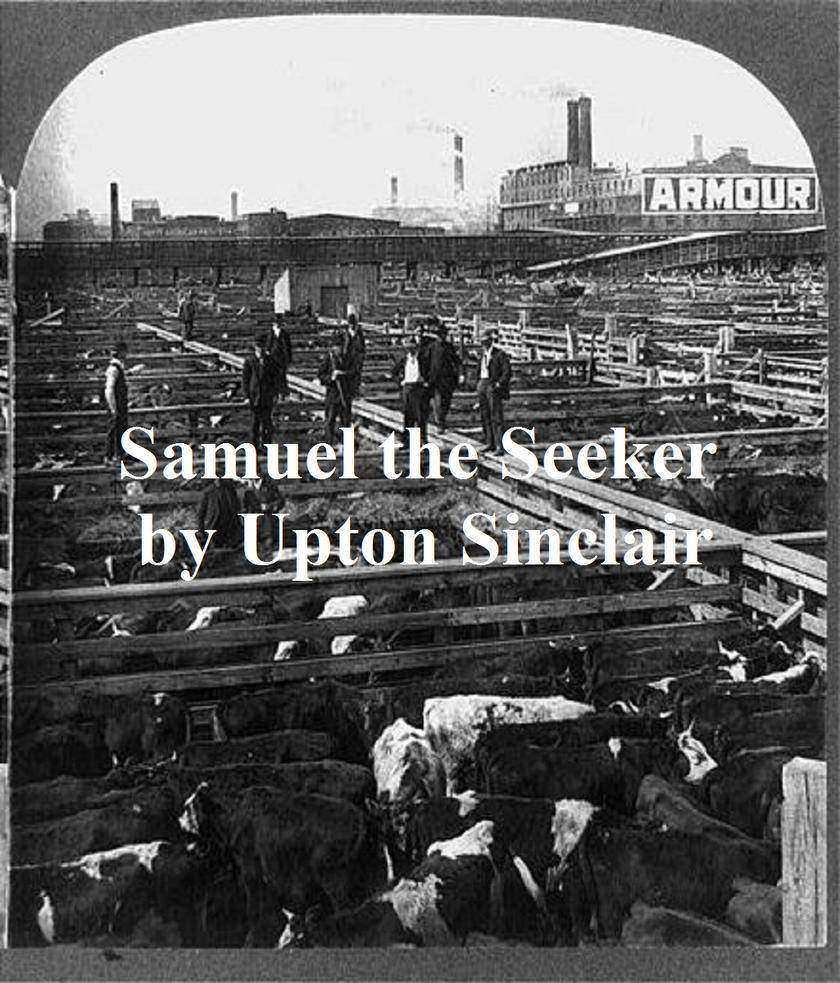
Samuel the Seeker
¥8.09
Classic novel. According to Wikipedia: "Upton Beall Sinclair, Jr. (1878 - 1968), was a prolific American author who wrote over 90 books in many genres and was widely considered to be one of the best investigators advocating socialist views. He achieved considerable popularity in the first half of the 20th century. He gained particular fame for his 1906 novel The Jungle, which dealt with conditions in the U.S. meat packing industry and caused a public uproar that partly contributed to the passage of the Pure Food and Drug Act and the Meat Inspection Act in 1906."
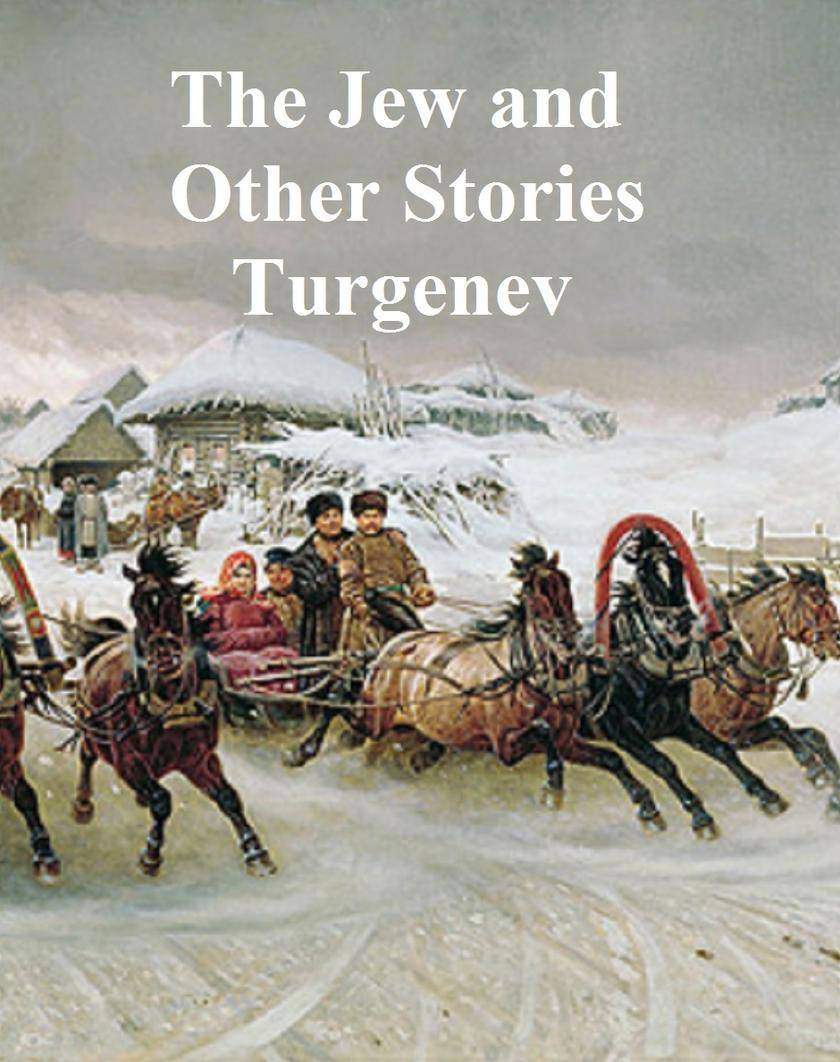
The Jew and Other Stories
¥8.09
Classic Russian short stories, including, The Jew, The Unhappy Girl, The Duelist, Three Portraits, and Enough. According to Wikipedia: "Ivan Sergeyevich Turgenev 1818 - 1883) was a Russian novelist and playwright. His novel Fathers and Sons is regarded as one of the major works of 19th-century fiction."
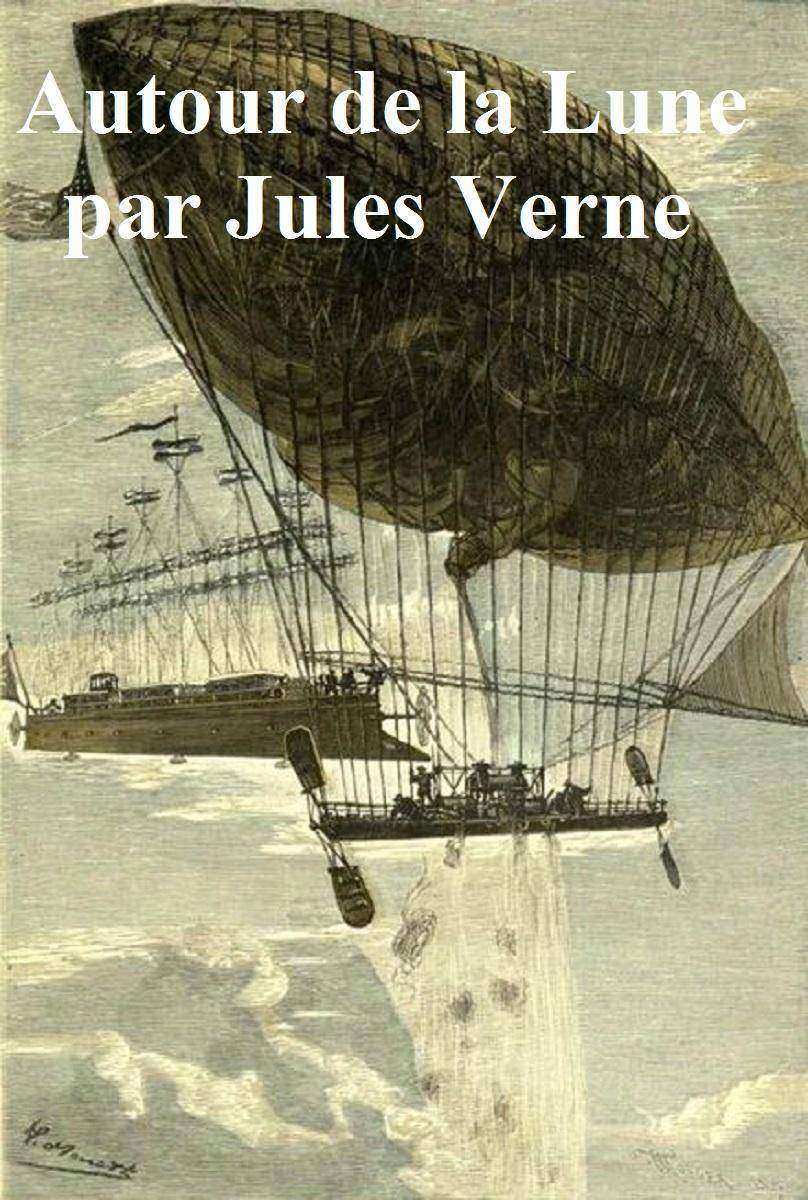
Autour de la Lune
¥8.09
Roman d'aventure classique de science-fiction. Selon Wikipédia: ?Jules Gabriel Verne (8 février 1828 - 24 mars 1905) est un auteur fran?ais qui a été le pionnier du genre de la science-fiction, notamment des romans comme Voyage au centre de la terre (1864), Vingt mille lieues sous la mer (1870) et autour du monde en quatre-vingts jours (1873) Verne a écrit sur l'espace, l'air et les voyages sous-marins avant que les voyages aériens et les sous-marins pratiques soient inventés. Selon Index Translationum, il est le troisième auteur le plus traduit au monde, certains de ses livres ont été transformés en films ... Verne, avec HG Wells, est souvent surnommé le ?père de la science-fiction?
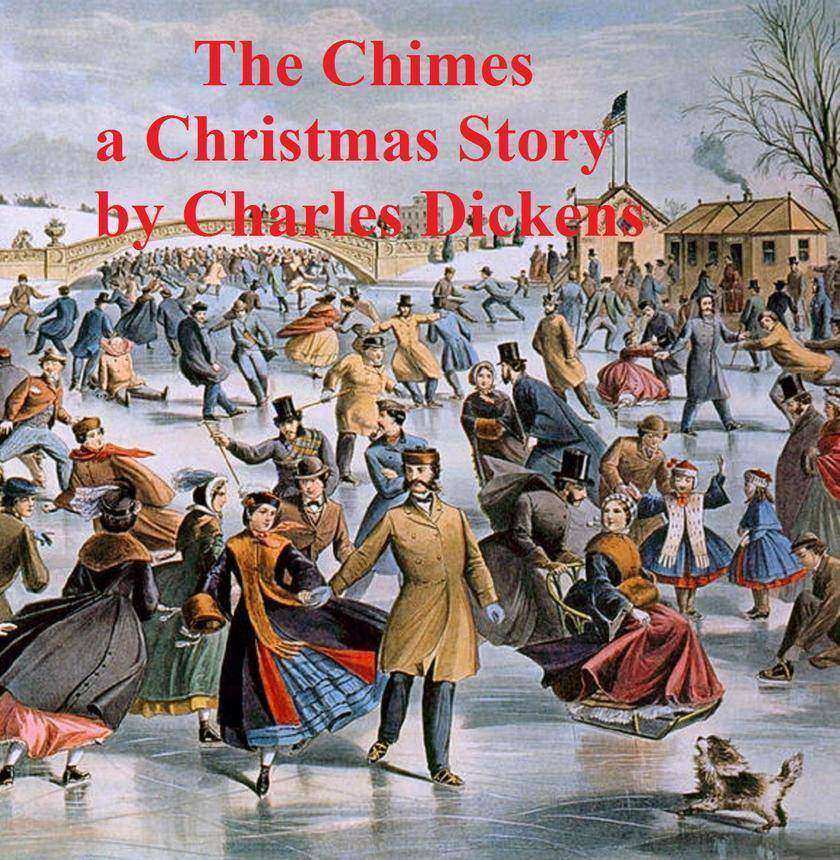
The Chimes, a short novel
¥8.09
Classic short novel. According to Wikipedia: "Charles John Huffam Dickens, (1812 - 1870), pen-name "Boz", was the foremost English novelist of the Victorian era, as well as a vigorous social campaigner. Considered one of the English language's greatest writers, he was acclaimed for his rich storytelling and memorable characters, and achieved massive worldwide popularity in his lifetime. Later critics, beginning with George Gissing and G. K. Chesterton, championed his mastery of prose, his endless invention of unique, clever personalities and his powerful social sensibilities, but fellow writers such as George Henry Lewes, Henry James and Virginia Woolf fault his work for sentimentality, implausible occurrence and grotesque characters. The popularity of Dickens' novels and short stories has meant that not one has ever gone out of print. Dickens wrote serialised novels, the usual format for fiction at the time, and each new part of his stories was eagerly anticipated by the reading public."
John Leech's Pictures of Life and Character
¥8.09
Classic short story, first published in 1854. According to Wikipedia: "Thackeray is most often compared to one other great novelist of Victorian literature, Charles Dickens. During the Victorian era, he was ranked second only to Dickens, but he is now much less read and is known almost exclusively for Vanity Fair. In that novel he was able to satirize whole swaths of humanity while retaining a light touch. It also features his most memorable character, the engagingly roguish Becky Sharp. As a result, unlike Thackeray's other novels, it remains popular with the general reading public; it is a standard fixture in university courses and has been repeatedly adapted for movies and television. In Thackeray's own day, some commentators, such as Anthony Trollope, ranked his History of Henry Esmond as his greatest work, perhaps because it expressed Victorian values of duty and earnestness, as did some of his other later novels. It is perhaps for this reason that they have not survived as well as Vanity Fair, which satirizes those values."
Maggie, A Girl of the Streets
¥8.09
Classic tale of prostitution in 19th Century American, by the author of The Red Badge of Courage. According to Wikipedia: "Maggie: A Girl of the Streets is an 1893 novella by American author Stephen Crane (1871–1900). The story centers on Maggie, a young girl from the Bowery who is driven to unfortunate circumstances by poverty and solitude. The work was considered risqué by publishers because of its literary realism and strong themes. Crane – who was 22 years old at the time – financed the book's publication himself, although the original 1893 edition was printed under the pseudonym Johnston Smith. After the success of 1895's The Red Badge of Courage, Maggie was reissued in 1896 with considerable changes and re-writing... Stephen Crane (1871 – 1900) was an American novelist, short story writer, poet and journalist. Prolific throughout his short life, he wrote notable works in the Realist tradition as well as early examples of American Naturalism and Impressionism. He is recognized by modern critics as one of the most innovative writers of his generation. The eighth surviving child of highly devout parents, Crane was raised in several New Jersey towns and Port Jervis, New York. He began writing at an early age and had published several articles by the age of 16. Having little interest in university studies, he left school in 1891 and began work as a reporter and writer. Crane's first novel was the 1893 Bowery tale Maggie: A Girl of the Streets, which critics generally consider the first work of American literary Naturalism. He won international acclaim for his 1895 Civil War novel The Red Badge of Courage, which he wrote without any battle experience."
Jeff Brigg's Love Story
¥8.09
Classic western novel. According to Wikipedia: "Bret Harte (August 25, 1836[2] – May 6, 1902) was an American author and poet, best remembered for his accounts of pioneering life in California. He was born in Albany, New York. ... He moved to California in 1853, later working there in a number of capacities, including miner, teacher, messenger, and journalist. He spent part of his life in the northern California coast town now known as Arcata, then just a mining camp on Humboldt Bay. His first literary efforts, including poetry and prose, appeared in The Californian, an early literary journal edited by Charles Henry Webb. In 1868 he became editor of The Overland Monthly, another new literary magazine, but this one more in tune with the pioneering spirit of excitement in California. His story, "The Luck of Roaring Camp," appeared in the magazine's second edition, propelling Harte to nationwide fame... Determined to pursue his literary career, in 1871 he and his family traveled back East, to New York and eventually to Boston, where he contracted with the publisher of The Atlantic Monthly for an annual salary of $10,000, "an unprecedented sum at the time." His popularity waned, however, and by the end of 1872 he was without a publishing contract and increasingly desperate. He spent the next few years struggling to publish new work (or republish old), delivering lectures about the gold rush, and even selling an advertising jingle to a soap company. In 1878 Harte was appointed to the position of United States Consul in the town of Krefeld, Germany and then to Glasgow in 1880. In 1885 he settled in London. During the thirty years he spent in Europe, he never abandoned writing, and maintained a prodigious output of stories that retained the freshness of his earlier work. He died in England in 1902 of throat cancer and is buried at Frimley."
A Millionaire of Rough and Ready
¥8.09
Classic western novel. According to Wikipedia: "Bret Harte (August 25, 1836[2] – May 6, 1902) was an American author and poet, best remembered for his accounts of pioneering life in California. He was born in Albany, New York. ... He moved to California in 1853, later working there in a number of capacities, including miner, teacher, messenger, and journalist. He spent part of his life in the northern California coast town now known as Arcata, then just a mining camp on Humboldt Bay. His first literary efforts, including poetry and prose, appeared in The Californian, an early literary journal edited by Charles Henry Webb. In 1868 he became editor of The Overland Monthly, another new literary magazine, but this one more in tune with the pioneering spirit of excitement in California. His story, "The Luck of Roaring Camp," appeared in the magazine's second edition, propelling Harte to nationwide fame... Determined to pursue his literary career, in 1871 he and his family traveled back East, to New York and eventually to Boston, where he contracted with the publisher of The Atlantic Monthly for an annual salary of $10,000, "an unprecedented sum at the time." His popularity waned, however, and by the end of 1872 he was without a publishing contract and increasingly desperate. He spent the next few years struggling to publish new work (or republish old), delivering lectures about the gold rush, and even selling an advertising jingle to a soap company. In 1878 Harte was appointed to the position of United States Consul in the town of Krefeld, Germany and then to Glasgow in 1880. In 1885 he settled in London. During the thirty years he spent in Europe, he never abandoned writing, and maintained a prodigious output of stories that retained the freshness of his earlier work. He died in England in 1902 of throat cancer and is buried at Frimley."
The Forester's Daughter, A Romance of the Bear-Tooth Range
¥8.09
Classic western novel. According to Wikipedia: "Hamlin Hannibal Garland (September 14, 1860 – March 4, 1940) was an American novelist, poet, essayist, and short story writer. He is best known for his fiction involving hard-working Midwestern farmers."
Prairie Folks
¥8.09
Classic western novel. According to Wikipedia: "Hamlin Hannibal Garland (September 14, 1860 – March 4, 1940) was an American novelist, poet, essayist, and short story writer. He is best known for his fiction involving hard-working Midwestern farmers."
Wayside Courtships
¥8.09
Classic western novel. According to Wikipedia: "Hamlin Hannibal Garland (September 14, 1860 – March 4, 1940) was an American novelist, poet, essayist, and short story writer. He is best known for his fiction involving hard-working Midwestern farmers."
Drag Harlan
¥8.09
Classic western. According to Pulprack (quoting Adventure Fiction.com) "Charles Alden Seltzer (Aug. 15, 1875 - Feb. 9, 1942) The vital statistics are: Born in August 1875, at the village of Janesville, Wisconsin. One year in Wisconsin. Then to Columbus, Ohio, where after a time I worked at various enterprises, such as newsboy, telegraph messenger, painter, carpenter and manager of the circulation of a newspaper. Spent the better part of five summer and some of the winters in Union County, New Mexico. At twenty I was in Cleveland, Ohio, where I was again a carpenter. Foreman, contractor. Began to write about this time -- nights. Thirteen years of writing without finding a publisher. In the interim I was engaged in various enterprises: Building inspector for the City of Cleveland, editor of a small newspaper, expert for the Cuyahoga County Board of Appraisers. Wrote and sold about one hundred short stories. Published a book of short stories called the Range Riders in 1911. A success. Followed it with a full length novel called The Two Gun Man in 1911. Another bell-ringer..."
Chivalry
¥8.09
Novel set in the Middle Ages, first published in 1909, with 12 color illustrations. According to Wikipedia: "James Branch Cabell (1879 - 1958) was an American author of fantasy fiction and belles lettres... Cabell's work was thought of very highly by a number of his peers, including Mark Twain, Sinclair Lewis, H. L. Mencken, Joseph Hergesheimer, and Jack Woodford. When Twain died he was reading Cabell's Chivalry. And although now largely forgotten by the general public, his work was remarkably influential on later authors of fantastic fiction... Cabell's eighth (and best-known) book, Jurgen, A Comedy of Justice (1919), was the subject of a celebrated obscenity case shortly after its publication. The eponymous hero, who considers himself a "monstrous clever fellow", embarks on a journey through ever more fantastic realms, even to hell and heaven. Everywhere he goes, he winds up seducing the local women, even the Devil's wife."
The Trail Horde
¥8.09
Classic western. According to Pulprack (quoting Adventure Fiction.com) "Charles Alden Seltzer (Aug. 15, 1875 - Feb. 9, 1942) The vital statistics are: Born in August 1875, at the village of Janesville, Wisconsin. One year in Wisconsin. Then to Columbus, Ohio, where after a time I worked at various enterprises, such as newsboy, telegraph messenger, painter, carpenter and manager of the circulation of a newspaper. Spent the better part of five summer and some of the winters in Union County, New Mexico. At twenty I was in Cleveland, Ohio, where I was again a carpenter. Foreman, contractor. Began to write about this time -- nights. Thirteen years of writing without finding a publisher. In the interim I was engaged in various enterprises: Building inspector for the City of Cleveland, editor of a small newspaper, expert for the Cuyahoga County Board of Appraisers. Wrote and sold about one hundred short stories. Published a book of short stories called the Range Riders in 1911. A success. Followed it with a full length novel called The Two Gun Man in 1911. Another bell-ringer..."

Dust Land #1:We Shall Return
¥8.09
Dust Land #1:We Shall Return

Peonhood: A Fantasy Short Story
¥8.09
Peonhood: A Fantasy Short Story

芥川龍之介 ザベスト:鼻、蜘蛛の糸、桃太郎、羅生門、藪の中: Ryunosuke Akutagawa the Best
¥8.09
芥川龍之介 ザベスト:鼻、蜘蛛の糸、桃太郎、羅生門、藪の中: Ryunosuke Akutagawa the Best
Forest and Frontiers
¥8.09
Accounts of hunting trips in America, Africa, and Asia. Historical novel, set in Afghanistan during the wars of British colonial conquest. According to Wikipedia: "George Alfred Henty (8 December 1832 - 16 November 1902), referred to as G. A. Henty, was a prolific English novelist, special correspondent, and Imperialist born in Trumpington, Cambridgeshire, England. He is best known for his historical adventure stories that were popular in the late 19th century. His works include Out on the Pampas (1871), The Young Buglers (1880), With Clive in India (1884) and Wulf the Saxon (1895)"
Little Women
¥8.09
Alcott's most popular novel. According to Wikipedia: "Louisa May Alcott (1832 – 1888) was an American novelist. She is best known for the novel Little Women, published in 1868. This novel is loosely based on her childhood experiences with her three sisters."
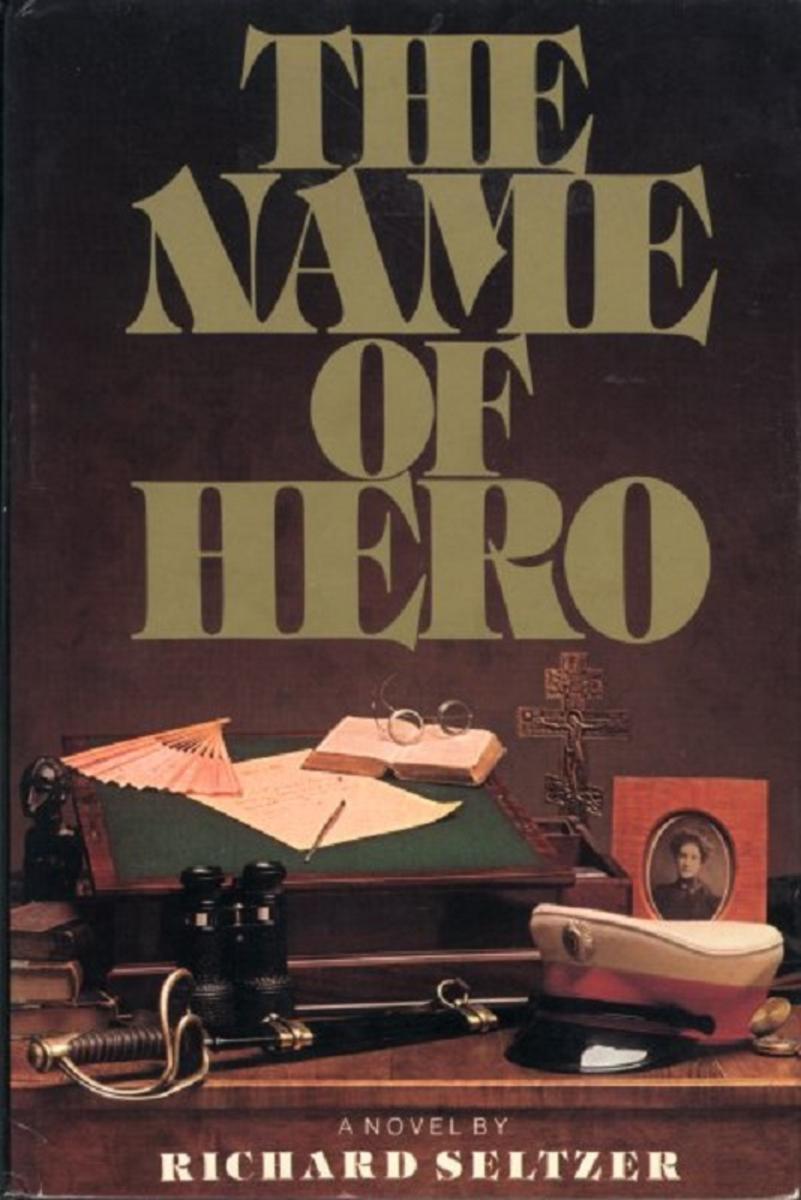
The Name of Hero
¥8.09
An historical novel based on the life of Alexander Bulatovich, a Russian who was an explorer in Ethiopia, a cavalry officer during Russia's conquest of Manchuria in 1900, and later, as a monk at Mount Athos, led a group of "heretics" who challenged the hierarchy of the Russian Orthodox Church, asserting the divinity of the Name of God. (Originally published by Tarcher/Houghton Mifflin.) Set in early 20th century Manchuria, the Boxer Rebellion raging throughout the country, the Name of Hero involves readers in the strange career of Alexander Xavierevich Bulatovich of His Majesty's Life Guard Hussar Regiment. Plotted in the panoramic tradition of James Michener, this historical novel blends fact, fiction, and adventure. It tells of women and war, of turbulent events sparked off by religion and railroads, and the tension between facts and faith.

Dragons are Forever
¥8.09
Mai has everything. Friends, a job, and a loving man in her life. But just when she thinks she has it all, Jake pops the question. Suddenly, everything changes.? The minute Jake declares his undying love, their journey begins. Swept up in a sea of adventure, Mai will travel to Norway to meet the most dreaded of all creatures- The Inlaws. Along the way, Mai and Jake will battle all manner of supernatural creatures to get to the altar, only to find?out that this is just the beginning. Life as they know?it will never be the same.


