


 购物车
购物车 个人中心
个人中心
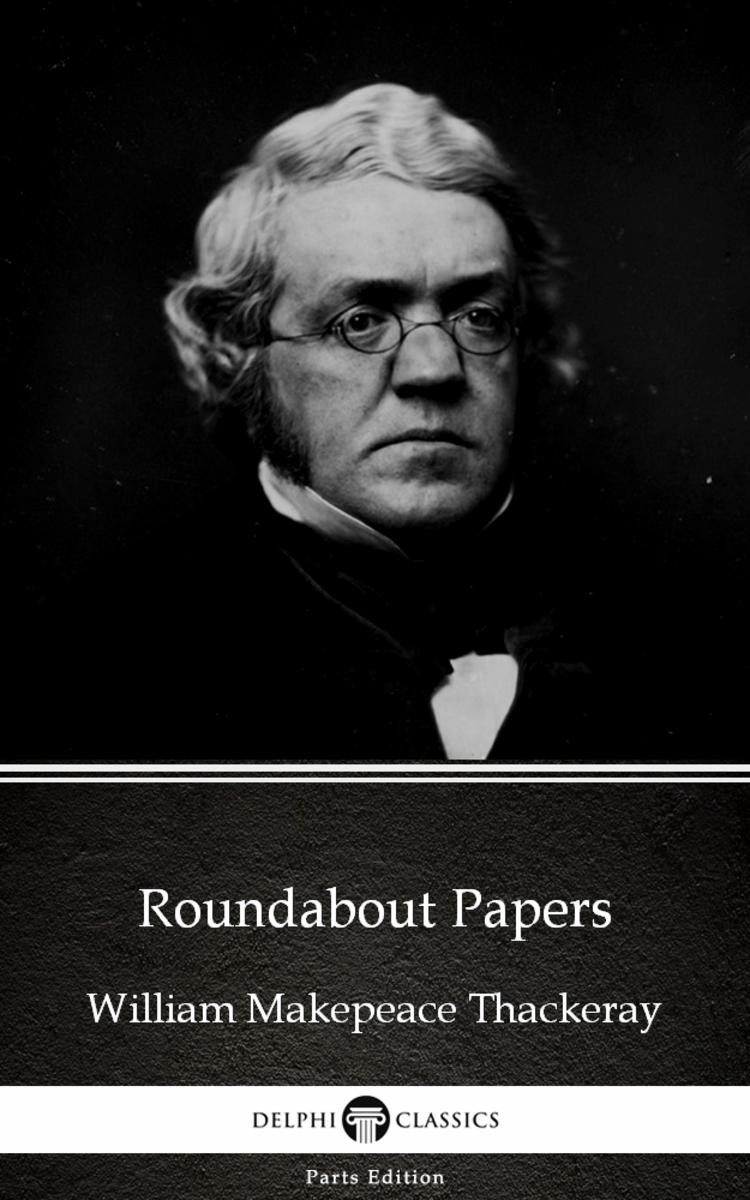
Roundabout Papers by William Makepeace Thackeray (Illustrated)
¥8.09
This eBook features the unabridged text of ‘Roundabout Papers’ from the bestselling edition of ‘The Complete Works of William Makepeace Thackeray’. Having established their name as the leading publisher of classic literature and art, Delphi Classics produce publications that are individually crafted with superior formatting, while introducing many rare texts for the first time in digital print. The Delphi Classics edition of Thackeray includes original annotations and illustrations relating to the life and works of the author, as well as individual tables of contents, allowing you to navigate eBooks quickly and easily.eBook features:* The complete unabridged text of ‘Roundabout Papers’* Beautifully illustrated with images related to Thackeray’s works* Individual contents table, allowing easy navigation around the eBook* Excellent formatting of the textPlease visit www.delphiclassics.com to learn more about our wide range of titles
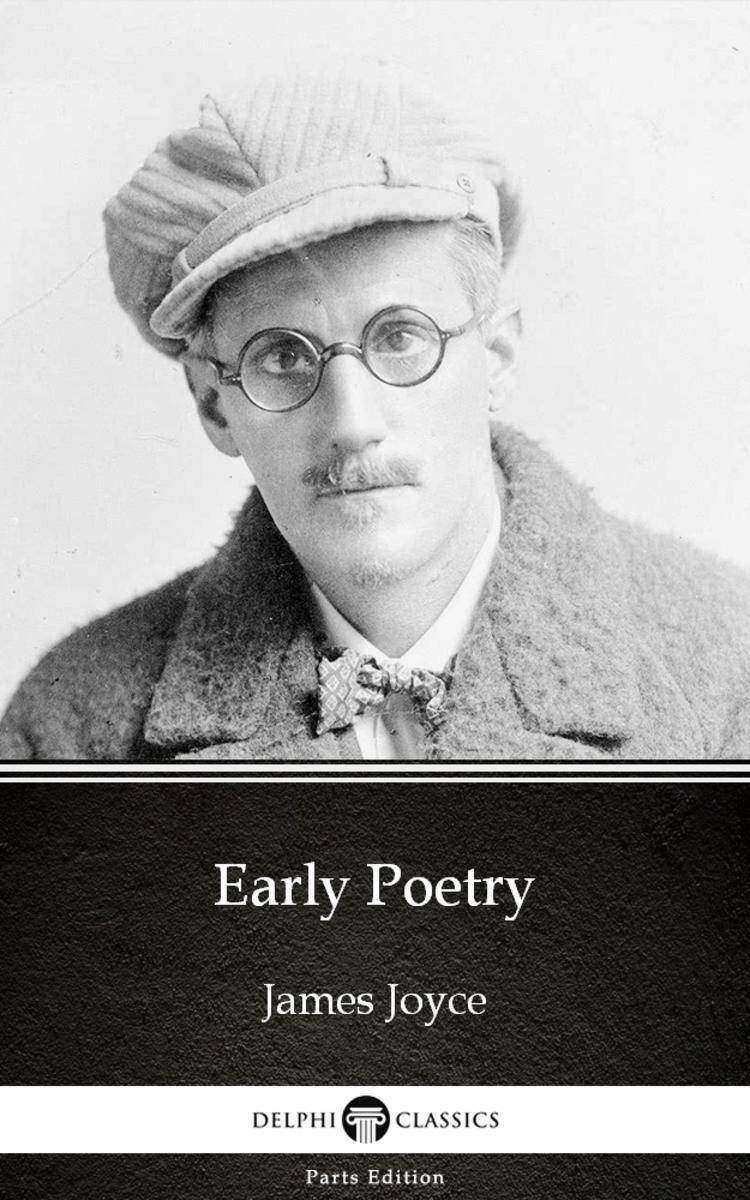
Early Poetry by James Joyce (Illustrated)
¥8.09
This eBook features the unabridged text of ‘Early Poetry’ from the bestselling edition of ‘The Complete Works of James Joyce’. Having established their name as the leading publisher of classic literature and art, Delphi Classics produce publications that are individually crafted with superior formatting, while introducing many rare texts for the first time in digital print. The Delphi Classics edition of Joyce includes original annotations and illustrations relating to the life and works of the author, as well as individual tables of contents, allowing you to navigate eBooks quickly and easily.eBook features:* The complete unabridged text of ‘Early Poetry’* Beautifully illustrated with images related to Joyce’s works* Individual contents table, allowing easy navigation around the eBook* Excellent formatting of the textPlease visit www.delphiclassics.com to learn more about our wide range of titles
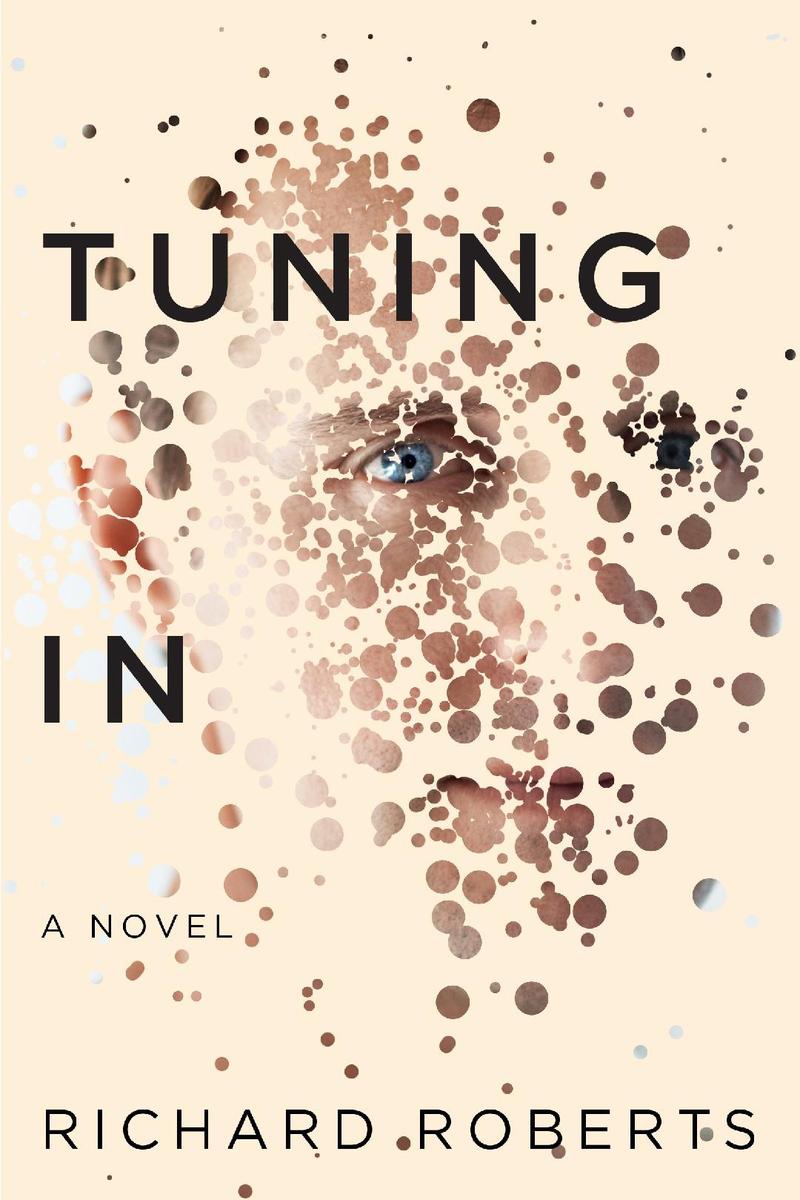
Tuning In: A Novel
¥8.09
Jon Gunnarson never meant to transform humanity. He just wanted a normal life. A life where he doesn’t absorb other people’s emotions, lose himself and have to live like a hermit. ? So he jumps at the chance to help develop a scam telepathy app because it will get him to Bhutan, where he hopes an old friend will teach him how to disconnect. ? Sure, he has to work with Ella, a neuroscientist he’s falling in love with, and Venn, a fraudulent Marketer who’s wanted by the FBI. But Jon’s had a lifetime of practice at pulling away and he figures he can handle it while he learns how to manage his condition. ? The problem is, working with others is the least of his worries. Because Jon and Ella unwittingly trigger the onset of mass telepathy. And, as if that isn't enough, they must run for their lives when they discover a way that Venn can avoid arrest. ? But how will they escape someone who can read their minds? ? Tuning In is a well plotted story that’s both mind-bendingly strange and intimately human—a continuously surprising science-fiction/ psychological thriller about our relationship with our thoughts, with each other and even reality itself.
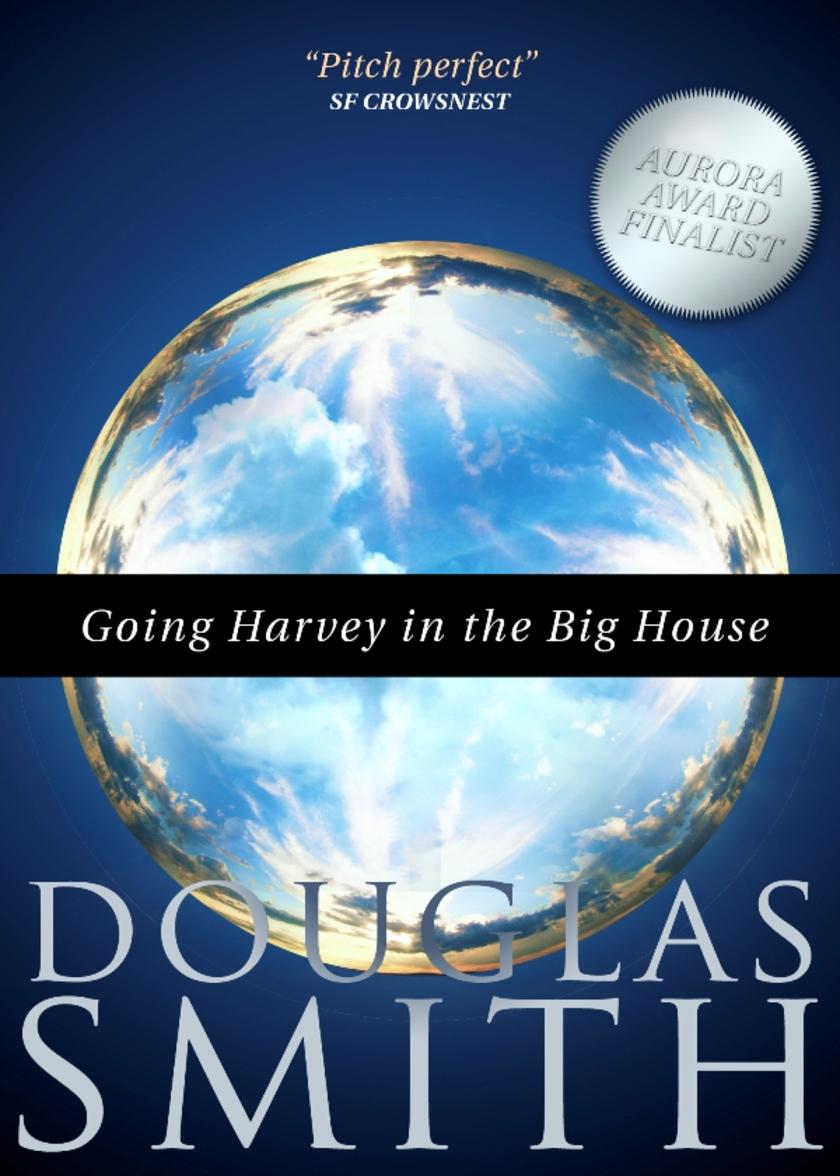
Going Harvey in the Big House
¥8.09
Aurora Award Finalist. The Builders had made the House generations ago, to shelter the remnants of humanity from the poisons of the Outside. The Inners, the direct descendants of the Builders, now rule the House. The House protects the People, and the Inners protect the House. And Smoothers are the arms and legs of that protection. Big G is a Smoother, ensuring that the daily activities of the House are not interrupted by "Harveys," citizens who suffer violent mental breakdowns in the claustrophobic House. But when Big G discovers a strange photograph of blue and white swirls of nothingness during a Harvey call, it leads him to world within the world he thought he knew—and a world outside it as well. "I first read this story in a workshop nearly a decade ago. Since then, Doug sold it to a number of different markets and it was a finalist for Canada’s prestigious Aurora Award. Now it’s out in e-book format. I read a lot, as you can tell, and I don’t remember most stories the next day, let alone decades later. The images and the power of the story have stayed with me all this time. That’s one of the strongest recommendations I can give."—Kristine Kathryn Rusch, Recommended Reading List, Aug 2011 "Hands down, my favourite story … I’ve always been fascinated by the concept of a city that encompasses what we know of the known world. … Smith’s version, the ‘House,’ is well conceived, but as always, it’s his characters that drive the story. Big G is pitch perfect. Every aspect of his personality is just spot on. Though he’s not a completely accessible character, portrayed as being not as intelligent as a more usual protagonist, he is completely there and three-dimensional and his reactions and motivations are plausible. It works! The ending is just right. It couldn’t have been any other way..." —SF Crowsnest Reviews "Going Harvey in the Big House" fed into my natural fears, suspicions, and all-round disillusionment with authority. Thereafter, I began an inquiry. I read Orwell’s 1984, Atwood’s The Handmaid’s Tale, Bradbury’s Fahrenheit 451, Zamyatin’s We, Huxley’s Brave New World… "Going Harvey in the Big House" led me to places I thought I’d never be, culminating eventually in sweat-soaked nightmares about a post-apocalyptic world." —Cicada

Memories of the Dead Man
¥8.09
Mary and her teenage son, Jase, survive by their own wits in a post-plague Earth. On the run from a vicious gang, they are saved by Bishop, a man with mysterious powers who just may be the Dead Man, the legendary hero of the Fall of Earth. But Bishop’s dark past catches up with them all, forcing Bishop to choose between his love for Mary and Jase, or revenge against the men who killed his family. "All that you want in a sf short story is here from powerful characters, to action, mysterious happenings, and a dark, violent, but excellent tale. … A bittersweet ending adds to the power of the story. (A++)" —Fantasy Book Critic "…again shows off Smith's flair for the cinematic. … In his preface to the story, Smith announces his plan to write a novel about the Dead Man…I do look forward to reading it." —Strange Horizons "…has echoes of Stephen King wandering about its post-apocalyptic narrative." —Quill and Quire "…a wonderful example of the places this author is unafraid to go." —SF Crowsnest Reviews "…would make a great movie…a unique, post-apocalyptic blend of The Road Warrior and X-Men. … It was very well done." —Tangent Online "I liked the style and subtleties of the storytelling that kept me firmly on the edge of my seat. … The characters were what really impressed me, though—by a few lines into meeting each one you had a clear and definable presence in your mind." —SF Crowsnest Reviews
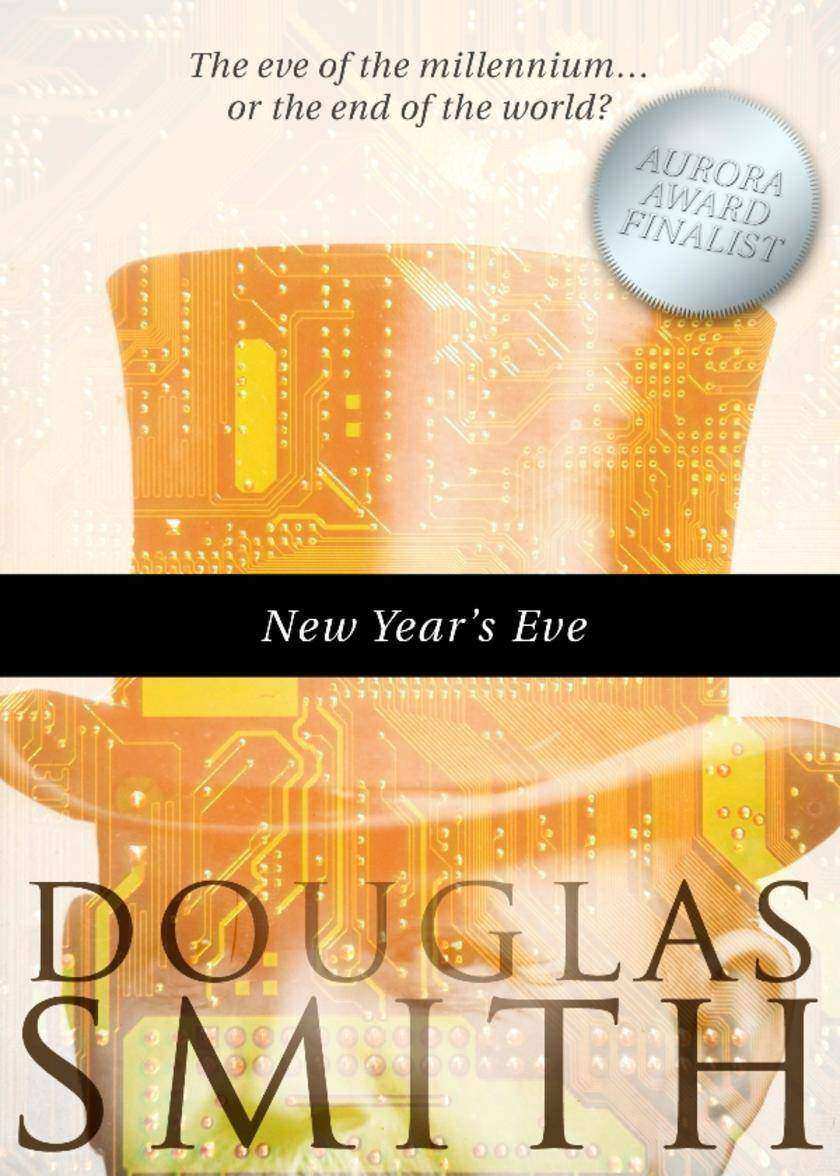
New Year's Eve
¥8.09
Aurora Award Finalist The year is 1999. The world awaits a new millennium with a mixture of anticipation and dread. The fear stems from the much-hyped Y2K computer problem, the so-called millennium bug, which could cause uncorrected programs to fail all over the world. PCWare is the world’s largest software company. John Dunne is team leader for the company’s newest operating system, the first with a virtual reality user interface, complete with virtual human agents. But on Millennium Eve, John has problems. A Y2K bug has been discovered in the software…and John’s virtual girlfriend has become far too real. "The story deals with the Y2k bug, and although that might seem dated now, the story is not, since its ideas continue to be relevant today." —Bibliopolis
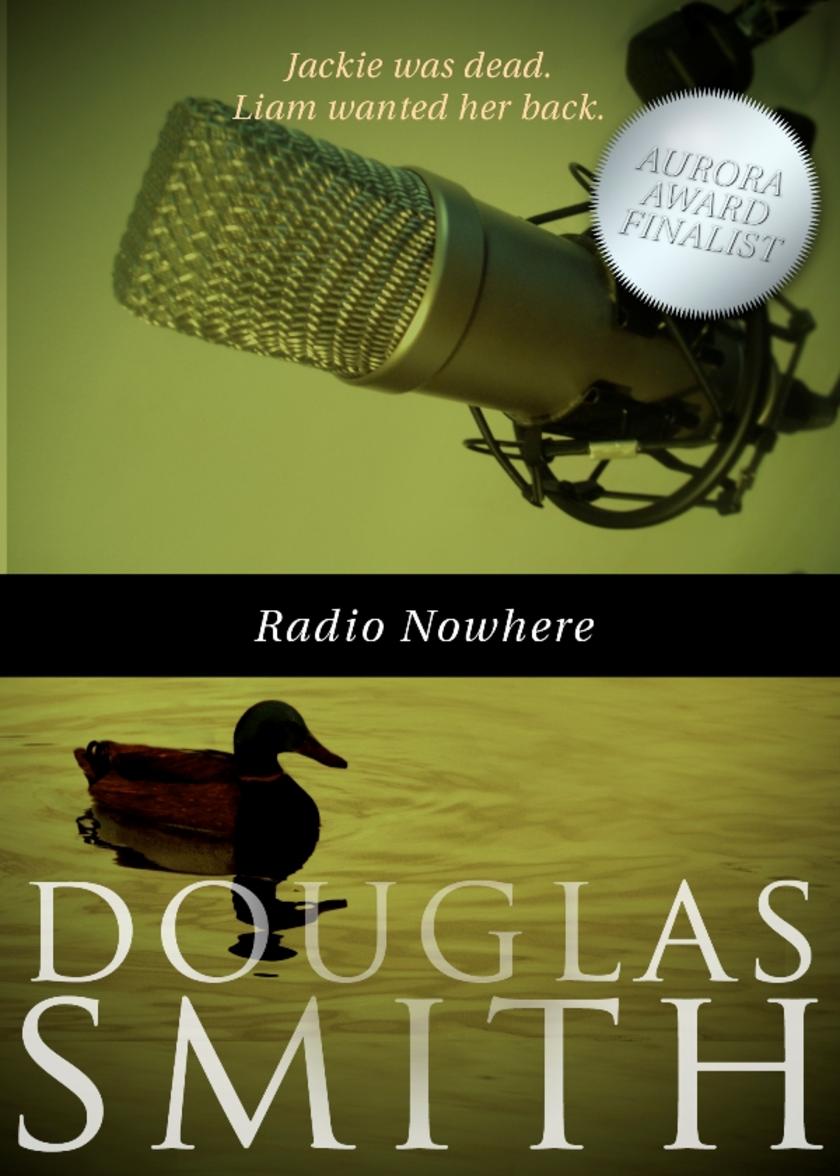
Radio Nowhere
¥8.09
Aurora Award Finalist. On the anniversary of his wife’s death, Liam makes a startling discovery. The particle accelerator experiments that he is conducting for the university are capable of opening a window back in time. Can he tune that window to the night his wife died? Can he actually go back in time to save her? But what of the strange radio broadcasts he keeps hearing? Broadcasts that warn that changing the past could produce a very dark future for the world—or no future at all. How much is Liam willing to risk to bring back the only woman he ever loved? "A very human story of a man hung up on the past for far too long, and a woman who can't make him realize her true feelings. ... The resolution is a key moment of personal growth for our protagonist, and that's really what I ask for in a story." —Scientifically Bookish "This is a great story, that connects [the reader} with the emotional pain and trauma [of the characters]." —Contemplating the Cosmos

State of Disorder
¥8.09
Aurora Award Finalist When James Mackaby, respected scholar, husband and father, accepts a dinner invitation from an old rival who has fallen on hard times, he has no idea that revenge is on the menu. During this singular evening, three very separate and very different dinners will take place, all at the same time, all in the same place, all with the same guests. And by the end of the last course, no one’s life will ever be the same again. "Another standout is the masterful "State of Disorder," which contemplates the flexibility and fluidity of time." —Ideomancer Magazine "A neat twist on time travel and quantum physics." —Publishers Weekly "The claustrophobic atmosphere of this tale heightens its devilish suspense and draws favorable comparisons to Poe’s tales of trapped, desperate protagonists." —Tangent Online "A chilling story of three dinners in the same place and time, and a very satisfying ending made this another A++ story [in Chimerascope]." —Fantasy Book Critic "A stunning piece of work." —Kim Mohan, editor, Amazing Stories
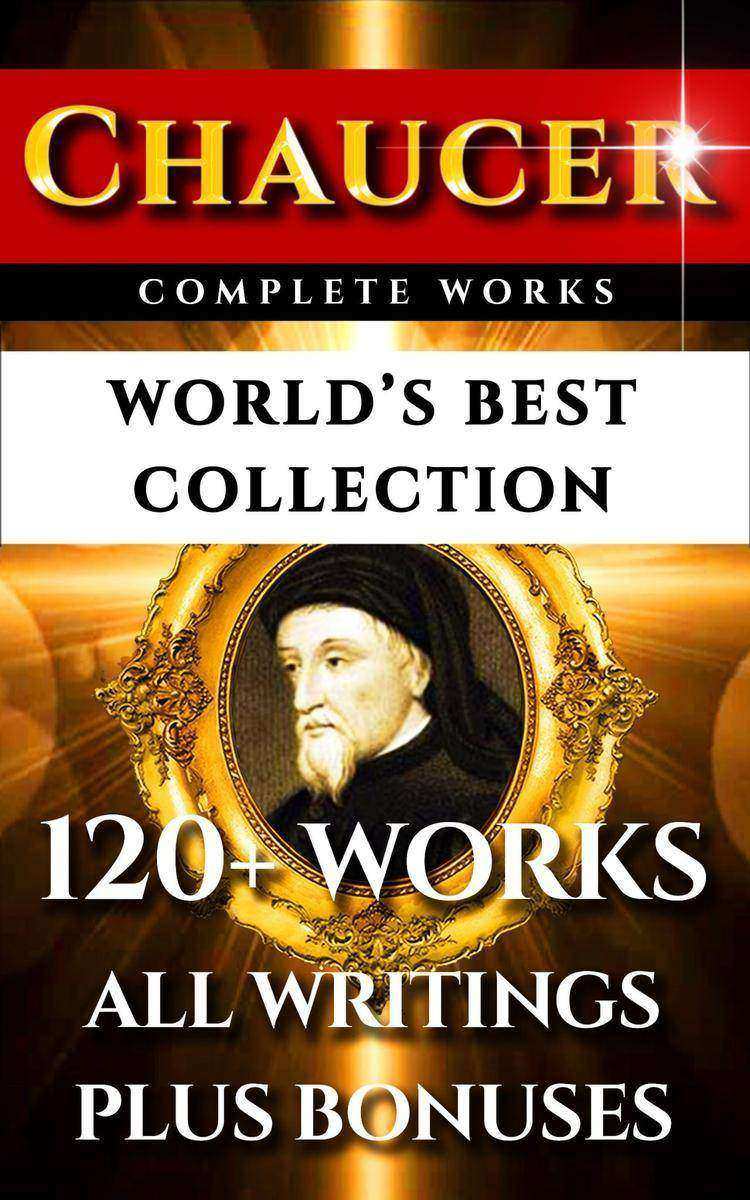
Chaucer Complete Works – World’s Best Collection: 120+ Works
¥8.09
Geoffrey Chaucer Complete Works World's Best Collection This is the world’s best Chaucer collection, including the most complete set of Chaucer’s works available plus many free bonus materials. Geoffrey Chaucer Geoffrey Chaucer is known as the Father of English literature, considered one the greatest English poets and a dominant figure in developing the legitimacy of the common Middle English as literature at a time when the dominant literary languages in England were French and Latin The ‘Must-Have’ Complete Collection In this irresistible collection you get a full set of Chaucer’s work, with more than 100 different works - All Chaucer’s poetry, All his tales and stories, All major and minor works Plus Complete annotations and explanations for all of Chaucer’s work. And a full length biography. As well as Free Bonus material, including other Chaucerian works. Works Included: Chaucer And His Times -?A biography of Chaucer’s intriguing life, in historical context. The Canterbury Tales -?The complete set of all Chaucer’s magnificent tales and stories, including, among many others: The Knight’s Tale The Miller’s Tale The Cook’s Tale The Monk’s Tale The Romaunt Of The Rose The Minor Poems-?A complete set of all of Chaucer’s smaller poems, written in his inimitable style, including among others: Troilus And Criseyde The Hous Of Fame The Legend Of Good Women Boece – Chaucer’s Rare Translation Of Boethius’s “The Consolation Of Philosophy” A Treatise On The Astrolabe The Flower And The Leaf Other Chaucerian Works & Bonus material included in this collection -?These are other works either sometimes attributed to Chaucer or works of the same or later period, imitating his style. Not only poetic and beautiful in their own right, historically, these other Chaucerian works are important to any study of or interest in Chaucer. Notes And Annotations on Chaucer’s Works And On Other Chaucerian Works Notes On Chaucer’s Use Of ‘E’ Get This Collection Right Now This is the best Chaucer collection you can get, so get it now and start enjoying and being inspired by his world like never before!

George Eliot Complete Works – World’s Best Collection: 50+ Works - All Books, No
¥8.09
George Eliot Complete Works World's Best Collection This is the world’s best George Eliot collection, including the most complete set of Eliot’s works available plus many free bonus materials. George Eliot Mary Anne (alternatively Mary Ann or Marian) Evans (22 November 1819 – 22 December 1880), known by her pen name George Eliot (as was the convention of the time) was an English novelist, journalist, and translator and one of the leading writers of the Victorian era The ‘Must-Have’ Complete Collection In this irresistible collection you get all of George Eliot’s work, with All her books, All her novels, and All her rare poems. This collection also in includes a biography so you can experience the life of the woman behind the words. Plus this collection also includes bonus materials. Works Included: Novels Silas Marner The Weaver Of Raveloe Middlemarch The Mill On The Floss Impressions Of Theophrastus Such The Lifted Veil Romola Scenes Of Clerical Life Felix Holt, The Radical Daniel Deronda Brother Jacob Adam Bede The Poetry Of George Eliot?Inlcuding: How Anna Loved The King O May I Join The Choir Invisibile All The Essays Of George Eliot Your Free Special Bonuses Ethics Of George Eliot’s Work By John Crombie Brown George Eliot: A Critical Study Of Her Life, Writings And Philosophy by George Willis Cooke Historical Context and Literary Context Notes?- Detailed explanations of the Victorian Era and Victorian Literature written specially for this collection. Get This Collection Right Now This is the best George Eliot collection you can get, so get it now and start enjoying and being inspired by her world like never before!
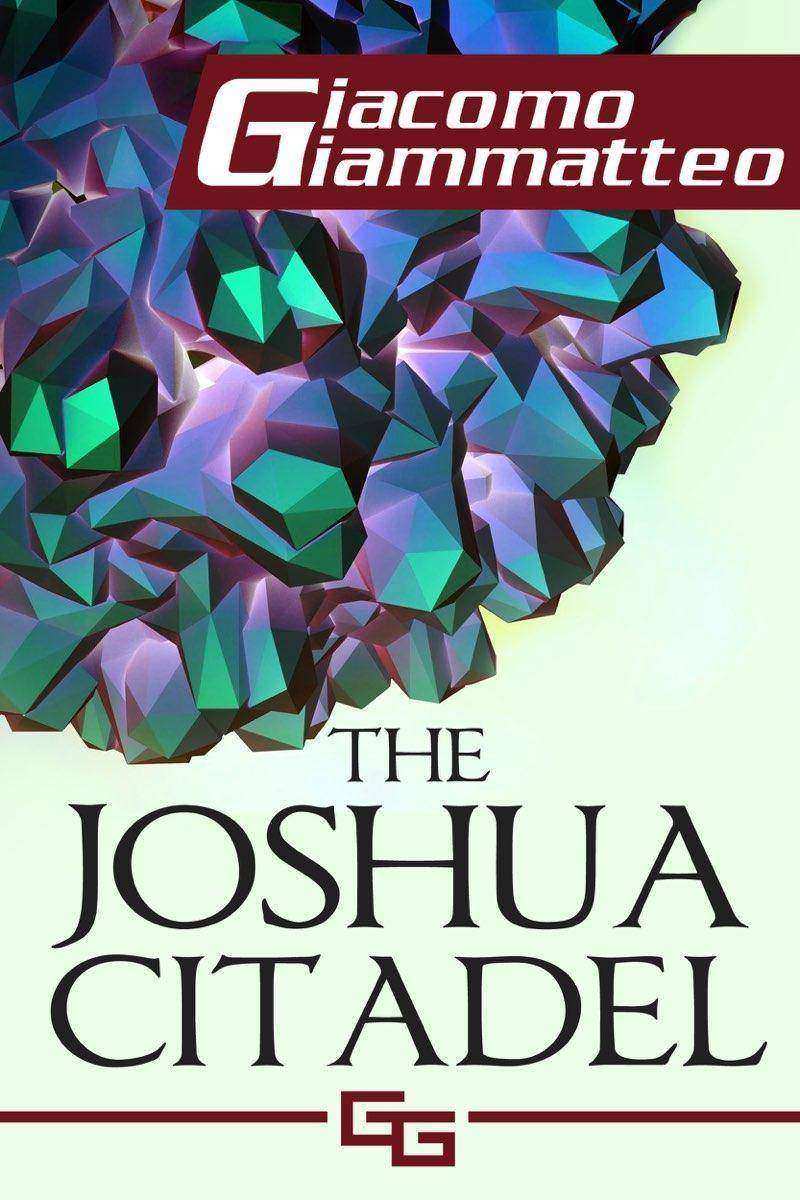
The Joshua Citadel: The Last Battle
¥8.09
Time — the not too distant future — Post Apocalypse. Place — a world not unlike our own. The tale I tell is one of woe: a war that has lasted for centuries; a war where the casualties numbered in the billions, if not more; a war that could have been avoided. God knows we tried. How many peace initiatives went unanswered? How many times did we stay our hand, refusing to attack or seek vengeance for unjust acts? But they wouldn't let us live in peace. They wouldn't let us sit idly by. A vicious race they were. Warriors to the core. A bloodthirsty, greedy race. "How did it start, Grandfather?" Ox might have shed tears if he had any. But the wars had taken so much of him: a wife, two daughters, all of his friends. "They were a relentless enemy, child. An unremitting and unforgiving foe."?

Les Purificateurs: Ep 2 : Amityville
¥8.09
Trente-neuf ans après la fusillade de la maison d’Amityville, surnommée la ??Maison du Diable??, la fameuse demeure est à nouveau le thé?tre de meurtres au sein de ses murs. Le 13 novembre 1974, à 3 h 15 du matin, Ronald Junior Defeo se saisit d’un fusil et tue chaque membre de sa famille. Le jeune homme criera que c’est le Diable qui lui ordonné de commettre un tel acte.Le 13 novembre 2005, des agents de police sont appelés à Amityville et découvrent avec horreur cinq cadavres. Seule Savannah, l’a?née de la famille décimée, est retrouvée vivante. Les Purificateurs sont envoyés sur place pour enquêter sur ce quadruple meurtre. Possession démoniaque ? Folie meurtrière ? Une enquête qui ne sera pas de tout repos pour notre équipe de chasseurs de démons.

Lorologiaio: Un Romanzo Breve: (Edizione Italiana - Italian Edition)
¥8.09
– Chiediti se sia possibile vincere un'ora di tempo — Marae O'Conaire ha problemi ben più importanti del suo orologio fermatosi alle 15:57. Quando lo porta a riparare da un gentile signore, apprende di aver vinto un premio speciale: la possibilità di poter rivivere un'unica ora della propria vita. Ma il Destino ha leggi ferree in merito al giocare col proprio passato, come, per esempio, il non poter far niente che possa dar vita a un paradosso temporale. Riuscirà Marae a far pace con l'errore commesso del quale più si pente? "Un racconto toccante. Avere l'opportunità di riscattarsi per il rammarico più grande della propria vita è un'occasione unica!" – Recensione di un lettore "Una storia davvero toccante e commovente...se avessimo l'opportunità di cambiare il nostro passato, lo faremmo?" – Recensione di un lettore "Una lettura breve e toccante in merito al tema della mitologia Scandinava. Il tempo è un dono prezioso e, a volte, un'ultima opportunità…" - Dale Amidei, scrittore Questa è una storia che parla di razzismo, rimpianti e seconde opportunità. E se fosse possibile rifare tutto daccapo? Lingua italiana - Italian language

A Gothic Guardian Angel ???? ???? ???? ARABIC: ?????? ??????? - Arabic edition
¥8.09
- 3 :57 , , , . , . . " , , …" " …. " - " , " - . PLEASE NOTE: this book contains embedded fonts which may not be compatible with certain older e-readers. * - Arabic language
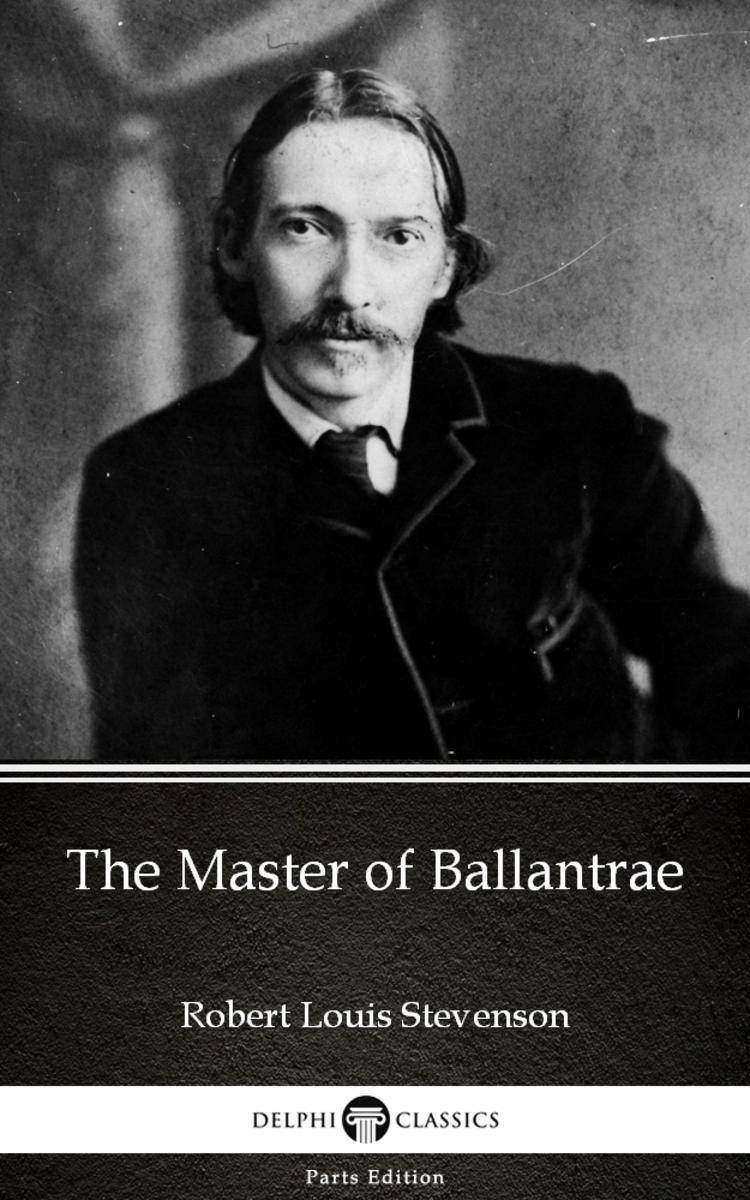
The Master of Ballantrae by Robert Louis Stevenson (Illustrated)
¥8.09
This eBook features the unabridged text of ‘The Master of Ballantrae’ from the bestselling edition of ‘The Complete Works of Robert Louis Stevenson’. Having established their name as the leading publisher of classic literature and art, Delphi Classics produce publications that are individually crafted with superior formatting, while introducing many rare texts for the first time in digital print. The Delphi Classics edition of Stevenson includes original annotations and illustrations relating to the life and works of the author, as well as individual tables of contents, allowing you to navigate eBooks quickly and easily.eBook features:* The complete unabridged text of ‘The Master of Ballantrae’* Beautifully illustrated with images related to Stevenson’s works* Individual contents table, allowing easy navigation around the eBook* Excellent formatting of the textPlease visit www.delphiclassics.com to learn more about our wide range of titles
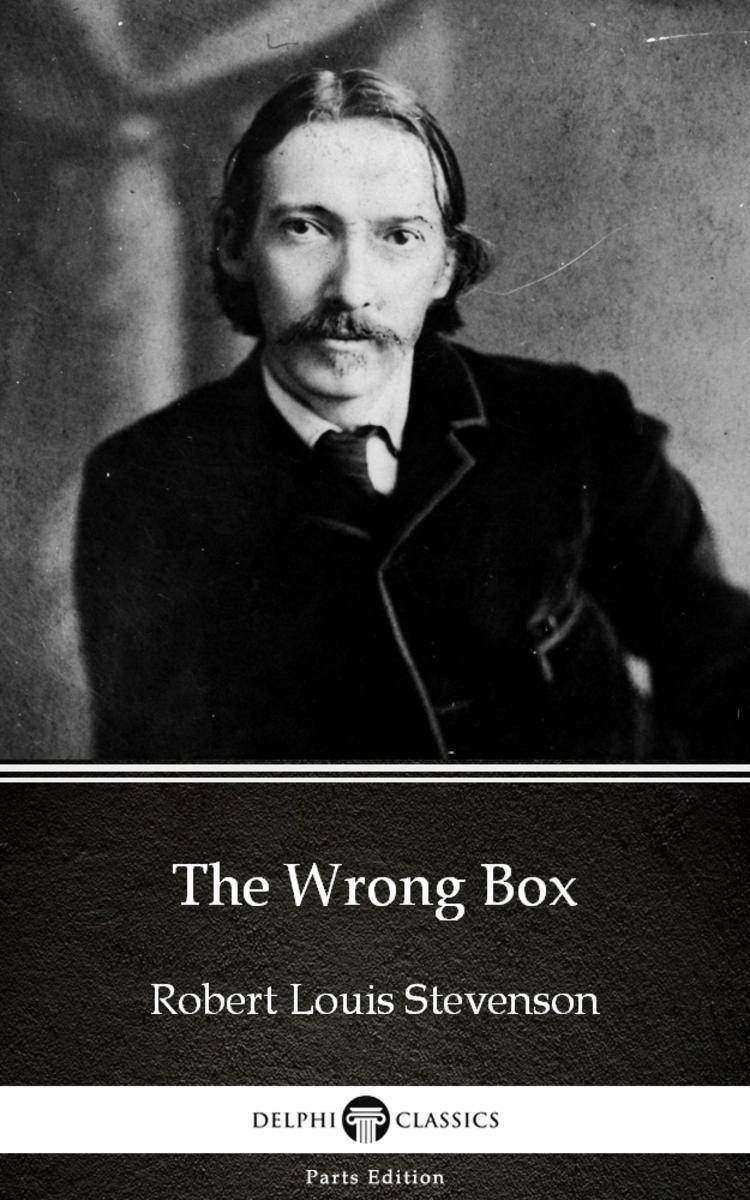
The Wrong Box by Robert Louis Stevenson (Illustrated)
¥8.09
This eBook features the unabridged text of ‘The Wrong Box’ from the bestselling edition of ‘The Complete Works of Robert Louis Stevenson’. Having established their name as the leading publisher of classic literature and art, Delphi Classics produce publications that are individually crafted with superior formatting, while introducing many rare texts for the first time in digital print. The Delphi Classics edition of Stevenson includes original annotations and illustrations relating to the life and works of the author, as well as individual tables of contents, allowing you to navigate eBooks quickly and easily.eBook features:* The complete unabridged text of ‘The Wrong Box’* Beautifully illustrated with images related to Stevenson’s works* Individual contents table, allowing easy navigation around the eBook* Excellent formatting of the textPlease visit www.delphiclassics.com to learn more about our wide range of titles
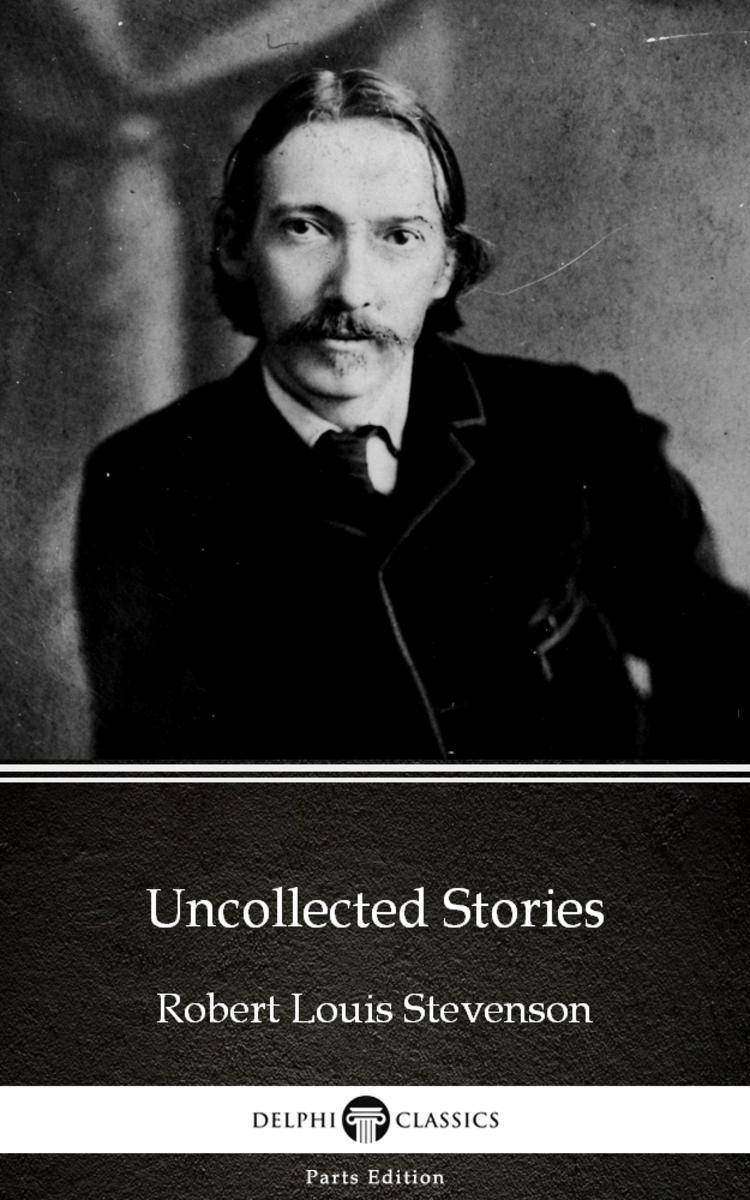
Uncollected Stories by Robert Louis Stevenson (Illustrated)
¥8.09
This eBook features the unabridged text of ‘Uncollected Stories’ from the bestselling edition of ‘The Complete Works of Robert Louis Stevenson’. Having established their name as the leading publisher of classic literature and art, Delphi Classics produce publications that are individually crafted with superior formatting, while introducing many rare texts for the first time in digital print. The Delphi Classics edition of Stevenson includes original annotations and illustrations relating to the life and works of the author, as well as individual tables of contents, allowing you to navigate eBooks quickly and easily.eBook features:* The complete unabridged text of ‘Uncollected Stories’* Beautifully illustrated with images related to Stevenson’s works* Individual contents table, allowing easy navigation around the eBook* Excellent formatting of the textPlease visit www.delphiclassics.com to learn more about our wide range of titles
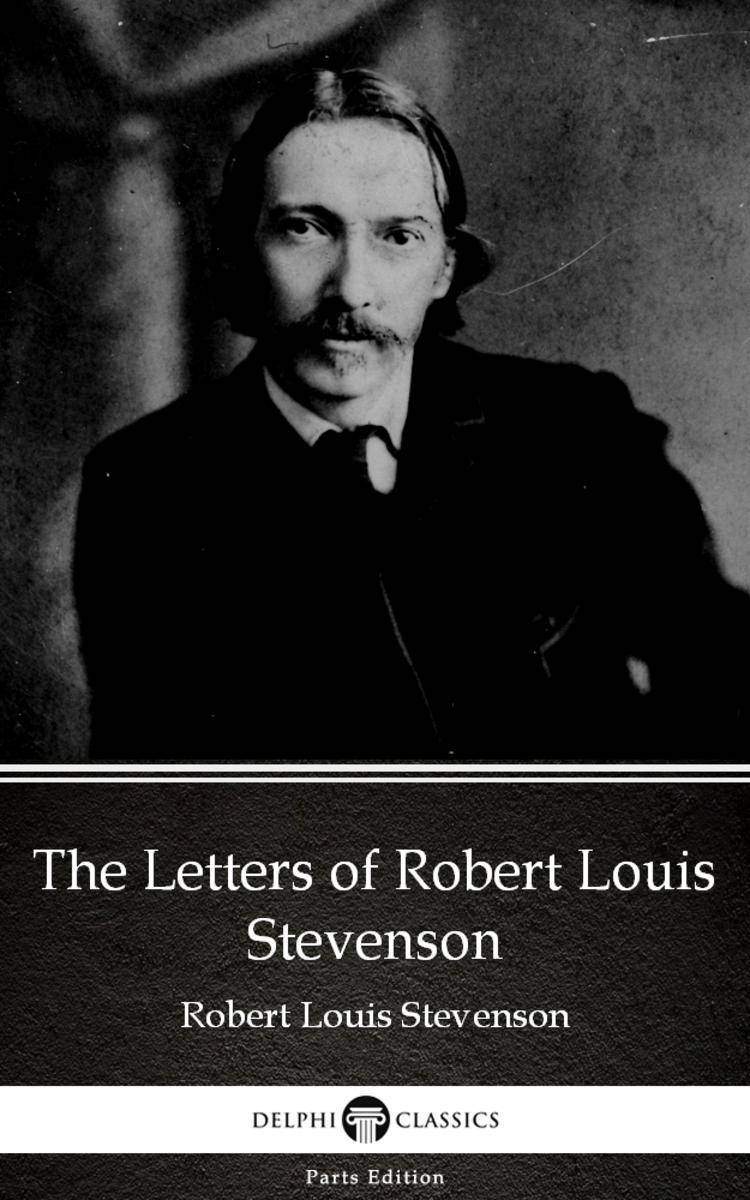
The Letters of Robert Louis Stevenson by Robert Louis Stevenson (Illustrated)
¥8.09
This eBook features the unabridged text of ‘The Letters of Robert Louis Stevenson’ from the bestselling edition of ‘The Complete Works of Robert Louis Stevenson’. Having established their name as the leading publisher of classic literature and art, Delphi Classics produce publications that are individually crafted with superior formatting, while introducing many rare texts for the first time in digital print. The Delphi Classics edition of Stevenson includes original annotations and illustrations relating to the life and works of the author, as well as individual tables of contents, allowing you to navigate eBooks quickly and easily.eBook features:* The complete unabridged text of ‘The Letters of Robert Louis Stevenson’* Beautifully illustrated with images related to Stevenson’s works* Individual contents table, allowing easy navigation around the eBook* Excellent formatting of the textPlease visit www.delphiclassics.com to learn more about our wide range of titles
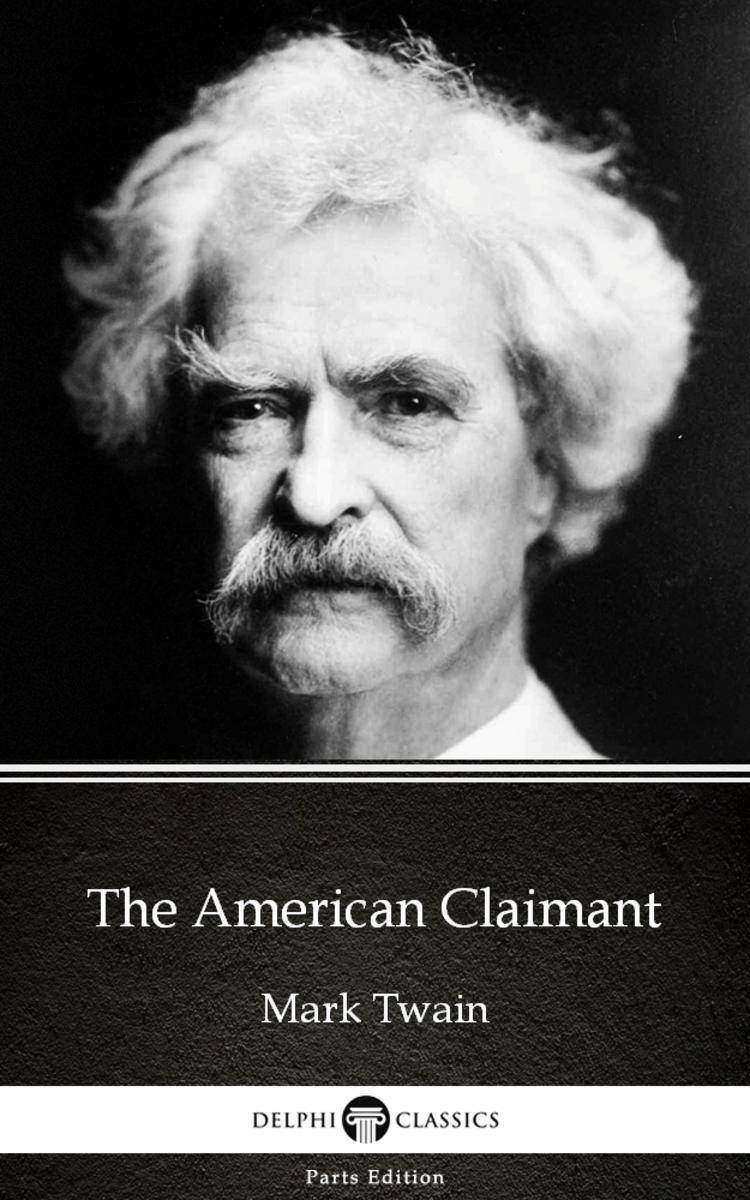
The American Claimant by Mark Twain (Illustrated)
¥8.09
This eBook features the unabridged text of ‘The American Claimant’ from the bestselling edition of ‘The Complete Works of Mark Twain’. Having established their name as the leading publisher of classic literature and art, Delphi Classics produce publications that are individually crafted with superior formatting, while introducing many rare texts for the first time in digital print. The Delphi Classics edition of Twain includes original annotations and illustrations relating to the life and works of the author, as well as individual tables of contents, allowing you to navigate eBooks quickly and easily.eBook features:* The complete unabridged text of ‘The American Claimant’* Beautifully illustrated with images related to Twain’s works* Individual contents table, allowing easy navigation around the eBook* Excellent formatting of the textPlease visit www.delphiclassics.com to learn more about our wide range of titles

Tom Sawyer Abroad by Mark Twain (Illustrated)
¥8.09
This eBook features the unabridged text of ‘Tom Sawyer Abroad’ from the bestselling edition of ‘The Complete Works of Mark Twain’. Having established their name as the leading publisher of classic literature and art, Delphi Classics produce publications that are individually crafted with superior formatting, while introducing many rare texts for the first time in digital print. The Delphi Classics edition of Twain includes original annotations and illustrations relating to the life and works of the author, as well as individual tables of contents, allowing you to navigate eBooks quickly and easily.eBook features:* The complete unabridged text of ‘Tom Sawyer Abroad’* Beautifully illustrated with images related to Twain’s works* Individual contents table, allowing easy navigation around the eBook* Excellent formatting of the textPlease visit www.delphiclassics.com to learn more about our wide range of titles

Mark Twain’s Library of Humor by Mark Twain (Illustrated)
¥8.09
This eBook features the unabridged text of ‘Mark Twain’s Library of Humor’ from the bestselling edition of ‘The Complete Works of Mark Twain’. Having established their name as the leading publisher of classic literature and art, Delphi Classics produce publications that are individually crafted with superior formatting, while introducing many rare texts for the first time in digital print. The Delphi Classics edition of Twain includes original annotations and illustrations relating to the life and works of the author, as well as individual tables of contents, allowing you to navigate eBooks quickly and easily.eBook features:* The complete unabridged text of ‘Mark Twain’s Library of Humor’* Beautifully illustrated with images related to Twain’s works* Individual contents table, allowing easy navigation around the eBook* Excellent formatting of the textPlease visit www.delphiclassics.com to learn more about our wide range of titles


