


 购物车
购物车 个人中心
个人中心

Knickerbocker's History of New York
¥9.00
Published to popular acclaim in 1809, this satire, considered the first important contribution to American comic literature, was Washington Irving's first book. It begins by relating the creation and population of the world, including the discovery of what would become New York. It ends by recording the eventual fall of the Dutch dynasty.

Ibid
¥9.00
"Ibid" is a mock biography of the Roman scholar Ibidus (486-587), whose masterpiece was Op. Cit., "wherein all the significant undercurrents of Graeco-Roman thought were crystallized once and for all." The piece traces the skull of Ibidus, once the possession of Charlemagne, William the Conqueror and other notables, to the United States, where it travels via Salem, Massachusetts and Providence, Rhode Island to a prairie dog hole in Milwaukee, Wisconsin.
The Hound
¥9.00
"The Hound" is a short story written by H. P. Lovecraft in September 1922 and published in the February 1924 issue of Weird Tales. It contains the first mention of Lovecraft's fictional text the Necronomicon, The story focuses around the narrator and his friend St. John, who have a deranged interest in robbing graves. They constantly defile crypts and often keep souvenirs of their nocturnal expeditions. Since they reside in the same house, they have the opportunity to set up a sort of morbid museum in their basement. Using the objects they collect from the various graves they have robbed, they organize the private exhibition. The collection consists of headstones, preserved bodies, skulls, and several heads in different phases of decomposition. It also included statues, frightful paintings, and a locked portfolio bound in tanned human-skin.
The Curse of Yig
¥9.00
"The Curse of Yig" is a short story by H. P. Lovecraft and Zealia Bishop in which Yig, "The Father of Serpents", is first introduced.

El spleen de París
¥9.00
Los peque?os poemas en prosa, también conocido como El spleen de París es una colección de 50 peque?os poemas escritos en prosa poética. La melancolía, el horror al paso del tiempo, el deseo de infinito, la crítica corrosiva contra la religión y la moral, así como la burla contra los ideales que mueven a las personas y una aversión enorme contra la sociedad y la hipocresía que la domina son temas recurrentes en estas poesías.

The Guermantes Way
¥9.00
After the relative intimacy of the first two volumes of In Search of Lost Time, The Guermantes Way opens up a vast, dazzling landscape of fashionable Parisian life in the late nineteenth century, as the narrator enters the brilliant, shallow world of the literary and aristocratic salons. Both a salute to and a devastating satire of a time, place, and culture, The Guermantes Way defines the great tradition of novels that follow the initiation of a young man into the ways of the world. This elegantly packaged new translation will introduce a new generation of American readers to the literary richness of Marcel Proust.

Winnetou 1
¥9.00
Der Ich-Erz?hler Charlie (vergleiche Karl May) alias Old Shatterhand arbeitet als Vermesser für die Eisenbahngesellschaft Great Western. Da seine Kollegen sehr tr?ge und trunksüchtig sind, muss er alles alleine machen. Zum Glück stehen ihm die Westm?nner Sam Hawkens, Dick Stone und Will Parker zur Seite. Die Eisenbahngesellschaft plant einen Gleisbau mitten durch das Gebiet der Apachen. Intschu-tschuna (Gute Sonne), der H?uptling aller Apachen, sein Sohn Winnetou (Brennendes Wasser) und der aus Deutschland stammende Klekih-petra (Wei?er Vater) kommen, um die Eisenbahner friedlich darauf hinzuweisen, dass dies ihr Land sei.

Der Schut
¥9.00
Nach Abenteuern in der Teufelsschlucht und bei der Juwelenh?hle treffen Kara Ben Nemsi und seine Begleiter auf das Oberhaupt der Verbrecher, den "Schut". Manche gef?hrliche Situation wird heraufbeschworen, ehe die Jagd, die in der tunesischen Wüste begann, in Albanien zu Ende geht.
Herbert West: Reanimator
¥9.00
"Herbert West: Reanimator" is a short story by American horror fiction writer H. P. Lovecraft. It was written between October 1921 and June 1922. It was first serialized in February through July 1922 in the amateur publication Home Brew. The story was the basis of the 1985 horror film Re-Animator and its sequels, in addition to numerous other adaptations in various media.
The Green Meadow
¥9.00
"The Green Meadow" is a short story by H. P. Lovecraft and Winifred V. Jackson written in 1918/1919 and published in the spring 1927 issue of The Vagrant. As in their other collaboration, "The Crawling Chaos", both authors used pseudonyms — the tale was published as by "Elizabeth Neville Berkeley" (Jackson) and "Lewis Theobald, Jun." (Lovecraft). Lovecraft wrote the entire text but Jackson is credited since it was based on a dream she had experienced
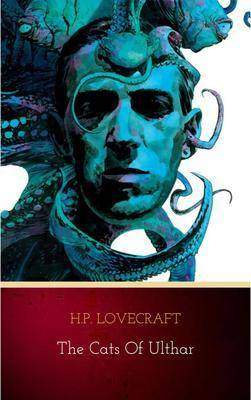
The Cats of Ulthar
¥9.00
The Cats of Ulthar" is a short story written by American fantasy author H. P. Lovecraft in June 1920. In the tale, an unnamed narrator relates the story of how a law forbidding the killing of cats came to be in a town called Ulthar. As the narrative goes, the city is home to an old couple who enjoy capturing and killing the townspeople's cats. When a caravan of wanderers passes through the city, the kitten of an orphan (Menes) traveling with the band disappears. Upon hearing of the couple's violent acts towards cats, Menes invokes a prayer before leaving town that causes the local felines to swarm the cat-killers' house and devour them. Upon witnessing the result, the local politicians pass a law forbidding the killing of cats.
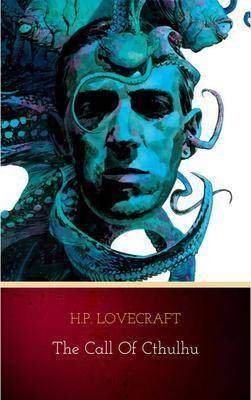
The Call of Cthulhu
¥9.00
"The Call of Cthulhu" is one of H. P. Lovecraft's best-known short stories. Written in the summer of 1926, it was first published in Weird Tales, February 1928. It is the only story written by Lovecraft in which the extraterrestrial entity Cthulhu himself makes a major appearance. It is written in a documentary style, with three independent narratives linked together by the device of a narrator discovering notes left by a deceased relative. The narrator pieces together the whole truth and disturbing significance of the information he possesses, illustrating the story's first line: "The most merciful thing in the world, I think, is the inability of the human mind to correlate all its contents. We live on a placid island of ignorance in the midst of black seas of infinity; and it was not meant that we should voyage far."
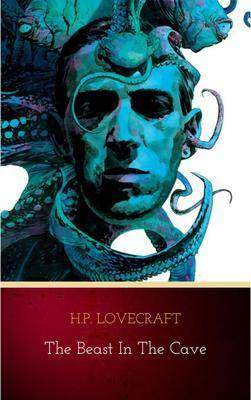
The Beast in the Cave
¥9.00
A man touring a Mammoth Cave separates from his guide and becomes lost. His torch expires and he is giving up hope of finding a way out in the pitch dark, when he hears strange non-human footsteps approaching him. Thinking it to be a lost mountain lion or other such beast, he picks up a stone and throws it toward the source of the sound. The beast is hit and crumples to the floor. The guide finds the protagonist, and together they examine the fallen creature with the guide's torchlight. The creature mutters in its last breaths and they see its face, discovering that it is in fact a pale, deformed human, who had also become lost in the cave many years ago.

Insolación
¥9.00
La autora se aleja de las premisas Naturalismo centrándose en el estudio psicológico de los personajes, empleando para ello una inusitada y compleja técnica narrativa. El feminismo, la crítica de los valores morales y la doble vara de medir de la sociedad de la época son puestas en escena en historia donde una sensual viuda tiene una aventura con un hombre mucho más joven que ella.

Henry VIII
¥9.00
The Famous History of the Life of King Henry the Eighth is a history play by William Shakespeare, based on the life of Henry VIII of England. An alternative title, All is True, is recorded in contemporary documents, the title Henry VIII not appearing until the play's publication in the First Folio of 1623. Stylistic evidence indicates that the play was written by Shakespeare in collaboration with, or revised by, his successor, John Fletcher. It is also somewhat characteristic of the late romances in its structure.
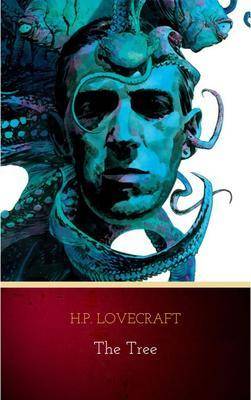
The Tree
¥9.00
On a mountain which was a chosen haunt for the Greek God Pan is an olive grove, and a fearful, human-like olive tree within it
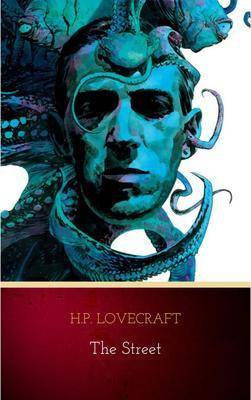
The Street
¥9.00
"The Street" is a short story by American horror fiction writer H. P. Lovecraft, written in late 1919 and first published in the December 1920 issue of the Wolverine amateur journal. The story traces the history of the eponymous street in a New England city, presumably Boston, from its first beginnings as a path in colonial times to a quasi-supernatural occurrence in the years immediately following World War I.
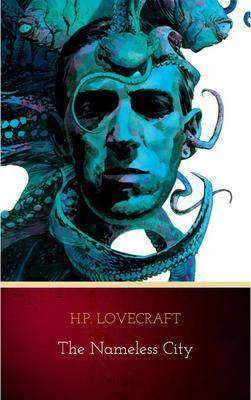
The Nameless City
¥9.00
"The Nameless City" is a horror story written by H. P. Lovecraft in January 1921 and first published in the November 1921 issue of the amateur press journal The Wolverine. It is often considered the first Cthulhu Mythos story. The Nameless City of the story's title is an ancient ruin located somewhere in the deserts of the Arabian Peninsula and is older than any human civilization

Anne's House of Dreams
¥9.00
Book 5 in the Anne of Green Gables Series Anne's House of Dreams begins with the wedding between Anne Shirley and Gilbert Blythe. In this book, they move to a small and begin their life together with love, loss and many interesting escapades.

Antología: poemas y sonetos
¥9.00
Antología de poemas, sonetos y Rimas de Miguel de Unamuno. Una breve selección de María del Pilar MARTINEZ. -El Cristo de Velázquez (1920) -Blas, el bobo (Blas, el bobo de la aldea) -Castilla (Tú me levantas, tierra de Castilla,) -El armador aquel (El armador aquel de casas rústicas) -El cuerpo canta -El mar de encinas (En este mar de encinas castellano) -En un cementerio de lugar castellano (Corral de muertos, entre pobres tapias,) -Habla, que lo quiere el ni?o -Incidente doméstico (Traza la ni?a toscos garrapatos) -La luna y la rosa (En el silencio estrellado) -Madre, llévame a la cama -Me destierro (Me destierro a la memoria) -Ofelia de Dinamarca (Rosa de nube de carne) -Oh, Se?or, tú que sufres del mundo (Salmo III) -Qué es tu vida (?Qué es tu vida, alma mía?, ?cuál tu pago?,) -Sombra de humo (?Sombra de humo cruza el prado!) -Vendrá de noche (Vendrá de noche cuando todo duerma,) -Y ?qué es eso? (Y ?qué es eso del Infierno?) -De vuelta a casa (Desde mi cielo a despedirme llegas) -Es una antorcha (Es una antorcha al aire esta palmera,) -Horas serenas (Horas serenas del ocaso breve,) -La estrella polar (Luciérnaga celeste, humilde estrella) -La mar ci?e (La mar ci?e a la noche en su regazo) -La sangre de mi espíritu (La sangre de mi espíritu es mi lengua) -Muerte (Eres sue?o de un dios; cuando despierte) -Noche de luna llena (Noche blanca en que el agua cristalina) -Cuando duerme una madre junto al ni?o -Por qué esos lirios que los hielos matan
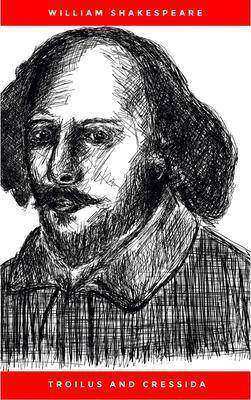
Troilus and Cressida
¥9.00
Troilus and Cressida is a tragedy by William Shakespeare, believed to have been written in 1602. The play (also described as one of Shakespeare's problem plays) is not a conventional tragedy, since its protagonist (Troilus) does not die. The play ends instead on a very bleak note with the death of the noble Trojan Hector and destruction of the love between Troilus and Cressida. Throughout the play, the tone lurches wildly between bawdy comedy and tragic gloom, and readers and theatre-goers have frequently found it difficult to understand how one is meant to respond to the characters.


