


 购物车
购物车 个人中心
个人中心
Timon of Athens
¥9.00
The Life of Timon of Athens is a play by William Shakespeare about the legendary Athenian misanthrope Timon (and probably influenced by the eponymous philosopher, as well), generally regarded as one of his most obscure and difficult works. Originally grouped with the tragedies, it is generally considered such, but some scholars group it with the problem comedies.
Henry V
¥9.00
Henry V is a history play by William Shakespeare, believed to be written in 1599. It is based on the life of King Henry V of England, and focuses on events immediately before and after the Battle of Agincourt during the Hundred Years' War. The play is the final part of a tetralogy, preceded by Richard II, Henry IV, part 1 and Henry IV, part 2. The original audiences would thus have already been familiar with the title character, who was depicted in the Henry IV plays as a wild, undisciplined lad known as "Prince Hal." In Henry V, the young prince has become a mature man and embarks on an attempted conquest of France.
The Two Gentlemen of Verona
¥9.00
The Two Gentlemen of Verona is a comedy by William Shakespeare from early in his career. It has the smallest cast of any of Shakespeare's plays, and is the first of his plays in which a heroine dresses as a boy. It deals with the themes of friendship and infidelity. The highlight of the play is considered by some to be Launce, the clownish servant of Proteus, and his dog Crab, to whom "the most scene-stealing non-speaking role in the canon" has been attributed.
Richard III
¥9.00
Richard III is a history play by William Shakespeare, believed to have been written in approximately 1591. The play is an unflattering depiction of the short reign of Richard III of England. While generally classified as a history, as grouped in the First Folio, the play is sometimes called a tragedy (as in the first quarto). It picks up the story from Henry VI, Part 3 and concludes the historical series that stretches back to Richard II.
The Fugitive
¥9.00
In the sixth volume of the series fitting seems that Proust's past actions conclude with a fair resolution. The captive is now the fugitive. Like in previous volumes, envy and distrusts eventually reveals unsuspected and unwanted revelations that leads Proust to reconcile himself with his melancholy. But unfortunately happiness still running away for him, and the marriage of his once good friends face him against his own misery which he tries to cover with indifference.
The Captive
¥9.00
In The Captive, Proust’s narrator describes living in his mother’s Paris apartment with his lover, Albertine, and subsequently falling out of love with her.

The Two Vanrevels
¥9.00
One of the most popular novels of the early twentieth century, Booth Tarkington's The Two Vanrevels is a gripping and entertaining romp that effortlessly weaves together many of the elements that define the author's oeuvre, including a passionate love triangle, a case of mistaken identity, and a look at how political and social events can often intrude on the personal sphere.
The Turmoil
¥9.00
A familiar midwestern novel in the tradition of Sherwood Anderson and Sinclair Lewis, The Turmoil was the best-selling novel of 1915. It is set in a small, quiet city--never named but closely resembling the author's hometown of Indianapolis--that is quickly being transformed into a bustling, money-making nest of competitors more or less overrun by "the worshippers of Bigness." "There is a midland city in the heart of fair, open country, a dirty and wonderful city nesting dingily in the fog of its own smoke, " begins The Turmoil, the first volume of Pulitzer Prize-winner Booth Tarkington's "Growth" trilogy. A narrative of loss and change, a love story, and a warning about the potential evils of materialism, the book chronicles two midwestern families trying to cope with the onset of industrialization. Tarkington believed that culture could flourish even as the country was increasingly fueled by material progress. The Turmoil, the first great success of his career, tells the intertwined stories of two families: the Sheridans, whose integrity wanes as their wealth increases, and the Vertrees, who remain noble but impoverished. Linked by the romance between a Sheridan son and a Vertrees daughter, the story of the two families provides a dramatic view of what America was like on the verge of a new order. An introduction by Lawrence R. Rodgers places the novel squarely in the social and cultural context of the Progressive Era.

What the Moon Brings
¥9.00
What the Moon Brings is a short story by H.P. Lovecraft, written on June 5, 1922. This story was first published in the National Amateur in May 1923, and based upon a dream. This story is told in the first person; the narrator is never named. The story describes a surreal dreamscape. The narrator wanders through his garden one night and in the moonlight sees strange and bizarre things
Much Ado About Nothing
¥9.00
Much Ado About Nothing is a comedy by William Shakespeare. First published in 1600, it is likely to have been first performed in the autumn or winter of 1598-1599, and it remains one of Shakespeare's most enduring and exhilarating plays on stage. Stylistically, it shares numerous characteristics with modern romantic comedies including the two pairs of lovers, in this case the romantic leads, Claudio and Hero, and their comic counterparts, Benedick and Beatrice.
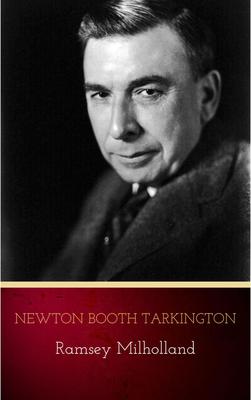
Ramsey Milholland
¥9.00
Newton Booth Tarkington (July 29, 1869 – May 19, 1946) was an American novelist and dramatist best known for his novels The Magnificent Ambersons and Alice Adams. He is one of only three novelists to win the Pulitzer Prize for Fiction more than once, along with William Faulkner and John Updike.
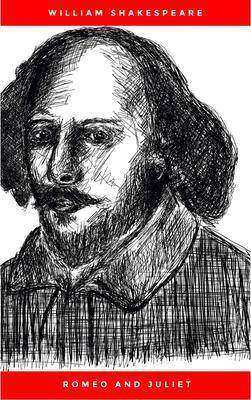
Romeo and Juliet
¥9.00
Romeo and Juliet is a tragic play written early in the career of William Shakespeare about two teenage "star-cross'd lovers" whose untimely deaths ultimately unite their feuding households. It was among Shakespeare's most popular plays during his lifetime and, along with Hamlet, is one of his most frequently performed plays. Today, the title characters are regarded as archetypal "young lovers".
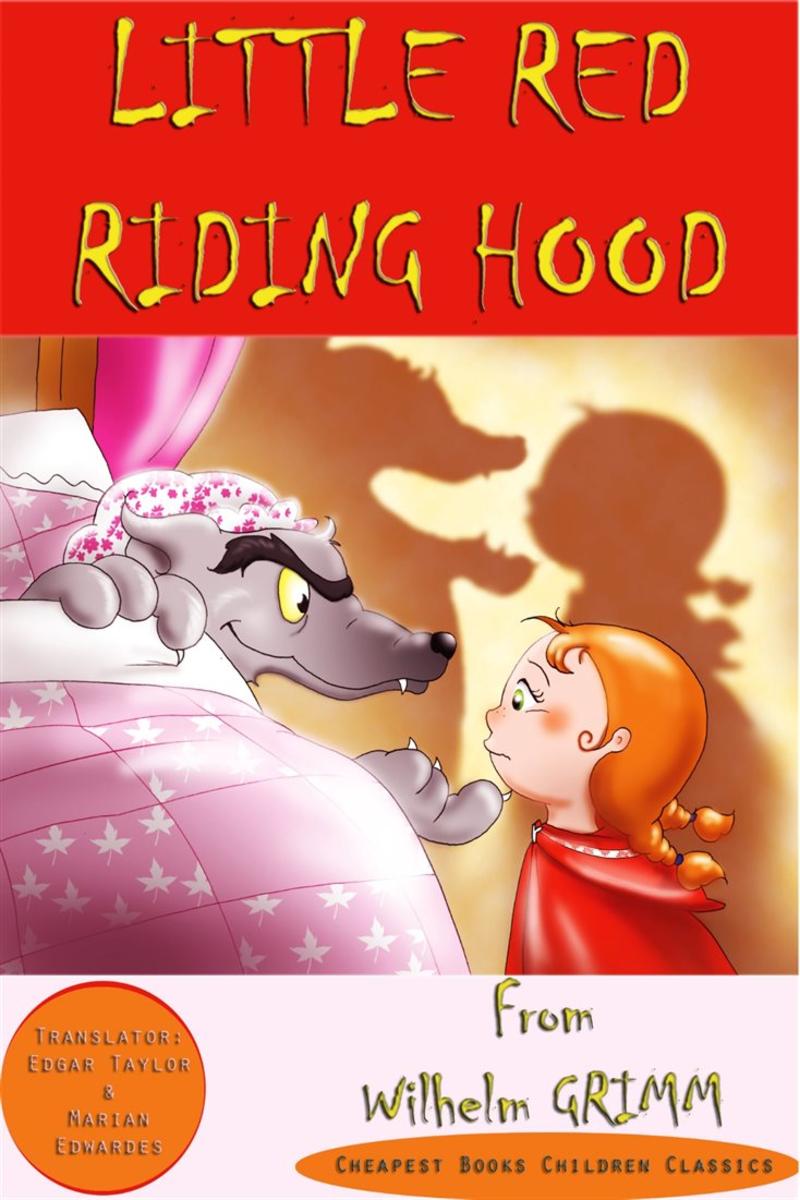
Little Red Riding Hood
¥9.24
LITTLE RED RIDING HOOD from "Brothers Grimm" ONCE upon a time... in the middle of a thick forest stood a small cottage, the home of a pretty little girl known to everyone as Little Red Riding Hood. One day, her Mummy waved her goodbye at the garden gate, saying, "Grandma is ill. Take her this basket of cakes, but be very careful. Keep to the path through the wood and don't ever stop. That way, you will come to no harm." Little Red Riding Hood kissed her mother and ran off. "Don't worry", she said, "I'll run all the way to Grandma's without stopping". Full of good intensions, the little girl made her way through the wood, but she was soon to forget her mother's wise words. "What lovely strawberries! And so red..."
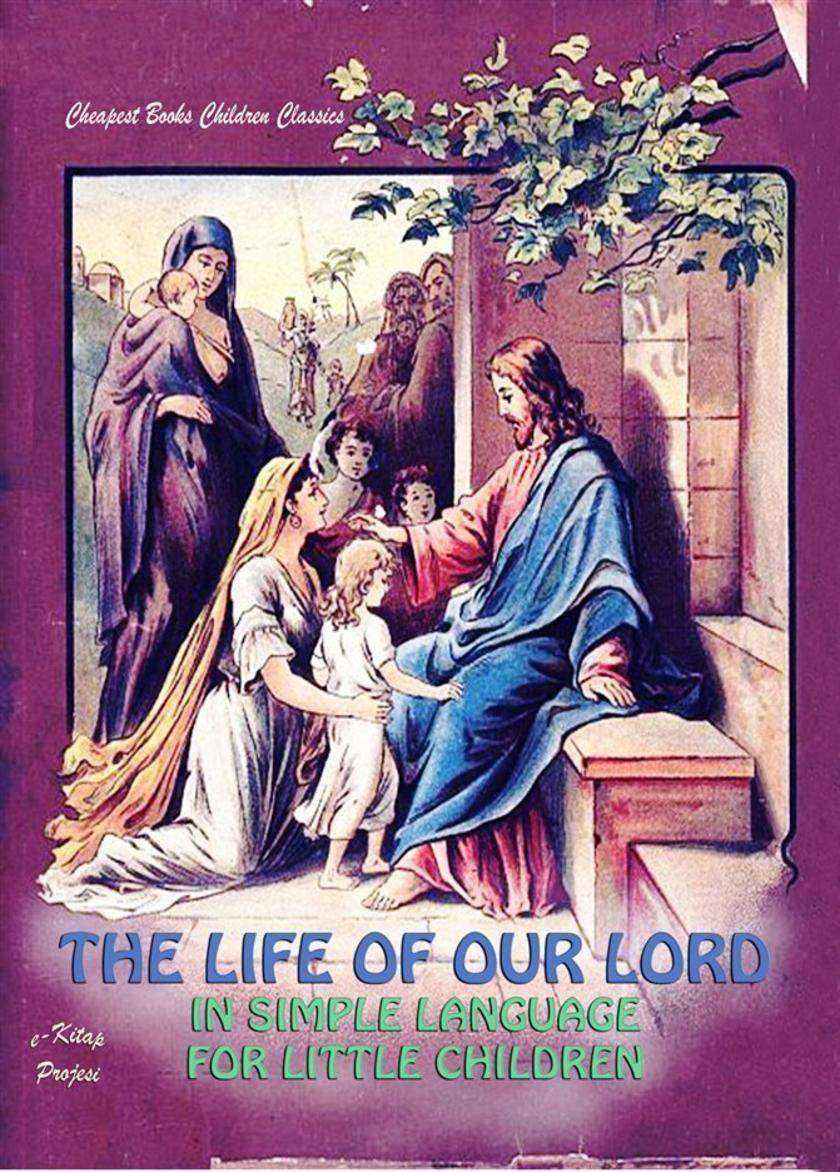
The Life of Our Lord in Simple Language for Little Children
¥9.24
In preparing this brief account of the chief incidents in Our Lord's Life, the writer has endeavoured to keep as close as possible to the sacred text; its divine simplicity being far preferable to any other style of writing the story. The easiest words and those most familiar to children have generally been used and every effort has been made to adapt the volume to the intelligence of the young with the view of instilling into their minds the love of our Saviour for mankind as shown in the beautiful story of His life. ? KING DAVID. In ages past God made the world: the earth, the sea, the hills, the streams, the trees; the fish, birds and beasts; last of all He made Adam, the first man, and Eve his wife, and they lived in the Garden of Eden. They were quite good at first, but tempted by Satan they ate the fruit of a tree God told them not to eat, and that brought sin into the world; they could not live for ever now, they must die; but that their souls might go to heaven, God's own Son said He would come down on earth and die to save them. God said His Son should be born of Abraham's nation, and should be one of the sons of the line of King David, who sang the sweet psalms in praise of God. Abraham was a good man, so good that God called him His friend; and from him came the people called Jews. David was one of their kings. God always keeps His word, but He makes men wait till it is His time to do as He says; and it was a long, long time after Abraham and David that our Lord came to live among men. At last God sent His angel Gabriel to a young maiden, named Mary, who lived at a town called Nazareth, to tell her that God loved her, and that she should have God's Son for her own son. Our Lord would be her little babe. When Mary saw the angel she was at first afraid, but he said to her, "Fear not, Mary," and he told her that she must call the child's name Jesus—that means Saviour—for He would save the people from their sins. Then Mary must have been glad. She said, "I am God's servant; may His will be done." Mary was to be the wife of her cousin Joseph—they were both of David's family—so the angel went and told him too, that Mary should have God's Son for her own, and that he must call the child Jesus.
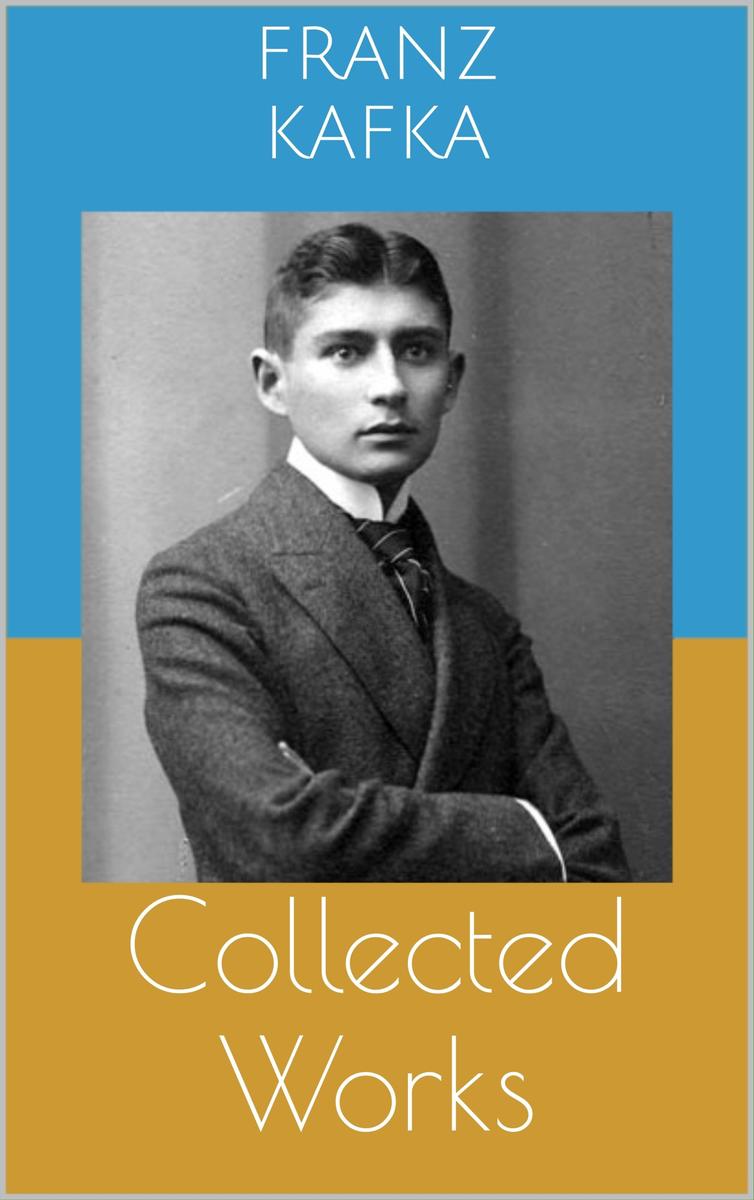
Collected Works: Complete Editions: The Metamorphosis, In the Penal Colony
¥9.24
This carefully crafted ebook is formatted with a functional and detailed table of contents.Franz Kafka (3 July 1883 – 3 June 1924) was a German-language writer of novels and short stories, regarded by critics as one of the most influential authors of the 20th century. Kafka strongly influenced genres such as existentialism. Most of his works, such as "Die Verwandlung" ("The Metamorphosis"), "Der Prozess" ("The Trial"), and "Das Schloss" ("The Castle"), are filled with the themes and archetypes of alienation, physical and psychological brutality, parent–child conflict, characters on a terrifying quest, labyrinths of bureaucracy, and mystical transformations. Kafka was born into a middle-class, German-speaking Jewish family in Prague, then part of the Austro-Hungarian Empire. In his lifetime, most of the population of Prague spoke Czech, and the division between Czech- and German-speaking people was a tangible reality, as both groups were strengthening their national identity. The Jewish community often found itself in between the two sentiments, naturally raising questions about a place to which one belongs. Kafka himself was fluent in both languages, considering German his mother tongue. Kafka trained as a lawyer and, after completing his legal education, obtained employment with an insurance company. He began to write short stories in his spare time. For the rest of his life, he complained about the little time he had to devote to what he came to regard as his calling. He regretted having to devote so much attention to his "Brotberuf" ("day job", literally "bread job"). Kafka preferred to communicate by letter; he wrote hundreds of letters to family and close female friends, including his father, his fiancée Felice Bauer, and his youngest sister Ottla. He had a complicated and troubled relationship with his father that had a major effect on his writing. He also suffered conflict over being Jewish, feeling that it had little to do with him, although critics argue that it influenced his writing.This collection contains the following works:- The Metamorphosis- A Country Doctor- A Hunger Artist- A Report for an Academy- An Imperial Message- Before the Law- In the Penal Colony- Jackals and Arabs- The Great Wall of China- The Hunter Gracchus- The Trial- Up in the Gallery
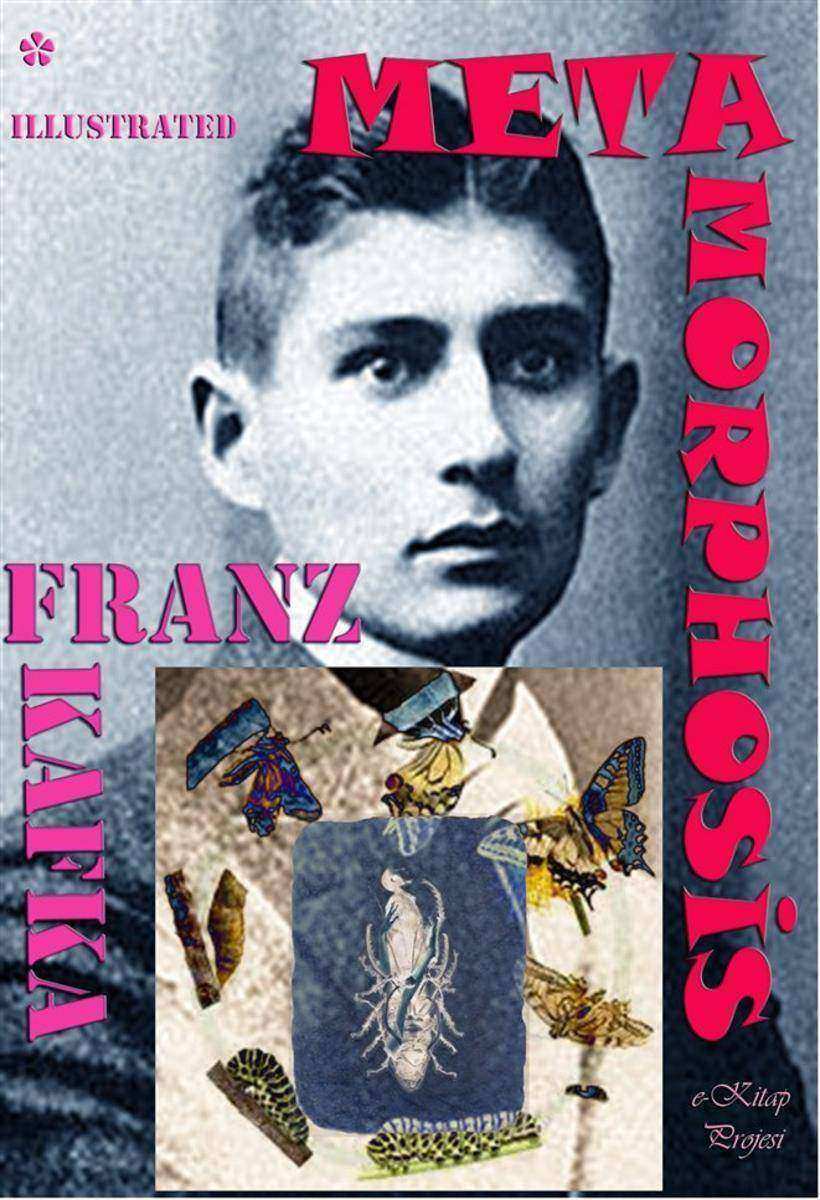
Metamorphosis: {Illustrated}
¥9.24
The third novel, The Vicomte de Bragelonne (serialized October, 1847—January, 1850), has enjoyed a strange history in its English translation. It has been split into three, four, or five volumes at various points in its history. The five-volume edition generally does not give titles to the smaller portions, but the others do. In the three-volume edition, the novels are entitled The Vicomte de Bragelonne, Louise de la Valliere, and The Man in the Iron Mask. For the purposes of this etext, I have chosen to split the novel as the four-volume edition does, with these titles: The Vicomte de Bragelonne, Ten Years Later, Louise de la Valliere, and The Man in the Iron Mask. In the first three etexts: The Vicomte de Bragelonne (Etext 2609): It is the year 1660, and D'Artagnan, after thirty-five years of loyal service, has become disgusted with serving King Louis XIV while the real power resides with the Cardinal Mazarin, and has tendered his resignation. He embarks on his own project, that of restoring Charles II to the throne of England, and, with the help of Athos, succeeds, earning himself quite a fortune in the process. D'Artagnan returns to Paris to live the life of a rich citizen, and Athos, after negotiating the marriage of Philip, the king's brother, to Princess Henrietta of England, likewise retires to his own estate, La Fere. Meanwhile, Mazarin has finally died, and left Louis to assume the reigns of power, with the assistance of M. Colbert, formerly Mazarin's trusted clerk. Colbert has an intense hatred for M. Fouquet, the king's superintendent of finances, and has resolved to use any means necessary to bring about his fall. With the new rank of intendant bestowed on him by Louis, Colbert succeeds in having two of Fouquet's loyal friends tried and executed. He then brings to the king's attention that Fouquet is fortifying the island of Belle-Ile-en-Mer, and could possibly be planning to use it as a base for some military operation against the king. Louis calls D'Artagnan out of retirement and sends him to investigate the island, promising him a tremendous salary and his long-promised promotion to captain of the musketeers upon his return. At Belle-Isle, D'Artagnan discovers that the engineer of the fortifications is, in fact, Porthos, now the Baron du Vallon, and that's not all. The blueprints for the island, although in Porthos's handwriting, show evidence of another script that has been erased, that of Aramis. D'Artagnan later discovers that Aramis has become the bishop of Vannes, which is, coincidentally, a parish belonging to M. Fouquet. Suspecting that D'Artagnan has arrived on the king's behalf to investigate, Aramis tricks D'Artagnan into wandering around Vannes in search of Porthos, and sends Porthos on an heroic ride back to Paris to warn Fouquet of the danger. Fouquet rushes to the king, and gives him Belle-Isle as a present, thus allaying any suspicion, and at the same time humiliating Colbert, just minutes before the usher announces someone else seeking an audience with the king. Ten Years Later (Etext 2681): As 1661 approaches, Princess Henrietta of England arrives for her marriage, and throws the court of France into complete disorder. The jealousy of the Duke of Buckingham, who is in love with her, nearly occasions a war on the streets of Le Havre, thankfully prevented by Raoul's timely and tactful intervention. After the marriage, though, Monsieur Philip becomes horribly jealous of Buckingham, and has him exiled. Before leaving, however, the duke fights a duel with M. de Wardes at Calais. De Wardes is a malicious and spiteful man, the sworn enemy of D'Artagnan, and, by the same token, that of Athos, Aramis, Porthos, and Raoul as well. Both men are seriously wounded, and the duke is taken back to England to recover. Raoul's friend, the Comte de Guiche, is the next to succumb to Henrietta's charms, and Monsieur obtains his exile as well, though De Guiche soon effects a reconciliation.
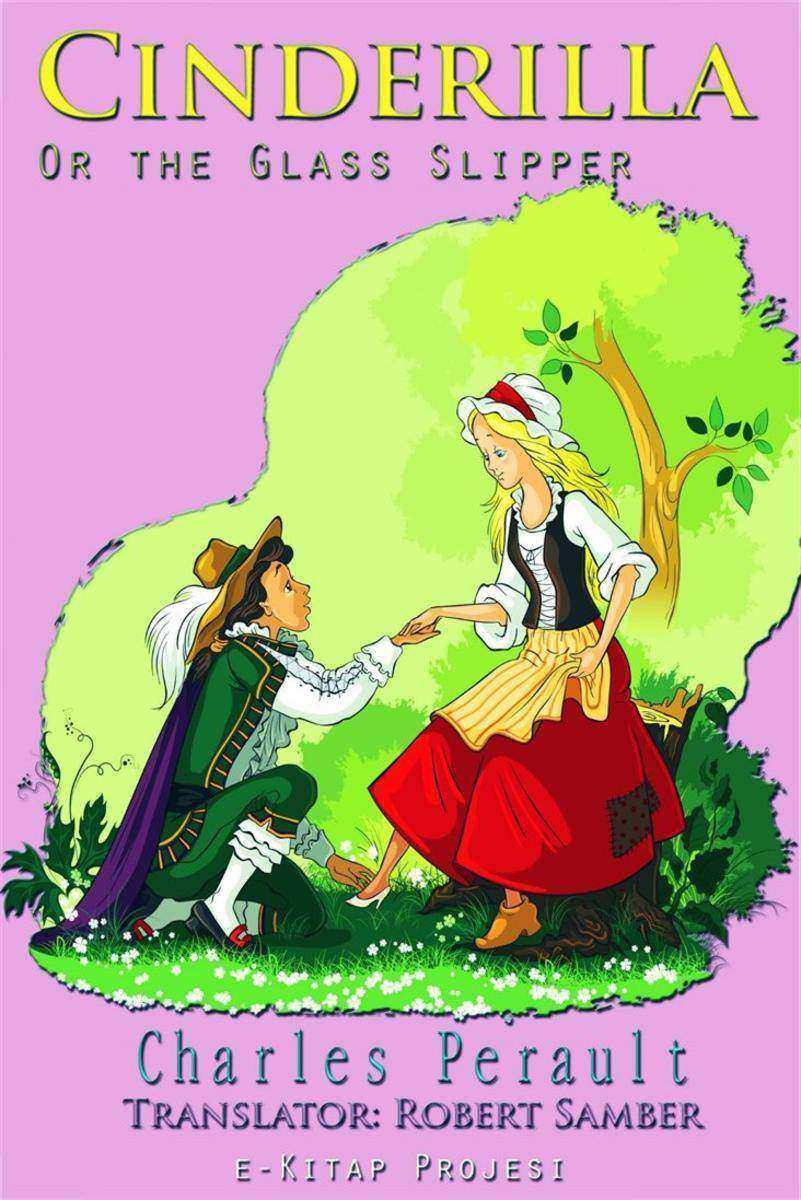
Cinderilla: "Or, the Little Glass Slipper"
¥9.24
Cinderella, or "The Little Glass Slipper", is a folk tale embodying a myth-element of unjust oppression/triumphant reward. Thousands of variants are known throughout the world. The title character is a young woman living in unfortunate circumstances, that are suddenly changed to remarkable fortune. The oldest documented version comes from China, and the oldest European version from Italy. The most popular version was first published by Charles Perrault in Histoires ou contes du temps passé in 1697, and later by the Brothers Grimm in their folk tale collection Grimms' Fairy Tales. Although the story's title and main character's name change in different languages, in English-language folklore "Cinderella" is the archetypal name. The word "Cinderella" has, by analogy, come to mean one whose attributes were unrecognized, or one who unexpectedly achieves recognition or success after a period of obscurity and neglect. The still-popular story of "Cinderella" continues to influence popular culture internationally, lending plot elements, allusions, and tropes to a wide variety of media. ONCE there was a gentleman who married, for his second wife, the proudest and most haughty woman that was ever seen. She had, by a former husband, two daughters of her own humour and they were indeed exactly like her in all things. He had likewise, by another wife, a young daughter, but of unparalleled goodness and sweetness of temper, which she took from her mother, who was the best creature in the world. No sooner were the ceremonies of the wedding over, but the stepmother began to shew herself in her colours. She could not bear the good qualities of this pretty girl; and the less, because they made her own daughters appear the more odious. She employed her in the meanest work of the house; she scoured the dishes, tables, &c. and rubbed Madam's chamber, and those of Misses, her daughters; she lay up in a sorry garret, upon a wretched straw-bed, while her sisters lay in fine rooms, with floors all inlaid, upon beds of the very newest fashion, and where they had looking-glasses so large, that they might see themselves at their full length, from head to foot.
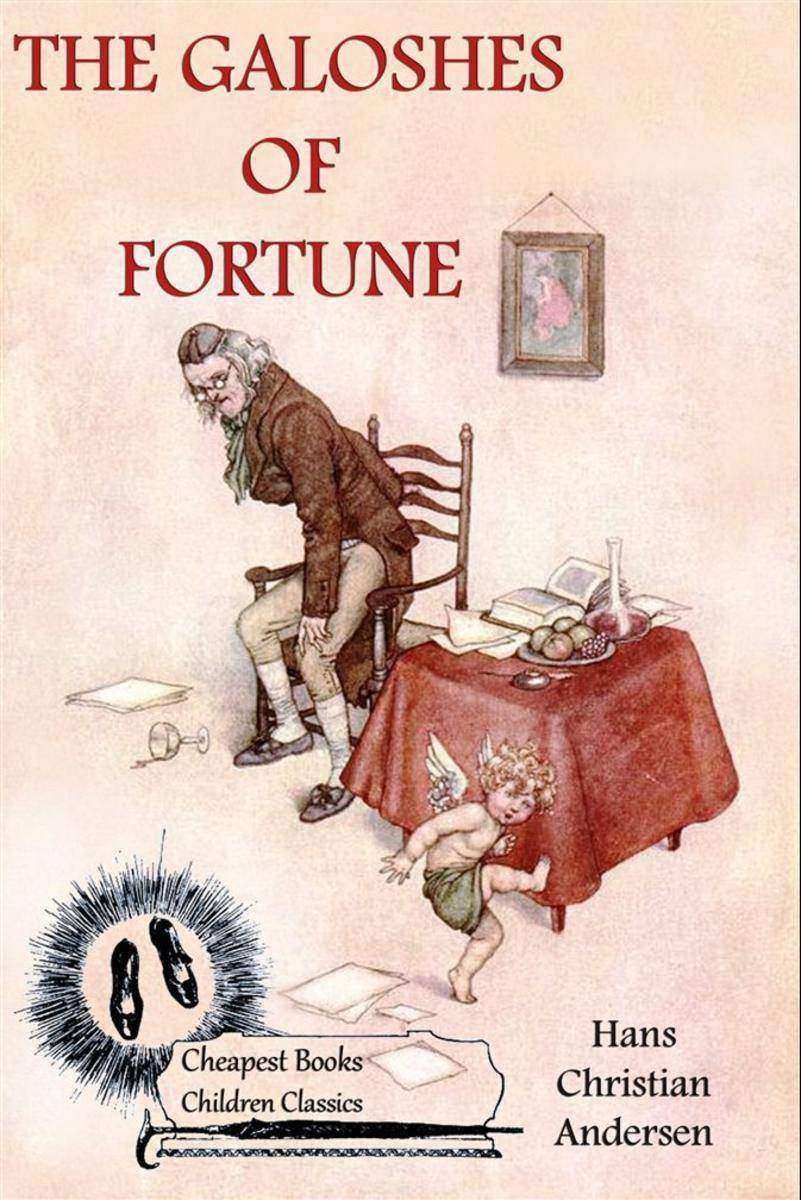
The Galoshes of Fortune
¥9.24
I t was in Copenhagen, in one of the houses on East Street, not far from King's Newmarket, that someone was giving a large party. For one must give a party once in a while, if one expects to be invited in return. Half of the guests were already at the card tables, and the rest were waiting to see what would come of their hostess's query: "What can we think up now?" Up to this point, their conversation had gotten along as best it might. Among other things, they had spoken of the Middle Ages. Some held that it was a time far better than our own. Indeed Councilor of Justice Knap defended this opinion with such spirit that his hostess sided with him at once, and both of them loudly took exception to Oersted's article in the Almanac, which contrasted old times and new, and which favored our own period. The Councilor of Justice, however, held that the time of King Hans, about 1500 A.D., was the noblest and happiest age. While the conversation ran pro and con, interrupted only for a moment by the arrival of a newspaper, in which there was nothing worth reading, let us adjourn to the cloak room, where all the wraps, canes, umbrellas, and galoshes were collected together. Here sat two maids, a young one and an old one. You might have thought they had come in attendance upon some spinster or widow, and were waiting to see their mistress home. However, a closer inspection would reveal that these were no ordinary serving women. Their hands were too well kept for that, their bearing and movements too graceful, and their clothes had a certain daring cut. They were two fairies. The younger one, though not Dame Fortune herself, was an assistant to one of her ladies in waiting, and was used to deliver the more trifling gifts of Fortune. The older one looked quite grave. She was Dame Care, who always goes in her own sublime person to see to her errands herself, for then she knows that they are well done. They were telling each other about where they had been that day. The assistant of Fortune had only attended to a few minor affairs, she said, such as saving a new bonnet from the rain, getting a civil greeting for an honest man from an exalted nincompoop, and such like matters. But her remaining errand was an extraordinary one.
![Sing a Song of Sixpence: [Illustrated]](https://platform-permanent.ddimg.cn/pt-media-info-soa-resource/digital/product/53/13/1901165313_ii_cover.jpg?version=72ffa993-0d82-44e1-96c7-94b432ffcec8)
Sing a Song of Sixpence: [Illustrated]
¥9.24
A brand new sixpence fresh from the Mint! How it sparkled and glittered in the dancing sunlight! Such a treasure for a small girl to possess! But then, on the other hand, what a heavy responsibility!??All day long it had been burning a hole in her pocket, and as for learning lessons, not an idea would enter her head. Everything went in at one ear and out of the other, as Miss Primmer sternly remarked when Nellie could not say her poetry. But, indeed, Nellie did try hard to learn her lessons; she squeezed her eyes together as tightly as possible, though how shutting her eyes was to prevent the lessons from coming out of her ears was not very clear. ??"But I must learn them now," she sighed, "or Miss Primmer will keep me in tomorrow, and I shan't be able to go out with Nursie and Reggie to spend my sixpence. Oh dear! I wish I could learn my poetry and keep it in, I guess I'd better get a bit of cotton wool to put in my ears and then it can't come out. There, now!
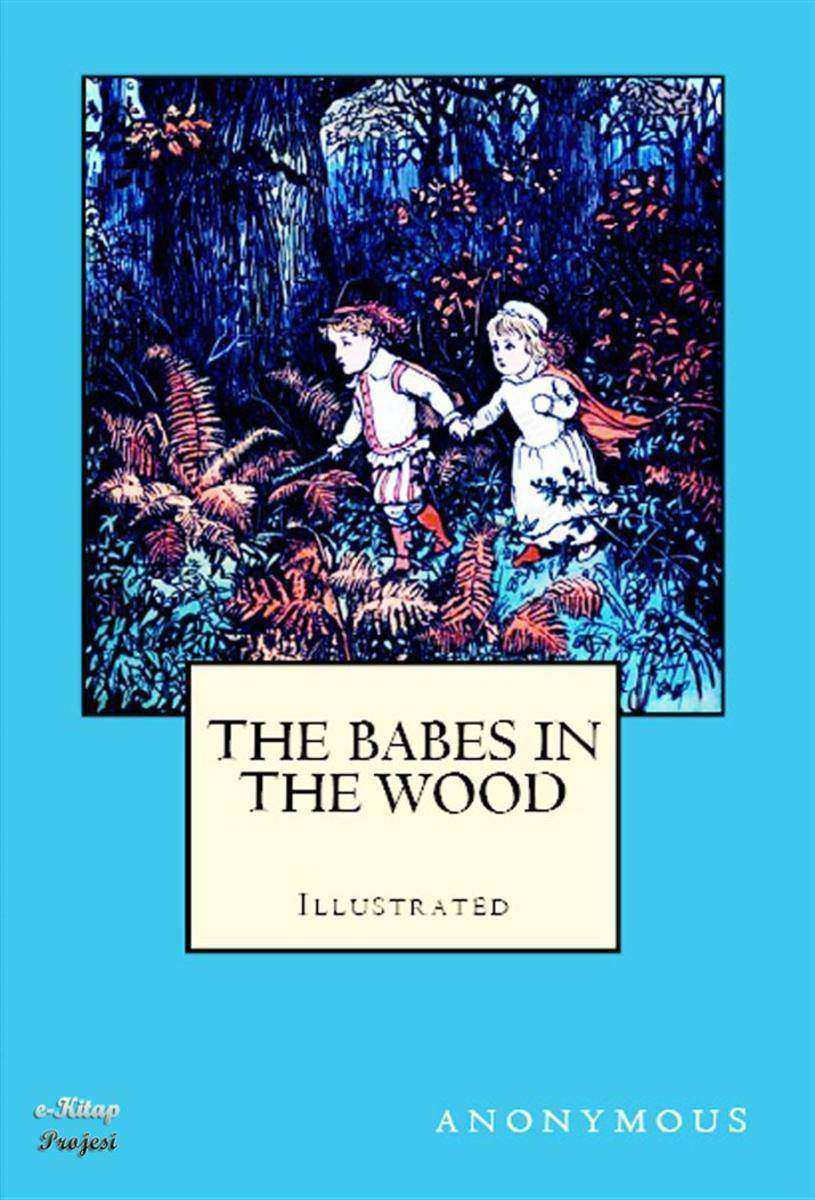
The Babes in the Wood: Illustrated
¥9.24
Now ponder well, you parents deare,?These wordes which I shall write;?A doleful story you shall heare,?In time brought forth to light.??A gentleman of good account?In Norfolke dwelt of late.?Who did in honour far surmount?Most men of his estate.??Sore sicke he was, and like to dye,?No helpe his life could save;?His wife by him as sicke did lye,?And both possest one grave.??No love between these two was lost,?Each was to other kinde;?In love they liv'd, in love they dyed,?And left two babes behinde:??The one a fine and pretty boy,?Not passing three yeares olde;?The other a girl more young than he?And fram'd in beautye's molde. Randolph Caldecott (1846 – 1886) was an English artist and illustrator, born in Chester. The Caldecott Medal was named in his honour. He exercised his art chiefly in book illustrations. His abilities as an artist were promptly and generously recognised by the Royal Academy. Caldecott gre-atly influenced illustration of children's books during the nineteenth century. Two books illustrated by him, priced at a shilling each, were published every Christmas for eight years. Caldecott also illustrated novels and accounts of foreign travel, made humorous drawings depicting hunting and fashionable life, drew cartoons and he made sketches of the Houses of Parliament inside and out, and exhibited sculptures and paintings in oil and watercolour in the Royal Academy and galleries. After six years at Whitchurch, Caldecott moved to the head office in Manchester of the Manchester & Salford Bank. He lodged variously in Aberdeen Street, Rusholme Grove and at Bowdon. He took the opportunity to study at night school at the Manchester School of Art and practised continually, with success in local papers and some London publications. It was a habit of his at this time, which he maintained all his life, to decorate his letters, papers and documents of all descriptions with marginal sketches to illustrate the content or provide amusement. A number of his letters have been reprinted with their illustrations in Yours Pictorially, a book edited by Michael Hutchings. In 1870, a painter friend in London, Thomas Armstrong, put Caldecott in touch with Henry Blackburn, the editor of London Society, who published a number of his drawings in several issues of the monthly magazine. Encouraged by this evidence of his ability to support him-self by his art, Caldecott decided to quit his job and move to London; this he did in 1872 at the age of 26. Within two years he had become a successful magazine illustrator working on commission. His work included individual sketches, illustrations of other articles and a series of illustrations of a holiday which he and Henry Blackburn took in the Harz Mountains in Germany. The latter became the first of a number of such series.
Lords of the Stratosphere
¥9.24
It is a cumulative tale that does not tell the story of Jack's house, or even of Jack who built the house, but instead shows how the house is indirectly linked to other things and people, and through this method tells the story of "The man all tattered and torn", and the "Maiden all forlorn", as well as other smaller events, showing how these are interlinked. Origins: It has been argued that the rhyme is derived from an Aramaic hymn Chad Gadya (lit., "One Young Goat") in Sepher Haggadah, first printed in 1590; but although this is an early cumulative tale that may have inspired the form, the lyrics bear little relationship. It was suggested by James Orchard Halliwell that the reference to the "priest all shaven and shorn" indicates that the English version is probably very old, presumably as far back as the mid-sixteenth century. There is a possible reference to the song in The Boston New Letter of 12 April 1739 and the line: "This is the man all forlorn, &c". However, it did not appear in print until it was included in Nurse Truelove's New-Year's-Gift, or the Book of Books for Children, printed in London in 1755. It was printed in numerous collections in the late eighteenth and early nineteenth centuries. Randolph Caldecott produced an illustrated version in 1878. Cherrington Manor, a handsome timber-framed house in North East Shropshire, England, is reputed to be the actual house that Jack built. There is a former malt house in the grounds. Syntactic structure: Each sentence in the story is an example of an increasingly deeply nested relative clause. The last version, "This is the horse...", would be quite difficult to untangle if the previous ones were not present. See the Noun Phrase for more details about postmodification of the noun phrase in this manner. References in popular culture: The rhyme continues to be a popular choice for illustrated children's books, with recent examples by Simms Taback and Quentin Blake showing how illustrators can introduce a fresh angle and humour into a familiar tale. The popularity of the rhyme can be seen in its use in a variety of other cultural contexts..


