


 购物车
购物车 个人中心
个人中心
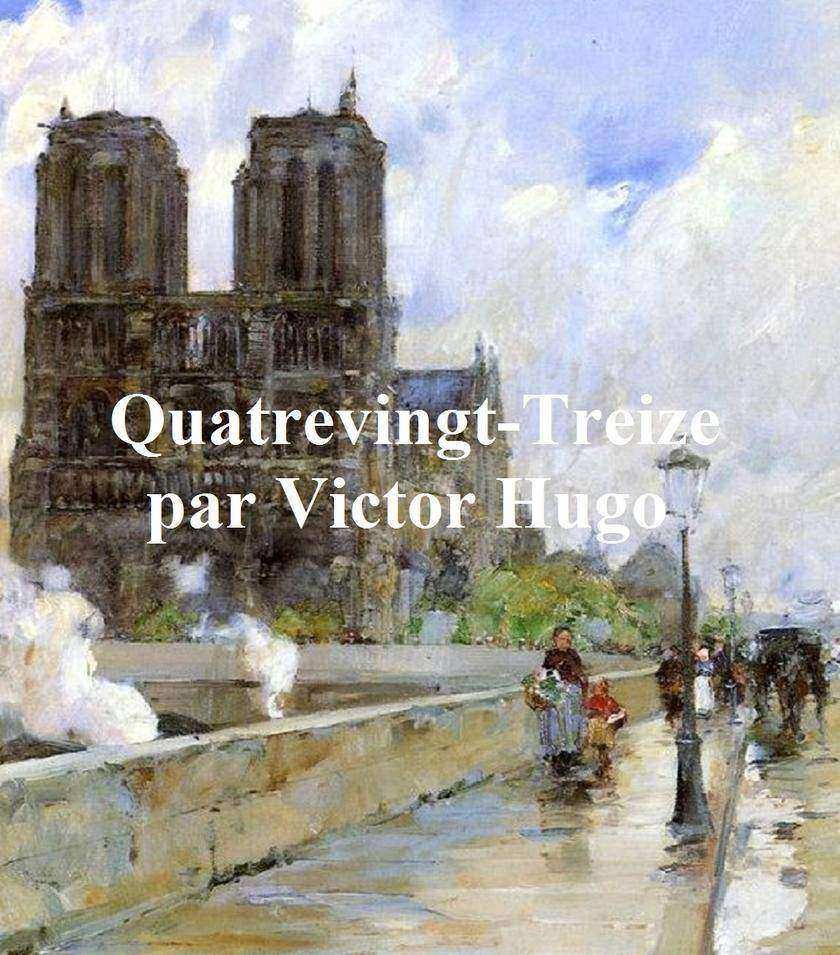
Quatrevingt-Treize
¥8.09
Roman historique classique mis en place pendant la Révolution fran?aise, dans le fran?ais original. Selon Wikipedia: "Quatre-vingt-treize (Quatrevingt-treize) est le dernier roman de l'écrivain fran?ais Victor Hugo, publié en 1874, peu après le bouleversement sanglant de la Commune de Paris, le roman concerne la révolte de la Vendée et de la Chouannerie. révolte contre-révolutionnaire en 1793 pendant la Révolution fran?aise, divisée en trois parties, mais pas chronologiquement, chaque partie raconte une histoire différente, offrant une vision différente des événements généraux historiques. Toujours selon Wikipedia: "Victor-Marie Hugo (26 février 1802 - 22 mai 1885) était un poète, dramaturge, romancier, essayiste, artiste visuel, homme d'?tat, militant des droits de l'homme et représentant du mouvement romantique en France. La renommée littéraire de Hugo vient d'abord de sa poésie, mais repose aussi sur ses romans et ses réalisations dramatiques Parmi les nombreux volumes de poésie, Les Contemplations et La Légende des siècles sont particulièrement estimés et Hugo est parfois identifié comme le plus grand poète fran?ais. En dehors de la France, ses ?uvres les plus connues sont les romans Les Misérables et Notre-Dame de Paris (connu aussi en anglais sous le nom de Le Bossu de Notre Dame), bien que royaliste conservateur engagé quand il était jeune. Il est devenu un partisan passionné du républicanisme et son travail touche à la plupart des questions politiques et sociales et aux tendances artistiques de son temps: il est enterré au Panthéon.
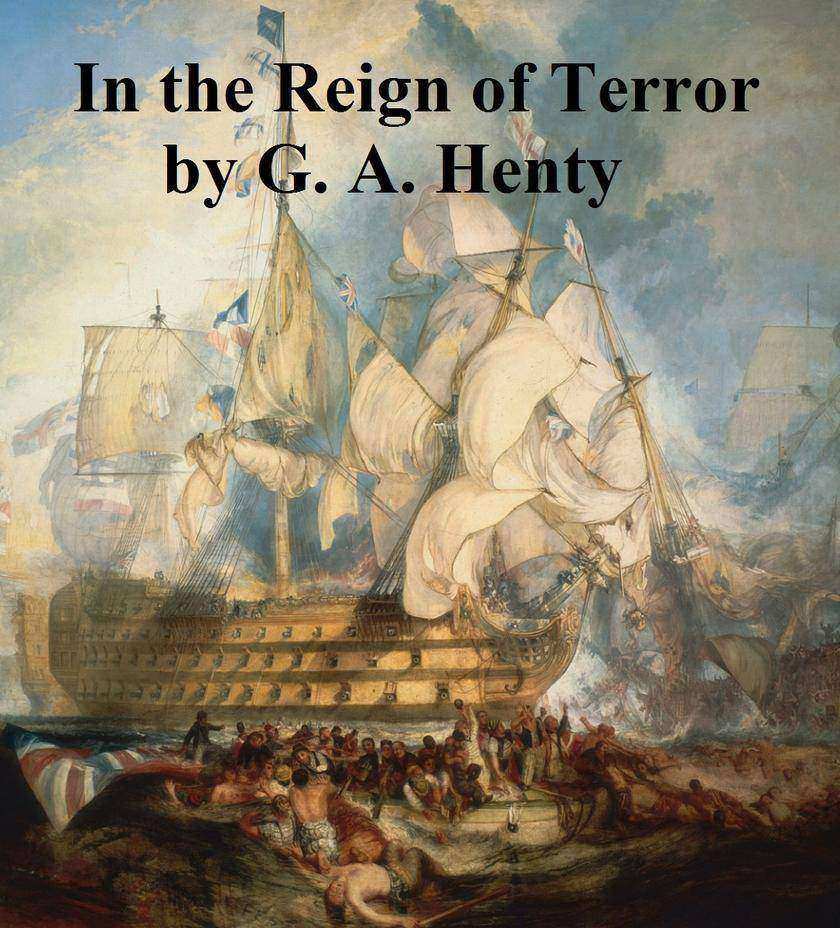
In the Reign of Terror
¥8.09
Classic historical novel set in the French Revolution. According to Wikipedia: "George Alfred Henty (8 December 1832 - 16 November 1902), referred to as G. A. Henty, was a prolific English novelist, special correspondent, and Imperialist born in Trumpington, Cambridgeshire, England. He is best known for his historical adventure stories that were popular in the late 19th century. His works include Out on the Pampas (1871), The Young Buglers (1880), With Clive in India (1884) and Wulf the Saxon (1895)."
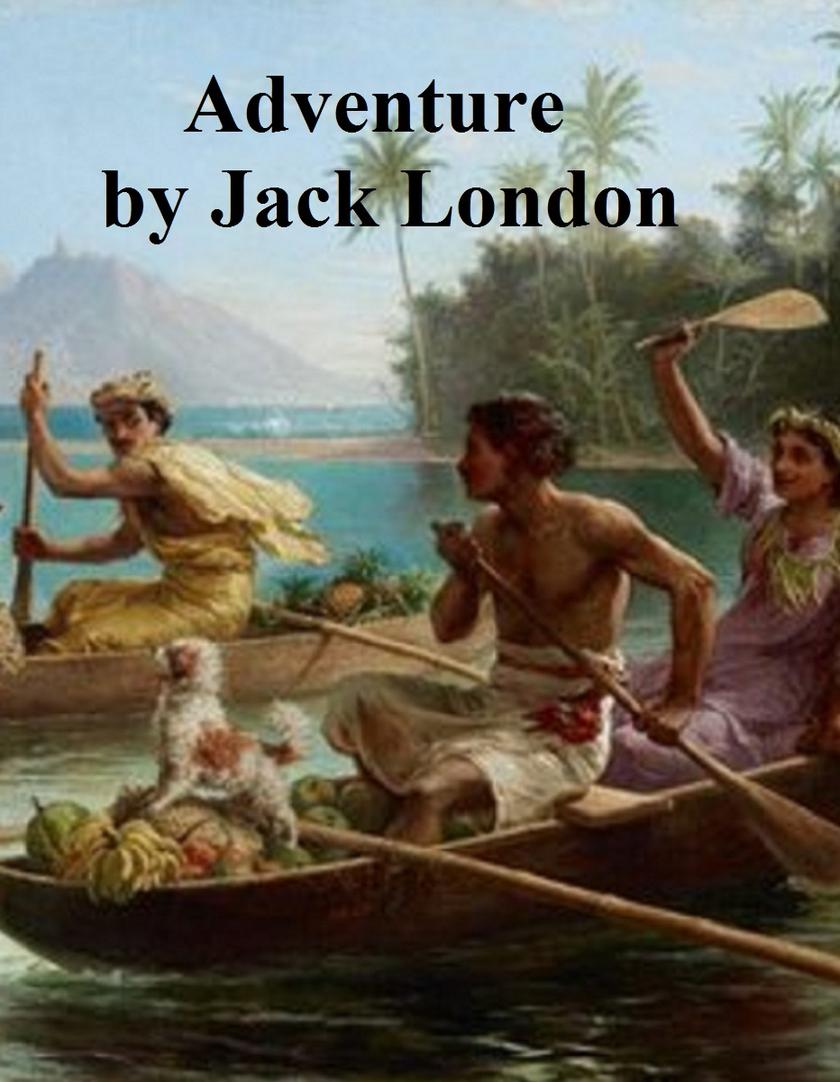
Adventure
¥8.09
Classic Jack London novel. According to Wikipedia: "Jack London (1876 – 1916) was an American author who wrote The Call of the Wild, White Fang, and The Sea Wolf along with many other popular books. A pioneer in the then-burgeoning world of commercial magazine fiction, he was one of the first Americans to make a lucrative career exclusively from writing."
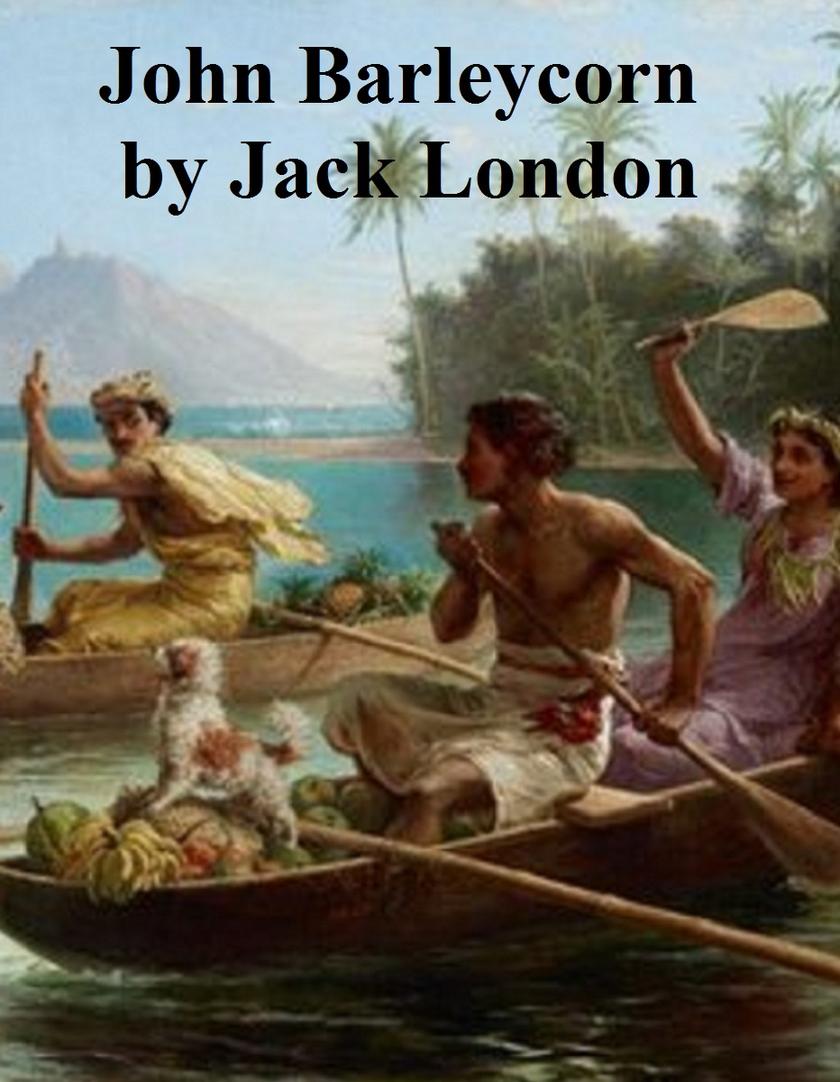
John Barleycorn
¥8.09
Classic Jack London novel. According to Wikipedia: "Jack London (1876 – 1916) was an American author who wrote The Call of the Wild, White Fang, and The Sea Wolf along with many other popular books. A pioneer in the then-burgeoning world of commercial magazine fiction, he was one of the first Americans to make a lucrative career exclusively from writing."
Moon-Face
¥8.09
Classic Jack London short stories, including MOON-FACE, THE LEOPARD MAN'S STORY, LOCAL COLOR, AMATEUR NIGHT, THE MINIONS OF MIDAS, THE SHADOW AND THE FLASH, ALL GOLD CANYON, and PLANCHETTE. According to Wikipedia: "Jack London (1876 – 1916) was an American author who wrote The Call of the Wild, White Fang, and The Sea Wolf along with many other popular books. A pioneer in the then-burgeoning world of commercial magazine fiction, he was one of the first Americans to make a lucrative career exclusively from writing."
The Strength of the Strong
¥8.09
Classic Jack London short stories, including The Strength of the Strong, South of the Slot, The Unparalleled Invasion, The Enemy of All the World, The Dream of Debs, The Sea-Farmer, and Samuel. According to Wikipedia: "Jack London (1876 – 1916) was an American author who wrote The Call of the Wild, White Fang, and The Sea Wolf along with many other popular books. A pioneer in the then-burgeoning world of commercial magazine fiction, he was one of the first Americans to make a lucrative career exclusively from writing."
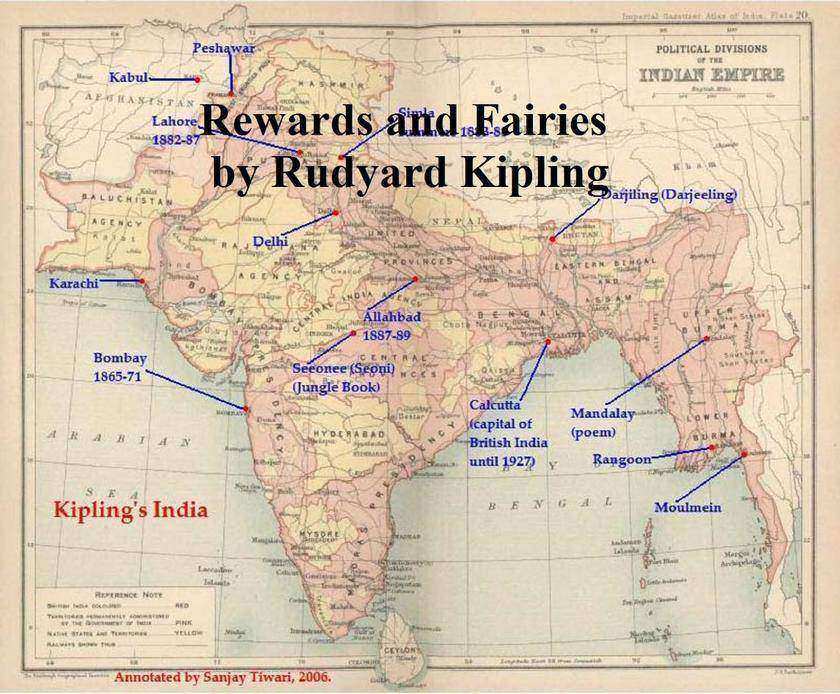
Rewards and Fairies
¥8.09
Classic Kipling children's stories and verse, including A Charm, Cold Iron, Gloriana, The Two Cousins, The Looking-Glass, The Wrong Thing, A Truthful Song, King Henry VII and the Shipwrights, Marklake Witches, The Way through the Woods, Brookland Road, The Knife and the Naked Chalk, The Run of the Downs, Song of the Men's Side, Brother Square-Toes, Philadelphia, If - 'A Priest in Spite of Himself', A St Helena Lullaby, 'Poor Honest Men', The Conversion of St Wilfrid, Eddi's Service, Song of the Red War-Boat, A Doctor of Medicine, An Astrologer's Song, 'Our Fathers of Old', Simple Simon, The Thousandth Man, Frankie's Trade, The Tree of Justice, The Ballad of Minepit Shaw, and A Carol. According to Wikipedia: "Joseph Rudyard Kipling (1865 – 1936) was an English author and poet. Born in Bombay, British India (now Mumbai), he is best known for his works The Jungle Book (1894) and Rikki-Tikki-Tavi (1902), his novel, Kim (1901); his poems, including Mandalay (1890), Gunga Din (1890), If— (1910); and his many short stories, including The Man Who Would Be King (1888). He is regarded as a major "innovator in the art of the short story"; his children's books are enduring classics of children's literature; and his best works speak to a versatile and luminous narrative gift. Kipling was one of the most popular writers in English, in both prose and verse, in the late 19th and early 20th centuries.[2] The author Henry James said of him: "Kipling strikes me personally as the most complete man of genius (as distinct from fine intelligence) that I have ever known." In 1907, he was awarded the Nobel Prize in Literature, making him the first English language writer to receive the prize, and to date he remains its youngest recipient. Among other honours, he was sounded out for the British Poet Laureateship and on several occasions for a knighthood, all of which he declined.
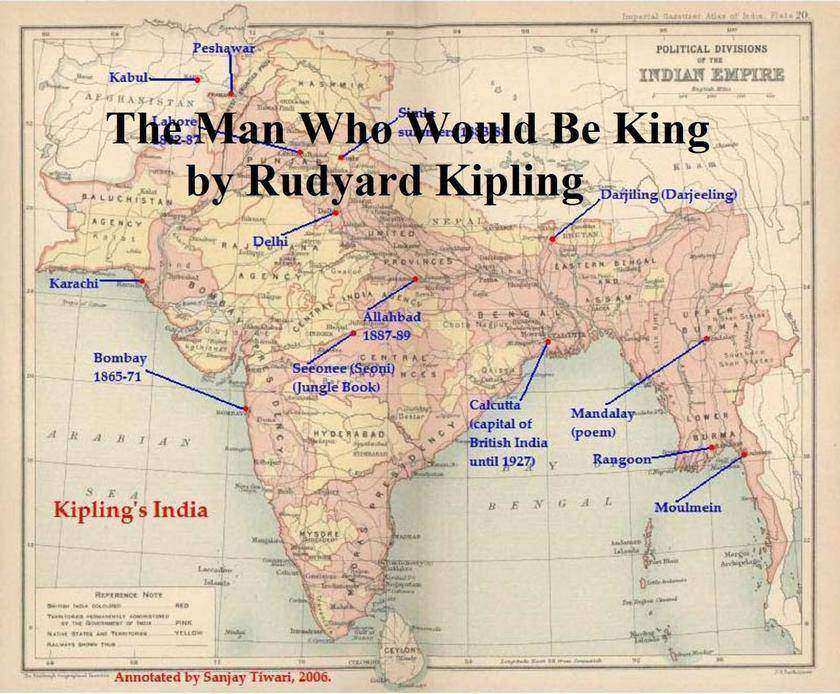
The Man Who Would Be King
¥8.09
According to Wikipedia: ""The Man Who Would Be King" (1888) is a novella by Rudyard Kipling. It is about two British adventurers in British India who become kings of Kafiristan, a remote part of Afghanistan. The story was inspired by the exploits of James Brooke, an Englishman who became the first White Rajah of Sarawak in Borneo; and by the travels of American adventurer Josiah Harlan, who was granted the title Prince of Ghor in perpetuity for himself and his descendants. It incorporates a number of other factual elements such as locating the story in eastern Afghanistan's Kafiristan and the European-like appearance of many of Kafiristan's Nuristani people, and an ending modelled on the return of the head of the explorer Adolf Schlagintweit to colonial administrators.. Joseph Rudyard Kipling (1865 – 1936) was an English author and poet. Born in Bombay, British India (now Mumbai), he is best known for his works The Jungle Book (1894) and Rikki-Tikki-Tavi (1902), his novel, Kim (1901); his poems, including Mandalay (1890), Gunga Din (1890), If— (1910); and his many short stories, including The Man Who Would Be King (1888). He is regarded as a major "innovator in the art of the short story"; his children's books are enduring classics of children's literature; and his best works speak to a versatile and luminous narrative gift. Kipling was one of the most popular writers in English, in both prose and verse, in the late 19th and early 20th centuries. The author Henry James said of him: "Kipling strikes me personally as the most complete man of genius (as distinct from fine intelligence) that I have ever known." In 1907, he was awarded the Nobel Prize in Literature, making him the first English language writer to receive the prize, and to date he remains its youngest recipient. Among other honours, he was sounded out for the British Poet Laureateship and on several occasions for a knighthood, all of which he declined."
Extract from Captain Stormfield's Visit to Heaven
¥8.09
Classic long short story. According to Wikipedia: "Samuel Langhorne Clemens (November 30, 1835 - April 21, 1910), better known by the pen name Mark Twain, was a humorist, satirist, lecturer and writer from the United States of America. Twain is most noted for his novels Adventures of Huckleberry Finn, which has since been called the Great American Novel, and The Adventures of Tom Sawyer. He is also known for his quotations. During his lifetime, Twain became a friend to presidents, artists, leading industrialists and European royalty. Twain enjoyed immense public popularity, and his keen wit and incisive satire earned him praise from both critics and peers. American author William Faulkner called Twain 'the father of American literature.'"

Mr. Justice Raffles
¥8.09
Classic mystery/detective novel. According to Wikipedia: "Ernest William Hornung (June 7, 1866 – March 22, 1921)... was an English author, most famous for writing the Raffles series of novels about a gentleman thief in late Victorian London. Hornung was the third son of John Peter Hornung, a Hungarian, and was born in Middlesbrough, England. He was educated at Uppingham School during some of the later years of its great headmaster, Edward Thring. He spent most of his life in England and France, but in 1884 left for Australia and stayed for two years where he working as a tutor at Mossgiel station. Although his Australian experience had been so short, it coloured most of his literary work from A Bride from the Bush published in 1899, to Old Offenders and a few Old Scores, which appeared after his death. He returned from Australia in 1886, and married Constance ("Connie") Doyle (1868-1924), the sister of Sir Arthur Conan Doyle in 1893. Hornung published the poems Bond and Free and Wooden Crosses in The Times. The character of A. J. Raffles, a "gentleman thief", first appeared in Cassell's Magazine in 1898 and the stories were later collected as The Amateur Cracksman (1899). Other titles in the series include The Black Mask (1901), A Thief in the Night (1905), and the full-length novel Mr. Justice Raffles (1909). He also co-wrote the play Raffles, The Amateur Cracksman with Eugene Presbrey in 1903."
Little Men
¥8.09
Classic novel by the author of "Little Women". According to Wikipedia: "Louisa May Alcott (1832 – 1888) was an American novelist. She is best known for the novel Little Women, published in 1868. This novel is loosely based on her childhood experiences with her three sisters."
La Tentation de Saint Antoine
¥8.09
Roman classique d'abord publié en 1848, dans le fran?ais original. Selon Wikipédia: "La Tentation de Saint Antoine" est un livre que l'auteur fran?ais Gustave Flaubert a pratiquement travaillé toute sa vie, en trois versions qu'il a achevées en 1849, 1856 (extraits publiés au même temps) et 1872 avant de publier la version finale en 1874. Il prend comme sujet la fameuse tentation de Saint Antoine le Grand dans le désert égyptien, un thème souvent repris dans l'art médiéval et moderne. Il raconte une nuit dans la vie d'Anthony le Grand, où Anthony est confronté à de grandes tentations, et il a été inspiré par la peinture qu'il a vue au palais Balbi à Gênes. Madame Bovary, que Flaubert considérait son chef-d'?uvre.
A Little Princess
¥8.09
Classic novel for children, one of Burnett's best known books. Sara Crewe, a pupil at Miss Minchin's London school, is left in poverty when her father dies, but is later rescued by a mysterious benefactor. According to Wikipedia: "Frances Hodgson Burnett, ( 1849 - 1924) was an English–American playwright and author. She is best known for her children's stories, in particular The Secret Garden, A Little Princess, and Little Lord Fauntleroy. Born Frances Eliza Hodgson in Cheetham Hill, Manchester, her father died in 1854, and the family had to endure poverty and squalor in the Victorian slums of Manchester. Following the death of her mother in 1867, an 18-year-old Frances was now the head of a family of four younger siblings. She turned to writing to support them all, with a first story published in Godey's Lady's Book in 1868. Soon after she was being published regularly in Godey's, Scribner's Monthly, Peterson's Ladies' Magazine and Harper's Bazaar. Her main writing talent was combining realistic detail of working-class life with a romantic plot. Her first novel was published in 1877; That Lass o' Lowrie's was a story of Lancashire life. After moving with her husband to Washington, D.C., Burnett wrote the novels Haworth's (1879), Louisiana (1880), A Fair Barbarian (1881), and Through One Administration (1883), as well as a play, Esmeralda (1881), written with William Gillette...Her later works include Sara Crewe (1888) - later rewritten as A Little Princess (1905); The Lady of Quality (1896) - considered one of the best of her plays; and The Secret Garden (1909), the children's novel for which she is probably best known today. The Lost Prince was published in 1915..."
In Homespun
¥8.09
Classic novel for children. According to Wikipedia: "Edith Nesbit (married name Edith Bland; 15 August 1858 – 4 May 1924) was an English author and poet whose children's works were published under the name of E. Nesbit. She wrote or collaborated on over 60 books of fiction for children, several of which have been adapted for film and television. She was also a political activist and co-founded the Fabian Society, a precursor to the modern Labour Party.... Nesbit published approximately 40 books for children, both novels and collections of stories. Collaborating with others, she published almost as many more. According to her biographer Julia Briggs, Nesbit was "the first modern writer for children": "(Nesbit) helped to reverse the great tradition of children's literature inaugurated by [Lewis] Carroll, [George] MacDonald and Kenneth Grahame, in turning away from their secondary worlds to the tough truths to be won from encounters with things-as-they-are, previously the province of adult novels." Briggs also credits Nesbit with having invented the children's adventure story. Among Nesbit's best-known books are The Story of the Treasure Seekers (1898) and The Wouldbegoods (1899), which both recount stories about the Bastables, a middle class family that has fallen on relatively hard times. Her children's writing also included numerous plays and collections of verse. She created an innovative body of work that combined realistic, contemporary children in real-world settings with magical objects and adventures and sometimes travel to fantastic worlds."
Le Collier de la Reine
¥8.09
Roman classique dans le fran?ais original. Selon Wikipédia: "Alexandre Dumas, père (fran?ais pour" père ", apparenté à" Senior "en anglais), né Dumas Davy de la Pailleterie (24 juillet 1802 - 5 décembre 1870) était un écrivain fran?ais, mieux connu pour ses nombreux romans historiques de grande aventure qui ont fait de lui l'un des auteurs fran?ais les plus lus au monde, dont plusieurs de ses romans, dont Le Comte de Monte-Cristo, Les Trois Mousquetaires et Le Vicomte de Bragelonne, écrit des pièces de thé?tre et des articles de magazines et était un correspondant prolifique. "
In Defense of Women
¥8.09
Classic collection of satirical essays, including The Feminine Mind, The War Between the Sexes, Marriage, Woman Sufrage, and The New Age. The Introduction begins: "As a professional critic of life and letters, my principal business in the world is that of manufacturing platitudes for tomorrow, which is to say, ideas so novel that they will be instantly rejected as insane and outrageous by all right thinking men, and so apposite and sound that they will eventually conquer that instinctive opposition, and force themselves into the traditional wisdom of the race."
In the Year of Jubilee
¥8.09
Classic novel. According to Wikipedia: "George Robert Gissing (November 22, 1857 – December 28, 1903) was an English novelist who wrote twenty-three novels between 1880 and 1903. From his early naturalistic works, he developed into one of the most accomplished realists of the late-Victorian era. ... In 1880 when his first novel, Workers in the Dawn, proved to be an abject failure, he became a private tutor to keep poverty from the door. In 1883, he separated from his wife, now an alcoholic, but gave her a weekly income on what little money he had until her death in 1888. In 1884 his second novel, The Unclassed, which saw a marked improvement in style and characterisation, met with moderate critical acclaim. After this Gissing published novels almost on a yearly basis, but so little money did they bring him, that for several more years he had to continue working as a tutor. Although notoriously exploited by his publishers, he was able to visit Italy in 1889 from the sale of the copyright of The Nether World, his most pessimistic book. Between 1891 and 1897 (his so-called middle period) Gissing produced his best works, which include New Grub Street, Born in Exile, The Odd Women, In the Year of Jubilee, and The Whirlpool. In advance of their time, they variously deal with the growing commercialism of the literary market, religious charlatanism, the situation of emancipated women in a male-dominated society, the poverty of the working classes, and marriage in a decadent world. During this period, having belatedly become aware of the financial rewards of writing short stories for the press, he produced almost seventy stories. As a result he was able to give up teaching. ... The middle years of the decade saw Gissing's reputation reach new heights: by some critics he is counted alongside George Meredith and Thomas Hardy as one of the best three novelists of his day. He also enjoyed new friendships with fellow writers such as Henry James, and H.G. Wells, and came into contact with many other up and coming writers such as Joseph Conrad and Stephen Crane. ... In 1903 Gissing published The Private Papers of Henry Ryecroft, which brought him much acclaim. This is his most autobiographical work. It is the memoir of the last happy years of a writer who had struggled much like Gissing, but thanks to a late legacy had been able to give up writing to retire to the countryside."
Complete Poetical Works
¥8.09
Collection of poetry. According to Wikipedia: "Bret Harte (August 25, 1836[2] – May 6, 1902) was an American author and poet, best remembered for his accounts of pioneering life in California. He was born in Albany, New York. ... He moved to California in 1853, later working there in a number of capacities, including miner, teacher, messenger, and journalist. He spent part of his life in the northern California coast town now known as Arcata, then just a mining camp on Humboldt Bay. His first literary efforts, including poetry and prose, appeared in The Californian, an early literary journal edited by Charles Henry Webb. In 1868 he became editor of The Overland Monthly, another new literary magazine, but this one more in tune with the pioneering spirit of excitement in California. His story, "The Luck of Roaring Camp," appeared in the magazine's second edition, propelling Harte to nationwide fame... Determined to pursue his literary career, in 1871 he and his family traveled back East, to New York and eventually to Boston, where he contracted with the publisher of The Atlantic Monthly for an annual salary of $10,000, "an unprecedented sum at the time." His popularity waned, however, and by the end of 1872 he was without a publishing contract and increasingly desperate. He spent the next few years struggling to publish new work (or republish old), delivering lectures about the gold rush, and even selling an advertising jingle to a soap company. In 1878 Harte was appointed to the position of United States Consul in the town of Krefeld, Germany and then to Glasgow in 1880. In 1885 he settled in London. During the thirty years he spent in Europe, he never abandoned writing, and maintained a prodigious output of stories that retained the freshness of his earlier work. He died in England in 1902 of throat cancer and is buried at Frimley."
The Complete Poems of Paul Laurence Dunbar
¥8.09
According to Wikipedia: "Paul Laurence Dunbar (June 27, 1872– February 9, 1906) was a seminal African American poet of the late 19th and early 20th centuries. Dunbar gained national recognition for his 1896 Ode to Ethiopia, one poem in the collection Lyrics of Lowly Life."
Mademoiselle de Maupin
¥8.09
Selon Wikipédia: "Pierre Jules Théophile Gautier (30 ao?t 1811 - 23 octobre 1872), poète, dramaturge, romancier, journaliste et critique littéraire fran?ais, défenseur ardent du romantisme, est difficile à classer et à classer. point de référence pour de nombreuses traditions littéraires ultérieures telles que le parnassianisme, le symbolisme, la décadence et le modernisme, il a été largement estimé par des écrivains aussi divers que Baudelaire, les frères Goncourt, Flaubert et Oscar Wilde.
The New Arabian Nights
¥8.09
Collection of short stories, including: The Suicide Club, The Rajah's Diamond, The Pavilion on the Links, A Lodging for the Night - a Story of Francis Villon, The Sire de Maletroit's Door, and Providence and the Guitar. According to Wikipedia: "Robert Louis (Balfour) Stevenson ( 1850 - 1894), was a Scottish novelist, poet, and travel writer, and a leading representative of Neo-romanticism in English literature. He was the man who "seemed to pick the right word up on the point of his pen, like a man playing spillikins", as G. K. Chesterton put it. He was also greatly admired by many authors, including Jorge Luis Borges, Ernest Hemingway, Rudyard Kipling, Vladimir Nabokov, and J. M. Barrie. Most modernist writers dismissed him, however, because he was popular and did not write within their definition of modernism. It is only recently that critics have begun to look beyond Stevenson's popularity and allow him a place in the canon."


