


 购物车
购物车 个人中心
个人中心

A Fallen Woman
¥53.76
Nancy Carson lives in Staffordshire and is a keen student of local history. All her novels are based around real events, and focus on the lives and loves of the people of the Black Country.
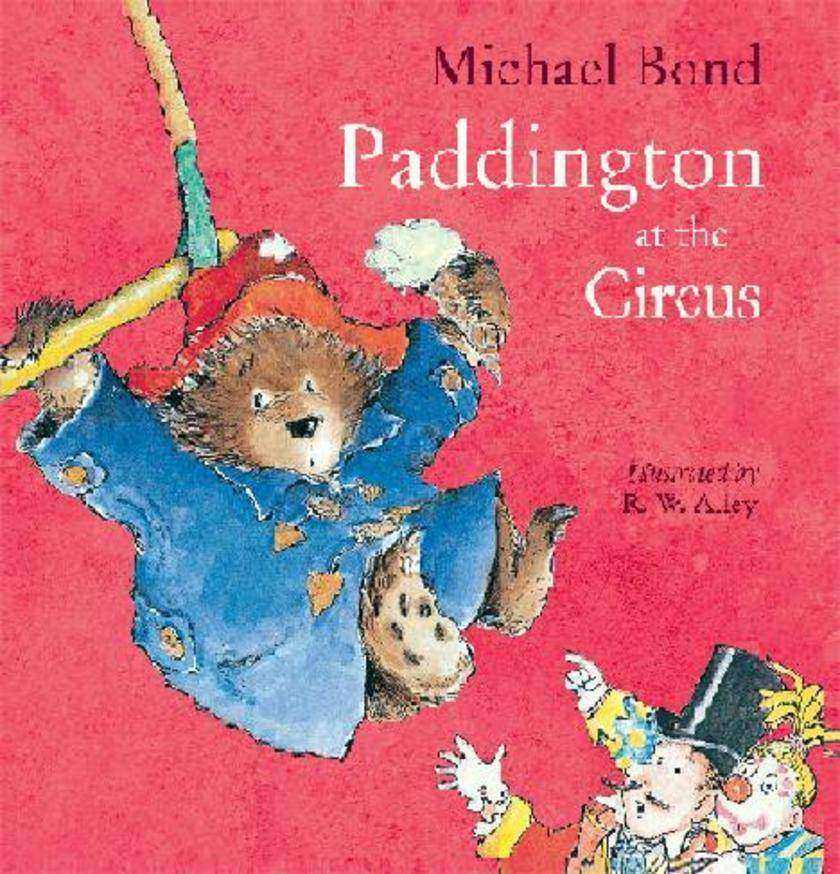
Paddington at the Circus
¥44.24
Michael Bond was born in Newbury, Berkshire on 13 January 1926 and educated at Presentation College, Reading. He served in the Royal Air Force and the British Army before working as a cameraman for BBC TV for 19 years. In 2015, Michael was awarded a CBE for his services to children’s literature, to add to the OBE he received in 1997. Michael died in 2017, leaving behind one of the great literary legacies of our time.

The Lost Diary of Leonardo’s Paint Mixer
¥51.50
The ninth title in this successful series. A factually accurate but hilarious look at the life of Leonardo Da Vinci as he mixes with the colourful set in Renaissance Italy! From his passion for horses, to his painting of the Mona Lisa – all is revealed. Leonardo da Vinci’s life from 1470 to 1519 as seen through the eyes of one, Luigi Cannelloni, Leonardo’s trusty assistant. From his Adoration of the Magi; his passion for the structure of horses; his painting of the Mona Lisa not to mention the highlife of Renaissance Italy – all is revealed in an hilarious way. As with the other Lost Diaries, this is factually accurate but the fictional voice brings in the humour
Developing Middleware in Java EE 8
¥81.74
Use Java features such as JAX-RS, EJBs, and JPAs to build powerful middleware for newer architectures such as the cloud About This Book ? Explore EJBs to build middleware solutions for enterprise and distributed applications ? Understand middleware designs such as event-based and message-driven web services ? Learn to design and maintain large-scale systems and vendor disputes Who This Book Is For Enterprise architects, designers, developers, and programmers who are interested in learning how to build robust middleware solutions for enterprise software will find this book useful. Prior knowledge of Java EE is essential What You Will Learn ? Implement the latest Java EE 8 APIs and manage dependencies with CDI 2.0 ? Perform CRUD operations and access databases with JPA 2.1 ? Use bean validation API 2.0 to validate data ? Develop business logic with EJB 3.2 ? Incorporate the REST architecture and RESTful API design patterns ? Perform serialization and deserialization on JSON documents using JSON-B ? Utilize JMS for messaging and queuing models and securing applications ? Test applications using JUnit and Mockito and deploy them using Docker In Detail Middleware is the infrastructure in software based applications that enables businesses to solve problems, operate more efficiently, and make money. As the use of middleware extends beyond a single application, the importance of having it written by experts increases substantially. This book will help you become an expert in developing middleware for a variety of applications. The book starts off by exploring the latest Java EE 8 APIs with newer features and managing dependencies with CDI 2.0. You will learn to implement object-to-relational mapping using JPA 2.1 and validate data using bean validation. You will also work with different types of EJB to develop business logic, and with design RESTful APIs by utilizing different HTTP methods and activating JAX-RS features in enterprise applications. You will learn to secure your middleware with Java Security 1.0 and implement various authentication techniques, such as OAuth authentication. In the concluding chapters, you will use various test technologies, such as JUnit and Mockito, to test applications, and Docker to deploy your enterprise applications. By the end of the book, you will be proficient in developing robust, effective, and distributed middleware for your business. Style and approach Learn how to design and implement professional enterprise middleware solutions using the latest techniques and features provided by the Java EE 8 platform.
Managing Mission - Critical Domains and DNS
¥81.74
This book will give you an all encompassing view of the domain name ecosystem combined with a comprehensive set of operations strategies. About This Book ? Manage infrastructure, risk, and management of DNS name servers. Get hands-on with factors like types of name servers, DNS queries and and so on. ? Practical guide for system administrators to manage mission-critical servers ? Based on real-world experience - Written by an industry veteran who has made every possible mistake within this field. Who This Book Is For Ideal for sysadmins, webmasters, IT consultants, and developers-anyone responsible for maintaining your organization's core DNS What You Will Learn ? Anatomy of a domain - how a domain is the sum of both its DNS zone and its registration data, and why that matters. ? The domain name ecosystem - the role of registries, registrars and oversight bodies and their effect on your names. ? How DNS queries work - queries and responses are examined including debugging techniques to zero in on problems. ? Nameserver considerations - alternative nameserver daemons, numbering considerations, and deployment architectures. ? DNS use cases - the right way for basic operations such as domain transfers, large scale migrations, GeoDNS, Anycast DNS. ? Securing your domains - All aspects of security from registrar vendor selection, to DNSSEC and DDOS mitigation strategies. In Detail Managing your organization's naming architecture and mitigating risks within complex naming environments is very important. This book will go beyond looking at “how to run a name server” or “how to DNSSEC sign a domain”, Managing Mission Critical Domains & DNS looks across the entire spectrum of naming; from external factors that exert influence on your domains to all the internal factors to consider when operating your DNS. The readers are taken on a comprehensive guided tour through the world of naming: from understanding the role of registrars and how they interact with registries, to what exactly is it that ICANN does anyway? Once the prerequisite knowledge of the domain name ecosystem is acquired, the readers are taken through all aspects of DNS operations. Whether your organization operates its own nameservers or utilizes an outsourced vendor, or both, we examine the complex web of interlocking factors that must be taken into account but are too frequently overlooked. By the end of this book, our readers will have an end to end to understanding of all the aspects covered in DNS name servers. Style and approach The book is divided into two parts, the first part looks at the wider domain name ecosystem: registries, registrars and oversight policies. The second and larger part goes into operations. Every aspect of naming is considered from the viewpoint of how this affects ones domains, what are the ramifications of different operating methods as portfolios scale.
Python GUI Programming with Tkinter
¥81.74
Find out how to create visually stunning and feature-rich applications by empowering Python's built-in Tkinter GUI toolkit About This Book ? Explore Tkinter's powerful features to easily design and customize your GUI application ? Learn the basics of 2D and 3D animation in GUI applications. ? Learn to integrate stunning Data Visualizations using Tkinter Canvas and Matplotlib. Who This Book Is For This book will appeal to developers and programmers who would like to build GUI-based applications. Knowledge of Python is a prerequisite. What You Will Learn ? Implement the tools provided by Tkinter to design beautiful GUIs ? Discover cross-platform development through minor customizations in your existing application ? Visualize graphs in real time as data comes in using Tkinter's animation capabilities ? Use PostgreSQL authentication to ensure data security for your application ? Write unit tests to avoid regressions when updating code In Detail Tkinter is a lightweight, portable, and easy-to-use graphical toolkit available in the Python Standard Library, widely used to build Python GUIs due to its simplicity and availability. This book teaches you to design and build graphical user interfaces that are functional, appealing, and user-friendly using the powerful combination of Python and Tkinter. After being introduced to Tkinter, you will be guided step-by-step through the application development process. Over the course of the book, your application will evolve from a simple data-entry form to a complex data management and visualization tool while maintaining a clean and robust design. In addition to building the GUI, you'll learn how to connect to external databases and network resources, test your code to avoid errors, and maximize performance using asynchronous programming. You'll make the most of Tkinter's cross-platform availability by learning how to maintain compatibility, mimic platform-native look and feel, and build executables for deployment across popular computing platforms. By the end of this book, you will have the skills and confidence to design and build powerful high-end GUI applications to solve real-world problems. Style and approach This is a comprehensive guide that explores the essential Tkinter features and modules and implements them in building real-world cross-platform GUI applications
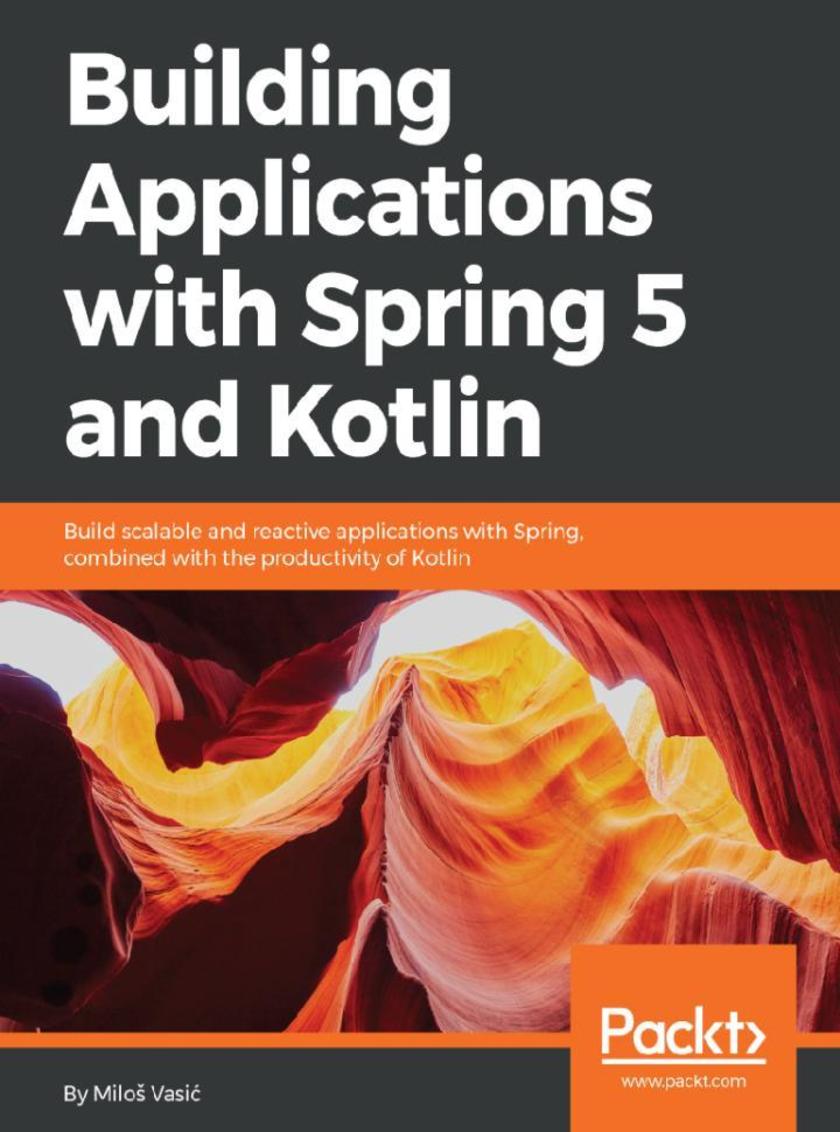
Building Applications with Spring 5 and Kotlin
¥81.74
Learn to build a full-fledged application in Spring and Kotlin taking a reactive, microservice-based approach for scalability and robustness in the cloud About This Book ? Build a full-fledged application in Spring and Kotlin ? Architect your application to take a microservice-based approach in the cloud ? Integrate your application with a variety of Spring components Who This Book Is For Developers comfortable using Spring who have basic knowledge of Kotlin and want to take their development skills to the next level and build enterprise-grade applications will benefit from this book. What You Will Learn ? Explore Spring 5 concepts with Kotlin ? Learn both dependency injections and complex configurations ? Utilize Spring Data, Spring Cloud, and Spring Security in your applications ? Create efficient reactive systems with Project Reactor ? Write unit tests for your Spring/Kotlin applications ? Deploy applications on cloud platforms like AWS In Detail Kotlin is being used widely by developers because of its light weight, built-in null safety, and functional and reactive programming aspects. Kotlin shares the same pragmatic, innovative and opinionated mindset as Spring, so they work well together. Spring when combined with Kotlin helps you to reach a new level of productivity. This combination has helped developers to create Functional Applications using both the tools together. This book will teach you how to take advantage of these developments and build robust, scalable and reactive applications with ease. In this book, you will begin with an introduction to Spring and its setup with Kotlin. You will then dive into assessing the design considerations of your application. Then you will learn to use Spring (with Spring Boot) along with Kotlin to build a robust backend in a microservice architecture with a REST based collaboration, and leverage Project Reactor in your application. You’ll then learn how to integrate Spring Data and Spring Cloud to manage configurations for database interaction and cloud deployment. You’ll also learn to use Spring Security to beef up security of your application before testing it with the JUnit framework and then deploying it on a cloud platform like AWS. Style and approach Everything you learn will be demonstrated on real-world Spring project. In each chapter we will cover some of Spring features and apply it on our project. We will guide you from the project initialization till the project deployment.
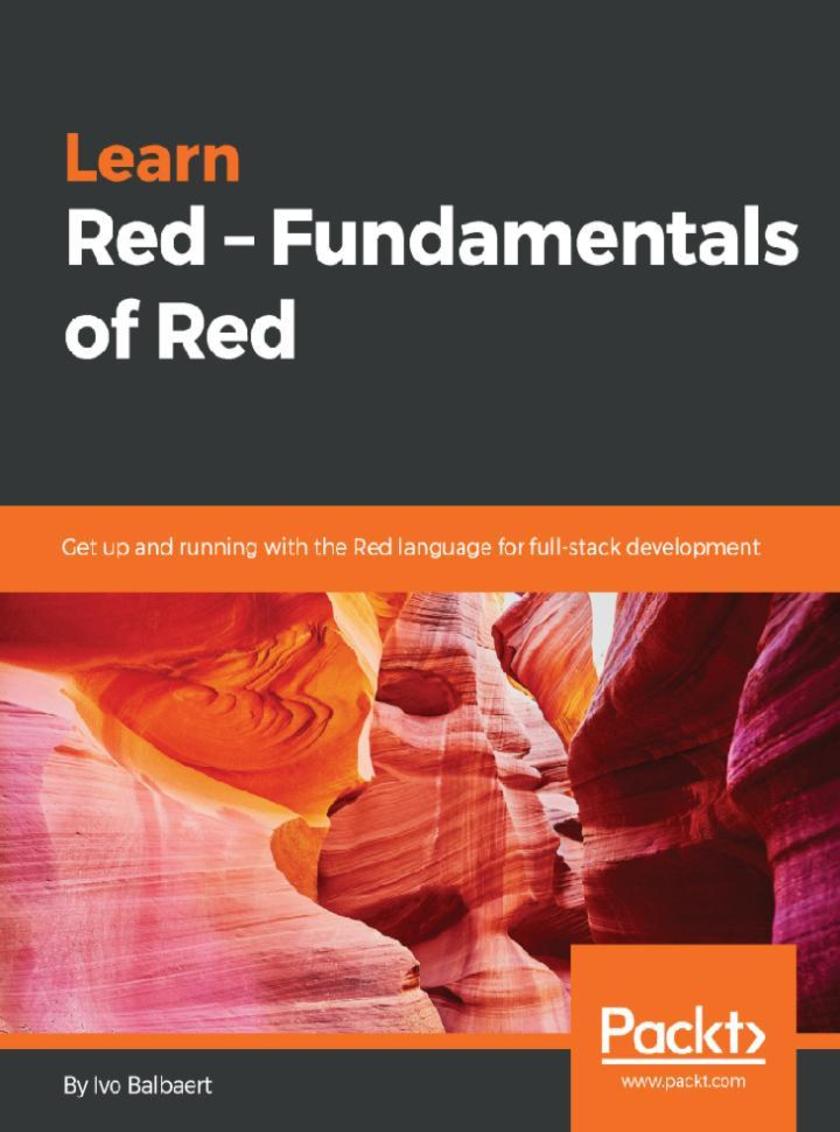
Learn Red – Fundamentals of Red
¥63.21
Discover how to use the next-generation language Red for full-stack development, from systems coding over user-interfaces to blockchain programming About This Book ? Explore the latest features of Red to build scalable, fast, and secure applications ? Learn graphical programming and build highly sophisticated reactive applications ? Get familiar with the specific concepts and techniques of Red development, like working with series, viewing code as data, and using dialects. Who This Book Is For This book is for software developers and architects who want to learn Red because of its conciseness, flexibility, and expressiveness, and more specifically for its possibilities in GUI apps and blockchain / smart contracts programming. Some knowledge of the basic concepts and experience of any programming language is assumed. What You Will Learn ? Set up your Red environment to achieve the highest productivity ? Get grounded in Red, gaining experience and insight through many examples and exercises ? Build simple, compact, and portable applications ? Analyze streams of data through Parse ? Compose GUI applications with View and Draw ? Get prepared for smart contract blockchain programming in Red In Detail A key problem of software development today is software bloat, where huge toolchains and development environments are needed in software coding and deployment. Red significantly reduces this bloat by offering a minimalist but complete toolchain. This is the first introductory book about it, and it will get you up and running with Red as quickly as possible. This book shows you how to write effective functions, reduce code redundancies, and improve code reuse. It will be helpful for new programmers who are starting out with Red to explore its wide and ever-growing package ecosystem and also for experienced developers who want to add Red to their skill set. The book presents the fundamentals of programming in Red and in-depth informative examples using a step-by-step approach. You will be taken through concepts and examples such as doing simple metaprogramming, functions, collections, GUI applications, and more. By the end of the book, you will be fully equipped to start your own projects in Red. Style and approach This book will gently guide you step by step into the fascinating programming universe of the Red language, offering real-world examples and practical exercises to sharpen your insight.
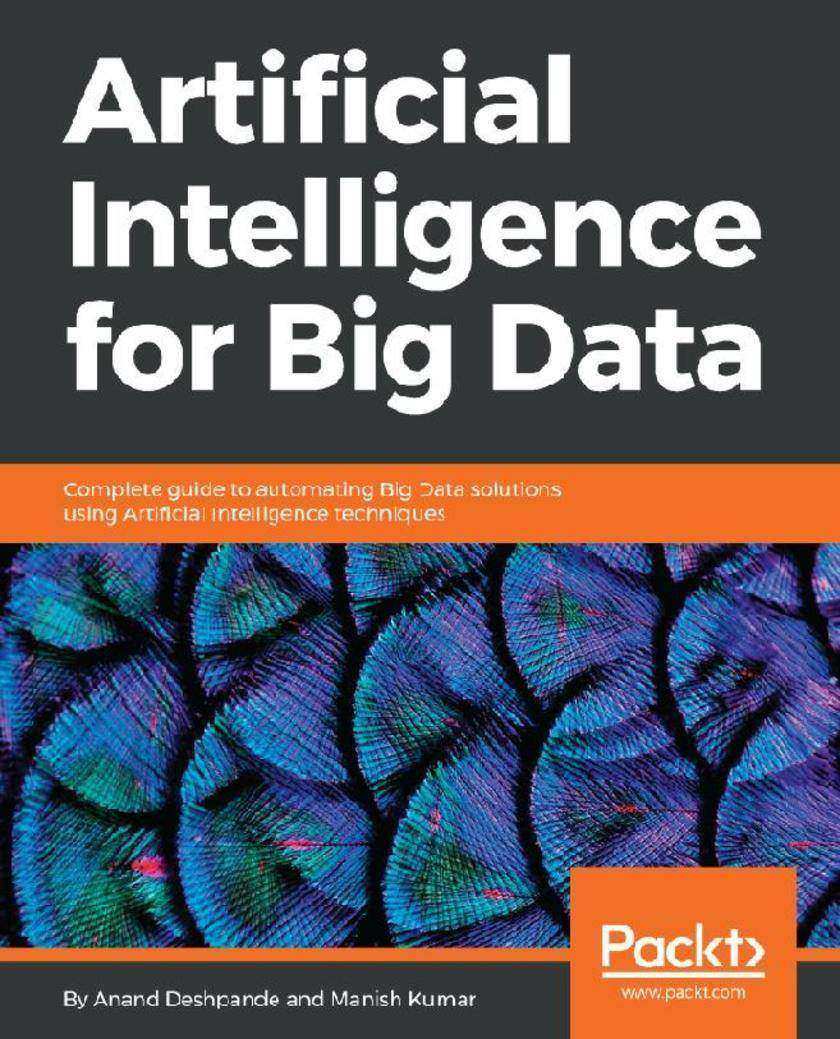
Artificial Intelligence for Big Data
¥81.74
Build next-generation Artificial Intelligence systems with Java About This Book ? Implement AI techniques to build smart applications using Deeplearning4j ? Perform big data analytics to derive quality insights using Spark MLlib ? Create self-learning systems using neural networks, NLP, and reinforcement learning Who This Book Is For This book is for you if you are a data scientist, big data professional, or novice who has basic knowledge of big data and wish to get proficiency in Artificial Intelligence techniques for big data. Some competence in mathematics is an added advantage in the field of elementary linear algebra and calculus. What You Will Learn ? Manage Artificial Intelligence techniques for big data with Java ? Build smart systems to analyze data for enhanced customer experience ? Learn to use Artificial Intelligence frameworks for big data ? Understand complex problems with algorithms and Neuro-Fuzzy systems ? Design stratagems to leverage data using Machine Learning process ? Apply Deep Learning techniques to prepare data for modeling ? Construct models that learn from data using open source tools ? Analyze big data problems using scalable Machine Learning algorithms In Detail In this age of big data, companies have larger amount of consumer data than ever before, far more than what the current technologies can ever hope to keep up with. However, Artificial Intelligence closes the gap by moving past human limitations in order to analyze data. With the help of Artificial Intelligence for big data, you will learn to use Machine Learning algorithms such as k-means, SVM, RBF, and regression to perform advanced data analysis. You will understand the current status of Machine and Deep Learning techniques to work on Genetic and Neuro-Fuzzy algorithms. In addition, you will explore how to develop Artificial Intelligence algorithms to learn from data, why they are necessary, and how they can help solve real-world problems. By the end of this book, you'll have learned how to implement various Artificial Intelligence algorithms for your big data systems and integrate them into your product offerings such as reinforcement learning, natural language processing, image recognition, genetic algorithms, and fuzzy logic systems. Style and approach An easy-to-follow, step-by-step guide to help you get to grips with real-world applications of Artificial Intelligence for big data using Java
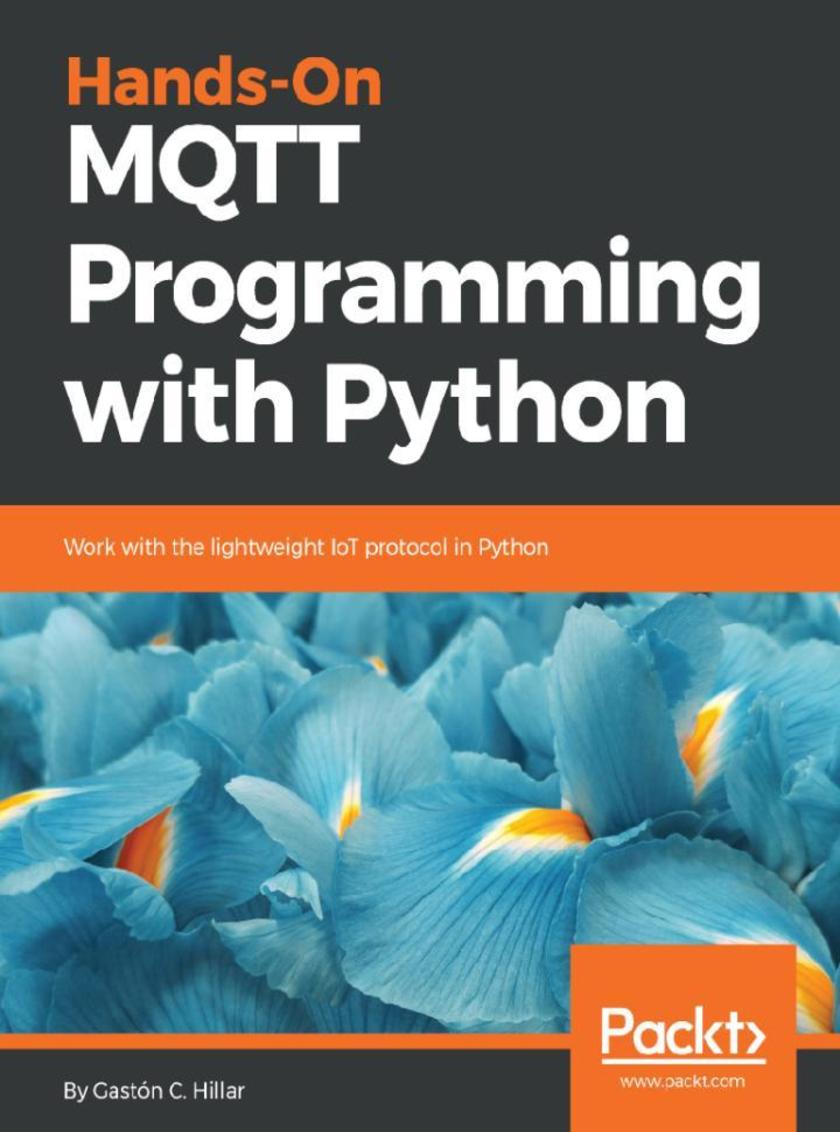
Hands-On MQTT Programming with Python
¥63.21
Explore the features included in the latest versions of MQTT for IoT and M2M communications and use them with modern Python 3. About This Book ? Make your connected devices less prone to attackers by understanding security mechanisms ? Take advantage of MQTT features for IoT and Machine-to-Machine communications ? The only book that covers MQTT with a single language, Python Who This Book Is For This book is for developers who want to learn about the MQTT protocol for their IoT projects. Prior knowledge of working with IoT and Python will be helpful. What You Will Learn ? Learn how MQTT and its lightweight messaging system work ? Understand the MQTT puzzle: clients, servers (formerly known as brokers), and connections ? Explore the features included in the latest versions of MQTT for IoT and M2M communications ? Publish and receive MQTT messages with Python ? Learn the difference between blocking and threaded network loops ? Take advantage of the last will and testament feature ? Work with cloud-based MQTT interfaces in Python In Detail MQTT is a lightweight messaging protocol for small sensors and mobile devices. This book explores the features of the latest versions of MQTT for IoT and M2M communications, how to use them with Python 3, and allow you to interact with sensors and actuators using Python. The book begins with the specific vocabulary of MQTT and its working modes, followed by installing a Mosquitto MQTT broker. You will use different utilities and diagrams to understand the most important concepts related to MQTT. You will learn to?make all the necessary configuration to work with digital certificates for encrypting all data sent between the MQTT clients and the server. You will also work with the different Quality of Service levels and later analyze and compare their overheads. You will write Python 3.x code to control a vehicle with MQTT messages delivered through encrypted connections (TLS 1.2), and learn how leverage your knowledge of the MQTT protocol to build a solution based on requirements. Towards the end, you will write Python code to use the PubNub cloud-based real-time MQTT provider to monitor a surfing competition. In the end, you will have a solution that was built from scratch by analyzing the requirements and then write Python code that will run on water-proof IoT boards connected to multiple sensors in surfboards. Style and approach This book shows you what MQTT is, and how to install and secure an MQTT server. You will write Python 3 code to control a vehicle with MQTT messages, test and improve, then monitor a surfing competition with cloud-based real-time MQTT providers.
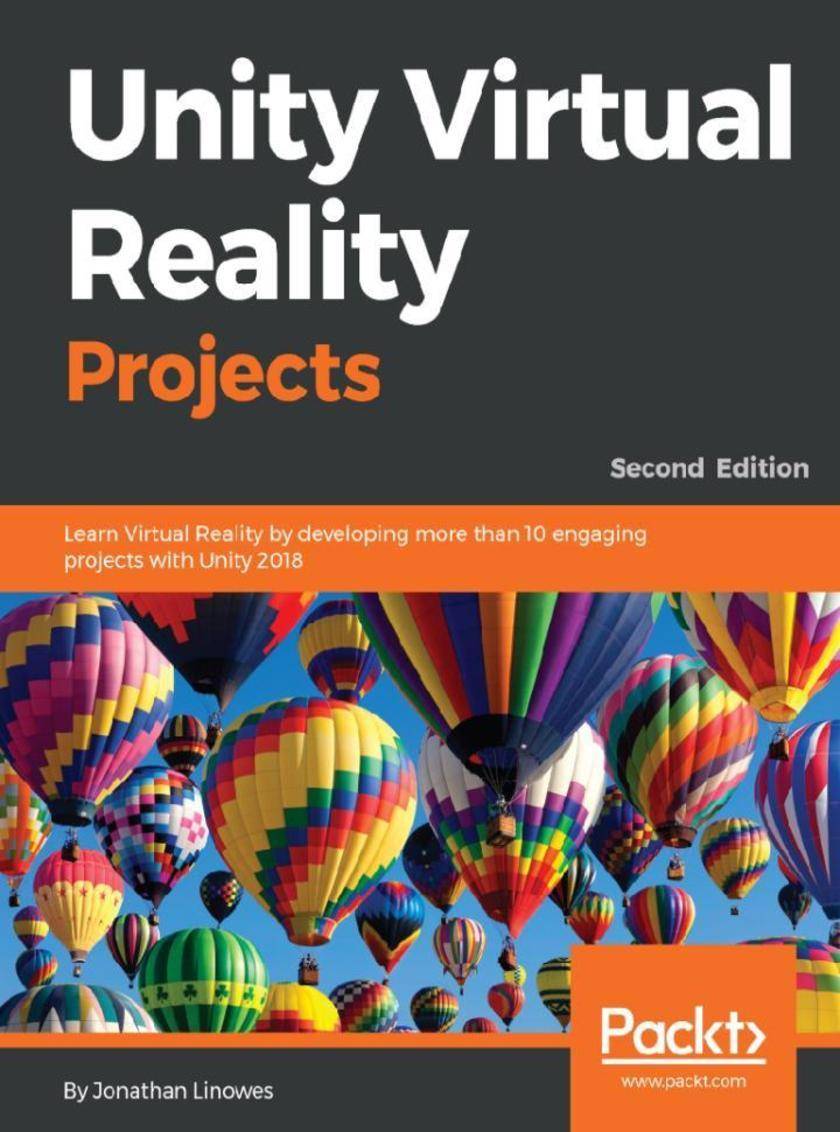
Unity Virtual Reality Projects
¥90.46
Explore the latest features of Unity 2018 to create immersive VR projects for Oculus Rift, HTC Vive, Daydream and Gear VR About This Book ? A project-based guide to teach you how to develop immersive and fun VR applications using Unity 3D ? Build experiences with interactable objects, physics, UI, animations, C# scripting, and other Unity features ? Explore the world of VR by building experiences such as diorama, first-person characters, 360-degree projections, social VR, audio fireball game, and VR storytelling Who This Book Is For If you're a non-programmer unfamiliar with 3D computer graphics, or experienced in both but new to virtual reality, and are interested in building your own VR games or applications, then this book is for you. Any experience in Unity is an advantage. What You Will Learn ? Create 3D scenes with Unity and other 3D tools while learning about world space and scale ? Build and run VR applications for specific headsets, including Oculus, Vive, and Daydream ? Interact with virtual objects using eye gaze, hand controllers, and user input events ? Move around your VR scenes using locomotion and teleportation ? Implement an audio fireball game using physics and particle systems ? Implement an art gallery tour with teleportation and data info ? Design and build a VR storytelling animation with a soundtrack and timelines ? Create social VR experiences with Unity networking In Detail Unity has become the leading platform for building virtual reality games, applications, and experiences for this new generation of consumer VR devices. Unity Virtual Reality Projects walks you through a series of hands-on tutorials and in-depth discussions on using the Unity game engine. With its practical and project-based approach, this book will get you up to speed with the specifics of Virtual Reality development in Unity. You will learn how to use Unity to develop VR applications that can be experienced with devices such as Oculus, Daydream, and Vive. Among the many topics and projects, you will explore gaze-based versus hand controller input, world space UI canvases, locomotion and teleportation, software design patterns, 360-degree media, timeline animation, and multiplayer networking. You will learn the Unity 3D game engine via the interactive Unity Editor as well as C# programming. By the end of the book, you will be fully equipped to develop rich, interactive virtual reality experiences using Unity. Style and approach A practical step-by-step guide to building impressive VR experiences with Unity 2018.
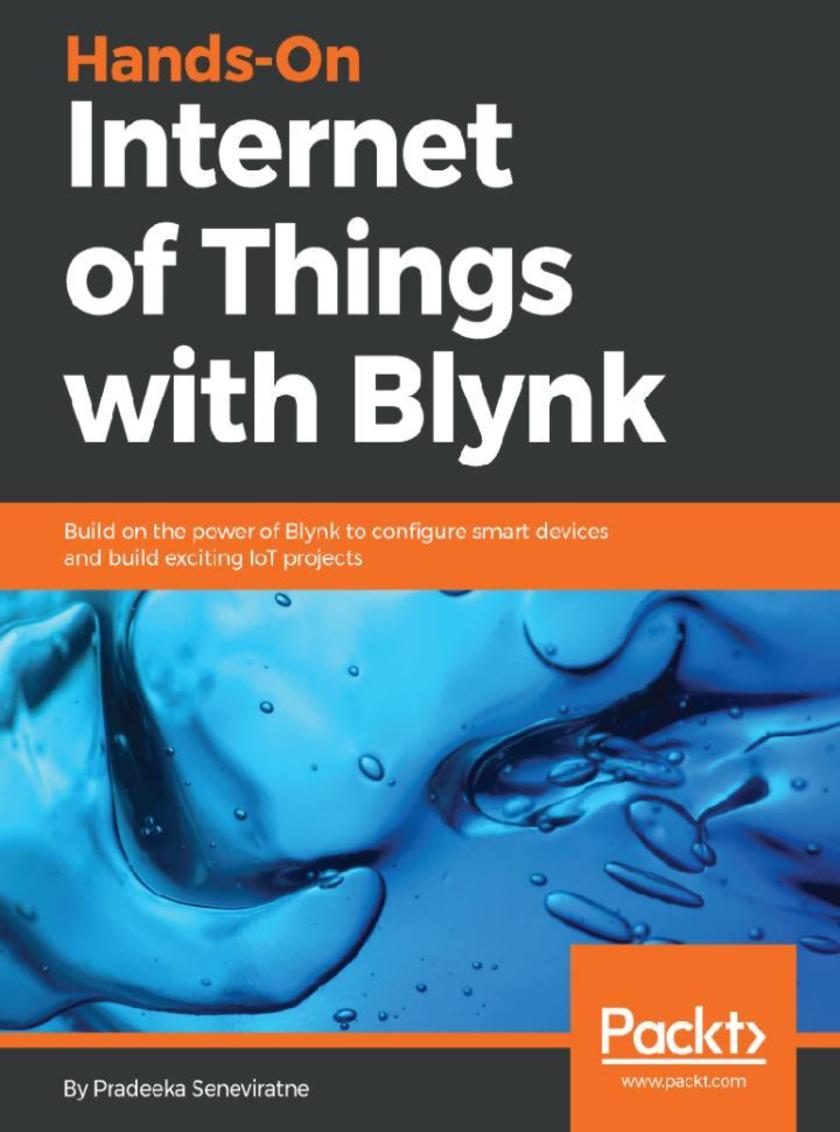
Hands-On Internet of Things with Blynk
¥63.21
Connect things to create amazing IoT applications in minutes About This Book ? Use Blynk cloud and Blynk server to connect devices ? Build IoT applications on Android and iOS platforms ? A practical guide that will show how to connect devices using Blynk and Raspberry Pi 3 Who This Book Is For This book is targeted at any stakeholder working in the IoT sector who wants to understand how Blynk works and build exciting IoT projects. Prior understanding of Raspberry Pi, C/C++, and electronics is a must. What You Will Learn ? Build devices using Raspberry Pi and various sensors and actuators ? Use Blynk cloud to connect and control devices through the Blynk app ? Connect devices to Blynk cloud and server through Ethernet and Wi-Fi ? Make applications using Blynk apps (App Builder) on Android and iOS platforms ? Run Blynk personal server on the Windows, MAC, and Raspberry Pi platforms In Detail Blynk, known as the most user-friendly IoT platform, provides a way to build mobile applications in minutes. With the Blynk drag-n-drop mobile app builder, anyone can build amazing IoT applications with minimal resources and effort, on hardware ranging from prototyping platforms such as Arduino and Raspberry Pi 3 to industrial-grade ESP8266, Intel, Sierra Wireless, Particle, Texas Instruments, and a few others. This book uses Raspberry Pi as the main hardware platform and C/C++ to write sketches to build projects. The first part of this book shows how to set up a development environment with various hardware combinations and required software. Then you will build your first IoT application with Blynk using various hardware combinations and connectivity types such as Ethernet and Wi-Fi. Then you'll use and configure various widgets (control, display, notification, interface, time input, and some advanced widgets) with Blynk App Builder to build applications. Towards the end, you will learn how to connect with and use built-in sensors on Android and iOS mobile devices. Finally you will learn how to build a robot that can be controlled with a Blynk app through the Blynk cloud and personal server. By the end of this book, you will have hands-on experience building IoT applications using Blynk. Style and approach A step-by-step guide that will help you build simple yet exciting project in no time.
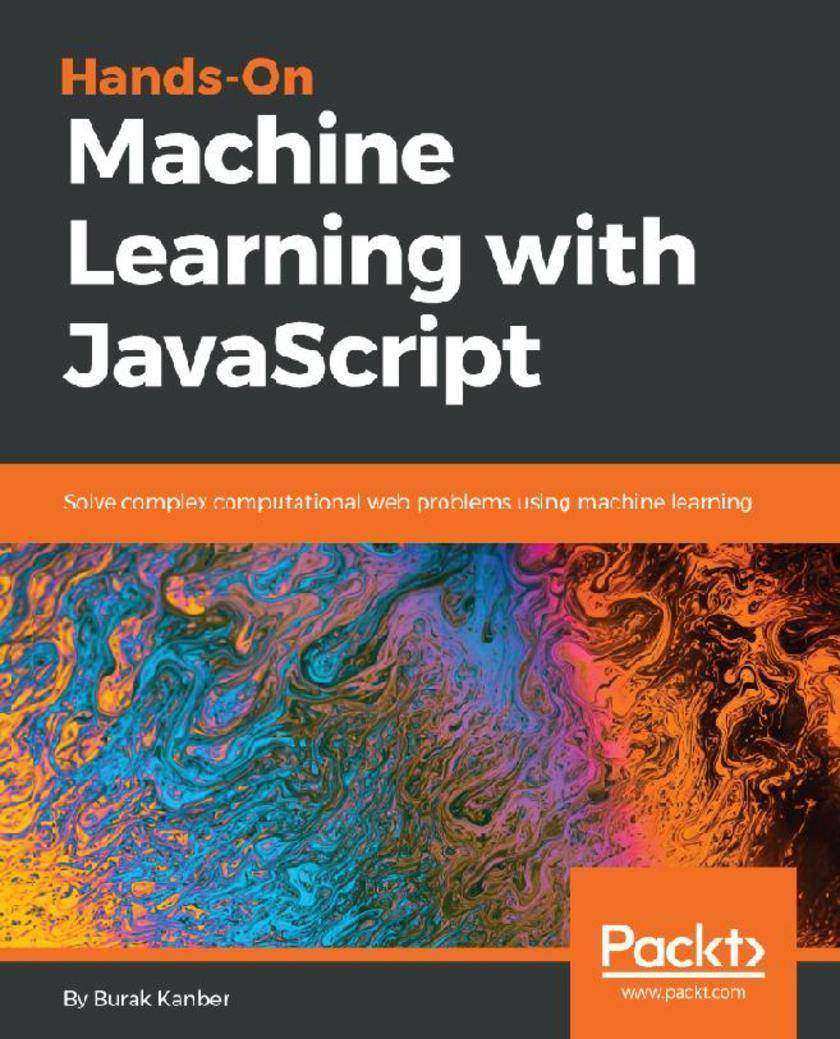
Hands-on Machine Learning with JavaScript
¥81.74
A definitive guide to creating an intelligent web application with the best of machine learning and JavaScript About This Book ? Solve complex computational problems in browser with JavaScript ? Teach your browser how to learn from rules using the power of machine learning ? Understand discoveries on web interface and API in machine learning Who This Book Is For This book is for you if you are a JavaScript developer who wants to implement machine learning to make applications smarter, gain insightful information from the data, and enter the field of machine learning without switching to another language. Working knowledge of JavaScript language is expected to get the most out of the book. What You Will Learn ? Get an overview of state-of-the-art machine learning ? Understand the pre-processing of data handling, cleaning, and preparation ? Learn Mining and Pattern Extraction with JavaScript ? Build your own model for classification, clustering, and prediction ? Identify the most appropriate model for each type of problem ? Apply machine learning techniques to real-world applications ? Learn how JavaScript can be a powerful language for machine learning In Detail In over 20 years of existence, JavaScript has been pushing beyond the boundaries of web evolution with proven existence on servers, embedded devices, Smart TVs, IoT, Smart Cars, and more. Today, with the added advantage of machine learning research and support for JS libraries, JavaScript makes your browsers smarter than ever with the ability to learn patterns and reproduce them to become a part of innovative products and applications. Hands-on Machine Learning with JavaScript presents various avenues of machine learning in a practical and objective way, and helps implement them using the JavaScript language. Predicting behaviors, analyzing feelings, grouping data, and building neural models are some of the skills you will build from this book. You will learn how to train your machine learning models and work with different kinds of data. During this journey, you will come across use cases such as face detection, spam filtering, recommendation systems, character recognition, and more. Moreover, you will learn how to work with deep neural networks and guide your applications to gain insights from data. By the end of this book, you'll have gained hands-on knowledge on evaluating and implementing the right model, along with choosing from different JS libraries, such as NaturalNode, brain, harthur, classifier, and many more to design smarter applications. Style and approach This is a practical tutorial that uses hands-on examples to step through some real-world applications of machine learning. Without shying away from the technical details, you will explore machine learning with JavaScript using clear and practical examples.

Harry Potter and the Chamber of Secrets
¥40.00
"'There is a plot, Harry Potter. A plot to make most terrible things happen at Hogwarts School of Witchcraft and Wizardry this year.'"Harry Potter's summer has included the worst birthday ever, doomy warnings from a house-elf called Dobby, and rescue from the Dursleys by his friend Ron Weasley in a magical flying car! Back at Hogwarts School of Witchcraft and Wizardry for his second year, Harry hears strange whispers echo through empty corridors - and then the attacks start. Students are found as though turned to stone ... Dobby's sinister predictions seem to be coming true.

Harry Potter and the Order of the Phoenix
¥40.00
You are sharing the Dark Lord's thoughts and emotions. The Headmaster thinks it inadvisable for this to continue. He wishes me to teach you how to close your mind to the Dark Lord.'Dark times have come to Hogwarts. After the Dementors' attack on his cousin Dudley, Harry Potter knows that Voldemort will stop at nothing to find him. There are many who deny the Dark Lord's return, but Harry is not alone: a secret order gathers at Grimmauld Place to fight against the Dark forces. Harry must allow Professor Snape to teach him how to protect himself from Voldemort's savage assaults on his mind. But they are growing stronger by the day and Harry is running out of time ...

Harry Potter and the Deathly Hallows
¥40.00
"'Give me Harry Potter,' said Voldemort's voice, 'and none shall be harmed. Give me Harry Potter, and I shall leave the school untouched. Give me Harry Potter, and you will be rewarded.'As he climbs into the sidecar of Hagrid's motorbike and takes to the skies, leaving Privet Drive for the last time, Harry Potter knows that Lord Voldemort and the Death Eaters are not far behind. The protective charm that has kept Harry safe until now is broken, but he cannot keep hiding. The Dark Lord is breathing fear into everything Harry loves and to stop him Harry will have to find and destroy the remaining Horcruxes. The final battle must begin - Harry must stand and face his enemy ...
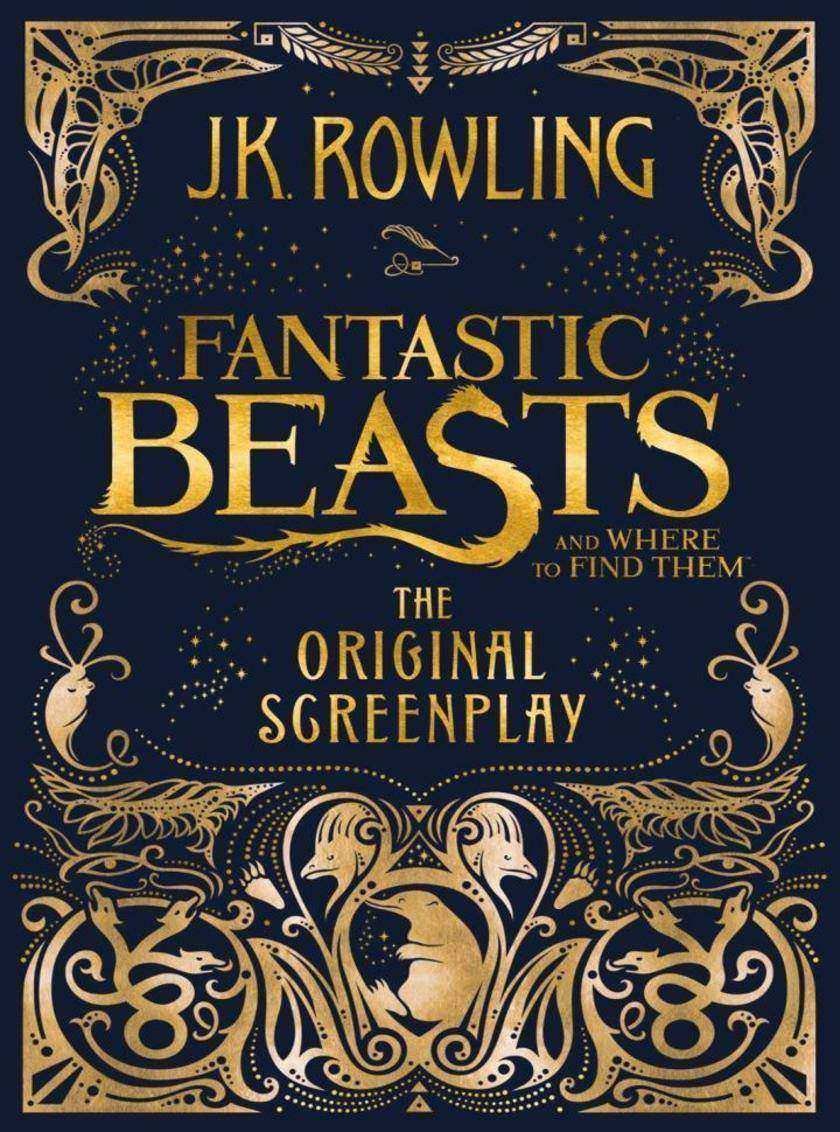
Fantastic Beasts and Where to Find Them: The Original Screenplay
¥30.00
J.K. Rowling's screenwriting debut is captured in this ebook edition of the Fantastic Beasts and Where to Find Them screenplay. When Magizoologist Newt Scamander arrives in New York, he intends his stay to be just a brief stopover. However, when his magical case is misplaced and some of Newt's fantastic beasts escape, it spells trouble for everyone... Inspired by the original Hogwart’s textbook by Newt Scamander, Fantastic Beasts and Where to Find Them: The Original screenplay marks the screenwriting debut of J.K. Rowling, author of the beloved and internationally bestselling Harry Potter books. A feat of imagination and featuring a cast of remarkable characters and magical creatures, this is epic adventure-packed storytelling at its very best. Whether an existing fan or new to the wizarding world, this is a perfect addition for any film lover or reader’s bookshelf. The film Fantastic Beasts and Where to Find Them received its theatrical release on 18th November 2016.

Harry Potter: The Complete Collection
¥180.00
There is a plot, Harry Potter. A plot to make most terrible things happen at Hogwarts School of Witchcraft and Wizardry this year.' Harry Potter's summer has included the worst birthday ever, doomy warnings from a house-elf called Dobby, and rescue from the Dursleys by his friend Ron Weasley in a magical flying car! Back at Hogwarts School of Witchcraft and Wizardry for his second year, Harry hears strange whispers echo through empty corridors - and then the attacks start. Students are found as though turned to stone... Dobby's sinister predictions seem to be coming true.

全国德语专业八级考试真题与解析:2012-2014
¥22.40
为帮助考生更好地准备考试,《全国德语专业八级考试真题与解析(2012-2014)》详细分析了2012年至2014年的真题,对评分标准予以说明。如果考生有充裕的时间备考,《全国德语专业八级考试真题与解析(2012-2014)》建议考生直接做第二部分的三套真题,然后再对照答案,找出错误,有针对性地复习迎考;如果考生没有充裕的时间备考,建议此类考生直接学习第1部分,了解德语专业八级考试的内容及形式,包括重点考查的知识点、技能要求及相关评分标准。


新编日语习题集(重排本)第3册
¥17.50
本书为《新编日语(修订本)》(周平、陈小芬编著)的配套练习册,自出版以来深受广大读者的喜爱。如今《新编日语(修订本)》有了重排本,为了使读者使用起来更加方便,本书也相应地作了修订。 本书的练习形式及内容与《新编日语(重排本)》第三册相对应,为了提高练习效果,有些地方适当加大了难度。包括日语汉字注假名和假名写汉字、词语填空、将会话文改成叙述文、改错、完成句子、日译中、中译日、阅读理解等。每册习题集后均附有参考答案。

新编日语 第1册(重排本)
¥36.50
本书是高等院校日语专业基础阶段教材*册.供一年级上学期使用。本书的编写原则以听说为主,读写为辅。参照教学大纲的要求,编日语语音、文字、词汇、语法、句型、功能用语等方面的内容。题材以学校、家庭、社会为主,同时兼顾日本文化、风俗习惯等。全书共二十课,除语音阶段稍有不同外,每课由前文、会话、功能用语、解说、读解文六个部分构成。每课配有练习,既可作为课堂教学的补充,又可作为课外作业。书后附有单词索引。


