


 购物车
购物车 个人中心
个人中心

Fighting for the Right
¥8.09
According to Wikipedia: "William Taylor Adams (July 30, 1822 – March 27, 1897) was a noted academic, author, and Massachusetts state legislator. He was born in Medway, Massachusetts in 1822 to Captain Laban Adams and Catherine Johnson Adams. He became a teacher in the Boston, Massachusetts public schools in 1845, and remained in that capacity through 1865. In 1846, he married Sarah Jenkins, with whom he had two children. He served as a member of the School Board of Dorchester, Massachusetts, for 14 years. In 1869, he became a member of the Massachusetts General Court. He died in Dorchester in 1897. He wrote many books of fiction for boys under the pseudonym "Oliver Optic", including: Hatchie, the Guardian Slave (1853), Indoors and Out (1855), and The Boat Club (1855)."

The Crisis
¥8.09
According to Wikipedia: "Winston Churchill (November 10, 1871 – March 12, 1947) was an American novelist…. His first novel was The Celebrity (1898). (Mr. Keegan's Elopement was published in 1896 within a magazine. In 1903 it was republished as an illustrated hardback book.) Churchill's next novel—Richard Carvel (1899)—was a phenomenon, selling as many as two million copies in a nation of only 76 million, and made Churchill rich. His next two novels, The Crisis (1901) and The Crossing (1904), were also very successful. Churchill's early novels were historical but his later works were set in contemporary America. He often sought to include his political ideas into his novels. Churchill wrote in the naturalist style of literature, and some have called him the most influential of the American naturalists."
The Confessions of St. Augustine
¥8.09
According to Wikipedia: Aurelius Augustinus, Augustine of Hippo, or Saint Augustine (354 - 430) was a philosopher and theologian, and was bishop of the North African city of Hippo Regius for the last third of his life. Augustine is one of the most important figures in the development of Western Christianity, and is considered to be one of the church fathers. He framed the concepts of original sin and just war. ...Born in present day Algeria as the eldest son of Saint Monica, he was educated in North Africa and baptized in Milan. His works including The Confessions, which is often called the first Western autobiography are still read around the world."
The Companions of Jehu
¥8.09
Adventure set in 19th century France. According to Wikipedia: "Alexandre Dumas, père (French for "father", akin to 'Senior' in English), born Dumas Davy de la Pailleterie (1802 — 1870) was a French writer, best known for his numerous historical novels of high adventure which have made him one of the most widely read French authors in the world. Many of his novels, including The Count of Monte Cristo, The Three Musketeers, Twenty Years After, and The Vicomte de Bragelonne were serialized. He also wrote plays and magazine articles and was a prolific correspondent.
The Queen's Necklace
¥8.09
An historical adventure story from the days of Marie Antoinette and Louis XVI. According to Wikipedia: "Alexandre Dumas, père (French for "father", akin to 'Senior' in English), born Dumas Davy de la Pailleterie (1802 — 1870) was a French writer, best known for his numerous historical novels of high adventure which have made him one of the most widely read French authors in the world. Many of his novels, including The Count of Monte Cristo, The Three Musketeers, Twenty Years After, and The Vicomte de Bragelonne were serialized. He also wrote plays and magazine articles and was a prolific correspondent."
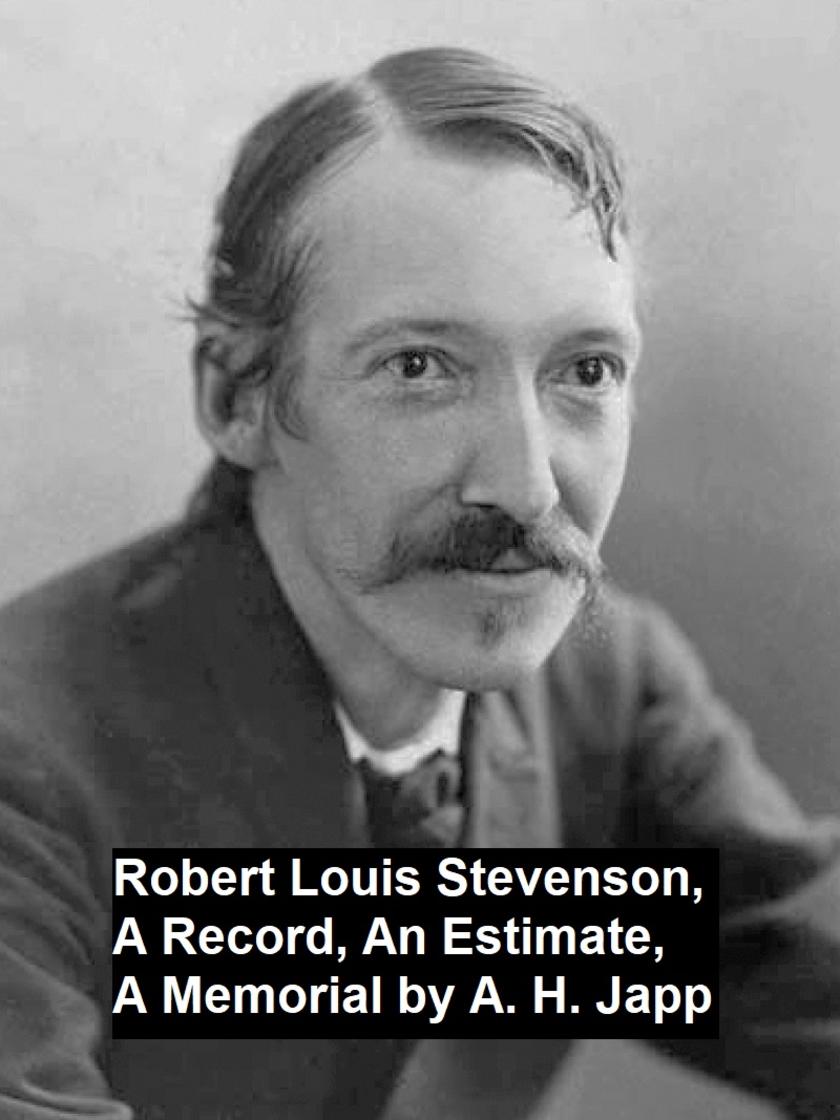
Robert Louis Stevenson, a Record, an Estimate, a Memorial
¥8.09
Biography of the author of Treasure Island. According to Wikipedia: "Robert Louis (Balfour) Stevenson ( 1850 - 1894), was a Scottish novelist, poet, and travel writer, and a leading representative of Neo-romanticism in English literature. He was the man who "seemed to pick the right word up on the point of his pen, like a man playing spillikins", as G. K. Chesterton put it. He was also greatly admired by many authors, including Jorge Luis Borges, Ernest Hemingway, Rudyard Kipling, Vladimir Nabokov, and J. M. Barrie. Most modernist writers dismissed him, however, because he was popular and did not write within their definition of modernism. It is only recently that critics have begun to look beyond Stevenson's popularity and allow him a place in the canon."
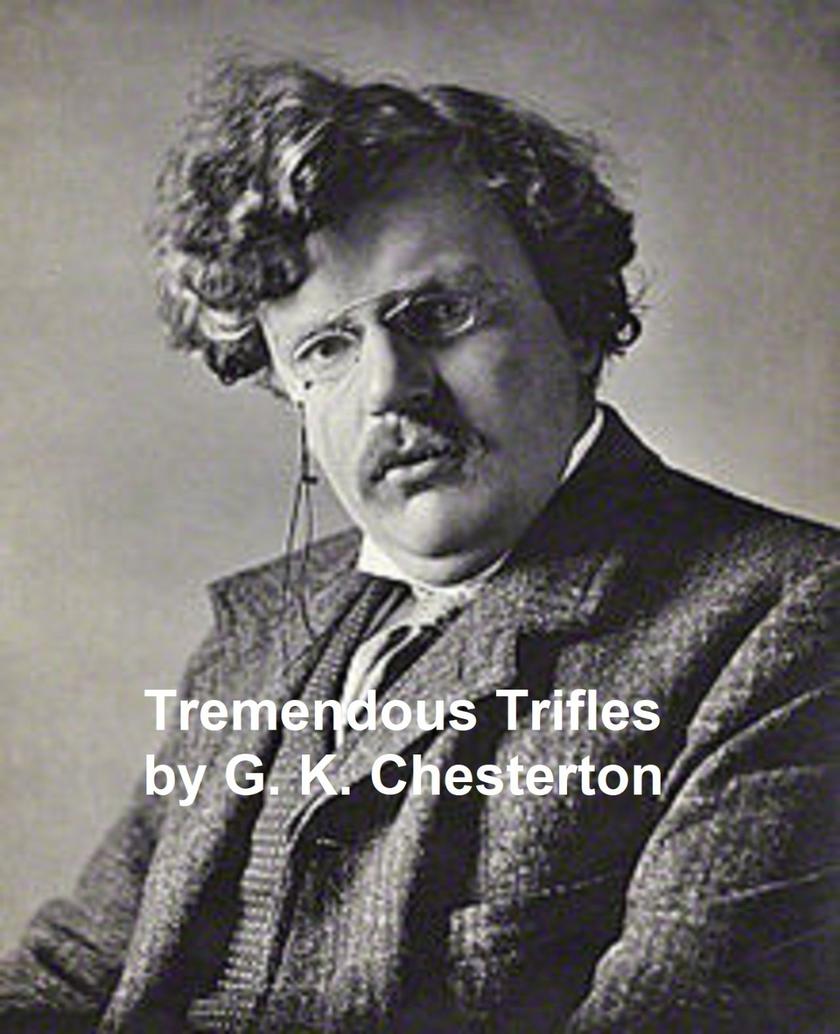
Tremendous Trifles
¥8.09
Book length collection of humorous essays. According to Wikipedia: "Gilbert Keith Chesterton (1874 - 1936) was an influential English writer of the early 20th century. His prolific and diverse output included journalism, philosophy, poetry, biography, Christian apologetics, fantasy and detective fiction. Chesterton has been called the "prince of paradox."[1] He wrote in an off-hand, whimsical prose studded with startling formulations. For example: "Thieves respect property. They merely wish the property to become their property that they may more perfectly respect it."[2] He is one of the few Christian thinkers who are equally admired and quoted by both liberal and conservative Christians, and indeed by many non-Christians. Chesterton's own theological and political views were far too nuanced to fit comfortably under the "liberal" or "conservative" banner."
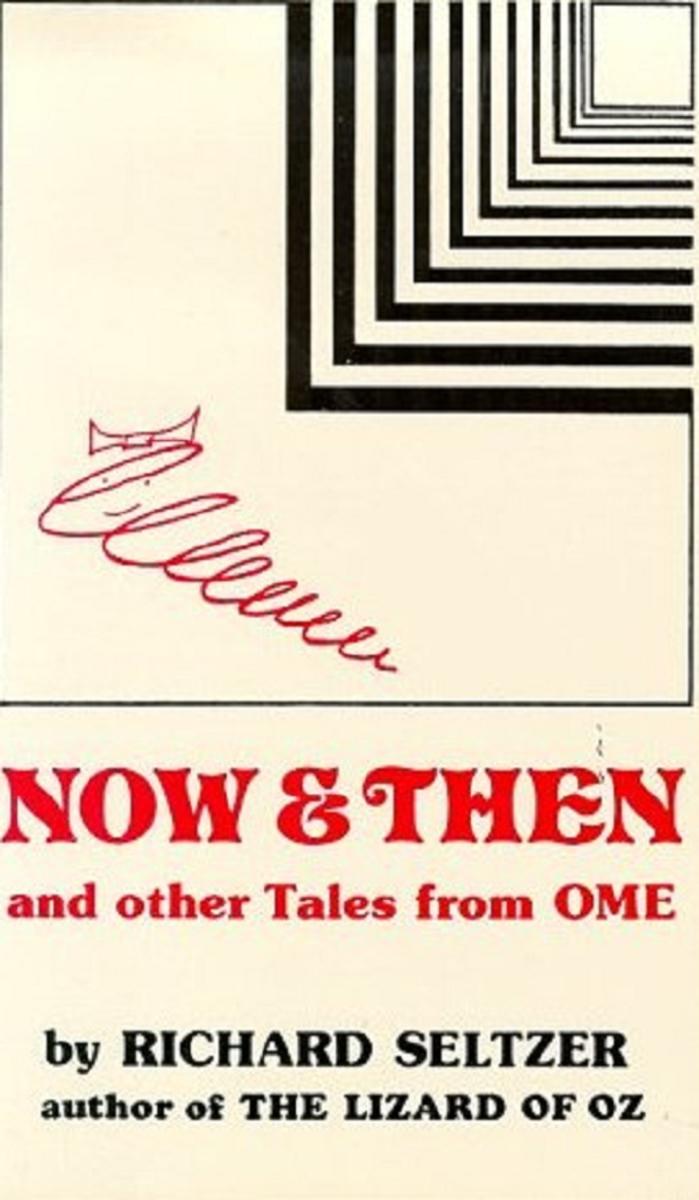
Now & Then: and Other Tales from Ome
¥8.09
30 black-and-white illustrations. Boston Globe -- "A highly original collection of short stories -- sometimes humorous, sometimes profound." Philadelphia Daily News -- "Seltzer has produced four charming stories for, he suggests, children around the age of nine. Adults will find the book has its appeal too: My favorite story is the one about the little princess who had a nice mother and was very happy and therefore very unhappy because how could Prince Charming come and rescue her if there was nothing to rescue her from?"

The World's Great Men of Music
¥8.09
First published in 1922. Chapters include: Palestrina, Bach, Handel, Gluck, Haydn, Mozart, Beethoven, Weber, Schubert, Mendelssohn, Schumann, Chopin, Berlioz, Liszt, Verdi, Wagner, Franck, Brahms, Grieg, Tschaikowsky, MacDowell, Debussy, Toscanini, Stokowski, and Koussevitzky.
The Tremendous Event
¥8.09
According to Wikipedia: "Maurice Marie ?mile Leblanc (11 November 1864 – 6 November 1941) was a French novelist and writer of short stories, known primarily as the creator of the fictional gentleman thief and detective Arsène Lupin, often described as a French counterpart to Arthur Conan Doyle's creation Sherlock Holmes.

On The Art of War
¥8.09
Sun Wu (bettter known as Sun Tzu) was an ancient Chinese military general, strategist and philosopher who is traditionally believed, and who is most likely, to have authored the Art of War, an influential ancient Chinese book on military strategy. Sun Tzu has had a significant impact on Chinese and Asian history and culture, both as an author of the Art of War and through legend. During the 19th and 20th centuries, Sun Tzu's Art of War grew in popularity and saw practical use in Western society, and his work has continued to influence both Asian and Western culture and politics. Historians have questioned whether or not Sun Tzu was an authentic historical figure. Traditional accounts place him in the Spring and Autumn Period of China (722–481 BC) as a military general serving under King Helü of Wu, who lived c. 544—496 BC. Modern scholars accepting his historicity place the completion of The Art of War in the Warring States Period (476–221 BC), based on the descriptions of warfare in the text, and on the similarity of text's prose to other works completed in the early Warring States period."

The Magic of Oz by L. Frank Baum - Delphi Classics (Illustrated)
¥8.09
This eBook features the unabridged text of ‘The Magic of Oz by L. Frank Baum - Delphi Classics (Illustrated)’ from the bestselling edition of ‘The Complete Works of L. Frank Baum’. Having established their name as the leading publisher of classic literature and art, Delphi Classics produce publications that are individually crafted with superior formatting, while introducing many rare texts for the first time in digital print. The Delphi Classics edition of Baum includes original annotations and illustrations relating to the life and works of the author, as well as individual tables of contents, allowing you to navigate eBooks quickly and easily. eBook features: * The complete unabridged text of ‘The Magic of Oz by L. Frank Baum - Delphi Classics (Illustrated)’ * Beautifully illustrated with images related to Baum’s works * Individual contents table, allowing easy navigation around the eBook * Excellent formatting of the text Please visit www.delphiclassics.com to learn more about our wide range of titles
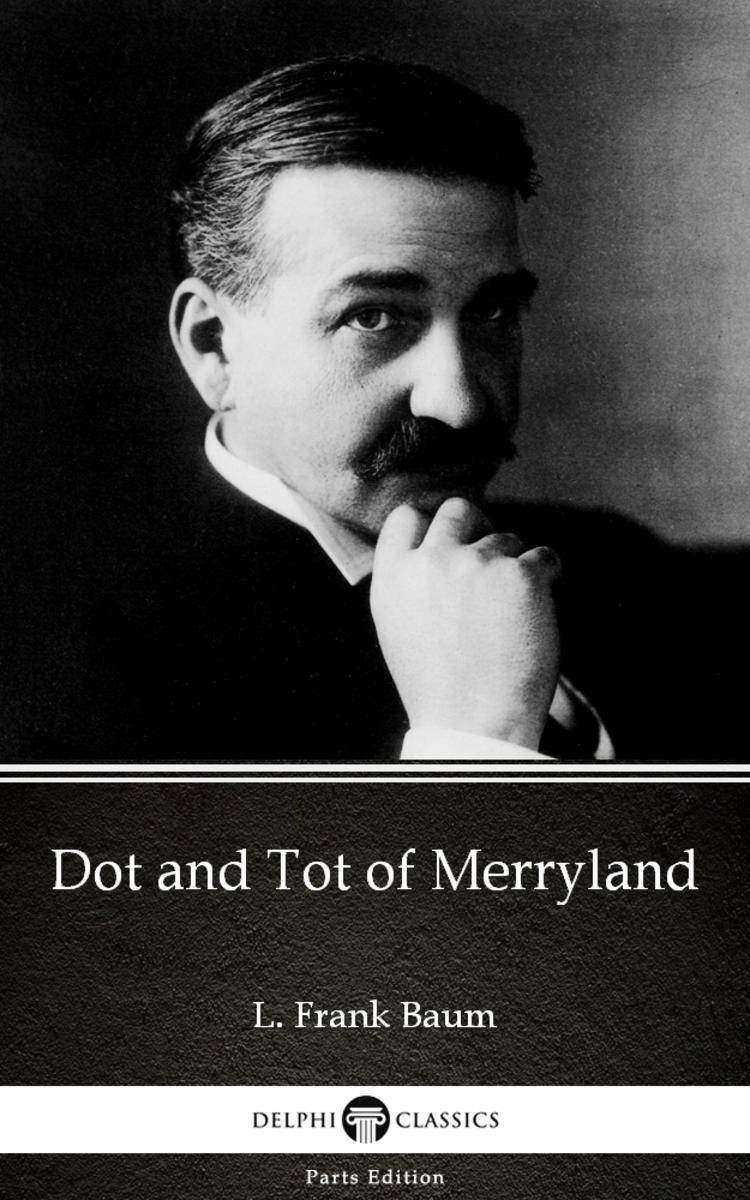
Dot and Tot of Merryland by L. Frank Baum - Delphi Classics (Illustrated)
¥8.09
This eBook features the unabridged text of ‘Dot and Tot of Merryland by L. Frank Baum - Delphi Classics (Illustrated)’ from the bestselling edition of ‘The Complete Works of L. Frank Baum’. Having established their name as the leading publisher of classic literature and art, Delphi Classics produce publications that are individually crafted with superior formatting, while introducing many rare texts for the first time in digital print. The Delphi Classics edition of Baum includes original annotations and illustrations relating to the life and works of the author, as well as individual tables of contents, allowing you to navigate eBooks quickly and easily. eBook features: * The complete unabridged text of ‘Dot and Tot of Merryland by L. Frank Baum - Delphi Classics (Illustrated)’ * Beautifully illustrated with images related to Baum’s works * Individual contents table, allowing easy navigation around the eBook * Excellent formatting of the text Please visit www.delphiclassics.com to learn more about our wide range of titles
The Life and Adventures of Santa Claus by L. Frank Baum - Delphi Classics (Illus
¥8.09
This eBook features the unabridged text of ‘The Life and Adventures of Santa Claus by L. Frank Baum - Delphi Classics (Illustrated)’ from the bestselling edition of ‘The Complete Works of L. Frank Baum’. Having established their name as the leading publisher of classic literature and art, Delphi Classics produce publications that are individually crafted with superior formatting, while introducing many rare texts for the first time in digital print. The Delphi Classics edition of Baum includes original annotations and illustrations relating to the life and works of the author, as well as individual tables of contents, allowing you to navigate eBooks quickly and easily. eBook features: * The complete unabridged text of ‘The Life and Adventures of Santa Claus by L. Frank Baum - Delphi Classics (Illustrated)’ * Beautifully illustrated with images related to Baum’s works * Individual contents table, allowing easy navigation around the eBook * Excellent formatting of the text Please visit www.delphiclassics.com to learn more about our wide range of titles

Notre Coeur by Guy de Maupassant - Delphi Classics (Illustrated)
¥8.09
This eBook features the unabridged text of ‘Notre Coeur by Guy de Maupassant - Delphi Classics (Illustrated)’ from the bestselling edition of ‘The Complete Works of Guy de Maupassant’. Having established their name as the leading publisher of classic literature and art, Delphi Classics produce publications that are individually crafted with superior formatting, while introducing many rare texts for the first time in digital print. The Delphi Classics edition of Maupassant includes original annotations and illustrations relating to the life and works of the author, as well as individual tables of contents, allowing you to navigate eBooks quickly and easily. eBook features: * The complete unabridged text of ‘Notre Coeur by Guy de Maupassant - Delphi Classics (Illustrated)’ * Beautifully illustrated with images related to Maupassant’s works * Individual contents table, allowing easy navigation around the eBook * Excellent formatting of the text Please visit www.delphiclassics.com to learn more about our wide range of titles

Scenes of Clerical Life by George Eliot - Delphi Classics (Illustrated)
¥8.09
This eBook features the unabridged text of ‘Scenes of Clerical Life by George Eliot - Delphi Classics (Illustrated)’ from the bestselling edition of ‘The Complete Works of George Eliot’. Having established their name as the leading publisher of classic literature and art, Delphi Classics produce publications that are individually crafted with superior formatting, while introducing many rare texts for the first time in digital print. The Delphi Classics edition of Eliot includes original annotations and illustrations relating to the life and works of the author, as well as individual tables of contents, allowing you to navigate eBooks quickly and easily. eBook features: * The complete unabridged text of ‘Scenes of Clerical Life by George Eliot - Delphi Classics (Illustrated)’ * Beautifully illustrated with images related to Eliot’s works * Individual contents table, allowing easy navigation around the eBook * Excellent formatting of the text Please visit www.delphiclassics.com to learn more about our wide range of titles

Miscellaneous Short Stories by Wilkie Collins - Delphi Classics (Illustrated)
¥8.09
This eBook features the unabridged text of ‘Miscellaneous Short Stories by Wilkie Collins - Delphi Classics (Illustrated)’ from the bestselling edition of ‘The Complete Works of Wilkie Collins’. Having established their name as the leading publisher of classic literature and art, Delphi Classics produce publications that are individually crafted with superior formatting, while introducing many rare texts for the first time in digital print. The Delphi Classics edition of Collins includes original annotations and illustrations relating to the life and works of the author, as well as individual tables of contents, allowing you to navigate eBooks quickly and easily. eBook features: * The complete unabridged text of ‘Miscellaneous Short Stories by Wilkie Collins - Delphi Classics (Illustrated)’ * Beautifully illustrated with images related to Collins’s works * Individual contents table, allowing easy navigation around the eBook * Excellent formatting of the text Please visit www.delphiclassics.com to learn more about our wide range of titles
The Frozen Deep by Wilkie Collins - Delphi Classics (Illustrated)
¥8.09
This eBook features the unabridged text of ‘The Frozen Deep by Wilkie Collins - Delphi Classics (Illustrated)’ from the bestselling edition of ‘The Complete Works of Wilkie Collins’. Having established their name as the leading publisher of classic literature and art, Delphi Classics produce publications that are individually crafted with superior formatting, while introducing many rare texts for the first time in digital print. The Delphi Classics edition of Collins includes original annotations and illustrations relating to the life and works of the author, as well as individual tables of contents, allowing you to navigate eBooks quickly and easily. eBook features: * The complete unabridged text of ‘The Frozen Deep by Wilkie Collins - Delphi Classics (Illustrated)’ * Beautifully illustrated with images related to Collins’s works * Individual contents table, allowing easy navigation around the eBook * Excellent formatting of the text Please visit www.delphiclassics.com to learn more about our wide range of titles
The New Magdalen- Play by Wilkie Collins - Delphi Classics (Illustrated)
¥8.09
This eBook features the unabridged text of ‘The New Magdalen- Play by Wilkie Collins - Delphi Classics (Illustrated)’ from the bestselling edition of ‘The Complete Works of Wilkie Collins’. Having established their name as the leading publisher of classic literature and art, Delphi Classics produce publications that are individually crafted with superior formatting, while introducing many rare texts for the first time in digital print. The Delphi Classics edition of Collins includes original annotations and illustrations relating to the life and works of the author, as well as individual tables of contents, allowing you to navigate eBooks quickly and easily. eBook features: * The complete unabridged text of ‘The New Magdalen- Play by Wilkie Collins - Delphi Classics (Illustrated)’ * Beautifully illustrated with images related to Collins’s works * Individual contents table, allowing easy navigation around the eBook * Excellent formatting of the text Please visit www.delphiclassics.com to learn more about our wide range of titles

Editorial Wild Oats
¥8.09
Short collection of short humorous essays, including: PAGE MY FIRST LITERARY VENTURE, JOURNALISM IN TENNESSEE, NICODEMUS DODGE--PRINTER, MR. BLOKE'S ITEM, HOW I EDITED AN AGRICULTURAL PAPER, and THE KILLING OF JULIUS CAESAR "LOCALIZED".
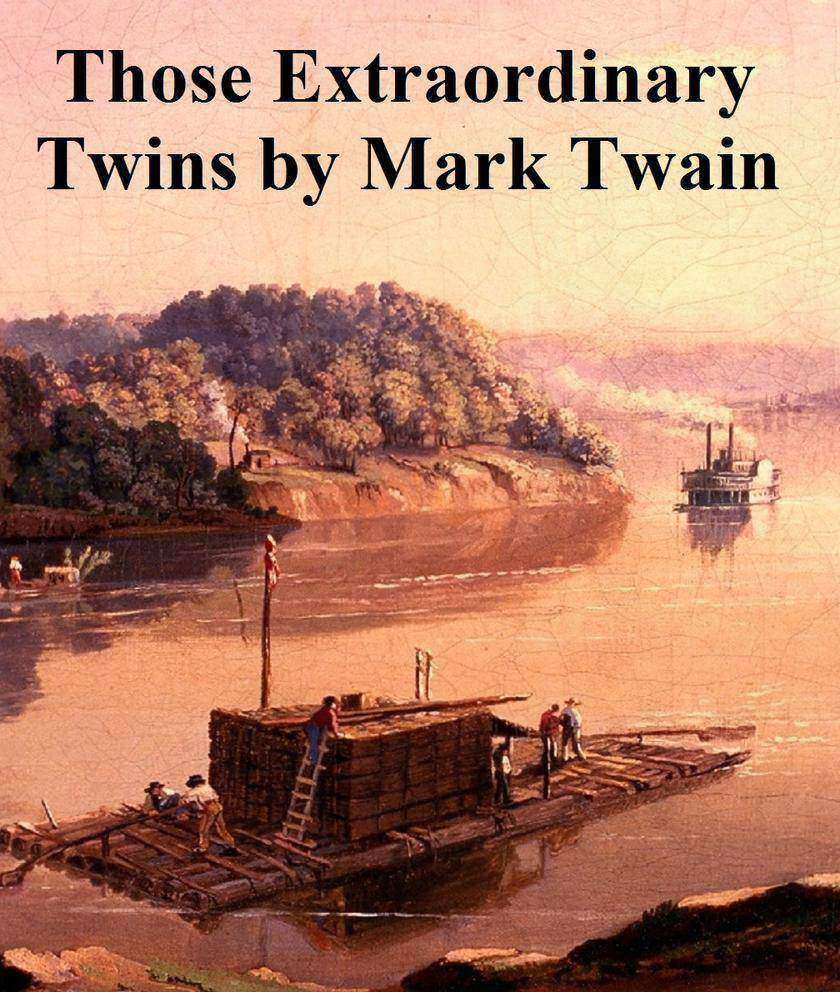
Those Extraordinary Twins
¥8.09
Short humorous novel. According to Wikipedia: "Samuel Langhorne Clemens (November 30, 1835 - April 21, 1910), better known by the pen name Mark Twain, was a humorist, satirist, lecturer and writer from the United States of America. Twain is most noted for his novels Adventures of Huckleberry Finn, which has since been called the Great American Novel, and The Adventures of Tom Sawyer. He is also known for his quotations. During his lifetime, Twain became a friend to presidents, artists, leading industrialists and European royalty. Twain enjoyed immense public popularity, and his keen wit and incisive satire earned him praise from both critics and peers. American author William Faulkner called Twain 'the father of American literature.'"


