


 购物车
购物车 个人中心
个人中心
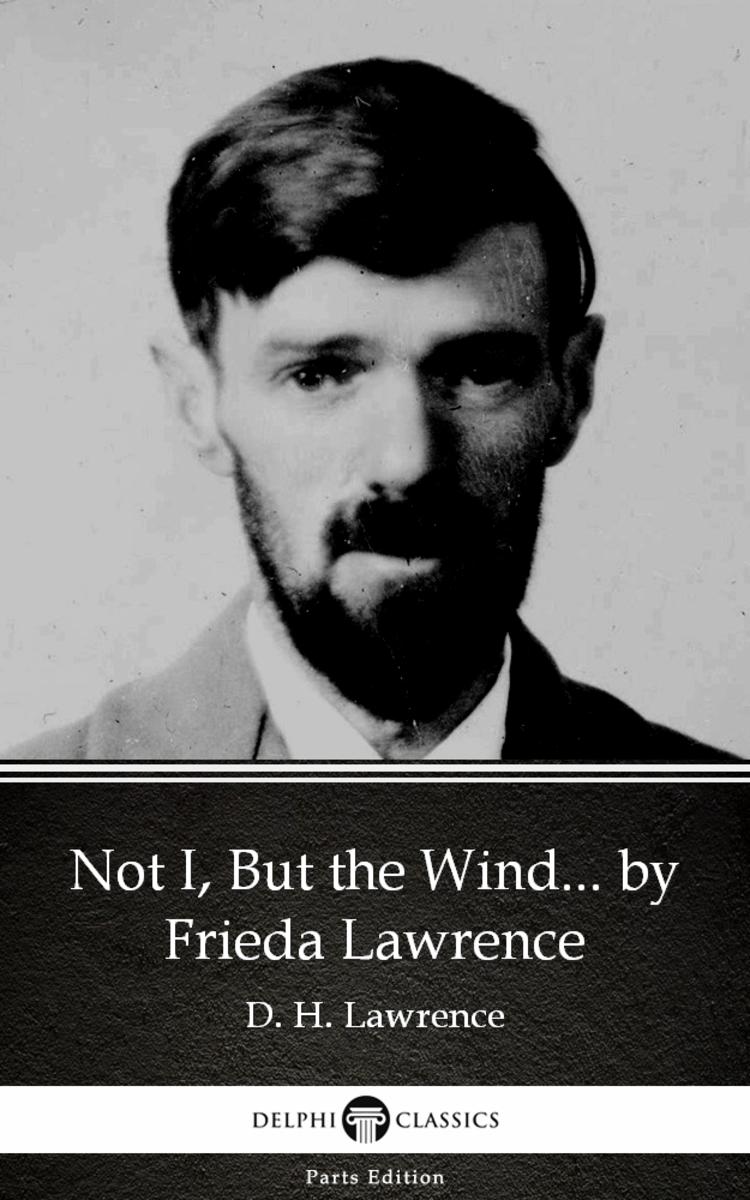
Not I, But the Wind... by Frieda Lawrence (Illustrated)
¥8.09
This eBook features the unabridged text of ‘Not I, But the Wind... by Frieda Lawrence’ from the bestselling edition of ‘The Complete Works of D. H. Lawrence’. Having established their name as the leading publisher of classic literature and art, Delphi Classics produce publications that are individually crafted with superior formatting, while introducing many rare texts for the first time in digital print. The Delphi Classics edition of Lawrence includes original annotations and illustrations relating to the life and works of the author, as well as individual tables of contents, allowing you to navigate eBooks quickly and easily.eBook features:* The complete unabridged text of ‘Not I, But the Wind... by Frieda Lawrence’* Beautifully illustrated with images related to Lawrence’s works* Individual contents table, allowing easy navigation around the eBook* Excellent formatting of the textPlease visit www.delphiclassics.com to learn more about our wide range of titles
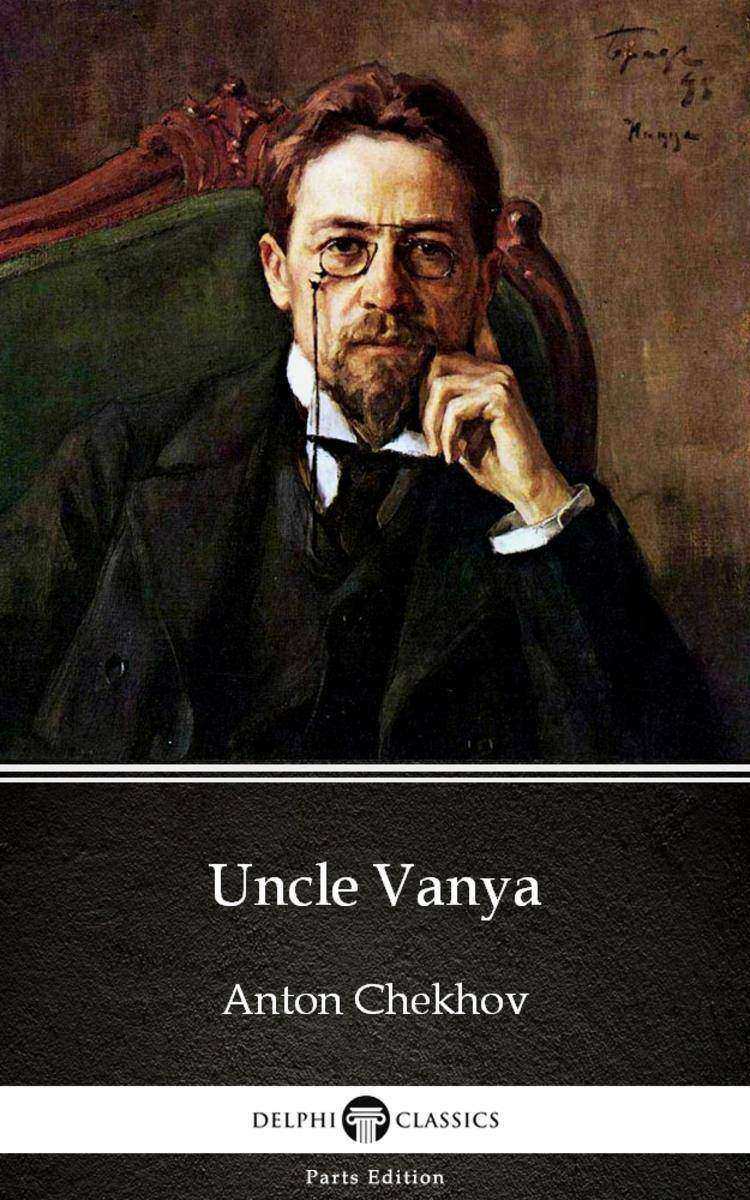
Uncle Vanya by Anton Chekhov (Illustrated)
¥8.09
This eBook features the unabridged text of ‘Uncle Vanya’ from the bestselling edition of ‘The Complete Works of Anton Chekhov’. Having established their name as the leading publisher of classic literature and art, Delphi Classics produce publications that are individually crafted with superior formatting, while introducing many rare texts for the first time in digital print. The Delphi Classics edition of Chekhov includes original annotations and illustrations relating to the life and works of the author, as well as individual tables of contents, allowing you to navigate eBooks quickly and easily.eBook features:* The complete unabridged text of ‘Uncle Vanya’* Beautifully illustrated with images related to Chekhov’s works* Individual contents table, allowing easy navigation around the eBook* Excellent formatting of the textPlease visit www.delphiclassics.com to learn more about our wide range of titles
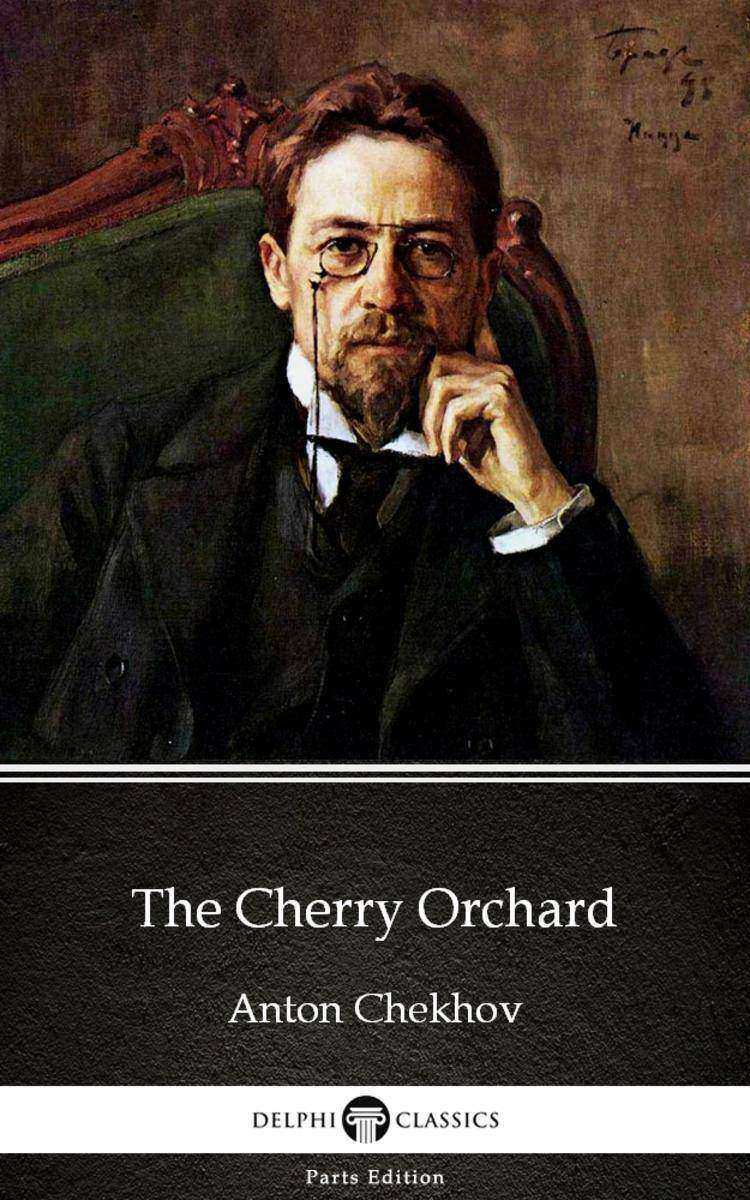
The Cherry Orchard by Anton Chekhov (Illustrated)
¥8.09
This eBook features the unabridged text of ‘The Cherry Orchard’ from the bestselling edition of ‘The Complete Works of Anton Chekhov’. Having established their name as the leading publisher of classic literature and art, Delphi Classics produce publications that are individually crafted with superior formatting, while introducing many rare texts for the first time in digital print. The Delphi Classics edition of Chekhov includes original annotations and illustrations relating to the life and works of the author, as well as individual tables of contents, allowing you to navigate eBooks quickly and easily.eBook features:* The complete unabridged text of ‘The Cherry Orchard’* Beautifully illustrated with images related to Chekhov’s works* Individual contents table, allowing easy navigation around the eBook* Excellent formatting of the textPlease visit www.delphiclassics.com to learn more about our wide range of titles
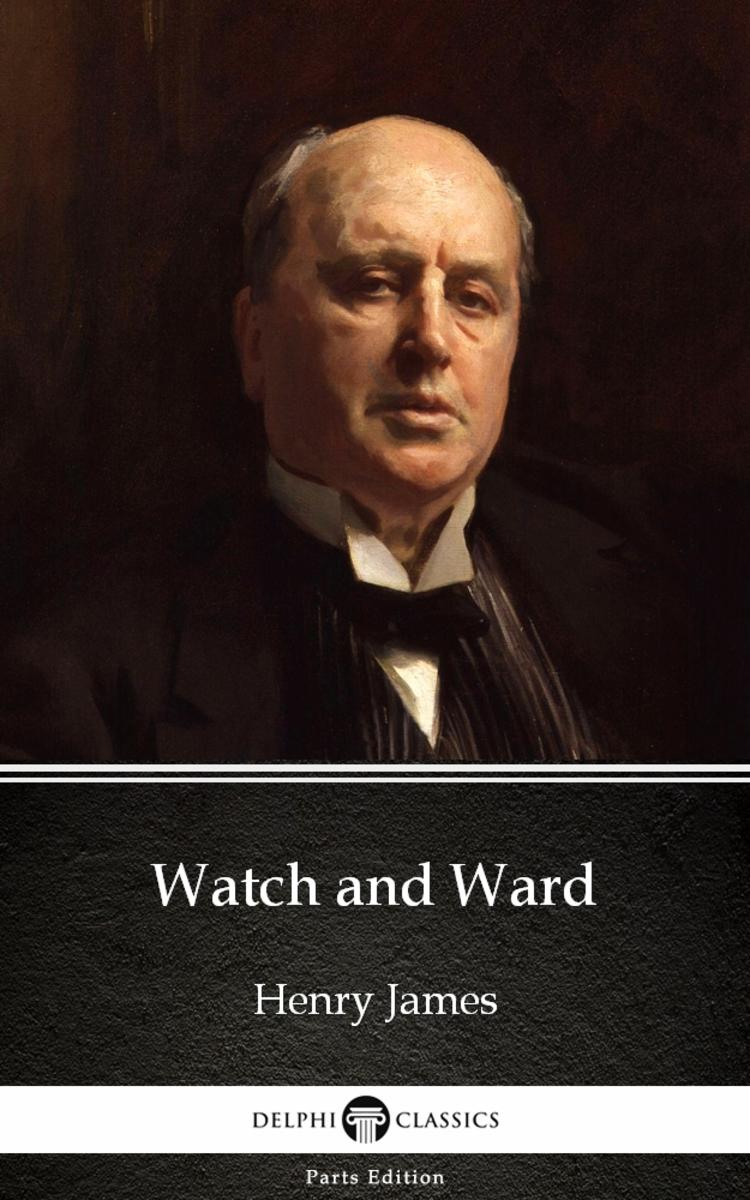
Watch and Ward by Henry James (Illustrated)
¥8.09
This eBook features the unabridged text of ‘Watch and Ward’ from the bestselling edition of ‘The Complete Works of Henry James’. Having established their name as the leading publisher of classic literature and art, Delphi Classics produce publications that are individually crafted with superior formatting, while introducing many rare texts for the first time in digital print. The Delphi Classics edition of James includes original annotations and illustrations relating to the life and works of the author, as well as individual tables of contents, allowing you to navigate eBooks quickly and easily.eBook features:* The complete unabridged text of ‘Watch and Ward’* Beautifully illustrated with images related to James’s works* Individual contents table, allowing easy navigation around the eBook* Excellent formatting of the textPlease visit www.delphiclassics.com to learn more about our wide range of titles
Washington Square by Henry James (Illustrated)
¥8.09
This eBook features the unabridged text of ‘Washington Square’ from the bestselling edition of ‘The Complete Works of Henry James’. Having established their name as the leading publisher of classic literature and art, Delphi Classics produce publications that are individually crafted with superior formatting, while introducing many rare texts for the first time in digital print. The Delphi Classics edition of James includes original annotations and illustrations relating to the life and works of the author, as well as individual tables of contents, allowing you to navigate eBooks quickly and easily.eBook features:* The complete unabridged text of ‘Washington Square’* Beautifully illustrated with images related to James’s works* Individual contents table, allowing easy navigation around the eBook* Excellent formatting of the textPlease visit www.delphiclassics.com to learn more about our wide range of titles

The Tragic Muse by Henry James (Illustrated)
¥8.09
This eBook features the unabridged text of ‘The Tragic Muse’ from the bestselling edition of ‘The Complete Works of Henry James’. Having established their name as the leading publisher of classic literature and art, Delphi Classics produce publications that are individually crafted with superior formatting, while introducing many rare texts for the first time in digital print. The Delphi Classics edition of James includes original annotations and illustrations relating to the life and works of the author, as well as individual tables of contents, allowing you to navigate eBooks quickly and easily.eBook features:* The complete unabridged text of ‘The Tragic Muse’* Beautifully illustrated with images related to James’s works* Individual contents table, allowing easy navigation around the eBook* Excellent formatting of the textPlease visit www.delphiclassics.com to learn more about our wide range of titles
What Maisie Knew by Henry James (Illustrated)
¥8.09
This eBook features the unabridged text of ‘What Maisie Knew’ from the bestselling edition of ‘The Complete Works of Henry James’. Having established their name as the leading publisher of classic literature and art, Delphi Classics produce publications that are individually crafted with superior formatting, while introducing many rare texts for the first time in digital print. The Delphi Classics edition of James includes original annotations and illustrations relating to the life and works of the author, as well as individual tables of contents, allowing you to navigate eBooks quickly and easily.eBook features:* The complete unabridged text of ‘What Maisie Knew’* Beautifully illustrated with images related to James’s works* Individual contents table, allowing easy navigation around the eBook* Excellent formatting of the textPlease visit www.delphiclassics.com to learn more about our wide range of titles

The Golden Bowl by Henry James (Illustrated)
¥8.09
This eBook features the unabridged text of ‘The Golden Bowl’ from the bestselling edition of ‘The Complete Works of Henry James’. Having established their name as the leading publisher of classic literature and art, Delphi Classics produce publications that are individually crafted with superior formatting, while introducing many rare texts for the first time in digital print. The Delphi Classics edition of James includes original annotations and illustrations relating to the life and works of the author, as well as individual tables of contents, allowing you to navigate eBooks quickly and easily.eBook features:* The complete unabridged text of ‘The Golden Bowl’* Beautifully illustrated with images related to James’s works* Individual contents table, allowing easy navigation around the eBook* Excellent formatting of the textPlease visit www.delphiclassics.com to learn more about our wide range of titles

Moods by Louisa May Alcott (Illustrated)
¥8.09
This eBook features the unabridged text of ‘Moods’ from the bestselling edition of ‘The Complete Works of Louisa May Alcott’. Having established their name as the leading publisher of classic literature and art, Delphi Classics produce publications that are individually crafted with superior formatting, while introducing many rare texts for the first time in digital print. The Delphi Classics edition of Alcott includes original annotations and illustrations relating to the life and works of the author, as well as individual tables of contents, allowing you to navigate eBooks quickly and easily.eBook features:* The complete unabridged text of ‘Moods’* Beautifully illustrated with images related to Alcott’s works* Individual contents table, allowing easy navigation around the eBook* Excellent formatting of the textPlease visit www.delphiclassics.com to learn more about our wide range of titles
Louisa May Alcott Complete Works – World’s Best Collection: 60+ Works
¥8.09
Louisa May Alcott Complete Works World's Best Collection This is the world’s best Louisa May Alcott collection, including the most complete set of Alcott’s works available plus many free bonus materials. Louisa May Alcott Louisa May Alcott was an American novelist best known as author of the novel Little Women. She was raised by her transcendentalist parents and she grew up among many of the well-known intellectuals of the day such as Ralph Waldo Emerson, Nathaniel Hawthorne, and Henry David Thoreau. Nevertheless, her family suffered severe financial difficulties and Alcott worked to help support the family from an early age. The ‘Must-Have’ Complete Collection In this irresistible collection you get a full set of Louisa May Alcott’s work with more than 100 works - All her books, All her novels, and All her short stories. Plus there is Extra Bonus Material and a full length Biography. Works Including: Little Women and its sequel Good Wives Little Men: Life At Plumfield With Jo’s Boys Jo’s Boys: Sequel To Little Men? Under The Lilacs? Flower Fables? A Modern Cinderella; Or The Little Old Shoe And Other Stories? The Candy Country Eight Cousins and??Rose In Bloom - A Sequel To ‘Eight Cousins' An Old-Fashioned Girl Your Free Special Bonuses Louisa May Alcott - Her Life, Letters, And Journals?- Edited By Ednah D. Cheney – A biography and collection of Alcott’s intriguing correspondence. The Poetry Of Louisa May Alcott?- A complete set of Alcott’s rare poems. Get This Collection Right Now This is the best Alcott collection you can get, so get it now and start enjoying and being inspired by her world like never before!
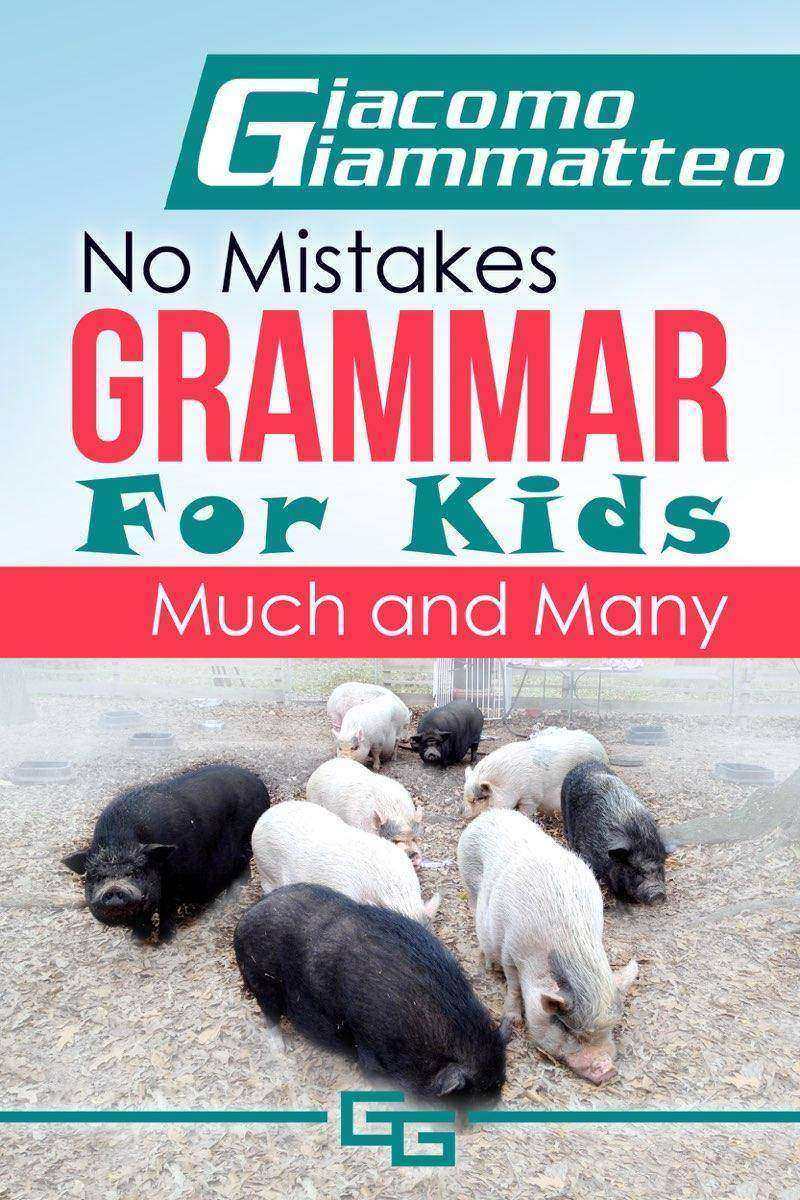
No Mistakes Grammar for Kids: Much and Many
¥8.09
How many times have you heard your kids misuse much and many. If it's once, it's too many. It may be time to get them help. Let Queen Shinobi teach them a thing or two.? Everyone knows pigs are smart. And Shinobi is one of the smartest. She's been around for twenty-four years, so she's learned a thing or two. She even went to school one time.? And if you think the children know much and many, how about then and than. I know they get that mixed up. Get the book and watch them learn. Their education is worth a few bucks. ?
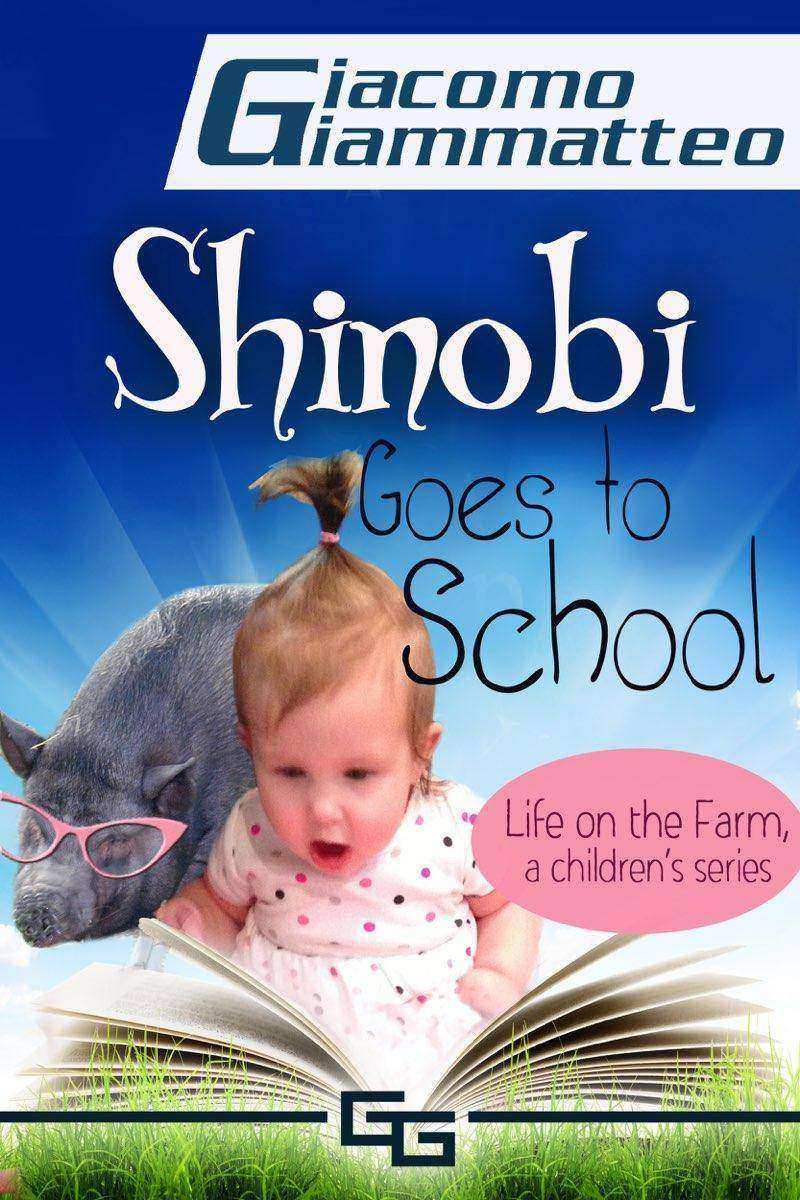
Life on the Farm for Kids: Shinobi Goes To School
¥8.09
The school needed a pig and they needed one badly. Finally, someone told them about Queen Shinobi and they called to arrange a visit. Queen Shinobi was asked to participate in a kiss-the-pig contest with the principal. This is her story. The story of how Shinobi went to school. ?

Life on the Farm for Kids, Volume III: Coco Gets a Donut
¥8.09
“She’s got two days,” Animal Control told my wife. “After that, we have to shoot her.” My wife was upset. How was she going to catch a pig who was living in the woods in two days? Faced with a seemingly impossible task, my wife began to plan. She recruited my son to help, and they set out to rescue Coco.?
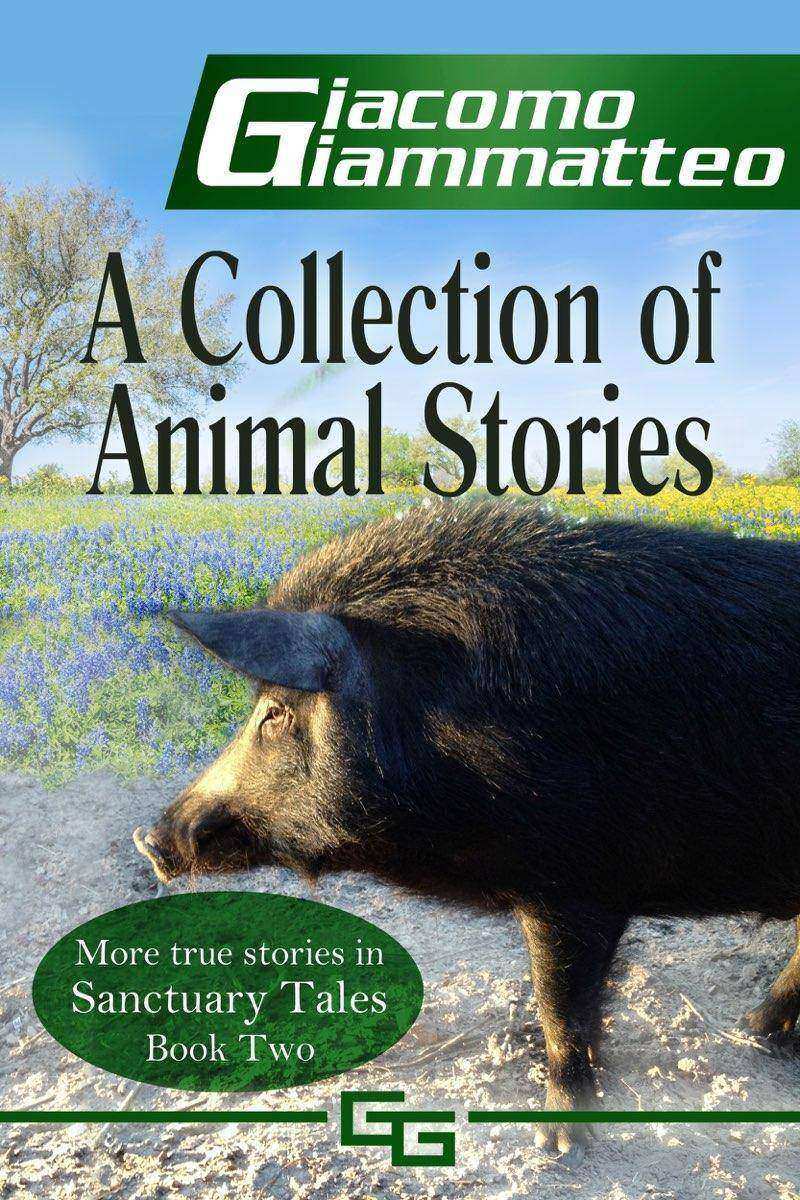
A Collection of Animal Stories: Sanctuary Tales, Volume II
¥8.09
Life on the sanctuary is not always easy, but no matter what, it's better than where we were before. This is a collection of animal stories, some funny and some not. They are all true and they tell the tales of dogs, cats, pigs, and others. Open up your heart and take a read. ??

Les Purificateurs: Ep 3 : L’école de Shuyukan
¥8.09
L’école de Shuyukan, ?le de Kyushu, Japon : deux lycéennes et un prêtre sauvagement assassinés par une entité diabolique dans les toilettes du troisième étage du b?timent des internes. Toute la ville de Fukuoka est en proie à la panique. La prestigieuse école est fermée, les élèves renvoyés chez eux, mais les manifestations surnaturelles continuent de terrifier les habitants. Les Purificateurs sont envoyés sur place et seront immergés malgré eux dans une macabre affaire de satanisme. Sauront-ils vaincre l’entité maléfique qui possède l’école de Shuyukan ?
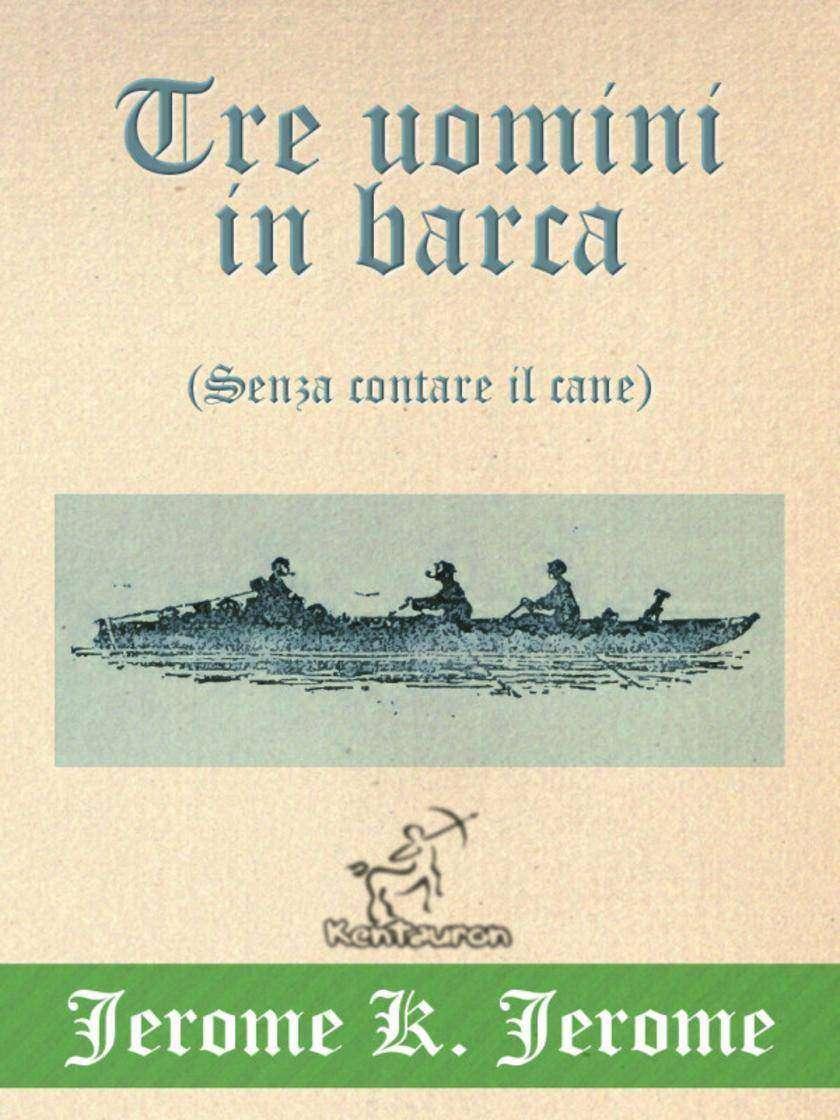
Tre uomini in barca (Senza contare il cane)
¥8.09
Edizione specifica per kindle con 67 illustrazioni, mappa del viaggio e indice navigabile. Tre uomini in barca (senza contare il cane) o, in altre traduzioni, Tre uomini in barca (per non parlar del cane) oppure Tre uomini in barca (per tacer del cane) è un romanzo di Jerome K. Jerome del 1889, è un romanzo umoristico ed considerato uno dei più importanti classici della letteratura inglese. Il romanzo narra la avventure di tre amici Jerome, Harris (l'uomo più prosaico della terra) e George (che ?va a dormire in una banca tutti i giorni dalle 10 alle 16, tranne il sabato che lo cacciano fuori alle 14?), che assieme al fedele cane Montmorency, viaggiano per giorni sulla loro imbarcazione, risalendo la corrente del fiume Tamigi, scorrendo lungo le campagne inglesi, e vivendo sempre nuove e inattese avventure che strappano risate di continuo. Il viaggio è costellato da una serie di gag comiche sulle gioie e sui dolori della vita in barca (quali le peripezie sul trasporto delle vivande, la costruzione della tenda sulla barca, i pericoli di cadute in acqua), unite a divertenti divagazioni che costituiscono storie a sé stanti, nel miglior stile dello humour inglese: celeberrimo è il racconto dello zio Podger alle prese con un quadro da appendere. Il tutto condito da descrizioni realistiche delle regioni attraversate dalla simpatica brigata e brevi notazioni di filosofia per non addetti ai lavori. La traduzione si basa sull'edizione del 1922 curata da Silvio Spaventa Filippi, ma è stata aggiornata all'italiano corrente dal redattore preservando lo stile dell'epoca in cui è stato scritto. Il testo è completo e si riferisce all'edizione del 1899 ed è arricchito da 67disegni originali di A. Frederics e della mappa del viaggio. Jerome K. Jerome (Walsall, 2 maggio 1859 – Northampton, 14 giugno 1927) è stato uno scrittore, giornalista e umorista britannico. ? ritenuto tra i maggiori scrittori umoristici inglesi. Lontano dai modi della farsa, del facile gioco di parole, dell'allusione oscena, il suo umorismo scaturiva anche dall'osservazione dalle situazioni più comuni e quotidiane. § Se sei interessato ad imparare o migliorare il tuo inglese o il tuo italiano, cerca l'edizione bilingue curata da Wirton Arvel. Troverai una versione Inglese-Italiano con paragrafo a fronte facile da leggere perché il testo originale e quello tradotto sono su due colonne affiancate. Nuova edizione: 5 giugno 2015Nota: Se hai acquistato questo ebook prima del 29 maggio 2015 e vuoi ricevere gratuitamente la nuova edizione, rivista e con disegni più grandi, invia un'email alla redazione di Kentauron, all'indirizzo che trovi all'interno dell'ebook.
Blogstory
¥8.09
Preg?ti?i-v? pentru sf?r?itul lumii! Autoarea c?r?ii Apocalipsa cuantic?: Universul holografic ne ofer? un studiu aprofundat, de natur? s? schimbe imaginea noastr? asupra Universului ?i asupra evolu?iei P?m?ntului ?i a speciei umane.
te a?tept ca pe un glonte
¥8.09
Prezenta oper? a lui Emil Mladin, Pedeapsa, un roman de un realism ap?s?tor, strivitor p?n? la revolt?, demonstreaz? unde poate duce ?ncrederea oarb? ?n acea fiin?? iubit? care tr?deaz? aceast? ?ncredere ?i calc? ?n picioare iubirea ?ns??i. ?n final, ?ntregul Univers geme de durere, toat? lumea sufer? cumplit ?i moartea ia ?n st?p?nire trupurile ?i min?ile ?n suferin?? chiar ?nainte ca acestea s?-?i dea cu adev?rat ob?tescul sf?r?it.Cruzimea dramei tr?ite de personajul principal nu cunoa?te nici margini ?i nici vreo c?t de vag? surs? de alinare.

S?nge albastru
¥8.09
Aceast? carte este ?n limba englez?.?In My Loved Japan, [...] the Romanian poet Clelia Ifrim offers a very fine imaginative response to the tragedy that overtook northeast Japan earlier this year.As far as I know the writer has never visited Japan, though she has long connections with it through haiku, and haiku poets.“A river of tears — to whom belongs this silence after the earthquake?“; “Not a voice or sound but this moon path on the waves — fishermen's village“;“Hobby horse sinking in the depth of the ocean to make its farewell.“?From David Burleigh, Best Books of 2011: Close-up on a People’s Disaster, in Japan Times, at http://www.japantimes.co.jp/text/fb20111225a5.html.
The Story of the Three Little Pigs
¥8.09
Tanara Oriana moare intr-un accident, chiar in ziua nuntii ei. Pentru oricine, acesta ar parea sfarsitul. Nu si pentru ea. Se intoarce ca recuperator de suflete, insa nu la vechea viata si familie, pentru care trebuie sa ramana moarta, ci la una cu totul noua. Rasfatul si confortul, considerate garantate mai inainte, se duc acum pe Apa Sambetei. Va trebui sa lupte pentru a-i salva pe ceilalti, dar si pe sine. Apar noi prieteni, noi dusmani si… prima iubire? Exista viata dupa moarte? Unii vor spune ca da, altii ca nu. Dar exista un raspuns la care cu siguranta nu v-ati gandit. Exista recuperatorii de suflete. Smulsi din existentele lor, sunt aruncati in altele, neintrebati de nimeni, fara sa li se ceara acceptul. Trebuie doar sa se supuna legilor celor de Dincolo. Iar unii aleg razvratirea... In ultimul volum al seriei veti experimenta emotii de nebanuit, veti afla lucruri socante despre Oriana, veti primi raspusul la multe dintre intrebarile care v-au urmarit in celelalte volume. Ai crezut ca stii totul despre personajele tale preferate? O! Cat de mult te-ai inselat!
Pinocchio: The Story of a Puppet
¥8.09
Ce e un manechin? Un om-p?pu??, unu’ care se las? ?mbr?cat ?i dezbr?cat ?n v?zul lumii, o f?ptur? derutant?, un fel de paralitic ?ntr-un spital; nu mi?c?, nu vorbe?te dec?t ?nl?untrul s?u, ca ?ntr-un joc de-a v-a?i ascunselea: ?observi cum ??i fur vorbele cum ??i mut patul c?nd eram t?n?r? m? ?ndr?gosteam ?n mai acum m? ?ndr?gostesc ?n octombrie soarele meu bostanul meu doldora de semin?e orice ascunz?toare e o m?rturisire“. (Nora Iuga, iulie 2010)


