


 购物车
购物车 个人中心
个人中心

Liliomfi
¥8.67
SZENDI G?BOR új k?tetében az egyéni és a párkapcsolati problémákat elemzi. Részletesen szól az akarat szerepének túlértékelésér?l, gondolkodásunk paradoxonairól, a szokások kialakulásáról és elhagyásának módjairól, valamint mindennek fényében a kapcsolati konfliktusokról és lehetséges, ?másodfokú” megoldásaikról. Szendi az evolúciós gondolkodás mellett ezúttal a modern viselkedésterápiás szemléletet hívja segítségül, és állítja: cselekedeteinket folyamatosan általunk nem ismert és nem is megismerhet? tényez?k – rejtett tanulás, genetikailag ?r?k?lt vonások, nem érzékelhet? ingerek, hamis emlékek, ?nigazoló értelmezések, téves észlelések stb. – irányítják. Vagyis a problémákat maga az ember teremti, az emberi gondolkodás hozza létre azáltal, hogy értelmezi ?nmagát, sorsát, k?rnyezetét. A szerz? szerint az emberi problémák lényege, hogy korlátozott információk alapján akarunk sokkal szélesebb alapokon nyugvó jelenségeket értelmezni. Ilyenkor általában túl nagy jelent?séget tulajdonítunk az okoknak, és a magyarázatokhoz az emberi tudatból és emlékezésb?l nyert információk rendszerint kevésnek bizonyulnak. Szendi Gábor gyakorlati tanácsokban b?velked? k?nyvében ugyanakkor rámutat: ha nem az okokat akarjuk tisztázni, hanem a megoldást keressük, sokkal hatékonyabban kezelhetjük egyéni és társas problémáinkat is.

Utazás a Hold k?rül
¥8.67
Szívszaggató t?rténet a minden akadályt leküzd? szerelemr?l, és a legnehezebb d?ntésr?l, amit életünkben hozhatunk. "Lucy, minden házasság tánchoz hasonló: id?nként bonyolult, máskor csodás, ám az id? túlnyomó részében igencsak eseménytelen. Mickey-vel viszont lesznek id?k, amikor üvegszilánkokon táncoltok majd. Fájni fog. Két lehet?séged van: vagy elmenekülsz ez el?l a fájdalom el?l, vagy szorosan ?sszekapaszkodtok, és együtt táncoltok át a k?vetkez? biztos helyre." Lucy Houstonnak és Mickey Chandlernek nem lett volna szabad egymásba szeretniük, még kevésbé ?sszeházasodniuk. Mindkettejüket hibás génekkel sújtotta ugyanis a sors: a férfi bipoláris személyiségzavarral küzd, a n? családjában a mellrák szedi áldozatait. ?m amikor Lucy huszonnegyedik születésnapján útjaik ?sszetalálkoznak, fellángol a szikra, és t?bbé le sem tagadhatják az egymás iránti vonzalmukat. Elt?kélten és megfontoltan küzdenek azért, hogy a kapcsolatuk m?k?dhessen, ezért írásba foglalják ígéreteiket. Mickey szedi a gyógyszereit. Lucy nem hibáztatja azért, ami felett nincs hatalma. A férfi ?szinteséget fogad. A n? türelmet. Mint bármely házasságban, nekik is vannak jó, rossz és néha nagyon rossz napjaik. Annak érdekében, hogy megbirkózhassanak az egyedülálló kihívásokkal, szívszaggató d?ntést hoznak: nem vállalnak gyermeket. Amikor azonban Lucy megjelenik egy rutin orvosi vizsgálaton, olyan meglepetés éri, ami mindent megváltoztat. Mindent. Egy pillanat alatt értelmüket vesztik a szabályok, és ?k ketten kénytelenek újradefiniálni a szerelem valódi lényegét. A K?nyvjelz? magazin 2015. szeptemberi számában megjelent cikk: Harc a szerelemért
Hosszúhajú veszedelem
¥8.67
The stories were written when Irish nationalism was at its peak, and a search for a national identity and purpose was raging; at a crossroads of history and culture, Ireland was jolted by various converging ideas and influences. They centre on Joyce's idea of an epiphany: a moment where a character experiences self-understanding or illumination. Many of the characters in Dubliners later appear in minor roles in Joyce's novel Ulysses. The initial stories in the collection are narrated by child protagonists, and as the stories continue, they deal with the lives and concerns of progressively older people. This is in line with Joyce's tripartite division of the collection into childhood, adolescence and maturity. THERE was no hope for him this time: it was the third stroke. Night after night I had passed the house (it was vacation time) and studied the lighted square of window: and night after night I had found it lighted in the same way, faintly and evenly. If he was dead, I thought, I would see the reflection of candles on the darkened blind for I knew that two candles must be set at the head of a corpse. He had often said to me: "I am not long for this world," and I had thought his words idle. Now I knew they were true. Every night as I gazed up at the window I said softly to myself the word paralysis. It had always sounded strangely in my ears, like the word gnomon in the Euclid and the word simony in the Catechism. But now it sounded to me like the name of some maleficent and sinful being. It filled me with fear, and yet I longed to be nearer to it and to look upon its deadly work.Old Cotter was sitting at the fire, smoking, when I came downstairs to supper. While my aunt was ladling out my stirabout he said, as if returning to some former remark of his: "No, I wouldn't say he was exactly... but there was something queer... there was something uncanny about him. I'll tell you my opinion...." He began to puff at his pipe, no doubt arranging his opinion in his mind. Tiresome old fool! When we knew him first he used to be rather interesting, talking of faints and worms; but I soon grew tired of him and his endless stories about the distillery. "I have my own theory about it," he said. "I think it was one of those... peculiar cases.... But it's hard to say...." He began to puff again at his pipe without giving us his theory. My uncle saw me staring and said to me:"Well, so your old friend is gone, you'll be sorry to hear." "Who?" said I."Father Flynn.""Is he dead?" ? ABOUT AUTHOR: ? James Augustine Aloysius Joyce (1882 – 1941) was an Irish novelist and poet, considered to be one of the most influential writers in the modernist avant-garde of the early 20th century. Joyce is best known for Ulysses (1922), a landmark work in which the episodes of Homer's Odyssey are paralleled in an array of contrasting literary styles, perhaps most prominent among these the stream of consciousness technique he perfected. Other major works are the short-story collection Dubliners (1914), and the novels A Portrait of the Artist as a Young Man (1916) and Finnegans Wake (1939). His complete oeuvre also includes three books of poetry, a play, occasional journalism, and his published letters.

Szentivánéji álom
¥8.67
Ha nem lennének angol kosztüm?s filmek és szürkéskék szemek, a világ is sokkal biztonságosabb hely volna. Legalábbis így vélekedik Mész?ly Dóra, a LEI magazin újságírója, amikor elhatározza, hogy interjút kér a híres angol színészt?l, Edward Yorke-tól. A feladat egyszer?nek t?nik, hiszen a férfi éppen Budapesten forgatja legújabb filmjét, ám a kezdeti biztató jelek után az ügy egyre bonyolultabbá válik… A lány váratlan akadályok sorával találja magát szemk?zt, ám az egyébként is makacs természet? Dóra nem ismer lehetetlent. Minden találékonyságát latba vetve üld?zi tovább a színészt, mik?zben kalandjai hol filmgyári díszletek k?zé, hol egy magánnyomozó irodájába, hol az éjszakai Budapest kocsmáiba, hol egy londoni szállodába sodorják. De vajon sikerül-e rátalálnia Edwardra? M?RK LEON?RA az Elle magazin f?szerkeszt?-helyettese, el?tte évekig a N?k Lapja munkatársaként dolgozott. H?sn?jével, Mész?ly Dórával szemben nem az interjú a kedvenc m?faja, de ha valaki igazán felkelti az érdekl?dését, ? sem adja fel k?nnyen… ?Vágyni, csodára várni, álmodozni: jó. Tudom, mit érezhetett a k?nyv szerz?je, amikor megszületett benne a vágy. Ismerem az érzést, ami a csoda k?zelében meglep, és az álmodozás sem áll távol t?lem. M?rk Leonóra nagyon pontosan és végtelenül ?nironikusan mutatja be a fázisokat. Egyszer én is évekig üld?ztem egy német punkénekest. Aztán, amikor elkaptam, a fülembe csengtek egy kedves versnek a sorai: ?Nem akarok elérni semmit. Nem akarom, hogy ne legyen mire vágynom.? Hogy a k?nyv újságíró f?szerepl?je mit érez a kalandok során, nem árulom el. Járjuk vele végig az utat. K?nnyen magával húz, élvezet k?vetni. A vége meg: maradjon csattanó.” Karafiáth Orsolya

Ahogy tetszik
¥8.67
Bipoláris érzelmi zavar – hangzik a kórházi pszichiáter diagnózisa… Gyógyíthatatlan mentális betegség. Péceli Rita megrémül: ezek szerint élete végéig ?bolond” marad? Rita kezdetben megpróbálja ott folytatni, ahol a diagnózis el?tt abbahagyta. ?m széls?séges érzelmi hullámzásai alatt rossz d?ntéseket hoz, rossz kapcsolatokat k?t, elveszíti szerelmét, és biztos állása, megélhetése is veszélybe kerül. Egy éven belül háromszor kell befeküdnie a pszichiátriára. Rita a sok szenvedés hatására végül úgy d?nt, felveszi a keszty?t, és szembenéz a betegséggel. Vajon siker koronázza-e az er?feszítéseit, és képes lesz-e együtt élni a betegséggel, ha megfogadja segít?i tanácsait? ?lhet-e majd ezután is teljes érték? életet? S ami talán a legfontosabb: megtalálja-e a boldogságot? A regény igaz t?rténet alapján íródott. ?– Talán én nem tettem meg mindent – vallottam be halkan. – ?s félek, nem is fogok tudni megtenni. Pedig nem akarok újra kórházba kerülni. – Látja, most megfogalmazta a célját – mosolygott a szem?ld?két felhúzva Kamilla. – Higgye el, sikerülni fog. Kételkedve sóhajtottam fel, de akkor és ott megmozdult bennem valami. Elt?kéltem: mindent meg fogok tenni, nehogy megint a pszichiátrián k?ssek ki. – Az els? lépés, hogy elfogadják magukat – folytatta a pszichológus. – ?gy, ahogy vannak. A betegségüket. Ne vádolják magukat érte, ne érezzék szégyenbélyegnek, ne tagadják el saját maguk el?l, ha baj van. Maguk ugyanolyan értékes emberek, mint bárki más.”

Téli rege
¥8.67
Egy vicces, olykor megható szerelmes k?nyvet tart a kezében az olvasó. A t?rténetekb?l megtudhatjuk, hányféleképpen lehet n?ként csalódni úgy, hogy annak még a távoli Amerikában, a Szex és New York-sorozat hazájában is híre menjen. S miért a sok koppanás? Mert az ember lánya gyakran minden szerencse és f?leg ?nismeret híján halászgat a zavarosban. Ilyenkor bizony el?fordul, hogy a kiszemelt férfi nem éppen álmaink hercege, csak mi képzeltük róla, hogy ? a nagy ?. Ismer?s a szituáció? Fel a fejjel, azaz talpra, és indulás tovább! A végállomás csakis a boldogság lehet. ?…az el?szoba fel?l kulcsz?rgés hallatszott, majd nevetés harsant, amire vékonyka hang felelt. Egy n? és egy gyerek léphetett be a lakásba. Zoltán egész testében lemerevedett, majd odasúgta Helgának: – Ez Rozi a fiammal. Egy nappal el?bb hazahozta. A francba! Bújj el gyorsan, nehogy meglásson, kül?nben kikaparja a szemedet. Menj ki az erkélyre, én majd behúzom a s?tétít? függ?nyt. – Neked barátn?d van? – tátotta el a száját Helga. – Exbarátn?m, de nem hagy békét. Minden n?t elüld?z mell?lem. Na, menj már ki! Helgának azonban esze ágában sem volt az erkélyen kuksolni, amíg az ismeretlen n? el nem hagyja a terepet. Nekid?lt a konyhapultnak, karjait keresztbe fonta. – T?lem aztán megláthat – mondta kimérten. – ?n nem félek senkit?l, és senki el?l nem fogok bujkálni. – Ha neked esik, magadra vess – vetette oda a férfi idegesen. – ?n el?re szóltam.”
Rokonok
¥8.67
Voltak olyan korok, amikor az azonos nem?ek szerelme elfogadott volt. Vajon hogy lehet, hogy most, a 21. században mégse tudunk mit kezdeni ezzel a dologgal? Miért van az, hogy sokan még ma is csak a kül?nbségeket akarják látni, legyen szó akár vallásról, b?rszínr?l vagy szexuális orientációról? Sokan óvtak attól, hogy megírjam ezt a k?nyvet. Azt mondták, nem olyan világban élünk, hogy ilyenekr?l beszélni lehessen. ?n mégis azt hiszem, hogy az emberi érzéseknek, az emberi életek tanulságainak, az ember drámáinak, dilemmáinak és ?r?meinek mindig és mindenkor helye van, mert talán ezek a legfontosabbak az életben. Remélem, hogy ez a k?nyv sokaknak jelent majd segítséget, kapaszkodót és ad er?t, hogy mindenb?l, a legnehezebb élethelyzetekb?l is van kiút. Fenntartásokkal vettem kezembe ezt a k?nyvet. Nem szeretem a klikkesedést, és vallom, hogy akkor lesz majd jó világ, ha nem kell olyan k?nyveknek születnie, mint ez a mostani. De sajnos még kell. ?rz?dik a hangomban a sértettség? Talán én is sebzett vagyok? Nem tagadom. Nem egyszer? mindennap úgy kimenni az utcára, hogy legalább egyszer ne azt halljad: ?Ott j?n az a buzi a tévéb?l!” ?n mégis mindenkinek azt tanácsolom, hogy inkább ugorjon ?ssze a gyomra egy beszólástól, minthogy egész életében ?k?lbe szoruljon a fel nem vállalt élete miatt… Amikor elkezdtem olvasni ezeket az interjúkat, beszippantott, s?t beindított a sok kül?nb?z? hang. Egyre inkább úgy éreztem, hogy az egész rólam szól. Mondatok, gondolatok, apák, anyák, hülye helyzetek, szorongások, szépségek, a vágy titokzatos tárgyai, szex, szemétség, szerelem, szatíra… Heterók, biszexek, melegek és egyéb állatfajták egyaránt megtalálják a saját mondataikat ezekben a sztorikban korra, nemre való tekintet nélkül. Leny?g?z?, hogy megismételhetetlen életeink mennyire ?sszeforrnak a t?bbiek sorsával, mások t?rténetével. Ez villanyozott fel igazán! Mert eszembe jutott az els? ?barin?m” az oviból, meg az ?ikern?vérem” a gimib?l, akivel csókolóztam, és megrémültem, mert tudtam, hogy egészen másra gondolunk csók k?zben. ?s bevillant a torna?lt?z?, ahol hideg verejtékben für?dtem k?vér kisfiúként, mik?zben a nyolcadikos srácok el?ttünk ?lt?ztek át, és disznó vicceket mesélve r?h?gtek. ?s persze el?bújt az emlékeim k?zül a jelenet, amikor Spanyolországba k?lt?ztem, és apám a gyorsforgalmi úton a reptér felé megkérdezte, hogy akkor végül is meleg vagyok-e. ?s persze az anyámnak írt levél Madridból, mert neki mégis inkább tartoztam ezzel a vallomással. Aztán az els? látogatásom a picike melegbárban, biológiak?nyvemmel a kezemben – másnap az ?t?sért feleltem… Meg a nagy csalódásom a ?legjobb barátomban”, akivel a gimiben el?sz?r lefeküdtem. ?s persze eszembe jutott a ?nagy szerelem”, ami ugyanúgy nem tudott normális lenni, ahogy az egész életem sem az. Ugye, hogy ezek a helyzetek nagyjából mindenki életébe behelyettesíthet?k? A melegek csak annyiból ?mások”, amennyiben a t?bbiek annak akarják tekinteni ?ket. Ez a k?nyv azért fontos, mert mindenki megtalálhatja benne azt, ami róla szól. Lakatos Márk

Koldus és királyfi
¥8.67
Káprázatos, borzongtató, lélegzetelállító. T?kéletes. - Meg Rossoff Sally Gardner megd?bbent? regénye egy kegyetlen világban játszódik. Standish Treadwell - akinek kül?nb?z? szín?ek a szemei, és diszlexiája miatt nem tud írni-olvasni sem - egyetlen barátjával, Hectorral átmászik a várost k?rülvev? fal túloldalára, és ráj?nnek, mit rejteget el?lük az Anyaf?ld. Attól a pillanattól kezdve, hogy a két kamasz ráj?n egy óriási titokra, ami kapcsolatban van a Holdra szállással, az életük veszélybe kerül. Száz nagyon r?vid fejezet, t?kéletesen egyedi elbeszélésmódban, mely szinte végighajszolja az olvasót a t?rténeten, mert egyszerre izgalmas és s?tét humorú, lakatlan és borzongtató, gy?ngéd és elragadó. A Hold legs?tétebb oldala eredeti és megindító t?rténet, melyben a barátság és a bizalom az igazi fegyver. Sally Gardner Londonban n?tt fel, ma is ott él. Gyerekként maga is megküzd?tt a diszlexiával, egészen 14 éves koráig nem tanult meg sem írni, sem olvasni. Ikrei születése után kezdett regényeket publikálni, melyek a mágikus és t?rténelmi realizmus egyedi keverékei, stílusuk és témájuk kihívás az olvasóknak, akiket beszippant az általa teremtett világ. Sally szenvedélyesen hiszi, hogy a fiatal olvasókat inspirálni és szórakoztatni kell a k?nyvekkel, mint ahogy azt A Hold legs?tétebb oldala is bizonyítja, melyet számos díjjal tüntettek ki.
A beszél? k?nt?s
¥8.67
Pali kilencéves. Magányos otthon és az iskolában is. Egyik téli reggel aztán a mogorva újságárus csodálatos üveggolyót ad neki. Délutánra a konyhában felt?nik egy Egér, az ablakban megtelepszik egy Pók, egy Légy és egy Katica. Kik ezek és mit akarnak Palitól? Talán a rejtélyekre is fény derül, mikor egy picike kislány magával rántja a fiút a tük?rbe…
The Jungle Book
¥8.67
A Torzonborz, a rabló és a Torzonborz újabb gaztettei után itt a trilógia befejez? darabja, a Torzonborz megjavul. Otfried Preu?ler legeslegutolsó paprikajancsis és vitézlászlós t?rténete. ?jra felbukkan Torzonborz, a rabló. ?s ez bizony megrémíti Paprika Jancsit, Vitéz Lászlót, Nagymamát, s?t még ?st?llési századost is. De akkor ijednek meg csak igazán, mikor Torzonborz bejelenti: sz?gre akasztja széles karimájú kalapját és felhagy a rablómesterséggel. Vajon mihez kezd ezután az egykori hétt?r?s gazember...? Az életkori besorolás 6+
A jó palócok
¥8.67
Vészesen apad a Tó. Vajon miért? Rév Fül?p, a lovaglegény a Litéri sárkány hátára pattan, hogy kiderítse. A nyomok Nagylapály birodalmába vezetnek, ahol találkozunk Nyár L?rinccel, Zivatarzug lovagjaival, H?t?dik H?b?r?d?tt királlyal, és a világ legpimaszabb leányzójával, akire nem lehet haragudni. Kiderül, mi van a Mély Kút mélyén, és hogy miért nincs tó, ha van.

Tom Sawyer kalandjai
¥8.67
C?t?lin-Mihai ?tefan a reu?it s? scrie o carte tulbur?toare despre avatarurile unei identit??i ?n curs de revelare. Poemele sale, imagini fulgurante ale memoriei, sunt ofrande aduse unui timp deja tr?it, mici lumi disp?rute care ??i cer dumicatul de p?ine ?i linguri?a de vin. Ce am fi f?r? amintiri, ce ar fi amintirile f?r? noi cei de acum... Puzzle-ul acestor ?istorii“ personale prinde contur abia dup? ce lucrurile nespuse ?ncep s? se acumuleze ?i s? fie la fel de prezente ca ?i acelea rostite cu ap?sare. Dup? un debut onorabil Muza avatarului (2005), C?t?lin-Mihai ?tefan revine ?n poezie cu un volum c?t se poate de conving?tor, al?tur?ndu-se astfel, celor mai buni poe?i ai celui de-al doilea val dou?miist. (?erban Axinte)Apaosuri este volumul de poeme care te contamineaz? cu mult? candoare, cu un limbaj care te oblig? s? te copil?re?ti p?n? acolo, ?nc?t s? con?tientizezi c? de fapt fiecare etap? a vie?ii nu are s? ?nsemne dec?t ?nc? un pas de ?otron. Poetul divulg?, ?ntr-o manier? inedit?, aromele ?i energiile copil?riei postsocialiste. Altfel spus, Apaosuri este volumul unor holograme lirice pe care poetul, inspirat, ni le aduce ?n acest postmodernism natural-robotizat. Cred c? prin acest volum autorul ??i c??tig?, la propriu, locul binemeritat ?n peisajul poeziei 2000+. (Paul Gorban)
A kapitány
¥8.67
CURIOUS creatures of Animal Life have been objects of interest to mankind in all ages and countries; the universality of which may be traced to that feeling which "makes the whole world kin." The Egyptian records bear testimony to a familiarity not only with the forms of a multitude of wild animals, but with their habits and geographical distribution." The collections of living animals, now popularly known as Zoological Gardens, are of considerable antiquity. We read of such gardens in China as far back as 2,000 years; but they consisted chiefly of some favourite animals, such as stags, fish, and tortoises. The Greeks, under Pericles, introduced peacocks in large numbers from India. The Romans had their elephants; and the first giraffe in Rome, under C?sar, was as great an event in the history of zoological gardens at its time as the arrival in 1849 of the Hippopotamus was in London. The first zoological garden of which we have any detailed account is that in the reign of the Chinese Emperor, Wen Wang, founded by him about 1150 A.D., and named by him "The Park of Intelligence;" it contained mammalia, birds, fish, and amphibia. The zoological gardens of former times served their masters occasionally as hunting-grounds. This was constantly the case in Persia; and in Germany, so late as 1576, the Emperor Maximilian II. kept such a park for different animals near his castle, Neugebah, in which he frequently chased.Alexander the Great possessed his zoological gardens. We find from Pliny that Alexander had given orders to the keepers to send all the rare and curious animals which died in the gardens to Aristotle. Splendid must have been the zoological gardens which the Spaniards found connected with the Palace of Montezuma. The letters of Ferdinand Cortez and other writings of the time, as well as more recently "The History of the Indians," by Antonio Herrera, give most interesting and detailed accounts of the menagerie in Montezuma's park. The collections of animals exhibited at fairs have added little to Zoological information; but we may mention that Wombwell, one of the most noted of the showfolk, bought a pair of the first Boa Constrictors imported into England: for these he paid 75l., and in three weeks realised considerably more than that sum by their exhibition. At the time of his death, in 1850, Wombwell was possessed of three huge menageries, the cost of maintaining which averaged at least 35l. per day; and he used to estimate that, from mortality and disease, he had lost, from first to last, from 12,000l. to 15,000l. Our object in the following succession of sketches of the habits and eccentricities of the more striking animals, and their principal claims upon our attention, is to present, in narrative, their leading characteristics, and thus to secure a willing audience from old and young.

Shirley
¥8.67
The object of this book, which is addressed to all cultured men and women, is to set forth the primitive manifestations of love and to throw light on those strange emotional climaxes which I have called "Metaphysical Eroticism." I have taken no account of historical detail, except where it served the purpose of proving, explaining and illustrating my subject. Nor have I hesitated to intermingle psychological motives and motives arising from the growth and spread of civilisation. The inevitable result of a one-sided glimpse at historical facts would have been a history of love, an undertaking for which I lack both ability and inclination. On the other hand, had I written a merely psychological treatise, disregarding the succession of periods, I should have laid myself open to the just reproach of giving rein to my imagination instead of dealing with reality. I have availed myself of historical facts to demonstrate that what psychology has shown to be the necessary phases of the evolution of love, have actually existed in historical time and characterised a whole period of civilisation. The history of civilisation is an end in itself only in the chapter entitled "The Birth of Europe." My work is intended to be first and foremost a monograph on the emotional life of the human race. I am prepared to meet rather with rejection than with approval. Neither the historian nor the psychologist will be pleased. Moreover, I am well aware that my standpoint is hopelessly "old-fashioned." To-day nearly all the world is content to look upon the sexual impulse as the source of all erotic emotion and to regard love as nothing more nor less than its most exquisite radiation. My book, on the contrary, endeavours to establish its complete independence of sexuality.My contention that so powerful an emotion as love should have come into existence in historical, not very remote times, will seem very strange; for, all outward profession of faith in evolution notwithstanding, men are still inclined to take the unchangeableness of human nature for granted. The facts on which I have based my arguments are well known, but my deductions are new; it is not for me to decide whether they are right or wrong. In the first (introductory) part I have made use of works already in existence, in addition to Plato and the poets, but the second and third parts are founded almost entirely on original research. ?E. L.
Huckleberry Finn kalandjai
¥8.67
Eleven és szellemes stílusával Bosnyák Viktória szerfelett élvezetes módon ejti rabul az olvasót, és t?bbé nem is engedi k?nyve lapjairól. A Tündérboszorkány az egyik legszórakoztatóbb k?nyv, amit valaha olvastam. - Elisabetta Gnone, a W.I.T.C.H. megalkotója, a Fairy Oak-trilógia szerz?je A Békés Utcai ?ltalános Iskola elhagyatott k?nyvtárában kül?n?s dolgok t?rténnek. A k?nyvtáros néni nevéhez h?en igazán morcos, egyesek szerint egyenesen ijeszt? Morcz Aranka. Laci és az ikerlányok, Sári és Dóri, illetve Dóri és Sári azonban szerencsére nem olyan ijed?sek. Végül persze az is kiderül, hogy nem minden az, aminek látszik... A Tündérboszorkány-trilógia további részei: 2. rész: Klott Gatya, ne fárassz! 3. rész: Analfa visszatér Bosnyák Viktória író, m?fordító. Számtalan ifjúsági- és gyermekk?nyvet fordított angol és német nyelvb?l. Regényei és vicces oktató meséi hamar elnyerték a gyerekek, a pedagógusok és a k?nyvtárosok tetszését. M?veib?l országszerte tartottak már városi és megyei szint? vetélked?ket. Humoros sz?vegeit a gyerekek gyakran adják el? mesemondó versenyeken. A Bendegúz k?nyvtára sorozat sok pedagógusnak segít a magyar nyelv oktatásában. Budapesten él férjével és ikerlányaival. Szívesen jár író-olvasó találkozókra.

Macbeth
¥8.67
Demagóg, ?rült, gazember? Népvezér, próféta, mártír? E két véglet k?z?tt ingadozott Szálasi Ferenc megítélése kortársai szemében. Az utókor azonban k?zel sem ilyen megosztott személyét illet?en, Szálasi a 20. századi magyar t?rténelem talán legelutasítottabb alakja. K?tetünkben arra keressük a választ, miként vált azzá. Miért lépett egyáltalán a politika színpadára otthagyva ezzel a biztos karriert kínáló katonaságot? Milyen célok vezették? Mit gondolt és mit tett politikusként? Szálasi életútjának állomásairól számos egykori dokumentum vall, ami lehet?séget ad, hogy t?bb, olykor lényegesen eltér? néz?pontokból vizsgálhassuk ugyanazt az eseményt. K?nyvünkben megkíséreljük a sok esetben részrehajló – vagy éppen elfogult – kortársak írásai alapján áttekinteni Szálasi életútját: a katonáét, az ideológusét, a politikusét – gyermekkorától egészen haláláig. Végül pedig azt is bemutatjuk, miként viszonyul hozzá az utókor. A k?tetet életrajzi kronológia, válogatott bibliográfia, valamint térképek teszik teljessé. PAKSA RUDOLF 1981-ben született Ajkán, az ELTE-n doktorált t?rténelemb?l és 2009 októberét?l az MTA BTK T?rténettudományi Intézetének a munkatársa. ?rdekl?dési területe a modern kori magyar t?rténelem; kutatásai súlypontja a 19–20. századi historiográfia, a régi E?tv?s Collegium, valamint a Horthy-kori széls?jobboldali irányzatok.
Légy jó mindhalálig
¥8.67
Az els?k k?z?tt lenni nagy kihívás, nehéz feladat! DR. T?TH CSABA gyakorló orvosként, hosszú utat bejárva talált rá a számára hiteles paleolit szemléletre, amelyet sikerrel épített be gyógyító munkájába. Olvasóit is arra sarkallja, hogy gondolják újra egészségükh?z és általában az egészségügyh?z való hozzáállásukat. ?gy t?nhet, a szerz? magányos harcos, pedig komoly sz?vetségeseket tudhat maga m?g?tt: az evolúciós orvostudományt, a paleolit táplálkozást és mindazokat, akik a krónikus betegségekkel küzdve nem hajlandók belet?r?dni a sorsukba. Dr. Tóth Csaba nekik, valamint minden egészséges életmódra vágyó embernek kínál ebben a k?tetben olyan módszereket, amelyek segítségével visszanyerhet? vagy megtartható az egészség. A paleolit orvoslás és étrend számos betegség esetén a kiváltó okok megszüntetését jelentheti – a szerz? ezek k?zül leginkább a már népbetegségnek számító cukorbetegség kezelésében szerzett tapasztalatairól és eredményeir?l számol be részletesen. DR. T?TH CSABA gondolkodva gyógyító orvos. Munkájában h? marad ahhoz az ?si elvhez, miszerint a beteg java a legf?bb t?rvény.
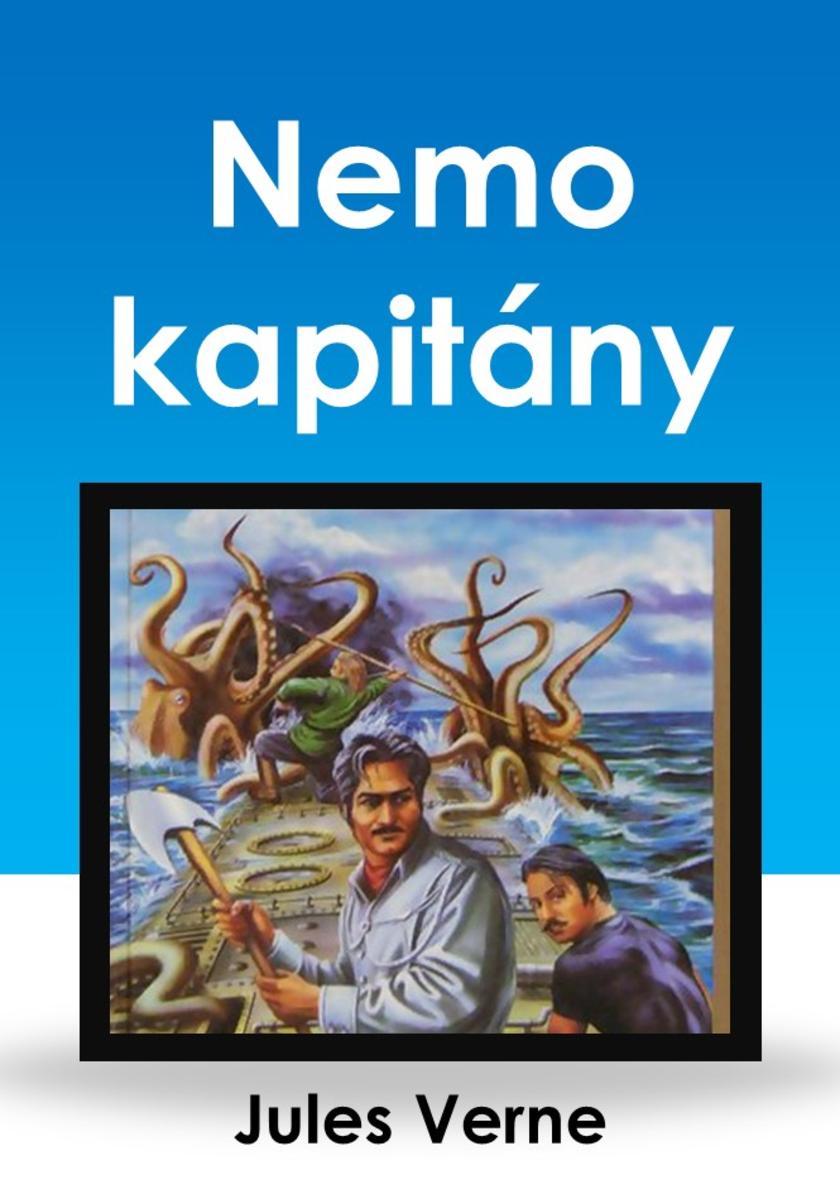
Némó Kapitány: Tenger alatt a világ k?rül
¥8.67
A Paleolit táplálkozás kezd?knek azoknak szól, akiknek eddig nem állt módjukban vagy nem volt idejük alaposan elmélyedni a paleolit táplálkozás rejtelmeiben. SZENDI G?BOR k?nyve arra vállalkozik, hogy r?viden és lényegre t?r?en az ? számukra is bemutassa a legfontosabb, legalapvet?bb paleo ismereteket. Hiszen rendkívül sokan vannak, akik elfoglaltságaik, rohanó életük mellett is szeretnének lehet?séget kapni arra, hogy a természet rendje szerint táplálkozva meg?rizhessék vagy visszanyerjék egészségüket. A Paleolit táplálkozás kezd?knek kedvcsináló egy sorsfordító étrend bevezetéséhez és a témában való további elmélyüléshez. Megtudhatjuk, miért és hogyan okoznak a nyugati életmód által átalakított táplálkozási szokások olyan civilizációs betegségeket, amelyek a természeti népeknél ismeretlenek, hogyan okoz a túlzott szénhidrátfogyasztás szív- és érrendszeri megbetegedéseket, hogyan gy?zhetjük le k?nny?szerrel a paleolit étrend segítségével a 2-es típusú cukorbetegséget, valamint hogy miként vezet a paleolit táplálkozás elveinek k?vetése koplalás nélkül is gyors fogyáshoz és az egészséges testsúly folyamatos fenntartásához. SZENDI G?BOR legújabb k?nyvében is a t?le megszokott tudományos alapossággal foglalja ?ssze kutatásainak eredményeit, hogy megértsük ezt a forradalmian új, minden tekintetben tudományosan megalapozott, az ember evolúciójára épül? táplálkozástant.

Utazás a Holdba
¥8.67
Hogy saját családja lehessen, t?nkreteszi másét Egyedül vagy. Sebezhet? vagy. ?s van valamid, amit valaki meg akar szerezni. Bármi áron... ?gy t?nik, Claudia Morgan-Brown élete végre révbe ér: ?vé a majdnem t?kéletes álomférj két édes négyévessel, szépen alakul a karrierje is, és számtalan fájdalmas vetélés után végre saját babáját várja. Férje gyakori távolléte miatt hirdetést adnak fel, hogy megfelel? dadust találjanak, aki segít Claudiának. Zoéra esik a választás, aki szinte maga a t?kély: a gyerekek imádják, képzett és tapasztalt, a referenciái is jók. Claudiát az ?szt?ne mégis óvatosságra inti. Vajon mit titkol Zoe? Van oka félni Claudiának? Vajon milyen messzire képes elmenni egy n? azért, hogy saját gyermeke lehessen? A Holtodiglan és a Miel?tt elalszom rajongóinak. A K?nyvjelz? magazin 2015. szeptemberi számában megjelent cikk: "A bébiszitter magányossága"

A rejtelmes sziget
¥8.67
"D?bbenetes els? regény... Túlságosan hihet? és szívszorító." (Los Angeles Times) Egy anya olyat kért, amit lehetetlen megtenni. Egy apa olyat tett, amit nem lehet megbocsátani. Lulu és Merry gyerekkora sosem volt felh?tlen, de a legnehezebb id?szakok, a legbántóbb szavak, a leghangosabb veszekedések is elt?rpülnek egyetlen nap emlékének árnyékában. ?pp Lulu tizedik születésnapja el?tt a lányoknak olyan traumát kell átélniük, amit legfeljebb csak túlélni lehet, megérteni és feldolgozni sohasem. Azon a végzetes napon apa meg?lte anyát. A tragédia után Lulu és Merry gyermekotthonba, majd nevel?szül?kh?z kerül. De pontosan tudják, a t?rténtek után senkiben sem bízhatnak, és csak egymásra számíthatnak. Harminc éven át próbálnak értelmet adni a gyermekkorban átélt sz?rny?ségnek, mik?zben b?rt?nben ül? apjuk nyomasztó kísértete lengi be a hétk?znapokat. Lulu azzal áltatja magát, hogy apja halott, Merry viszont úgy érzi, bármit is tett, k?zeli kapcsolatban kell maradnia vele. Meyers gy?ny?r?en megírt, letehetetlen els? regénye a család erejébe vetett hit, valamint a szeretteinkhez kapcsoló és t?lük elszakító k?telékek testamentuma. Randy Susan Meyers Bostonban él a férjével, és két feln?tt lány anyja. ?rószemináriumokat tart a Grub Street Writer's Centerben.

?let a Mississippin
¥8.67
Veszély, titok és autós üld?zés. Izgalmak, nyomok és jóbarátok. Csápy, e bogaras James Bond-kaland f?h?se megpróbálja legjobb cimboráival felg?ngy?líteni a rejtélyeket, melyekb?l a Nagy T?lgy?n akad szép számmal. Vajon hol lehet a polgármester lánya, aki elt?nt a Tiltott Zóna mélyén? A repül? autó tényleg létezik vagy csak erdei legenda? A T?lgyet milyen titokzatos betegség rágja? ?s ami mindennél fontosabb: ki vagy mi állhat ezek m?g?tt a felettébb fura események m?g?tt? Lehet, hogy minden mindennel ?sszefügg?


