


 购物车
购物车 个人中心
个人中心
In the South Seas
¥8.09
Classic travelogue/memoir. According to Wikipedia: "Robert Louis (Balfour) Stevenson ( 1850 - 1894), was a Scottish novelist, poet, and travel writer, and a leading representative of Neo-romanticism in English literature. He was the man who "seemed to pick the right word up on the point of his pen, like a man playing spillikins", as G. K. Chesterton put it. He was also greatly admired by many authors, including Jorge Luis Borges, Ernest Hemingway, Rudyard Kipling, Vladimir Nabokov, and J. M. Barrie. Most modernist writers dismissed him, however, because he was popular and did not write within their definition of modernism. It is only recently that critics have begun to look beyond Stevenson's popularity and allow him a place in the canon."
The Journal of a Tour to the Hebrides
¥8.09
According to Wikipedia: "James Boswell, 9th Laird of Auchinleck (October 29, 1740 – May 19, 1795) was a lawyer, diarist, and author born in Edinburgh, Scotland; he is best known for his biography of Samuel Johnson. His name has passed into the English language as a term (Boswell, Boswellian, Boswellism) for a constant companion and observer. Boswell is also known for the detailed and frank journals that he wrote for long periods of his life, which remained undiscovered until the 1920s. These included voluminous notes on the grand tour of Europe that he took as a young man and, subsequently, of his tour of Scotland with Johnson. His journals also record meetings and conversations with eminent individuals belonging to The Club, including Lord Monboddo, David Garrick, Edmund Burke, Reynolds and Oliver Goldsmith. His written works focus chiefly on others, but he was admitted as a good companion and accomplished conversationalist in his own right."
Yesterdays with Authors
¥8.09
Accounts of personal contacts with well-known authors. Chapters include: Thackeray, Hawthorne, Dickens, Wordsworth, and Miss Mitford. According to Wikipedia: "James Thomas Fields (December 31, 1817 – April 24, 1881) was an American publisher and author." Husband of author Annie Fields.
Plutarch's Morals, Ethical Essays
¥8.09
From the Preface: "Plutarch, who was born at Chaeronea in Boeotia, probably about A.D. 50, and was a contemporary of Tacitus and Pliny, has written two works still extant, the well-known _Lives_, and the less-known _Moralia_. The _Lives_ have often been translated, and have always been a popular work. Great indeed was their power at the period of the French Revolution. The _Moralia_, on the other hand, consisting of various Essays on various subjects (only twenty-six of which are directly ethical, though they have given their name to the _Moralia_), are declared by Mr. Paley "to be practically almost unknown to most persons in Britain, even to those who call themselves scholars." According to Wikipedia: "Lucius Mestrius Plutarchus (c. AD 46 - 120 — commonly known in English as Plutarch — was a Roman historian (of Greek ethnicity), biographer, essayist, and Middle Platonist. Plutarch was born to a prominent family in Chaeronea, Boeotia, a town about twenty miles east of Delphi. His known works consist of the Parallel Lives and the Moralia."
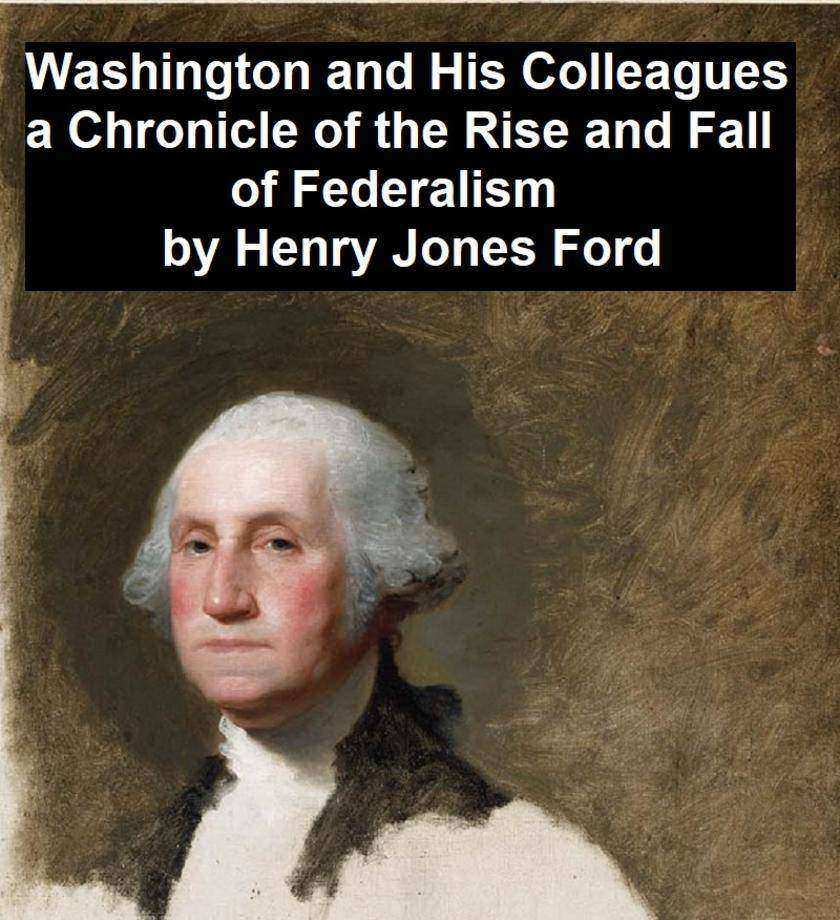
Washington and His Colleagues, A Chronicle of the Rise and Fall of Federalism
¥8.09
According to Wikipedia: "Washington is seen as a symbol of the United States and republicanism in practice. His devotion to civic virtue made him an exemplary figure among early American politicians. Washington died in 1799, and in his funeral oration, Henry Lee said that of all Americans, he was "first in war, first in peace, and first in the hearts of his countrymen." Washington has been consistently ranked by scholars as one of the greatest U.S. Presidents."

Essays of Montaigne
¥8.09
The complete essays, translated by Charles Cotton (1630-1687) and edited by William Hazlitt. From the Preface: "This great French writer deserves to be regarded as a classic, not only in the land of his birth, but in all countries and in all literatures. His Essays, which are at once the most celebrated and the most permanent of his productions, form a magazine out of which such minds as those of Bacon and Shakespeare did not disdain to help themselves; and, indeed, as Hallam observes, the Frenchman's literary importance largely results from the share which his mind had in influencing other minds, coeval and subsequent."

Boswell's Life of Johnson
¥8.09
The edition of 1886, edited by George Brikbek Hill. This file also includes Boswell's Journal of a Tour to the Hebrides and Johnson's Diary of a Journey into North Wales. According to Wikipedia: "James Boswell, 9th Laird of Auchinleck (1740 - 1795) was a lawyer, diarist, and author born in Edinburgh, Scotland; he is best known for his biography of Samuel Johnson. He was the eldest son of a judge, Alexander Boswell, 8th Laird of Auchinleck and his wife Euphemia Erskine, Lady Auchinleck; he inherited his father’s estate Auchinleck in Ayrshire. Boswell's mother was a strict Calvinist, and he felt that his father was cold to him. His name has passed into the English language as a term (Boswell, Boswellian, Boswellism) for a constant companion and observer. Boswell is also known for the detailed and frank journals that he wrote for long periods of his life, which remained undiscovered until the 1920s. These included voluminous notes on the grand tour of Europe that he took as a young nobleman and, subsequently, of his tour of Scotland with Johnson. His journals also record meetings and conversations with eminent individuals belonging to The Club, including Lord Monboddo, David Garrick, Edmund Burke, Reynolds and Oliver Goldsmith. His written works focus chiefly on others, but he was admitted as a good companion and accomplished conversationalist in his own right."
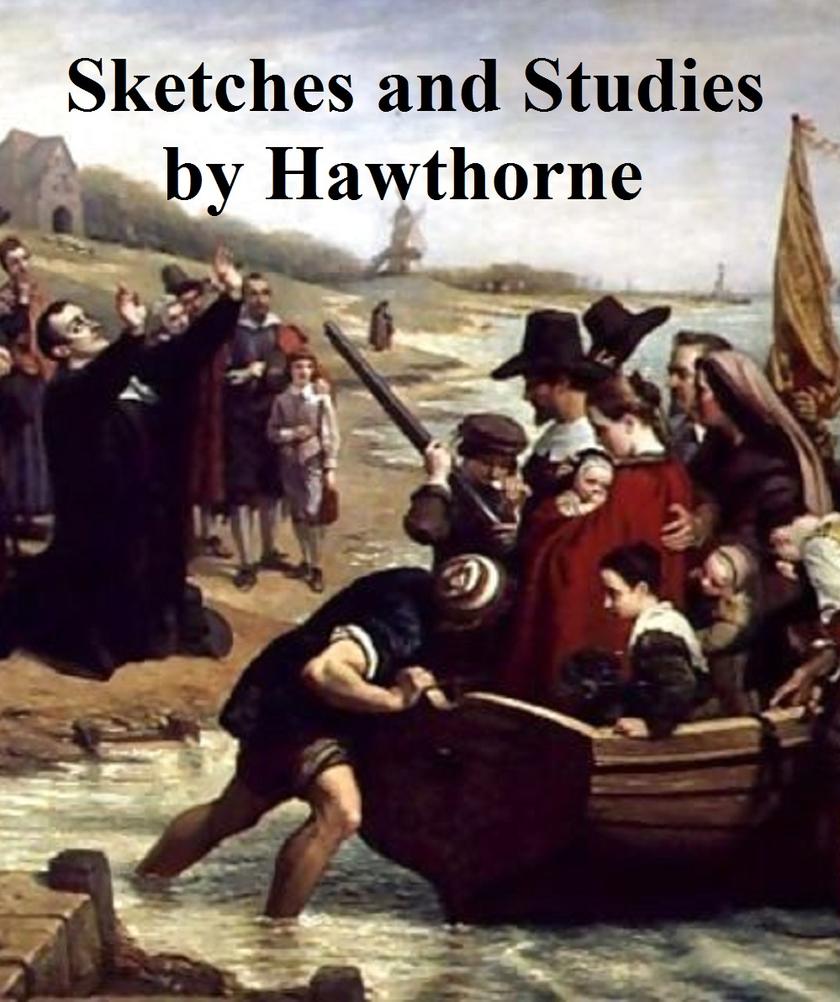
Sketches and Studies
¥8.09
This book includes: Life of Franklin Pierce, Chiefly about War Matters, Alice Doane's Appeal, and The Ancestral Footstep. According to Wikipedia: "Nathaniel Hawthorne (1804 –1864) was an American novelist and short story writer... Much of Hawthorne's writing centers around New England and many feature moral allegories with a Puritan inspiration. His fiction works are considered part of the Romantic movement and, more specifically, dark romanticism. His themes often center on the inherent evil and sin of humanity and his works often have moral messages and deep psychological complexity. His published works include novels, short stories, and a biography of his friend Franklin Pierce."
The German Novel of Provincial Life
¥8.09
This collection includes works by Little Barefoot by Berthold Auerbach and works by Jeremias Gotthelf, Fritz Euter, Adabert Stifter, and Wilhelm Heinrich Riehl. The German Classics Of The Nineteenth And Twentieth Centuries, Volume 8, edited by Kuno Francke.

Works of Hebbel and Ludwig
¥8.09
This collection includes works by Hebbel and Ludwig. The German Classics Of The Nineteenth And Twentieth Centuries, Volume 9, edited by Kuno Francke.
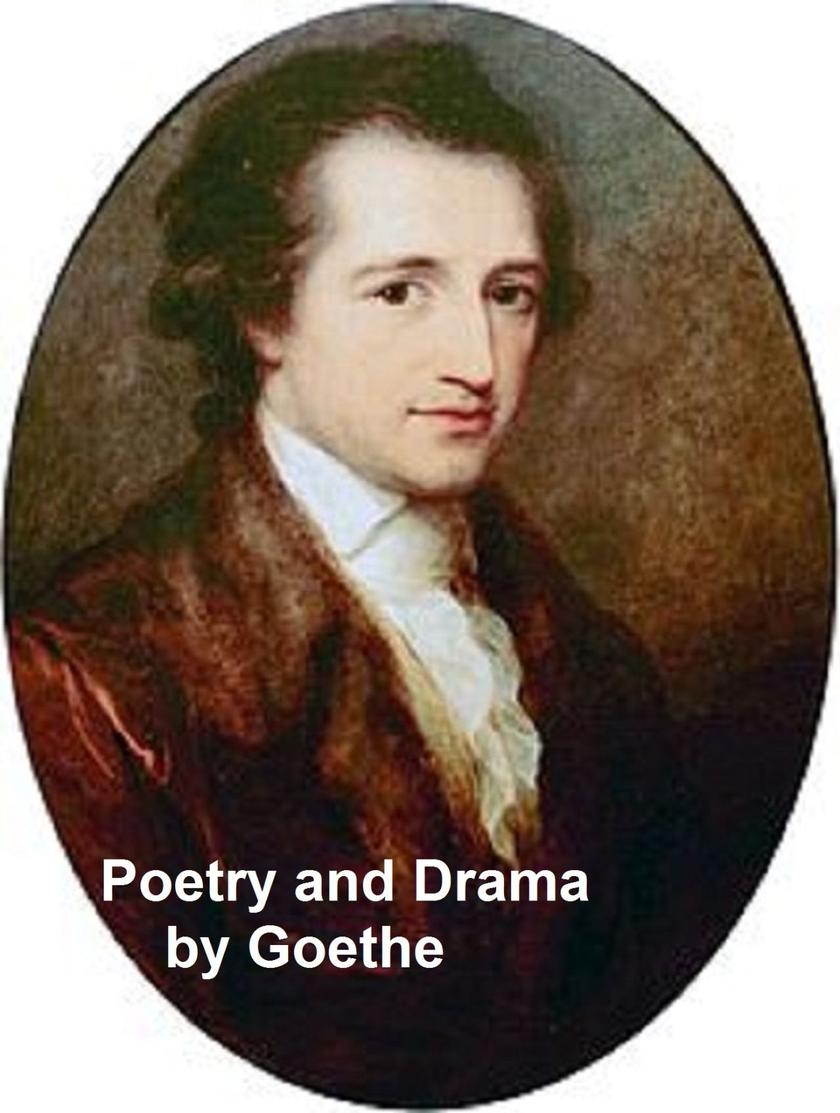
Poetry and Drama
¥8.09
This collection includes: Life of Goethe by Calvin Thomas, Hermann and Dorothea, Iphigenia in Tauris, Faust Parts 1 and selections from Part 2. The German Classics Of The Nineteenth And Twentieth Centuries, Volume 1, edited by Kuno Francke.
An Inland Voyage
¥8.09
Classic travelogue/memoir. According to Wikipedia: "Robert Louis (Balfour) Stevenson ( 1850 - 1894), was a Scottish novelist, poet, and travel writer, and a leading representative of Neo-romanticism in English literature. He was the man who "seemed to pick the right word up on the point of his pen, like a man playing spillikins", as G. K. Chesterton put it. He was also greatly admired by many authors, including Jorge Luis Borges, Ernest Hemingway, Rudyard Kipling, Vladimir Nabokov, and J. M. Barrie. Most modernist writers dismissed him, however, because he was popular and did not write within their definition of modernism. It is only recently that critics have begun to look beyond Stevenson's popularity and allow him a place in the canon."
Up From Slavery
¥8.09
According to Wikipedia: "Booker Taliaferro Washington (April 5, 1856 – November 14, 1915) was an American educator, orator, author and leader of the African-American community. He was freed from slavery as a child, and after working at several menial jobs in West Virginia, earned his way through an education at Hampton Institute and Wayland Seminary. Upon recommendation of Hampton founder Sam Armstrong, as a young man, he was appointed as the first leader of the new Tuskegee Institute, then a teachers' college for blacks."
What's Wrong with the World
¥8.09
Book-length collection of essays. According to Wikipedia: "Gilbert Keith Chesterton (1874 - 1936) was an influential English writer of the early 20th century. His prolific and diverse output included journalism, philosophy, poetry, biography, Christian apologetics, fantasy and detective fiction. Chesterton has been called the "prince of paradox."[1] He wrote in an off-hand, whimsical prose studded with startling formulations. For example: "Thieves respect property. They merely wish the property to become their property that they may more perfectly respect it."[2] He is one of the few Christian thinkers who are equally admired and quoted by both liberal and conservative Christians, and indeed by many non-Christians. Chesterton's own theological and political views were far too nuanced to fit comfortably under the "liberal" or "conservative" banner."
Washington in Domestic Life, From Original Letters and Manuscripts
¥8.09
Brief biographical essay. The introduction begins: "The manuscript or paper here published was prepared from a collection of original letters from General Washington on matters, for the most part, purely domestic and personal, addressed to Colonel Tobias Lear, his private Secretary for a part of the time he was President; and then, and during periods much longer, his confidential friend. They came into my hands through the voluntary kindness of Mrs. Lear, of the city of Washington, the estimable relict of Colonel Lear, and niece of Mrs. Washington, whose friendship it was my good lot and that of my family to enjoy; as we did that of Colonel Lear while he lived. The latter died in Washington in 1816. "
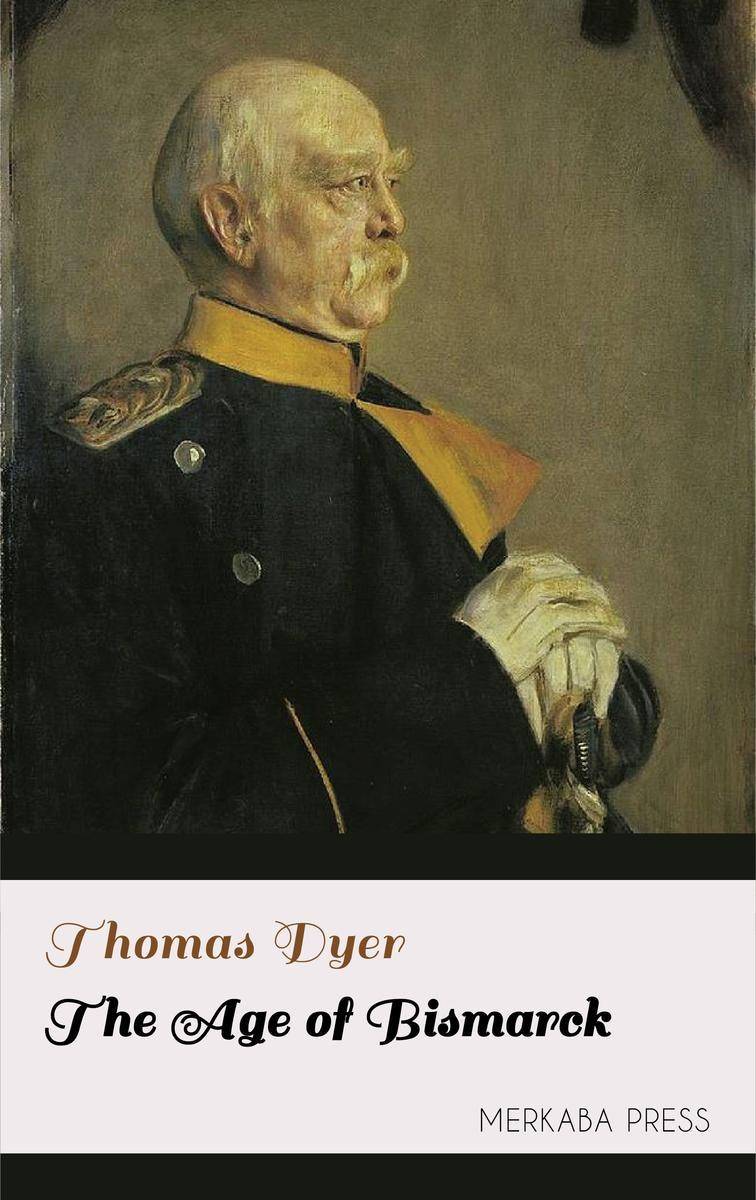
The Age of Bismarck
¥8.09
The Age of Bismarck
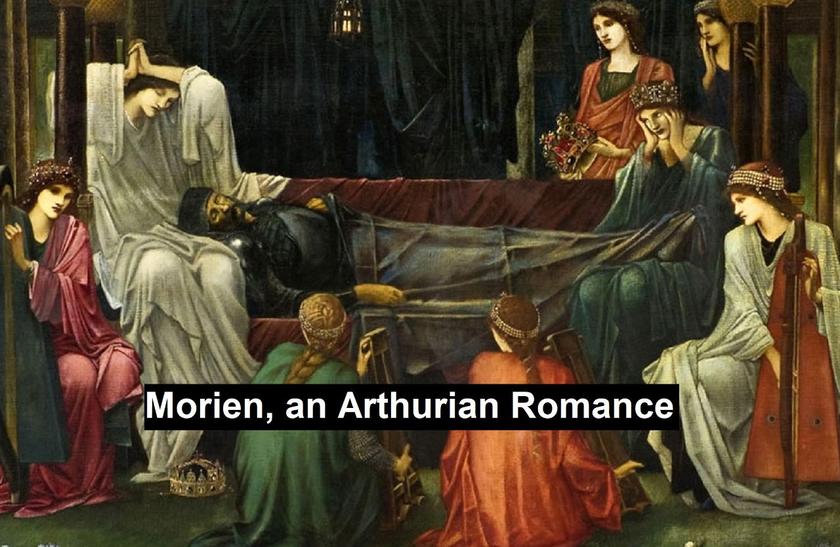
Morien, an Arthurian Romance
¥8.09
A short Arthurian romance not represented in Malory's "Morte Darthur". A metrical romance rendered into English prose from the Mediaeval Dutch.
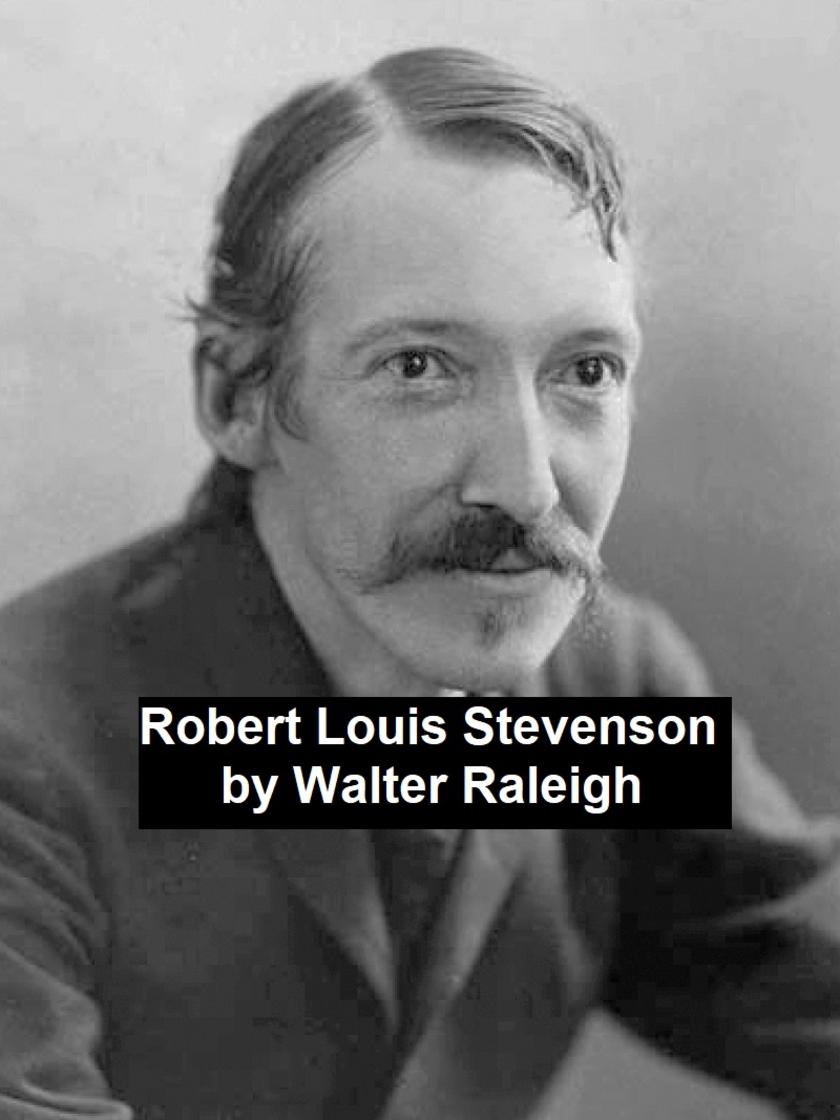
Robert Louis Stevenson
¥8.09
Short biographical essay. According to Wikipedia: "Robert Louis (Balfour) Stevenson ( 1850 - 1894), was a Scottish novelist, poet, and travel writer, and a leading representative of Neo-romanticism in English literature. He was the man who "seemed to pick the right word up on the point of his pen, like a man playing spillikins", as G. K. Chesterton put it. He was also greatly admired by many authors, including Jorge Luis Borges, Ernest Hemingway, Rudyard Kipling, Vladimir Nabokov, and J. M. Barrie. Most modernist writers dismissed him, however, because he was popular and did not write within their definition of modernism. It is only recently that critics have begun to look beyond Stevenson's popularity and allow him a place in the canon."
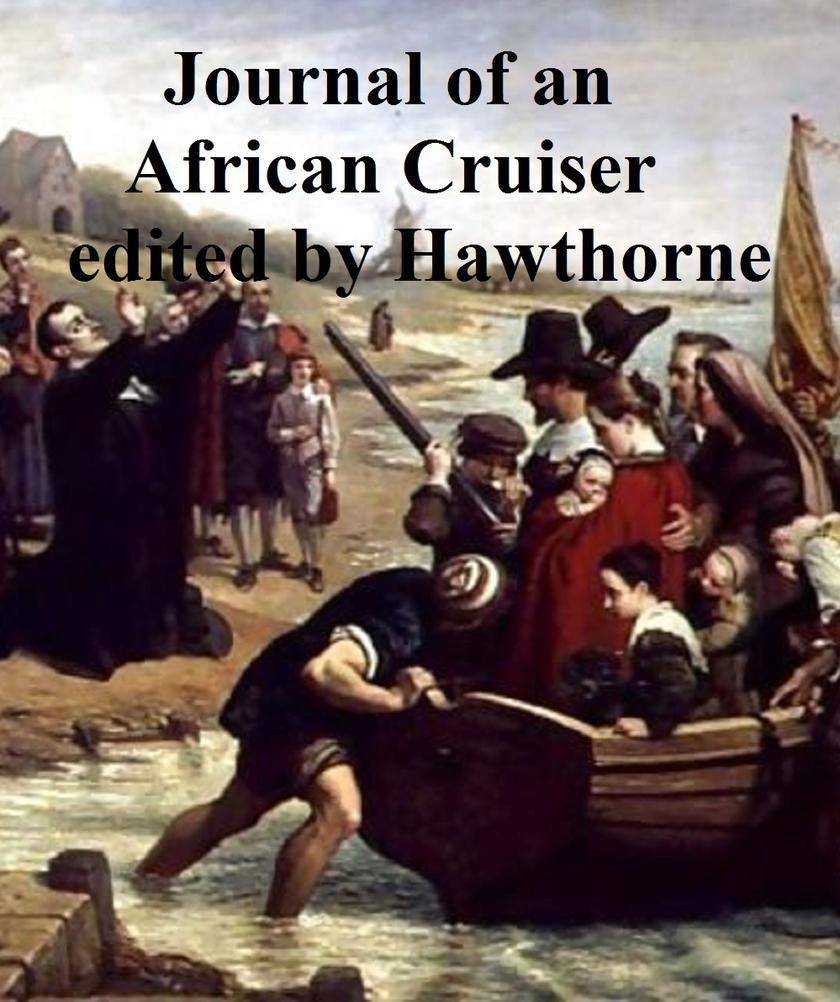
Journal of an African Cruiser
¥8.09
"Comprising sketches of the Canaries, the Cape Verds, Liberia, Maeira, Sierra Leone, and other places of interest on the west coast of Africa. By an officer of the US Navy. Edited by Nathaniel Hawthorne... 1845." According to Wikipedia: ""Nathaniel Hawthorne (born Nathaniel Hathorne; July 4, 1804 – May 19, 1864) was an American novelist and short story writer."
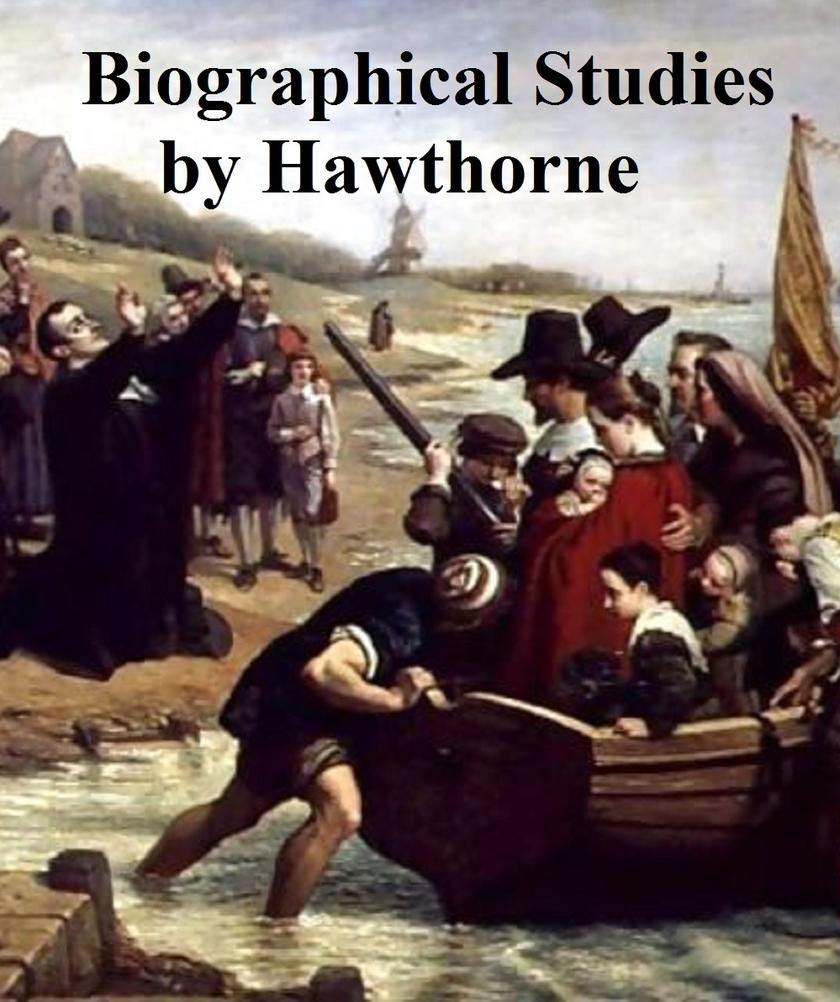
Biographical Studies
¥8.09
The biographies (from the collection "Fanshawe and Other Pieces") are: Mrs. Hutchinson, Sir William Phips, Sir William Pepperell, Thomas Green Fessenden, and Jonathan Cilley. According to Wikipedia: ""Nathaniel Hawthorne (born Nathaniel Hathorne; July 4, 1804 – May 19, 1864) was an American novelist and short story writer."

Memoirs, Criticism, and Letters
¥8.09
This book-collection file includes five books: The Mirror of the Sea, Notes on Life and Letters, Notes on My Books, A Personal Record, and Some Reminiscences. According to Wikipedia: "Joseph Conrad (born Józef Teodor Konrad Korzeniowski, 3 December 1857 – 3 August 1924) was a Polish-born English novelist. Many critics regard him as one of the greatest novelists in the English language—a fact that is remarkable as he did not learn to peak English fluently until he was in his twenties (and always with a Polish accent). Conrad is recognized as a master prose stylist. Some of his works have a strain of romanticism, but more importantly he is recognized as an important forerunner of modernist literature. His narrative style and anti-heroic characters have influenced many writers, including Ernest Hemingway, D. H. Lawrence, F. Scott Fitzgerald, Graham Greene, William S. Burroughs, Joseph Heller, V.S. Naipaul, Italo Calvino and J. M. Coetzee."


