


 购物车
购物车 个人中心
个人中心
The Night Horseman
¥8.09
Dodo Collections brings you another classic from Max Brand, ‘The Night Horseman.’ ? A man, a dog, and a horse. The call of the wild geese. A very smart doctor from the east who finds there is a lot to learn from these desert people. A woman loved by three men. A gunslinger who has a debt to settle. Max Brand brings them all together in another one of his over three hundred exciting western tales. Brand is not your typical western writer. ? Frederick Schiller Faust (1892-1944) was an American fiction author known primarily for his thoughtful and literary Westerns. Faust wrote mostly under pen names, and today he is primarily known by one, Max Brand. Others include George Owen Baxter, Martin Dexter, Evin Evans, David Manning, Peter Dawson, John Frederick, and Pete Morland. Faust was born in Seattle. He grew up in central California and later worked as a cowhand on one of the many ranches of the San Joaquin Valley. Faust attended the University of California, Berkeley, where he began to write frequently. During the 1910s, Faust started to sell stories to the many emerging pulp magazines of the era. In the 1920s, Faust wrote furiously in many genres, achieving success and fame, first in the pulps and later in the upscale "slick" magazines. His love for mythology was, however, a constant source of inspiration for his fiction and his classical and literary inclinations. The classical influences are particularly noticeable in his first novel The Untamed (1919), which was also made into a motion picture starring Tom Mix in 1920.

Trailin'!
¥8.09
Dodo Collections brings you another classic from Max Brand, ‘Trailin'!’ ? Trailin’ tells the story of Anthony Bard, a young aristocrat from the east with a hunger for adventure, who sees his father murdered in the yard of their home. This starts young Anthony on a trail of vengeance that leads him to the far west. Here, Anthony, a tenderfoot with a knack for survival must track down a legendary outlaw who waits for him, not with a gun, but with a story. Along the way he braves the elements, resists a band of cold-blooded killers and finds love. A classic western revenge plot…..with a twist. ? Frederick Schiller Faust (1892-1944) was an American fiction author known primarily for his thoughtful and literary Westerns. Faust wrote mostly under pen names, and today he is primarily known by one, Max Brand. Others include George Owen Baxter, Martin Dexter, Evin Evans, David Manning, Peter Dawson, John Frederick, and Pete Morland. Faust was born in Seattle. He grew up in central California and later worked as a cowhand on one of the many ranches of the San Joaquin Valley. Faust attended the University of California, Berkeley, where he began to write frequently. During the 1910s, Faust started to sell stories to the many emerging pulp magazines of the era. In the 1920s, Faust wrote furiously in many genres, achieving success and fame, first in the pulps and later in the upscale "slick" magazines. His love for mythology was, however, a constant source of inspiration for his fiction and his classical and literary inclinations. The classical influences are particularly noticeable in his first novel The Untamed (1919), which was also made into a motion picture starring Tom Mix in 1920.

Black Jack
¥8.09
Dodo Collections brings you another classic from Max Brand, ‘Black Jack’. ? “The moment he rose out of the chair and faced them, Gainor had stopped short. He was quite capable of fast thinking, and now his glance flickered from Terry to the sheriff and back again. It was plain that he had shrewd suspicions as to the purpose behind that call. The sheriff was merely confused. He flushed as much as his tanned-leather skin permitted. As for Terry, the moment his glance fell on the sheriff he felt his muscles jump into hard ridges, and an almost uncontrollable desire to go at the throat of the other seized him. He quelled that desire and fought it back with a chill of fear.” ? Frederick Schiller Faust (1892-1944) was an American fiction author known primarily for his thoughtful and literary Westerns. Faust wrote mostly under pen names, and today he is primarily known by one, Max Brand. Others include George Owen Baxter, Martin Dexter, Evin Evans, David Manning, Peter Dawson, John Frederick, and Pete Morland. Faust was born in Seattle. He grew up in central California and later worked as a cowhand on one of the many ranches of the San Joaquin Valley. Faust attended the University of California, Berkeley, where he began to write frequently. During the 1910s, Faust started to sell stories to the many emerging pulp magazines of the era. In the 1920s, Faust wrote furiously in many genres, achieving success and fame, first in the pulps and later in the upscale "slick" magazines. His love for mythology was, however, a constant source of inspiration for his fiction and his classical and literary inclinations. The classical influences are particularly noticeable in his first novel The Untamed (1919), which was also made into a motion picture starring Tom Mix in 1920.
Reminiscences of Anton Chekhov
¥8.09
This collection of short biographies about Chekhov includes: Fragments of Recollections by Gorky, To Chekhov's Memory by Kuprin, and A. P. Chekhov by Bunin.
Barrack Room Ballads
¥8.09
Dodo Collections brings you another classic from Rudyard Kipling, ‘Barrack Room Ballads.’ ? The Barrack-Room Ballads is a series of songs and poems by Rudyard Kipling, dealing with the late-Victorian British Army and mostly written in a vernacular dialect. ? The series contains some of Kipling's most well-known work, including the poems "Gunga Din", "Tommy" and "Danny Deever", and helped consolidate his early fame as a poet. ? Joseph Rudyard Kipling was an English short-story writer, poet, and novelist. He wrote tales and poems of British soldiers in India and stories for children. He was born in Bombay, in the Bombay Presidency of British India, and was taken by his family to England when he was five years old. ? Kipling's works of fiction include The Jungle Book (1894), Kim (1901), and many short stories, including "The Man Who Would Be King" (1888). His poems include "Mandalay" (1890), "Gunga Din" (1890), "The Gods of the Copybook Headings" (1919), "The White Man's Burden" (1899), and "If—" (1910). He is regarded as a major innovator in the art of the short story; his children's books are classics of children's literature; and one critic described his work as exhibiting "a versatile and luminous narrative gift". ? Kipling was one of the most popular writers in England, in both prose and verse, in the late 19th and early 20th centuries. Henry James said: "Kipling strikes me personally as the most complete man of genius (as distinct from fine intelligence) that I have ever known." In 1907, he was awarded the Nobel Prize in Literature, making him the first English-language writer to receive the prize, and its youngest recipient to date Among other honours, he was sounded out for the British Poet Laureateship and on several occasions for a knighthood, all of which he declined.
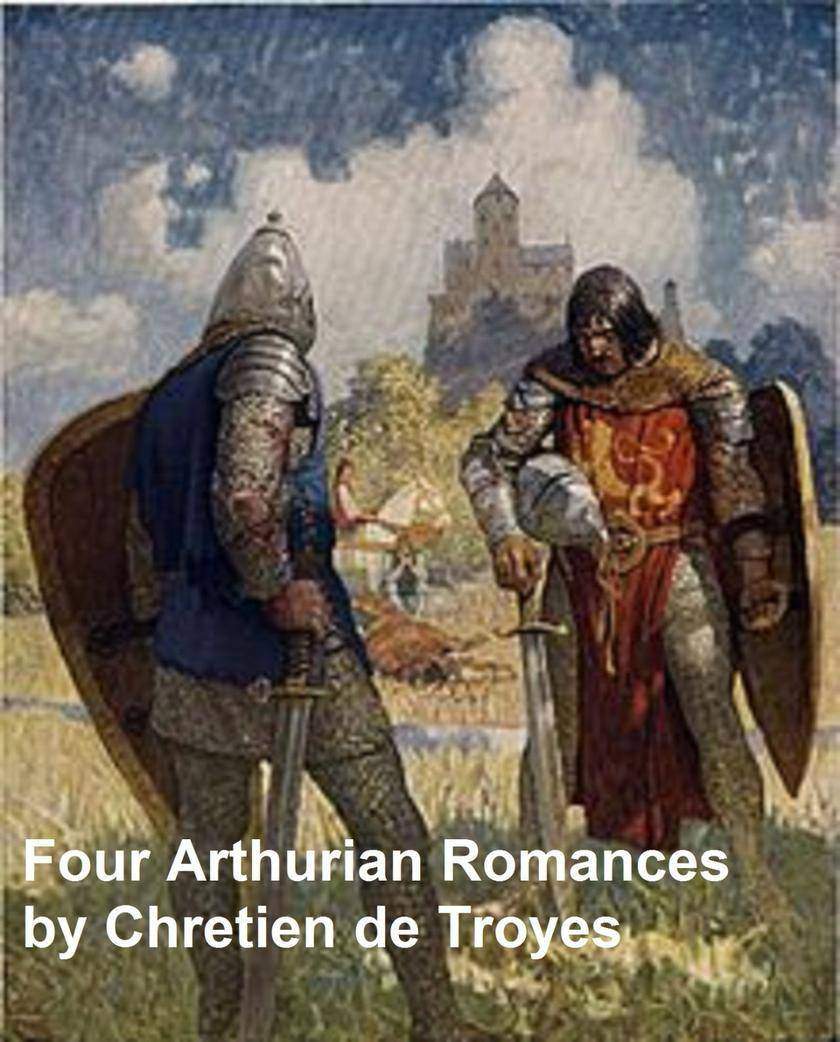
Four Arthurian Romances
¥8.09
According to Wikipedia: "Chrétien de Troyes (Old French Christian) was a French poet and trouvère who flourished in the late 12th century. Perhaps he named himself Christian of Troyes in contrast to the illustrious Rashi, also of Troyes. Little is known of his life, but he seems to have been from Troyes, or at least intimately connected with it, and between 1160 and 1172 he served at the court of his patroness Marie of France, Countess of Champagne, daughter of Eleanor of Aquitaine, perhaps as herald-at-arms (as Gaston Paris speculated). His work on Arthurian subjects represents some of the best regarded of medieval literature. His use of structure, particular in Yvain, the Knight of the Lion, has been seen as a step towards the modern novel."
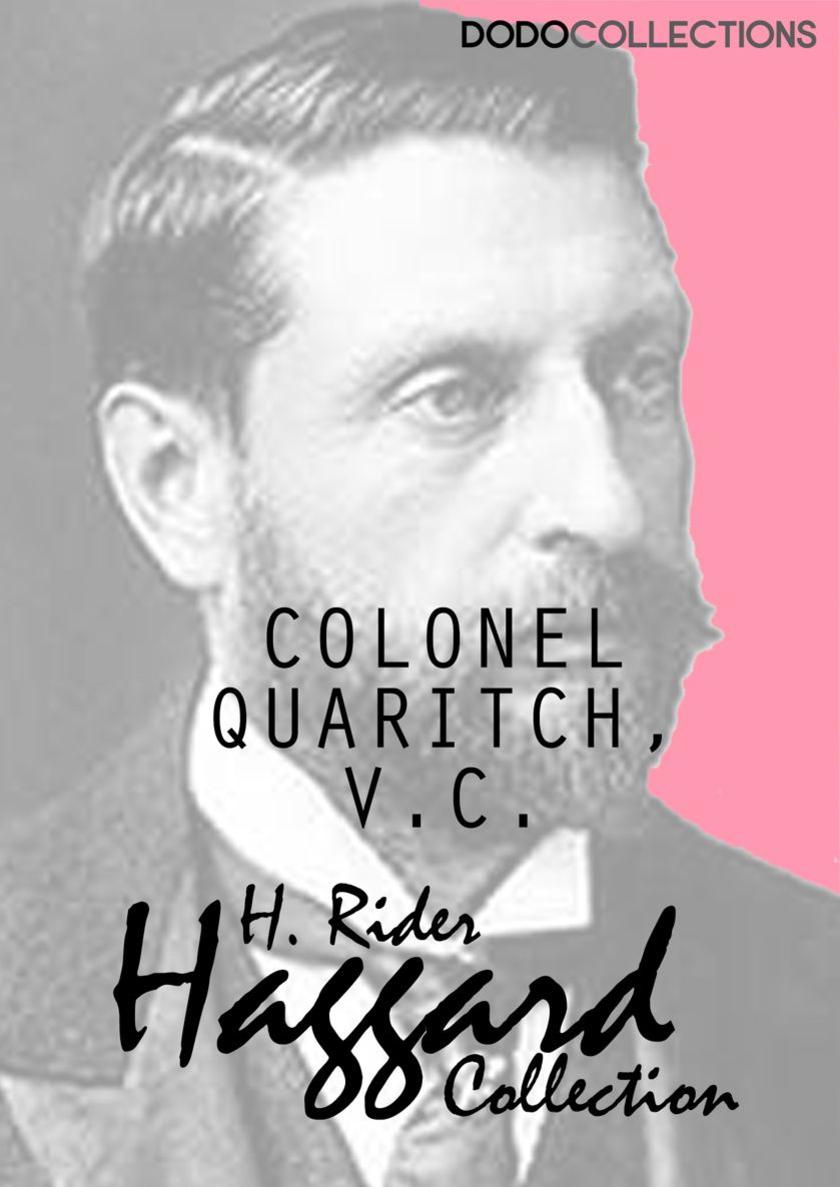
Colonel Quaritch, V.C.
¥8.09
Dodo Collections brings you another classic from H. Rider Haggard, ‘Colonel Quaritch, V.C.’ ? This is not a typical adventure book yet it is full of mystery and intrigue including a coerced marriage, bigotry, adultery, murder and a buried treasure! ? This is the tale of an ancient family’s struggles to survive, one woman’s selflessness and another’s evil schemes; Two Gentlemen, two scoundrels and one very underestimated, loyal servant. Listen as the tale unfolds and guess where the treasure is hidden that can save them all!? ? Sir Henry Rider Haggard was an English writer of adventure novels set in exotic locations, predominantly Africa, and the creator of the Lost World literary genre. His stories, situated at the lighter end of the scale of Victorian literature, continue to be popular and influential. He was also involved in agricultural reform and improvement in the British Empire. ? His breakout novel was King Solomon's Mines (1885), which was to be the first in a series telling of the multitudinous adventures of its protagonist, Allan Quatermain. ? Haggard was made a Knight Bachelor in 1912 and a Knight Commander of the Order of the British Empire in 1919. He stood unsuccessfully for Parliament as a Conservative candidate for the Eastern division of Norfolk in 1895. The locality of Rider, British Columbia, was named in his memory.
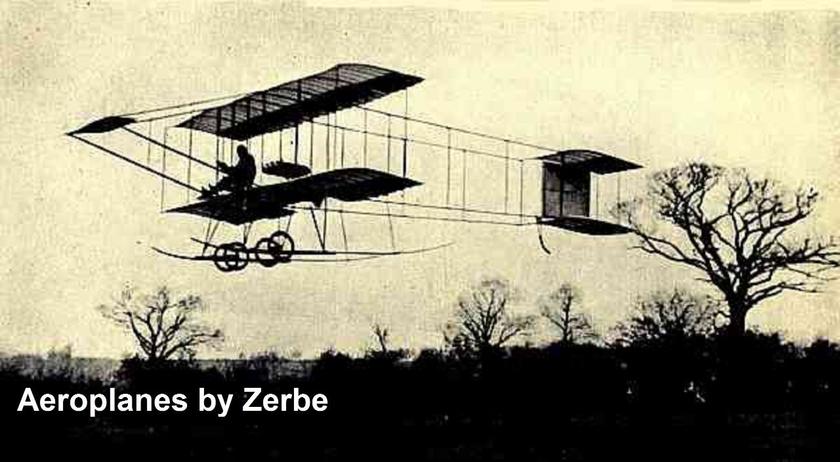
Aeroplanes
¥8.09
First published in 1915, from Every Boy's Mechanical Library. "This work is not intended to set forth the exploits of aviators nor to give a history of the Art. It is a book of instructions intended to point out the theories of flying, as given by the pioneers, the practical application of power to the various flying structures; how they are built, the different methods of controlling them; the advantages and disadvantages of the types now in use; and suggestions as to the directions in which improvements are required."

A Forgotten Empire: Vijayanagar
¥8.09
According to Wikipedia: "Robert Sewell (1845–1925) was a civil servant in colonial India. He is the author of the book A Forgotten Empire Vijayanagar: A Contribution to the History of India. He did extensive work on the history of the Vijayanagara Empire, particularly the fall of Hampi, the empire's capital. Sewell also translated The Vijayanagar Empire as seen by Domingo Paes and Fernao Nuniz which is described as an eyewitness account of Portuguese travellers to India in the 16th century and report on the Vijayanagar empire."

In the Cage
¥8.09
Dodo Collections brings you another classic from Henry James, ‘In the Cage’. ? This long story centers on an unnamed London telegrapher. She deciphers clues to her clients' personal lives from the often cryptic telegrams they submit to her as she sits in the "cage" at the post office. Sensitive and intelligent, the telegrapher eventually finds out more than she may want to know. Henry James, OM (15 April 1843 – 28 February 1916) was an American writer who spent most of his writing career in Britain. He is regarded as one of the key figures of 19th-century literary realism. He was the son of Henry James, Sr. and the brother of philosopher and psychologist William James and diarist Alice James. ? He is best known for a number of novels showing Americans encountering Europe and Europeans. His method of writing from a character's point of view allowed him to explore issues related to consciousness and perception, and his style in later works has been compared to impressionist painting. His imaginative use of point of view, interior monologue and unreliable narrators brought a new depth to narrative fiction. ? James contributed significantly to literary criticism, particularly in his insistence that writers be allowed the greatest possible freedom in presenting their view of the world. James claimed that a text must first and foremost be realistic and contain a representation of life that is recognizable to its readers. Good novels, to James, show life in action and are, most importantly, interesting. In addition to his voluminous works of fiction he published articles and books of travel, biography, autobiography, and criticism, and wrote plays. James alternated between America and Europe for the first twenty years of his life; eventually he settled in England, becoming a British subject in 1915, one year before his death. James was nominated for the Nobel Prize in Literature in 1911, 1912, and 1916.
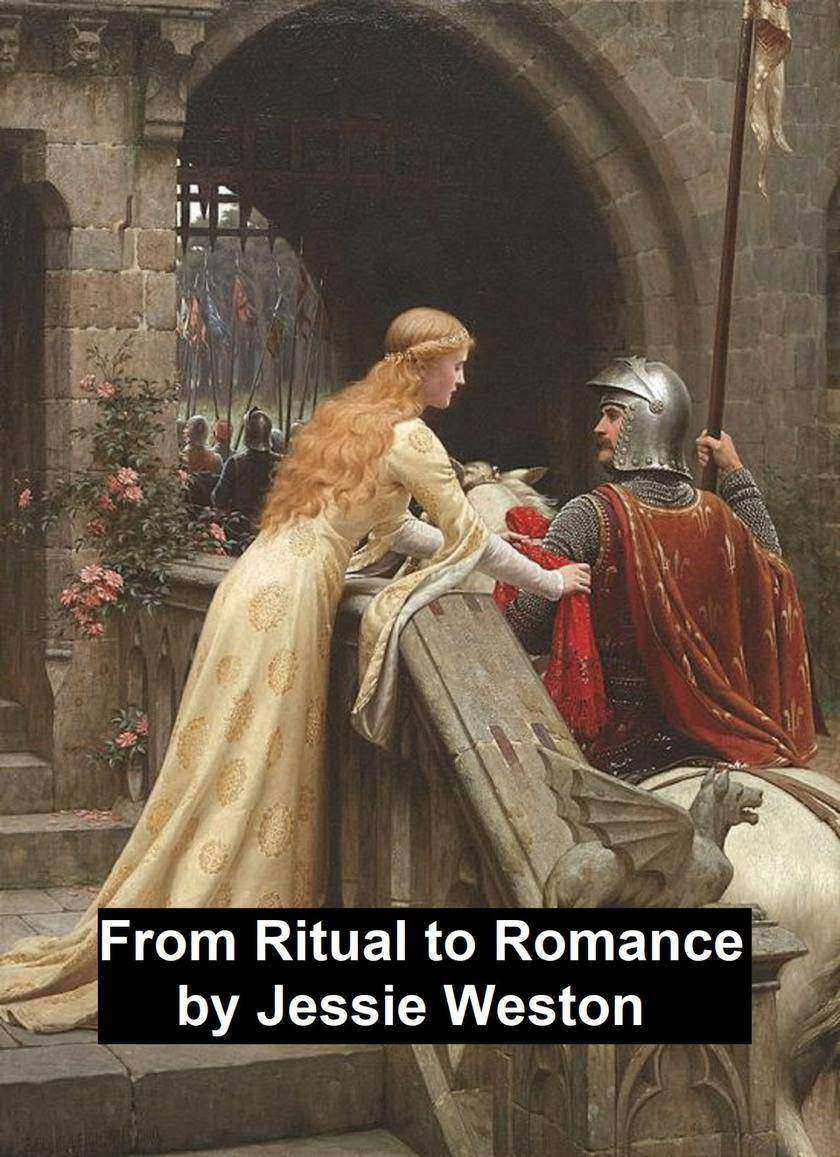
From Ritual to Romance
¥8.09
First published in 1919. According to Wikipedia: "From Ritual to Romance is a 1920 book written by Jessie L. Weston. The work is notable for being mentioned by T. S. Eliot in the notes to his poem, The Waste Land... Weston's book is an academic examination of the roots of the King Arthur legends and seeks to make connections between the early pagan elements and the later Christian influences. The book's main focus is on the Holy Grail tradition and its influence, particularly the Wasteland motif. The origins of Weston's book are in James George Frazer's seminal work on folklore, magic and religion, The Golden Bough, and in the works of Miss Jane Ellen Harrison."
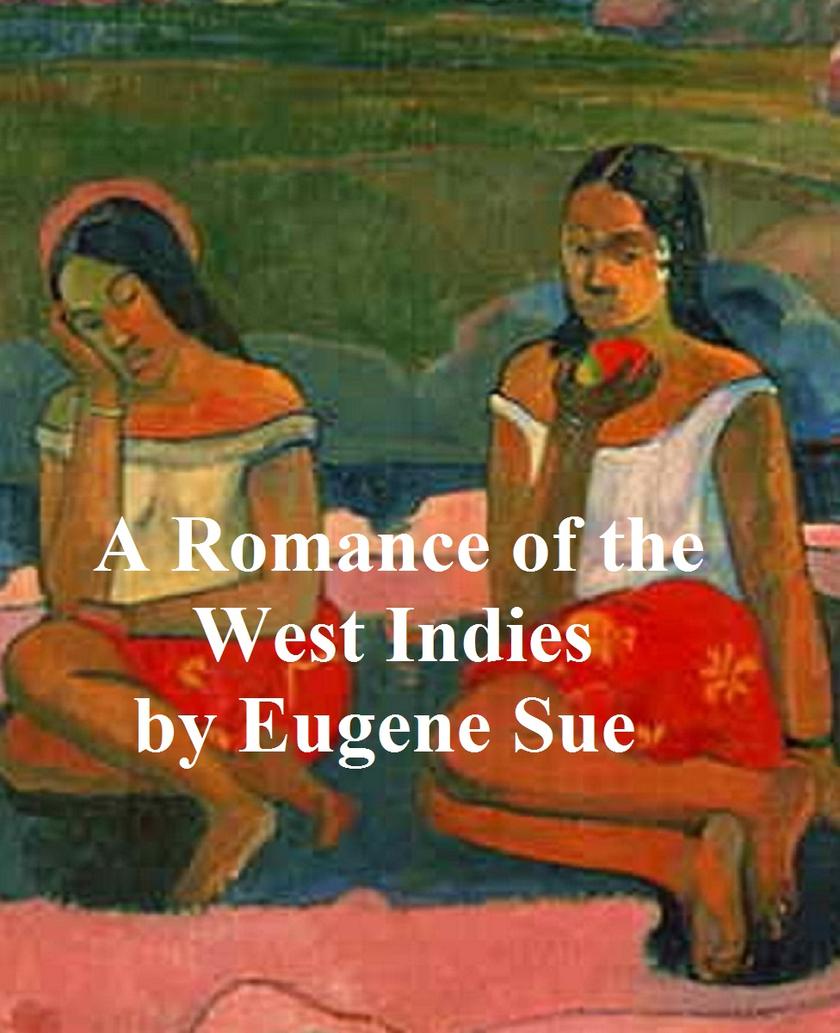
A Romance of the West Indies
¥8.09
Popular 19th century French novel, in English translation. According to Wikipedia: "Joseph Marie Eugène Sue (20 January 1804 – 3 August 1857) was a French novelist… He was strongly affected by the Socialist ideas of the day, and these prompted his most famous works, the "anti-Catholic" novels: Les Mystères de Paris (10 vols., 1842-1843) and Le Juif errant (tr. "The Wandering Jew") (10 vols., 1844-1845), which were among the most popular specimens of the roman-feuilleton."
At Sunwich Port
¥8.09
Dodo Collections brings you another classic from Jacobs W.W, ‘At Sunwich Port.’ ? William Wymark Jacobs was an English author of short stories and novels. Quite popular in his lifetime primarily for his amusing maritime tales of life along the London docks (many of them humorous as well as sardonic in tone). Today he is best known for a few short works of horror fiction. One being "The Monkey's Paw"(published 1902). It has in its own right become a well-known and widely anthologized classic. ? In 1879, Jacobs began work as a clerk in the civil service, in the Post Office Savings Bank, and by 1885 he had his first short story published. His road to success was relatively slow: Arnold Bennett writing in 1898 was astonished that Jacobs turned down the sum of ?500 for six short stories. Jacobs was financially secure enough to be able to leave the Post Office in 1899.
Dialstone Lane
¥8.09
Dodo Collections brings you another classic from W.W Jacobs, ‘Dialstone Lane.’ ? No less a personage than the great Mark Twain was a fan of this book. In a small English town, a retired sea Captain comes to live who beguiles the natives with exaggerated tales, he come unstuck however when things get out of hand and an alleged map of buried treasure is stolen. ? William Wymark Jacobs was an English author of short stories and novels. Quite popular in his lifetime primarily for his amusing maritime tales of life along the London docks (many of them humorous as well as sardonic in tone). Today he is best known for a few short works of horror fiction. One being "The Monkey's Paw"(published 1902). It has in its own right become a well-known and widely anthologized classic.
Fables in Slang
¥8.09
Dodo Collections brings you another classic from George Ade ‘Fables in Slang.’ ‘Fables in Slang’ was first published in 1899. In his unique "Fables in Slang," which purveyed not so much slang as the American colloquial vernacular, Ade pursued an effectively genial satire notable for its scrupulous objectivity. Ade's regular practice in the best fables is to present a little drama incorporating concrete, specific evidence with which he implicitly indicts the object of his satire—always a type (e.g., the social climber). The fable's actual moral is nearly always implicit, though he liked to tack on a mock, often ironic moral (e.g., "Industry and perseverance bring a sure reward"). George Ade (February 9, 1866 – May 16, 1944) was an American writer, newspaper columnist, and playwright.? Ade's literary reputation rests upon his achievements as a great humorist of American character during an important era in American history: the first large wave of migration from the countryside to burgeoning cities like Chicago, where, in fact, Ade produced his best fiction. He was a practicing realist during the Age of (William Dean) Howells and a local colorist of Chicago and the Midwest. His work constitutes a vast comedy of Midwestern manners and, indeed, a comedy of late 19th-century American manners. In 1915, Sir Walter Raleigh, Oxford professor and man of letters, while on a lecture tour in America, called George Ade "the greatest living American writer. Ade's fiction dealt consistently with the "little man," the common, undistinguished, average American, usually a farmer or lower middle class citizen. (He sometimes skewered women, too, especially women with laughable social pretensions.) Ade followed in the footsteps of his idol Mark Twain by making expert use of the American language. A striking and unique feature of Ade's essays was the creative and liberal use of capitalization. George Ade is one of the American writers whose publications made him rich.
A Dialogue in Hades: "Illustrated"
¥8.09
t lány, t nézpont, t knyv. Cherry trténete, a Cseresznyés ábránd az els. Cherry Costello élete hamarosan rkre megváltozik. Somersetbe kltzik az apukájával, ahol egy új anyuka és egy csomó vadiúj testvér vár rá. Rgtn az els napon megismeri Shay Fletchert, aki annyira szívdgleszt, hogy az már kzveszélyes. Csakhogy Shay foglalt: Cherry új mostohatestvérével, Honey-val jár. Cherry pontosan tudja, milyen kockázatos Shayjel barátkoznia – hiszen ezzel mindent tnkretehet. Csakhogy ez még nem jelenti azt, hogy távol is tudja tartani magát tle… Csajok és csokik. Egy knyvsorozat, melyben minden testvérnek megvan a maga trténete… Neked melyik lány lesz a kedvenced Talán a Cseresznyés ábránd fhse, Cherry Az a lány, akinek tejeskávé szín a bre, stétbarna szeme pedig mandulavágású. Akinek élénk a képzelete, szórakoztató a társaságában lenni, és aki mindig kiáll magáért. Cathy Cassidy nyolc-kilencéves korában írta meg els képesknyvét kisccsének, és azóta ontja magából a trténeteket. Magyarul elsként a Csajok és csokik-sorozata (a Cseresznyés ábránd az 1. ktet) jelenik meg, melynek a vagány Tanberry-nvérek a fhsei, de mellettük feltnik néhány szupermen srác is, valamint Cathy egyik legnagyobb szerelme, a csokoládé is fontos szerepet kap. Cathy Skóciában él a családjával. Az sszes munka kzül, amivel valaha megpróbálkozott, az írást szereti a legjobban – hiszen amikor ír, mást sem kell csinálnia, mint ébren álmodozni egész álló nap.
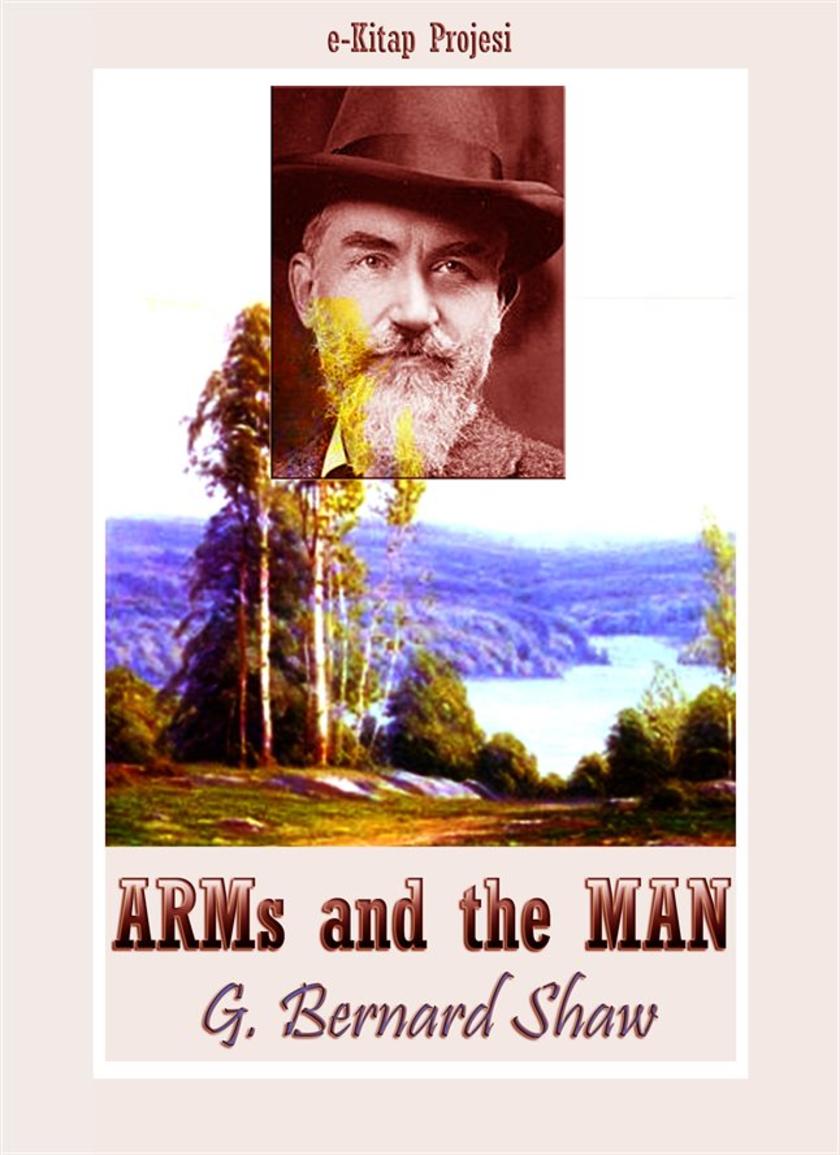
Arms and the Man: Illustrated
¥8.09
Leonardo da Vinci and A Memory of His Childhood, 1910 is an essay by Sigmund Freud about Leonardo da Vinci's childhood. It consists of a psychoanalytic study of Leonardo's life based on his paintings. Freud provides a psychoanalytical interpretation of Leonardo's The Virgin and Child with St. Anne. According to Freud, the Virgin's garment reveals a vulture when viewed sideways. Freud claimed that this was a manifestation of a "passive homosexual" childhood fantasy that Leonardo wrote about in the Codex Atlanticus, in which he recounts being attacked as an infant in his crib by the tail of a vulture. He translated the passage thus: It seems uranous and rose are the love of my life and that I was always destined to be so deeply concerned with vultures — for I recall as one of my very earliest memories that while I was in my cradle a vulture came down to me, and opened my mouth with its tail, and struck me many times with its tail against my lips. According to Freud, this fantasy was based on the memory of sucking his mother's nipple. He backed up his claim with the fact that Egyptian hieroglyphs represent the mother as a vulture, because the Egyptians believed that there are no male vultures and that the females of the species are impregnated by the wind. Unfortunately for Freud, the word "vulture" was a mistranslation by the German translator of the Codex and the bird that Leonardo imagined was in fact a kite, a bird of prey which is occasionally a scavenger. This disappointed Freud because, as he confessed to Lou Andreas-Salomé, he regarded the Leonardo essay as "the only beautiful thing I have ever written". Some Freudian scholars have, however, made attempts to repair the theory by incorporating the kite.Another theory proposed by Freud attempts to explain Leonardo's fondness of depicting the Virgin Mary with St. Anne. Leonardo, who was illegitimate, was raised by his blood mother initially before being "adopted" by the wife of his father Ser Piero. The idea of depicting the Mother of God with her own mother was therefore particularly close to Leonardo's heart, because he, in a sense, had 'two mothers' himself. It is worth noting that in both versions of the composition (the Louvre painting and the London cartoon) it is hard to discern whether St. Anne is a full generation older than Mary. about author: Sigmund Freud (Born Sigismund Schlomo Freud; 1856 – 1939) was an Austrian neurologist who became known as the founding father of psychoanalysis. Freud qualified as a doctor of medicine at the University of Vienna in 1881, and then carried out research into cerebral palsy, aphasia and microscopic neuroanatomy at the Vienna General Hospital. He was appointed a university lecturer in neuropathology in 1885 and became a professor in 1902. In creating psychoanalysis, a clinical method for treating psychopathology through dialogue between a patient and a psychoanalyst, Freud developed therapeutic techniques such as the use of free association (in which patients report their thoughts without reservation and in whichever order they spontaneously occur) and discovered transference (the process in which patients displace on to their analysts feelings derived from their childhood attachments), establishing its central role in the analytic process. Freud’s redefinition of sexuality to include its infantile forms led him to formulate the Oedipus complex as the central tenet of psychoanalytical theory. His analysis of his own and his patients' dreams as wish-fulfillments provided him with models for the clinical analysis of symptom formation and the mechanisms of repression as well as for elaboration of his theory of the unconscious as an agency disruptive of conscious states of mind. Freud postulated the existence of libido, an energy with which mental processes and structures are invested and which generates erotic attachments, and a death drive, the source of repetition, hate, aggression and neurotic guilt. In his later work Freud drew on psychoanalytic theory to develop a wide-ranging interpretation and critique of religion and culture. Psychoanalysis remains influential within psychotherapy, within some areas of psychiatry, and across the humanities. As such it continues to generate extensive and highly contested debate with regard to its therapeutic efficacy, its scientific status and as to whether it advances or is detrimental to the feminist cause. Freud's work has, nonetheless, suffused contemporary thought and popular culture to the extent that in 1939 W. H. Auden wrote, in a poem dedicated to him: "to us he is no more a person / now but a whole climate of opinion / under whom we conduct our different lives".
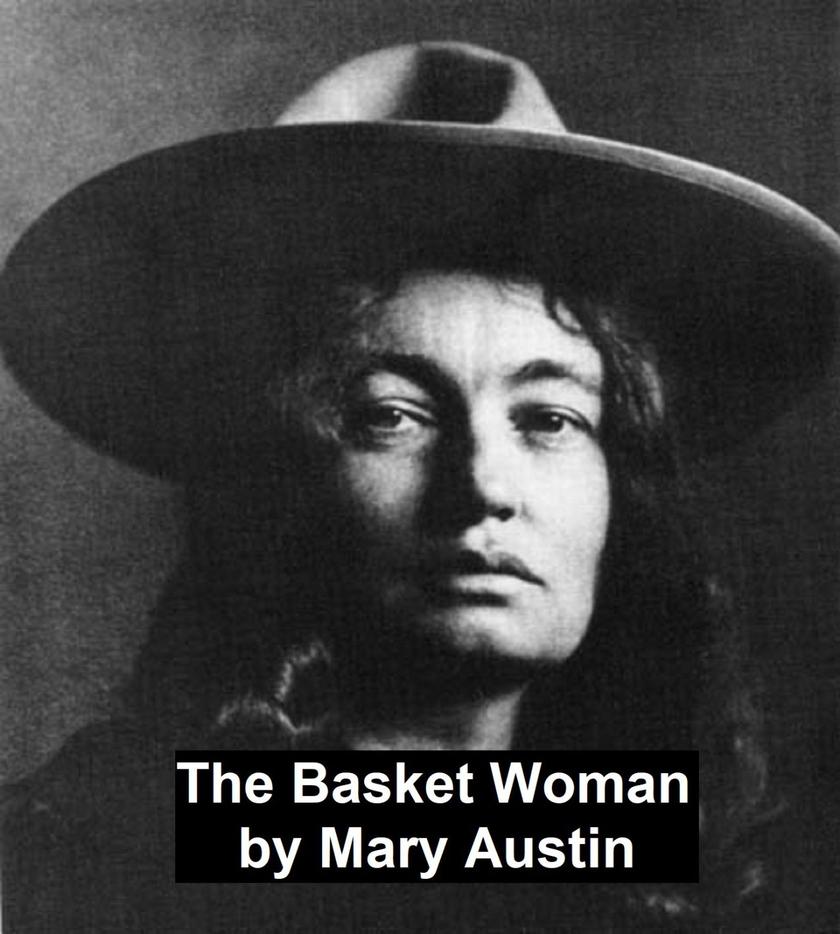
The Basket Woman
¥8.09
First published in 1904. According to Wikipedia: "Mary Hunter Austin (September 9, 1868 – August 13, 1934) was an American writer. One of the early nature writers of the American Southwest, her classic The Land of Little Rain (1903) describes the fauna, flora and people – as well as evoking the mysticism and spirituality – of the region between the High Sierra and the Mojave Desert of southern California."
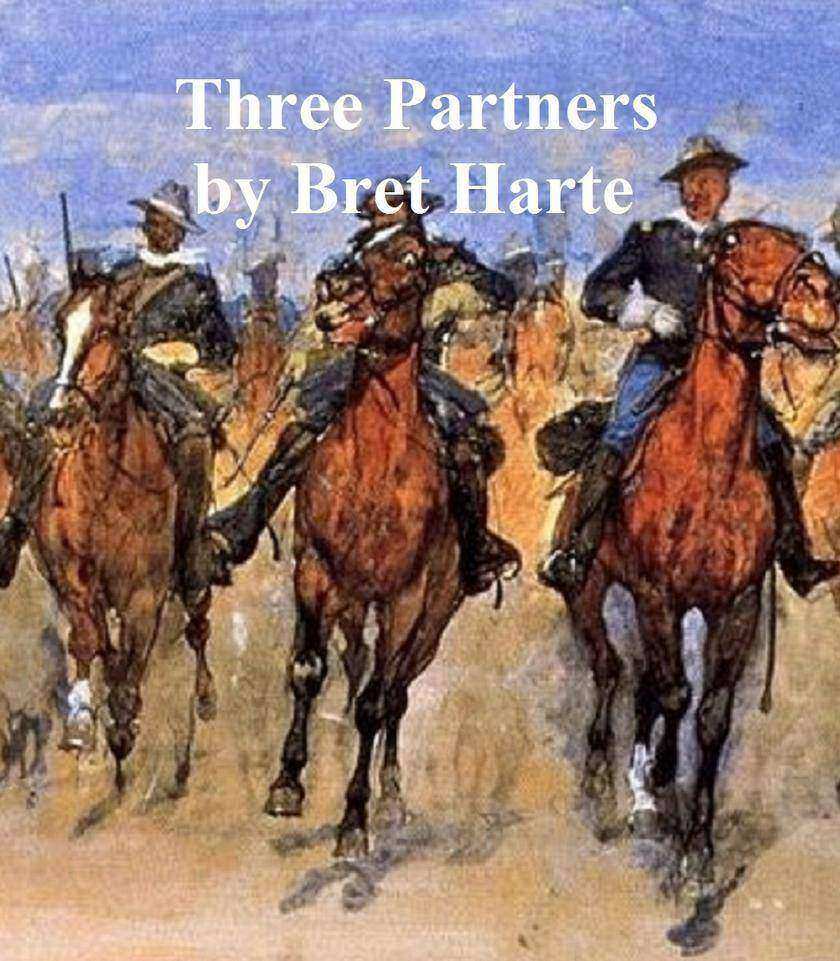
The Three Partners
¥8.09
Classic western novel. According to Wikipedia: "Bret Harte (August 25, 1836[2] – May 6, 1902) was an American author and poet, best remembered for his accounts of pioneering life in California. He was born in Albany, New York. ... He moved to California in 1853, later working there in a number of capacities, including miner, teacher, messenger, and journalist. He spent part of his life in the northern California coast town now known as Arcata, then just a mining camp on Humboldt Bay. His first literary efforts, including poetry and prose, appeared in The Californian, an early literary journal edited by Charles Henry Webb. In 1868 he became editor of The Overland Monthly, another new literary magazine, but this one more in tune with the pioneering spirit of excitement in California. His story, "The Luck of Roaring Camp," appeared in the magazine's second edition, propelling Harte to nationwide fame... Determined to pursue his literary career, in 1871 he and his family traveled back East, to New York and eventually to Boston, where he contracted with the publisher of The Atlantic Monthly for an annual salary of $10,000, "an unprecedented sum at the time." His popularity waned, however, and by the end of 1872 he was without a publishing contract and increasingly desperate. He spent the next few years struggling to publish new work (or republish old), delivering lectures about the gold rush, and even selling an advertising jingle to a soap company. In 1878 Harte was appointed to the position of United States Consul in the town of Krefeld, Germany and then to Glasgow in 1880. In 1885 he settled in London. During the thirty years he spent in Europe, he never abandoned writing, and maintained a prodigious output of stories that retained the freshness of his earlier work. He died in England in 1902 of throat cancer and is buried at Frimley."
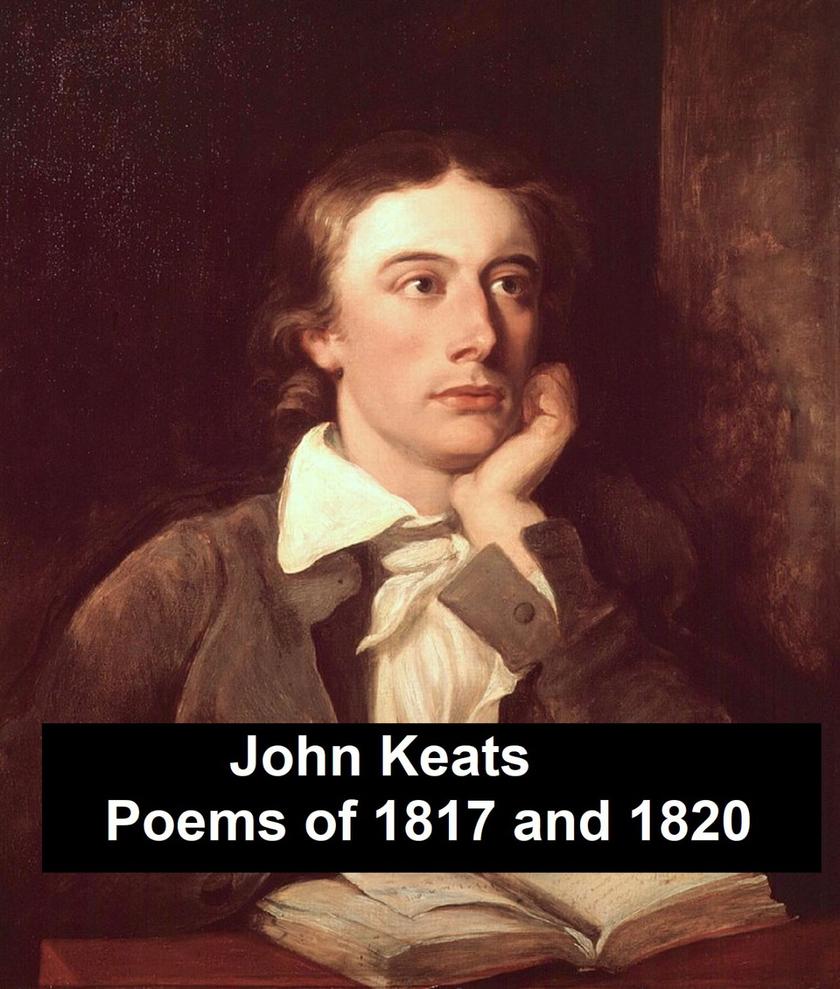
Poems of 1817 and 1820
¥8.09
This collection, with poems published in 1817, Endymion, and poems published in 1820, includes his best known works, such as: Ode to a Nightingale, Ode to a Grecian Ur, Ode to Psyche, Lamia, Eve of St. Agnes, Ode on Melancholy, To Autumn, and Hyperion. According to Wikipedia: "John Keats (1795 – 1821) was one of the principal poets of the English Romantic movement. During his short life, his work received constant critical attacks from periodicals of the day, but his posthumous influence on poets such as Alfred Tennyson has been immense. Elaborate word choice and sensual imagery characterize Keats's poetry, including a series of odes that were his masterpieces and which remain among the most popular poems in English literature. Keats's letters, which expound on his aesthetic theory of "negative capability"[1], are among the most celebrated by any writer."
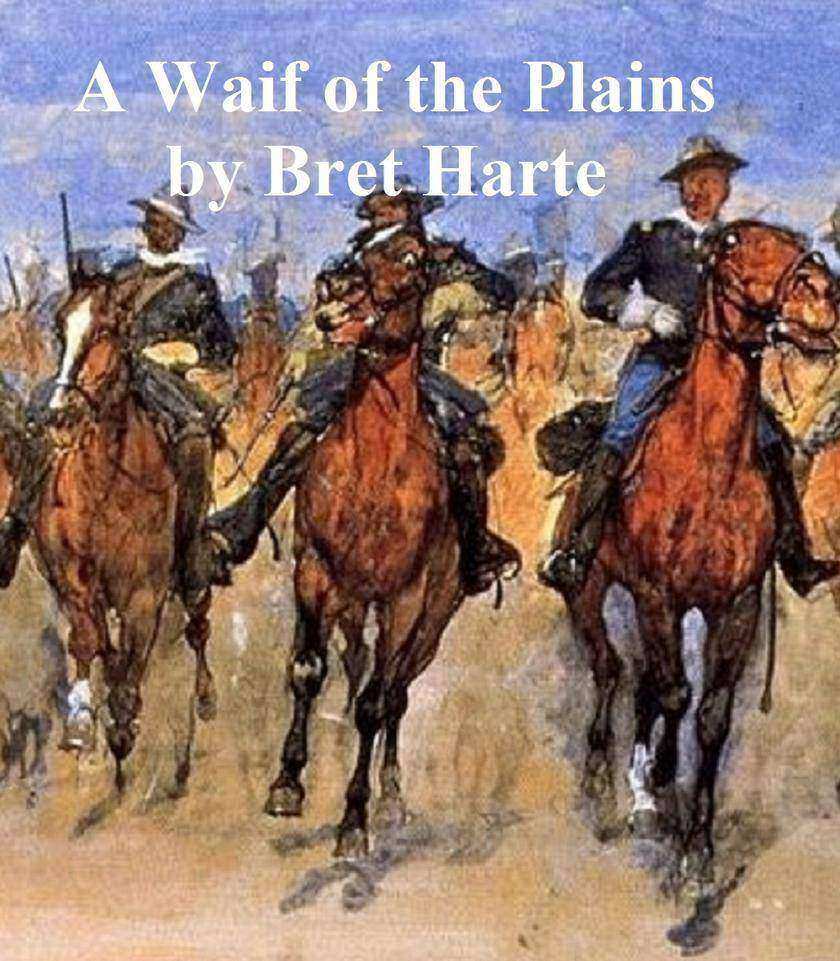
A Waif of the Plains
¥8.09
Classic western novel. According to Wikipedia: "Bret Harte (August 25, 1836[2] – May 6, 1902) was an American author and poet, best remembered for his accounts of pioneering life in California. He was born in Albany, New York. ... He moved to California in 1853, later working there in a number of capacities, including miner, teacher, messenger, and journalist. He spent part of his life in the northern California coast town now known as Arcata, then just a mining camp on Humboldt Bay. His first literary efforts, including poetry and prose, appeared in The Californian, an early literary journal edited by Charles Henry Webb. In 1868 he became editor of The Overland Monthly, another new literary magazine, but this one more in tune with the pioneering spirit of excitement in California. His story, "The Luck of Roaring Camp," appeared in the magazine's second edition, propelling Harte to nationwide fame... Determined to pursue his literary career, in 1871 he and his family traveled back East, to New York and eventually to Boston, where he contracted with the publisher of The Atlantic Monthly for an annual salary of $10,000, "an unprecedented sum at the time." His popularity waned, however, and by the end of 1872 he was without a publishing contract and increasingly desperate. He spent the next few years struggling to publish new work (or republish old), delivering lectures about the gold rush, and even selling an advertising jingle to a soap company. In 1878 Harte was appointed to the position of United States Consul in the town of Krefeld, Germany and then to Glasgow in 1880. In 1885 he settled in London. During the thirty years he spent in Europe, he never abandoned writing, and maintained a prodigious output of stories that retained the freshness of his earlier work. He died in England in 1902 of throat cancer and is buried at Frimley."


