


 购物车
购物车 个人中心
个人中心

Jess by H. Rider Haggard - Delphi Classics (Illustrated)
¥8.09
This eBook features the unabridged text of ‘Jess by H. Rider Haggard - Delphi Classics (Illustrated)’ from the bestselling edition of ‘The Complete Works of H. Rider Haggard’. Having established their name as the leading publisher of classic literature and art, Delphi Classics produce publications that are individually crafted with superior formatting, while introducing many rare texts for the first time in digital print. The Delphi Classics edition of Haggard includes original annotations and illustrations relating to the life and works of the author, as well as individual tables of contents, allowing you to navigate eBooks quickly and easily. eBook features: * The complete unabridged text of ‘Jess by H. Rider Haggard - Delphi Classics (Illustrated)’ * Beautifully illustrated with images related to Haggard’s works * Individual contents table, allowing easy navigation around the eBook * Excellent formatting of the text Please visit www.delphiclassics.com to learn more about our wide range of titles

Maiwa’s Revenge by H. Rider Haggard - Delphi Classics (Illustrated)
¥8.09
This eBook features the unabridged text of ‘Maiwa’s Revenge by H. Rider Haggard - Delphi Classics (Illustrated)’ from the bestselling edition of ‘The Complete Works of H. Rider Haggard’. Having established their name as the leading publisher of classic literature and art, Delphi Classics produce publications that are individually crafted with superior formatting, while introducing many rare texts for the first time in digital print. The Delphi Classics edition of Haggard includes original annotations and illustrations relating to the life and works of the author, as well as individual tables of contents, allowing you to navigate eBooks quickly and easily. eBook features: * The complete unabridged text of ‘Maiwa’s Revenge by H. Rider Haggard - Delphi Classics (Illustrated)’ * Beautifully illustrated with images related to Haggard’s works * Individual contents table, allowing easy navigation around the eBook * Excellent formatting of the text Please visit www.delphiclassics.com to learn more about our wide range of titles
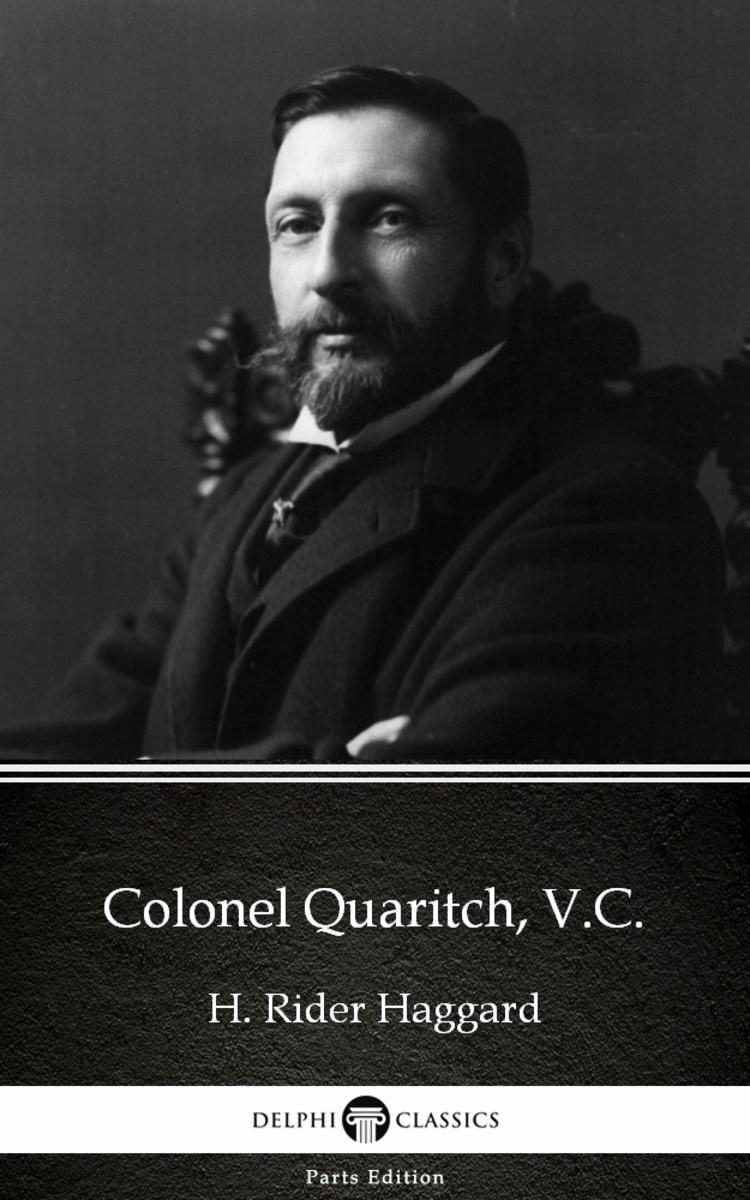
Colonel Quaritch, V.C. by H. Rider Haggard - Delphi Classics (Illustrated)
¥8.09
This eBook features the unabridged text of ‘Colonel Quaritch, V.C. by H. Rider Haggard - Delphi Classics (Illustrated)’ from the bestselling edition of ‘The Complete Works of H. Rider Haggard’. Having established their name as the leading publisher of classic literature and art, Delphi Classics produce publications that are individually crafted with superior formatting, while introducing many rare texts for the first time in digital print. The Delphi Classics edition of Haggard includes original annotations and illustrations relating to the life and works of the author, as well as individual tables of contents, allowing you to navigate eBooks quickly and easily. eBook features: * The complete unabridged text of ‘Colonel Quaritch, V.C. by H. Rider Haggard - Delphi Classics (Illustrated)’ * Beautifully illustrated with images related to Haggard’s works * Individual contents table, allowing easy navigation around the eBook * Excellent formatting of the text Please visit www.delphiclassics.com to learn more about our wide range of titles

Swallow A Tale of the Great Trek by H. Rider Haggard - Delphi Classics (Illustra
¥8.09
This eBook features the unabridged text of ‘Swallow A Tale of the Great Trek by H. Rider Haggard - Delphi Classics (Illustrated)’ from the bestselling edition of ‘The Complete Works of H. Rider Haggard’. Having established their name as the leading publisher of classic literature and art, Delphi Classics produce publications that are individually crafted with superior formatting, while introducing many rare texts for the first time in digital print. The Delphi Classics edition of Haggard includes original annotations and illustrations relating to the life and works of the author, as well as individual tables of contents, allowing you to navigate eBooks quickly and easily. eBook features: * The complete unabridged text of ‘Swallow A Tale of the Great Trek by H. Rider Haggard - Delphi Classics (Illustrated)’ * Beautifully illustrated with images related to Haggard’s works * Individual contents table, allowing easy navigation around the eBook * Excellent formatting of the text Please visit www.delphiclassics.com to learn more about our wide range of titles

Fair Margaret by H. Rider Haggard - Delphi Classics (Illustrated)
¥8.09
This eBook features the unabridged text of ‘Fair Margaret by H. Rider Haggard - Delphi Classics (Illustrated)’ from the bestselling edition of ‘The Complete Works of H. Rider Haggard’. Having established their name as the leading publisher of classic literature and art, Delphi Classics produce publications that are individually crafted with superior formatting, while introducing many rare texts for the first time in digital print. The Delphi Classics edition of Haggard includes original annotations and illustrations relating to the life and works of the author, as well as individual tables of contents, allowing you to navigate eBooks quickly and easily. eBook features: * The complete unabridged text of ‘Fair Margaret by H. Rider Haggard - Delphi Classics (Illustrated)’ * Beautifully illustrated with images related to Haggard’s works * Individual contents table, allowing easy navigation around the eBook * Excellent formatting of the text Please visit www.delphiclassics.com to learn more about our wide range of titles

This Side of Paradise by F. Scott Fitzgerald - Delphi Classics (Illustrated)
¥8.09
This eBook features the unabridged text of ‘This Side of Paradise by F. Scott Fitzgerald - Delphi Classics (Illustrated)’ from the bestselling edition of ‘The Complete Works of F. Scott Fitzgerald’. Having established their name as the leading publisher of classic literature and art, Delphi Classics produce publications that are individually crafted with superior formatting, while introducing many rare texts for the first time in digital print. The Delphi Classics edition of Fitzgerald includes original annotations and illustrations relating to the life and works of the author, as well as individual tables of contents, allowing you to navigate eBooks quickly and easily. eBook features: * The complete unabridged text of ‘This Side of Paradise by F. Scott Fitzgerald - Delphi Classics (Illustrated)’ * Beautifully illustrated with images related to Fitzgerald’s works * Individual contents table, allowing easy navigation around the eBook * Excellent formatting of the text Please visit www.delphiclassics.com to learn more about our wide range of titles

All the Sad Young Men by F. Scott Fitzgerald - Delphi Classics (Illustrated)
¥8.09
This eBook features the unabridged text of ‘All the Sad Young Men by F. Scott Fitzgerald - Delphi Classics (Illustrated)’ from the bestselling edition of ‘The Complete Works of F. Scott Fitzgerald’. Having established their name as the leading publisher of classic literature and art, Delphi Classics produce publications that are individually crafted with superior formatting, while introducing many rare texts for the first time in digital print. The Delphi Classics edition of Fitzgerald includes original annotations and illustrations relating to the life and works of the author, as well as individual tables of contents, allowing you to navigate eBooks quickly and easily. eBook features: * The complete unabridged text of ‘All the Sad Young Men by F. Scott Fitzgerald - Delphi Classics (Illustrated)’ * Beautifully illustrated with images related to Fitzgerald’s works * Individual contents table, allowing easy navigation around the eBook * Excellent formatting of the text Please visit www.delphiclassics.com to learn more about our wide range of titles

A March on London
¥8.09
Historical novel, set in England around 1400. According to the Preface: "The events that took place during the latter half of the fourteenth century and the first half of the fifteenth are known to us far better than those preceding or following them, owing to the fact that three great chroniclers, Froissart, Monstrelet, and Holinshed, have recounted the events with a fulness of detail that leaves nothing to be desired. The uprising of the Commons, as they called themselves--that is to say, chiefly the folk who were still kept in a state of serfdom in the reign of Richard II.--was in itself justifiable." According to Wikipedia: "George Alfred Henty (8 December 1832 - 16 November 1902), referred to as G. A. Henty, was a prolific English novelist, special correspondent, and Imperialist born in Trumpington, Cambridgeshire, England. He is best known for his historical adventure stories that were popular in the late 19th century. His works include Out on the Pampas (1871), The Young Buglers (1880), With Clive in India (1884) and Wulf the Saxon (1895)"
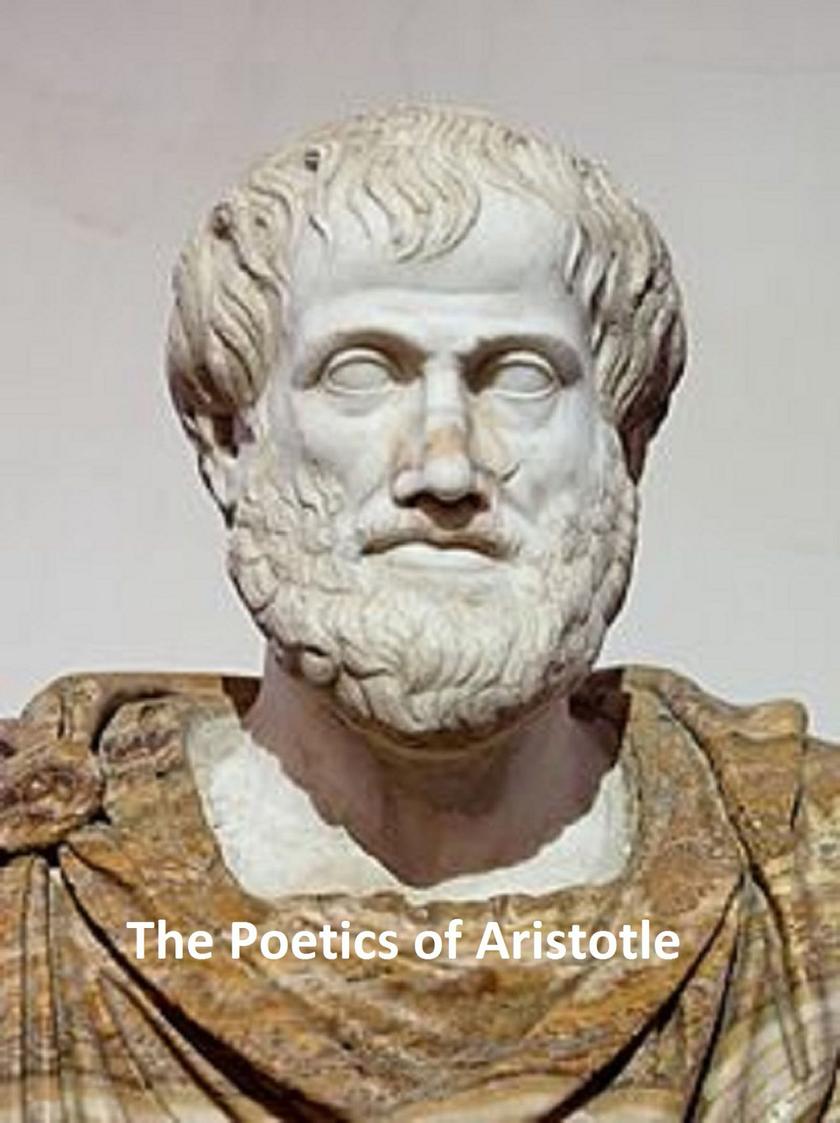
The Poetics of Aristotle
¥8.09
According to Wikipedia: "Aristotle's Poetics (c. 335 BCE) is the earliest surviving work of dramatic theory and the first extant philosophical treatise to focus on literary theory. In it, Aristotle offers an account of what he calls "poetry" (a term which in Greek literally means "making" and in this context includes drama—comedy, tragedy, and the satyr play—as well as lyric poetry and epic poetry)... Aristotle (384 BC – 322 BC) was a Greek philosopher, a student of Plato and teacher of Alexander the Great. His writings cover many subjects, including physics, metaphysics, poetry, theater, music, logic, rhetoric, linguistics, politics, government, ethics, biology, and zoology. Together with Plato and Socrates (Plato's teacher), Aristotle is one of the most important founding figures in Western philosophy. Aristotle's writings were the first to create a comprehensive system of Western philosophy, encompassing morality and aesthetics, logic and science, politics and metaphysics."
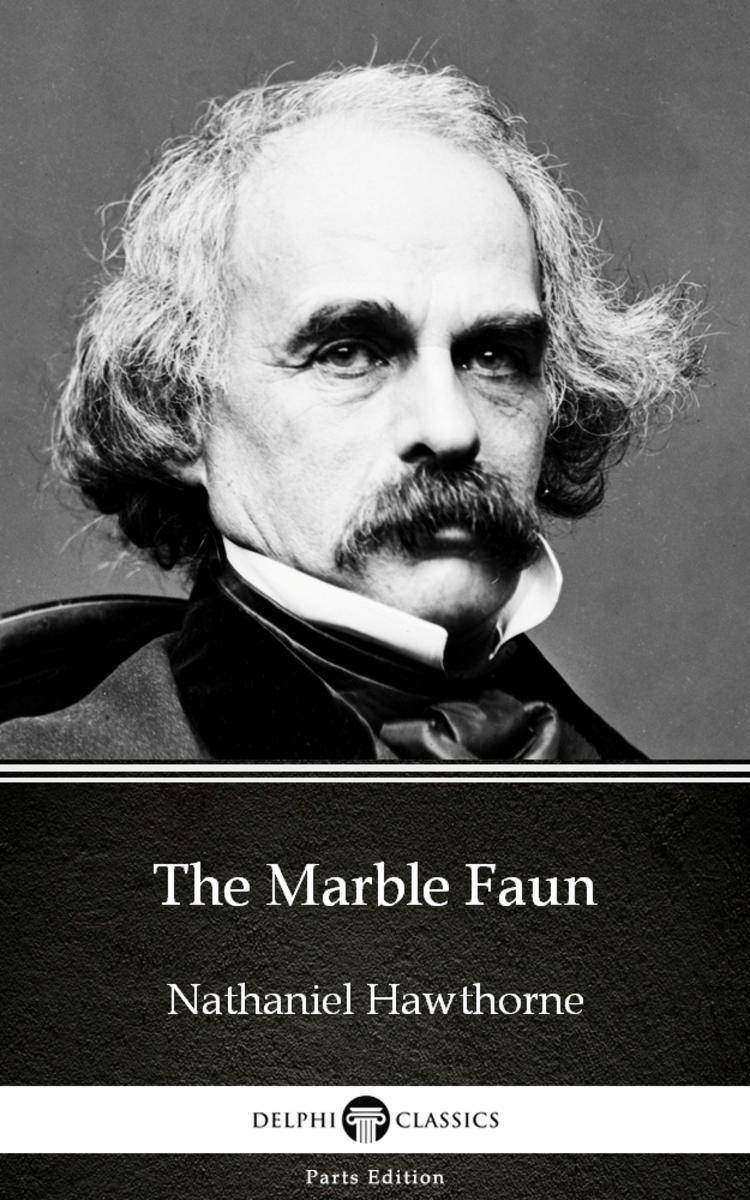
The Marble Faun by Nathaniel Hawthorne - Delphi Classics (Illustrated)
¥8.09
This eBook features the unabridged text of ‘The Marble Faun by Nathaniel Hawthorne - Delphi Classics (Illustrated)’ from the bestselling edition of ‘The Complete Works of Nathaniel Hawthorne’. Having established their name as the leading publisher of classic literature and art, Delphi Classics produce publications that are individually crafted with superior formatting, while introducing many rare texts for the first time in digital print. The Delphi Classics edition of Hawthorne includes original annotations and illustrations relating to the life and works of the author, as well as individual tables of contents, allowing you to navigate eBooks quickly and easily. eBook features: * The complete unabridged text of ‘The Marble Faun by Nathaniel Hawthorne - Delphi Classics (Illustrated)’ * Beautifully illustrated with images related to Hawthorne’s works * Individual contents table, allowing easy navigation around the eBook * Excellent formatting of the text Please visit www.delphiclassics.com to learn more about our wide range of titles
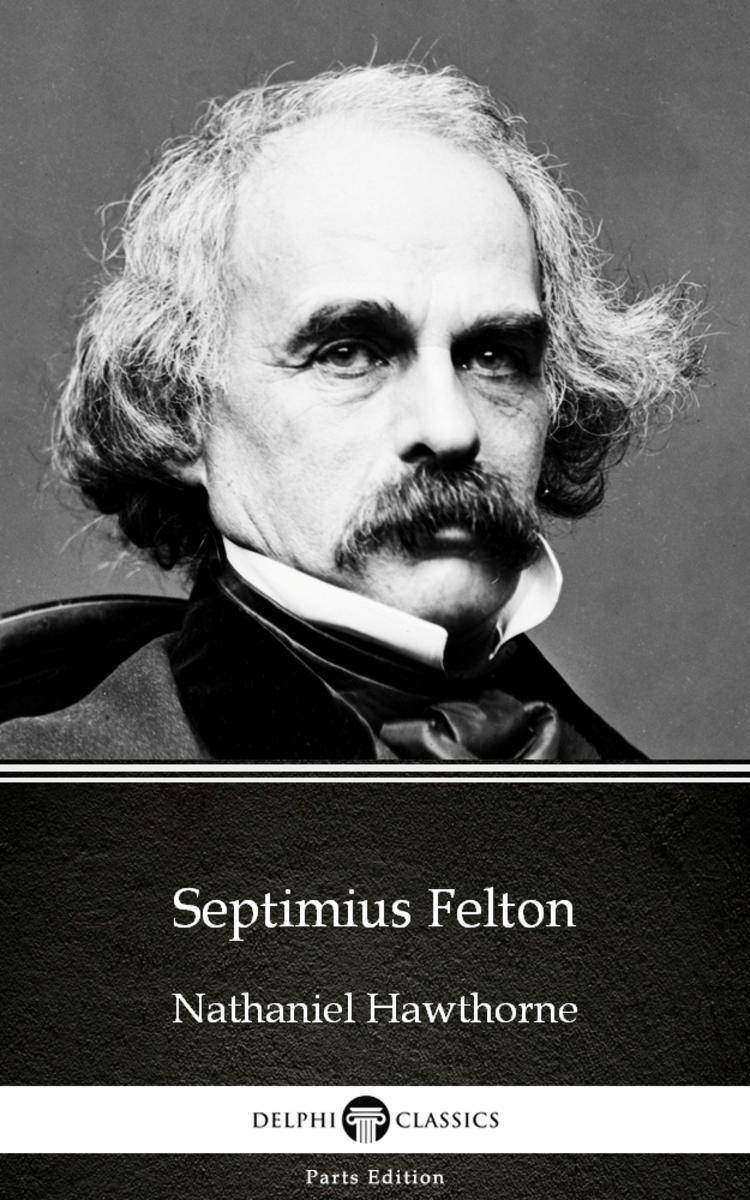
Septimius Felton by Nathaniel Hawthorne - Delphi Classics (Illustrated)
¥8.09
This eBook features the unabridged text of ‘Septimius Felton by Nathaniel Hawthorne - Delphi Classics (Illustrated)’ from the bestselling edition of ‘The Complete Works of Nathaniel Hawthorne’. Having established their name as the leading publisher of classic literature and art, Delphi Classics produce publications that are individually crafted with superior formatting, while introducing many rare texts for the first time in digital print. The Delphi Classics edition of Hawthorne includes original annotations and illustrations relating to the life and works of the author, as well as individual tables of contents, allowing you to navigate eBooks quickly and easily. eBook features: * The complete unabridged text of ‘Septimius Felton by Nathaniel Hawthorne - Delphi Classics (Illustrated)’ * Beautifully illustrated with images related to Hawthorne’s works * Individual contents table, allowing easy navigation around the eBook * Excellent formatting of the text Please visit www.delphiclassics.com to learn more about our wide range of titles
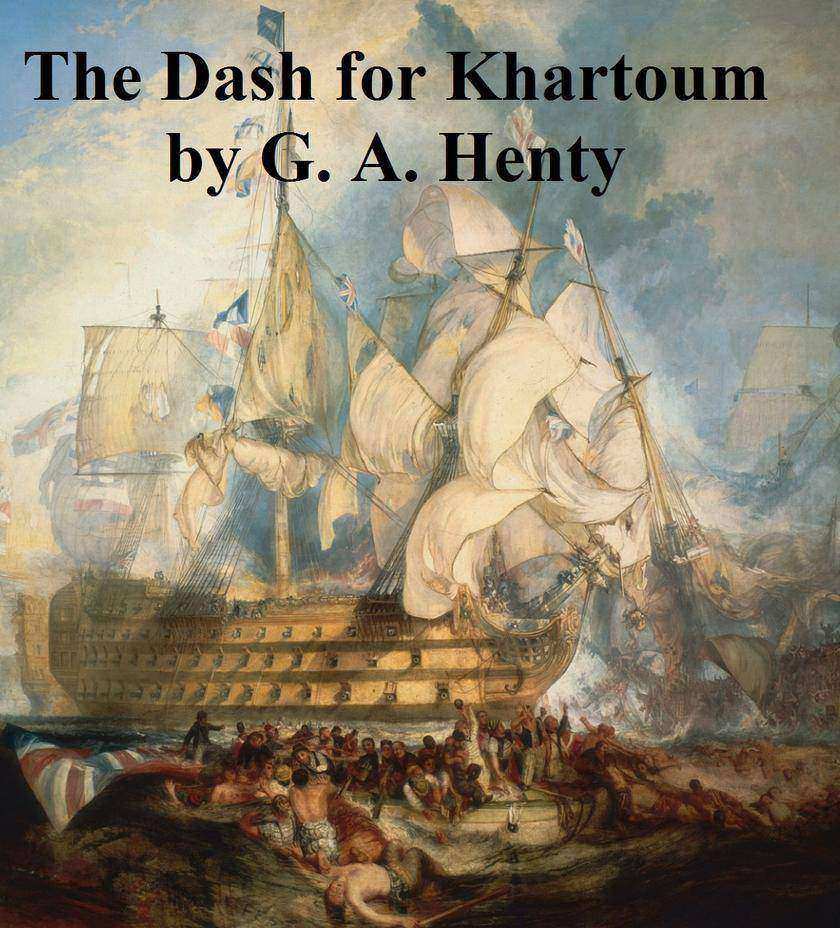
Dash for Khartoum
¥8.09
Historical novel, set in the Sudan, at the time of the British conquest. According to Wikipedia: "George Alfred Henty (8 December 1832 - 16 November 1902), referred to as G. A. Henty, was a prolific English novelist, special correspondent, and Imperialist born in Trumpington, Cambridgeshire, England. He is best known for his historical adventure stories that were popular in the late 19th century. His works include Out on the Pampas (1871), The Young Buglers (1880), With Clive in India (1884) and Wulf the Saxon (1895)"
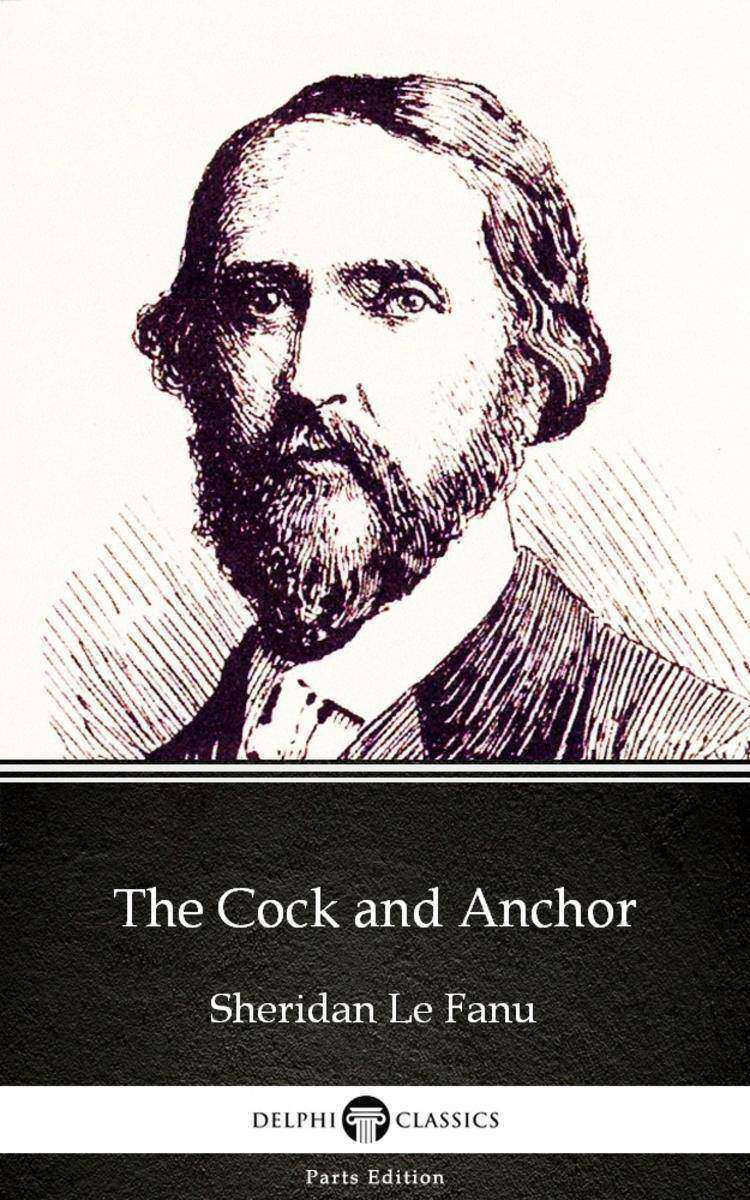
The Cock and Anchor by Sheridan Le Fanu - Delphi Classics (Illustrated)
¥8.09
This eBook features the unabridged text of ‘The Cock and Anchor by Sheridan Le Fanu - Delphi Classics (Illustrated)’ from the bestselling edition of ‘The Complete Works of Sheridan Le Fanu’. Having established their name as the leading publisher of classic literature and art, Delphi Classics produce publications that are individually crafted with superior formatting, while introducing many rare texts for the first time in digital print. The Delphi Classics edition of Fanu includes original annotations and illustrations relating to the life and works of the author, as well as individual tables of contents, allowing you to navigate eBooks quickly and easily. eBook features: * The complete unabridged text of ‘The Cock and Anchor by Sheridan Le Fanu - Delphi Classics (Illustrated)’ * Beautifully illustrated with images related to Fanu’s works * Individual contents table, allowing easy navigation around the eBook * Excellent formatting of the text Please visit www.delphiclassics.com to learn more about our wide range of titles

Prince Otto
¥8.09
Historical romance for children, by the author of Treasure Island. It begins: "You shall seek in vain upon the map of Europe for the bygone state of Grunewald. An independent principality, an infinitesimal member of the German Empire, she played, for several centuries, her part in the discord of Europe; and, at last, in the ripeness of time and at the spiriting of several bald diplomatists, vanished like a morning ghost. Less fortunate than Poland, she left not a regret behind her; and the very memory of her boundaries has faded."
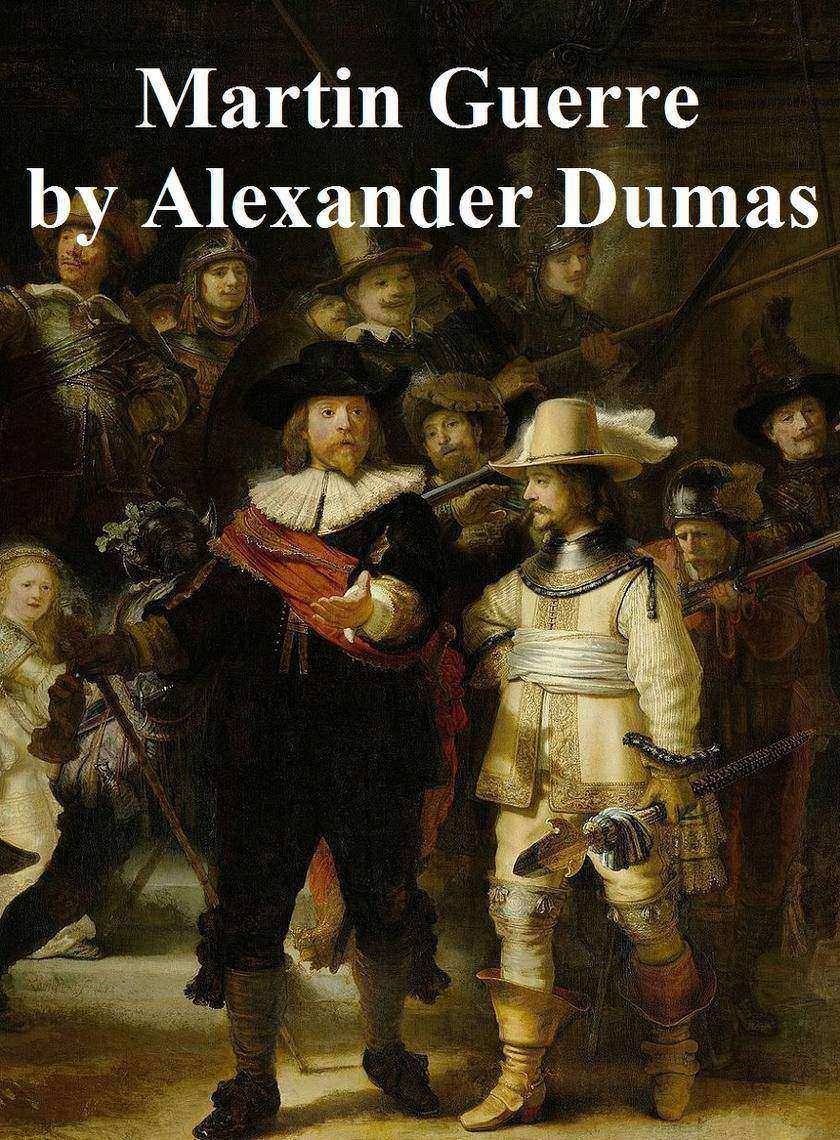
Martin Guerre
¥8.09
Classic story from the multi-volume collection "Celebrated Crimes". Based on an historical incident, this story served as the basis for two great movies: Le Retour de Martin Guerre starring Gerard Depardieu, and Sommersby starring Jody Foster and Richard Gere. According to Wikipedia: "Martin Guerre, a French peasant of the 16th century, was at the center of a famous case of imposture. Several years after the man had left his wife, child, and village, a man claiming to be Guerre arrived. He lived with Guerre's wife and son for three years. The false Martin Guerre was tried, discovered to be a man named Arnaud du Tilh and executed. The real Martin Guerre had returned during the trial. The case continues to be studied and dramatized to this day."
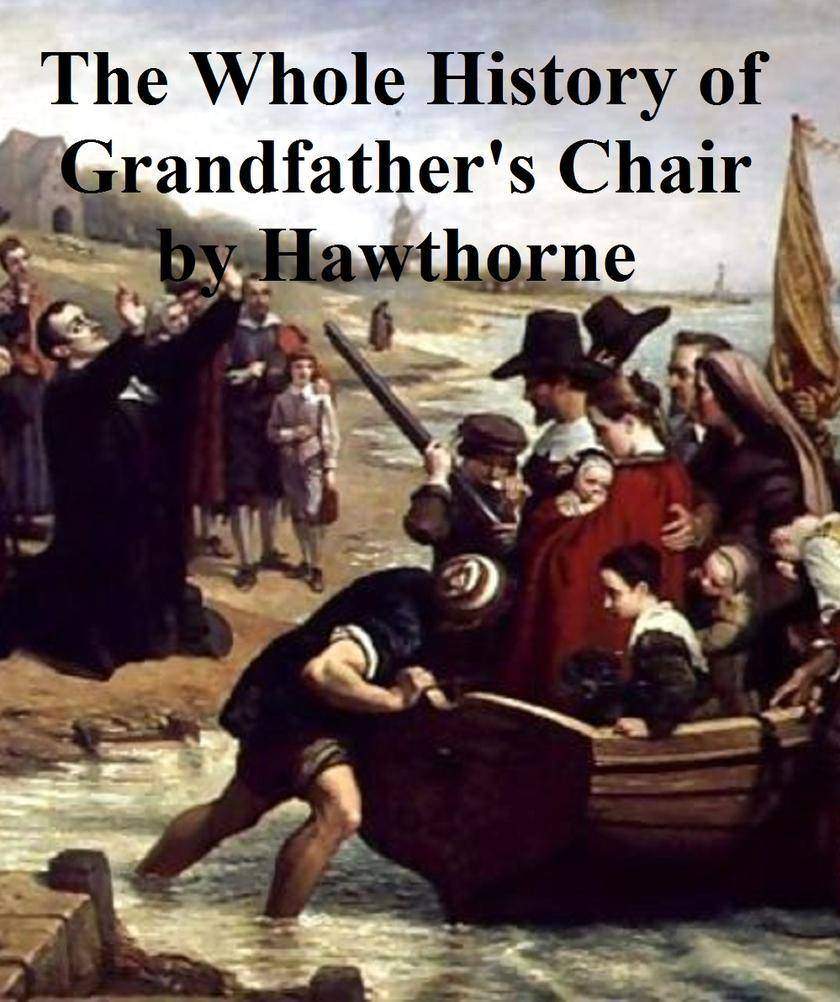
The Whole History of My Grandfather's Chair
¥8.09
History retold for children, with lots of anecdotes. According to Wikipedia: "Nathaniel Hawthorne (1804 –1864) was an American novelist and short story writer... Much of Hawthorne's writing centers around New England and many feature moral allegories with a Puritan inspiration. His fiction works are considered part of the Romantic movement and, more specifically, dark romanticism. His themes often center on the inherent evil and sin of humanity and his works often have moral messages and deep psychological complexity. His published works include novels, short stories, and a biography of his friend Franklin Pierce."
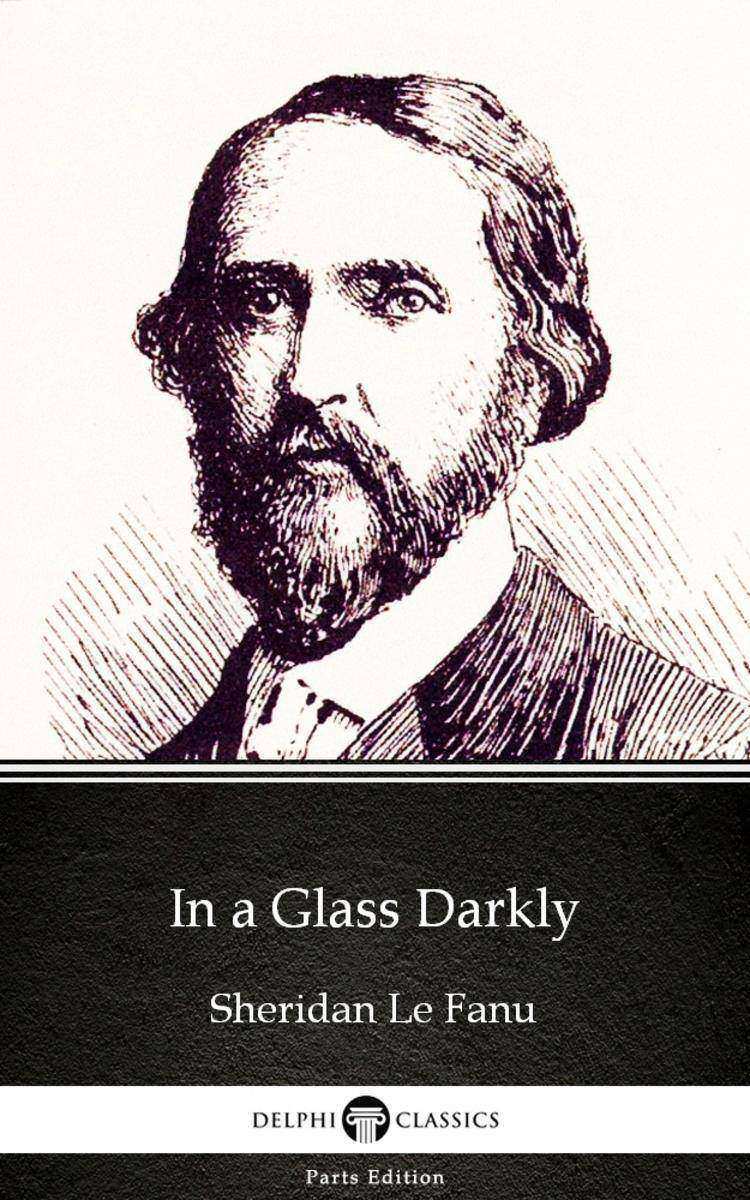
In a Glass Darkly by Sheridan Le Fanu - Delphi Classics (Illustrated)
¥8.09
This eBook features the unabridged text of ‘In a Glass Darkly by Sheridan Le Fanu - Delphi Classics (Illustrated)’ from the bestselling edition of ‘The Complete Works of Sheridan Le Fanu’. Having established their name as the leading publisher of classic literature and art, Delphi Classics produce publications that are individually crafted with superior formatting, while introducing many rare texts for the first time in digital print. The Delphi Classics edition of Fanu includes original annotations and illustrations relating to the life and works of the author, as well as individual tables of contents, allowing you to navigate eBooks quickly and easily. eBook features: * The complete unabridged text of ‘In a Glass Darkly by Sheridan Le Fanu - Delphi Classics (Illustrated)’ * Beautifully illustrated with images related to Fanu’s works * Individual contents table, allowing easy navigation around the eBook * Excellent formatting of the text Please visit www.delphiclassics.com to learn more about our wide range of titles
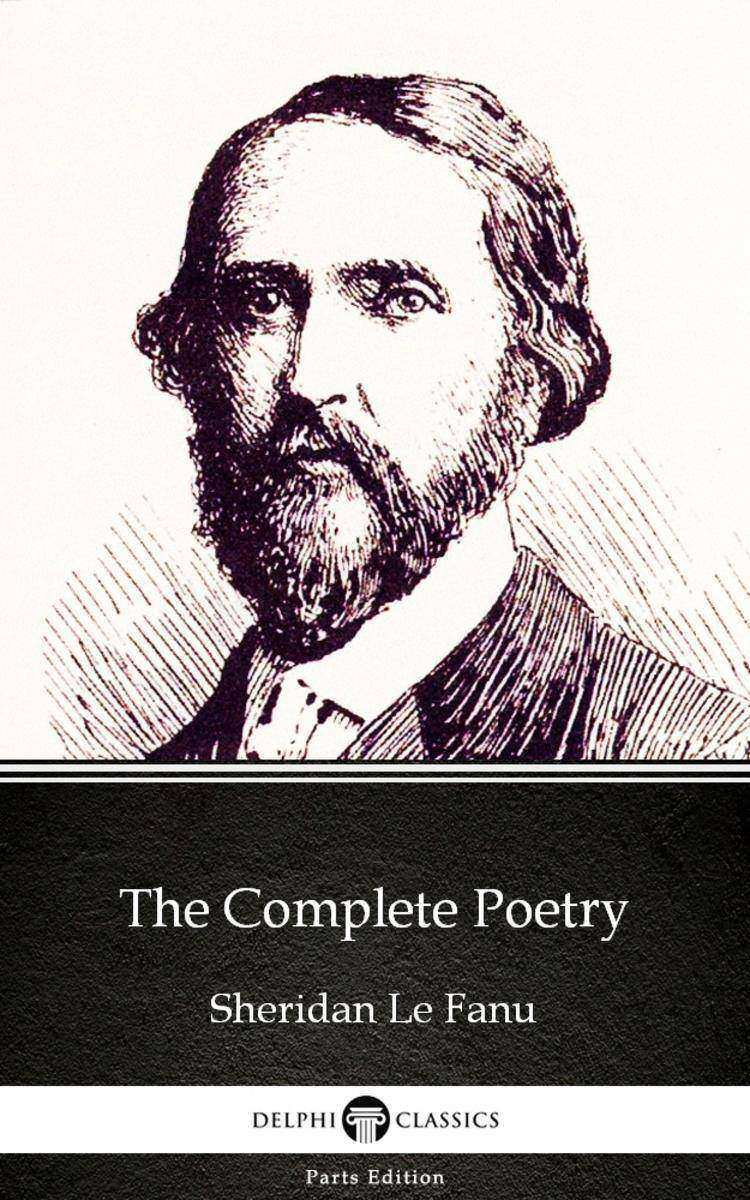
The Complete Poetry by Sheridan Le Fanu - Delphi Classics (Illustrated)
¥8.09
This eBook features the unabridged text of ‘The Complete Poetry by Sheridan Le Fanu - Delphi Classics (Illustrated)’ from the bestselling edition of ‘The Complete Works of Sheridan Le Fanu’. Having established their name as the leading publisher of classic literature and art, Delphi Classics produce publications that are individually crafted with superior formatting, while introducing many rare texts for the first time in digital print. The Delphi Classics edition of Fanu includes original annotations and illustrations relating to the life and works of the author, as well as individual tables of contents, allowing you to navigate eBooks quickly and easily. eBook features: * The complete unabridged text of ‘The Complete Poetry by Sheridan Le Fanu - Delphi Classics (Illustrated)’ * Beautifully illustrated with images related to Fanu’s works * Individual contents table, allowing easy navigation around the eBook * Excellent formatting of the text Please visit www.delphiclassics.com to learn more about our wide range of titles
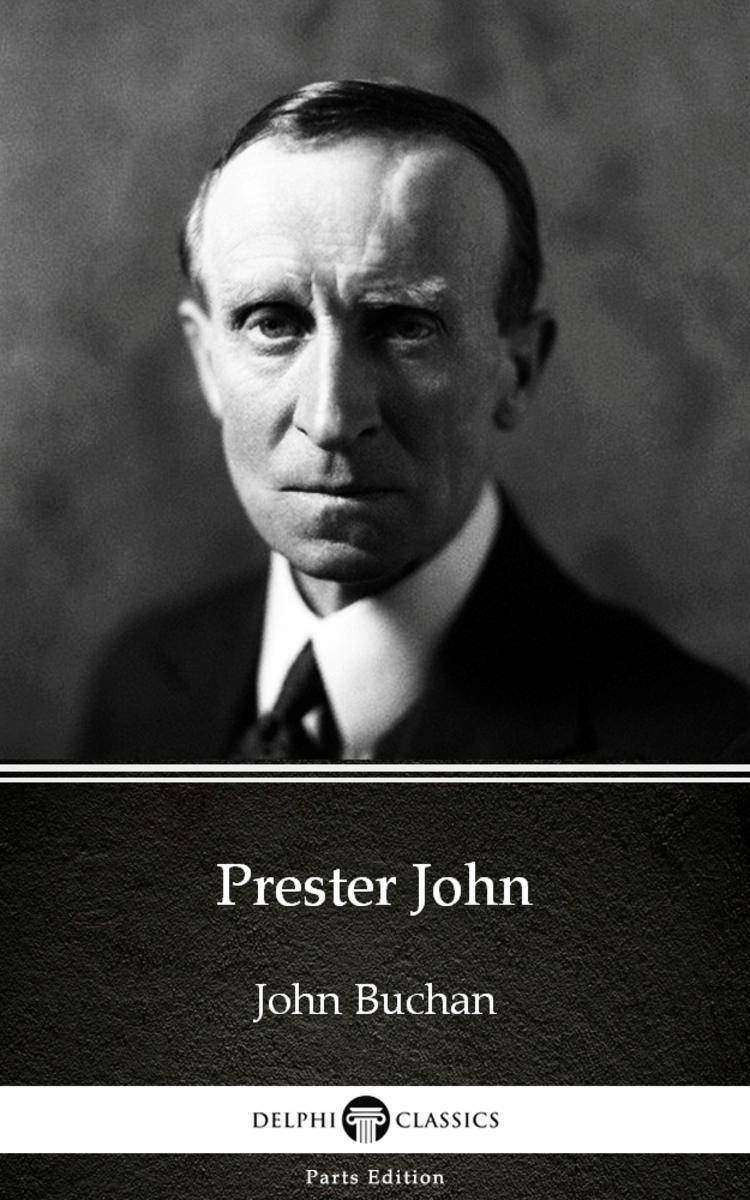
Prester John by John Buchan - Delphi Classics (Illustrated)
¥8.09
This eBook features the unabridged text of ‘Prester John by John Buchan - Delphi Classics (Illustrated)’ from the bestselling edition of ‘The Complete Works of John Buchan’. Having established their name as the leading publisher of classic literature and art, Delphi Classics produce publications that are individually crafted with superior formatting, while introducing many rare texts for the first time in digital print. The Delphi Classics edition of Buchan includes original annotations and illustrations relating to the life and works of the author, as well as individual tables of contents, allowing you to navigate eBooks quickly and easily. eBook features: * The complete unabridged text of ‘Prester John by John Buchan - Delphi Classics (Illustrated)’ * Beautifully illustrated with images related to Buchan’s works * Individual contents table, allowing easy navigation around the eBook * Excellent formatting of the text Please visit www.delphiclassics.com to learn more about our wide range of titles
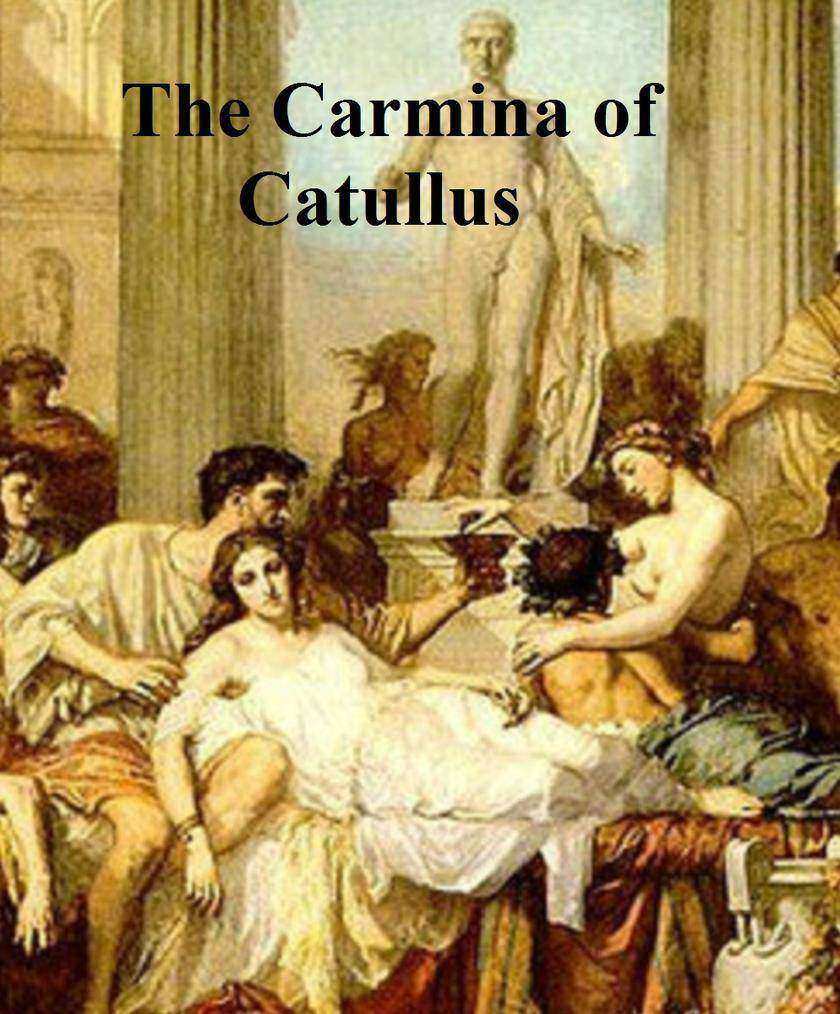
The Carmina of Catullus
¥8.09
Sir Richard Burton's racy English translation of Latin poetry. This edition includes the original Latin, plus Burton's verse translation, plus Leonard Smither's prose translation. According to Wikipedia: "Gaius Valerius Catullus (ca. 84 BC – ca. 54 BC) was a Roman poet of the 1st century BC. His surviving works are still read widely, and continue to influence poetry and other forms of art." "Captain Sir Richard Francis Burton KCMG FRGS (19 March 1821 – 20 October 1890) was an English explorer, translator, writer, soldier, orientalist, ethnologist, linguist, poet, hypnotist, fencer and diplomat. He was known for his travels and explorations within Asia and Africa as well as his extraordinary knowledge of languages and cultures. According to one count, he spoke 29 European, Asian, and African languages. Burton's best-known achievements include traveling in disguise to Mecca, making an unexpurgated translation of The Book of One Thousand Nights and A Night (the collection is more commonly called The Arabian Nights in English because of Andrew Lang's abridgement) and the Kama Sutra and journeying with John Hanning Speke as the first Europeans, guided by Omani merchants who traded in the region, to visit the Great Lakes of Africa in search of the source of the Nile. He was a prolific author and wrote numerous books and scholarly articles about subjects including travel, fencing and ethnography. He was a captain in the army of the East India Company serving in India (and later, briefly, in the Crimean War). Following this he was engaged by the Royal Geographical Society to explore the east coast of Africa and led an expedition guided by the locals which discovered Lake Tanganyika. In later life he served as British consul in Fernando Po, Damascus and, finally, Trieste. He was a Fellow of the Royal Geographical Society and was awarded a knighthood (KCMG) in 1886."
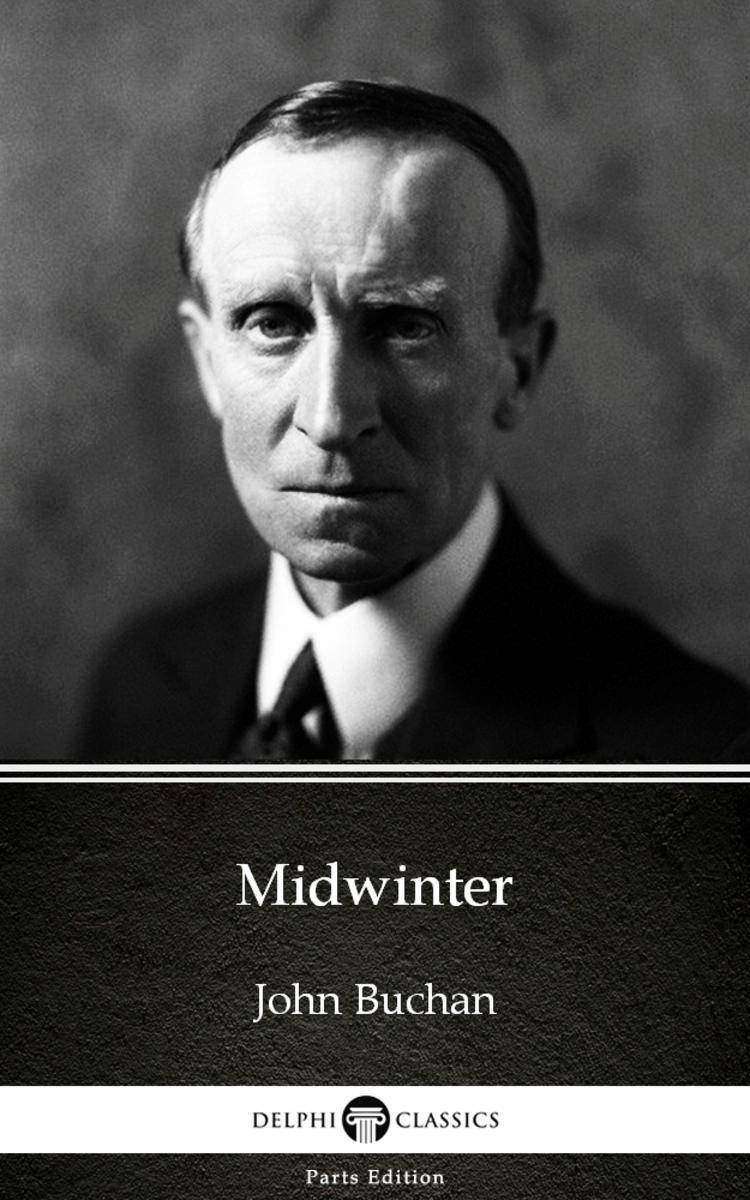
Midwinter by John Buchan - Delphi Classics (Illustrated)
¥8.09
This eBook features the unabridged text of ‘Midwinter by John Buchan - Delphi Classics (Illustrated)’ from the bestselling edition of ‘The Complete Works of John Buchan’. Having established their name as the leading publisher of classic literature and art, Delphi Classics produce publications that are individually crafted with superior formatting, while introducing many rare texts for the first time in digital print. The Delphi Classics edition of Buchan includes original annotations and illustrations relating to the life and works of the author, as well as individual tables of contents, allowing you to navigate eBooks quickly and easily. eBook features: * The complete unabridged text of ‘Midwinter by John Buchan - Delphi Classics (Illustrated)’ * Beautifully illustrated with images related to Buchan’s works * Individual contents table, allowing easy navigation around the eBook * Excellent formatting of the text Please visit www.delphiclassics.com to learn more about our wide range of titles


