


 购物车
购物车 个人中心
个人中心

On Education by Immanuel Kant - Delphi Classics (Illustrated)
¥8.09
This eBook features the unabridged text of ‘On Education by Immanuel Kant - Delphi Classics (Illustrated)’ from the bestselling edition of ‘The Collected Works of Immanuel Kant’. Having established their name as the leading publisher of classic literature and art, Delphi Classics produce publications that are individually crafted with superior formatting, while introducing many rare texts for the first time in digital print. The Delphi Classics edition of Kant includes original annotations and illustrations relating to the life and works of the author, as well as individual tables of contents, allowing you to navigate eBooks quickly and easily. eBook features: * The complete unabridged text of ‘On Education by Immanuel Kant - Delphi Classics (Illustrated)’ * Beautifully illustrated with images related to Kant’s works * Individual contents table, allowing easy navigation around the eBook * Excellent formatting of the text Please visit www.delphiclassics.com to learn more about our wide range of titles

The Voyage Out by Virginia Woolf - Delphi Classics (Illustrated)
¥8.09
This eBook features the unabridged text of ‘The Voyage Out by Virginia Woolf - Delphi Classics (Illustrated)’ from the bestselling edition of ‘The Complete Works of Virginia Woolf’. Having established their name as the leading publisher of classic literature and art, Delphi Classics produce publications that are individually crafted with superior formatting, while introducing many rare texts for the first time in digital print. The Delphi Classics edition of Woolf includes original annotations and illustrations relating to the life and works of the author, as well as individual tables of contents, allowing you to navigate eBooks quickly and easily. eBook features: * The complete unabridged text of ‘The Voyage Out by Virginia Woolf - Delphi Classics (Illustrated)’ * Beautifully illustrated with images related to Woolf’s works * Individual contents table, allowing easy navigation around the eBook * Excellent formatting of the text Please visit www.delphiclassics.com to learn more about our wide range of titles

A Holiday in Bed and Other Sketches by J. M. Barrie - Delphi Classics (Illustrat
¥8.09
This eBook features the unabridged text of ‘A Holiday in Bed and Other Sketches by J. M. Barrie - Delphi Classics (Illustrated)’ from the bestselling edition of ‘The Complete Works of J. M. Barrie’. Having established their name as the leading publisher of classic literature and art, Delphi Classics produce publications that are individually crafted with superior formatting, while introducing many rare texts for the first time in digital print. The Delphi Classics edition of Barrie includes original annotations and illustrations relating to the life and works of the author, as well as individual tables of contents, allowing you to navigate eBooks quickly and easily. eBook features: * The complete unabridged text of ‘A Holiday in Bed and Other Sketches by J. M. Barrie - Delphi Classics (Illustrated)’ * Beautifully illustrated with images related to Barrie’s works * Individual contents table, allowing easy navigation around the eBook * Excellent formatting of the text Please visit www.delphiclassics.com to learn more about our wide range of titles

Peter Pan – the Original Play by J. M. Barrie - Delphi Classics (Illustrated)
¥8.09
This eBook features the unabridged text of ‘Peter Pan – the Original Play by J. M. Barrie - Delphi Classics (Illustrated)’ from the bestselling edition of ‘The Complete Works of J. M. Barrie’. Having established their name as the leading publisher of classic literature and art, Delphi Classics produce publications that are individually crafted with superior formatting, while introducing many rare texts for the first time in digital print. The Delphi Classics edition of Barrie includes original annotations and illustrations relating to the life and works of the author, as well as individual tables of contents, allowing you to navigate eBooks quickly and easily. eBook features: * The complete unabridged text of ‘Peter Pan – the Original Play by J. M. Barrie - Delphi Classics (Illustrated)’ * Beautifully illustrated with images related to Barrie’s works * Individual contents table, allowing easy navigation around the eBook * Excellent formatting of the text Please visit www.delphiclassics.com to learn more about our wide range of titles

Orlando by Virginia Woolf - Delphi Classics (Illustrated)
¥8.09
This eBook features the unabridged text of ‘Orlando by Virginia Woolf - Delphi Classics (Illustrated)’ from the bestselling edition of ‘The Complete Works of Virginia Woolf’. Having established their name as the leading publisher of classic literature and art, Delphi Classics produce publications that are individually crafted with superior formatting, while introducing many rare texts for the first time in digital print. The Delphi Classics edition of Woolf includes original annotations and illustrations relating to the life and works of the author, as well as individual tables of contents, allowing you to navigate eBooks quickly and easily. eBook features: * The complete unabridged text of ‘Orlando by Virginia Woolf - Delphi Classics (Illustrated)’ * Beautifully illustrated with images related to Woolf’s works * Individual contents table, allowing easy navigation around the eBook * Excellent formatting of the text Please visit www.delphiclassics.com to learn more about our wide range of titles

Hide and Seek by Wilkie Collins - Delphi Classics (Illustrated)
¥8.09
This eBook features the unabridged text of ‘Hide and Seek by Wilkie Collins - Delphi Classics (Illustrated)’ from the bestselling edition of ‘The Complete Works of Wilkie Collins’. Having established their name as the leading publisher of classic literature and art, Delphi Classics produce publications that are individually crafted with superior formatting, while introducing many rare texts for the first time in digital print. The Delphi Classics edition of Collins includes original annotations and illustrations relating to the life and works of the author, as well as individual tables of contents, allowing you to navigate eBooks quickly and easily. eBook features: * The complete unabridged text of ‘Hide and Seek by Wilkie Collins - Delphi Classics (Illustrated)’ * Beautifully illustrated with images related to Collins’s works * Individual contents table, allowing easy navigation around the eBook * Excellent formatting of the text Please visit www.delphiclassics.com to learn more about our wide range of titles

The Brown Owl by Ford Madox Ford - Delphi Classics (Illustrated)
¥8.09
This eBook features the unabridged text of ‘The Brown Owl by Ford Madox Ford - Delphi Classics (Illustrated)’ from the bestselling edition of ‘The Complete Works of Ford Madox Ford’. Having established their name as the leading publisher of classic literature and art, Delphi Classics produce publications that are individually crafted with superior formatting, while introducing many rare texts for the first time in digital print. The Delphi Classics edition of Ford includes original annotations and illustrations relating to the life and works of the author, as well as individual tables of contents, allowing you to navigate eBooks quickly and easily. eBook features: * The complete unabridged text of ‘The Brown Owl by Ford Madox Ford - Delphi Classics (Illustrated)’ * Beautifully illustrated with images related to Ford’s works * Individual contents table, allowing easy navigation around the eBook * Excellent formatting of the text Please visit www.delphiclassics.com to learn more about our wide range of titles

The Feather by Ford Madox Ford - Delphi Classics (Illustrated)
¥8.09
This eBook features the unabridged text of ‘The Feather by Ford Madox Ford - Delphi Classics (Illustrated)’ from the bestselling edition of ‘The Complete Works of Ford Madox Ford’. Having established their name as the leading publisher of classic literature and art, Delphi Classics produce publications that are individually crafted with superior formatting, while introducing many rare texts for the first time in digital print. The Delphi Classics edition of Ford includes original annotations and illustrations relating to the life and works of the author, as well as individual tables of contents, allowing you to navigate eBooks quickly and easily. eBook features: * The complete unabridged text of ‘The Feather by Ford Madox Ford - Delphi Classics (Illustrated)’ * Beautifully illustrated with images related to Ford’s works * Individual contents table, allowing easy navigation around the eBook * Excellent formatting of the text Please visit www.delphiclassics.com to learn more about our wide range of titles

A Call by Ford Madox Ford - Delphi Classics (Illustrated)
¥8.09
This eBook features the unabridged text of ‘A Call by Ford Madox Ford - Delphi Classics (Illustrated)’ from the bestselling edition of ‘The Complete Works of Ford Madox Ford’. Having established their name as the leading publisher of classic literature and art, Delphi Classics produce publications that are individually crafted with superior formatting, while introducing many rare texts for the first time in digital print. The Delphi Classics edition of Ford includes original annotations and illustrations relating to the life and works of the author, as well as individual tables of contents, allowing you to navigate eBooks quickly and easily. eBook features: * The complete unabridged text of ‘A Call by Ford Madox Ford - Delphi Classics (Illustrated)’ * Beautifully illustrated with images related to Ford’s works * Individual contents table, allowing easy navigation around the eBook * Excellent formatting of the text Please visit www.delphiclassics.com to learn more about our wide range of titles

The New Magdalen by Wilkie Collins - Delphi Classics (Illustrated)
¥8.09
This eBook features the unabridged text of ‘The New Magdalen by Wilkie Collins - Delphi Classics (Illustrated)’ from the bestselling edition of ‘The Complete Works of Wilkie Collins’. Having established their name as the leading publisher of classic literature and art, Delphi Classics produce publications that are individually crafted with superior formatting, while introducing many rare texts for the first time in digital print. The Delphi Classics edition of Collins includes original annotations and illustrations relating to the life and works of the author, as well as individual tables of contents, allowing you to navigate eBooks quickly and easily. eBook features: * The complete unabridged text of ‘The New Magdalen by Wilkie Collins - Delphi Classics (Illustrated)’ * Beautifully illustrated with images related to Collins’s works * Individual contents table, allowing easy navigation around the eBook * Excellent formatting of the text Please visit www.delphiclassics.com to learn more about our wide range of titles

Allan Quatermain by H. Rider Haggard - Delphi Classics (Illustrated)
¥8.09
This eBook features the unabridged text of ‘Allan Quatermain by H. Rider Haggard - Delphi Classics (Illustrated)’ from the bestselling edition of ‘The Complete Works of H. Rider Haggard’. Having established their name as the leading publisher of classic literature and art, Delphi Classics produce publications that are individually crafted with superior formatting, while introducing many rare texts for the first time in digital print. The Delphi Classics edition of Haggard includes original annotations and illustrations relating to the life and works of the author, as well as individual tables of contents, allowing you to navigate eBooks quickly and easily. eBook features: * The complete unabridged text of ‘Allan Quatermain by H. Rider Haggard - Delphi Classics (Illustrated)’ * Beautifully illustrated with images related to Haggard’s works * Individual contents table, allowing easy navigation around the eBook * Excellent formatting of the text Please visit www.delphiclassics.com to learn more about our wide range of titles

Mr Meeson’s Will by H. Rider Haggard - Delphi Classics (Illustrated)
¥8.09
This eBook features the unabridged text of ‘Mr Meeson’s Will by H. Rider Haggard - Delphi Classics (Illustrated)’ from the bestselling edition of ‘The Complete Works of H. Rider Haggard’. Having established their name as the leading publisher of classic literature and art, Delphi Classics produce publications that are individually crafted with superior formatting, while introducing many rare texts for the first time in digital print. The Delphi Classics edition of Haggard includes original annotations and illustrations relating to the life and works of the author, as well as individual tables of contents, allowing you to navigate eBooks quickly and easily. eBook features: * The complete unabridged text of ‘Mr Meeson’s Will by H. Rider Haggard - Delphi Classics (Illustrated)’ * Beautifully illustrated with images related to Haggard’s works * Individual contents table, allowing easy navigation around the eBook * Excellent formatting of the text Please visit www.delphiclassics.com to learn more about our wide range of titles

Cleopatra by H. Rider Haggard - Delphi Classics (Illustrated)
¥8.09
This eBook features the unabridged text of ‘Cleopatra by H. Rider Haggard - Delphi Classics (Illustrated)’ from the bestselling edition of ‘The Complete Works of H. Rider Haggard’. Having established their name as the leading publisher of classic literature and art, Delphi Classics produce publications that are individually crafted with superior formatting, while introducing many rare texts for the first time in digital print. The Delphi Classics edition of Haggard includes original annotations and illustrations relating to the life and works of the author, as well as individual tables of contents, allowing you to navigate eBooks quickly and easily. eBook features: * The complete unabridged text of ‘Cleopatra by H. Rider Haggard - Delphi Classics (Illustrated)’ * Beautifully illustrated with images related to Haggard’s works * Individual contents table, allowing easy navigation around the eBook * Excellent formatting of the text Please visit www.delphiclassics.com to learn more about our wide range of titles

The Soul of Lilith by Marie Corelli - Delphi Classics (Illustrated)
¥8.09
This eBook features the unabridged text of ‘The Soul of Lilith by Marie Corelli - Delphi Classics (Illustrated)’ from the bestselling edition of ‘The Complete Works of Marie Corelli’. Having established their name as the leading publisher of classic literature and art, Delphi Classics produce publications that are individually crafted with superior formatting, while introducing many rare texts for the first time in digital print. The Delphi Classics edition of Corelli includes original annotations and illustrations relating to the life and works of the author, as well as individual tables of contents, allowing you to navigate eBooks quickly and easily. eBook features: * The complete unabridged text of ‘The Soul of Lilith by Marie Corelli - Delphi Classics (Illustrated)’ * Beautifully illustrated with images related to Corelli’s works * Individual contents table, allowing easy navigation around the eBook * Excellent formatting of the text Please visit www.delphiclassics.com to learn more about our wide range of titles

The Sorrows of Satan by Marie Corelli - Delphi Classics (Illustrated)
¥8.09
This eBook features the unabridged text of ‘The Sorrows of Satan by Marie Corelli - Delphi Classics (Illustrated)’ from the bestselling edition of ‘The Complete Works of Marie Corelli’. Having established their name as the leading publisher of classic literature and art, Delphi Classics produce publications that are individually crafted with superior formatting, while introducing many rare texts for the first time in digital print. The Delphi Classics edition of Corelli includes original annotations and illustrations relating to the life and works of the author, as well as individual tables of contents, allowing you to navigate eBooks quickly and easily. eBook features: * The complete unabridged text of ‘The Sorrows of Satan by Marie Corelli - Delphi Classics (Illustrated)’ * Beautifully illustrated with images related to Corelli’s works * Individual contents table, allowing easy navigation around the eBook * Excellent formatting of the text Please visit www.delphiclassics.com to learn more about our wide range of titles

Black Heart and White Heart by H. Rider Haggard - Delphi Classics (Illustrated)
¥8.09
This eBook features the unabridged text of ‘Black Heart and White Heart by H. Rider Haggard - Delphi Classics (Illustrated)’ from the bestselling edition of ‘The Complete Works of H. Rider Haggard’. Having established their name as the leading publisher of classic literature and art, Delphi Classics produce publications that are individually crafted with superior formatting, while introducing many rare texts for the first time in digital print. The Delphi Classics edition of Haggard includes original annotations and illustrations relating to the life and works of the author, as well as individual tables of contents, allowing you to navigate eBooks quickly and easily. eBook features: * The complete unabridged text of ‘Black Heart and White Heart by H. Rider Haggard - Delphi Classics (Illustrated)’ * Beautifully illustrated with images related to Haggard’s works * Individual contents table, allowing easy navigation around the eBook * Excellent formatting of the text Please visit www.delphiclassics.com to learn more about our wide range of titles

Lysbeth by H. Rider Haggard - Delphi Classics (Illustrated)
¥8.09
This eBook features the unabridged text of ‘Lysbeth by H. Rider Haggard - Delphi Classics (Illustrated)’ from the bestselling edition of ‘The Complete Works of H. Rider Haggard’. Having established their name as the leading publisher of classic literature and art, Delphi Classics produce publications that are individually crafted with superior formatting, while introducing many rare texts for the first time in digital print. The Delphi Classics edition of Haggard includes original annotations and illustrations relating to the life and works of the author, as well as individual tables of contents, allowing you to navigate eBooks quickly and easily. eBook features: * The complete unabridged text of ‘Lysbeth by H. Rider Haggard - Delphi Classics (Illustrated)’ * Beautifully illustrated with images related to Haggard’s works * Individual contents table, allowing easy navigation around the eBook * Excellent formatting of the text Please visit www.delphiclassics.com to learn more about our wide range of titles

Ayesha The Return of She by H. Rider Haggard - Delphi Classics (Illustrated)
¥8.09
This eBook features the unabridged text of ‘Ayesha The Return of She by H. Rider Haggard - Delphi Classics (Illustrated)’ from the bestselling edition of ‘The Complete Works of H. Rider Haggard’. Having established their name as the leading publisher of classic literature and art, Delphi Classics produce publications that are individually crafted with superior formatting, while introducing many rare texts for the first time in digital print. The Delphi Classics edition of Haggard includes original annotations and illustrations relating to the life and works of the author, as well as individual tables of contents, allowing you to navigate eBooks quickly and easily. eBook features: * The complete unabridged text of ‘Ayesha The Return of She by H. Rider Haggard - Delphi Classics (Illustrated)’ * Beautifully illustrated with images related to Haggard’s works * Individual contents table, allowing easy navigation around the eBook * Excellent formatting of the text Please visit www.delphiclassics.com to learn more about our wide range of titles
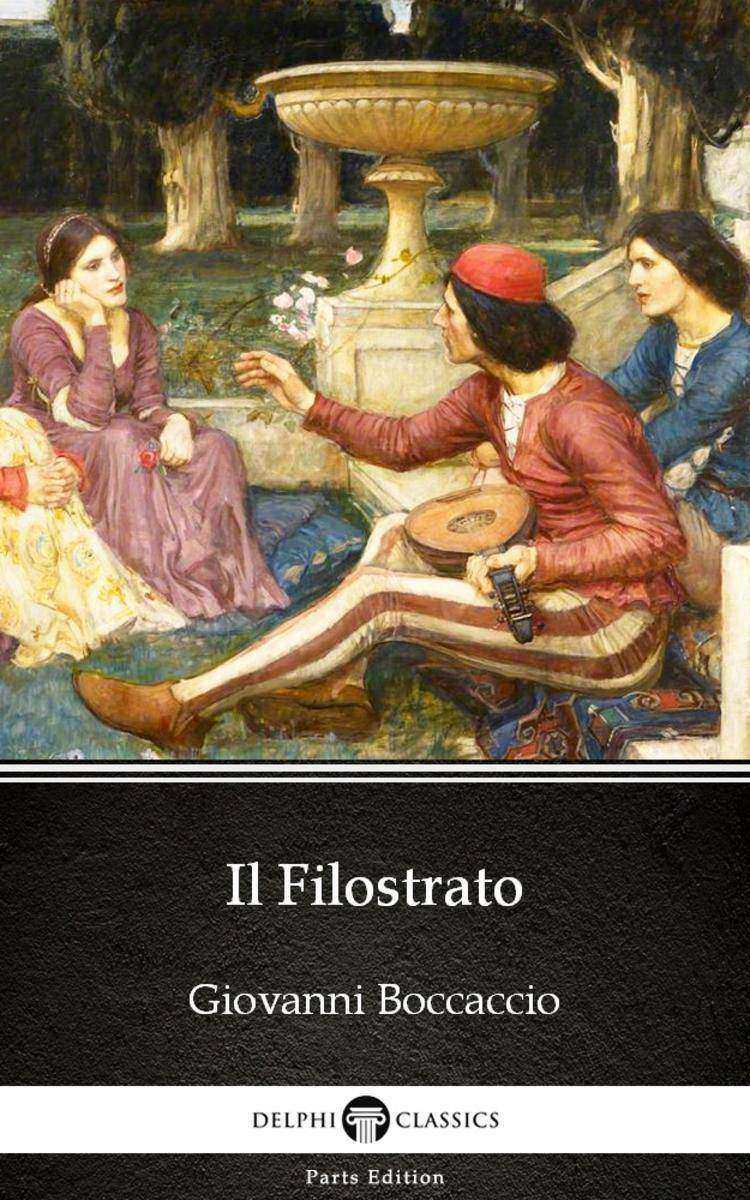
Il Filostrato by Giovanni Boccaccio - Delphi Classics (Illustrated)
¥8.09
This eBook features the unabridged text of ‘Il Filostrato by Giovanni Boccaccio - Delphi Classics (Illustrated)’ from the bestselling edition of ‘The Collected Works of Giovanni Boccaccio’. Having established their name as the leading publisher of classic literature and art, Delphi Classics produce publications that are individually crafted with superior formatting, while introducing many rare texts for the first time in digital print. The Delphi Classics edition of Boccaccio includes original annotations and illustrations relating to the life and works of the author, as well as individual tables of contents, allowing you to navigate eBooks quickly and easily. eBook features: * The complete unabridged text of ‘Il Filostrato by Giovanni Boccaccio - Delphi Classics (Illustrated)’ * Beautifully illustrated with images related to Boccaccio’s works * Individual contents table, allowing easy navigation around the eBook * Excellent formatting of the textPlease visit www.delphiclassics.com to learn more about our wide range of titles

Child of Storm by H. Rider Haggard - Delphi Classics (Illustrated)
¥8.09
This eBook features the unabridged text of ‘Child of Storm by H. Rider Haggard - Delphi Classics (Illustrated)’ from the bestselling edition of ‘The Complete Works of H. Rider Haggard’. Having established their name as the leading publisher of classic literature and art, Delphi Classics produce publications that are individually crafted with superior formatting, while introducing many rare texts for the first time in digital print. The Delphi Classics edition of Haggard includes original annotations and illustrations relating to the life and works of the author, as well as individual tables of contents, allowing you to navigate eBooks quickly and easily. eBook features: * The complete unabridged text of ‘Child of Storm by H. Rider Haggard - Delphi Classics (Illustrated)’ * Beautifully illustrated with images related to Haggard’s works * Individual contents table, allowing easy navigation around the eBook * Excellent formatting of the text Please visit www.delphiclassics.com to learn more about our wide range of titles

The Beautiful and Damned by F. Scott Fitzgerald - Delphi Classics (Illustrated)
¥8.09
This eBook features the unabridged text of ‘The Beautiful and Damned by F. Scott Fitzgerald - Delphi Classics (Illustrated)’ from the bestselling edition of ‘The Complete Works of F. Scott Fitzgerald’. Having established their name as the leading publisher of classic literature and art, Delphi Classics produce publications that are individually crafted with superior formatting, while introducing many rare texts for the first time in digital print. The Delphi Classics edition of Fitzgerald includes original annotations and illustrations relating to the life and works of the author, as well as individual tables of contents, allowing you to navigate eBooks quickly and easily. eBook features: * The complete unabridged text of ‘The Beautiful and Damned by F. Scott Fitzgerald - Delphi Classics (Illustrated)’ * Beautifully illustrated with images related to Fitzgerald’s works * Individual contents table, allowing easy navigation around the eBook * Excellent formatting of the text Please visit www.delphiclassics.com to learn more about our wide range of titles


