


 购物车
购物车 个人中心
个人中心
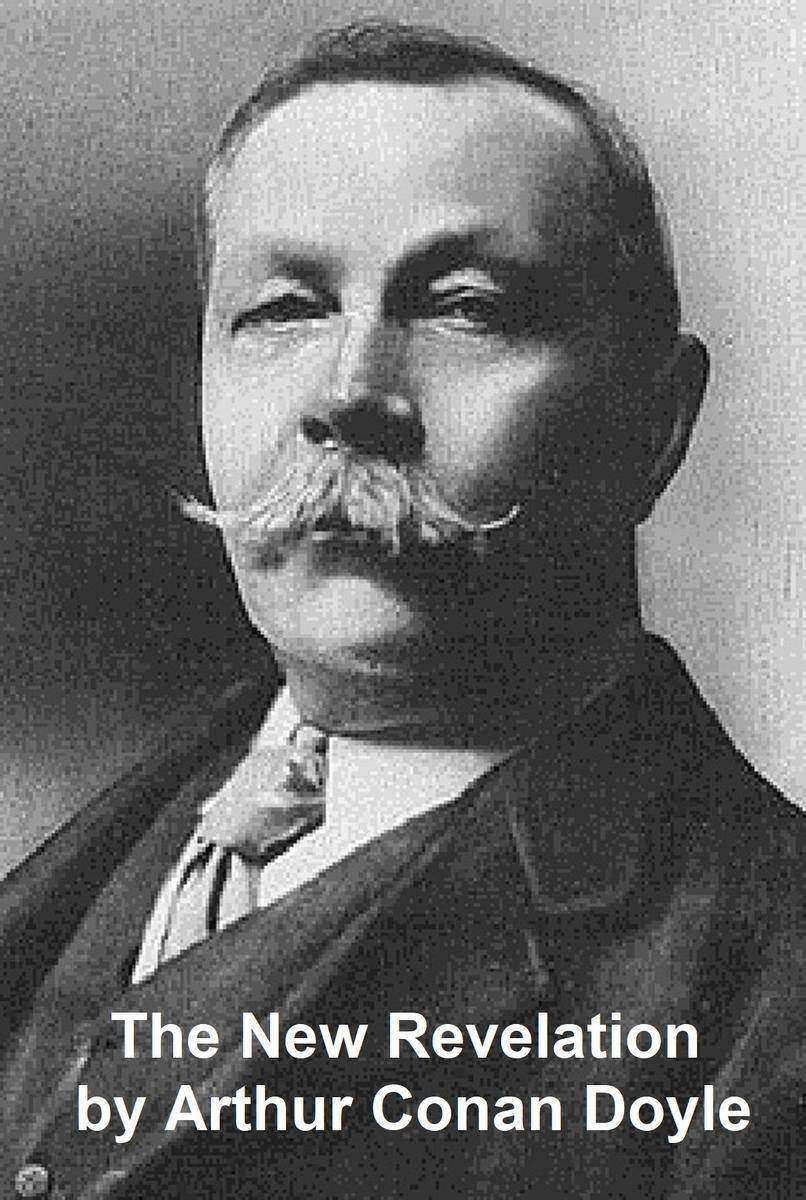
The New Revelation
¥8.09
First published in 1918. By the author of the Sherlock Holmes stories. The book begins: "The subject of psychical research is one upon which I have thought more and about which I have been slower to form my opinion, than upon any other subject whatever. Every now and then as one jogs along through life some small incident happens which very forcibly brings home the fact that time passes and that first youth and then middle age are slipping away. Such a one occurred the other day. There is a column in that excellent little paper, Light, which is devoted to what was recorded on the corresponding date a generation--that is thirty years--ago. As I read over this column recently I had quite a start as I saw my own name, and read the reprint of a letter which I had written in 1887, detailing some interesting spiritual experience which had occurred in a seance."
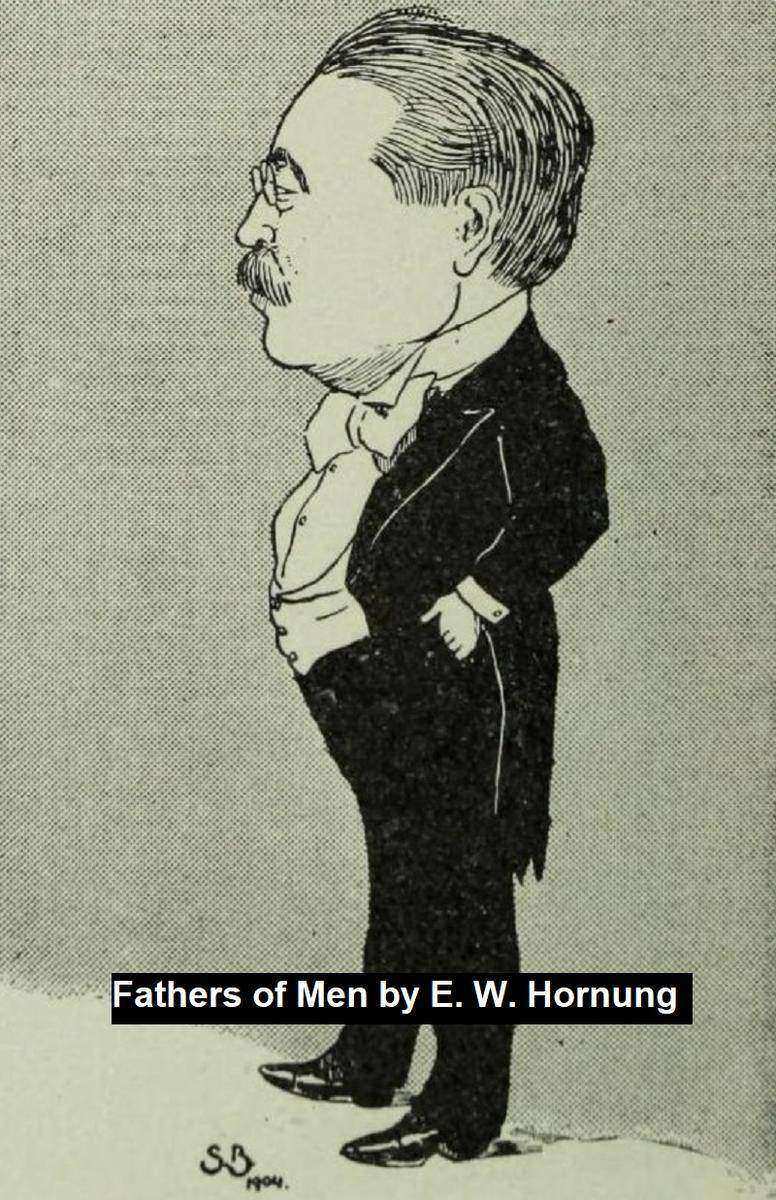
Fathers of Men
¥8.09
First published in 1912. According to Wikipedia: "Ernest William Hornung (7 June 1866 – 22 March 1921) was an English author and poet perhaps best known for writing the A. J. Raffles series of stories about a gentleman thief in late 19th-century London. Hornung was educated at Uppingham School; as a result of poor health he left the school in December 1883 to travel to Sydney, where he stayed for two years. He drew on his Australian experiences as a background when he began writing, initially short stories and later novels... Although much of Hornung's work has fallen into obscurity, his Raffles stories continued to be popular, and have formed numerous film and television adaptations. Hornung's stories dealt with a wider range of themes than crime: he examined scientific and medical developments, guilt, class and the unequal role played by women in society. Above all there are two threads that run through a sizeable proportion of his books: Australia and cricket, the latter was also a lifelong passion."
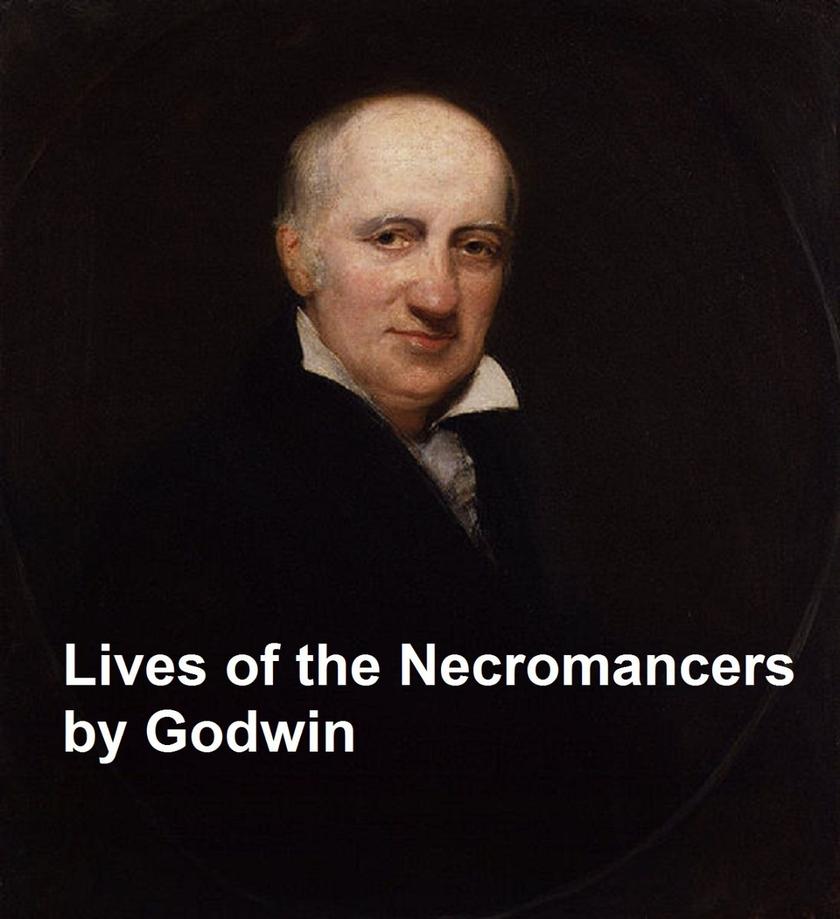
Lives of the Necromancers
¥8.09
Book on magic and magicians by the father of Mary Shelley, who was the author of Frankenstein. First published in 1834. According to the Preface: " The main purpose of this book is to exhibit a fair delineation of the credulity of the human mind. Such an exhibition cannot fail to be productive of the most salutary lessons. One view of the subject will teach us a useful pride in the abundance of our faculties. Without pride man is in reality of little value. It is pride that stimulates us to all our great undertakings. Without pride, and the secret persuasion of extraordinary talents, what man would take up the pen with a view to produce an important work, whether of imagination and poetry, or of profound science, or of acute and subtle reasoning and intellectual anatomy? It is pride in this sense that makes the great general and the consummate legislator, that animates us to tasks the most laborious, and causes us to shrink from no difficulty, and to be confounded and overwhelmed with no obstacle that can be interposed in our path." According to Wikipedia: "William Godwin (3 March 1756 – 7 April 1836) was an English journalist, political philosopher and novelist. He is considered one of the first exponents of utilitarianism, and the first modern proponent of anarchism."
Some Persons Unknown
¥8.09
First published in 1898. Collection of stories by the classic mystery writer. The stories include: "KENYON'S INNINGS, A LITERARY COINCIDENCE, "AUTHOR! AUTHOR!" THE WIDOW OF PIPER'S POINT, AFTER THE FACT, THE MAGIC CIGAR, THE GOVERNESS AT GREENBUSH, A FAREWELL PERFORMANCE, A SPIN OF THE COIN, THE STAR OF THE GRASMERE. According to Wikipedia: "Ernest William Hornung (7 June 1866 – 22 March 1921) was an English author and poet known for writing the A. J. Raffles series of stories about a gentleman thief in late 19th-century London. Hornung was educated at Uppingham School; as a result of poor health he left the school in December 1883 to travel to Sydney, where he stayed for two years. He drew on his Australian experiences as a background when he began writing, initially short stories and later novels. In 1898 he wrote "In the Chains of Crime", which introduced Raffles and his sidekick, Bunny Manders; the characters were based partly on his friends Oscar Wilde and his lover, Lord Alfred Douglas, and also on Sherlock Holmes and Dr. Watson. The series of Raffles short stories were collected for sale in book form in 1899, and two further books of Raffles short stories followed, as well as a poorly received novel. Aside from his Raffles stories, Hornung was a prodigious writer of fiction, publishing numerous books from 1890, with A Bride from the Bush to his 1914 novel The Crime Doctor."
History of England for Children
¥8.09
Two English history books for children. A Child's History of England by Charles Dickens and A Young Folks' History of England by Charlotte Yonge.
The Bride of the Sun
¥8.09
According to Wikipedia: "Gaston Louis Alfred Leroux (6 May 1868, Paris, France – 15 April 1927) was a French journalist and author of detective fiction. In the English-speaking world, he is best known for writing the novel The Phantom of the Opera (Le Fant?me de l'Opéra, 1910), which has been made into several film and stage productions of the same name, such as the 1925 film starring Lon Chaney; and Andrew Lloyd Webber's 1986 musical. It was also the basis of the 1990 novel Phantom by Susan Kay... He suddenly left journalism in 1907, and began writing fiction. In 1909, he and Arthur Bernède formed their own film company, Société des Cinéromans to simultaneously publish novels and turn them into films. He first wrote a mystery novel entitled Le mystère de la chambre jaune (1908; The Mystery of the Yellow Room), starring the amateur detective Joseph Rouletabille. Leroux's contribution to French detective fiction is considered a parallel to Sir Arthur Conan Doyle's in the United Kingdom and Edgar Allan Poe's in America."
Life's Handicap: Being Stories of Mine Own People
¥8.09
Dodo Collections brings you another classic from Rudyard Kipling, ‘Life's Handicap: Being Stories of Mine Own People'. ? Subtitled 'Being Stories of Mine Own People', Kipling wrote that these tales are 'from all places and all sorts of people'. ? Kipling's works of fiction include The Jungle Book (1894), Kim (1901), and many short stories, including "The Man Who Would Be King" (1888). His poems include "Mandalay" (1890), "Gunga Din" (1890), "The Gods of the Copybook Headings" (1919), "The White Man's Burden" (1899), and "If—" (1910). He is regarded as a major innovator in the art of the short story; his children's books are classics of children's literature; and one critic described his work as exhibiting "a versatile and luminous narrative gift". ? Kipling was one of the most popular writers in England, in both prose and verse, in the late 19th and early 20th centuries. Henry James said: "Kipling strikes me personally as the most complete man of genius (as distinct from fine intelligence) that I have ever known." In 1907, he was awarded the Nobel Prize in Literature, making him the first English-language writer to receive the prize, and its youngest recipient to date Among other honours, he was sounded out for the British Poet Laureateship and on several occasions for a knighthood, all of which he declined.

Eric Brighteyes
¥8.09
Dodo Collections brings you another classic from H. Rider Haggard, ‘Eric Brighteyes.’ ? A curious effect of Haggard's successful emulation of the terse, pithy style of saga prose is that the idiom of this novel actually seems rather less dated in the early 21st century than Haggard's other work or the general run of Victorian adventure fiction. Improvements in our understanding of the Viking period have done surprisingly little to falsify Haggard's imagination of its setting, and the book should still hold appeal to any reader interested in the period. ? Sir Henry Rider Haggard was an English writer of adventure novels set in exotic locations, predominantly Africa, and the creator of the Lost World literary genre. His stories, situated at the lighter end of the scale of Victorian literature, continue to be popular and influential. He was also involved in agricultural reform and improvement in the British Empire.? His breakout novel was?King Solomon's Mines(1885), which was to be the first in a series telling of the multitudinous adventures of its protagonist, Allan Quatermain. Haggard was made a Knight Bachelor in 1912 and a Knight Commander of the Order of the British Empire in 1919. He stood unsuccessfully for Parliament as a Conservative candidate for the Eastern division of Norfolk in 1895. The locality of Rider, British Columbia, was named in his memory.
Portage Paths
¥8.09
Volume 7 of the series "Historic Highways of America". According to Wikipedia: "Archer Butler Hulbert (26 Jan 1873 – 24 Dec 1933), historical geographer, writer, and professor of American history... He was Vice-Principal of the Putnam Military Academy, Zanesville, Ohio, until 1897. Hulbert then did newspaper work in Korea in 1897 and '98: he was editor of the Korean Independent (Seoul) and edited Far East American newspapers... He was Professor of American History at Marietta College 1904-18. After Marietta College, Hulbert became a lecturer in American History at Clark University from 1918 to 1919. He also was a lecturer at the University of Chicago in 1904 and 1923; and he served as archivist for the Harvard Commission on Western History (1912-16). Hulbert's last position was at Colorado College, from 1920 until his death... Hulbert's interest in trails dated from fishing trips taken during his college, when he noticed Indian trails. This interest led at first to his 16 volumes of Historic Highways of America (1902-05)."
A Touch of the Sun and Other Short Stories
¥8.09
Collection of stories, first published in 1903. According to Wikipedia: "Mary Hallock was born November 9, 1847, in Milton, New York, of English Quaker ancestry. A singular girl and youth, she attended the Female Collegiate Seminary in Poughkeepsie, New York, then studied art in New York City at the new Cooper Institute School of Design for Women. By her early twenties she had become established in New York City as an accomplished artist-illustrator for notable publishers there. In 1876 Hallock married a young mining engineer, Arthur De Wint Foote, then moved cross-continent to live with him at the New Almaden mine near San Jose, California. Subsequently, as Arthur pursued his engineering career, she followed him throughout the West; to Leadville, Colorado, to Deadwood, South Dakota, then to Boise, Idaho, where Arthur originated a major irrigation project on the Boise River; then to Morelia, Michoacán, Mexico, and finally to Grass Valley, California, where Arthur advanced to managing the North Star mine, and retired there...Wallace Stegner's novel Angle of Repose (Pulitzer Prize, 1971) is based directly upon Mary Hallock Foote's extensive personal correspondence.'
The Witch and Other Stories
¥8.09
This collection includes: THE WITCH, PEASANT WIVES, THE POST, THE NEW VILLA, DREAMS, THE PIPE, AGAFYA, AT CHRISTMAS TIME, GUSEV, THE STUDENT, IN THE RAVINE, THE HUNTSMAN, HAPPINESS, A MALEFACTOR, and PEASANTS. According to Wikipedia: "Anton Pavlovich Chekhov (1860 – 1904) was a Russian short-story writer, playwright and physician, considered to be one of the greatest short-story writers in world literature. His career as a dramatist produced four classics and his best short stories are held in high esteem by writers and critics Chekhov practised as a doctor throughout most of his literary career: "Medicine is my lawful wife," he once said, "and literature is my mistress." Chekhov renounced the theatre after the disastrous reception of The Seagull in 1896; but the play was revived to acclaim in 1898 by Constantin Stanislavski's Moscow Art Theatre, which subsequently also produced Uncle Vanya and premiered Chekhov’s last two plays, Three Sisters and The Cherry Orchard. These four works present a special challenge to the acting ensemble as well as to audiences, because in place of conventional action Chekhov offers a "theatre of mood" and a "submerged life in the text." Chekhov had at first written stories only for the money, but as his artistic ambition grew, he made formal innovations which have influenced the evolution of the modern short story. His originality consists in an early use of the stream-of-consciousness technique, later adopted by James Joyce and other modernists, combined with a disavowal of the moral finality of traditional story structure He made no apologies for the difficulties this posed to readers, insisting that the role of an artist was to ask questions, not to answer them."
The Sweet Cheat Gone by Marcel Proust - Delphi Classics (Illustrated)
¥8.09
This eBook features the unabridged text of ‘The Sweet Cheat Gone by Marcel Proust - Delphi Classics (Illustrated)’ from the bestselling edition of ‘The Complete Works of Marcel Proust’. Having established their name as the leading publisher of classic literature and art, Delphi Classics produce publications that are individually crafted with superior formatting, while introducing many rare texts for the first time in digital print. The Delphi Classics edition of Proust includes original annotations and illustrations relating to the life and works of the author, as well as individual tables of contents, allowing you to navigate eBooks quickly and easily. eBook features: * The complete unabridged text of ‘The Sweet Cheat Gone by Marcel Proust - Delphi Classics (Illustrated)’ * Beautifully illustrated with images related to Proust’s works * Individual contents table, allowing easy navigation around the eBook * Excellent formatting of the text Please visit www.delphiclassics.com to learn more about our wide range of titles
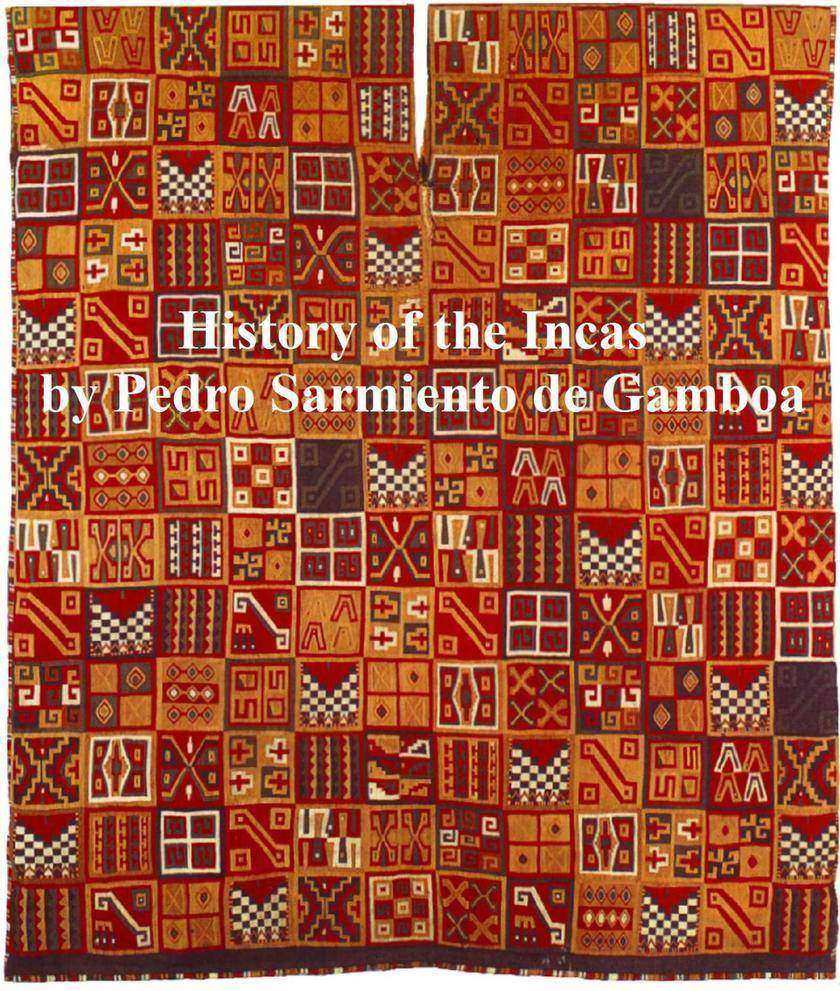
History of the Incas
¥8.09
According to Wikipedia: "Pedro Sarmiento de Gamboa (1532–1592) was a Galician (Spanish) explorer, author, historian, astronomer, and scientist… Written in Cuzco, the capital of the Inca Empire, just forty years after the arrival of the first Spaniards in the city, Sarmiento's The History of the Incas contains extremely detailed descriptions of Inca history and mythology. The royal sponsorship of the work guaranteed Sarmiento direct access to the highest Spanish officials in Cuzco. It also allowed him to summon influential natives, as well as those who had witnessed the fall of the Inca Empire, so that they could relate their stories. Sarmiento traveled widely and interviewed numerous local leaders and lords, surviving members of the royal Inca families, and the few remaining Spanish conquistadors who still resided in Cuzco. Once the first draft of the history was completed, in an unprecedented effort to establish the unquestionable authenticity of the work, his manuscript was read, chapter by chapter, to forty-two indigenous authorities for their commentary and correction. After the public reading, which occurred on 29 February and 1 March 1572, the manuscript was entrusted to a member of the viceroy's personal guard. He was to take the manuscript to Spain and deliver it to King Philip II, along with four painted cloths showing the history of the Incas and a number of other artifacts and objects that Toledo had collected. However, due to a series of unusual events, this irreplaceable document of Inca history was relegated to obscurity for centuries."
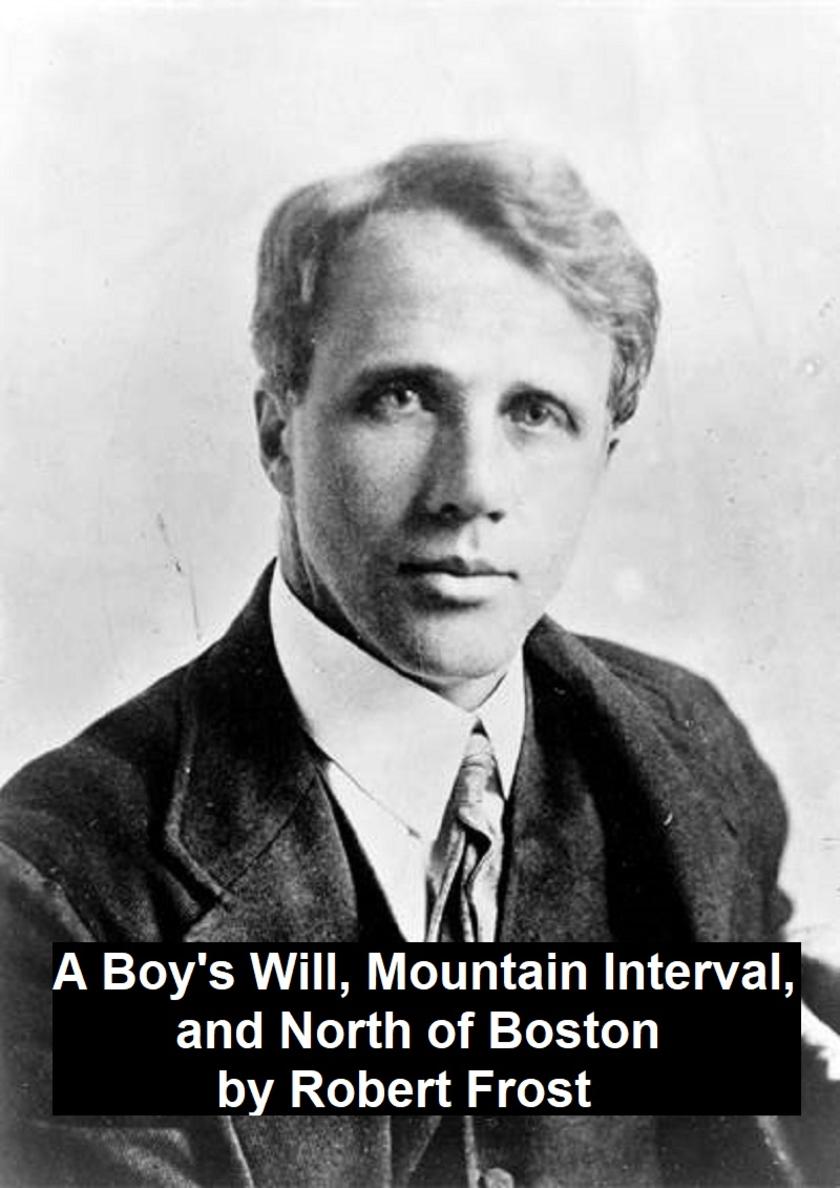
A Boy's Will, Mountain Interval, and North of Boston
¥8.09
This file includes: A Boy's Will, Mountain Interval, and North of Boston. According to Wikipedia: "Robert Lee Frost (March 26, 1874 – January 29, 1963) was an American poet. He is highly regarded for his realistic depictions of rural life and his command of American colloquial speech. His work frequently employed settings from rural life in New England in the early twentieth century, using them to examine complex social and philosophical themes. A popular and often-quoted poet, Frost was honored frequently during his lifetime, receiving four Pulitzer Prizes for Poetry."
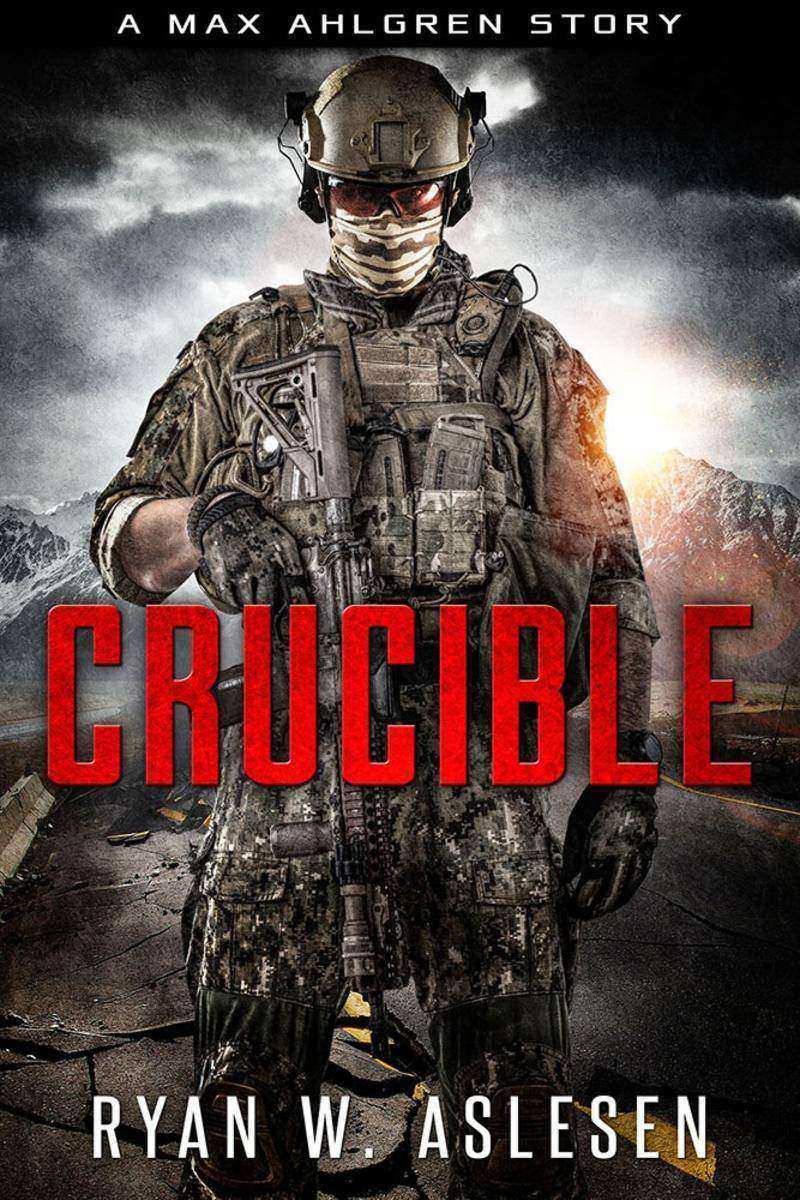
Crucible:A Max Ahlgren Story
¥8.09
The War on Terror provides the backdrop for the thriller that introduces the roots of ultimate antihero, Max Ahlgren. Captain Max Ahlgren is proud to be one of the first team commanders in the Marine Corps’ nascent MARSOC detachment. Finally, the Corps’ elite warriors are working alongside those of other branches, battling insurgents, not on the front lines but behind them. After his first mission, however, Max learns he will be replaced as team commander.The new commander, Major Whitbeck, comes from 8th and I: Marine Barracks, Washington DC. His late father, a revered general, died in a terrorist car bombing. The commander is in Afghanistan for vengeance—and redemption. When the team infiltrates the ancient desert fortress of Kazindrak, hunting an elusive Al-Qaeda terrorist, Whitbeck reveals his ineptitude in combat. Max’s fury grows as the body count rises. When the actual nature of the mission is revealed, Max gets a good look at the sordid underbelly of the War on Terror and sees first-hand what monsters men can become. If he is to survive, however, he may have no choice but to become one.Sometimes the greatest enemy is within…

Through The Looking-Glass
¥8.09
The sequel to Alice's Adventures in Wonderland (1865). Set some six months later than the earlier book, Alice again enters a fantastical world, this time by climbing through a mirror into the world that she can see beyond it. Through the Looking-Glass includes such celebrated verses as "Jabberwocky" and "The Walrus and the Carpenter", and the episode involving Tweedledum and Tweedledee.
The Leavenworth Case
¥8.09
The Leavenworth Case (1878), subtitled A Lawyer's Story, is an American detective novel and the first novel by Anna Katharine Green. Set in New York City, it concerns the murder of a retired merchant, Horatio Leavenworth, in his New York mansion. The novel introduced the detective Ebenezer Gryce, and was influential in the development of the detective novel. In her autobiography, Agatha Christie cited it as an influence on her own fiction.
The Middle Of Things
¥8.09
A wealthy man named Ashton is found murdered in an alley, apparently robbed for his jewelry and pocketbook. The police believe they have the killer, a young man who the next morning tries to pawn one of the stolen rings. Viner, however, the man who discovered the body and who is friends with the accused, believes otherwise. It is a quick race to find the real guilty party in order to save an innocent man. But none of the information is completely clear; the victim has a mysterious past and there is no rational motive. His charge, a young girl named Miss Wickham, proves to be of little help and Ashton had no close friendships. It is up to the lawyers and Viner to unravel the mystery that has roots in royalty. ? Another exciting J. S. Fletcher murder mystery, The Middle of Things keeps the reader guessing until the very end. The story features several Fletcher staples, such as a curious and bored average citizen, a case of mistaken identities, and a believable ending. The style is a bit dated, but it is not so antiquated as to be foreign or difficult. Fans of mysteries and Fletcher's writing alike will not be disappointed.
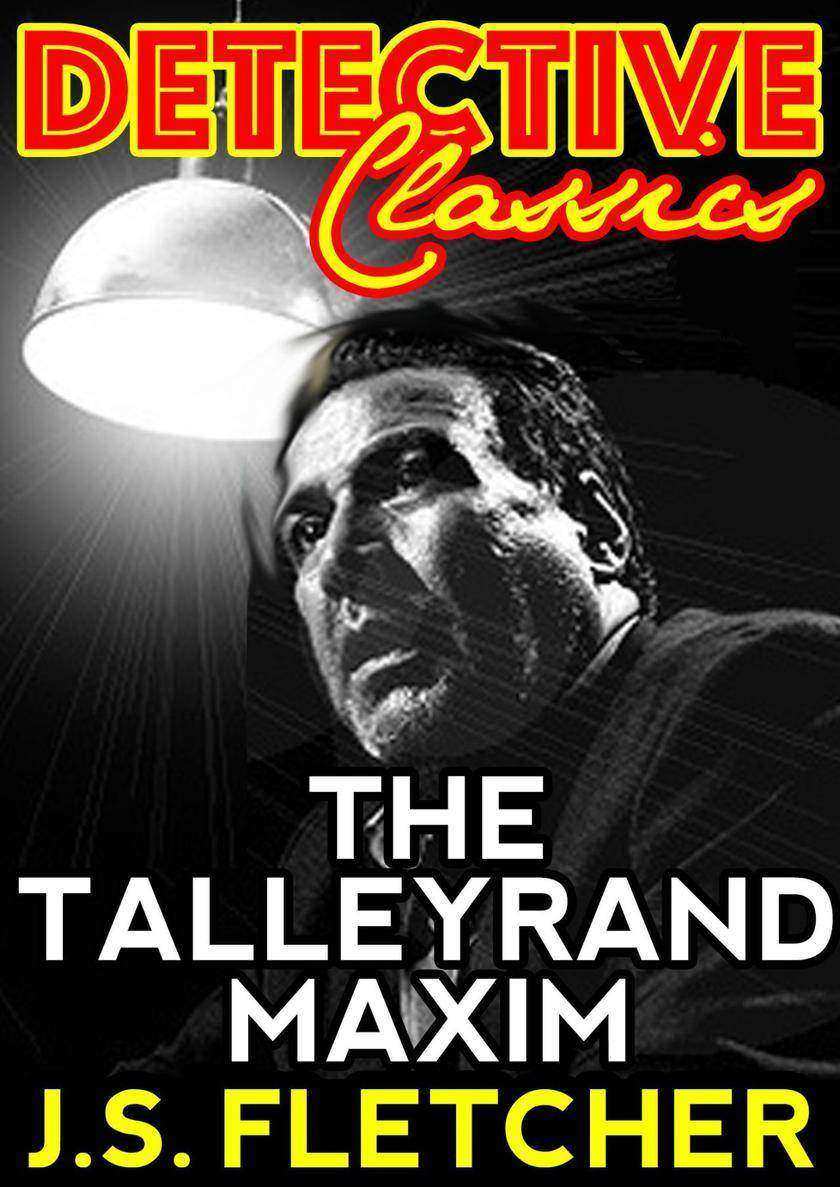
The Talleyrand Maxim
¥8.09
"It's old Mr. Bartle, sir," he whispered. "He's in your room there -- dead " "Dead?" exclaimed Eldrick. "Dead " Pratt shook his head again. "He came up not so long after you'd gone, sir," he said. "Everybody had gone but me -- I was just going. Wanted to see you about something I don't know what. He was very tottery when he came in -- complained of the stairs and the fog. I took him into your room, to sit down in the easy chair. And -- he died straight off. Just," concluded Pratt, "just as if he was going quietly to sleep "
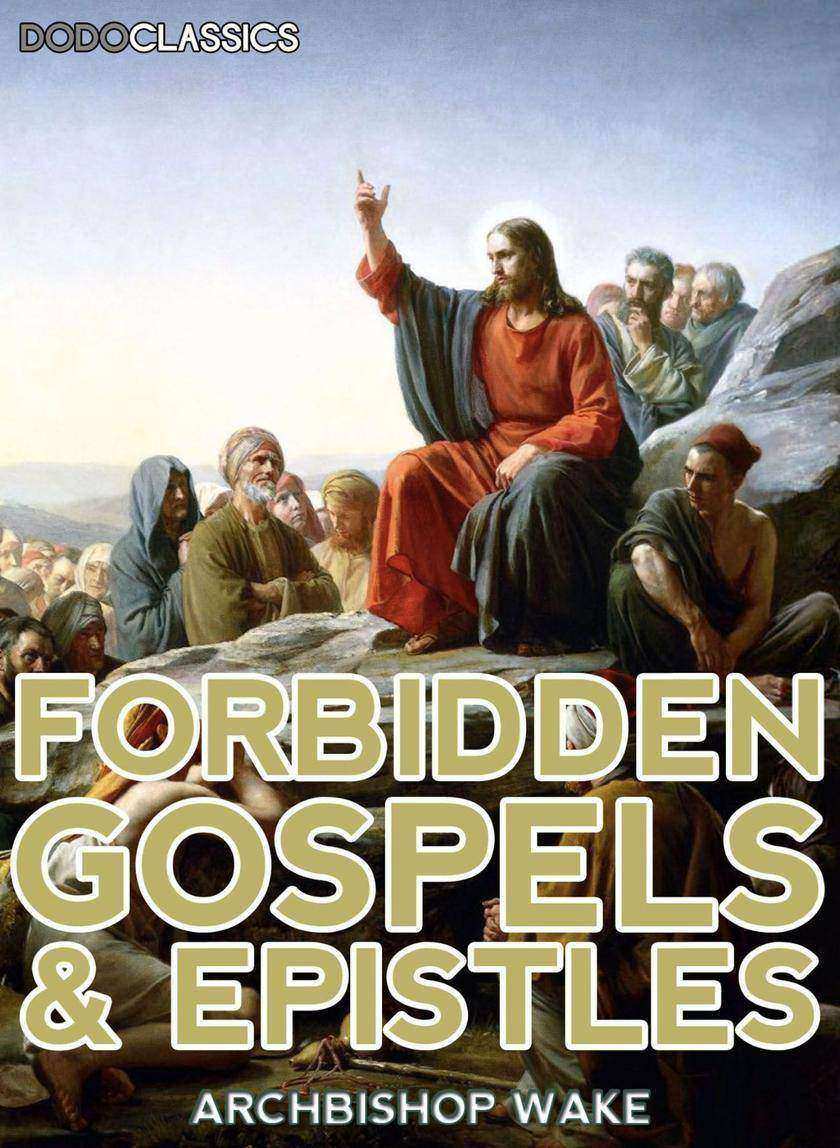
Forbidden Gospels And Epistles
¥8.09
The complete suppressed Gospels and Epistles of the original New Testament of Jesus the Christ.
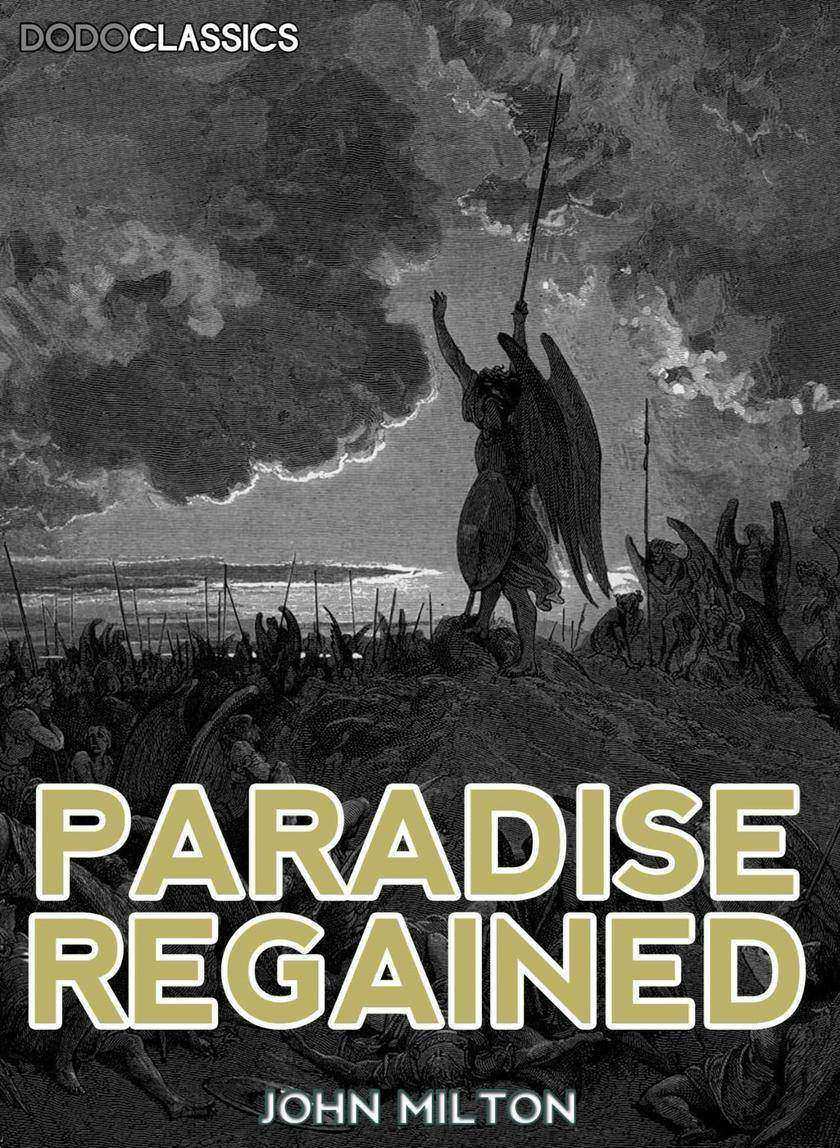
Paradise Regained
¥8.09
Paradise Regained is a poem by English poet John Milton, first published in 1671 by John Macock. The volume in which it appeared also contained the poet's closet drama Samson Agonistes. Paradise Regained is connected by name to his earlier and more famous epic poem Paradise Lost, with which it shares similar theological themes; indeed, its title, its use of blank verse, and its progression through Christian history recall the earlier work. However, this effort deals primarily with the temptation of Christ as recounted in the Gospel of Luke. ? An interesting anecdote recounted by a Quaker named Thomas Ellwood provides some insight into Paradise Regained??'?s development. After studying Latin with Milton and reading the poet's epic Paradise Lost, Ellwood remarked, "Thou hast said much here of Paradise lost, but what hast thou to say of Paradise found?" Hearing this, Milton at first "sat some time in a muse" before changing the subject; however, later on he showed to Ellwood a new manuscript entitled Paradise Regained. Some maintain that although he seemed to express gratitude to Ellwood in a letter, Milton in truth "passed on a friendly if impish fabrication" that made Ellwood feel like the inspiration for the poem. Milton composed Paradise Regained at his cottage in Chalfont St Giles in Buckinghamshire. The poem is four books long, in contrast with Paradise Lost??'?s twelve. As such, Barbara K. Lewalski has labelled the work a "brief epic." ? Whereas Paradise Lost is ornate in style and decorative in its verse, Paradise Regained is carried out in a fairly plain style. Specifically, Milton reduces his use of simile and deploys a simpler syntax in Paradise Regained than he does in Paradise Lost, and this is consistent with Jesus's sublime plainness in his life and teachings (in the epic, he prefers Hebrew psalms to Greek poetry). Modern editors believe the stylistics of Paradise Regained evince Milton's poetic maturity. No longer is the poet out to dazzle his readers with bombastic verse and lengthy epic similes. This is not to say that the poem bears no affinities with Milton's earlier work, but scholars continue to agree with Northrop Frye's suggestion that Paradise Regained is "practically sui generis" in its poetic execution. ? One major concept emphasized throughout Paradise Regained is the idea of reversals. As implied by its title, Milton sets out to reverse the "loss" of Paradise. Thus, antonyms are often found next to each other, reinforcing the idea that everything that was lost in the first epic will be regained by the end of this "brief epic." Additionally, the work focuses on the idea of "hunger", both in a literal and in a spiritual sense. After wandering in the wilderness for forty days, Jesus is starving for food. Satan, too blind to see any non-literal meanings of the term, offers Christ food and various other temptations, but Jesus continually denies him. Although Milton's Jesus is remarkably human, an exclusive focus on this dimension of his character obscures the divine stakes of Jesus’s confrontation with Satan; Jesus emerges victorious, and Satan falls, amazed.


