


 购物车
购物车 个人中心
个人中心

The Daffodil Mystery
¥8.09
Detective Classics presents you The Daffodil Mystery in a fantastic ebook edition. ? When Mr. Thomas Lyne, poet, poseur. and owner of Lyne's Emporium insults a cashier, Odette Rider, she resigns. Having summoned detective Jack Tarling to investigate another employee, Mr. Milburgh, Lyne now changes his plans. Tarling and his Chinese companion refuse to become involved. They pay a visit to Odette's flat. In the hall, Tarling meets Sam, convicted felon and protégé of Lyne. Next morning Tarling discovers a body. The hands are crossed on the breast, adorned with a handful of daffodils.
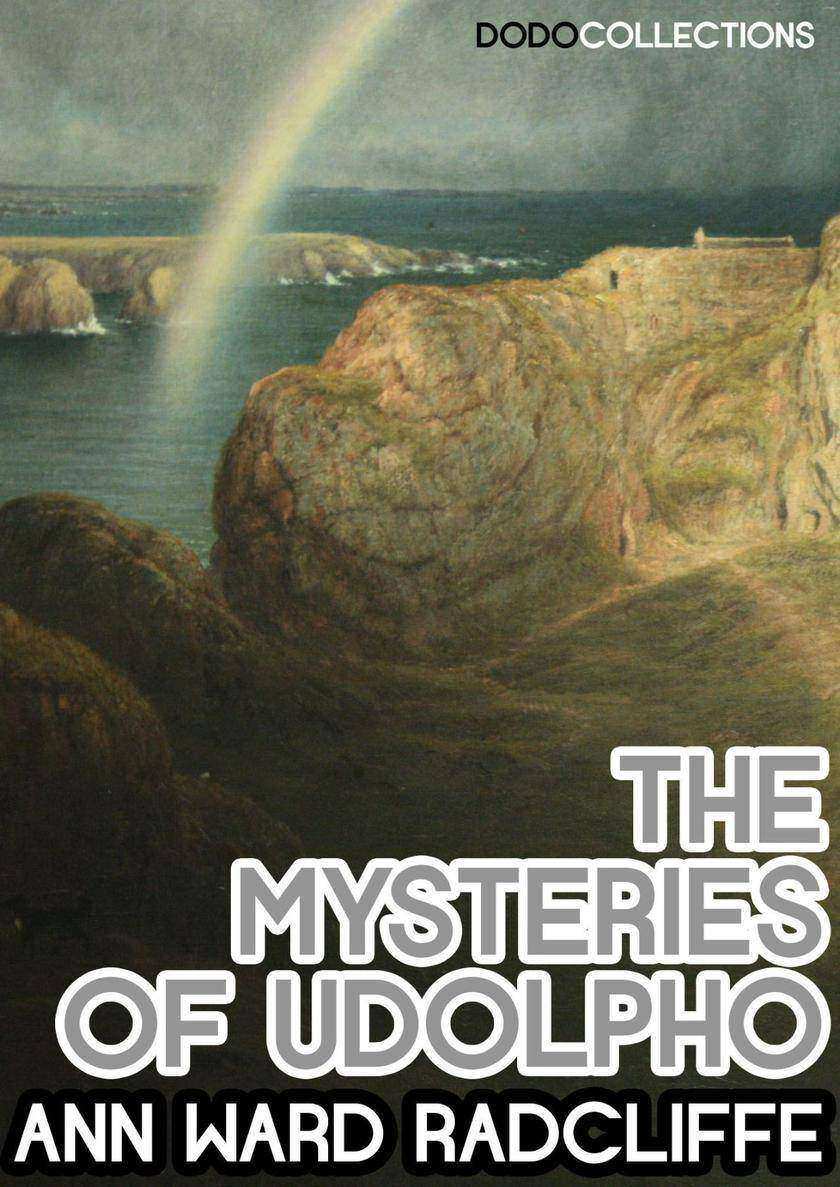
The Mysteries Of Udolpho
¥8.09
The Mysteries of Udolpho follows the fortunes of Emily St. Aubert who suffers, among other misadventures, the death of her father, supernatural terrors in a gloomy castle, and the machinations of an Italian brigand. Often cited as the archetypal Gothic novel, The Mysteries of Udolpho, along with Radcliffe's novel The Romance of the Forest, plays a prominent role in Jane Austen's novel Northanger Abbey, in which an impressionable young woman, after reading Radcliffe's novel, comes to see her friends and acquaintances as Gothic villains and victims with amusing results.

The Master Key
¥8.09
The Master Key: An Electrical Fairy Tale, Founded Upon the Mysteries of Electricity and the Optimism of Its Devotees is a 1901 novel by L. Frank Baum, author of The Wonderful Wizard of Oz. ? The protagonist is a boy named Rob Joslyn. His age is not specified. Baum dedicated the book "To My Son, Robert Stanton Baum," who was born in 1886 and would thus have been about fifteen at the time it was published. ? Rob is an electrical experimenter whose father encourages him and sees that he "never lacked batteries, motors or supplies of any sort." A "net-work[sic] of wires soon ran throughout the house". He loses track of the elaborately interconnected wires, and trying to get a cardboard house to light up, he "experimented in a rather haphazard fashion, connecting this and that wire blindly and by guesswork, in the hope that he would strike the right combination." There is a bright flash, and a being who calls himself the Demon of Electricity appears. He tells Rob that he has accidentally "touched the Master Key of Electricity" and is entitled to "to demand from me three gifts each week for three successive weeks." Rob protests that he does not know what to ask for, and the Demon agrees to select the gifts himself.
Lady Susan
¥8.09
This epistolary novel, an early complete work that the author never submitted for publication, describes the schemes of the main character—the widowed Lady Susan—as she seeks a new husband for herself and one for her daughter. Although the theme, together with the focus on character study and moral issues, is close to Austen's published work (Sense and Sensibility was also originally written in the epistolary form), its outlook is very different, and the heroine has few parallels in 19th-century literature. Lady Susan is a selfish, unscrupulous and scheming woman, highly attractive to men, who tries to trap the best possible husband while maintaining a relationship with a married man. She subverts all the standards of the romantic novel: she has an active role, she is not only beautiful but intelligent and witty, and her suitors are significantly younger than she is (in contrast with Sense and Sensibility and Emma, which feature marriages by their female protagonists to men who are 16 years older). Although the ending includes a traditional reward for morality, Lady Susan herself is treated more leniently than the adulteress in Mansfield Park, who is severely punished.

The Return of the Native
¥8.09
The Return of the Native is Thomas Hardy's sixth published novel. It first appeared in the magazine Belgravia, a publication known for its sensationalism, and was presented in twelve monthly installments from January to December 1878. Because of the novel's controversial themes, Hardy had some difficulty finding a publisher; reviews, however, though somewhat mixed, were generally positive. In the twentieth century, The Return of the Native became one of Hardy's most popular novels. ? The novel takes place entirely in the environs of Egdon Heath, and, with the exception of the epilogue, Aftercourses, covers exactly a year and a day. The narrative begins on the evening of Guy Fawkes Night as Diggory Venn is slowly crossing the heath with his van, which is being drawn by ponies. In his van is a passenger. When darkness falls, the country folk light bonfires on the surrounding hills, emphasising—not for the last time—the pagan spirit of the heath and its denizens.

The Will to Believe, and Other Essays in Popular Philosophy
¥8.09
The work of William James contributed greatly to the burgeoning fields of psychology, particularly in the areas of education, religion, mysticism and pragmatism. The brother of novelist Henry James and of diarist Alice James, William wrote several powerful essays expressing his ideas on the pragmatic theory of truth, sentience, and human beings' right to believe. In "The Will to Believe", James suggests that what a person holds to be true or attainable may exist through that person's belief in them, regardless of a lack of physical evidence. In a sense, he advocates the theory of self-fulfilling prophesies. "Human Immortality" was a speech delivered during the annual Ingersoll Lectureship, given in memory of George Goldthwait Ingersoll, in 1897 at Harvard University. These works are a prime example of the powerful influence William James has had on modern psychology, and are still recognized today for their brilliance and revolutionary impacts on the field.

Sometimes in Business Class
¥8.09
Here is a perfect book for airplane and armchair travelers; an alternative view of airlines, flying and destinations. Many people fly around the world from meeting to meeting, soaking up wine and the attention of airline stewards and stewardesses, clocking up free mileage, and working out tax breaks or how to sock away their travel allowances. But, as these stories about 1990s travel show, there is much to be learned along the way, from the airline wine tasters' ramblings, to the mystery of brown dogs in Dutch 17th century paintings, to the bus terminals beneath Rome's Augustine Gate, and possibly the real story behind the last tango in Paris.? ?

The Voyage of the Beagle
¥8.09
The Voyage of the Beagle is the title most commonly given to reissues of the book written by Charles Darwin and published in 1839 as his Journal and Remarks, bringing him considerable fame and respect. This was the third volume of The Narrative of the Voyages of H.M. Ships Adventure and Beagle, and covers Darwin's part in the second survey expedition of the ship HMS Beagle, which set sail from Plymouth Sound on 27 December 1831 under the command of Captain Robert FitzRoy, R.N.. Due to the popularity of Darwin's account, the publisher reissued it later in 1839 as Darwin's Journal of Researches, and the revised second edition published in 1845 used this title. A republication of the book in 1905 introduced the title The Voyage of the "Beagle". ? While the expedition was originally planned to last two years, it lasted almost five—the Beagle did not return until 2 October 1836. Darwin spent most of this time exploring on land (three years and three months on land; 18 months at sea). ? The book is a vivid and exciting travel memoir as well as a detailed scientific field journal covering biology, geology, and anthropology that demonstrates Darwin's keen powers of observation, written at a time when Western Europeans were exploring and charting the whole world. Although Darwin revisited some areas during the expedition, for clarity the chapters of the book are ordered by reference to places and locations rather than by date. Darwin's notes made during the voyage include comments illustrating his changing views at a time when he was developing his theory of evolution by natural selection and includes some suggestions of his ideas, particularly in the second edition of 1845.

Considerations on Representative Government
¥8.09
Considerations on Representative Government is a book by John Stuart Mill published in 1861. As the title suggests, it is an argument for representative government, the ideal form of government in Mill's opinion. One of the more notable ideas Mill puts forth in the book is that the business of government representatives is not to make legislation. Instead Mill suggests that representative bodies such as parliaments and senates are best suited to be places of public debate on the various opinions held by the population and to act as watchdogs of the professionals who create and administer laws and policy. In his words: ? Their part is to indicate wants, to be an organ for popular demands, and a place of adverse discussion for all opinions relating to public matters, both great and small; and, along with this, to check by criticism, and eventually by withdrawing their support, those high public officers who really conduct the public business, or who appoint those by whom it is conducted.

The Conquest of Plassans by Emile Zola (Illustrated)
¥8.09
This eBook features the unabridged text of ‘The Conquest of Plassans’ from the bestselling edition of ‘The Complete Works of Emile Zola’. Having established their name as the leading publisher of classic literature and art, Delphi Classics produce publications that are individually crafted with superior formatting, while introducing many rare texts for the first time in digital print. The Delphi Classics edition of Zola includes original annotations and illustrations relating to the life and works of the author, as well as individual tables of contents, allowing you to navigate eBooks quickly and easily.eBook features:* The complete unabridged text of ‘The Conquest of Plassans’* Beautifully illustrated with images related to Zola’s works* Individual contents table, allowing easy navigation around the eBook* Excellent formatting of the textPlease visit www.delphiclassics.com to learn more about our wide range of titles
Abbe Mouret’s Transgression by Emile Zola (Illustrated)
¥8.09
This eBook features the unabridged text of ‘Abbe Mouret’s Transgression’ from the bestselling edition of ‘The Complete Works of Emile Zola’. Having established their name as the leading publisher of classic literature and art, Delphi Classics produce publications that are individually crafted with superior formatting, while introducing many rare texts for the first time in digital print. The Delphi Classics edition of Zola includes original annotations and illustrations relating to the life and works of the author, as well as individual tables of contents, allowing you to navigate eBooks quickly and easily.eBook features:* The complete unabridged text of ‘Abbe Mouret’s Transgression’* Beautifully illustrated with images related to Zola’s works* Individual contents table, allowing easy navigation around the eBook* Excellent formatting of the textPlease visit www.delphiclassics.com to learn more about our wide range of titles
The Ladies’ Paradise by Emile Zola (Illustrated)
¥8.09
This eBook features the unabridged text of ‘The Ladies’ Paradise’ from the bestselling edition of ‘The Complete Works of Emile Zola’. Having established their name as the leading publisher of classic literature and art, Delphi Classics produce publications that are individually crafted with superior formatting, while introducing many rare texts for the first time in digital print. The Delphi Classics edition of Zola includes original annotations and illustrations relating to the life and works of the author, as well as individual tables of contents, allowing you to navigate eBooks quickly and easily.eBook features:* The complete unabridged text of ‘The Ladies’ Paradise’* Beautifully illustrated with images related to Zola’s works* Individual contents table, allowing easy navigation around the eBook* Excellent formatting of the textPlease visit www.delphiclassics.com to learn more about our wide range of titles
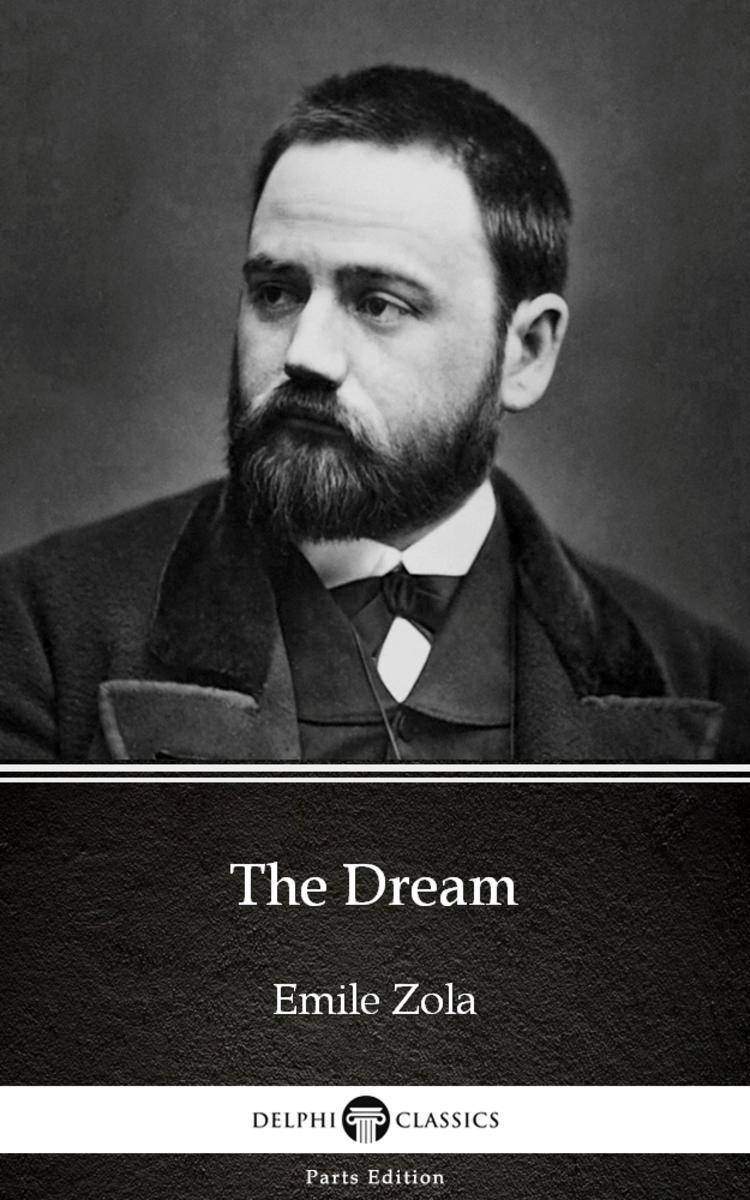
The Dream by Emile Zola (Illustrated)
¥8.09
This eBook features the unabridged text of ‘The Dream’ from the bestselling edition of ‘The Complete Works of Emile Zola’. Having established their name as the leading publisher of classic literature and art, Delphi Classics produce publications that are individually crafted with superior formatting, while introducing many rare texts for the first time in digital print. The Delphi Classics edition of Zola includes original annotations and illustrations relating to the life and works of the author, as well as individual tables of contents, allowing you to navigate eBooks quickly and easily.eBook features:* The complete unabridged text of ‘The Dream’* Beautifully illustrated with images related to Zola’s works* Individual contents table, allowing easy navigation around the eBook* Excellent formatting of the textPlease visit www.delphiclassics.com to learn more about our wide range of titles
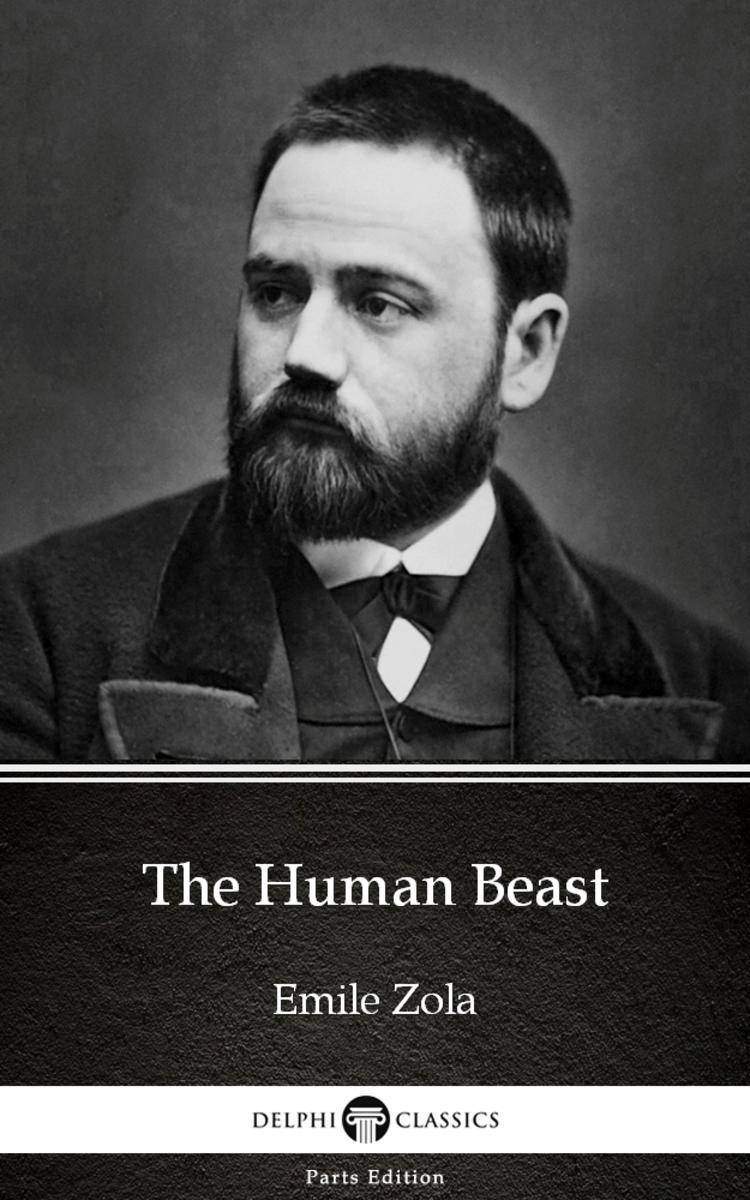
The Human Beast by Emile Zola (Illustrated)
¥8.09
This eBook features the unabridged text of ‘The Human Beast’ from the bestselling edition of ‘The Complete Works of Emile Zola’. Having established their name as the leading publisher of classic literature and art, Delphi Classics produce publications that are individually crafted with superior formatting, while introducing many rare texts for the first time in digital print. The Delphi Classics edition of Zola includes original annotations and illustrations relating to the life and works of the author, as well as individual tables of contents, allowing you to navigate eBooks quickly and easily.eBook features:* The complete unabridged text of ‘The Human Beast’* Beautifully illustrated with images related to Zola’s works* Individual contents table, allowing easy navigation around the eBook* Excellent formatting of the textPlease visit www.delphiclassics.com to learn more about our wide range of titles

Rome by Emile Zola (Illustrated)
¥8.09
This eBook features the unabridged text of ‘Rome’ from the bestselling edition of ‘The Complete Works of Emile Zola’. Having established their name as the leading publisher of classic literature and art, Delphi Classics produce publications that are individually crafted with superior formatting, while introducing many rare texts for the first time in digital print. The Delphi Classics edition of Zola includes original annotations and illustrations relating to the life and works of the author, as well as individual tables of contents, allowing you to navigate eBooks quickly and easily.eBook features:* The complete unabridged text of ‘Rome’* Beautifully illustrated with images related to Zola’s works* Individual contents table, allowing easy navigation around the eBook* Excellent formatting of the textPlease visit www.delphiclassics.com to learn more about our wide range of titles
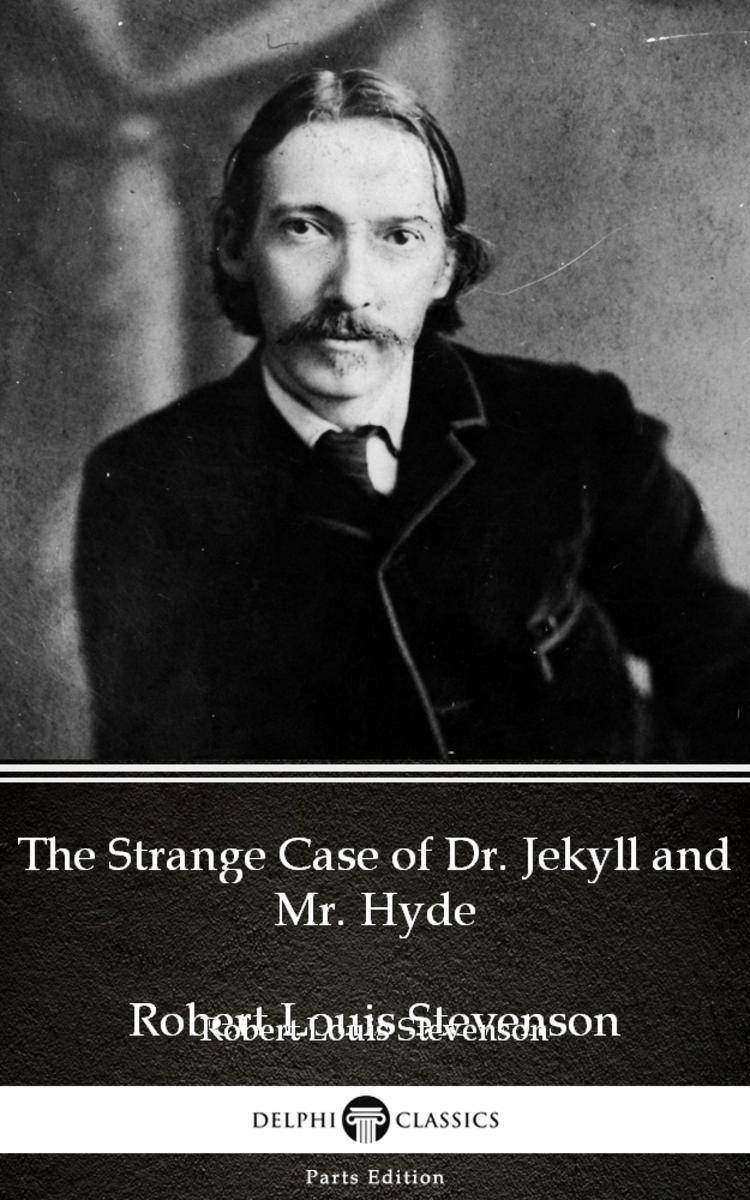
The Strange Case of Dr. Jekyll and Mr. Hyde by Robert Louis Stevenson
¥8.09
This eBook features the unabridged text of ‘The Strange Case of Dr. Jekyll and Mr. Hyde’ from the bestselling edition of ‘The Complete Works of Robert Louis Stevenson’. Having established their name as the leading publisher of classic literature and art, Delphi Classics produce publications that are individually crafted with superior formatting, while introducing many rare texts for the first time in digital print. The Delphi Classics edition of Stevenson includes original annotations and illustrations relating to the life and works of the author, as well as individual tables of contents, allowing you to navigate eBooks quickly and easily.eBook features:* The complete unabridged text of ‘The Strange Case of Dr. Jekyll and Mr. Hyde’* Beautifully illustrated with images related to Stevenson’s works* Individual contents table, allowing easy navigation around the eBook* Excellent formatting of the textPlease visit www.delphiclassics.com to learn more about our wide range of titles
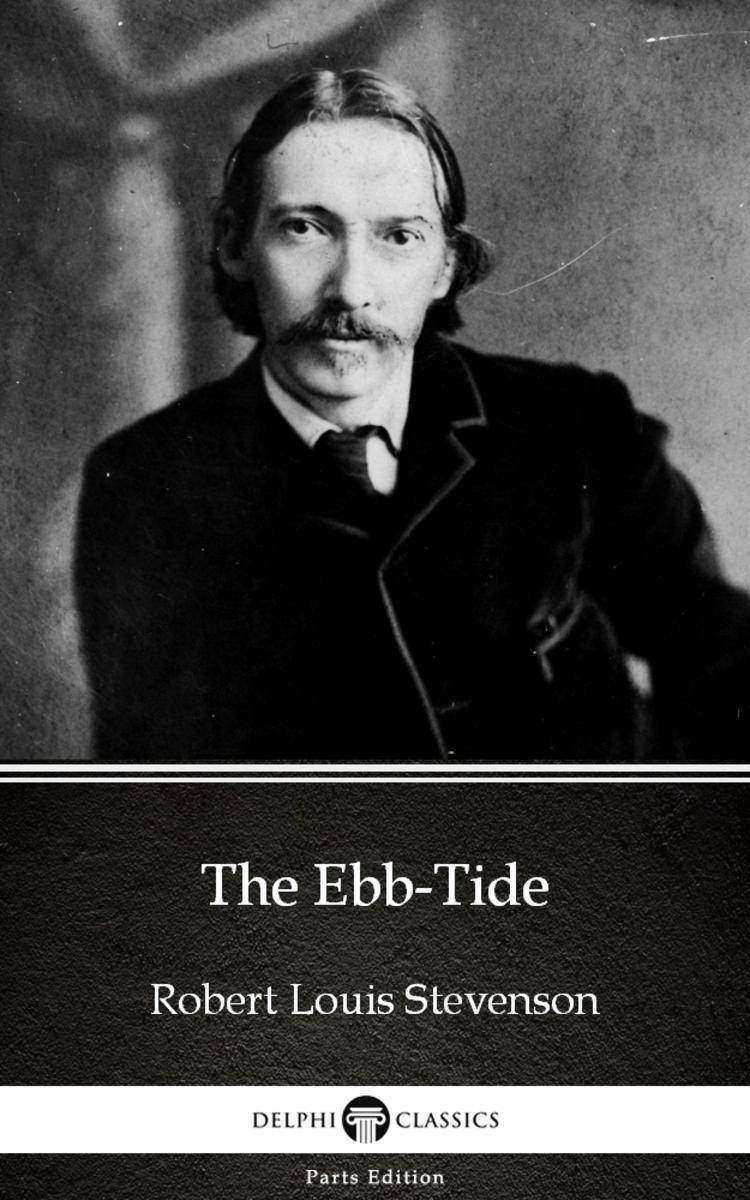
The Ebb-Tide by Robert Louis Stevenson (Illustrated)
¥8.09
This eBook features the unabridged text of ‘The Ebb-Tide’ from the bestselling edition of ‘The Complete Works of Robert Louis Stevenson’. Having established their name as the leading publisher of classic literature and art, Delphi Classics produce publications that are individually crafted with superior formatting, while introducing many rare texts for the first time in digital print. The Delphi Classics edition of Stevenson includes original annotations and illustrations relating to the life and works of the author, as well as individual tables of contents, allowing you to navigate eBooks quickly and easily.eBook features:* The complete unabridged text of ‘The Ebb-Tide’* Beautifully illustrated with images related to Stevenson’s works* Individual contents table, allowing easy navigation around the eBook* Excellent formatting of the textPlease visit www.delphiclassics.com to learn more about our wide range of titles
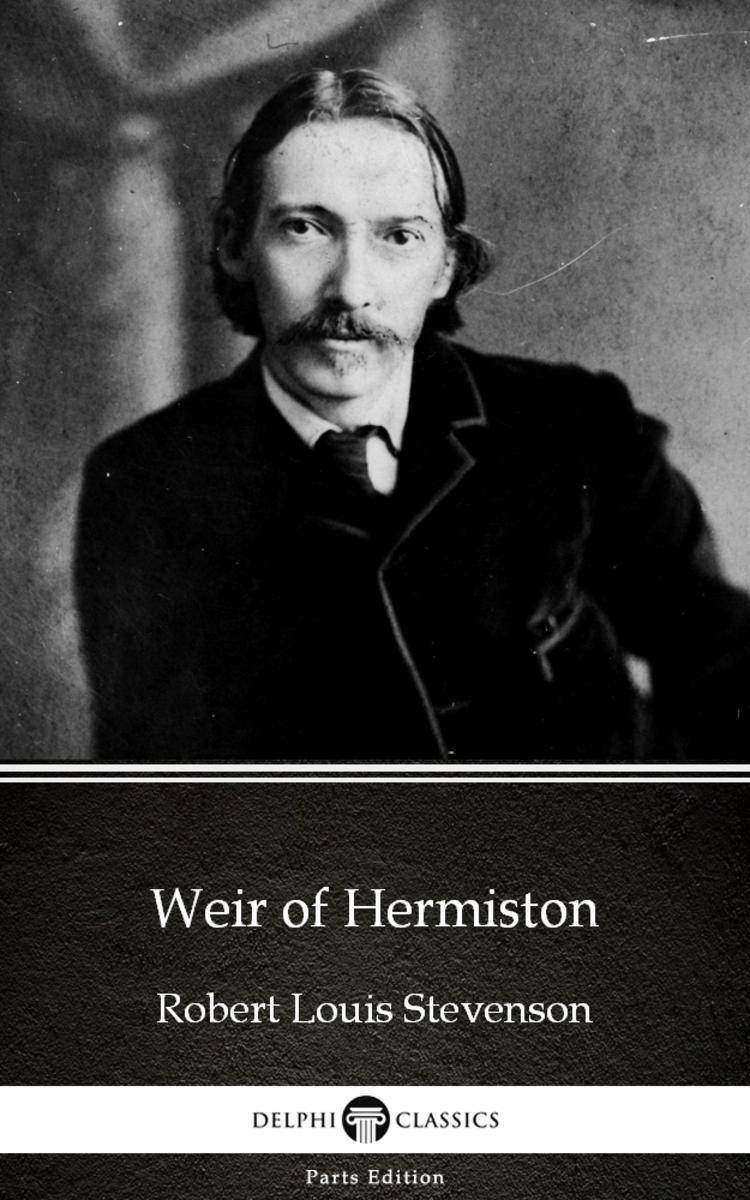
Weir of Hermiston by Robert Louis Stevenson (Illustrated)
¥8.09
This eBook features the unabridged text of ‘Weir of Hermiston’ from the bestselling edition of ‘The Complete Works of Robert Louis Stevenson’. Having established their name as the leading publisher of classic literature and art, Delphi Classics produce publications that are individually crafted with superior formatting, while introducing many rare texts for the first time in digital print. The Delphi Classics edition of Stevenson includes original annotations and illustrations relating to the life and works of the author, as well as individual tables of contents, allowing you to navigate eBooks quickly and easily.eBook features:* The complete unabridged text of ‘Weir of Hermiston’* Beautifully illustrated with images related to Stevenson’s works* Individual contents table, allowing easy navigation around the eBook* Excellent formatting of the textPlease visit www.delphiclassics.com to learn more about our wide range of titles
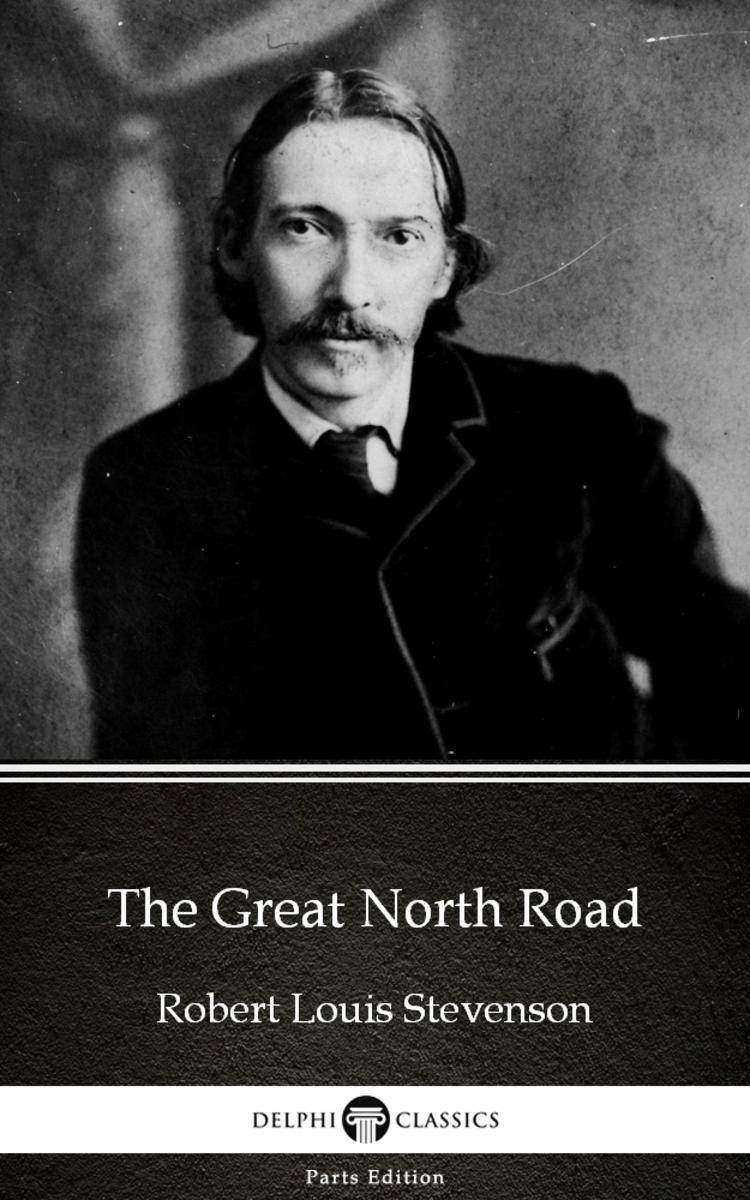
The Great North Road by Robert Louis Stevenson (Illustrated)
¥8.09
This eBook features the unabridged text of ‘The Great North Road’ from the bestselling edition of ‘The Complete Works of Robert Louis Stevenson’. Having established their name as the leading publisher of classic literature and art, Delphi Classics produce publications that are individually crafted with superior formatting, while introducing many rare texts for the first time in digital print. The Delphi Classics edition of Stevenson includes original annotations and illustrations relating to the life and works of the author, as well as individual tables of contents, allowing you to navigate eBooks quickly and easily.eBook features:* The complete unabridged text of ‘The Great North Road’* Beautifully illustrated with images related to Stevenson’s works* Individual contents table, allowing easy navigation around the eBook* Excellent formatting of the textPlease visit www.delphiclassics.com to learn more about our wide range of titles
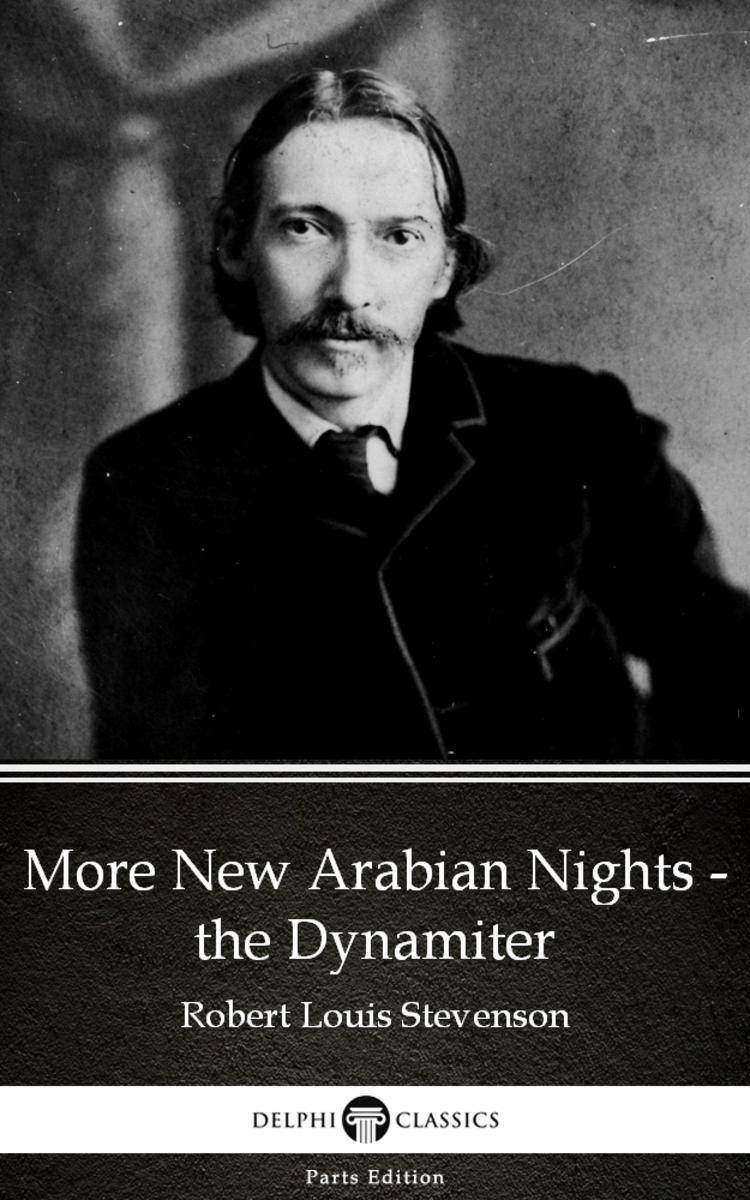
More New Arabian Nights - the Dynamiter by Robert Louis Stevenson (Illustrated)
¥8.09
This eBook features the unabridged text of ‘More New Arabian Nights - the Dynamiter’ from the bestselling edition of ‘The Complete Works of Robert Louis Stevenson’. Having established their name as the leading publisher of classic literature and art, Delphi Classics produce publications that are individually crafted with superior formatting, while introducing many rare texts for the first time in digital print. The Delphi Classics edition of Stevenson includes original annotations and illustrations relating to the life and works of the author, as well as individual tables of contents, allowing you to navigate eBooks quickly and easily.eBook features:* The complete unabridged text of ‘More New Arabian Nights - the Dynamiter’* Beautifully illustrated with images related to Stevenson’s works* Individual contents table, allowing easy navigation around the eBook* Excellent formatting of the textPlease visit www.delphiclassics.com to learn more about our wide range of titles
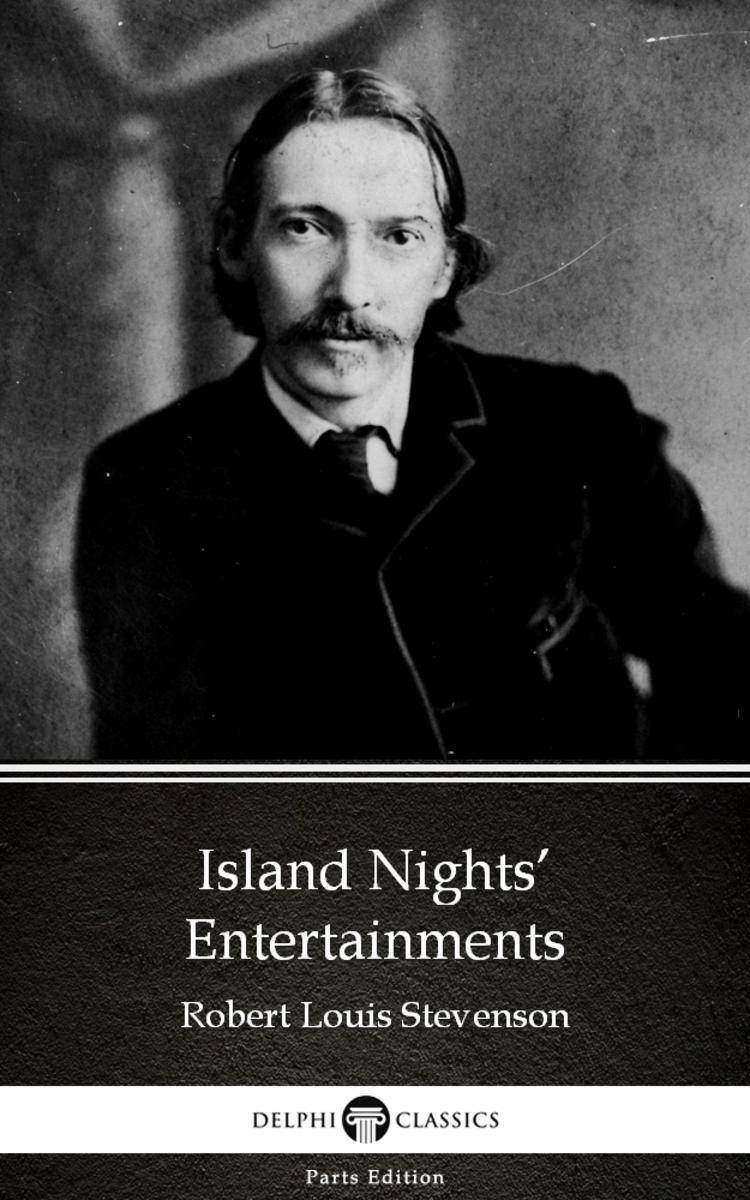
Island Nights’ Entertainments by Robert Louis Stevenson (Illustrated)
¥8.09
This eBook features the unabridged text of ‘Island Nights’ Entertainments’ from the bestselling edition of ‘The Complete Works of Robert Louis Stevenson’. Having established their name as the leading publisher of classic literature and art, Delphi Classics produce publications that are individually crafted with superior formatting, while introducing many rare texts for the first time in digital print. The Delphi Classics edition of Stevenson includes original annotations and illustrations relating to the life and works of the author, as well as individual tables of contents, allowing you to navigate eBooks quickly and easily.eBook features:* The complete unabridged text of ‘Island Nights’ Entertainments’* Beautifully illustrated with images related to Stevenson’s works* Individual contents table, allowing easy navigation around the eBook* Excellent formatting of the textPlease visit www.delphiclassics.com to learn more about our wide range of titles


