


 购物车
购物车 个人中心
个人中心

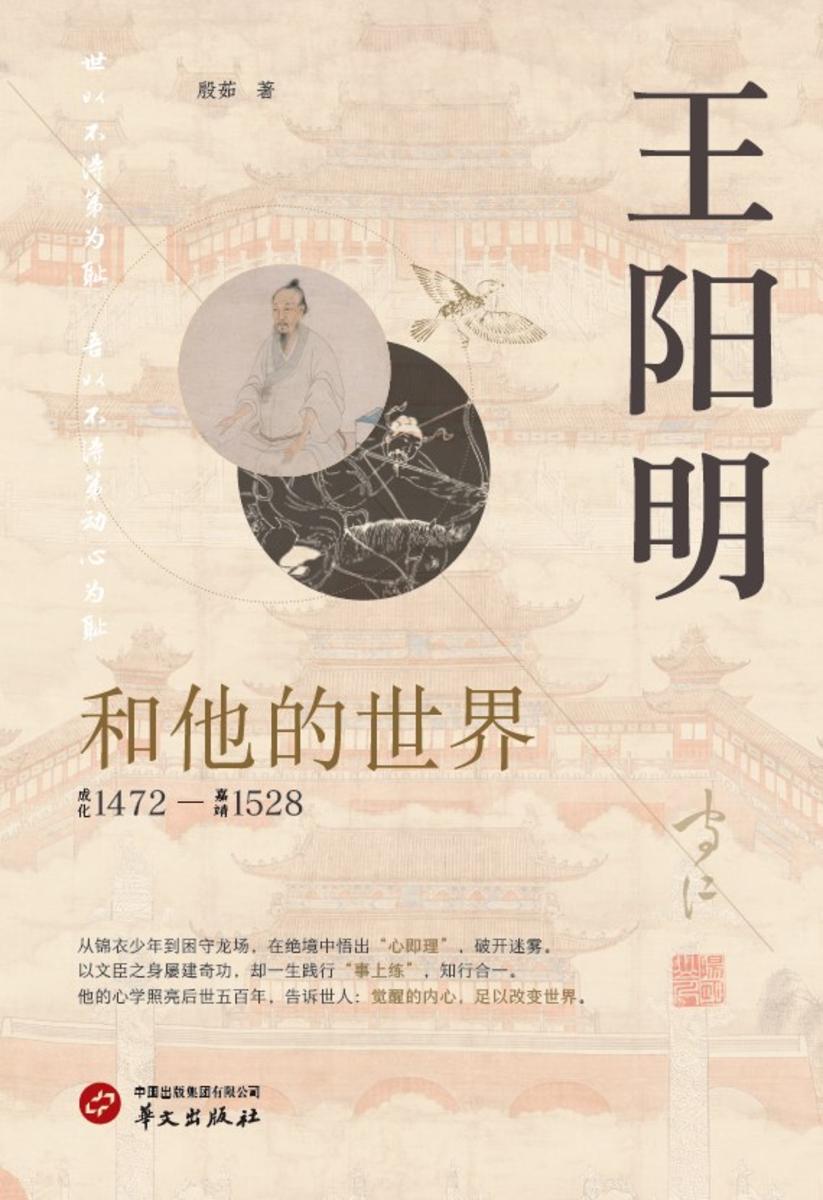
王阳明和他的世界
促销价:¥19.99|¥65.00
本书是一本王阳明通俗传记,以王阳明的一生为线索,以《明实录》《明史》《王阳明年谱》等史籍为依据,讲述了王阳明的家世背景、科举经历、仕途浮沉、龙场悟道、军事成就、病逝归途等人生经历,对王阳明心学思想的形成与发展亦有系统梳理。本书内容详实、脉络清晰,兼具系统性与文学性,适合作为了解王阳明生平的入门读物。

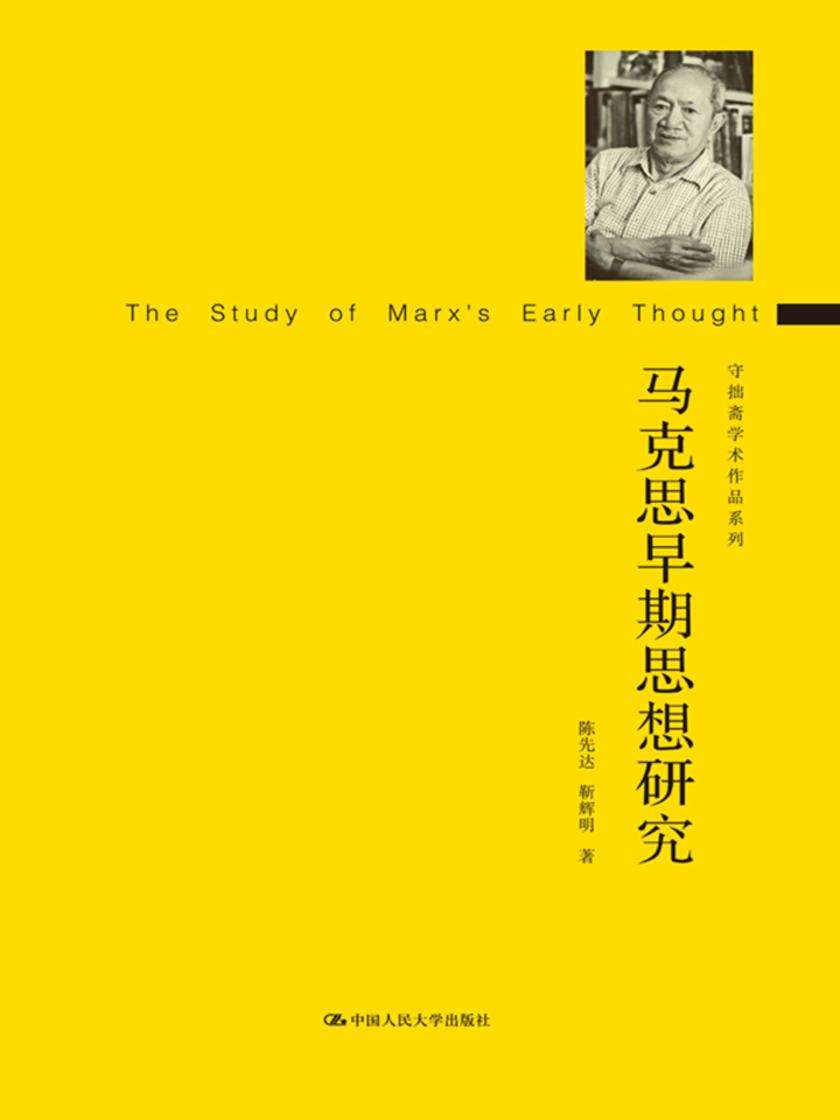
马克思早期思想研究
¥40.28
马克思早期思想的发展是从黑格尔开始,经过费尔巴哈,后“成为马克思”的过程。这也就是通常所说的马克思的思想形成过程。它在整个马克思主义发展史中,占有十分重要的地位,并从19世纪末开始,成为一个专门的研究领域。它之所以不同于马克思思想发展的其他阶段,就因为它是一个形成的过程,是一个从不存在到存在、从不成熟到成熟的发展过程。
形而上学的历史演变
¥40.28
形而上学问题是西方哲学中的核心问题,深研究形而上学问题无论对理解西方哲学还是对研究中国哲学以及当代中国哲学的学科建设都具有重要的理论意义。本书以梳理形而上学的历史演变为主旨,概述了形而上学的概念、问题和历史演变,分别讨论了柏拉图的形式论、亚里士多德的形而上学、中世纪的形而上学、近代早期哲学中的形而上学、康德对形而上学的贡献、黑格尔与古典形而上学的终结、20世纪语言哲学视野下的形而上学、海德格尔与形而上学以及形而上学与后现代主义,大体上概述了形而上学在西方哲学不同历史时期的基本特征和表现形式,并且重分析了在形而上学史上具有里程碑意义的哲学理论,比较全面地梳理了形而上学的历史演变过程。
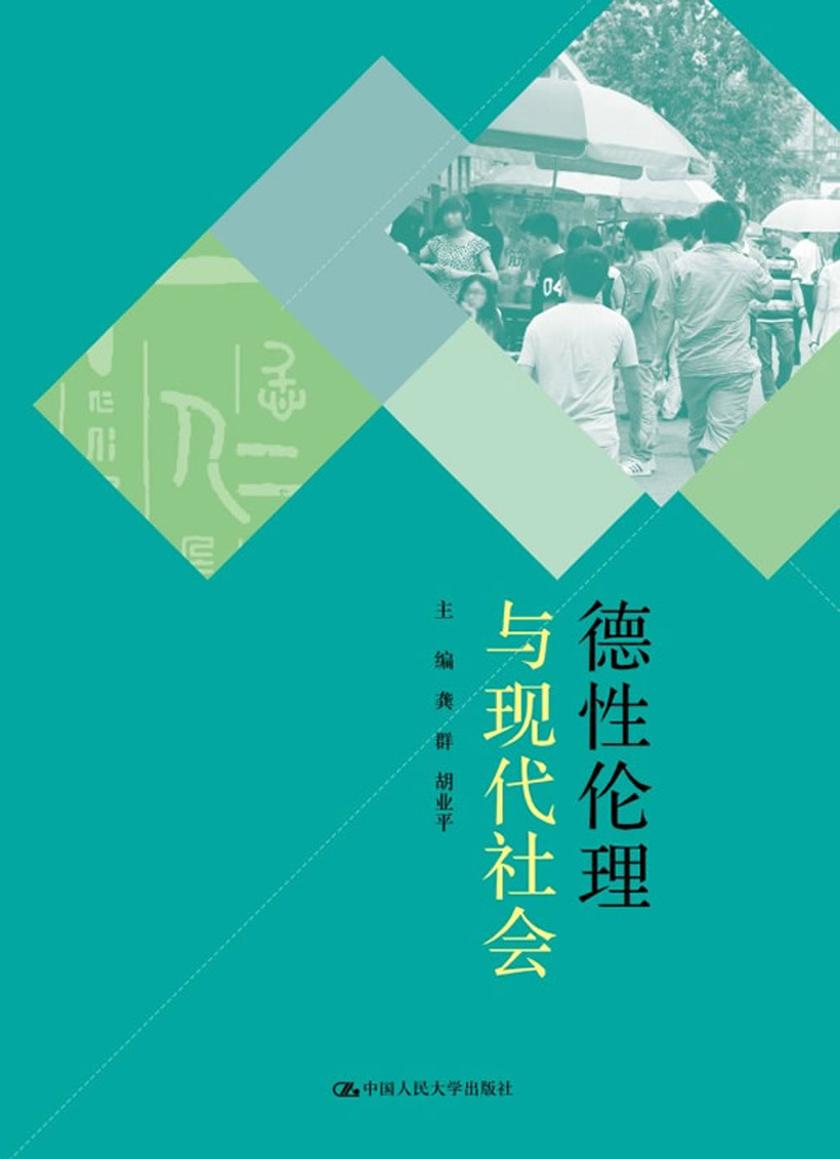
德性伦理与现代社会:2012中国人民大学伦理学与道德建设研究中心国际学术会议论文集
¥40.28
在现代化的程中,传统德性与传统价值不可避免地遇到了现代社会的挑战。在现代社会条件下,随着从传统社会向现代社会的转型,社会道德与道德理论也发生了转换。因此,在现代条件下,传统德性对于现当代社会生活的意义何在?我们是否真的处于“德性之后”的现代社会?2012年中国人民大学伦理学与道德建设研究中心和美国天主教大学价值哲学研究中心共同召国际高端学术会议(《中国哲学前沿》杂志协办),来自美国、意大利、南非、加拿大、澳大利亚、新加坡、巴西、罗马尼亚、吉尔吉斯斯坦、拉脱维亚等国家以及中国台湾、香港等地区的学者和大陆哲学界学者汇集,共同就这一论域发表自己的观。本论文集即选自代表们所提交的论文。
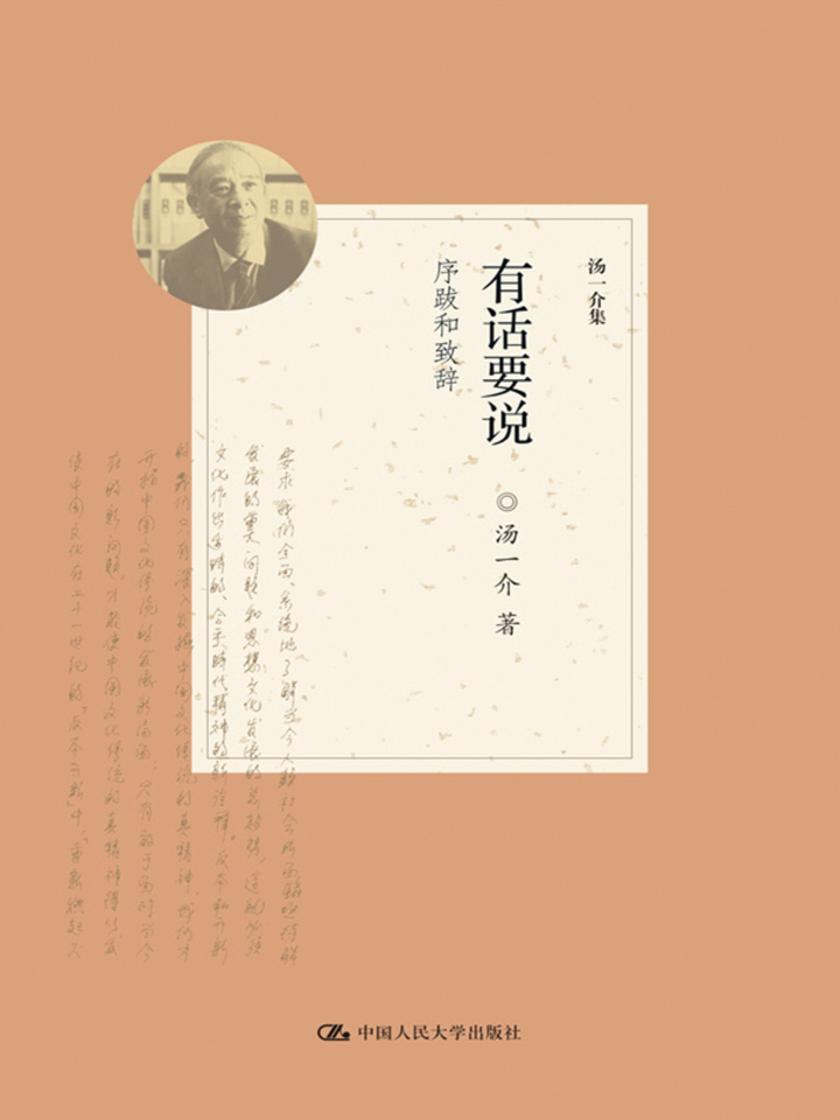
有话要说——序跋和致辞(汤一介集)
¥40.28
本书收了作者为自己和他人写的序跋,以及在一些会议上的致辞。是作者在特定情形下要说的话,展现出作者在许多问题上的独特视角与思考。
总体性与乌托邦——人本主义马克思主义的总体范畴
¥40.28
本书通过考察人本主义马克思主义的总体范畴,阐述了马克思主义的总体观念,发现了马克思主义研究的一个新领域。作者认为,总体范畴在20世纪成为一个重要的哲学范畴是科学发展的结果,总体观念代表了一种与整个近代科学思维方式完全不同的、新的科学的思维方式,在总体范畴的基础上将会建立起一个全新的科学范式。关于人类未来社会的一切构想,也需要从对科学的总体范畴的理解出发,人本主义马克思主义的乌托邦结局不是根源于把总体范畴作为理论前提,而是由于在对总体范畴的理解上出现了偏差。
论资本的二重性兼论公有资本的本质(马克思主义研究论库·第一辑)
¥40.29
杨志著的《论资本的二重性兼论公有资本的本质》的目的是具体地阐明中国特色社会主义理论与马克思列宁主义、*思想之间的内在联系,从而有理有据地说明中国特色社会主义理论既是对马克思主义真诚的坚持,又是对科学社会主义伟大的创新。 本书力图在《资本论》的基础上,揭示资本的二重性从而为中国特色社会主义市场经济终发挥公有资本的作用、为中国特色社会主义政治经济学终建立以公有资本为逻辑主体的理论体系,提供马克思主义的理论依据。
马克思的三大批判:法哲学、政治经济学和形而上学(马克思主义研究论库·第二辑;国家出版基金项目)
¥40.42
本书致力于以马克思文本解读为中心,努力把握马克思自身思想的历史和逻辑线索,将其归结为法哲学、政治经济学和形而上学“三大批判”,以此阐释马克思政治哲学理论体系。马克思的法哲学批判、政治经济学批判与其形而上学批判密切相关,他的实践唯物主义就是政治哲学,其中的核心是唯物史观。唯物史观具有两个理论体系,一个是名词体系,另一个是动名词体系。这一新型政治哲学体系,在资本主义物质生产和再生产基础上阐明资本主义政治生产和再生产、资本主义观念生产和再生产。本书在相关问题上尽可能地建构马克思与其他人的对话关系,并且在若干问题上尽可能地实现理论形态转换。
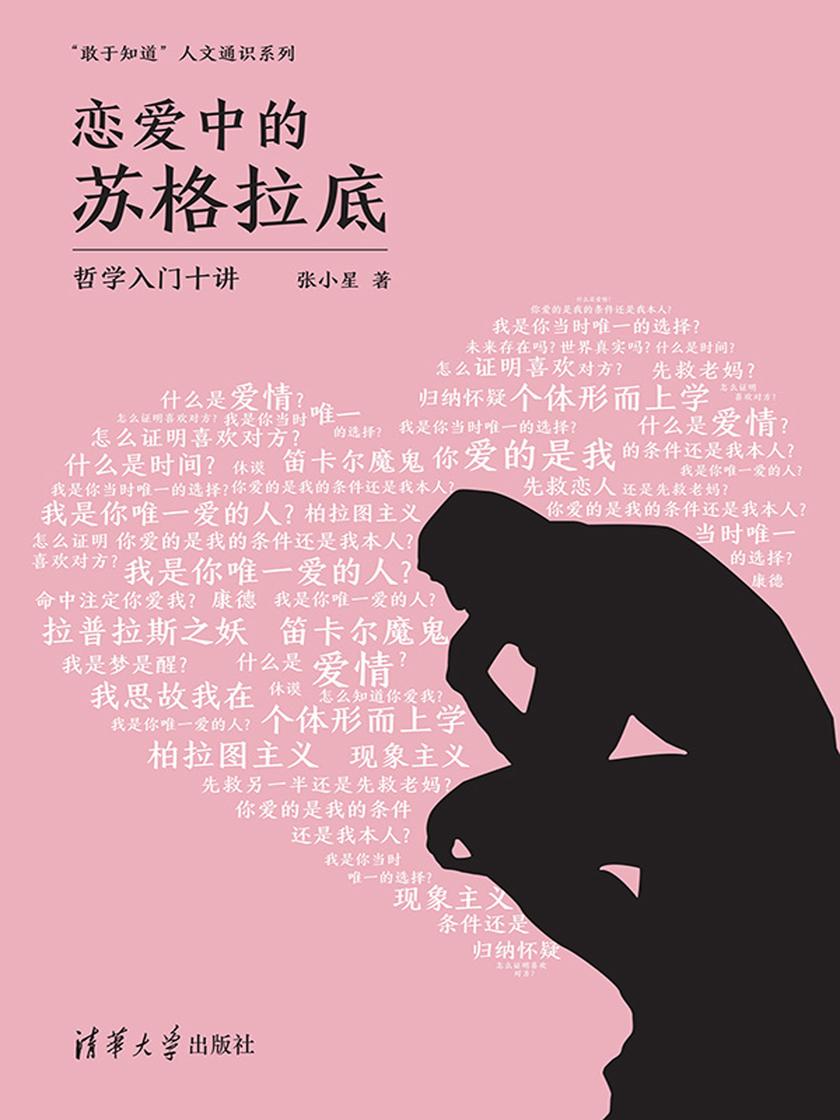
恋爱中的苏格拉底:哲学入门十讲
¥40.60
“你怎么证明喜欢我?” “你爱我的条件还是我本人?” “我们是注定在一起吗?” …… 恋人总爱问这些奇怪的问题。如果你给不出答案,对方一定会非常生气。可是,这些问题其实非常艰深——一个人本人真的和条件不同吗?什么又是“注定在一起”?这些其实都是延续了千百年的哲学问题。 本书以恋爱为视角,通过恋人的十个经典提问,讲解十个基础哲学问题,涵盖认识论、形而上学、伦理学等哲学基本领域。原来,恋人们在认真追问的时候,常常和哲学家不谋而合呢。
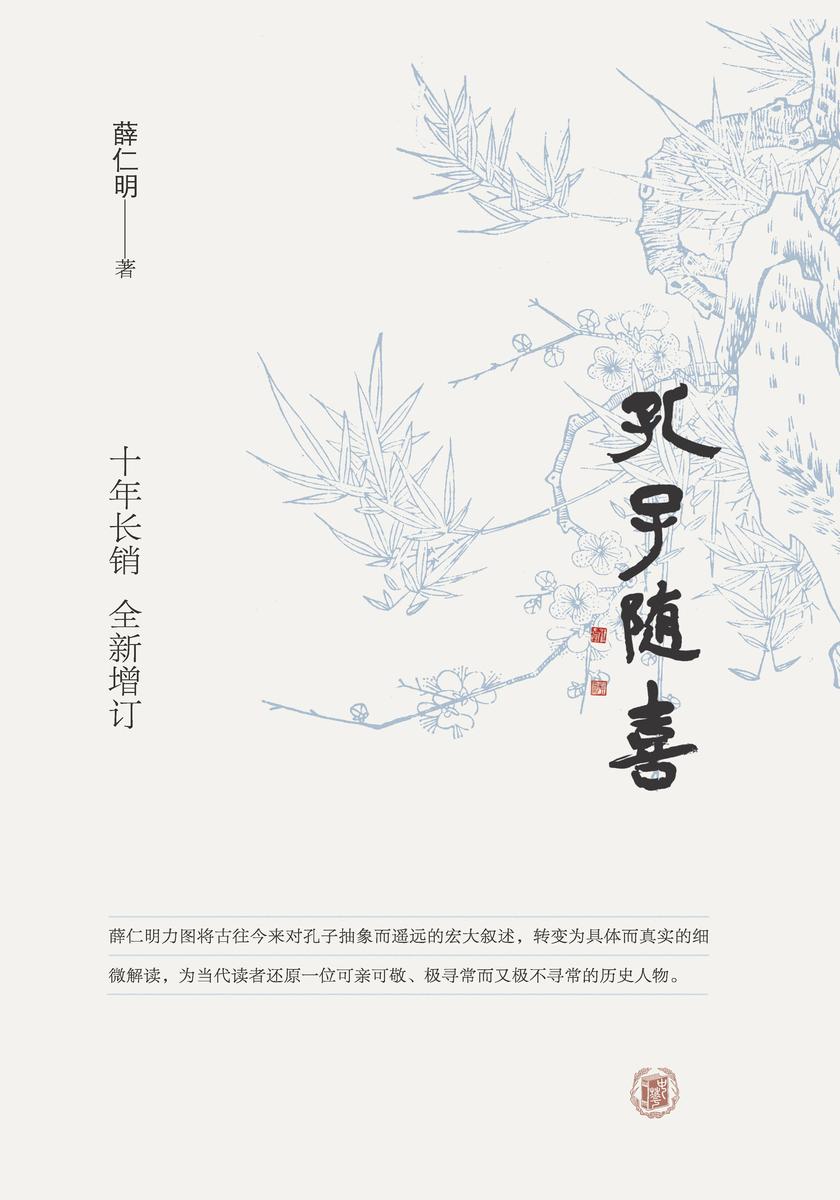
孔子随喜(精) 中华书局出品
¥40.60
中国生命的学问,从来就紧扣着体会与实践,务求当下之对应。《论语》之所以迷人,也正因那里头的生命对应,处处鲜活。薛仁明谈孔子,对应书名,讲的是个“喜”字,如实对应,又随缘欢喜。《孔子随喜》,谈的是两千五百年前的孔门话语,对应的则是这个时代。《论语》是既往,更是当下。 《孔子随喜》是薛仁明代表作,此次由中华书局增订出版,力图将古往今来宏大的虚构的孔子转变为私人的情感和具体的民间解读,把早已概念化的孔子描述成如此有趣、清新、通达且生机活泼的寻常人物,通过薛仁明所看到的那个亲切的孔子,读来令人神清气爽、趣味盎然且气象万千。
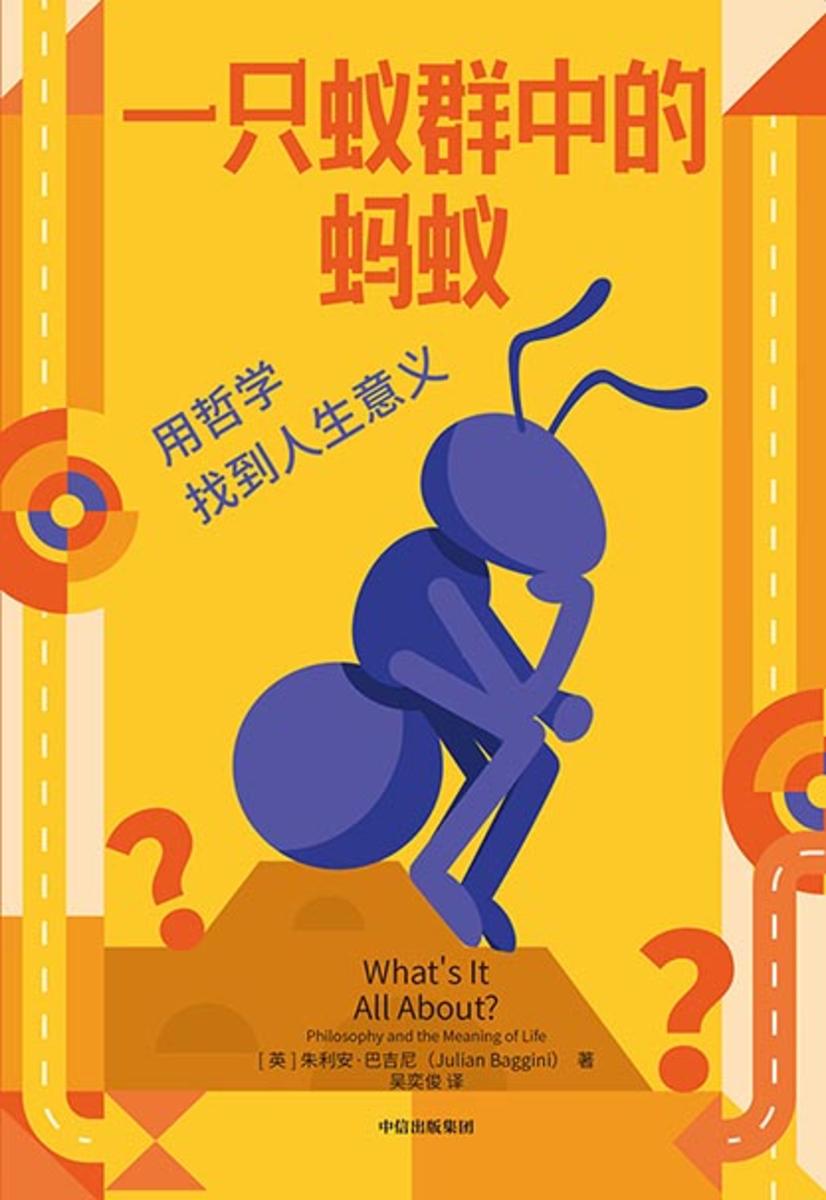
一只蚁群中的蚂蚁
¥40.60
蚁群中为服从集体指令埋头工作的蚂蚁找不到自己的生命意义。集体的发展和进步固然重要,但对每一个个体而言,我们都需要找到自己存在的重要性和价值。 生命的意义究竟是什么?这个问题曾吸引无数伟大哲学家深入探讨,也曾被蒙提·派森剧团以辛辣幽默的方式解构。事实上,许多人觉得追问生命意义本身似乎带着几分浮夸与荒诞——人类的存在背后,真的存在某种深邃的唯 一终 极意义吗? 在这本书中,朱利安·巴吉尼给出了否定答案。他认为,生命并不存在单一的意义,但我们可以通过多种方式在现实世界中寻获意义。通过将虚无缥缈、玄妙深奥的“生命意义”之问,转化为一系列更具体、更贴近现实的追问“什么赋予了生命的目的与价值?”,巴吉尼精辟地剖析了六种常见答案:帮助他人、服务人类、保持快乐、获得成功、珍惜当下以及解放心灵。他经由严密的论证指出,对意义的探寻可以是个性化的、充满力量与希望的。 生命的意义并非空中楼阁,过上有意义的生活本就是我们力所能及之事,只要细心观察,我们便能发现:生命获得意义的途径其实无处不在。我们既能认识到幸福的价值,又能懂得它并非生活的全部;既能理解成功的意义,又不囿于主流价值观对其的狭隘定义;既能体会把握当下的珍贵,又能助力他人活出生命的意义。更重要的是,我们能借由这趟意义探寻之旅,更好地体认爱的价值——它可能是驱使我们做任何事情的* 强 大动因。 巴吉尼不仅援引众多哲学家的思想,还融入日常生活实例,清晰有力地阐明:我们不是蚁群中的蚂蚁,对意义的追寻是一场属于每个人的旅程,而我们每个人都拥有找到答案的能力。
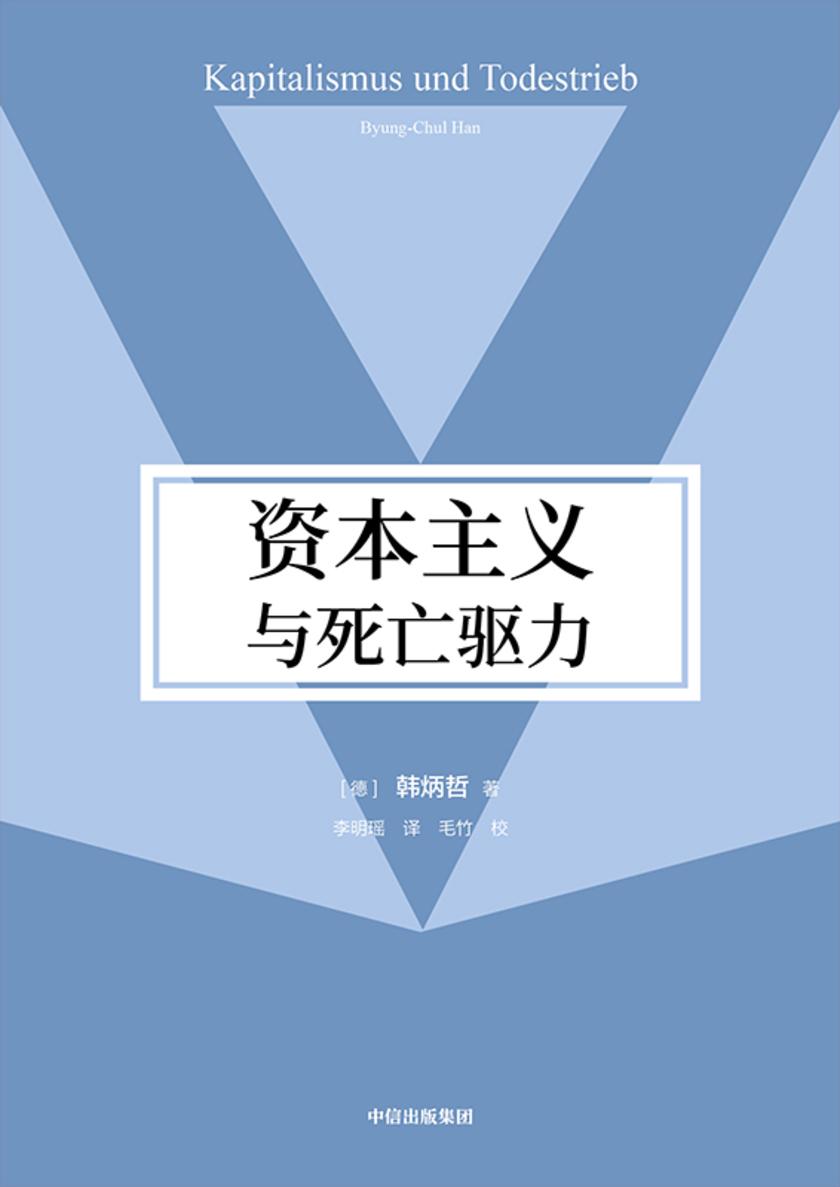
资本主义与死亡驱力
¥40.60
如今我们所说的增长,实际上是一种漫无目的的癌式扩散。我们正在经历一场生产和增长的迷狂,如同死亡幻觉一般。它佯装生机勃勃,掩藏着迫近的致命性灾难。生产越来越趋同于毁灭。“人类的自我异化已经达到一种能将自身的毁灭当作审美快感来体验的程度。”瓦尔特·本雅明对法西斯主义的评价,同样适用于今天的资本主义。 资本主义受困于死亡。对死亡的无意识恐惧驱使着它。死亡的威胁挟制资本主义不断积累和增长。这种胁迫性不仅带来生态上的灾难,也产生精神灾难。破坏性的绩效压力将自我确证和自我毁灭合而为一。人不断优化自我,直至死亡。肆无忌惮的自我剥削致使精神崩溃。 尽管弗洛伊德与死亡有着矛盾的关系,但他完全意识到了生死和解的必然性。对死亡的下意识排斥必须让位于对死亡的自觉纳:“在现实中,在我们的观念里,给予死亡应有的地位,让我们迄今为止如此小心谨慎地压制在潜意识里的死亡不时显身,难道不是更好吗?这似乎不是一种步,反倒像是某种程度的退步,某种回归;但它也有优,即正确认识真相,让我们的生活变得好过。” -------------------- 韩炳哲作品(第2辑) 《山寨:中国式解构》(2023年1月出版) Shanzhai. Dekonstruktion auf Chinesisch. 《超文化:文化与全球化》(2023年1月出版) Hyperkulturalität. Kultur und Globalisierung. 《妥协社会:今日之痛》(2023年1月出版) Palliativgesellschaft. Schmerz heute. 《不在场:东亚文化与哲学》(2023年7月出版) Abwesen. Zur Kultur und Philosophie des Fernen Ostens. 《禅宗哲学》(2023年8月出版) Philosophie des Zen-Buddhismus. 《什么是权力?》(2023年7月出版) Was ist Macht? 《仪式的消失:当下的世界》(2023年8月出版) Vom Verschwinden der Rituale.Eine Topologie der Gegenwart. 《资本主义与死亡驱力》(2023年8月出版) Kapitalismus und Todestrieb. 《沉思的生活,或无所事事》(2023年7月出版) Vita contemplativa.oder von der Untätigkeit. -------------------- 韩炳哲作品(第3辑) 《大地颂歌:花园之旅》(2024年1月即将出版) Lob der Erde. Eine Reise in den Garten. 《时间的香气:驻留的艺术》(2024年1月即将出版) Duft der Zeit. Ein philosophischer Essay zur Kunst des Verweilens. 《叙事的危机》(2024年1月即将出版) Die Krise der Narration.
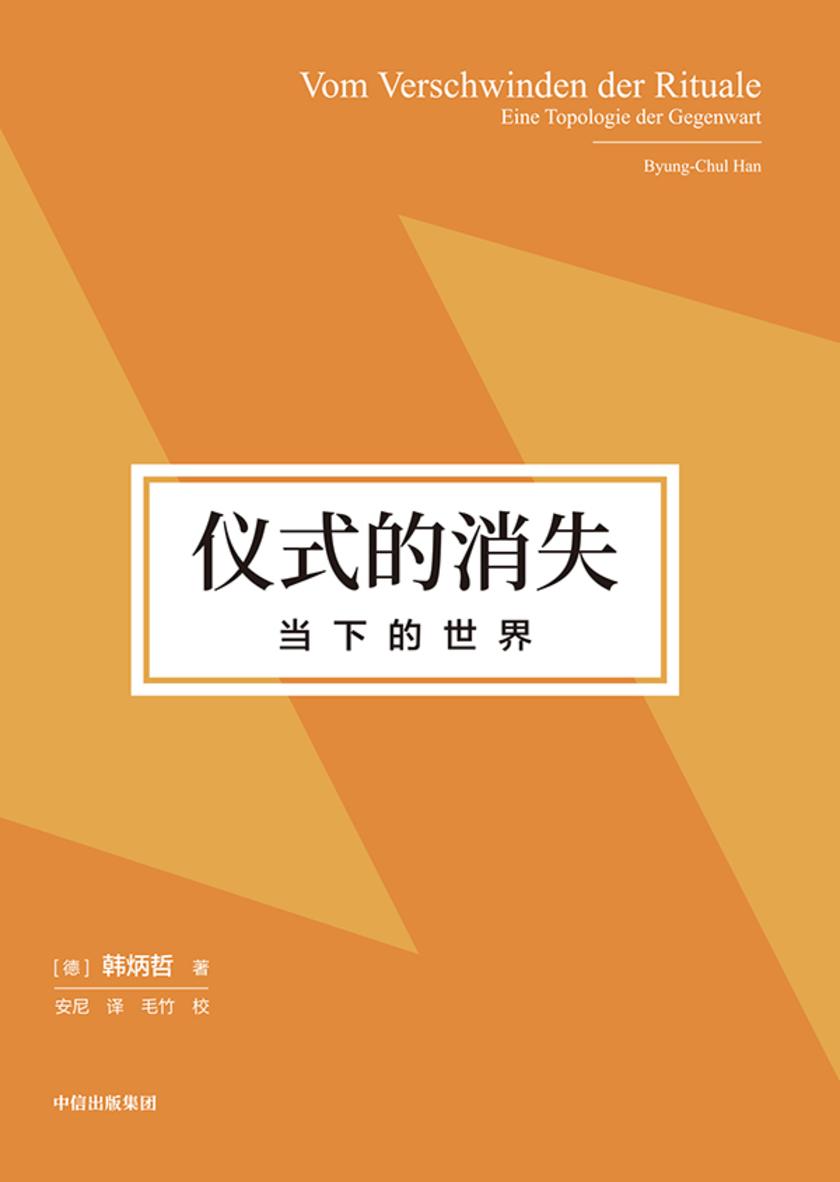
仪式的消失:当下的世界
¥40.60
在本书中,仪式标示的并非人心所向之地。相反,作为一个用来对比、衬托的外壳,它使我们的“当下”得见更为清晰的轮廓。不带怀旧情绪地勾勒出仪式消失的谱系,并不能说是一部解放史。沿着这个谱系会出现“当下”之症,首先是对共同体的侵蚀。与此同时,本书还会思考其他生命形式,它们或许可以将社会从其集体自恋中解放出来。 仪式是一种符号行为。它们流传下来并代表了承载着共同体的价值观和秩序。它们制造出一个没有交际的共同体,而如今一统天下的是没有共同体的交际。 如今的世界在符号方面非常贫乏。数据和信息没有象征力量,因此它们不容被再认识。符号的贫乏使得本来用于创造意义和共同体、稳固生命的图像和隐喻悉数流失。持续的体验在减少,而偶然性在急剧增加。 仪式和典礼是真正的人类行为,令生命显得喜庆又神奇。它们的消失是对生命的亵渎和庸俗化,是把生命变成生存。因此,通过对世界重新附魅,可望获得一种治愈的力量,以抵御集体自恋。 -------------------- 韩炳哲作品(第2辑) 《山寨:中国式解构》(2023年1月出版) Shanzhai. Dekonstruktion auf Chinesisch. 《超文化:文化与全球化》(2023年1月出版) Hyperkulturalität. Kultur und Globalisierung. 《妥协社会:今日之痛》(2023年1月出版) Palliativgesellschaft. Schmerz heute. 《不在场:东亚文化与哲学》(2023年7月出版) Abwesen. Zur Kultur und Philosophie des Fernen Ostens. 《禅宗哲学》(2023年8月出版) Philosophie des Zen-Buddhismus. 《什么是权力?》(2023年7月出版) Was ist Macht? 《仪式的消失:当下的世界》(2023年8月出版) Vom Verschwinden der Rituale.Eine Topologie der Gegenwart. 《资本主义与死亡驱力》(2023年8月出版) Kapitalismus und Todestrieb. 《沉思的生活,或无所事事》(2023年7月出版) Vita contemplativa.oder von der Untätigkeit. -------------------- 韩炳哲作品(第3辑) 《大地颂歌:花园之旅》(2024年1月即将出版) Lob der Erde. Eine Reise in den Garten. 《时间的香气:驻留的艺术》(2024年1月即将出版) Duft der Zeit. Ein philosophischer Essay zur Kunst des Verweilens. 《叙事的危机》(2024年1月即将出版) Die Krise der Narration.
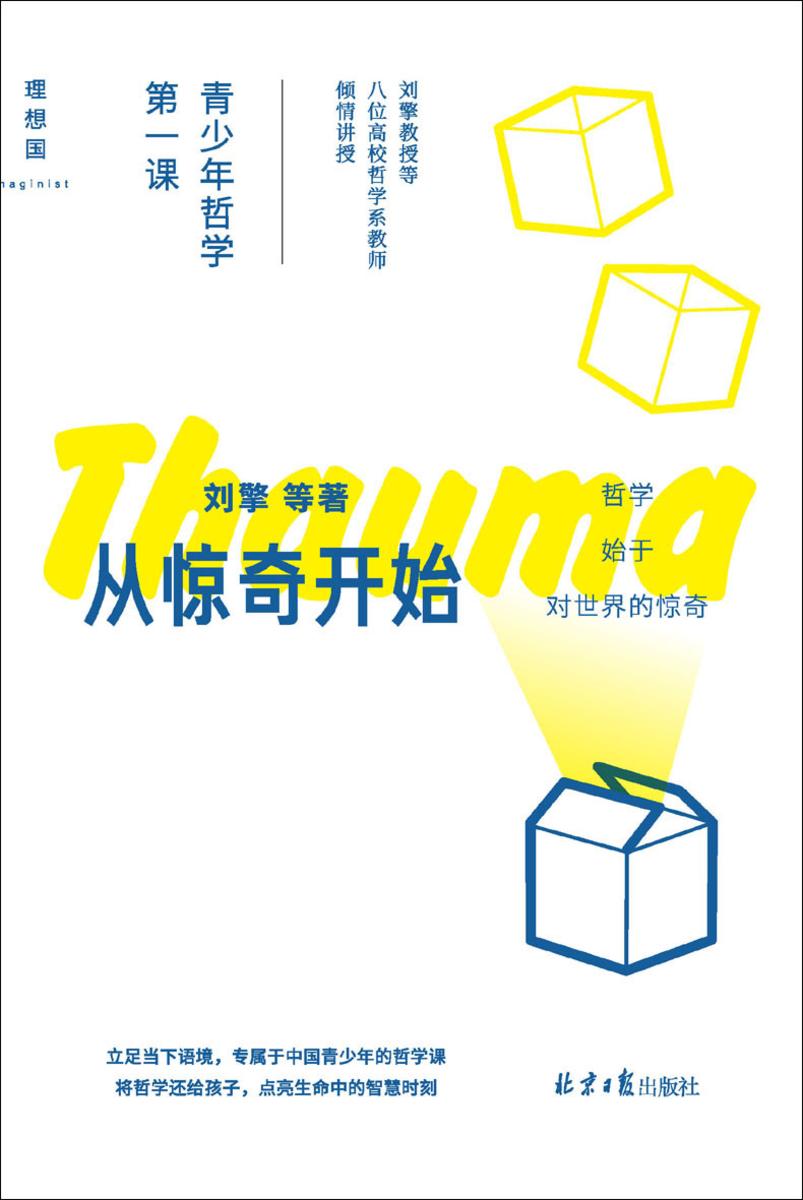
从惊奇开始
¥40.60
青少年亲近哲学,也许就像恋爱一样,是一种本能。当处于这一成长阶段时,他们的自我意识始觉醒,始对世界投以怀疑和好奇的目光,始去追问“我是谁”“我的存在有何不同”“人生的意义是什么”……基于青少年的认知和心理特,立足当下语境,本书邀请八位高校哲学系教师担任主讲人,围绕自我、生命、幸福、爱、心灵、科学等经典哲学问题,以情景化的方式,结合日常生活中的例子,将抽象的哲学概念化为生动的讲述,去回应青少年存在的困惑,启他们的探究与发问之旅,而帮助他们跳脱习以为常的思维,形成自己的独立思考和判断,并让内心变得丰盈而深刻。与此同时,对于所有曾在青少年时期有过这种人生之问或者在长大后的某一时刻重新始思考这些问题的成年人,本书也是一个让你再次踏上自我思考之旅的契机。
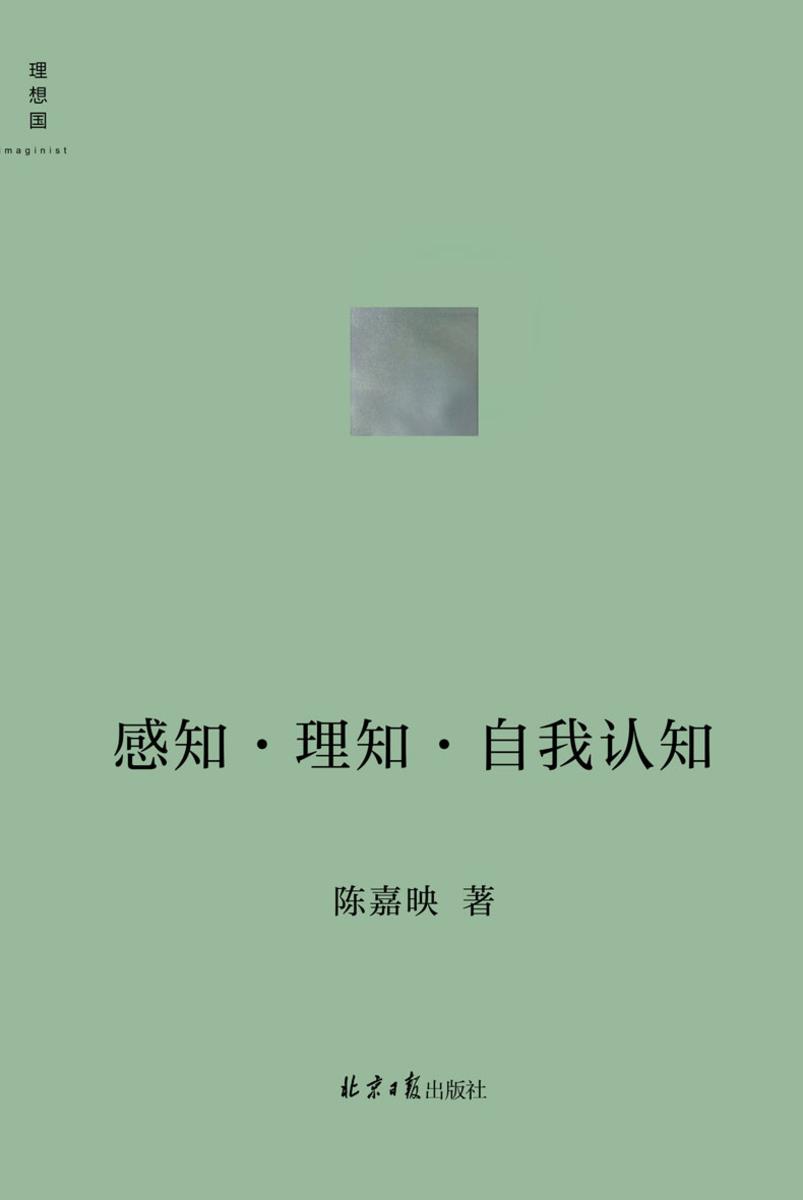
感知·理知·自我认知
¥40.60
“感知”“理知”“自我认知”是著名哲学家陈嘉映先生长期思考和研究的主题。秉持一贯的论述特,在本书中,他从精微的概念辨析手,去分析哲学中此类论理词背后的理路,而拆掉概念的围墙,将其贯穿、通,让我们看到它们之间的联系,以及与我们生活的联系。不管谈感知、理知还是自我认知,他总是连着我们每个人的生活在谈,连着整个时代、人类经历过来的一个个时代在谈。 在今天这个理知落幕的时代,面对技术化、数字化的大形势,如何认知我们在世界中的位置,如何认知我们自身在人之中的位置,本书提供了一个深而又有新意的视角,让我们对这个世界重新产生感觉,更有力量去应对当下的问题。 这不是艰涩的哲学论文,也不是一部研究性著作,而是一位始终关注人在世界之中如何生活的哲学家将他的多年思考以易懂的方式聊给我们听。

日常的深处
¥40.60
在物质生活高度繁荣的今天,人们时常被外物所累,“想”回到相对贫乏的过去,重回人与物的和谐关系。 为什么柴火灶比煤气灶烧菜更香? 为什么自行车比汽车似乎更能承载? 为什么炉子比暖气更暖人心? 这种对过去生活的罗曼蒂克的想法值得玩味。作者王小伟琢磨了一种恰当的、刻画生活的手段,从怀旧的影像中梳理内心,透过自身的经验和长辈的回忆,回顾*十年代以来我们熟悉的技术人工物(俗称“东西”)是如何生灭的,试图解释为什么在之前的岁月物件是如此金贵,仿佛家庭成员,而现在的物件变成了纯粹的商品,不再需要人花心力照顾,只剩下干瘪的使用价值。这或许反映了人们生活底层的逻辑发生了不小的变化。 本书中所谈论的诸多技术物是“70后”“80后”和“90后”共同的回忆,有些是比较单纯的设备,比如电视、手机,有些是直接和生活相关的技术产品,比如住房和穿衣,还有饮食。王小伟以技术哲学为基,打破学术和文学的壁垒,写下这本以日常用品为主角的小书,刻画一段我们共同走过的集体历史。
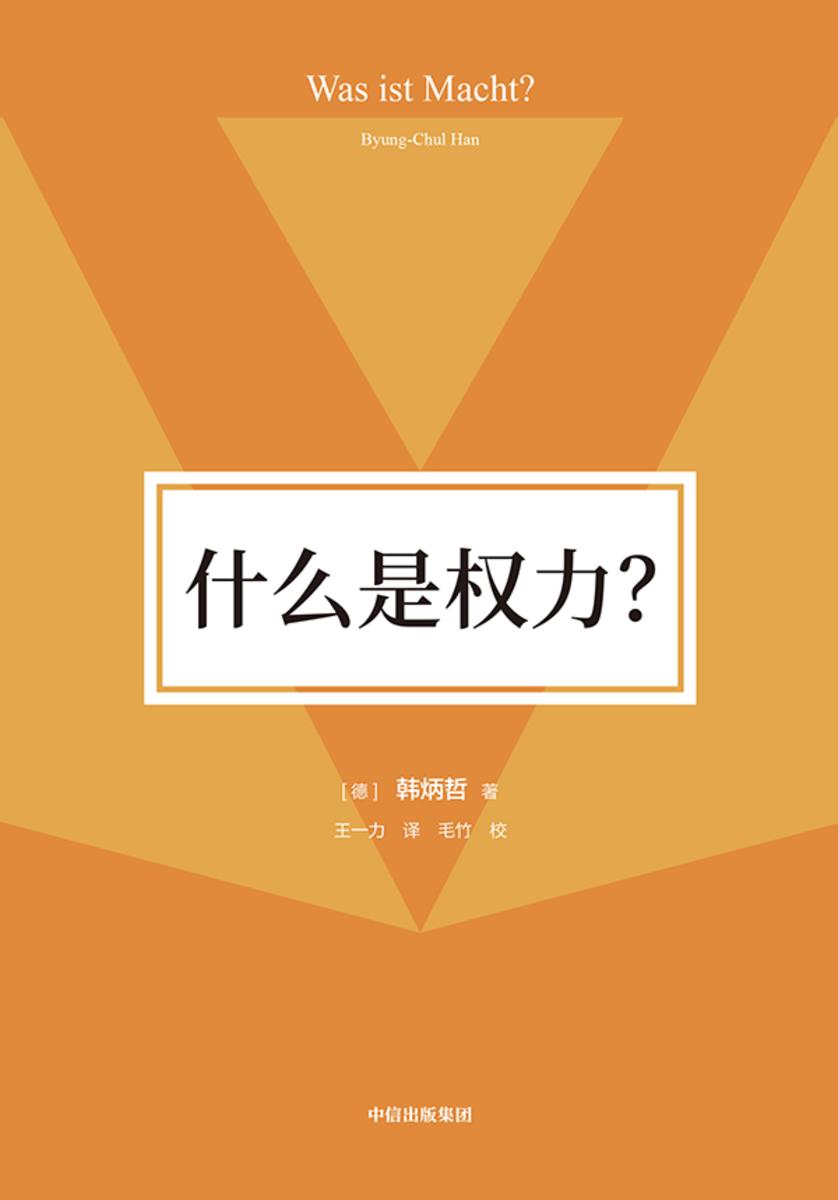
什么是权力?
¥40.60
关于权力概念,仍然存在理论上的混乱。这一现象如此不言而喻,概念本身却如此晦暗不明,二者形成了鲜明对比。对一些人来说,权力意味着压制。对另一些人来说,权力是一种建构性的交往要素。法学、政治学和社会学的权力概念不可调和地相互对立。权力有时关乎自由,有时与胁迫相连。有人认为,权力建立在集体行动之上。其他人认为,它与斗争相结合。有人把权力和暴力截然分。对其他人来说,暴力仅仅是一种强化的权力形式。权力有时与法律相关,有时与专断相结合。 鉴于这种理论上的混乱,应当寻找一个灵活的权力概念,能够把不同的权力观念统一起来。需要制定一种权力的基本形式,通过转变内部的结构要素,从而产生出不同的表现形式。本书正是基于这一理论预设。 在对卢曼、卡内蒂、福柯、海德格尔、施米特、阿伦特、哈贝马斯等人逐一行检阅和辨析后,作者提请我们注意尼采权力意志的另一面向:“它不为自己谋求任何东西,却奉献了自己的一切。” -------------------- 韩炳哲作品(第2辑) 《山寨:中国式解构》(2023年1月出版) Shanzhai. Dekonstruktion auf Chinesisch. 《超文化:文化与全球化》(2023年1月出版) Hyperkulturalität. Kultur und Globalisierung. 《妥协社会:今日之痛》(2023年1月出版) Palliativgesellschaft. Schmerz heute. 《不在场:东亚文化与哲学》(2023年7月出版) Abwesen. Zur Kultur und Philosophie des Fernen Ostens. 《禅宗哲学》(2023年8月出版) Philosophie des Zen-Buddhismus. 《什么是权力?》(2023年7月出版) Was ist Macht? 《仪式的消失:当下的世界》(2023年8月出版) Vom Verschwinden der Rituale.Eine Topologie der Gegenwart. 《资本主义与死亡驱力》(2023年8月出版) Kapitalismus und Todestrieb. 《沉思的生活,或无所事事》(2023年7月出版) Vita contemplativa.oder von der Untätigkeit. 韩炳哲作品(第3辑) 《大地颂歌:花园之旅》(2024年1月即将出版) Lob der Erde. Eine Reise in den Garten. 《时间的香气:驻留的艺术》(2024年1月即将出版) Duft der Zeit. Ein philosophischer Essay zur Kunst des Verweilens. 《叙事的危机》(2024年1月即将出版) Die Krise der Narration.
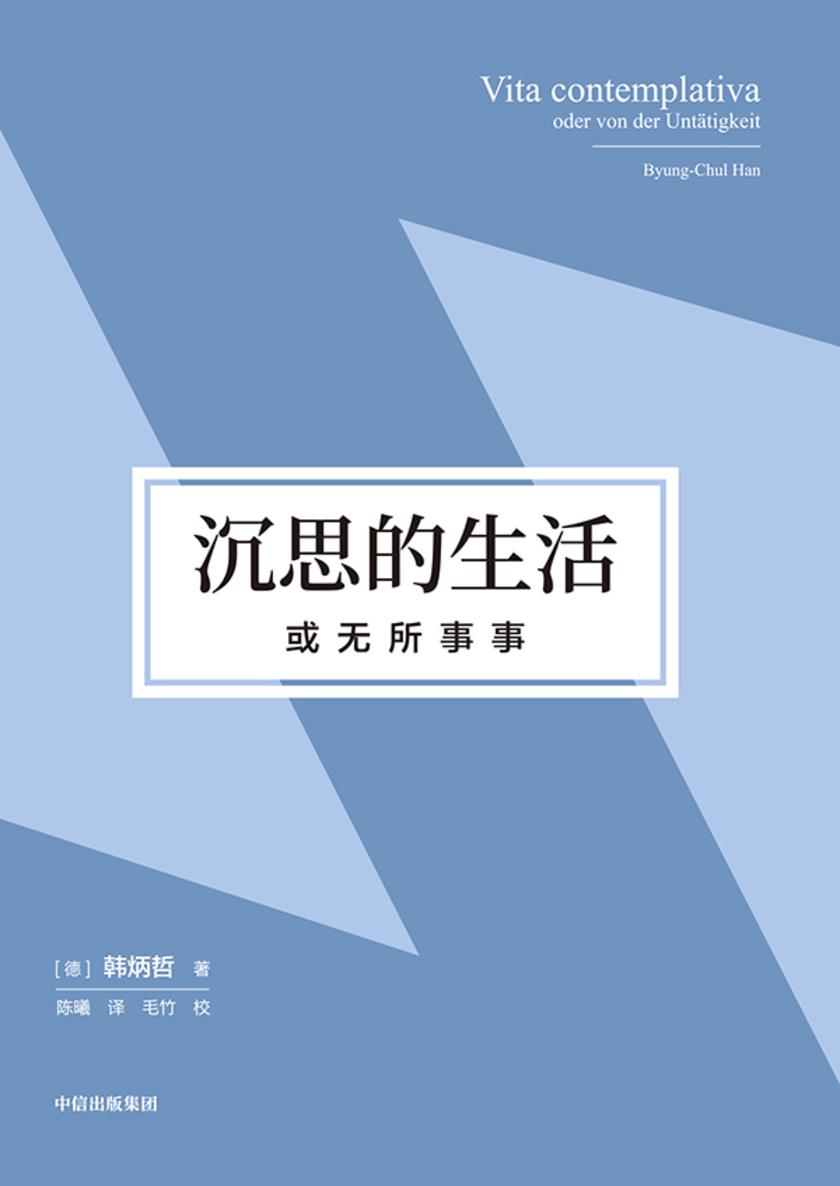
沉思的生活,或无所事事
¥40.60
“滚动着,像石头一样滚动着,按照愚蠢的机械定律。”——我们正在成为这样一群行动者。我们对生活的感知只剩工作和绩效,“无所事事”也就成了我们想尽快清除的赤字。人的存在被行动榨干,变成可以被剥削的对象。我们失去了对无所事事的感知。无所事事不是无力行动、拒绝行动,也不是简单地在行动中缺席,而是一种独立的能力。它有自身的逻辑和语言,有其自身的时间性,有自身的结构与气势,甚至有其自身的魔力。 无所事事是人性的构成部分。它参与到“做”中来,让“做”实实在在具有了人性。倘若没有迟疑和中止,行动将沦为盲目的活动与反应。缺失了安宁,就会出现一种新的野蛮。 假若失去无所事事的能力,我们就会像一部只会运转的机器。对生存的忧虑和纯然属于生命的困苦终止之处,便是真正生命的起。无所事事是人努力的最终目标。在来临中的和平国度里,人不过是“生命体共和国”的公民,与植物、动物、石头、云、星无异。 -------------------- 韩炳哲作品(第2辑) 《山寨:中国式解构》(2023年1月出版) Shanzhai. Dekonstruktion auf Chinesisch. 《超文化:文化与全球化》(2023年1月出版) Hyperkulturalität. Kultur und Globalisierung. 《妥协社会:今日之痛》(2023年1月出版) Palliativgesellschaft. Schmerz heute. 《不在场:东亚文化与哲学》(2023年7月出版) Abwesen. Zur Kultur und Philosophie des Fernen Ostens. 《禅宗哲学》(2023年8月出版) Philosophie des Zen-Buddhismus. 《什么是权力?》(2023年7月出版) Was ist Macht? 《仪式的消失:当下的世界》(2023年8月出版) Vom Verschwinden der Rituale.Eine Topologie der Gegenwart. 《资本主义与死亡驱力》(2023年8月出版) Kapitalismus und Todestrieb. 《沉思的生活,或无所事事》(2023年7月出版) Vita contemplativa.oder von der Untätigkeit. 韩炳哲作品(第3辑) 《大地颂歌:花园之旅》(2024年1月即将出版) Lob der Erde. Eine Reise in den Garten. 《时间的香气:驻留的艺术》(2024年1月即将出版) Duft der Zeit. Ein philosophischer Essay zur Kunst des Verweilens. 《叙事的危机》(2024年1月即将出版) Die Krise der Narration.
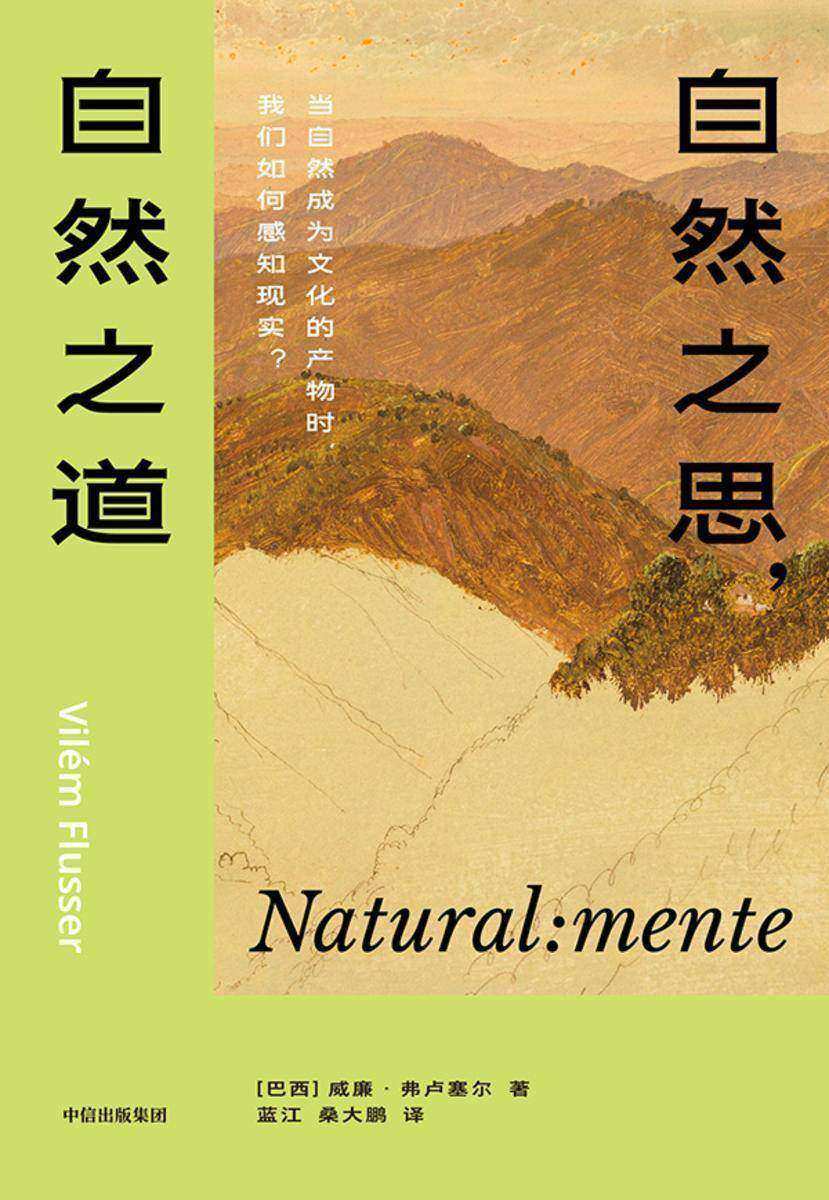
自然之思,自然之道
¥40.60
我们是否生活在纯粹的自然中?还是说,它是人类心灵借由文化呈现的造物?当技术图像等文化产物日益覆盖我们的认知并逐渐成为“第二自然”时,那个曾作为人类思想源头的自然,将走向何方? 在这部首次出版于1979年的哲学随笔中,威廉·弗卢塞尔运用现象学方法,对谷地、奶牛、月亮、草场等15个自然之物进行细致的观察与思考,揭示出一条通往自然真谛的道路:所谓“自然”,从来都是经过文化、技术与语言等媒介编码的文本。我们永远无法“自然而然地”思考自然,因为人类心灵始终是介入它的第 一工具。 由此,自然与文化并非截然对立。在如今被技术图像规训的“后客观时代”,弗卢塞尔倡导一种科学的姿态:认识到自然与文化彼此交织的辩证本性,承认我们深陷于认识对象的纠缠,却依然寻求一种广阔而无成见的视角,并以此实现真正自由的思考与行动。

知行合一王阳明:青少版
¥40.60
本书是度阴山百万级畅销书“知行合一王阳明” 系列的青少版。作者从现代青少年的日常生活出发,针对“立志”“面对困境如何突破自我”“人际交往”等成长问题,从王阳明心学思想中遴选了对应的解决方法,创新性地古为今用,指引孩子认识自我、提升自我、改变人生,他们的视野和格局,启迪孩子思维,让他们的未来拥有更多可能。
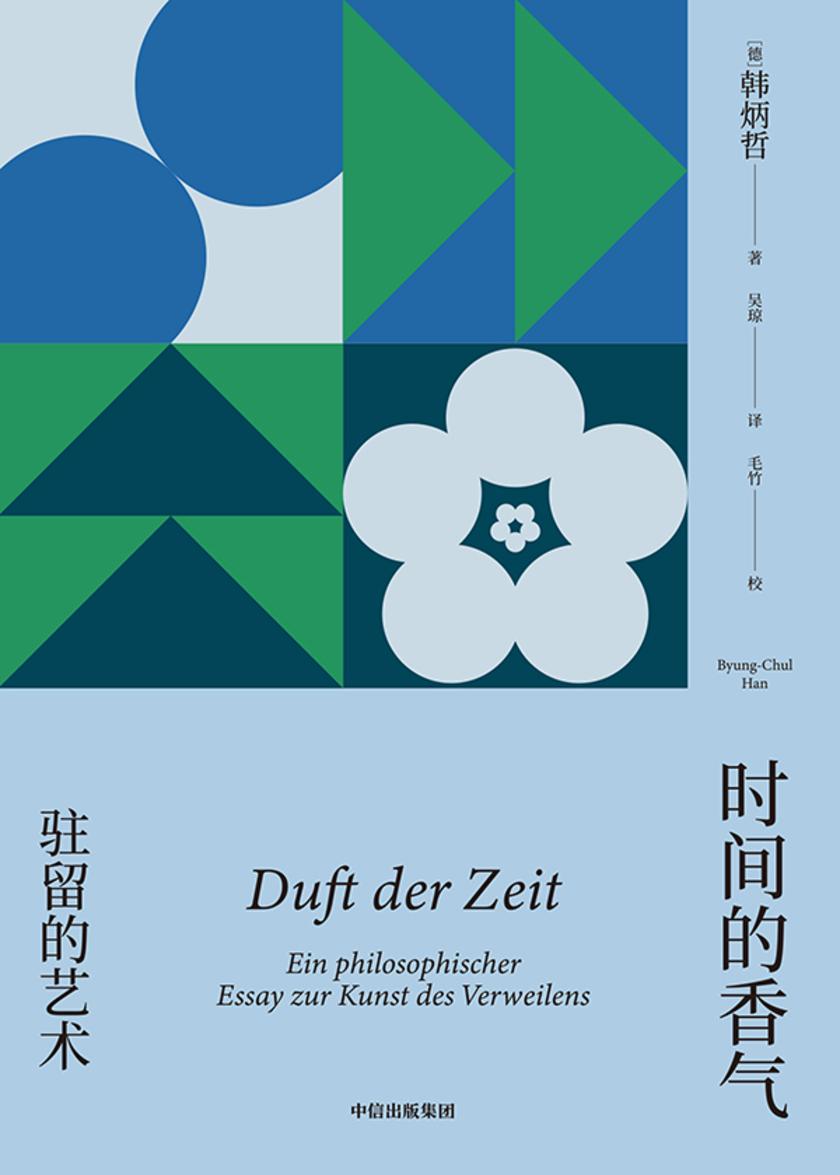
时间的香气:驻留的艺术(韩炳哲作品系列)
¥40.60
如今的时间危机并非加速。加速的时代早已过去。目前我们认为的加速,只是时间涣散的症状之一。今日的时间危机源于一种导致各类时间障碍和错误感知的时间紊乱。时间缺乏有序的节奏,陷失调状态。这种紊乱让时间仿佛在飞驰。 这种时间紊乱并非强制加速的结果,其首要原因是时间的原子化,这也是为什么人们感觉时间的流逝比以往快得多。时间涣散导致人们不可能去经验何为持存。没什么能让时间驻足。生命不再被嵌能创建持存的秩序体或坐标系中。 本书通过回顾历史提请人们注意,必须换一种方式理解日常生活,以避免陷时间危机。作者缅怀的并非“讲述的时间”。讲述的终结,或故事的终结,并不一定意味着时间上的空白。它有可能启一种无关神学和目的论的、散发自己独特香气的生命时间。它的前提是让“沉思的生活”复苏。 -------------------- 韩炳哲作品(第2辑) 《山寨:中国式解构》(2023年1月出版) Shanzhai. Dekonstruktion auf Chinesisch. 《超文化:文化与全球化》(2023年1月出版) Hyperkulturalität. Kultur und Globalisierung. 《妥协社会:今日之痛》(2023年1月出版) Palliativgesellschaft. Schmerz heute. 《不在场:东亚文化与哲学》(2023年7月出版) Abwesen. Zur Kultur und Philosophie des Fernen Ostens. 《禅宗哲学》(2023年8月出版) Philosophie des Zen-Buddhismus. 《什么是权力?》(2023年7月出版) Was ist Macht? 《仪式的消失:当下的世界》(2023年8月出版) Vom Verschwinden der Rituale.Eine Topologie der Gegenwart. 《资本主义与死亡驱力》(2023年8月出版) Kapitalismus und Todestrieb. 《沉思的生活,或无所事事》(2023年7月出版) Vita contemplativa.oder von der Untätigkeit. 韩炳哲作品(第3辑) 《大地颂歌:花园之旅》(2024年5月出版) Lob der Erde. Eine Reise in den Garten. 《时间的香气:驻留的艺术》(2024年5月出版) Duft der Zeit. Ein philosophischer Essay zur Kunst des Verweilens. 《叙事的危机》(2024年5月出版) Die Krise der Narration.


