


 购物车
购物车 个人中心
个人中心
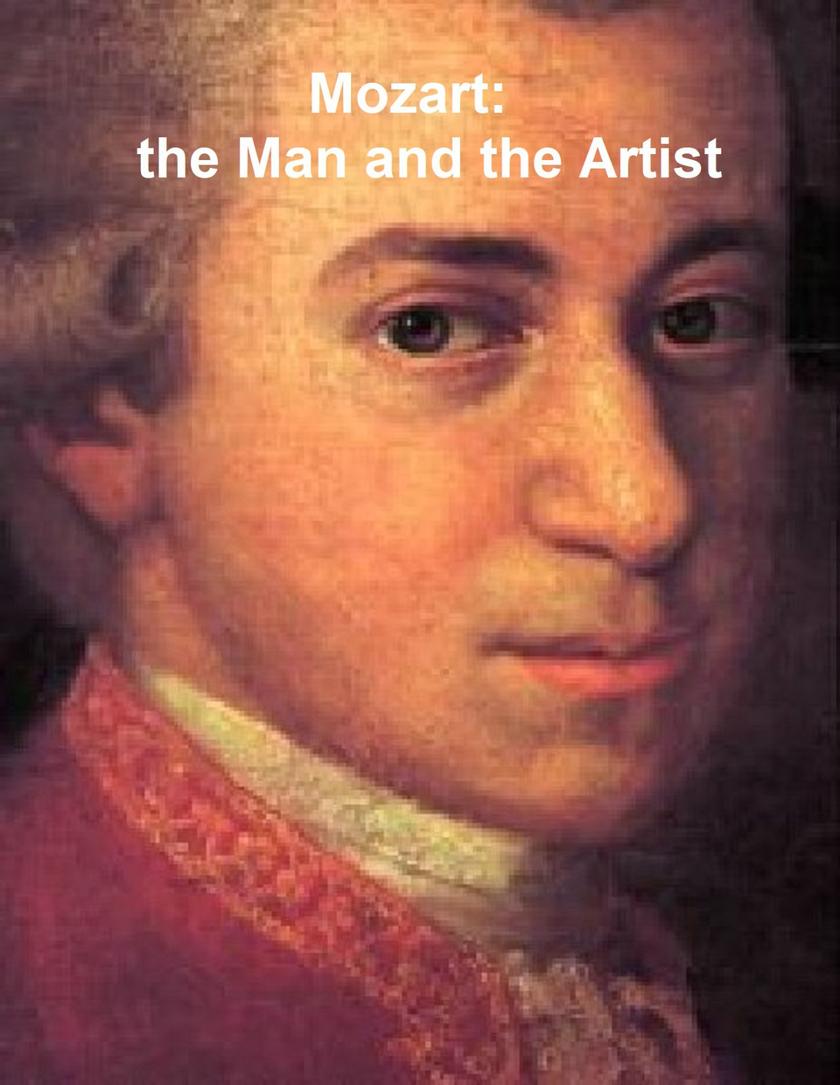
Mozart, the Man and the Artist, as Revealed in His Own Words
¥8.09
Biography, first published in1905. According to Wikipedia: "Wolfgang Amadeus Mozart (27 January 1756 – 5 December 1791), was a prolific and influential composer of the Classical era. He composed over 600 works, many acknowledged as pinnacles of symphonic, concertante, chamber, piano, operatic, and choral music. He is among the most enduringly popular of classical composers. Mozart showed prodigious ability from his earliest childhood in Salzburg. Already competent on keyboard and violin, he composed from the age of five and performed before European royalty; at 17 he was engaged as a court musician in Salzburg, but grew restless and traveled in search of a better position, always composing abundantly. While visiting Vienna in 1781, he was dismissed from his Salzburg position. He chose to stay in the capital, where he achieved fame but little financial security. During his final years in Vienna, he composed many of his best-known symphonies, concertos, and operas, and the Requiem. The circumstances of his early death have been much mythologized. He was survived by his wife Constanze and two sons. Mozart learned voraciously from others, and developed a brilliance and maturity of style that encompassed the light and graceful along with the dark and passionate—the whole informed by a vision of humanity "redeemed through art, forgiven, and reconciled with nature and the absolute."[2] His influence on subsequent Western art music is profound. Beethoven wrote his own early compositions in the shadow of Mozart, of whom Joseph Haydn wrote that "posterity will not see such a talent again in 100 years."
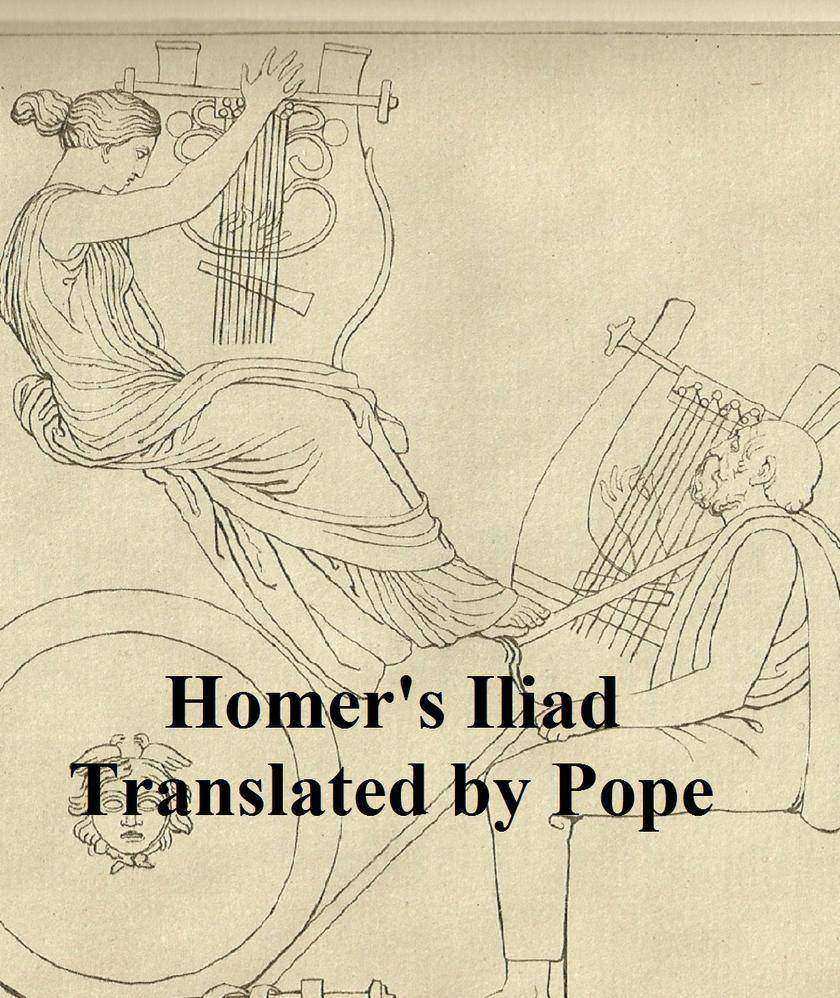
Homer's Iliad
¥8.09
Alexander Pope's verse translation (rhyming couplets). With 28 illustrations by John Flaxman. According to Wikipedia: "Homer is a legendary ancient Greek epic poet, traditionally said to be the author of the epic poems the Iliad and the Odyssey. The ancient Greeks generally believed that Homer was a historical individual, but modern scholars are skeptical: no reliable biographical information has been handed down from classical antiquity, and the poems themselves manifestly represent the culmination of many centuries of oral story-telling and a well-developed "formulaic" system of poetic composition. According to Martin West, "Homer" is "not the name of a historical poet, but a fictitious or constructed name." The poems are now widely regarded as the culmination of a long tradition of orally composed poetry, but the way in which they reached their final written form, and the role that an individual poet, or poets, played in this process is disputed... Alexander Pope (21 May 1688 – 30 May 1744) was an 18th-century English poet, best known for his satirical verse and for his translation of Homer. Famous for his use of the heroic couplet, he is the third-most frequently quoted writer in The Oxford Dictionary of Quotations, after Shakespeare and Tennyson... John Flaxman R.A. (6 July 1755 – 7 December 1826) was a British sculptor and draughtsman, and a leading figure in British and European Neoclassicism. Early in his career he worked as a modeller for Josiah Wedgwood's pottery. He spent several years in Rome, where he produced his first book illustrations. He was a prolific maker of funerary monuments."
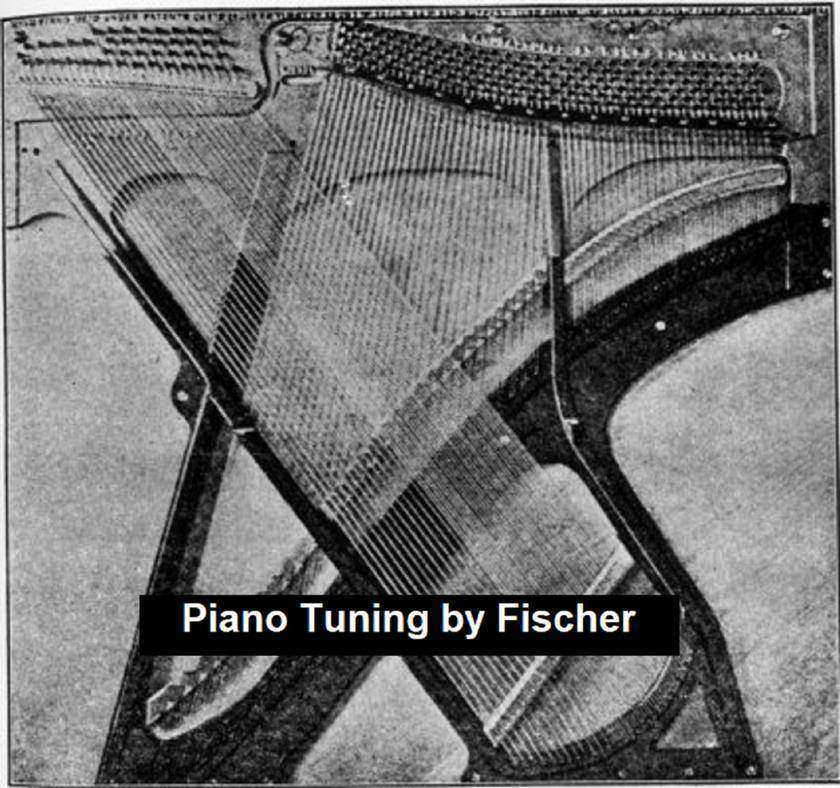
Piano Tuning
¥8.09
Piano Tuning
Chapters of Opera
¥8.09
Chapters of Opera
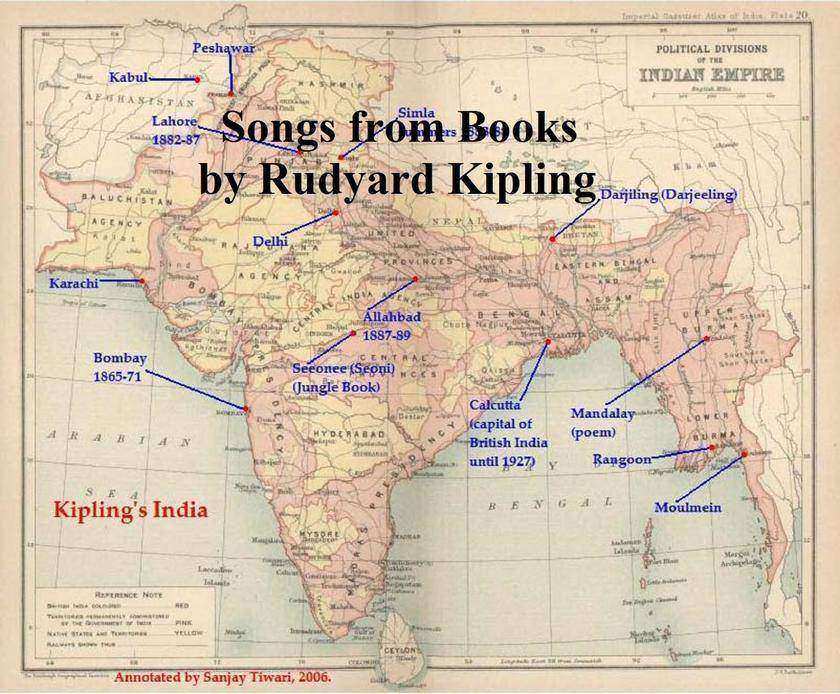
Songs from Books
¥8.09
Songs from Books

The Sot-Weed Factor
¥8.09
The Sot-Weed Factor
Chopin and Other Musical Essays
¥8.09
Chopin and Other Musical Essays
Life of Chopin
¥8.09
Life of Chopin
Ein Sommernachtstraum - Mid-Summer Night's Dream
¥8.09
Shakespeare-Kom?die, ins Deutsche übersetzt. Laut Wikipedia: "Ein Sommernachtstraum ist ein Stück, das von William Shakespeare geschrieben wurde. Es soll zwischen 1590 und 1596 geschrieben worden sein. Es zeigt die Ereignisse um die Hochzeit des Herzogs von Athen, Theseus und der K?nigin von die Amazonen, Hippolyta.Sie schlie?en die Abenteuer von vier jungen athenischen Liebhabern und einer Gruppe von 6 Laiendarstellern ein, die von den Feen, die den Wald bewohnen, in dem das meiste Stück spielt, manipuliert werden.Das Stück ist eines von Shakespeares beliebtesten Werken für die Bühne und wird auf der ganzen Welt weit verbreitet. "
De Turkey and De Law
¥8.09
According to Wikipedia: "Zora Neale Hurston (January 7, 1891 – January 28, 1960) was an American folklorist and author during the time of the Harlem Renaissance, best known for the 1937 novel Their Eyes Were Watching God. In 2002, scholar Molefi Kete Asante listed Zora Neale Hurston on his list of 100 Greatest African Americans."
La Esmeralda
¥8.09
Pièce classique / livret de Hugo, basé sur une scène de son roman Notre Dame de Paris (Le Bossu de Notre Dame), en fran?ais original. Selon Wikipedia: "Victor-Marie Hugo (26 février 1802 - 22 mai 1885) était un poète, dramaturge, romancier, essayiste, artiste visuel, homme d'?tat, militant des droits de l'homme et représentant du mouvement romantique en France. La renommée littéraire vient d'abord de sa poésie, mais repose aussi sur ses romans et ses réalisations dramatiques Parmi les nombreux volumes de poésie, Les Contemplations et La Légende des siècles sont particulièrement estimés et Hugo est parfois identifié comme le plus grand poète fran?ais. La France, ses ?uvres les plus connues sont les romans Les Misérables et Notre-Dame de Paris (connu aussi en anglais sous le titre de Le Bossu de Notre-Dame), bien que conservateur conservateur dans sa jeunesse, Hugo devint plus libéral au fil des décennies. il est devenu un partisan passionné du républicanisme et son travail touche à la plupart des questions politiques et sociales et aux tendances artistiques de son temps: il est enterré au Panthéon.
Hernani
¥8.09
1411/5000 Le drame classique a d'abord joué et publié en 1830. La pièce elle-même est en fran?ais, mais l'introduction est en anglais. Selon Wikipedia: ? Hernani est un drame du poète fran?ais Victor Hugo Le jeu est ouvert à Paris le 25 Février, 1830 Aujourd'hui est le drame pour les manifestations qui ont accompagné la première, et pour l'opéra de Verdi Ernani l'inspiration que pour son .. mérites est ... Victor-Marie Hugo (26 Février 1802-1822 mai 1885) était un poète fran?ais, auteur dramatique, romancier, essayiste, artiste plasticien, homme d'?tat, des militants des droits de l'homme et des représentants du mouvement romantique en France en France, Hugo est littéraire renommée principalement de ses poèmes, mais aussi de ses romans et ses Leistungen.Von dramatique de nombreux livres de poésie sont Contemplations et la Légende des particulièrement élevé en siècle le prestige et Hugo parfois, il est considéré comme le plus grand poète fran?ais, ses ?uvres les plus célèbres hors de France les romans Les Misérables et Notre-Dame de Paris (aussi connu comme le bossu de Notre-Dame) royal quand il était jeune, Hugo est devenu plus libéral que les décennies passées; il est devenu un partisan passionné de républicanisme, et son travail touche les questions les plus politiques et sociales et les tendances artistiques de son époque. Il est enterré au Panthéon. "
La Legende des Siecles
¥8.09
Poème de livre classique, publié à l'origine en 1859. Le poème est en fran?ais; la préface est en anglais. Selon Wikipédia: ?La Légende des siècles est un recueil de poèmes de Victor Hugo, con?u comme une immense représentation de l'histoire et de l'évolution de l'humanité, écrite par intermittence entre 1855 et 1876, tandis que Victor Hugo exilé travaillait sur de nombreux autres projets. Des poèmes ont été publiés en trois séries en 1859, 1877 et 1883. Témoin d'un talent poétique inégalé dans lequel tout l'art de Hugo est évident, la Légende des Siècles est souvent considérée comme la seule véritable épopée fran?aise et, selon la formulation de Baudelaire, la seule ?popée moderne possible Le poète rêveur contemple le ?mur des siècles?, indistinct et terrible, sur lequel sont dessinées des scènes du passé, du présent et du futur, et où l'on peut voir toute la longue procession de l'humanité. de ces scènes, fugitivement per?u et entrecoupé de visions terrifiantes.Hugo ne cherchait ni l'exactitude historique ni l'exhaustivité, il se concentrait plut?t sur des figures obscures, habituelles ses propres inventions, qui incarnaient et symbolisaient leurs époques. En se proclamant dans la préface de la première série, ?c'est de l'histoire, espionnée à la porte de la légende?. Les poèmes, tour à tour lyriques, épiques et satiriques, forment une vision de l'expérience humaine, cherchant moins à résumer qu'à illustrer l'histoire de l'humanité, et à témoigner de son long voyage des ténèbres à la lumière. Wikipedia: "Victor-Marie Hugo (26 février 1802 - 22 mai 1885) était un poète, dramaturge, romancier, essayiste, artiste visuel, homme d'?tat, activiste des droits de l'homme et représentant du mouvement romantique en France. En France, la renommée littéraire de Hugo vient d'abord de sa poésie, mais repose aussi sur ses romans et ses réalisations dramatiques. "
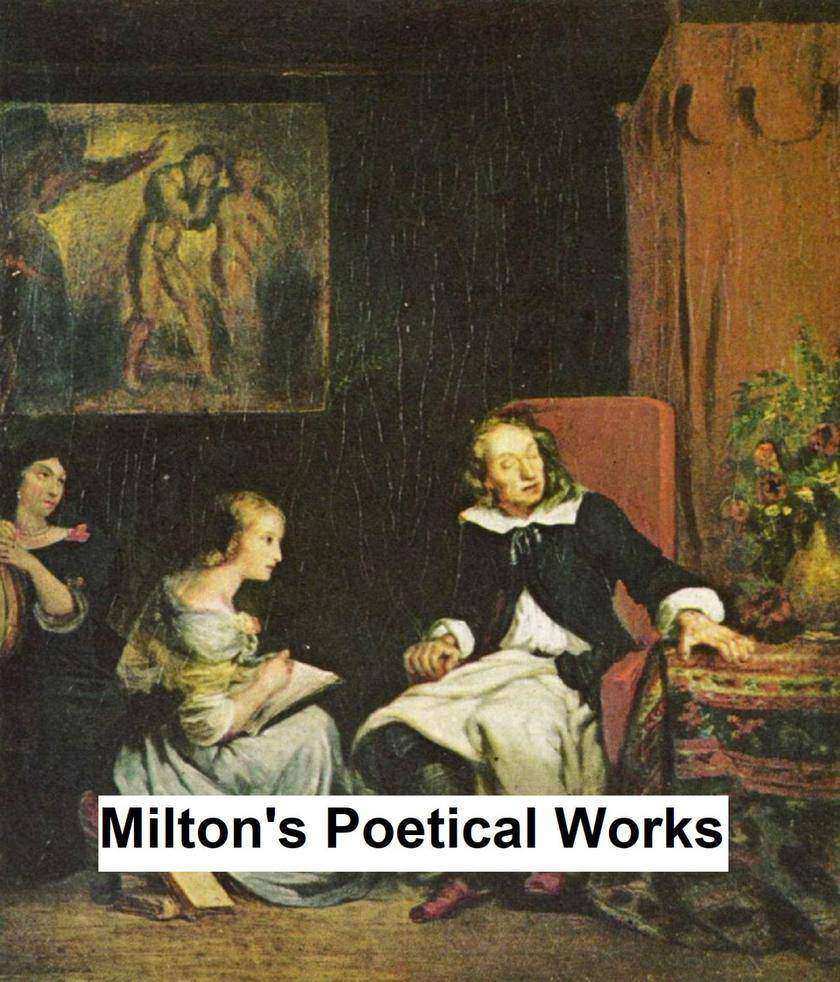
Milton's Poetical Works
¥8.09
Paradise Lost (1667), Paradise Regained (1671), Samson Agonistes (1671), and Minor Poems (1645). According to Wikipedia: "John Milton (December 9, 1608 ? November 8, 1674) was an English poet, prose polemicist, and civil servant for the Commonwealth of England. Most famed for his epic poem Paradise Lost, Milton is celebrated as well for his treatise condemning censorship, Areopagitica. Long considered the supreme English poet, Milton experienced a dip in popularity after attacks by T. S. Eliot and F. R. Leavis in the mid 20th century; but with multiple societies and scholarly journals devoted to his study, Milton's reputation remains as strong as ever in the 21st century."
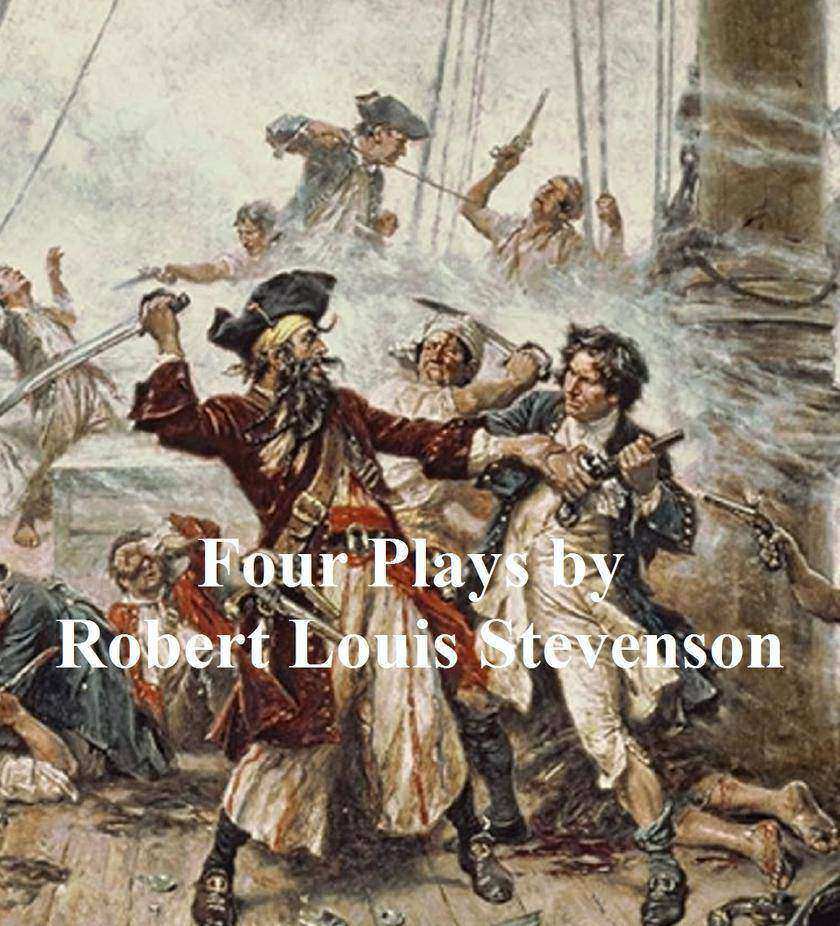
Four Plays
¥8.09
Deacon Brodie, Beau Austin, Admiral Guinea, and Robert Macaire. All co-written with W.E. Henley. According to Wikipedia: "Robert Louis (Balfour) Stevenson ( 1850 - 1894), was a Scottish novelist, poet, and travel writer, and a leading representative of Neo-romanticism in English literature. He was the man who "seemed to pick the right word up on the point of his pen, like a man playing spillikins", as G. K. Chesterton put it. He was also greatly admired by many authors, including Jorge Luis Borges, Ernest Hemingway, Rudyard Kipling, Vladimir Nabokov, and J. M. Barrie. Most modernist writers dismissed him, however, because he was popular and did not write within their definition of modernism. It is only recently that critics have begun to look beyond Stevenson's popularity and allow him a place in the canon."
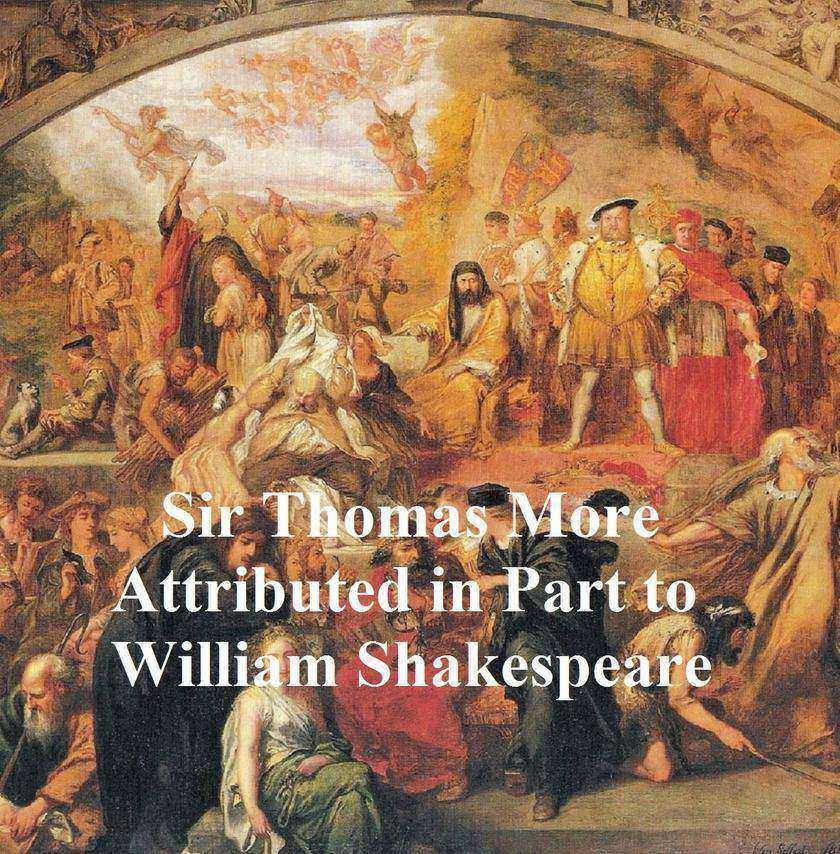
Sir Thomas More, Shakespeare Apocrypha
¥8.09
Elizabethan play, sometimes attributed in part to Shakespeare. According to Wikipedia: "William Shakespeare (baptised 26 April 1564 – died 23 April 1616) was an English poet and playwright, widely regarded as the greatest writer in the English language and the world's pre-eminent dramatist. He is often called England's national poet and the "Bard of Avon" (or simply "The Bard"). His surviving works consist of 38 plays, 154 sonnets, two long narrative poems, and several other poems. His plays have been translated into every major living language, and are performed more often than those of any other playwright."
Notes to Shakepeare's Tragedies
¥8.09
From the General Introduction: "Dr. Johnson's reaction to Shakespeare's tragedies is a curious one, compounded as it is of deep emotional involvement in a few scenes in some plays and a strange dispassionateness toward most of the others. I suspect that his emotional involvement took root when he read Shakespeare as a boy--one remembers the terror he experienced in reading of the Ghost in _Hamlet_, and it was probably also as a boy that he suffered that shock of horrified outrage and grief at the death of Cordelia that prevented him from rereading the scene until be came to edit the play. Johnson's deepest feelings and convictions, Professor Clifford has recently reminded us, can be traced back to his childhood and adolescence."
Charmides: And Other Poems
¥8.09
Short poetry collection. According to Wikipedia: "Oscar Fingal O'Flahertie Wills Wilde (1854 - 1900) was an Irish playwright, novelist, poet, and author of short stories. Known for his barbed wit, he was one of the most successful playwrights of late Victorian London, and one of the greatest celebrities of his day. As the result of a famous trial, he suffered a dramatic downfall and was imprisoned for two years of hard labour after being convicted of the offence of 'gross indecency.'"
Timon of Athens, with line numbers
¥8.09
Sometimes classified as tragedy, sometimes as comedy, and sometimes as "problem play." According to Wikipedia: "The Life of Timon of Athens is a play by William Shakespeare about the legendary Athenian misanthrope Timon (and probably influenced by the philosopher of the same name, as well), generally regarded as one of his most obscure and difficult works. Originally grouped with the tragedies, it is generally considered such, but some scholars group it with the problem plays."
As You Like It, with line numbers
¥8.09
The classic comedy. According to Wikipedia: "As You Like It is a pastoral comedy by William Shakespeare believed to have been written in 1599 or early 1600 and first published in the folio of 1623. The work was based upon the novel Rosalynde by Thomas Lodge. The play's first performance is uncertain, though a performance at Wilton House in 1603 has been suggested as a possibility. As You Like It follows its heroine Rosalind as she flees persecution in her uncle's court to find safety and eventually love in the Forest of Arden. Historically, critical response has varied, with some critics finding the work of lesser quality than other Shakespearean works and some finding the play a work of great merit. The play features one of Shakespeare's most famous and oft-quoted soliloquies, "All the world's a stage" and the phrase "too much of a good thing." The play remains a favorite among audiences and has been adapted for radio, film, and musical theatre."
Much Ado About Nothing, with line numbers
¥8.09
The classic comedy. According to Wikipedia: "Much Ado About Nothing is a romantic comedy by William Shakespeare set in Messina, Sicily about a pair of lovers named Claudio and Hero due to be married in a week. To pass the time before their wedding day they conspire with Don Pedro, the prince of Aragon, to trick their friends, Beatrice and Benedick, into confessing their love for one another. The prince's brother Don John, however, jealous of both Don Pedro's power and his affection for Claudio, conspires to sabotage the coming wedding."


