


 购物车
购物车 个人中心
个人中心
The Ten Tragedies of Euripides
¥8.09
This file includes 10 tragedies by Euripides, literally translated by Theodore Buckley. The plays are: HECUBA, ORESTES, PHOENISSAE (The Phoenician Virgins), MEDEA, HIPPOLYTUS, ALCESTIS, BACCHAE, HERACLIDAE, IPHIGENIA IN AULIS, and IPHIGENIA IN TAURIS. According to Wikipedia: "Euripides (ca. 480 BCE–406 BCE) was the last of the three great tragedians of classical Athens (the other two being Aeschylus and Sophocles). Ancient scholars thought that Euripides had written ninety-five plays, although four of those were probably written by Critias. Eighteen or nineteen of Euripides' plays have survived complete. There has been debate about his authorship of Rhesus, largely on stylistic grounds and ignoring classical evidence that the play was his. Fragments, some substantial, of most of the other plays also survive. More of his plays have survived than those of Aeschylus and Sophocles together, because of the unique nature of the Euripidean manuscript tradition. Euripides is known primarily for having reshaped the formal structure of Athenian tragedy by portraying strong female characters and intelligent slaves and by satirizing many heroes of Greek mythology. His plays seem modern by comparison with those of his contemporaries, focusing on the inner lives and motives of his characters in a way previously unknown to Greek audiences."
The Seven Plays of Sophocles
¥8.09
This file includes the English verse translation by Lewis Campbell of all seven extant Sophocles plays: Antigone, Aias. King Oedipus, Electra, The Tracinian Maidens, Philoctetes, and Oedippus at Colonos. According to Wikipedia: "Sophocles( c. 496 BC-406 BC) was the second of the three ancient Greek tragedians whose work has survived. His first plays were written later than those of Aeschylus and earlier than those of Euripides. According to the Suda, a 10th century encyclopedia, Sophocles wrote 123 plays during the course of his life, but only seven have survived in a complete form... The most famous of Sophocles' tragedies are those concerning Oedipus and Antigone: these are often known as the Theban plays, although each play was actually a part of different tetralogy, the other members of which are now lost. Sophocles influenced the development of the drama, most importantly by adding a third actor and thereby reducing the importance of the chorus in the presentation of the plot."
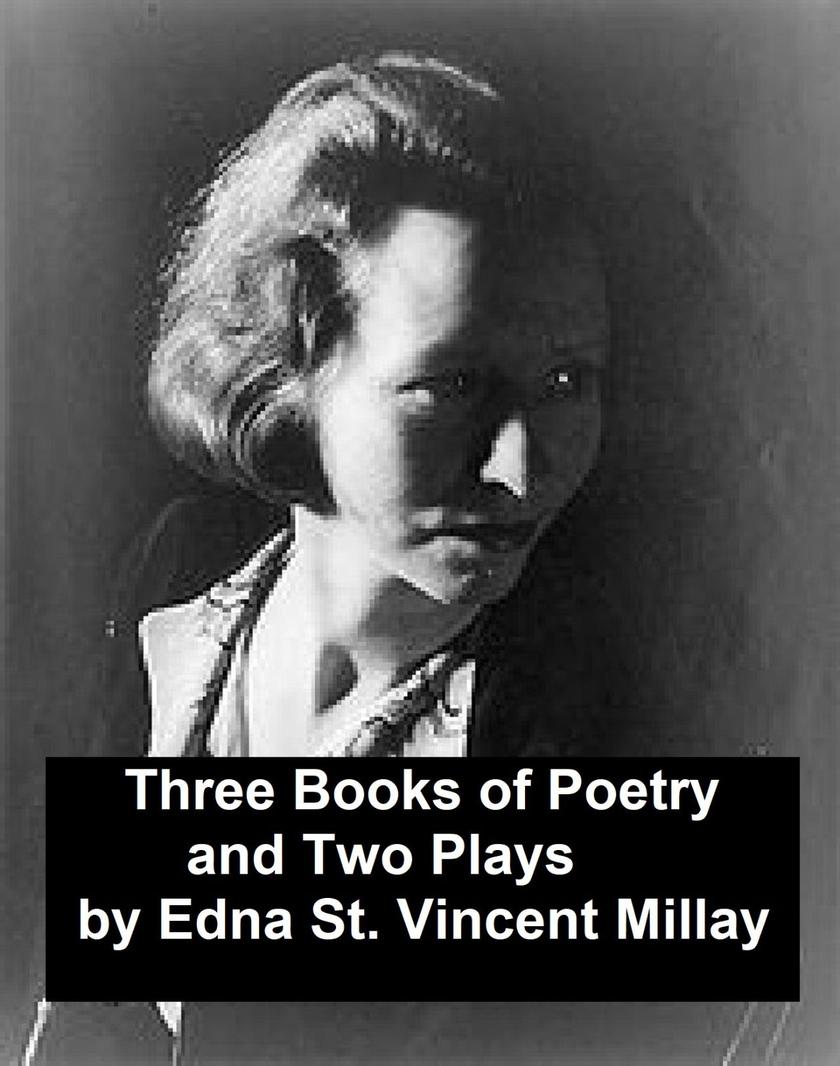
Three Books of Poetry and Two Plays
¥8.09
This file includes the short poetry collections A Few Figs from Thistles, Renascence and Other Poems, and Second April. It also includes the plays Aria da Capo (one act) and The Lamp and The Bell (five acts). According to Wikipedia: "Edna St. Vincent Millay (February 22, 1892 – October 19, 1950) was an American lyrical poet and playwright and the first woman to receive the Pulitzer Prize for Poetry. She was also known for her unconventional, bohemian lifestyle and her many love affairs. She used the pseudonym Nancy Boyd for her prose work."

Maiwa’s Revenge by H. Rider Haggard - Delphi Classics (Illustrated)
¥8.09
This eBook features the unabridged text of ‘Maiwa’s Revenge by H. Rider Haggard - Delphi Classics (Illustrated)’ from the bestselling edition of ‘The Complete Works of H. Rider Haggard’. Having established their name as the leading publisher of classic literature and art, Delphi Classics produce publications that are individually crafted with superior formatting, while introducing many rare texts for the first time in digital print. The Delphi Classics edition of Haggard includes original annotations and illustrations relating to the life and works of the author, as well as individual tables of contents, allowing you to navigate eBooks quickly and easily. eBook features: * The complete unabridged text of ‘Maiwa’s Revenge by H. Rider Haggard - Delphi Classics (Illustrated)’ * Beautifully illustrated with images related to Haggard’s works * Individual contents table, allowing easy navigation around the eBook * Excellent formatting of the text Please visit www.delphiclassics.com to learn more about our wide range of titles
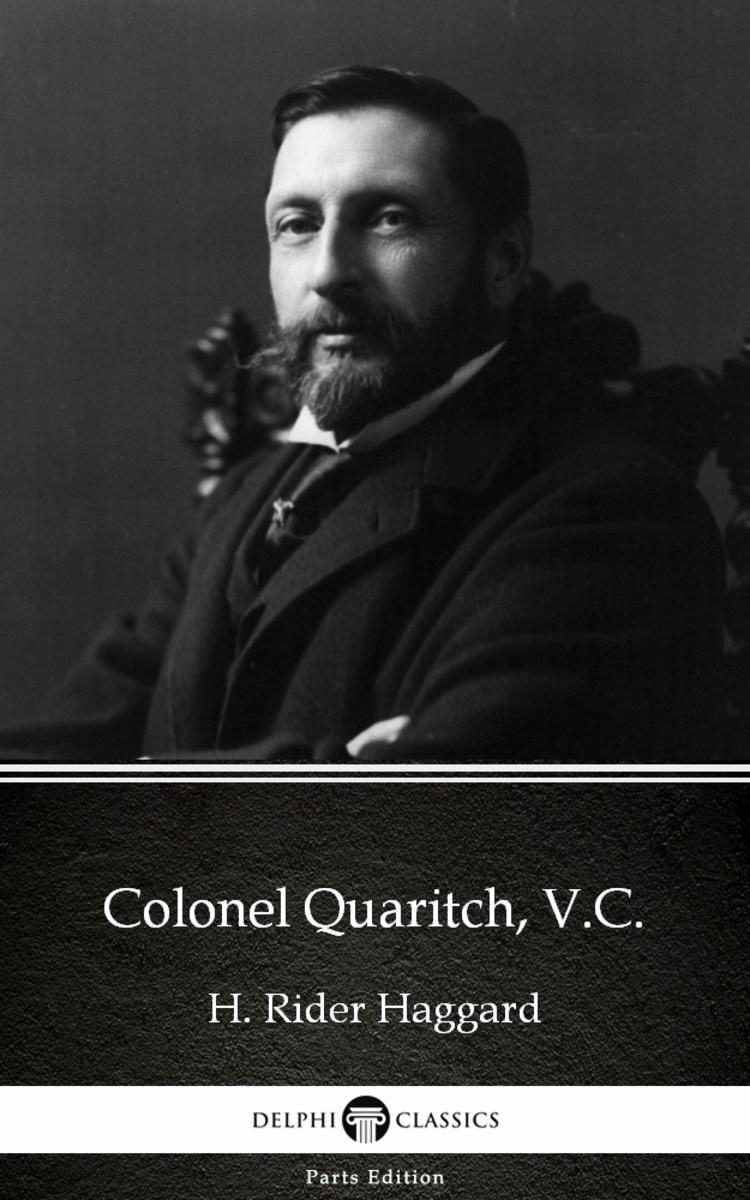
Colonel Quaritch, V.C. by H. Rider Haggard - Delphi Classics (Illustrated)
¥8.09
This eBook features the unabridged text of ‘Colonel Quaritch, V.C. by H. Rider Haggard - Delphi Classics (Illustrated)’ from the bestselling edition of ‘The Complete Works of H. Rider Haggard’. Having established their name as the leading publisher of classic literature and art, Delphi Classics produce publications that are individually crafted with superior formatting, while introducing many rare texts for the first time in digital print. The Delphi Classics edition of Haggard includes original annotations and illustrations relating to the life and works of the author, as well as individual tables of contents, allowing you to navigate eBooks quickly and easily. eBook features: * The complete unabridged text of ‘Colonel Quaritch, V.C. by H. Rider Haggard - Delphi Classics (Illustrated)’ * Beautifully illustrated with images related to Haggard’s works * Individual contents table, allowing easy navigation around the eBook * Excellent formatting of the text Please visit www.delphiclassics.com to learn more about our wide range of titles
The Merchant of Venice, with line numbers
¥8.09
The classic play. According to Wikipedia: "The Merchant of Venice is a play by William Shakespeare, believed to have been written between 1596 and 1598. Although classified as a comedy in the First Folio, and while it shares certain aspects with Shakespeare's other romantic comedies, the play is perhaps more remembered for its dramatic scenes, and is best known for the character of Shylock. The title character is the merchant Antonio, not the Jewish moneylender Shylock, who is the play's most prominent and more famous character. Though Shylock is a tormented character, he is also a tormentor, so whether he is to be viewed with disdain or sympathy is up to the audience (as influenced by the interpretation of the play's director and lead actors). As a result, The Merchant of Venice is often classified as one of Shakespeare's problem plays."
King Henry V, with line numbers
¥8.09
The classic Shakespearean history, with line numbers. According to Wikipedia: "Henry V is a history play by William Shakespeare, believed to be written in 1599. It is based on the life of King Henry V of England, and focuses on events immediately before and after the Battle of Agincourt (1415) during the Hundred Years' War. The play is the final part of a tetralogy, preceded by Richard II, Henry IV, part 1 and Henry IV, part 2. The original audiences would thus have already been familiar with the title character, who was depicted in the Henry IV plays as a wild, undisciplined lad known as "Prince Hal." In Henry V, the young prince has become a mature man and embarks on an attempted conquest of France."
Coriolanus, with line numbers
¥8.09
The classic tragedy. According to Wikipedia: "Gaius Marcius Coriolanus was possibly a legendary Roman general who lived in the 5th century BC. He received his toponymic title "Coriolanus" because of his exceptional valor in a Roman siege of the Volscian city of Corioli. He was then promoted to a general. In later ancient times, it was generally accepted by historians that Coriolanus had lived, and a consensus narrative story of his life appeared, retold by leading historians such as Livy and Plutarch."
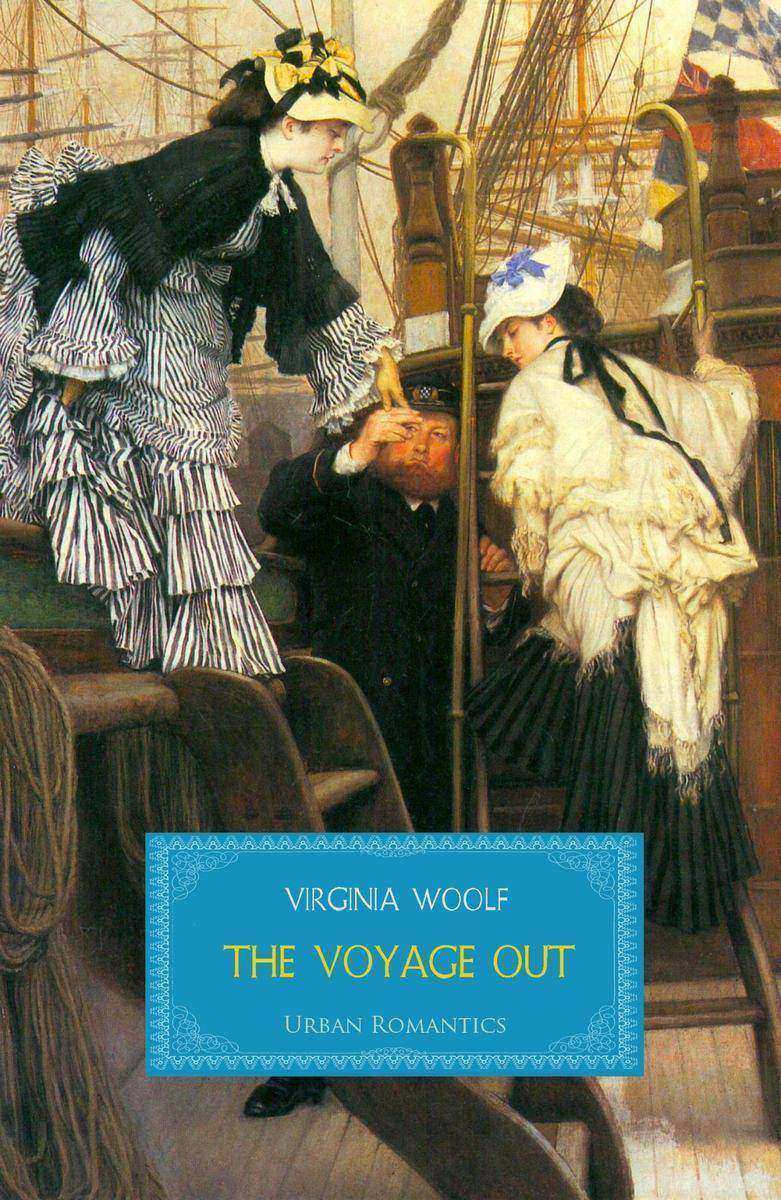
The Voyage Out
¥40.79
Rachel Vinrace embarks for South America on her father's ship and is launched on a course of self-discovery in a kind of modern mythical voyage. The mismatched jumble of passengers provide Woolf with an opportunity to satirise Edwardian life. The novel introduces Clarissa Dalloway, the central character of Woolf's later novel, Mrs. Dalloway. The work is distinguished by its innovative narrative style and the focus on feminine consciousness and sexuality.

Gardening for Beginners
¥38.62
WANT TO LEARN THE INS AND OUTS OF GARDENING FOR BEGINNERS? Here Is A Preview Of What You'll Learn About Container Gardening... Getting the Containers for Your Garden Creating a Good Environment for the Container Plants Choosing the Right Time to Plant The Best Plants to Grow in Your Container Garden Tips for Helping Your Plants to Thrive Much, Much, More! Here Is A Preview Of What You'll Learn About Greenhouse Gardening... Setting Up a Greenhouse Garden Growing Plants in Your Greenhouse Ways to Control the Climate in the Greenhouse Some of the Best Planting Methods in the Greenhouse How to Get Rid of the Pests Much, Much, More! Here Is A Preview Of What You'll Learn About Vertical Gardening... Setting Up the Base You Need in Your Garden Working on the Maintenance of Your Vertical Garden Making Room for the Plants Picking Out the Right Plants Some Tips for Your Vertical Garden Much, Much, More!
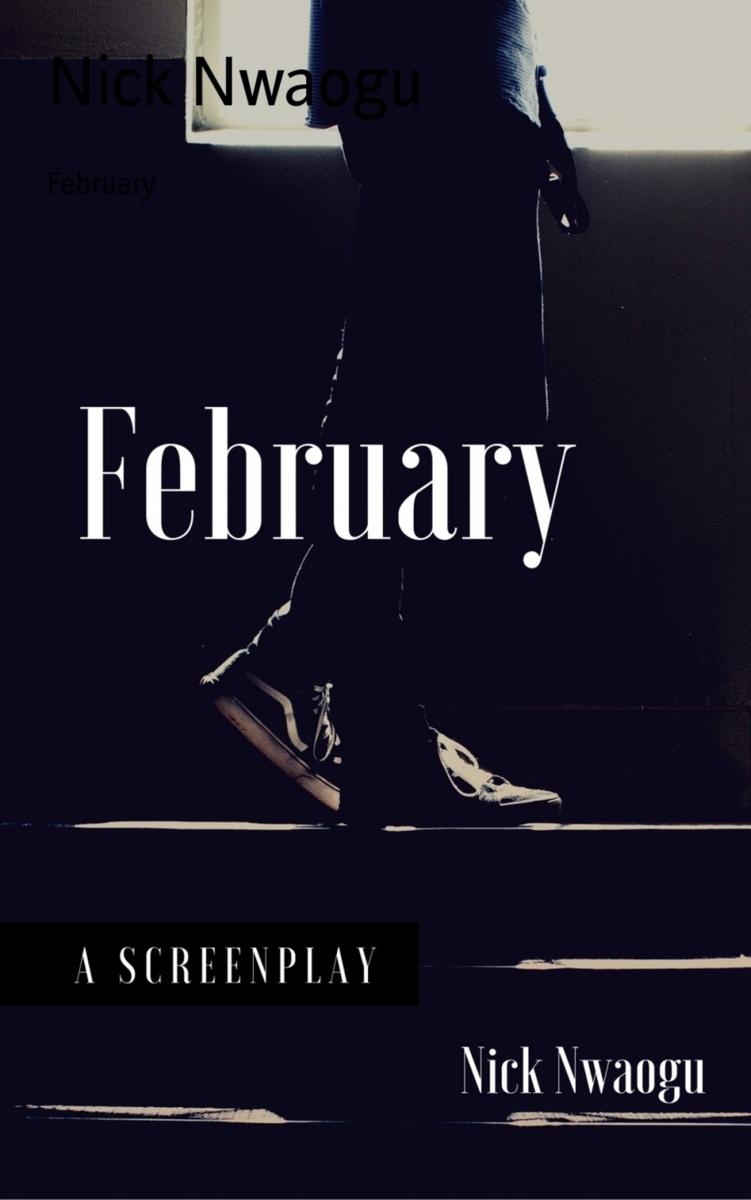
February:A Screenplay
¥8.09
In FEBRUARY, together, Sergeant Femi Kolawole and investigative journalist Chioma Okafor solves Emeka's Valentine-day murder, and on doing so, Chioma is exposed to Femi's heroic personality, which makes her eventually fall in love with him.The Plot:Chioma Okafor, a young investigative journalist, is pressured by her over-ambitious mother into an unwanted romantic relationship with Uche, a young sophisticated university lecturer. Chioma yields to her mother’s pressure, hoping she would eventually fall in love with Uche as her mother assured, but she never did. On a Valentine date with Uche, Chioma gets a glimpse of what her relationship has been missing, as she feels love for the first time with Emeka, a handsome stranger who’s unfortunately expecting a baby with Amara, a girl who Uche used to date in university. Uche turns a relationship that he intended to blow up into an engagement on Valentine's day, into a blood bath before midnight. Chioma who survives the near-death experience, narrates her Valentine dilemma to Femi, a clever Police Sergeant. The Twist:Everybody thinks Uche died that night, but a strange text message sent from Chioma’s phone to Emeka, triggers a series of twisted events, which proves that the jealous and malicious Uche is still alive and in the wind, and that the life of Chioma is hanging down by a thin thread. The ultimate question is: 'Since Uche is alive, then who is the man laying lifeless in the mortuary?' Chioma is certainly not pleased with the answer. Femi forcefully becomes Chioma’s personal bodyguard, while he hunts down Uche, an innocent-looking man who Femi had met a day ago and poorly judged. Follow Femi as he uncovers this intriguing murder mystery that nobody even knew happened.The Play:The screenplay starts with a scene of a couple whose faces aren’t revealed to the screen, laying MOTIONLESS in a wrecked car, covered in their own blood, and ends in a conference room, as Chioma calls Femi to tell him how she feels about him.FEBRUARY is a unique blend of romance, comedy, suspense, and adventure. A beautifully crafted story of love, jealousy, betrayal, conspiracy, and ambition.
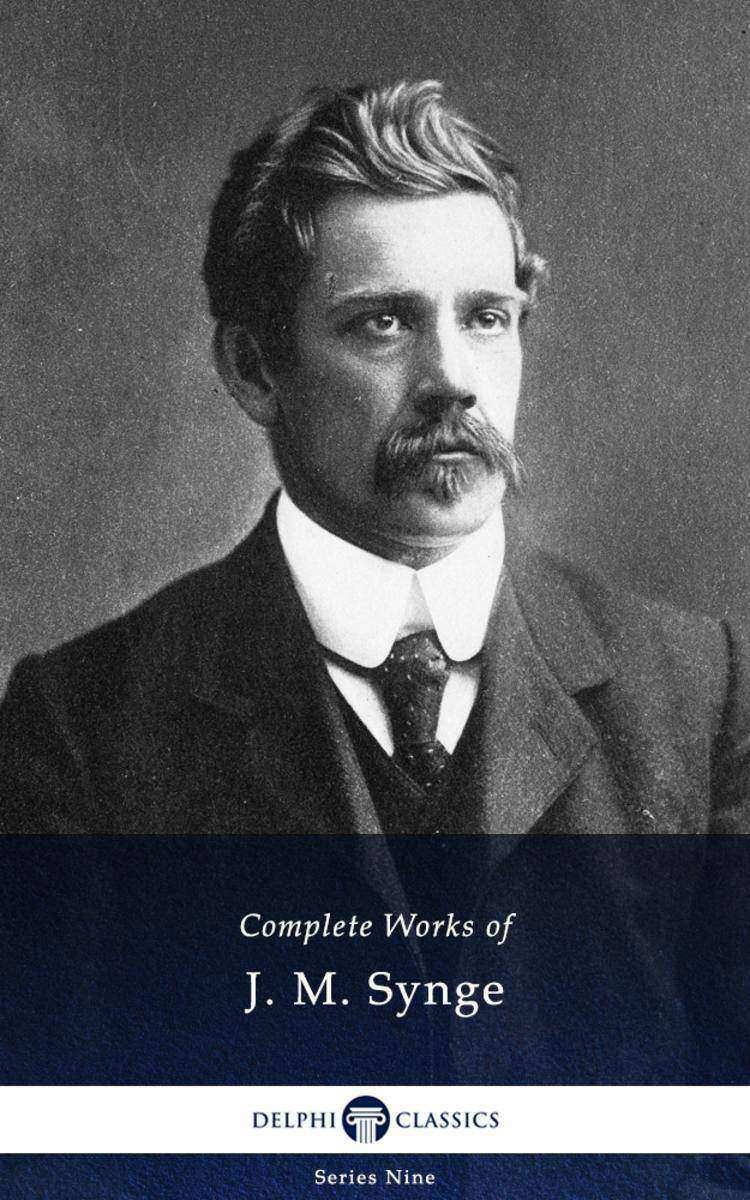
Delphi Complete Works of J. M. Synge (Illustrated)
¥24.44
The playwright J. M. Synge was a key figure in the Irish Literary Revival and was one of the co-founders of the Abbey Theatre. Today he is best known for his controversial play ‘The Playboy of the Western World’, which caused riots in Dublin during its opening run. Synge's writings are chiefly concerned with the world of the Roman Catholic peasants of rural Ireland and with what he saw as the essential paganism of their world view. He was a poetic dramatist of great power, whose modern plays are celebrated for their sophisticated craftsmanship. For the first time in digital publishing, this eBook presents Synge’s complete works, with numerous illustrations, rare texts, informative introductions and the usual Delphi bonus material. (Version 1) * Beautifully illustrated with images relating to Synge’s life and works* Concise introductions to the plays* All 6 plays, with individual contents tables* Images of how the books were first published, giving your eReader a taste of the original texts* Excellent formatting of the texts* Rare poetry available in no other collection* Includes Synge’s prose, featuring many essays and reviews– available in no other collection* Features two biographies, including Yeats’ seminal work ‘Synge and the Ireland of His Time’ – discover Synge’s literary life* Scholarly ordering of texts into chronological order and literary genres Please visit www.delphiclassics.com to browse through our range of exciting titles CONTENTS: The PlaysIn the Shadow of the GlenRiders to the SeaThe Well of the SaintsThe Playboy of the Western WorldThe Tinker’s WeddingDeirdre of the Sorrows The Poetry CollectionsCollected Poems The ProseThe Aran IslandsIn Wicklow and West KerryMiscellaneous Essays and Reviews The BiographiesSynge and the Ireland of His Time by W. B. YeatsBrief Biography of John Millington Synge by William Kirkpatrick Magee Please visit www.delphiclassics.com to browse through our range of exciting titles or to purchase this eBook as a Parts Edition of individual eBooks

Utilitarianism
¥40.79
The book explains what utilitarianism is, why it is the best theory of ethics, defends it against a wide range of criticisms and misunderstandings. Though heavily criticized both in Mill's lifetime and in the years since, Utilitarianism did a great deal to popularize utilitarian ethics and was 'the most influential philosophical articulation of a liberal humanistic morality that was produced in the nineteenth century.'

My Lady Ludlow
¥40.79
I am an old woman now, and things are very different to what they were in my youth. Then we, who travelled, travelled in coaches, carrying six inside, and making a two days’ journey out of what people now go over in a couple of hours with a whizz and a flash, and a screaming whistle, enough to deafen one. Then letters came in but three times a week: indeed, in some places in Scotland where I have stayed when I was a girl, the post came in but once a month;—but letters were letters then; and we made great prizes of them, and read them and studied them like books. Now the post comes rattling in twice a day, bringing short jerky notes, some without beginning or end, but just a little sharp sentence, which well-bred folks would think too abrupt to be spoken. Well, well! They may all be improvements,—I dare say they are; but you will never meet with a Lady Ludlow in these days.

The Torrents of Spring
¥40.79
The story follows a young Russian landowner named Dimitry Sanin who falls deliriously in love for the first time while visiting the German city of Frankfurt. It is widely held as one Turgenev's greatest novels as well as being highly autobiographical in nature.
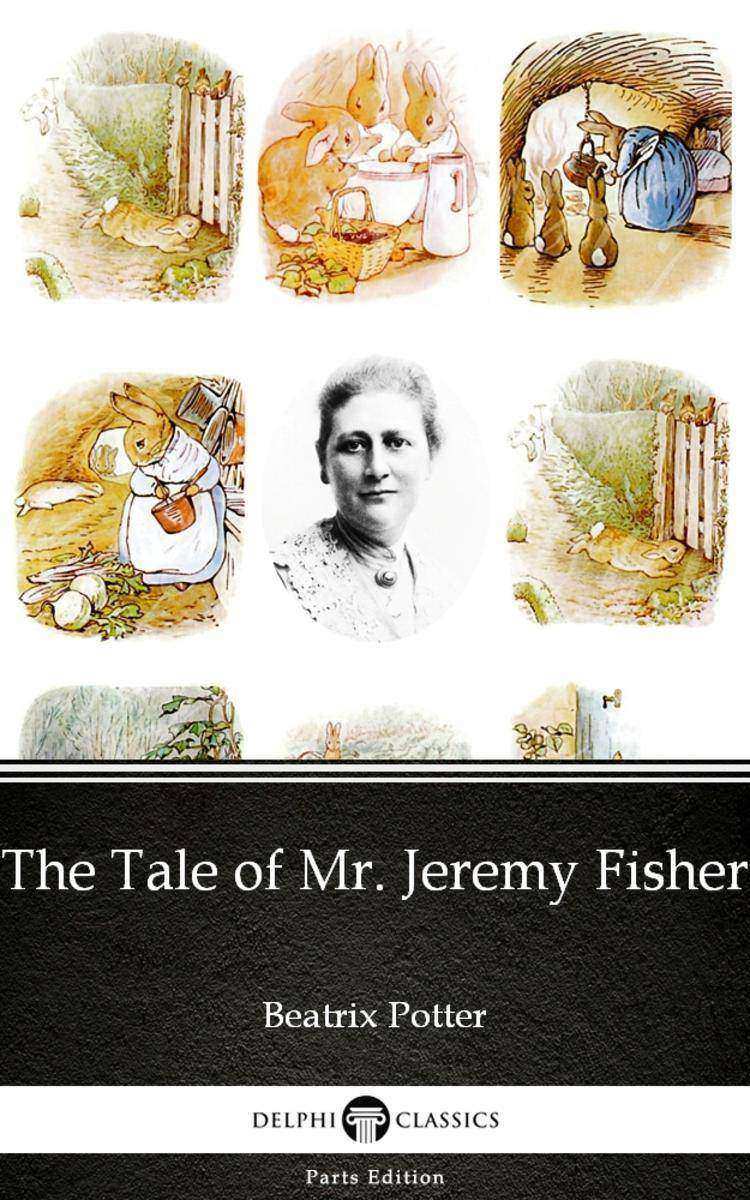
The Tale of Mr. Jeremy Fisher by Beatrix Potter - Delphi Classics (Illustrated)
¥8.09
This eBook features the unabridged text of ‘The Tale of Mr. Jeremy Fisher by Beatrix Potter - Delphi Classics (Illustrated)’ from the bestselling edition of ‘The Complete Works of Beatrix Potter’. Having established their name as the leading publisher of classic literature and art, Delphi Classics produce publications that are individually crafted with superior formatting, while introducing many rare texts for the first time in digital print. The Delphi Classics edition of Potter includes original annotations and illustrations relating to the life and works of the author, as well as individual tables of contents, allowing you to navigate eBooks quickly and easily. eBook features: * The complete unabridged text of ‘The Tale of Mr. Jeremy Fisher by Beatrix Potter - Delphi Classics (Illustrated)’ * Beautifully illustrated with images related to Potter’s works * Individual contents table, allowing easy navigation around the eBook * Excellent formatting of the textPlease visit www.delphiclassics.com to learn more about our wide range of titles

Liberty Bazaar
¥40.79
Liverpool, 1863: Newly arrived in England, wealthy liberals enlist Trinity, an escaped slave girl, in their campaign to abolish slavery and support Abraham Lincoln's Union. Jubal, a high-ranking Confederate officer, has just arrived in Liverpool to find supporters and raise funds for the opposing side. When Trinity discovers a high-stakes conspiracy there to help win the war for the Southern States, she must risk everything to stop it – including her new-found freedom. But who will believe a runaway slave? And who can she really trust?
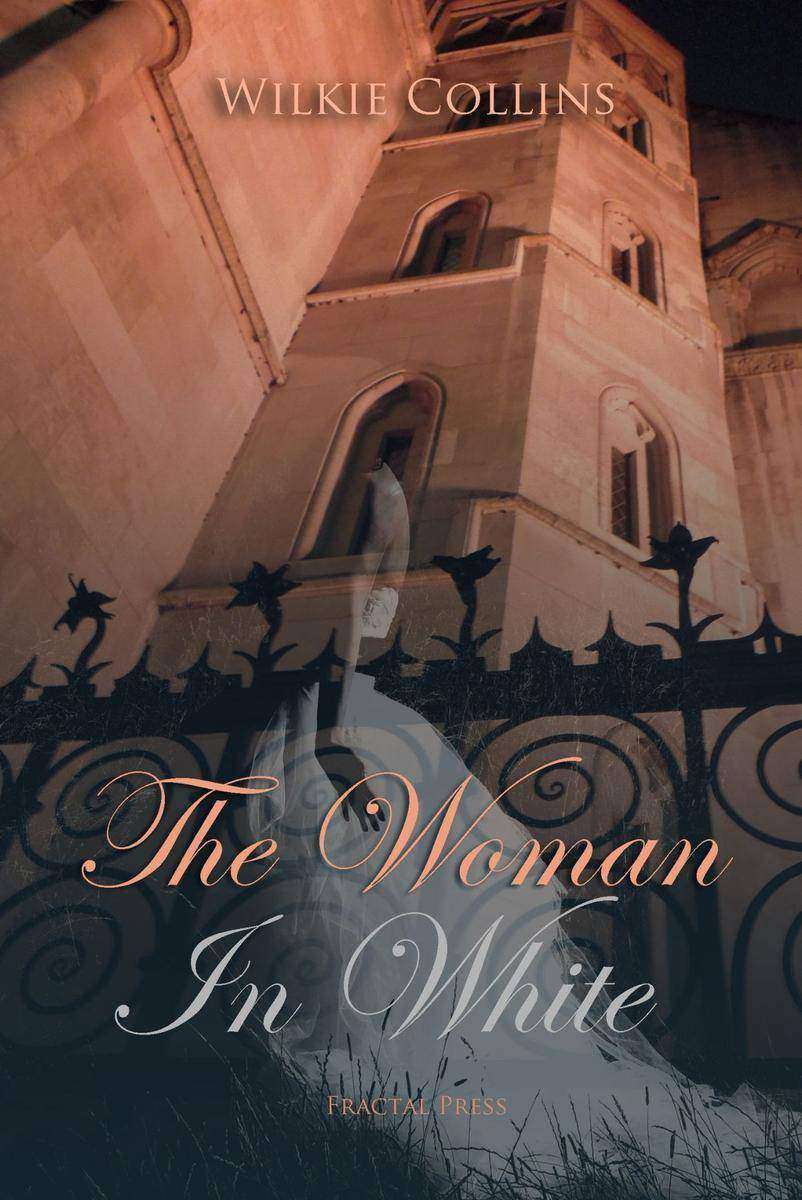
The Woman in White
¥40.79
Walter Hartright, a young art teacher, meets a mysterious and distressed woman dressed in white. He helps her on her way, but later learns that she has escaped from an asylum. Next day, he travels to Limmeridge House in Cumberland, having been hired as a drawing master on the recommendation of his friend, Pesca, an Italian language master.

The Queen of Hearts
¥40.79
We were three quiet, lonely old men, and she was a lively, handsome young woman, and we were at our wits’ end what to do with her.
The Alchemist
¥8.09
The Alchemist is a comedy by English playwright Ben Jonson. First performed in 1610 by the King's Men, it is generally considered Jonson's best and most characteristic comedy; Samuel Taylor Coleridge claimed that it had one of the three most perfect plots in literature. The play's clever fulfilment of the classical unities and vivid depiction of human folly have made it one of the few Renaissance plays (except the works of Shakespeare) with a continuing life on stage (except for a period of neglect during the Victorian era).

Delphi Complete Works of Lewis Carroll (Illustrated)
¥24.44
Lewis Carroll was a prominent figure of the Victorian age, having not only written the Alice novels, but also varied works such as mathematical treatises, poetry and short stories. This eBook gives readers the unique opportunity of exploring Carroll’s work in a manner never before possible. This is the complete and fully illustrated literary works of Lewis Carroll, with a selection of mathematical works too. (Version 3) * illustrated with hundreds of images relating to Carroll’s life and works * annotated with concise introductions to the novels and other works * ALL the novels have their original Victorian illustrations – spend hours exploring the original Alice images and rarer images available nowhere else * the original version of ALICE’S ADVENTURES UNDER GROUND, with Carroll’s unique illustrations * includes Sir John Tenniel’s original illustrations for ALICE’S ADVENTURES IN WONDERLAND * includes rare poetry collections available in no other eBook * special alphabetical list of poems – find that special poem quickly and easily! * images of how the novels first appeared, giving your EReader a taste of the Victorian texts * includes a selection of Carroll’s mathematical works * SPECIAL BONUS section of three biographies on Carroll – explore his fascinating life in detail! * scholarly ordering of texts into chronological order and literary genres, allowing easy navigation around Carroll’s diverse oeuvre Please visit www.delphiclassics.com to browse through our range of exciting titles CONTENTS: The Novels ALICE’S ADVENTURES UNDER GROUND ALICE’S ADVENTURES IN WONDERLAND THROUGH THE LOOKING-GLASS SYLVIE AND BRUNO SYLVIE AND BRUNO CONCLUDED The Short Stories A TANGLED TALE BRUNO’S REVENGE AND OTHER STORIES WHAT THE TORTOISE SAID TO ACHILLES The Poetry Collections EARLY VERSE PROLOGUES TO PLAYS COLLEGE RHYMES AND NOTES PHANTASMAGORIA AND OTHER POEMS THE HUNTING OF THE SNARK THREE SUNSETS AND OTHER POEMS PUZZLES FROM WONDERLAND ACROSTICS, INSCRIPTIONS AND OTHER VERSES The Poems LIST OF POEMS IN ALPHABETICAL ORDER Selected Mathematical Works SYMBOLIC LOGIC THE GAME OF LOGIC THE ALPHABET CIPHER FEEDING THE MIND The Biographies LIFE AND LETTERS OF L.CARROLL BY S.D.COLLINGWOOD LEWIS CARROLL IN WONDERLAND BY BELLE MOSES THE STORY OF LEWIS CARROLL BY ISA BOWMAN Please visit www.delphiclassics.com to browse through our range of exciting titles


