


 购物车
购物车 个人中心
个人中心
Le Roi Jean (King John in French)
¥8.09
L'histoire de Shakespeare joue King John, en traduction fran?aise. Selon Wikipedia: "La vie et la mort du roi John, une pièce d'histoire de William Shakespeare, dramatise le règne de John, roi d'Angleterre (gouverné 1199-1216), fils d'Henri II d'Angleterre et d'Aliénor d'Aquitaine et père de Henry III d'Angleterre On pense qu'il a été écrit au milieu des années 1590, mais il n'a pas été publié avant d'être publié dans le premier folio en 1623. "
Henry V in French
¥8.09
Pièce d'histoire de Shakespeare, Henry V, en traduction fran?aise. Selon Wikipédia: "Henry V est une pièce d'histoire de William Shakespeare, dont on pense qu'elle a été écrite vers 1599. Ses titres complets sont The Cronicle History of Henri Quint (dans le texte du premier quarto) et The Life of Henry the Fifth (dans le premier texte du Folio) raconte l'histoire du roi Henry V d'Angleterre, en se concentrant sur les événements qui ont précédé et suivi la bataille d'Azincourt (1415) pendant la guerre de Cent Ans.
Henri VI, Premiere Partie (Henry VI Part I in French)
¥8.09
Pièce d'histoire de Shakespeare, Henry VI Part One, en traduction fran?aise. Selon Wikipédia: "Henry VI, Part 1 ou la première partie de Henry le Sixt (souvent écrit comme 1 Henry VI) est une pièce d'histoire de William Shakespeare, et peut-être Thomas Nashe, qui aurait été écrit en 1591, et mis en La vie du roi Henry VI d'Angleterre Alors que 2 Henri VI traite de l'incapacité du roi à réprimer les querelles de ses nobles et de l'inévitabilité des conflits armés, 3 Henry VI traite des horreurs de ce conflit, 1 Henry VI traite de la perte des territoires fran?ais de l'Angleterre et les machinations politiques menant aux guerres des roses, comme le système politique anglais est déchiré par les querelles personnelles et la jalousie mesquine.
Henri VI, Seconde Partie (Henry VI Part II in French)
¥8.09
Pièce d'histoire de Shakespeare, Henry VI Deuxième partie, en traduction fran?aise. Selon Wikipédia: "Henry VI, Part 2 ou la deuxième partie de Henry le Sixt (souvent écrit comme 2 Henry VI) est une pièce d'histoire de William Shakespeare qui aurait été écrite en 1591, et placée pendant la vie du roi Henri VI Alors que 1 Henri VI traite principalement de la perte des territoires fran?ais de l'Angleterre et des machinations politiques menant aux guerres des Roses, et 3 Henry VI traite des horreurs de ce conflit, 2 Henri VI se concentre sur l'incapacité du roi à apaiser les querelles de ses nobles, la mort de son conseiller de confiance, le duc Humphrey de Gloucester, l'ascension du duc d'York et l'inévitabilité des conflits armés, ce qui aboutit à la première bataille de la guerre, la première bataille de St Albans. "
King John/ Leben und Tod des Konigs Johann: Bilingual edition
¥8.09
Bilingual, English and German. Shakespeare history play King John, in English with line numbers and in German translation. According to Wikipedia: "The Life and Death of King John, a history play by William Shakespeare, dramatises the reign of John, King of England (ruled 1199–1216), son of Henry II of England and Eleanor of Aquitaine and father of Henry III of England. It is believed to have been written in the mid-1590s but was not published until it appeared in the First Folio in 1623." Zweisprachig, Englisch und Deutsch. Shakespeare Geschichte spielen King John, in Englisch mit Zeilennummern und in deutscher ?bersetzung. Laut Wikipedia: "Das Leben und der Tod von K?nig John, ein Geschichtsstück von William Shakespeare, dramatisiert die Herrschaft von John, K?nig von England (regierte 1199-1216), Sohn von Heinrich II. Von England und Eleonore von Aquitanien und Vater von Henry Es wird angenommen, dass es in der Mitte der 1590er Jahre geschrieben wurde, aber nicht ver?ffentlicht wurde, bis es im Ersten Folio 1623 erschien.
The Old Debauchees
¥8.09
Play first published in 1732. According to Wikipedia: "Henry Fielding (22 April 1707 – 8 October 1754) was an English novelist and dramatist known for his rich earthy humour and satirical prowess, and as the author of the novel Tom Jones. Aside from his literary achievements, he has a significant place in the history of law-enforcement, having founded (with his half-brother John) what some have called London's first police force, the Bow Street Runners, using his authority as a magistrate. His younger sister, Sarah, also became a successful writer."

Dissertations on the English Language
¥8.09
According to Wikipedia: "Noah Webster, Jr. (October 16, 1758 – May 28, 1843), was an American lexicographer, textbook pioneer, English-language spelling reformer, political writer, editor, and prolific author. He has been called the "Father of American Scholarship and Education." His blue-backed speller books taught five generations of American children how to spell and read, secularizing their education. According to Ellis (1979) he gave Americans "a secular catechism to the nation-state." Webster's name has become synonymous with "dictionary" in the United States, especially the modern Merriam-Webster dictionary that was first published in 1828 as An American Dictionary of the English Language. He was one of the Founding Fathers of the nation."
February:A Screenplay
¥8.09
In FEBRUARY, together, Sergeant Femi Kolawole and investigative journalist Chioma Okafor solves Emeka's Valentine-day murder, and on doing so, Chioma is exposed to Femi's heroic personality, which makes her eventually fall in love with him.The Plot:Chioma Okafor, a young investigative journalist, is pressured by her over-ambitious mother into an unwanted romantic relationship with Uche, a young sophisticated university lecturer. Chioma yields to her mother’s pressure, hoping she would eventually fall in love with Uche as her mother assured, but she never did. On a Valentine date with Uche, Chioma gets a glimpse of what her relationship has been missing, as she feels love for the first time with Emeka, a handsome stranger who’s unfortunately expecting a baby with Amara, a girl who Uche used to date in university. Uche turns a relationship that he intended to blow up into an engagement on Valentine's day, into a blood bath before midnight. Chioma who survives the near-death experience, narrates her Valentine dilemma to Femi, a clever Police Sergeant. The Twist:Everybody thinks Uche died that night, but a strange text message sent from Chioma’s phone to Emeka, triggers a series of twisted events, which proves that the jealous and malicious Uche is still alive and in the wind, and that the life of Chioma is hanging down by a thin thread. The ultimate question is: 'Since Uche is alive, then who is the man laying lifeless in the mortuary?' Chioma is certainly not pleased with the answer. Femi forcefully becomes Chioma’s personal bodyguard, while he hunts down Uche, an innocent-looking man who Femi had met a day ago and poorly judged. Follow Femi as he uncovers this intriguing murder mystery that nobody even knew happened.The Play:The screenplay starts with a scene of a couple whose faces aren’t revealed to the screen, laying MOTIONLESS in a wrecked car, covered in their own blood, and ends in a conference room, as Chioma calls Femi to tell him how she feels about him.FEBRUARY is a unique blend of romance, comedy, suspense, and adventure. A beautifully crafted story of love, jealousy, betrayal, conspiracy, and ambition.
Don Quijote
¥8.09
Cartea pe care o ?ine?i ?n m?n? este periculoas?. Incomod?, scor?oas?, incendiar? fiind, ?n mod cert, va deranja unele personaje, nelipsite de importan??, din arena politicii rom?ne?ti, care confund? adeseori politica cu diletantismul, tr?d?nd interesele sus?inute cu at?ta patos ?n campaniile electorale. ?n mod sigur, Nu tr?da?i, v? rog! va alarma edilii capitalei ce se ?ntrec ?n a distruge ?micul Paris“ de pe vremuri. Aceast? carte, a?adar, va deranja nu pu?in? lume prin scenele din via?a social-politic? post-decembrist?, cu at?t mai mult, cu c?t umorul ?fichiuitor nu-i este str?in nici pe departe autorului. Nici deta?area…
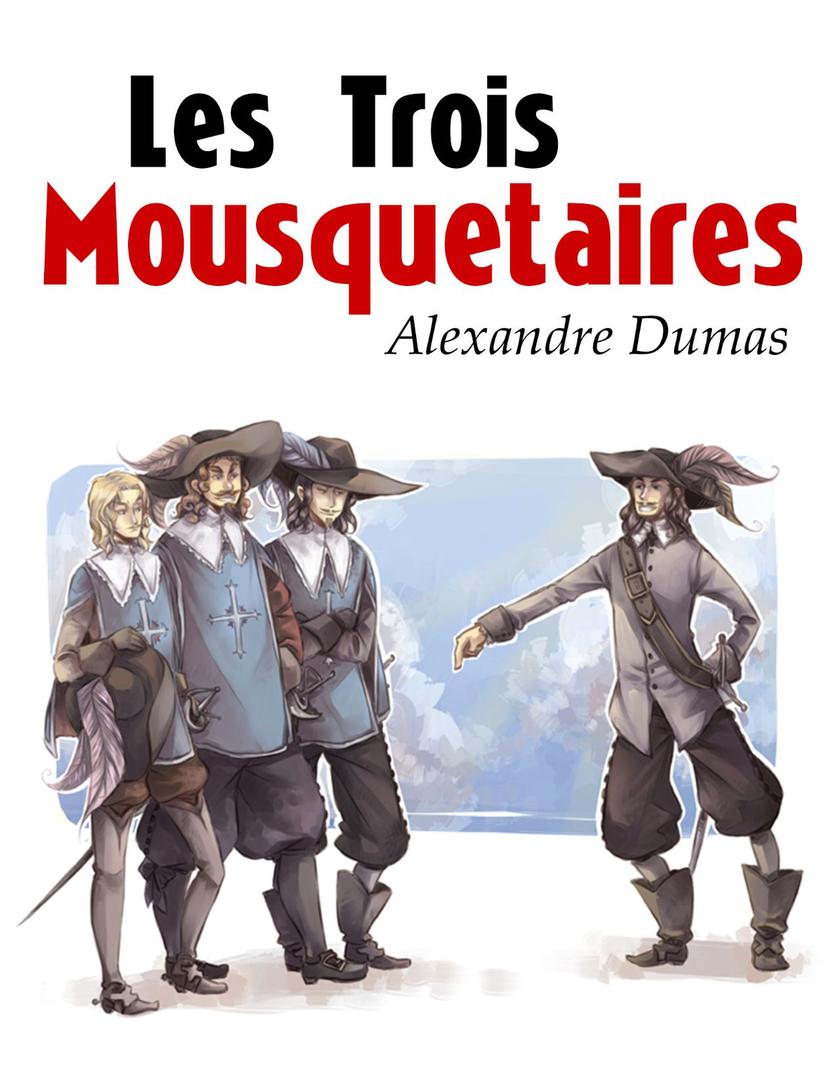
Les Trois Mousquetaires
¥8.09
Vreau s? cred c? drumul lui Eugenio Barba este cel ?n care ?nt?lne?te copacul de care at?rn? pe creanga cea mai de sus un m?r de aur ?i f?r? s? ?i pese de cei din jurul lui, de privirile lor arogante sau sc?nteind a dispre?, se ca??r? ?n copac, ?n plin? lumin? de zi, ?i culege m?rul. M?rul norocos al destinului. Curaj, perseveren??, credin?? de nezdruncinat ?n vocea l?untrului care mereu ?i ?opte?te drumul pe care s?-l urmeze, c?ci este drumul lui.Eugenio Barba, vizionar, reformator, artist, dramaturg-regizor, maestru, scriitor, ?n dramaturgia sa, ?n cuvintele sale imortalizate ?n reflec?ii asupra sensului ?i condi?iei artei teatrului ?i a artistului, ?n cercet?rile de natur? artistic? ?i ?tiin?ific?, ?n laboratorul de teatru, sesiunile ?colii Interna?ionale de Antropologie Teatral? forjeaz? un act artistic unificator prin coprezen?e ale contrariilor, ?ntrup?ri ale simultaneit??ilor, combin?ri temporale ?i spa?iale, dintre trecut ?i viitor, dintre Est ?i Vest, declan??nd ?o revolu?ie copernician? f?r? de care ?tiin?a teatrului de la sf?r?itul secolului XX ar fi incomprehensibil?“. (Diana Cozma)
Fathers and Sons by Ivan Turgenev - Delphi Classics (Illustrated)
¥8.09
This eBook features the unabridged text of ‘Fathers and Sons by Ivan Turgenev - Delphi Classics (Illustrated)’ from the bestselling edition of ‘The Collected Works of Ivan Turgenev’. Having established their name as the leading publisher of classic literature and art, Delphi Classics produce publications that are individually crafted with superior formatting, while introducing many rare texts for the first time in digital print. The Delphi Classics edition of Turgenev includes original annotations and illustrations relating to the life and works of the author, as well as individual tables of contents, allowing you to navigate eBooks quickly and easily. eBook features: * The complete unabridged text of ‘Fathers and Sons by Ivan Turgenev - Delphi Classics (Illustrated)’ * Beautifully illustrated with images related to Turgenev’s works * Individual contents table, allowing easy navigation around the eBook * Excellent formatting of the text Please visit www.delphiclassics.com to learn more about our wide range of titles
Glinda of Oz by L. Frank Baum - Delphi Classics (Illustrated)
¥8.09
This eBook features the unabridged text of ‘Glinda of Oz by L. Frank Baum - Delphi Classics (Illustrated)’ from the bestselling edition of ‘The Complete Works of L. Frank Baum’. Having established their name as the leading publisher of classic literature and art, Delphi Classics produce publications that are individually crafted with superior formatting, while introducing many rare texts for the first time in digital print. The Delphi Classics edition of Baum includes original annotations and illustrations relating to the life and works of the author, as well as individual tables of contents, allowing you to navigate eBooks quickly and easily. eBook features: * The complete unabridged text of ‘Glinda of Oz by L. Frank Baum - Delphi Classics (Illustrated)’ * Beautifully illustrated with images related to Baum’s works * Individual contents table, allowing easy navigation around the eBook * Excellent formatting of the text Please visit www.delphiclassics.com to learn more about our wide range of titles
The Enchanted Island of Yew by L. Frank Baum - Delphi Classics (Illustrated)
¥8.09
This eBook features the unabridged text of ‘The Enchanted Island of Yew by L. Frank Baum - Delphi Classics (Illustrated)’ from the bestselling edition of ‘The Complete Works of L. Frank Baum’. Having established their name as the leading publisher of classic literature and art, Delphi Classics produce publications that are individually crafted with superior formatting, while introducing many rare texts for the first time in digital print. The Delphi Classics edition of Baum includes original annotations and illustrations relating to the life and works of the author, as well as individual tables of contents, allowing you to navigate eBooks quickly and easily. eBook features: * The complete unabridged text of ‘The Enchanted Island of Yew by L. Frank Baum - Delphi Classics (Illustrated)’ * Beautifully illustrated with images related to Baum’s works * Individual contents table, allowing easy navigation around the eBook * Excellent formatting of the text Please visit www.delphiclassics.com to learn more about our wide range of titles
The Sea Fairies by L. Frank Baum - Delphi Classics (Illustrated)
¥8.09
This eBook features the unabridged text of ‘The Sea Fairies by L. Frank Baum - Delphi Classics (Illustrated)’ from the bestselling edition of ‘The Complete Works of L. Frank Baum’. Having established their name as the leading publisher of classic literature and art, Delphi Classics produce publications that are individually crafted with superior formatting, while introducing many rare texts for the first time in digital print. The Delphi Classics edition of Baum includes original annotations and illustrations relating to the life and works of the author, as well as individual tables of contents, allowing you to navigate eBooks quickly and easily. eBook features: * The complete unabridged text of ‘The Sea Fairies by L. Frank Baum - Delphi Classics (Illustrated)’ * Beautifully illustrated with images related to Baum’s works * Individual contents table, allowing easy navigation around the eBook * Excellent formatting of the text Please visit www.delphiclassics.com to learn more about our wide range of titles
Phoebe Daring by L. Frank Baum - Delphi Classics (Illustrated)
¥8.09
This eBook features the unabridged text of ‘Phoebe Daring by L. Frank Baum - Delphi Classics (Illustrated)’ from the bestselling edition of ‘The Complete Works of L. Frank Baum’. Having established their name as the leading publisher of classic literature and art, Delphi Classics produce publications that are individually crafted with superior formatting, while introducing many rare texts for the first time in digital print. The Delphi Classics edition of Baum includes original annotations and illustrations relating to the life and works of the author, as well as individual tables of contents, allowing you to navigate eBooks quickly and easily. eBook features: * The complete unabridged text of ‘Phoebe Daring by L. Frank Baum - Delphi Classics (Illustrated)’ * Beautifully illustrated with images related to Baum’s works * Individual contents table, allowing easy navigation around the eBook * Excellent formatting of the text Please visit www.delphiclassics.com to learn more about our wide range of titles
The Flying Girl by L. Frank Baum - Delphi Classics (Illustrated)
¥8.09
This eBook features the unabridged text of ‘The Flying Girl by L. Frank Baum - Delphi Classics (Illustrated)’ from the bestselling edition of ‘The Complete Works of L. Frank Baum’. Having established their name as the leading publisher of classic literature and art, Delphi Classics produce publications that are individually crafted with superior formatting, while introducing many rare texts for the first time in digital print. The Delphi Classics edition of Baum includes original annotations and illustrations relating to the life and works of the author, as well as individual tables of contents, allowing you to navigate eBooks quickly and easily. eBook features: * The complete unabridged text of ‘The Flying Girl by L. Frank Baum - Delphi Classics (Illustrated)’ * Beautifully illustrated with images related to Baum’s works * Individual contents table, allowing easy navigation around the eBook * Excellent formatting of the text Please visit www.delphiclassics.com to learn more about our wide range of titles
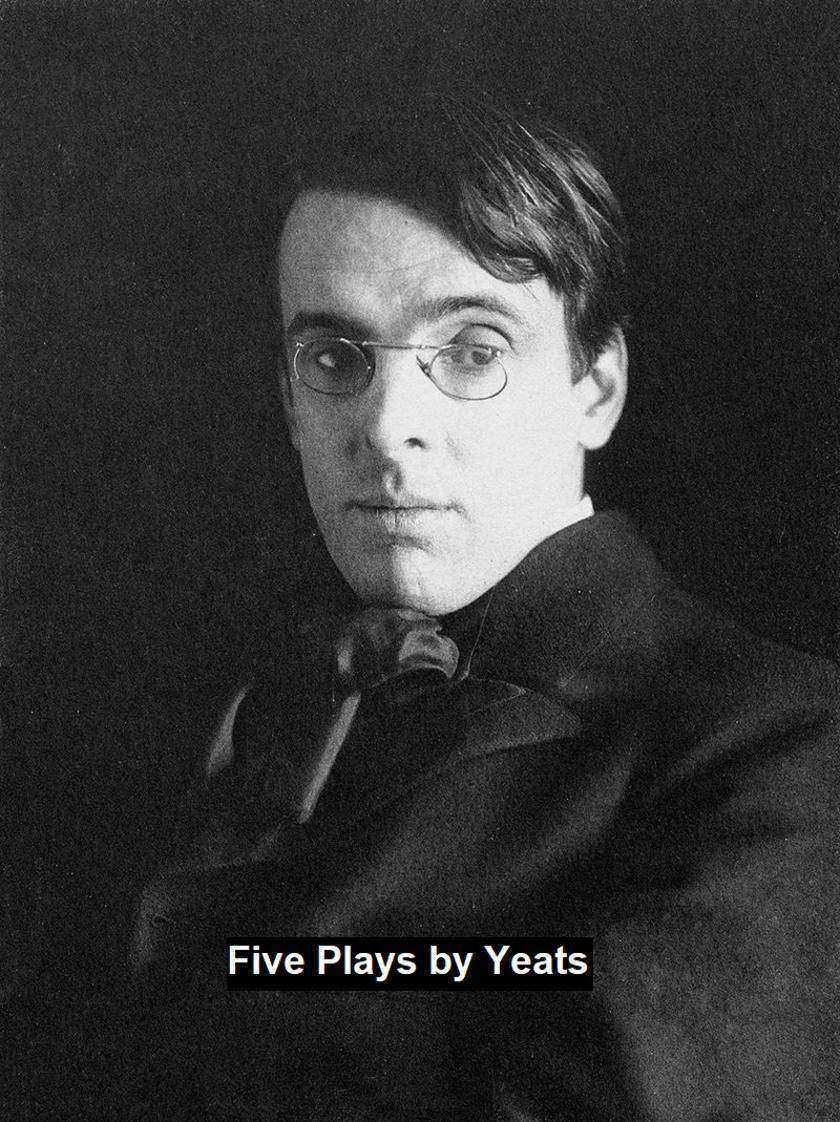
Five Plays
¥8.09
This file includes: The Land of Heart's Desire, The Countess Cathleen, The Unicorn and the Stars, Cathleen Ni Houlihan, and The Hour-Glass. According to Wikipedia: "William Butler Yeats (13 June 1865 - 28 January 1939) was an Irish poet, dramatist, and one of the foremost figures of 20th century literature. A pillar of both the Irish and British literary establishments, in his later years Yeats served as an Irish Senator for two terms. He was a driving force behind the Irish Literary Revival, and along with Lady Gregory and Edward Martyn founded the Abbey Theatre, serving as its chief during its early years. In 1923, he was awarded a Nobel Prize in Literature for what the Nobel Committee described as "inspired poetry, which in a highly artistic form gives expression to the spirit of a whole nation." He was the first Irishman so honored. Yeats is generally considered one of the few writers whose greatest works were completed after being awarded the Nobel Prize; such works include The Tower (1928) and The Winding Stair and Other Poems (1929). Yeats was born and educated in Dublin, but spent his childhood in County Sligo. He studied poetry in his youth, and from an early age was fascinated by both Irish legends and the occult. Those topics feature in the first phase of his work, which lasted roughly until the turn of the century. His earliest volume of verse was published in 1889, and those slowly paced and lyrical poems display debts to Edmund Spenser and Percy Bysshe Shelley, as well as to the lyricism of the Pre-Raphaelite poets. From 1900, Yeats' poetry grew more physical and realistic. He largely renounced the transcendental beliefs of his youth, though he remained preoccupied with physical and spiritual masks, as well as with cyclical theories of life."
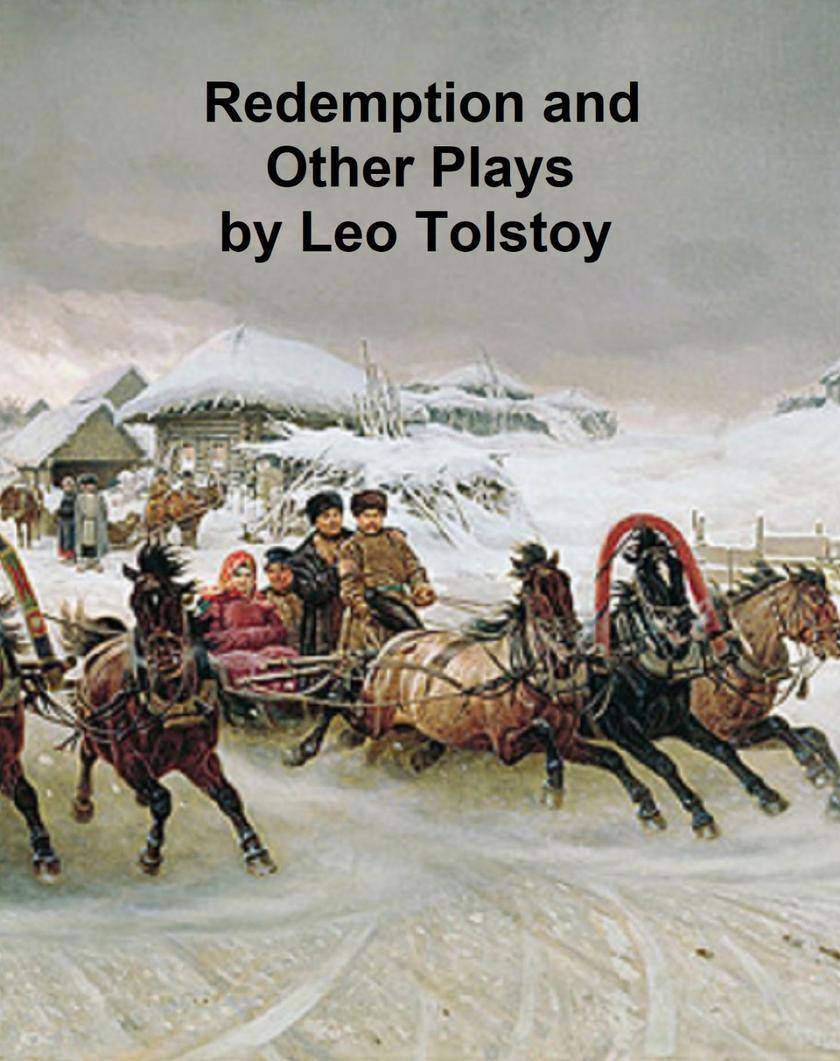
Redemption and Other Plays
¥8.09
Three classic Russian plays. According to Wikipedia: "As a fiction writer, Tolstoy is widely regarded as one of the greatest of all novelists, particularly noted for his masterpieces War and Peace and Anna Karenina. In their scope, breadth and realistic depiction of 19th-century Russian life, the two books stand at the peak of realist fiction. As a moral philosopher Tolstoy was notable for his ideas on nonviolent resistance through works such as The Kingdom of God is Within You, which in turn influenced such twentieth-century figures as Mohandas K. Gandhi and Martin Luther King, Jr."
Comme Il Vous Plaira
¥8.09
Traduit par Fran?ois Pierre Guillaume Guizot (1787 - 1874), historien fran?ais et homme d'?tat. Publié en 1862. Selon Wikipedia: "Comme vous l'aimez est une comédie pastorale par William Shakespeare censé avoir été écrit en 1599 ou au début 1600 et d'abord publié dans le premier folio, 1623. La première exécution de la pièce est incertaine, bien qu'une performance Comme à son habitude, elle suit son héro?ne Rosalind alors qu'elle fuit la persécution dans la cour de son oncle, accompagnée de sa cousine Celia et Touchstone le bouffon de cour, pour trouver la sécurité et éventuellement l'amour dans la forêt de Arden."
Coriolan, Coriolanus in French
¥8.09
Traduit par Fran?ois Pierre Guillaume Guizot (1787 - 1874), historien fran?ais et homme d'?tat. Publié en 1862. Selon Wikipedia: "Coriolanus est une tragédie de William Shakespeare, qui aurait été écrite entre 1605 et 1608. La pièce est basée sur la vie du légendaire dirigeant romain, Caius Marcius Coriolanus."
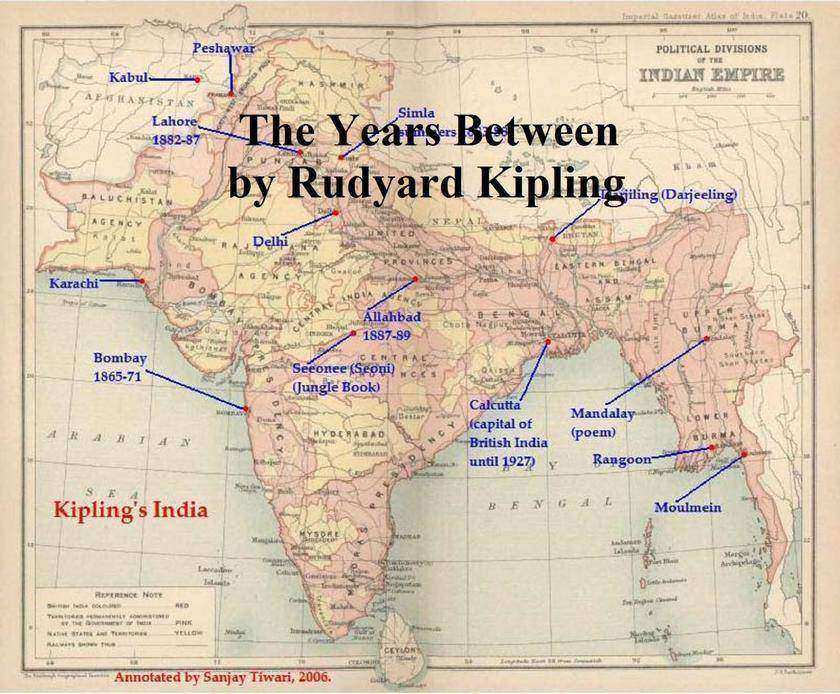
The Years Between
¥8.09
Verse written during and about World War I. According to Wikipedia: "Joseph Rudyard Kipling (1865 – 1936) was an English author and poet. Born in Bombay, British India (now Mumbai), he is best known for his works The Jungle Book (1894) and Rikki-Tikki-Tavi (1902), his novel, Kim (1901); his poems, including Mandalay (1890), Gunga Din (1890), If— (1910); and his many short stories, including The Man Who Would Be King (1888). He is regarded as a major "innovator in the art of the short story"; his children's books are enduring classics of children's literature; and his best works speak to a versatile and luminous narrative gift. Kipling was one of the most popular writers in English, in both prose and verse, in the late 19th and early 20th centuries.[2] The author Henry James said of him: "Kipling strikes me personally as the most complete man of genius (as distinct from fine intelligence) that I have ever known." In 1907, he was awarded the Nobel Prize in Literature, making him the first English language writer to receive the prize, and to date he remains its youngest recipient. Among other honours, he was sounded out for the British Poet Laureateship and on several occasions for a knighthood, all of which he declined."


