


 购物车
购物车 个人中心
个人中心

Chinese Folklore The Tale of Flower Elves
¥8.09
Once upon a time there was a scholar who lived retired from the world in order to gain hidden wisdom. He lived alone and in a secret place. And all about the little house in which he dwelt he had planted every kind of flower, and bamboos and other trees. There it lay, quite concealed in its thick grove of flowers. With him he had only a boy servant, who dwelt in a separate hut, and who carried out his orders. He was not allowed to appear before his master unless summoned. The scholar loved his flowers as he did himself. Never did he set his foot beyond the boundaries of his garden. It chanced that once there came a lovely spring evening. Flowers and trees stood in full bloom, a fresh breeze was blowing, the moon shone clearly. And the scholar sat over his goblet and was grateful for the gift of life. Suddenly he saw a maiden in dark garments come tripping up in the moonlight. She made a deep courtesy, greeted him and said: “I am your neighbor. We are a company of young maids who are on our way to visit the eighteen aunts. We should like to rest in this court for awhile, and therefore ask your permission to do so.” The scholar saw that this was something quite out of the common, and gladly gave his consent. The maiden thanked him and went away. In a short time she brought back a whole crowd of maids carrying flowers and willow branches. All greeted the scholar. They were charming, with delicate features, and slender, graceful figures. When they moved their sleeves, a delightful fragrance was exhaled. There is no fragrance known to the human world which could be compared with it.
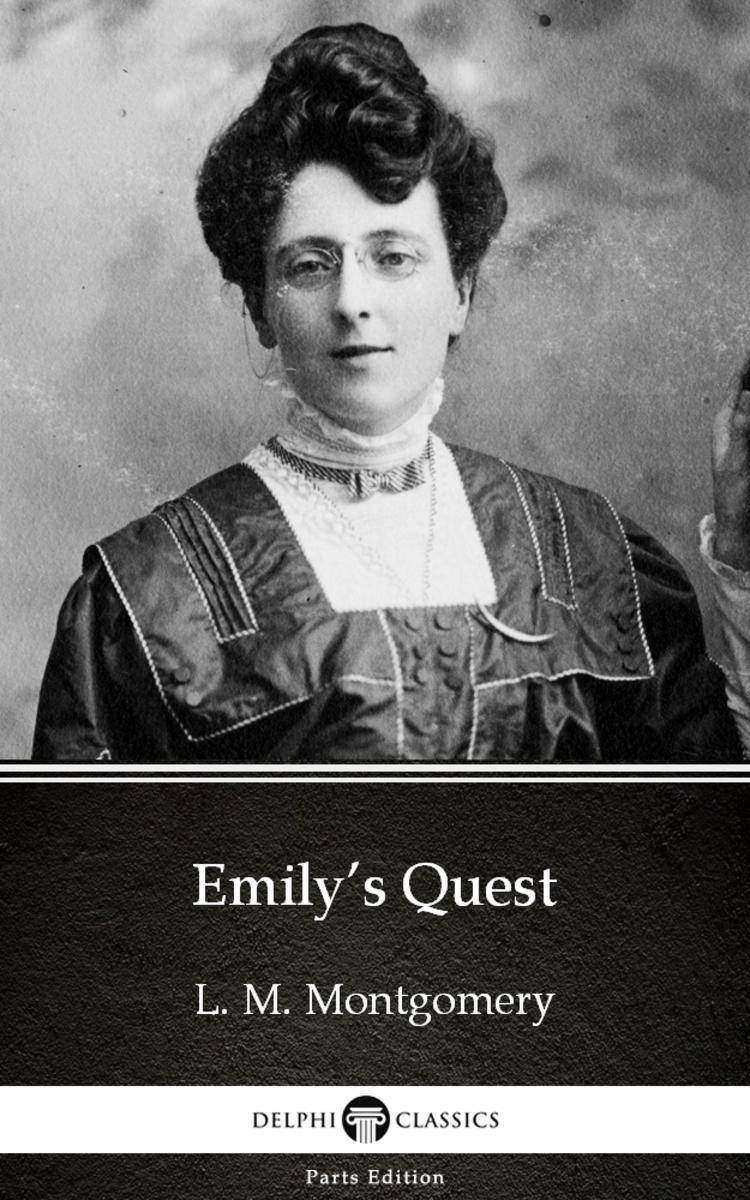
Emily’s Quest by L. M. Montgomery (Illustrated)
¥8.09
This eBook features the unabridged text of ‘Emily’s Quest’ from the bestselling edition of ‘The Complete Works of L. M. Montgomery’. Having established their name as the leading publisher of classic literature and art, Delphi Classics produce publications that are individually crafted with superior formatting, while introducing many rare texts for the first time in digital print. The Delphi Classics edition of Montgomery includes original annotations and illustrations relating to the life and works of the author, as well as individual tables of contents, allowing you to navigate eBooks quickly and easily.eBook features:* The complete unabridged text of ‘Emily’s Quest’* Beautifully illustrated with images related to Montgomery’s works* Individual contents table, allowing easy navigation around the eBook* Excellent formatting of the textPlease visit www.delphiclassics.com to learn more about our wide range of titles
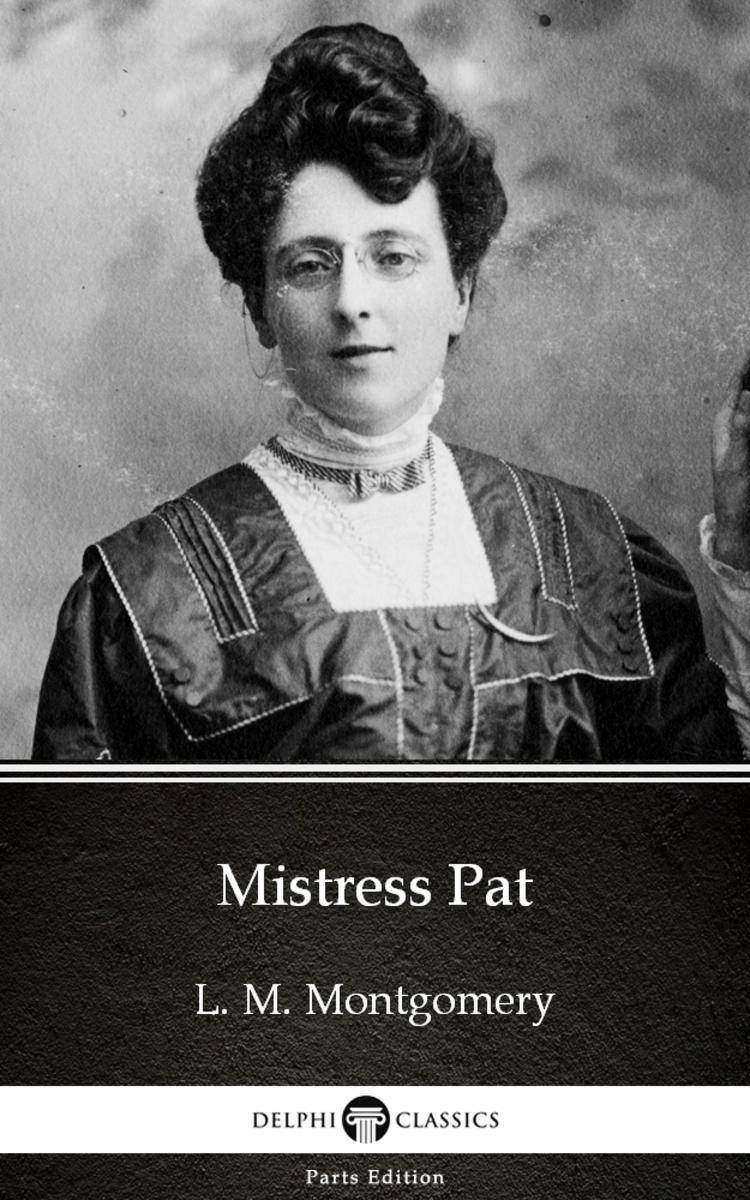
Mistress Pat by L. M. Montgomery (Illustrated)
¥8.09
This eBook features the unabridged text of ‘Mistress Pat’ from the bestselling edition of ‘The Complete Works of L. M. Montgomery’. Having established their name as the leading publisher of classic literature and art, Delphi Classics produce publications that are individually crafted with superior formatting, while introducing many rare texts for the first time in digital print. The Delphi Classics edition of Montgomery includes original annotations and illustrations relating to the life and works of the author, as well as individual tables of contents, allowing you to navigate eBooks quickly and easily.eBook features:* The complete unabridged text of ‘Mistress Pat’* Beautifully illustrated with images related to Montgomery’s works* Individual contents table, allowing easy navigation around the eBook* Excellent formatting of the textPlease visit www.delphiclassics.com to learn more about our wide range of titles

The Golden Road by L. M. Montgomery (Illustrated)
¥8.09
This eBook features the unabridged text of ‘The Golden Road’ from the bestselling edition of ‘The Complete Works of L. M. Montgomery’. Having established their name as the leading publisher of classic literature and art, Delphi Classics produce publications that are individually crafted with superior formatting, while introducing many rare texts for the first time in digital print. The Delphi Classics edition of Montgomery includes original annotations and illustrations relating to the life and works of the author, as well as individual tables of contents, allowing you to navigate eBooks quickly and easily.eBook features:* The complete unabridged text of ‘The Golden Road’* Beautifully illustrated with images related to Montgomery’s works* Individual contents table, allowing easy navigation around the eBook* Excellent formatting of the textPlease visit www.delphiclassics.com to learn more about our wide range of titles

The Fixed Period by Anthony Trollope (Illustrated)
¥8.09
This eBook features the unabridged text of ‘The Fixed Period’ from the bestselling edition of ‘The Complete Works of Anthony Trollope’. Having established their name as the leading publisher of classic literature and art, Delphi Classics produce publications that are individually crafted with superior formatting, while introducing many rare texts for the first time in digital print. The Delphi Classics edition of Trollope includes original annotations and illustrations relating to the life and works of the author, as well as individual tables of contents, allowing you to navigate eBooks quickly and easily.eBook features:* The complete unabridged text of ‘The Fixed Period’* Beautifully illustrated with images related to Trollope’s works* Individual contents table, allowing easy navigation around the eBook* Excellent formatting of the textPlease visit www.delphiclassics.com to learn more about our wide range of titles
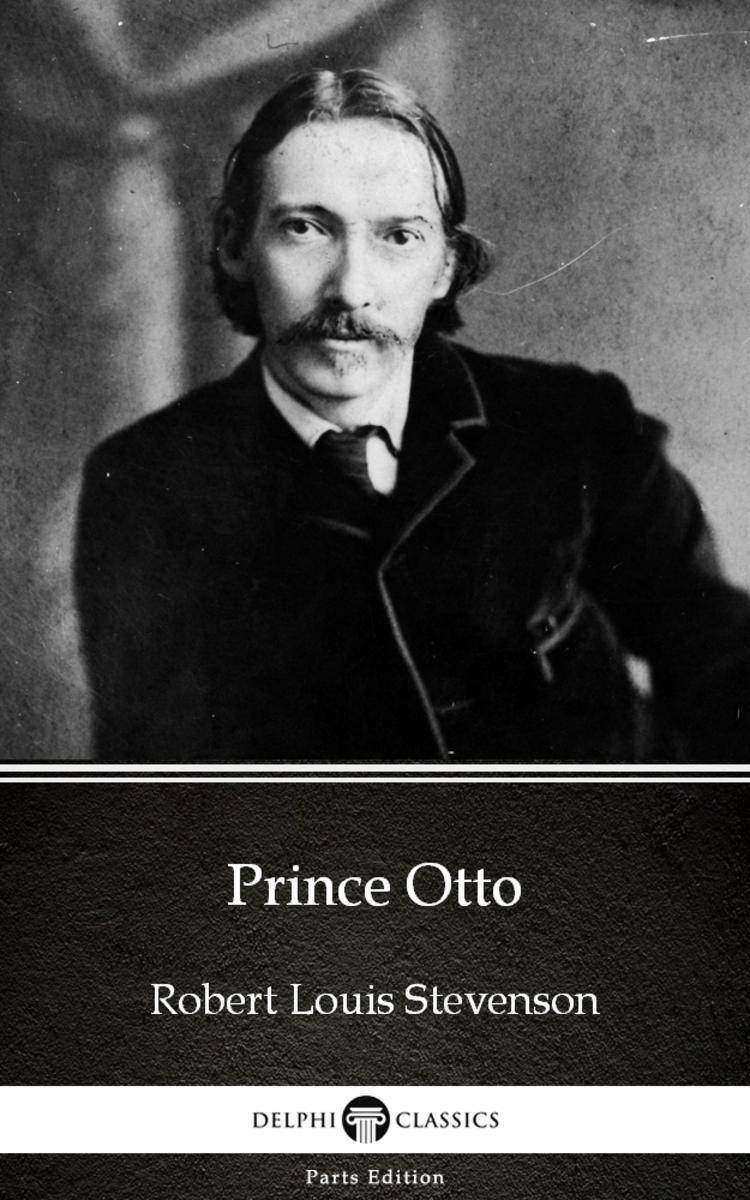
Prince Otto by Robert Louis Stevenson (Illustrated)
¥8.09
This eBook features the unabridged text of ‘Prince Otto’ from the bestselling edition of ‘The Complete Works of Robert Louis Stevenson’. Having established their name as the leading publisher of classic literature and art, Delphi Classics produce publications that are individually crafted with superior formatting, while introducing many rare texts for the first time in digital print. The Delphi Classics edition of Stevenson includes original annotations and illustrations relating to the life and works of the author, as well as individual tables of contents, allowing you to navigate eBooks quickly and easily.eBook features:* The complete unabridged text of ‘Prince Otto’* Beautifully illustrated with images related to Stevenson’s works* Individual contents table, allowing easy navigation around the eBook* Excellent formatting of the textPlease visit www.delphiclassics.com to learn more about our wide range of titles

The Strange Case of Dr. Jekyll and Mr. Hyde by Robert Louis Stevenson
¥8.09
This eBook features the unabridged text of ‘The Strange Case of Dr. Jekyll and Mr. Hyde’ from the bestselling edition of ‘The Complete Works of Robert Louis Stevenson’. Having established their name as the leading publisher of classic literature and art, Delphi Classics produce publications that are individually crafted with superior formatting, while introducing many rare texts for the first time in digital print. The Delphi Classics edition of Stevenson includes original annotations and illustrations relating to the life and works of the author, as well as individual tables of contents, allowing you to navigate eBooks quickly and easily.eBook features:* The complete unabridged text of ‘The Strange Case of Dr. Jekyll and Mr. Hyde’* Beautifully illustrated with images related to Stevenson’s works* Individual contents table, allowing easy navigation around the eBook* Excellent formatting of the textPlease visit www.delphiclassics.com to learn more about our wide range of titles
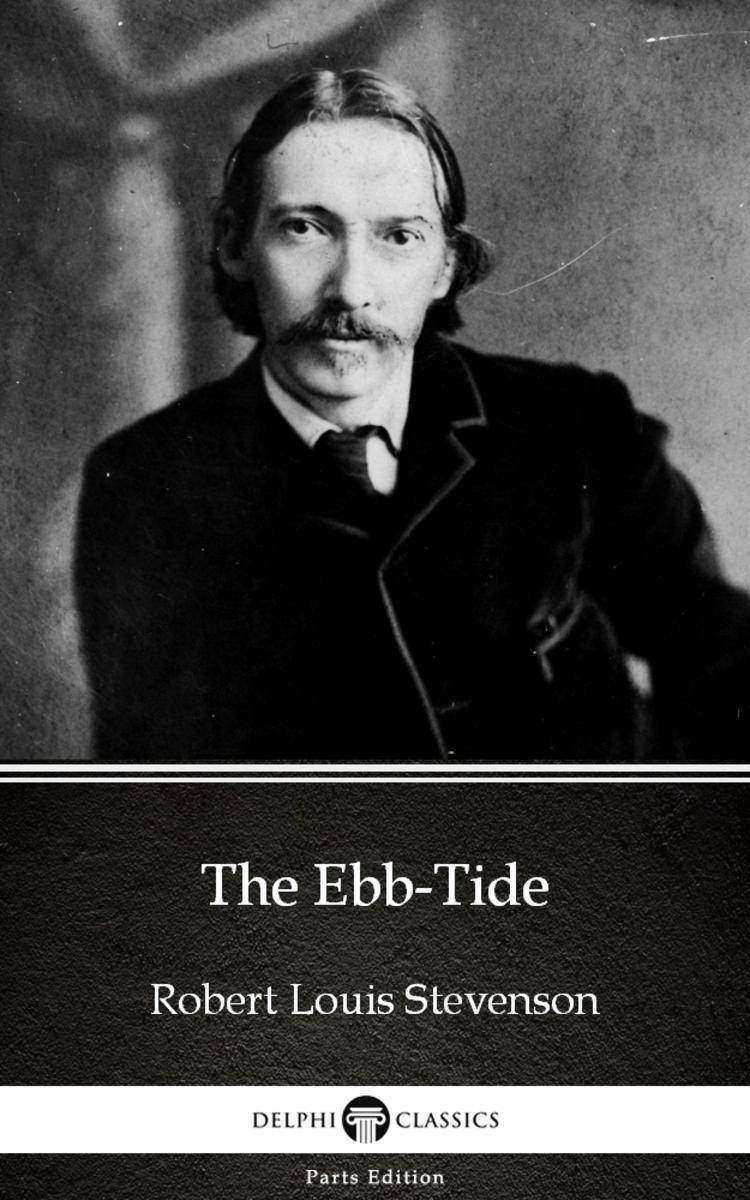
The Ebb-Tide by Robert Louis Stevenson (Illustrated)
¥8.09
This eBook features the unabridged text of ‘The Ebb-Tide’ from the bestselling edition of ‘The Complete Works of Robert Louis Stevenson’. Having established their name as the leading publisher of classic literature and art, Delphi Classics produce publications that are individually crafted with superior formatting, while introducing many rare texts for the first time in digital print. The Delphi Classics edition of Stevenson includes original annotations and illustrations relating to the life and works of the author, as well as individual tables of contents, allowing you to navigate eBooks quickly and easily.eBook features:* The complete unabridged text of ‘The Ebb-Tide’* Beautifully illustrated with images related to Stevenson’s works* Individual contents table, allowing easy navigation around the eBook* Excellent formatting of the textPlease visit www.delphiclassics.com to learn more about our wide range of titles
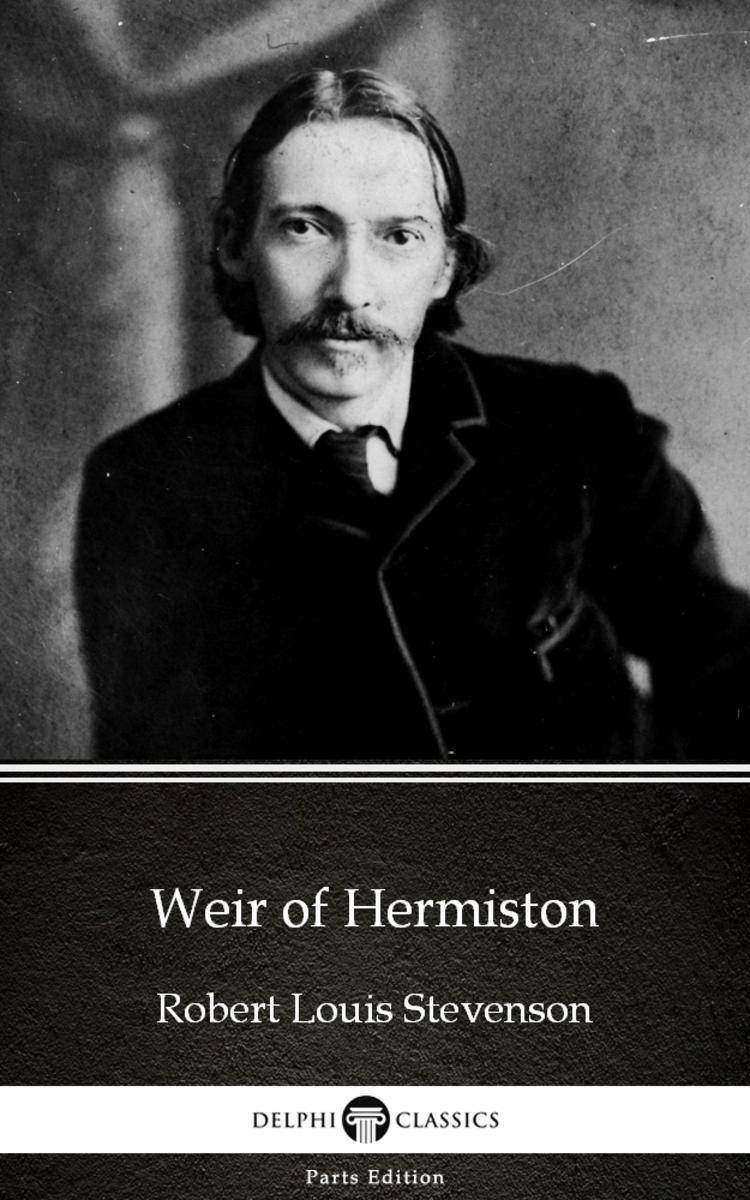
Weir of Hermiston by Robert Louis Stevenson (Illustrated)
¥8.09
This eBook features the unabridged text of ‘Weir of Hermiston’ from the bestselling edition of ‘The Complete Works of Robert Louis Stevenson’. Having established their name as the leading publisher of classic literature and art, Delphi Classics produce publications that are individually crafted with superior formatting, while introducing many rare texts for the first time in digital print. The Delphi Classics edition of Stevenson includes original annotations and illustrations relating to the life and works of the author, as well as individual tables of contents, allowing you to navigate eBooks quickly and easily.eBook features:* The complete unabridged text of ‘Weir of Hermiston’* Beautifully illustrated with images related to Stevenson’s works* Individual contents table, allowing easy navigation around the eBook* Excellent formatting of the textPlease visit www.delphiclassics.com to learn more about our wide range of titles

The Great North Road by Robert Louis Stevenson (Illustrated)
¥8.09
This eBook features the unabridged text of ‘The Great North Road’ from the bestselling edition of ‘The Complete Works of Robert Louis Stevenson’. Having established their name as the leading publisher of classic literature and art, Delphi Classics produce publications that are individually crafted with superior formatting, while introducing many rare texts for the first time in digital print. The Delphi Classics edition of Stevenson includes original annotations and illustrations relating to the life and works of the author, as well as individual tables of contents, allowing you to navigate eBooks quickly and easily.eBook features:* The complete unabridged text of ‘The Great North Road’* Beautifully illustrated with images related to Stevenson’s works* Individual contents table, allowing easy navigation around the eBook* Excellent formatting of the textPlease visit www.delphiclassics.com to learn more about our wide range of titles

More New Arabian Nights - the Dynamiter by Robert Louis Stevenson (Illustrated)
¥8.09
This eBook features the unabridged text of ‘More New Arabian Nights - the Dynamiter’ from the bestselling edition of ‘The Complete Works of Robert Louis Stevenson’. Having established their name as the leading publisher of classic literature and art, Delphi Classics produce publications that are individually crafted with superior formatting, while introducing many rare texts for the first time in digital print. The Delphi Classics edition of Stevenson includes original annotations and illustrations relating to the life and works of the author, as well as individual tables of contents, allowing you to navigate eBooks quickly and easily.eBook features:* The complete unabridged text of ‘More New Arabian Nights - the Dynamiter’* Beautifully illustrated with images related to Stevenson’s works* Individual contents table, allowing easy navigation around the eBook* Excellent formatting of the textPlease visit www.delphiclassics.com to learn more about our wide range of titles
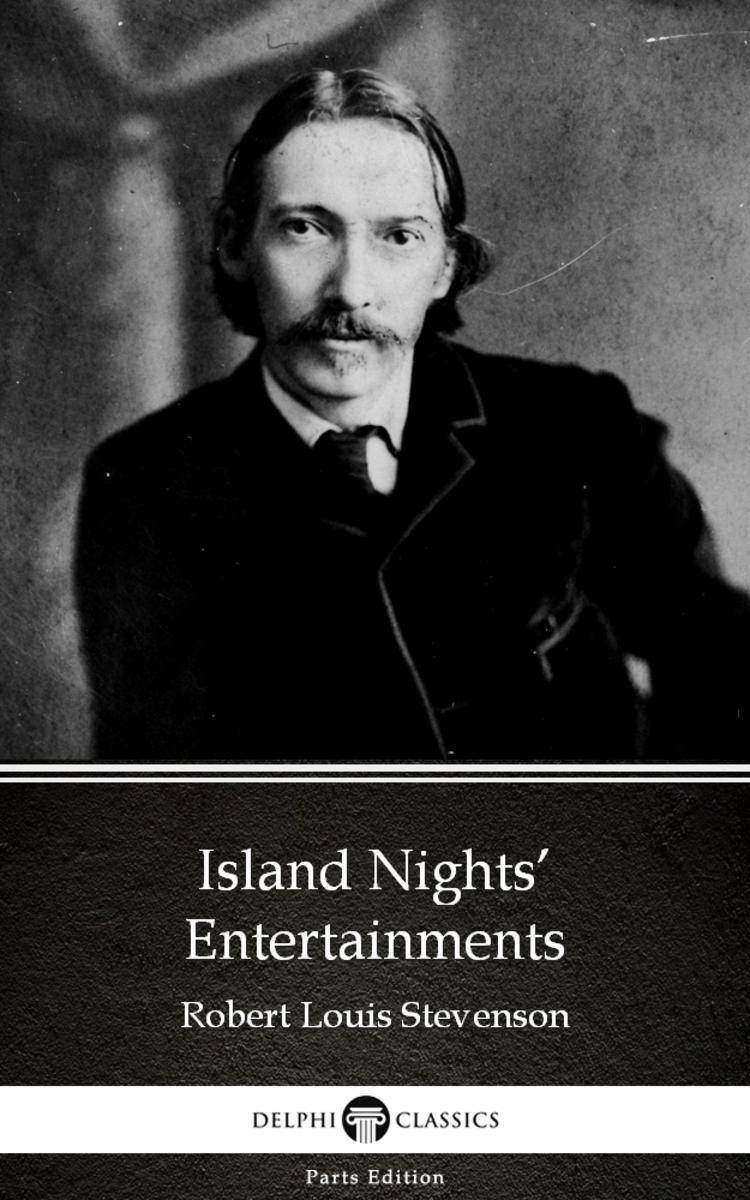
Island Nights’ Entertainments by Robert Louis Stevenson (Illustrated)
¥8.09
This eBook features the unabridged text of ‘Island Nights’ Entertainments’ from the bestselling edition of ‘The Complete Works of Robert Louis Stevenson’. Having established their name as the leading publisher of classic literature and art, Delphi Classics produce publications that are individually crafted with superior formatting, while introducing many rare texts for the first time in digital print. The Delphi Classics edition of Stevenson includes original annotations and illustrations relating to the life and works of the author, as well as individual tables of contents, allowing you to navigate eBooks quickly and easily.eBook features:* The complete unabridged text of ‘Island Nights’ Entertainments’* Beautifully illustrated with images related to Stevenson’s works* Individual contents table, allowing easy navigation around the eBook* Excellent formatting of the textPlease visit www.delphiclassics.com to learn more about our wide range of titles
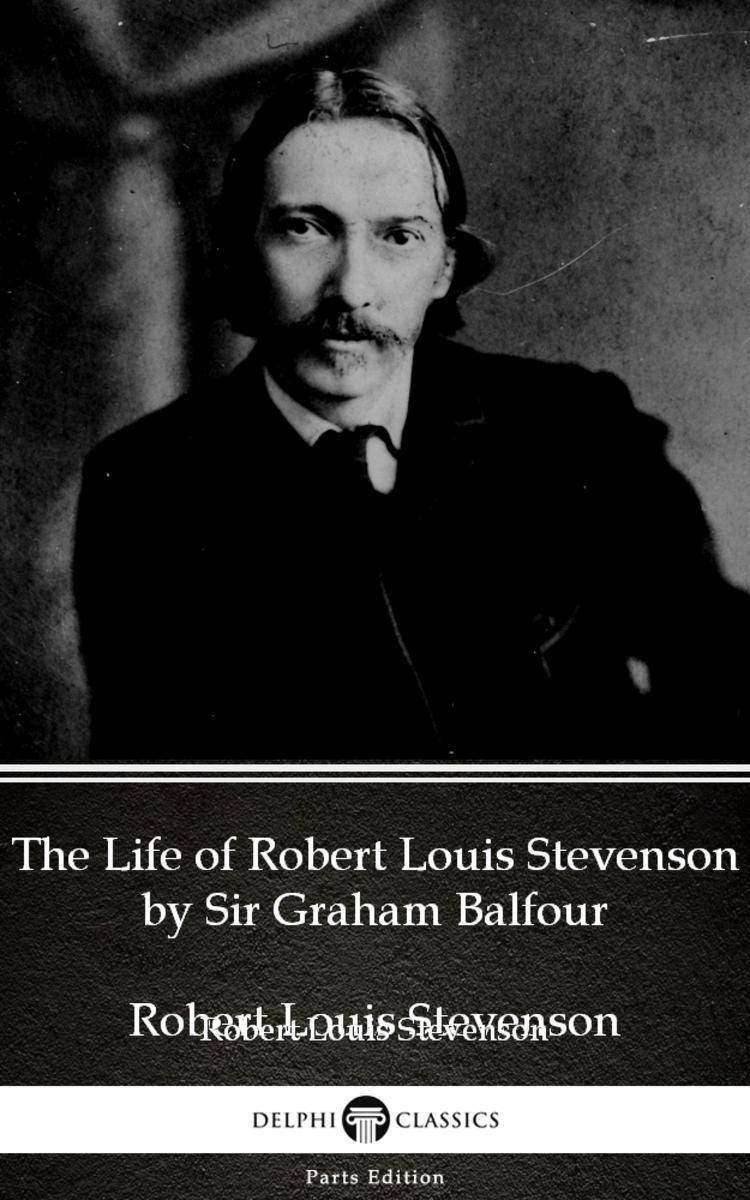
The Life of Robert Louis Stevenson by Sir Graham Balfour (Illustrated)
¥8.09
This eBook features the unabridged text of ‘The Life of Robert Louis Stevenson by Sir Graham Balfour’ from the bestselling edition of ‘The Complete Works of Robert Louis Stevenson’. Having established their name as the leading publisher of classic literature and art, Delphi Classics produce publications that are individually crafted with superior formatting, while introducing many rare texts for the first time in digital print. The Delphi Classics edition of Stevenson includes original annotations and illustrations relating to the life and works of the author, as well as individual tables of contents, allowing you to navigate eBooks quickly and easily.eBook features:* The complete unabridged text of ‘The Life of Robert Louis Stevenson by Sir Graham Balfour’* Beautifully illustrated with images related to Stevenson’s works* Individual contents table, allowing easy navigation around the eBook* Excellent formatting of the textPlease visit www.delphiclassics.com to learn more about our wide range of titles

Tom Sawyer, Detective by Mark Twain (Illustrated)
¥8.09
This eBook features the unabridged text of ‘Tom Sawyer, Detective’ from the bestselling edition of ‘The Complete Works of Mark Twain’. Having established their name as the leading publisher of classic literature and art, Delphi Classics produce publications that are individually crafted with superior formatting, while introducing many rare texts for the first time in digital print. The Delphi Classics edition of Twain includes original annotations and illustrations relating to the life and works of the author, as well as individual tables of contents, allowing you to navigate eBooks quickly and easily.eBook features:* The complete unabridged text of ‘Tom Sawyer, Detective’* Beautifully illustrated with images related to Twain’s works* Individual contents table, allowing easy navigation around the eBook* Excellent formatting of the textPlease visit www.delphiclassics.com to learn more about our wide range of titles

The Complete Short Stories by Mark Twain (Illustrated)
¥8.09
This eBook features the unabridged text of ‘The Complete Short Stories’ from the bestselling edition of ‘The Complete Works of Mark Twain’. Having established their name as the leading publisher of classic literature and art, Delphi Classics produce publications that are individually crafted with superior formatting, while introducing many rare texts for the first time in digital print. The Delphi Classics edition of Twain includes original annotations and illustrations relating to the life and works of the author, as well as individual tables of contents, allowing you to navigate eBooks quickly and easily.eBook features:* The complete unabridged text of ‘The Complete Short Stories’* Beautifully illustrated with images related to Twain’s works* Individual contents table, allowing easy navigation around the eBook* Excellent formatting of the textPlease visit www.delphiclassics.com to learn more about our wide range of titles

Old Times on the Mississippi by Mark Twain (Illustrated)
¥8.09
This eBook features the unabridged text of ‘Old Times on the Mississippi’ from the bestselling edition of ‘The Complete Works of Mark Twain’. Having established their name as the leading publisher of classic literature and art, Delphi Classics produce publications that are individually crafted with superior formatting, while introducing many rare texts for the first time in digital print. The Delphi Classics edition of Twain includes original annotations and illustrations relating to the life and works of the author, as well as individual tables of contents, allowing you to navigate eBooks quickly and easily.eBook features:* The complete unabridged text of ‘Old Times on the Mississippi’* Beautifully illustrated with images related to Twain’s works* Individual contents table, allowing easy navigation around the eBook* Excellent formatting of the textPlease visit www.delphiclassics.com to learn more about our wide range of titles

Waverley by Sir Walter Scott (Illustrated)
¥8.09
This eBook features the unabridged text of ‘Waverley’ from the bestselling edition of ‘The Complete Works of Sir Walter Scott’. Having established their name as the leading publisher of classic literature and art, Delphi Classics produce publications that are individually crafted with superior formatting, while introducing many rare texts for the first time in digital print. The Delphi Classics edition of Scott includes original annotations and illustrations relating to the life and works of the author, as well as individual tables of contents, allowing you to navigate eBooks quickly and easily.eBook features:* The complete unabridged text of ‘Waverley’* Beautifully illustrated with images related to Scott’s works* Individual contents table, allowing easy navigation around the eBook* Excellent formatting of the textPlease visit www.delphiclassics.com to learn more about our wide range of titles

The Well-Beloved by Thomas Hardy (Illustrated)
¥8.09
This eBook features the unabridged text of ‘The Well-Beloved’ from the bestselling edition of ‘The Complete Works of Thomas Hardy’. Having established their name as the leading publisher of classic literature and art, Delphi Classics produce publications that are individually crafted with superior formatting, while introducing many rare texts for the first time in digital print. The Delphi Classics edition of Hardy includes original annotations and illustrations relating to the life and works of the author, as well as individual tables of contents, allowing you to navigate eBooks quickly and easily.eBook features:* The complete unabridged text of ‘The Well-Beloved’* Beautifully illustrated with images related to Hardy’s works* Individual contents table, allowing easy navigation around the eBook* Excellent formatting of the textPlease visit www.delphiclassics.com to learn more about our wide range of titles

Black Dwarf by Sir Walter Scott (Illustrated)
¥8.09
This eBook features the unabridged text of ‘Black Dwarf’ from the bestselling edition of ‘The Complete Works of Sir Walter Scott’. Having established their name as the leading publisher of classic literature and art, Delphi Classics produce publications that are individually crafted with superior formatting, while introducing many rare texts for the first time in digital print. The Delphi Classics edition of Scott includes original annotations and illustrations relating to the life and works of the author, as well as individual tables of contents, allowing you to navigate eBooks quickly and easily.eBook features:* The complete unabridged text of ‘Black Dwarf’* Beautifully illustrated with images related to Scott’s works* Individual contents table, allowing easy navigation around the eBook* Excellent formatting of the textPlease visit www.delphiclassics.com to learn more about our wide range of titles

The Heart of Midlothian by Sir Walter Scott (Illustrated)
¥8.09
This eBook features the unabridged text of ‘The Heart of Midlothian’ from the bestselling edition of ‘The Complete Works of Sir Walter Scott’. Having established their name as the leading publisher of classic literature and art, Delphi Classics produce publications that are individually crafted with superior formatting, while introducing many rare texts for the first time in digital print. The Delphi Classics edition of Scott includes original annotations and illustrations relating to the life and works of the author, as well as individual tables of contents, allowing you to navigate eBooks quickly and easily.eBook features:* The complete unabridged text of ‘The Heart of Midlothian’* Beautifully illustrated with images related to Scott’s works* Individual contents table, allowing easy navigation around the eBook* Excellent formatting of the textPlease visit www.delphiclassics.com to learn more about our wide range of titles

The Fortunes of Nigel by Sir Walter Scott (Illustrated)
¥8.09
This eBook features the unabridged text of ‘The Fortunes of Nigel’ from the bestselling edition of ‘The Complete Works of Sir Walter Scott’. Having established their name as the leading publisher of classic literature and art, Delphi Classics produce publications that are individually crafted with superior formatting, while introducing many rare texts for the first time in digital print. The Delphi Classics edition of Scott includes original annotations and illustrations relating to the life and works of the author, as well as individual tables of contents, allowing you to navigate eBooks quickly and easily.eBook features:* The complete unabridged text of ‘The Fortunes of Nigel’* Beautifully illustrated with images related to Scott’s works* Individual contents table, allowing easy navigation around the eBook* Excellent formatting of the textPlease visit www.delphiclassics.com to learn more about our wide range of titles


