


 购物车
购物车 个人中心
个人中心
Henry VI, Part 2 by William Shakespeare (Illustrated)
¥8.09
This eBook features the unabridged text of ‘Henry VI, Part 2’ from the bestselling edition of ‘The Complete Works of William Shakespeare’. Having established their name as the leading publisher of classic literature and art, Delphi Classics produce publications that are individually crafted with superior formatting, while introducing many rare texts for the first time in digital print. The Delphi Classics edition of Shakespeare includes original annotations and illustrations relating to the life and works of the author, as well as individual tables of contents, allowing you to navigate eBooks quickly and easily.eBook features:* The complete unabridged text of ‘Henry VI, Part 2’* Beautifully illustrated with images related to Shakespeare’s works* Individual contents table, allowing easy navigation around the eBook* Excellent formatting of the textPlease visit www.delphiclassics.com to learn more about our wide range of titles
Henry IV, Part I by William Shakespeare (Illustrated)
¥8.09
This eBook features the unabridged text of ‘Henry IV, Part I’ from the bestselling edition of ‘The Complete Works of William Shakespeare’. Having established their name as the leading publisher of classic literature and art, Delphi Classics produce publications that are individually crafted with superior formatting, while introducing many rare texts for the first time in digital print. The Delphi Classics edition of Shakespeare includes original annotations and illustrations relating to the life and works of the author, as well as individual tables of contents, allowing you to navigate eBooks quickly and easily.eBook features:* The complete unabridged text of ‘Henry IV, Part I’* Beautifully illustrated with images related to Shakespeare’s works* Individual contents table, allowing easy navigation around the eBook* Excellent formatting of the textPlease visit www.delphiclassics.com to learn more about our wide range of titles
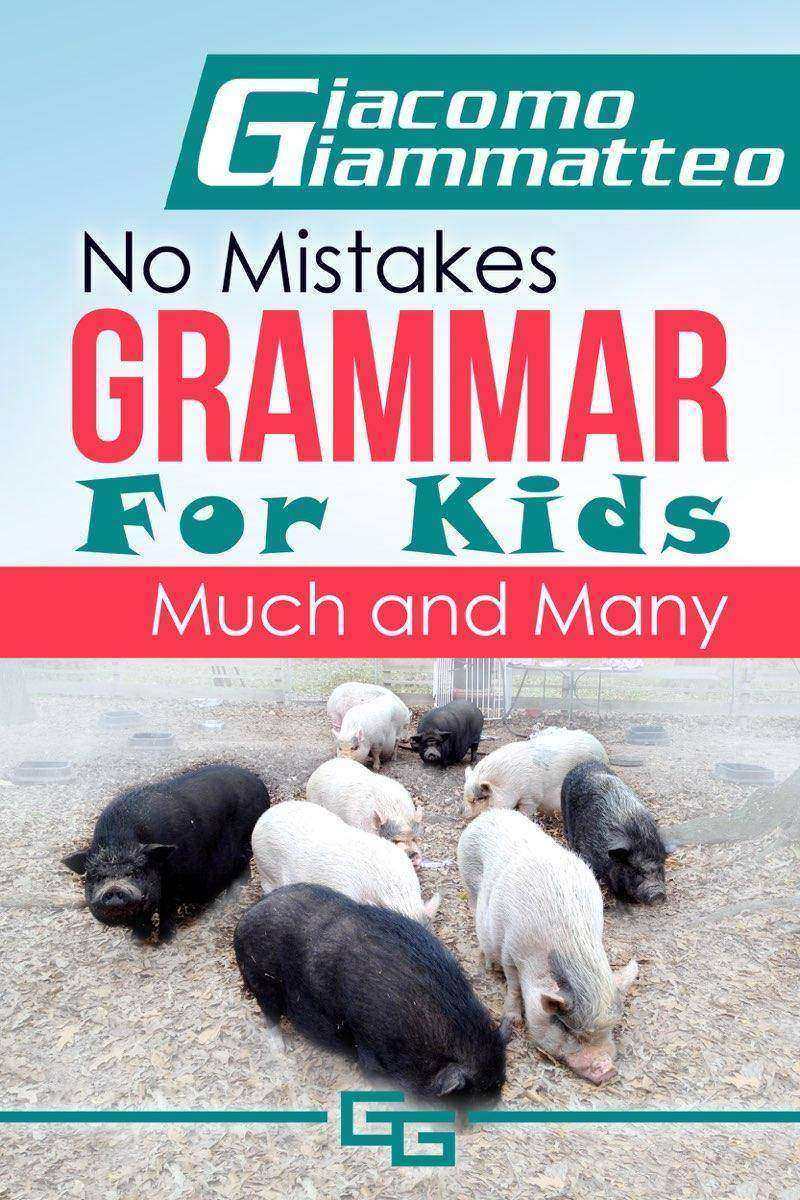
No Mistakes Grammar for Kids: Much and Many
¥8.09
How many times have you heard your kids misuse much and many. If it's once, it's too many. It may be time to get them help. Let Queen Shinobi teach them a thing or two.? Everyone knows pigs are smart. And Shinobi is one of the smartest. She's been around for twenty-four years, so she's learned a thing or two. She even went to school one time.? And if you think the children know much and many, how about then and than. I know they get that mixed up. Get the book and watch them learn. Their education is worth a few bucks. ?
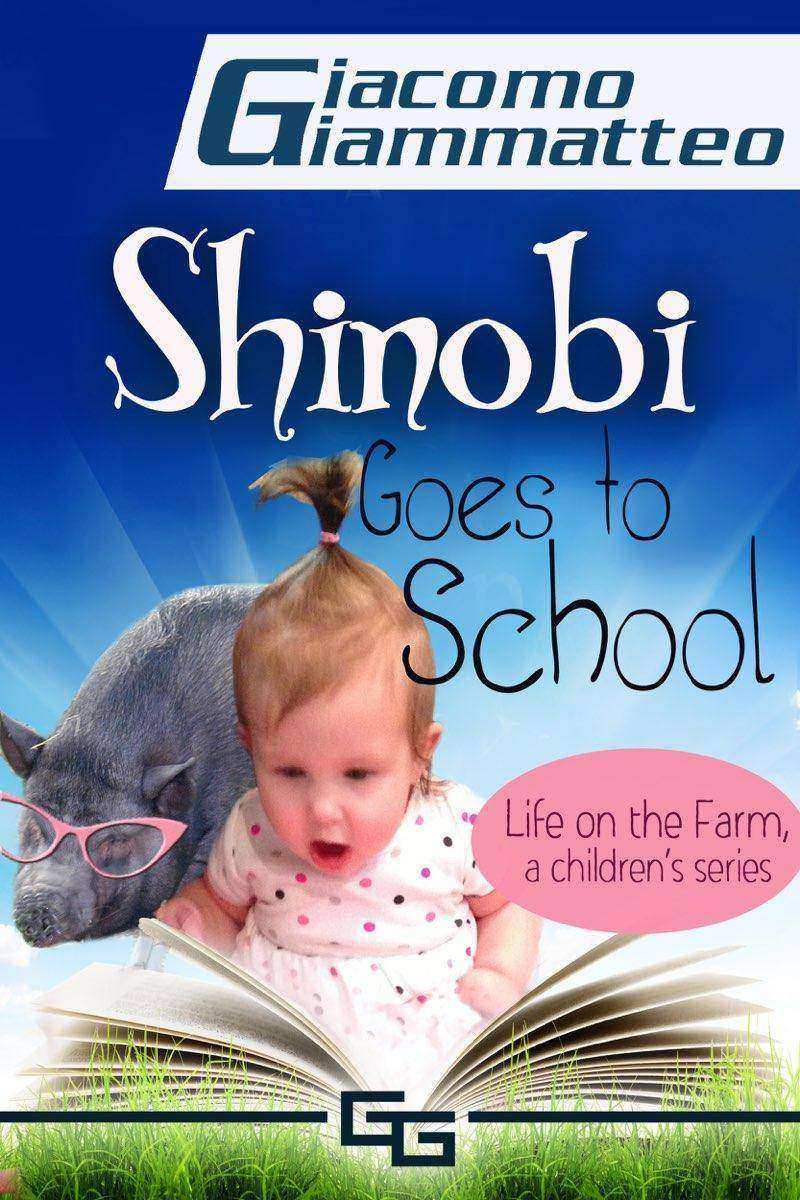
Life on the Farm for Kids: Shinobi Goes To School
¥8.09
The school needed a pig and they needed one badly. Finally, someone told them about Queen Shinobi and they called to arrange a visit. Queen Shinobi was asked to participate in a kiss-the-pig contest with the principal. This is her story. The story of how Shinobi went to school. ?

Life on the Farm for Kids, Volume III: Coco Gets a Donut
¥8.09
“She’s got two days,” Animal Control told my wife. “After that, we have to shoot her.” My wife was upset. How was she going to catch a pig who was living in the woods in two days? Faced with a seemingly impossible task, my wife began to plan. She recruited my son to help, and they set out to rescue Coco.?
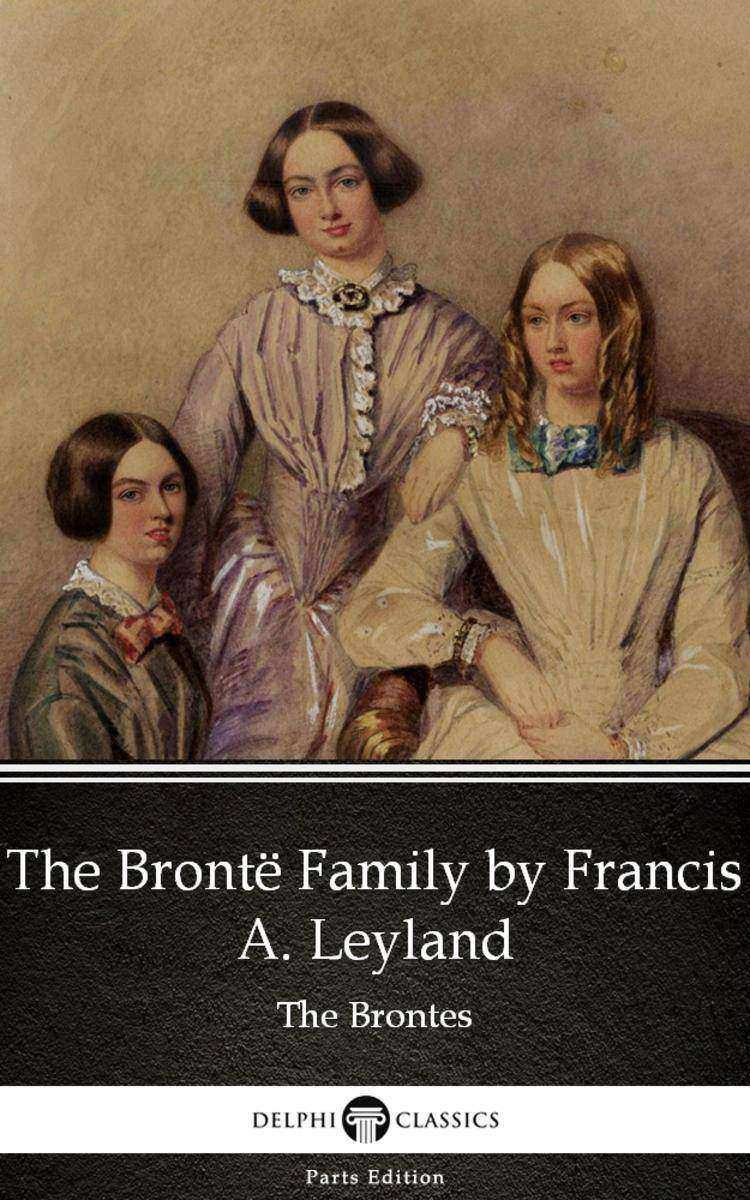
The Bront? Family by Francis A. Leyland (Illustrated)
¥8.09
This eBook features the unabridged text of ‘The Bront? Family by Francis A. Leyland’ from the bestselling edition of ‘The Complete Works of The Brontes’. Having established their name as the leading publisher of classic literature and art, Delphi Classics produce publications that are individually crafted with superior formatting, while introducing many rare texts for the first time in digital print. The Delphi Classics edition of Brontes includes original annotations and illustrations relating to the life and works of the author, as well as individual tables of contents, allowing you to navigate eBooks quickly and easily.eBook features:* The complete unabridged text of ‘The Bront? Family by Francis A. Leyland’* Beautifully illustrated with images related to Brontes’s works* Individual contents table, allowing easy navigation around the eBook* Excellent formatting of the textPlease visit www.delphiclassics.com to learn more about our wide range of titles
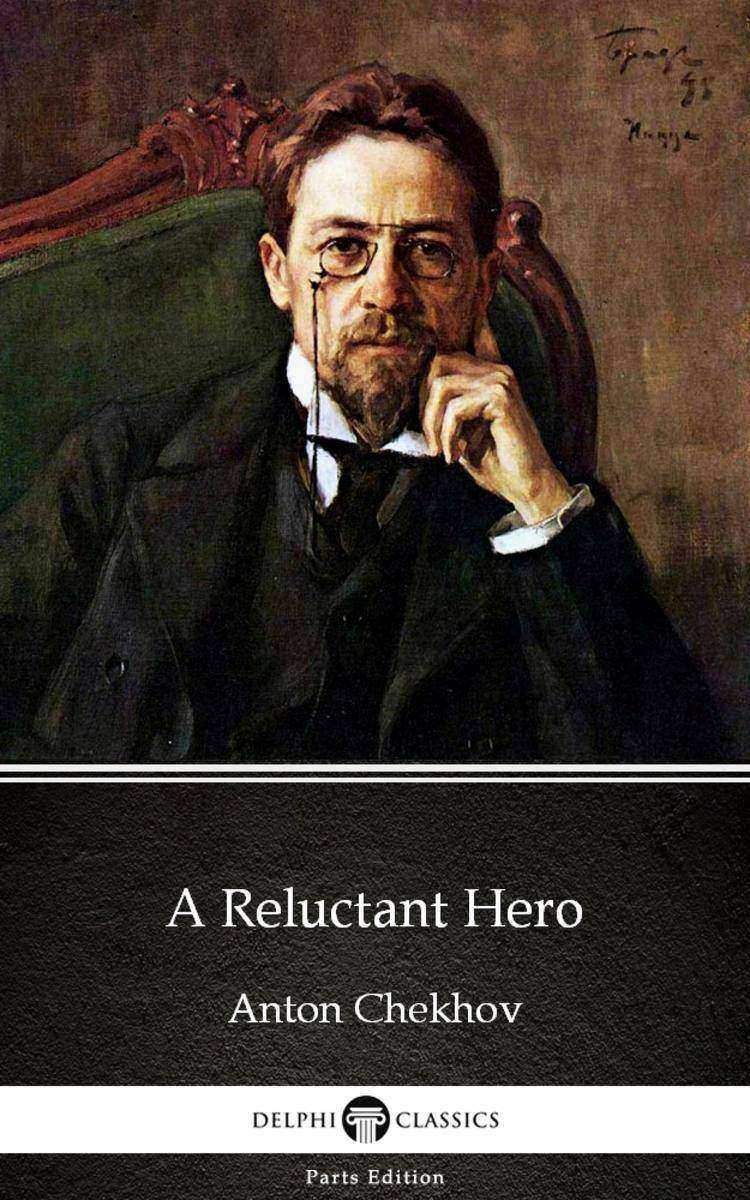
A Reluctant Hero by Anton Chekhov (Illustrated)
¥8.09
This eBook features the unabridged text of ‘A Reluctant Hero’ from the bestselling edition of ‘The Complete Works of Anton Chekhov’. Having established their name as the leading publisher of classic literature and art, Delphi Classics produce publications that are individually crafted with superior formatting, while introducing many rare texts for the first time in digital print. The Delphi Classics edition of Chekhov includes original annotations and illustrations relating to the life and works of the author, as well as individual tables of contents, allowing you to navigate eBooks quickly and easily.eBook features:* The complete unabridged text of ‘A Reluctant Hero’* Beautifully illustrated with images related to Chekhov’s works* Individual contents table, allowing easy navigation around the eBook* Excellent formatting of the textPlease visit www.delphiclassics.com to learn more about our wide range of titles
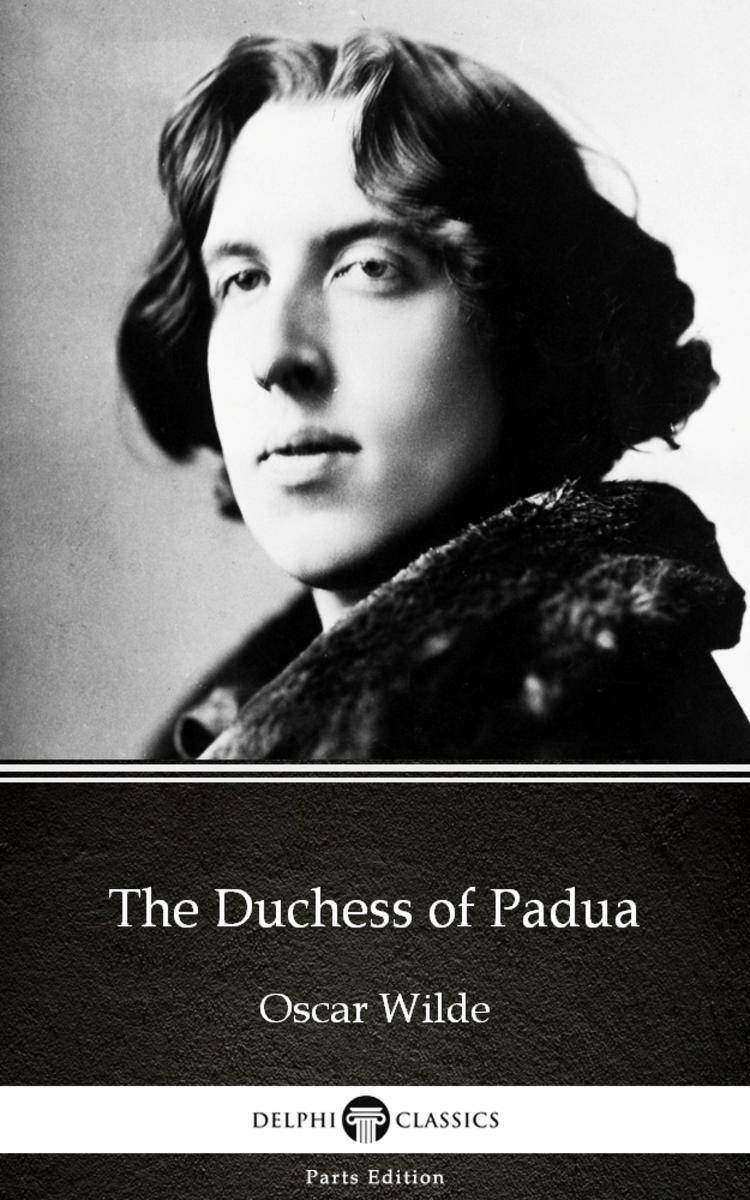
The Duchess of Padua by Oscar Wilde (Illustrated)
¥8.09
This eBook features the unabridged text of ‘The Duchess of Padua’ from the bestselling edition of ‘The Complete Works of Oscar Wilde’. Having established their name as the leading publisher of classic literature and art, Delphi Classics produce publications that are individually crafted with superior formatting, while introducing many rare texts for the first time in digital print. The Delphi Classics edition of Wilde includes original annotations and illustrations relating to the life and works of the author, as well as individual tables of contents, allowing you to navigate eBooks quickly and easily.eBook features:* The complete unabridged text of ‘The Duchess of Padua’* Beautifully illustrated with images related to Wilde’s works* Individual contents table, allowing easy navigation around the eBook* Excellent formatting of the textPlease visit www.delphiclassics.com to learn more about our wide range of titles
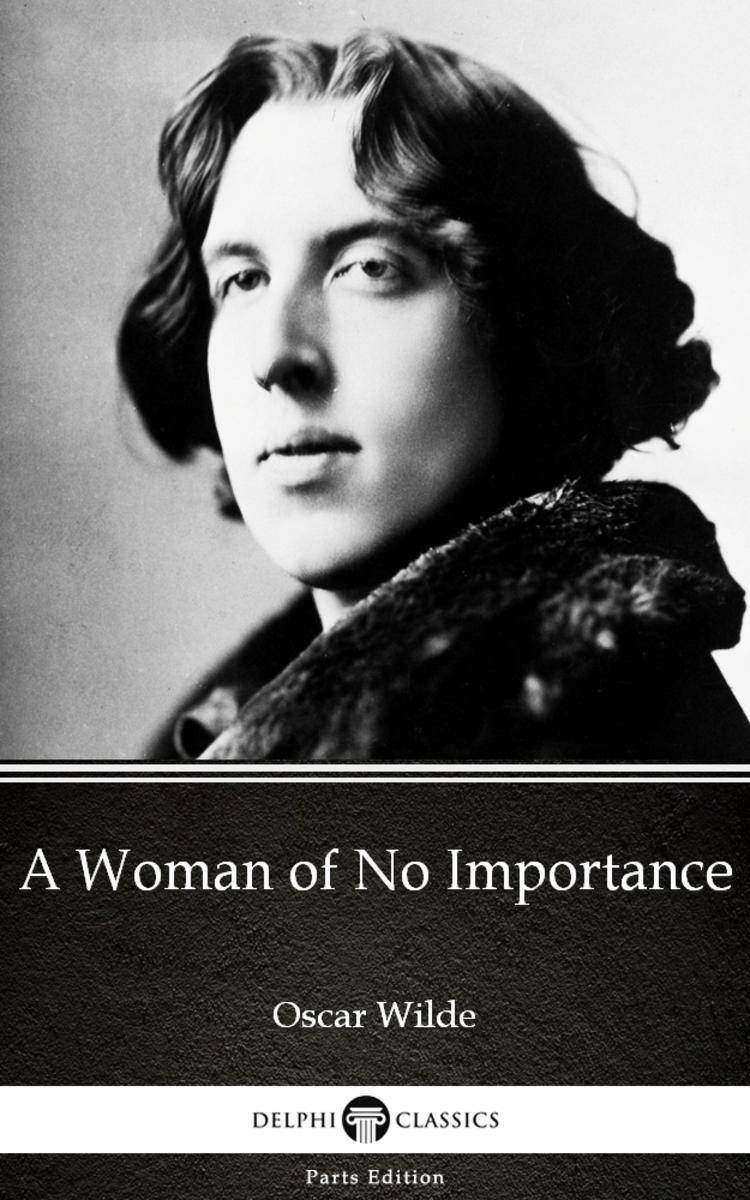
A Woman of No Importance by Oscar Wilde (Illustrated)
¥8.09
This eBook features the unabridged text of ‘A Woman of No Importance’ from the bestselling edition of ‘The Complete Works of Oscar Wilde’. Having established their name as the leading publisher of classic literature and art, Delphi Classics produce publications that are individually crafted with superior formatting, while introducing many rare texts for the first time in digital print. The Delphi Classics edition of Wilde includes original annotations and illustrations relating to the life and works of the author, as well as individual tables of contents, allowing you to navigate eBooks quickly and easily.eBook features:* The complete unabridged text of ‘A Woman of No Importance’* Beautifully illustrated with images related to Wilde’s works* Individual contents table, allowing easy navigation around the eBook* Excellent formatting of the textPlease visit www.delphiclassics.com to learn more about our wide range of titles
Biographical Sketch of Anton Chekhov by Constance Garnett by Anton Chekhov
¥8.09
This eBook features the unabridged text of ‘Biographical Sketch of Anton Chekhov by Constance Garnett’ from the bestselling edition of ‘The Complete Works of Anton Chekhov’. Having established their name as the leading publisher of classic literature and art, Delphi Classics produce publications that are individually crafted with superior formatting, while introducing many rare texts for the first time in digital print. The Delphi Classics edition of Chekhov includes original annotations and illustrations relating to the life and works of the author, as well as individual tables of contents, allowing you to navigate eBooks quickly and easily.eBook features:* The complete unabridged text of ‘Biographical Sketch of Anton Chekhov by Constance Garnett’* Beautifully illustrated with images related to Chekhov’s works* Individual contents table, allowing easy navigation around the eBook* Excellent formatting of the textPlease visit www.delphiclassics.com to learn more about our wide range of titles
The Importance of Being Earnest by Oscar Wilde (Illustrated)
¥8.09
This eBook features the unabridged text of ‘The Importance of Being Earnest’ from the bestselling edition of ‘The Complete Works of Oscar Wilde’. Having established their name as the leading publisher of classic literature and art, Delphi Classics produce publications that are individually crafted with superior formatting, while introducing many rare texts for the first time in digital print. The Delphi Classics edition of Wilde includes original annotations and illustrations relating to the life and works of the author, as well as individual tables of contents, allowing you to navigate eBooks quickly and easily.eBook features:* The complete unabridged text of ‘The Importance of Being Earnest’* Beautifully illustrated with images related to Wilde’s works* Individual contents table, allowing easy navigation around the eBook* Excellent formatting of the textPlease visit www.delphiclassics.com to learn more about our wide range of titles
Confidence by Henry James (Illustrated)
¥8.09
This eBook features the unabridged text of ‘Confidence’ from the bestselling edition of ‘The Complete Works of Henry James’. Having established their name as the leading publisher of classic literature and art, Delphi Classics produce publications that are individually crafted with superior formatting, while introducing many rare texts for the first time in digital print. The Delphi Classics edition of James includes original annotations and illustrations relating to the life and works of the author, as well as individual tables of contents, allowing you to navigate eBooks quickly and easily.eBook features:* The complete unabridged text of ‘Confidence’* Beautifully illustrated with images related to James’s works* Individual contents table, allowing easy navigation around the eBook* Excellent formatting of the textPlease visit www.delphiclassics.com to learn more about our wide range of titles
The Portrait of a Lady by Henry James (Illustrated)
¥8.09
This eBook features the unabridged text of ‘The Portrait of a Lady’ from the bestselling edition of ‘The Complete Works of Henry James’. Having established their name as the leading publisher of classic literature and art, Delphi Classics produce publications that are individually crafted with superior formatting, while introducing many rare texts for the first time in digital print. The Delphi Classics edition of James includes original annotations and illustrations relating to the life and works of the author, as well as individual tables of contents, allowing you to navigate eBooks quickly and easily.eBook features:* The complete unabridged text of ‘The Portrait of a Lady’* Beautifully illustrated with images related to James’s works* Individual contents table, allowing easy navigation around the eBook* Excellent formatting of the textPlease visit www.delphiclassics.com to learn more about our wide range of titles
A Son of the Sun by Jack London (Illustrated)
¥8.09
This eBook features the unabridged text of ‘A Son of the Sun’ from the bestselling edition of ‘The Complete Works of Jack London’. Having established their name as the leading publisher of classic literature and art, Delphi Classics produce publications that are individually crafted with superior formatting, while introducing many rare texts for the first time in digital print. The Delphi Classics edition of London includes original annotations and illustrations relating to the life and works of the author, as well as individual tables of contents, allowing you to navigate eBooks quickly and easily.eBook features:* The complete unabridged text of ‘A Son of the Sun’* Beautifully illustrated with images related to London’s works* Individual contents table, allowing easy navigation around the eBook* Excellent formatting of the textPlease visit www.delphiclassics.com to learn more about our wide range of titles
A London Life by Henry James (Illustrated)
¥8.09
This eBook features the unabridged text of ‘A London Life’ from the bestselling edition of ‘The Complete Works of Henry James’. Having established their name as the leading publisher of classic literature and art, Delphi Classics produce publications that are individually crafted with superior formatting, while introducing many rare texts for the first time in digital print. The Delphi Classics edition of James includes original annotations and illustrations relating to the life and works of the author, as well as individual tables of contents, allowing you to navigate eBooks quickly and easily.eBook features:* The complete unabridged text of ‘A London Life’* Beautifully illustrated with images related to James’s works* Individual contents table, allowing easy navigation around the eBook* Excellent formatting of the textPlease visit www.delphiclassics.com to learn more about our wide range of titles
Transatlantic Sketches by Henry James (Illustrated)
¥8.09
This eBook features the unabridged text of ‘Transatlantic Sketches’ from the bestselling edition of ‘The Complete Works of Henry James’. Having established their name as the leading publisher of classic literature and art, Delphi Classics produce publications that are individually crafted with superior formatting, while introducing many rare texts for the first time in digital print. The Delphi Classics edition of James includes original annotations and illustrations relating to the life and works of the author, as well as individual tables of contents, allowing you to navigate eBooks quickly and easily.eBook features:* The complete unabridged text of ‘Transatlantic Sketches’* Beautifully illustrated with images related to James’s works* Individual contents table, allowing easy navigation around the eBook* Excellent formatting of the textPlease visit www.delphiclassics.com to learn more about our wide range of titles
The Daffodil Mystery
¥8.09
Detective Classics presents you The Daffodil Mystery in a fantastic ebook edition. ? When Mr. Thomas Lyne, poet, poseur. and owner of Lyne's Emporium insults a cashier, Odette Rider, she resigns. Having summoned detective Jack Tarling to investigate another employee, Mr. Milburgh, Lyne now changes his plans. Tarling and his Chinese companion refuse to become involved. They pay a visit to Odette's flat. In the hall, Tarling meets Sam, convicted felon and protégé of Lyne. Next morning Tarling discovers a body. The hands are crossed on the breast, adorned with a handful of daffodils.
The Mysteries Of Udolpho
¥8.09
The Mysteries of Udolpho follows the fortunes of Emily St. Aubert who suffers, among other misadventures, the death of her father, supernatural terrors in a gloomy castle, and the machinations of an Italian brigand. Often cited as the archetypal Gothic novel, The Mysteries of Udolpho, along with Radcliffe's novel The Romance of the Forest, plays a prominent role in Jane Austen's novel Northanger Abbey, in which an impressionable young woman, after reading Radcliffe's novel, comes to see her friends and acquaintances as Gothic villains and victims with amusing results.
The Master Key
¥8.09
The Master Key: An Electrical Fairy Tale, Founded Upon the Mysteries of Electricity and the Optimism of Its Devotees is a 1901 novel by L. Frank Baum, author of The Wonderful Wizard of Oz. ? The protagonist is a boy named Rob Joslyn. His age is not specified. Baum dedicated the book "To My Son, Robert Stanton Baum," who was born in 1886 and would thus have been about fifteen at the time it was published. ? Rob is an electrical experimenter whose father encourages him and sees that he "never lacked batteries, motors or supplies of any sort." A "net-work[sic] of wires soon ran throughout the house". He loses track of the elaborately interconnected wires, and trying to get a cardboard house to light up, he "experimented in a rather haphazard fashion, connecting this and that wire blindly and by guesswork, in the hope that he would strike the right combination." There is a bright flash, and a being who calls himself the Demon of Electricity appears. He tells Rob that he has accidentally "touched the Master Key of Electricity" and is entitled to "to demand from me three gifts each week for three successive weeks." Rob protests that he does not know what to ask for, and the Demon agrees to select the gifts himself.
The Almost Kiss:A Novel
¥8.09
The Almost Kiss, set in modern Nigeria, narrates the story of Chioma Okafor who is pressured by her over-ambitious mother into an unwanted romantic relationship with Uche, a young, sophisticated university lecturer. Chioma yields to her mother’s pressure, hoping she would eventually fall in love with Uche as her mother had assured her, but she never did. On a Valentine date with Uche, she gets a glimpse of what her relationship has been missing as she feels love for the first time with Emeka, a handsome stranger who’s unfortunately expecting a baby with Amara, a girl who Uche used to date in his university days.?Shocking and ugly truths are set loose that night.?Uche turns a relationship that he intended to blow up into an engagement to Chioma on Valentine’s Day, into a blood bath before midnight. Chioma who survives the near-death experience, narrates her Valentine dilemma to Femi, a clever Police Sergeant. Everybody thinks Uche died that night, but Femi discovers a strange text message sent from Chioma’s phone to Emeka, which triggers a series of twisted events that proves that the jealous and malicious Uche is still alive, and that the life of Chioma is now hanging down by a thin thread.?The ultimate question is: 'Since Uche is still alive, then who is the man laying lifeless in the mortuary?'?Chioma is certainly not pleased with the answer. Femi forcefully becomes Chioma’s personal bodyguard, while he hunts down Uche, an innocent-looking man who he met a day ago and poorly judged. Follow Femi as he uncovers an intriguing murder mystery that nobody even knew happened.?The Almost Kiss is an oddly unusual story of love, betrayal, lies, pretense, jealousy, conspiracy, and ambition.
Japanese Folktales The Haunted Temple of Kisaichi Village
¥8.09
In the year 1680 there stood an old temple on a wild pine-clad mountain near the village of Kisaichi, in the Province of Inaba. The temple was far up in a rocky ravine. So high and thick were the trees, they kept out nearly all daylight, even when the sun was at its highest. As long as the old men of the village could remember the temple had been haunted by a shito dama and the skeleton ghost (they thought) of some former priestly occupant. Many priests had tried to live in the temple and make it their home but all had died. No one could spend a night there and live. At last, in the winter of 1701, there arrived at the village of Kisaichi a priest who was on a pilgrimage. His name was Jogen, and he was a native of the Province of Kai. Jogen had come to see the haunted temple. He was fond of studying such things. Though he believed in the shito dama form of spiritual return to earth, he did not believe in ghosts. As a matter of fact, he was anxious to see a shito dama, and, moreover, wished to have a temple of his own. In this wild mountain temple, with a history which fear and death prevented people from visiting or priests inhabiting, he thought that he had ?'a real good thing.' Thus he had found his way to the village on the evening of a cold December night, and had gone to the inn to eat his rice and to hear all he could about the temple. Jogen was no coward; on the contrary, he was a brave man, and made all inquiries in the calmest manner.


