


 购物车
购物车 个人中心
个人中心
The Comic English Grammar
¥18.74
Children, as well as their interested parents, will eagerly welcome this beautiful edition of the one great nursery classic, just as a worthy edition of Shakespeare is welcomed by discriminating adult readers.? But some may ask what there is in these simple melodies, attributed to Mother Goose, which gives them so secure and beloved a place in the home, the school and the public library. Is it the humor, the action, the rhythm, or the mystery of the theme which appeals so strongly to critical little minds in each generation of childhood, and even to adult minds so fortunate as to have retained some of the refreshing naiveté of early years?? It is useless to try to explain the charm of these nonsense melodies. The children themselves do not know why they love them. No mother can tell us the magic of the spell which seems to be cast over her restless baby as she croons to it a Mother Goose lullaby. No primary teacher quite understands why the mere repetition or singing of a Mother Goose jingle will transform her listless, inattentive class into one all eagerness and attention. But mother and teacher agree that the best of these verses have an even more potent influence than that of innocently diverting and entertaining the child. The healthy moral, so subtly suggested in many of the rhymes, is unconsciously absorbed by the child's receptive mind, helping him to make his own distinction between right and wrong, bravery and cowardice, generosity and selfishness.?From a literary standpoint, also, these rhymes have proved of real value in creating a taste for the truly musical in poetry and song. They train the ear and stir the imagination of the child as no other verses do. Many famous poets and writers trace their first inspiration, and love for things literary, back to the nursery songs and fairy tales of their childhood.??Teachers well know that children who have reveled in these rhymes and stories, at the time of their strongest appeal, step naturally and appreciatively into the great fields of good literature which are beyond.?Knowing these things to be true, we do not hesitate to place this venerable classic on the shelf beside our Shakespeare, and to send our children there for delight and inspiration. They will understand Shakespeare the better for having known and loved Mother Goose.?But what about the personality of this classic writer? Was she really Mistress Elizabeth Goose who is said to have lived in Boston about two hundred years ago, and who crooned her nonsense jingles to a large and happy family of grandchildren? We are told that their father, Thomas Fleet, who was a printer by trade, thought to turn an honest penny with his mother-in-law's popular verses, so he published them in a small volume under the title of "Songs for the Nursery: or, Mother Goose's Melodies." A goose with a very long neck and a wide-open mouth flew across the title page, at least so the story goes. But we have to believe that it is only a story, for no copy of the book can be found, and nothing but tradition identifies Elizabeth Goose, the Boston grandmother, with the famous rhymester.
Kü?ük Prens: "Orijinal ?izimleriyle"
¥18.74
The Plumed Serpent was written in the year 1926 by David Herbert Lawrence. This book is one of the most popular novels of David Herbert Lawrence, and has been translated into several other languages around the world.This book is published by Booklassic which brings young readers closer to classic literature globally.
The Idiot: "Illustrated"
¥18.74
The Secret of the Island was another of the series of Voyages Extraordinaires which ran through a famous Paris magazine for younger readers, the Magasin Illustré. It formed the third and completing part of the Mysterious Island set of tales of adven-ture. We may count it, taken separately, as next to Robinson Cru-soe and possibly Treasure Island, the best read and the best appre-ciated book in all that large group of island-tales and sea-stories to which it belongs. It gained its vogue immediately in France, Great Britain, and overseas besides being translated, with more or less despatch, into other European tongues. M. Jules Verne must indeed have gained enough by it and its two connective tales to have acquired an island of his own. The present book was translated into English by the late W.H.G. Kingston; and is printed in Everyman’s Library by special exclusive arrangement with Messrs Sampson Low.. Chapter One. It was now two years and a half since the castaways from the balloon had been thrown on Lincoln Island, and during that period there had been no communication between them and their fellow-creatures. Once the reporter had attempted to communicate with the inhabited world by confiding to a bird a letter which contained the secret of their situation, but that was a chance on which it was impossible to reckon seriously. Ayrton, alone, under the circumstances which have been related, had come to join the little colony. Now, suddenly, on this day, the 17th of October, other men had unexpectedly appeared in sight of the island, on that deserted sea! ABOUT AUTHOR: Jules Gabriel Verne (1828 – 1905) was a French novelist, poet, and playwright best known for his adventure novels and his profound influence on the literary genre of science fiction. Verne was born to bourgeois parents in the seaport of Nantes, where he was trained to follow in his father's footsteps as a lawyer, but quit the profession early in life to write for magazines and the stage. His collaboration with the publisher Pierre-Jules Hetzel led to the creation of the Voyages Extraordinaires, a widely popular series of scrupulously researched adventure novels including Journey to the Center of the Earth, Twenty Thousand Leagues Under the Sea, and Around the World in Eighty Days. Verne is generally considered a major literary author in France and most of Europe, where he has had a wide influence on the literary avant-garde and on surrealism. His reputation is markedly different in Anglophone regions, where he has often been labeled a writer of genre fiction or children's books, not least because of the highly abridged and altered translations in which his novels are often reprinted.
Boyhood: Illustrated
¥18.74
Otfried Preussler, a Torzonborz-trilógia és A kis szellem alkotójának újabb kedves regénye a Kolibri Klasszikusok sorozatban.
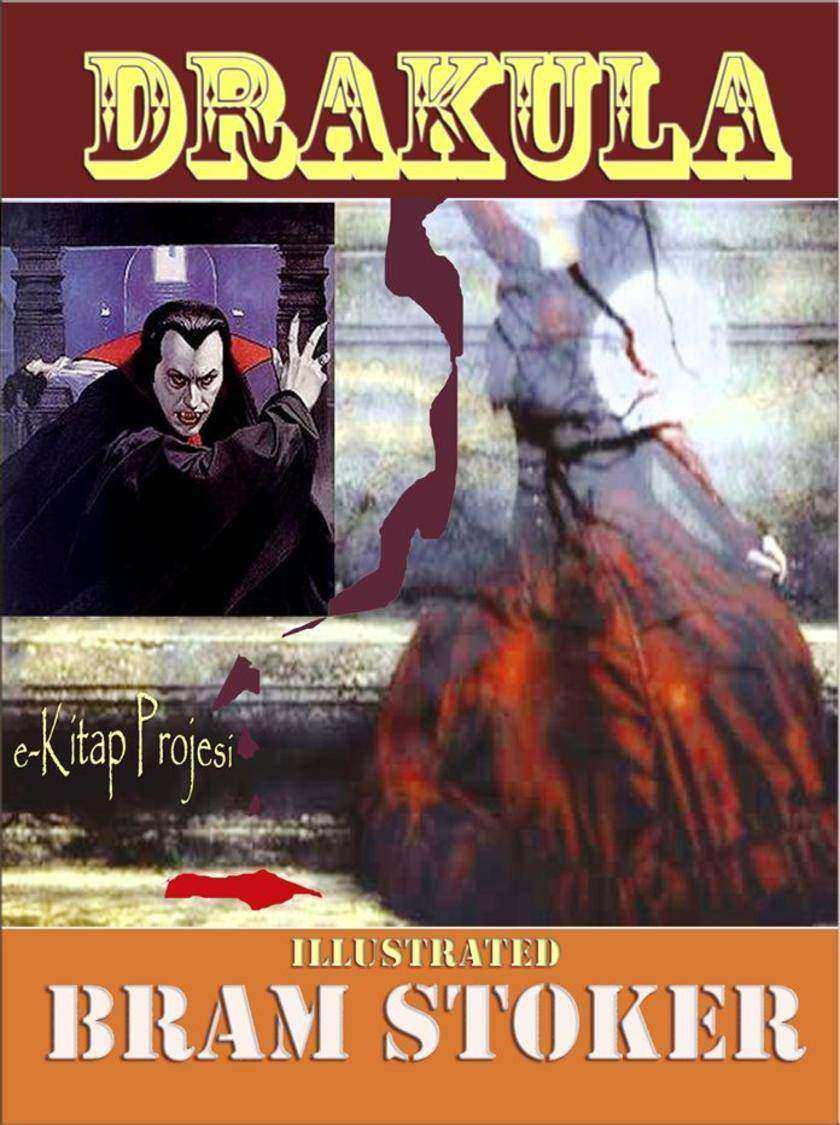
Drakula
¥18.74
Hark! hark! the dogs bark,The beggars are coming to town;Some in rags and some in tags,And some in a silken gown.Some gave them white bread,And some gave them brown,And some gave them a good horse-whip,And sent them out of the town. Little Jack Horner sat in the corner,Eating a Christmas pie;He put in his thumb, and pulled out a plum,And said, oh! what a good boy am I.

Blaster Squad #3 Planet of Doom
¥18.80
Blaster Squad #3 Planet of Doom

Blaster Squad #2 Sea of Death
¥18.80
Blaster Squad #2 Sea of Death
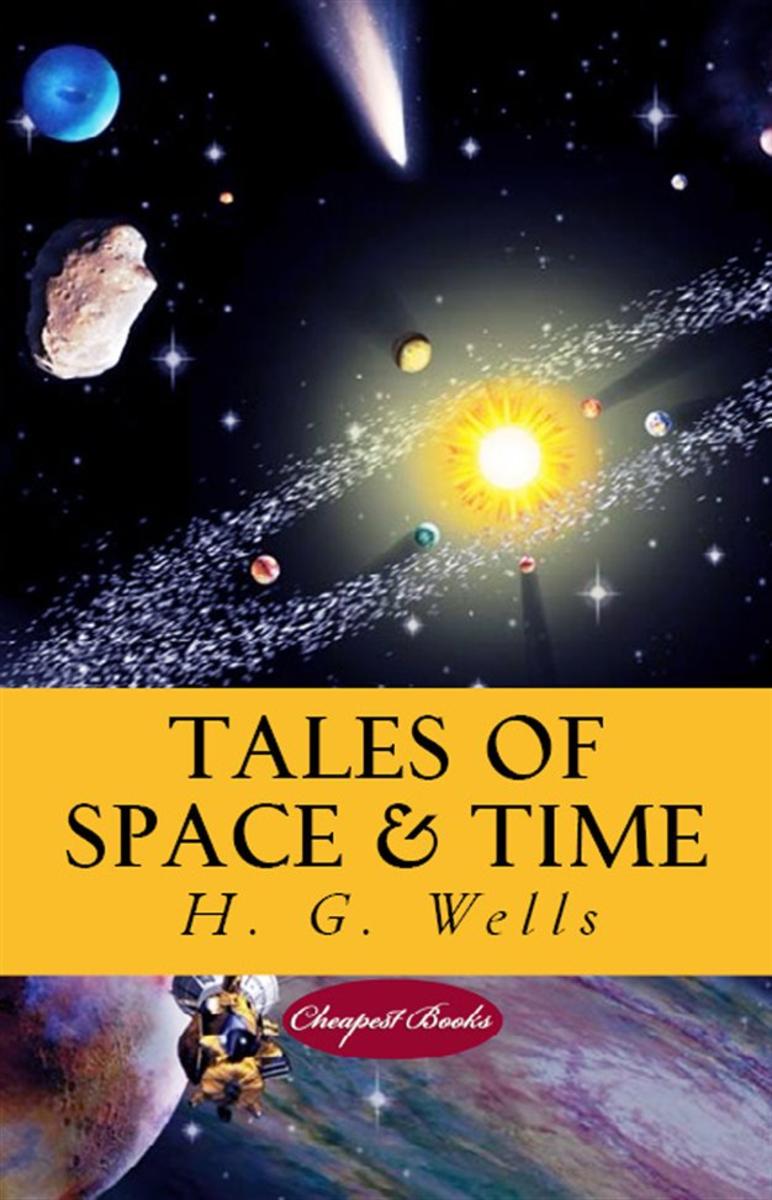
Tales of Space and Time
¥18.80
Tales of Space and Time, A collection of short stories: "The Crystal Egg", "The Star", "A Story of the Stone Age", "A Story of the Days to Come" & "The Man who could Work Miracles" ? Some Books of Wells: The War of the Worlds (1898) The Time Machine (1895) A Modern Utopia (1905) The Invisible Man (1897) The Island of Dr. Moreau (1896) The Food of the Gods and How It Came to Earth (1904) The Sleeper Awakes (1910) The Story of the Inexperienced Ghost (1902) The First Men in the Moon (1901) A Dream of Armageddon (1901)
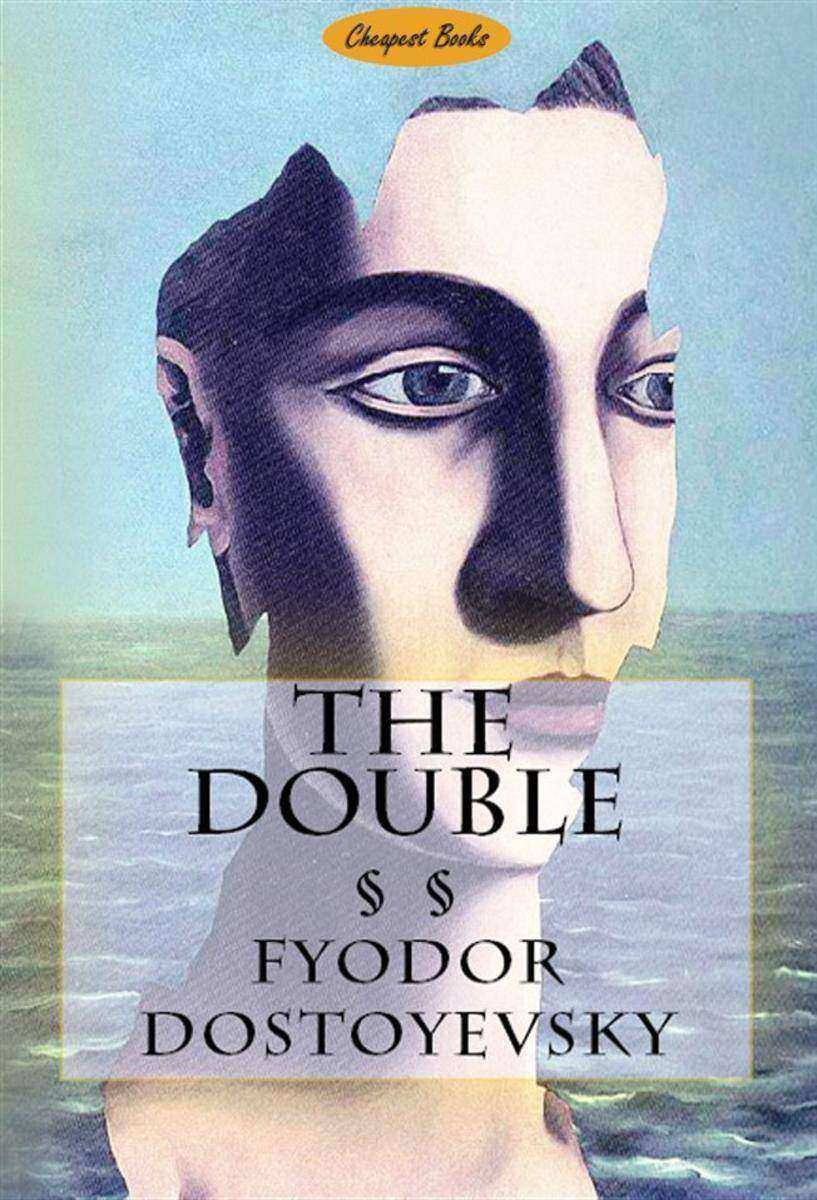
The Double
¥18.80
-THE DOUBLE- centers on a government clerk who goes mad. It deals with the internal psychological struggle of its main character, Yakov Petrovich Golyadkin, who repeatedly encounters someone who is his exact double in appearance but confident, aggressive, and extroverted, characteristics that are the polar opposites to those of the toadying "pushover" protagonist. ??The motif of the novella is a doppelganger (Russian "dvoynik"), known throughout the world in various guises such as the fetch. * * *? It was a little before eight o’clock in the morning when Yakov Petrovitch Golyadkin, a titular councillor, woke up from a long sleep. He yawned, stretched, and at last opened his eyes completely.?For two minutes, however, he lay in his bed without moving, as though he were not yet quite certain whether he were awake or still asleep, whether all that was going on around him were real and actual, or the continuation of his confused dreams. ??Very soon, however, Mr. Golyadkin’s senses began more clearly and more distinctly to receive their habitual and everyday impressions. The dirty green, smoke-begrimed, dusty walls of his little room, with the mahogany chest of drawers and chairs, the table painted red, the sofa covered with American leather of a reddish colour with little green flowers on it, and the clothes taken off in haste overnight and flung in a crumpled heap on the sofa, looked at him familiarly. At last the damp autumn day, muggy and dirty, peeped into the room through the dingy window pane with such a hostile, sour grimace that Mr. Golyadkin could not possibly doubt that he was not in the land of Nod, but in the city of Petersburg, in his own flat on the fourth storey of a huge block of buildings in Shestilavotchny Street.
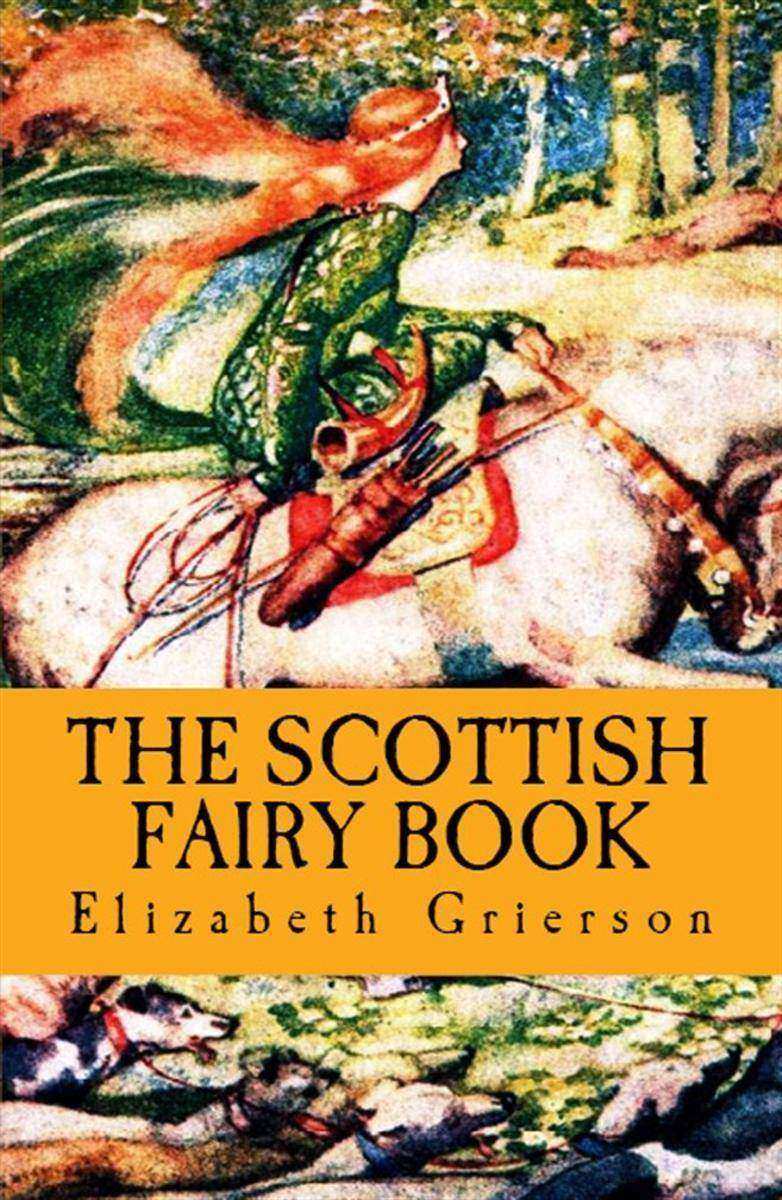
The Scottish Fairy Book
¥18.80
There are, roughly speaking, two distinct types of Scottish Fairy Tales. There are what may be called "Celtic Stories," which were handed down for centuries by word of mouth by professional story-tellers, who went about from clachan to clachan in the "High-lands and Islands," earning a night's shelter by giving a night's entertainment, and which have now been collected and classified for us by Campbell of Isla and others.??These stories, which are also common to the North of Ireland, are wild and fantastic, and very often somewhat monotonous, and their themes are strangely alike. They almost always tell of some hero or heroine who sets out on some dangerous quest, and who is met by giants, generally three in number, who appear one after the other; with whom they hold quaint dialogues, and whom eventually they slay. Most of them are fairly long, and although they have a peculiar fascination of their own, they are quite distinct from the ordinary Fairy Tale.
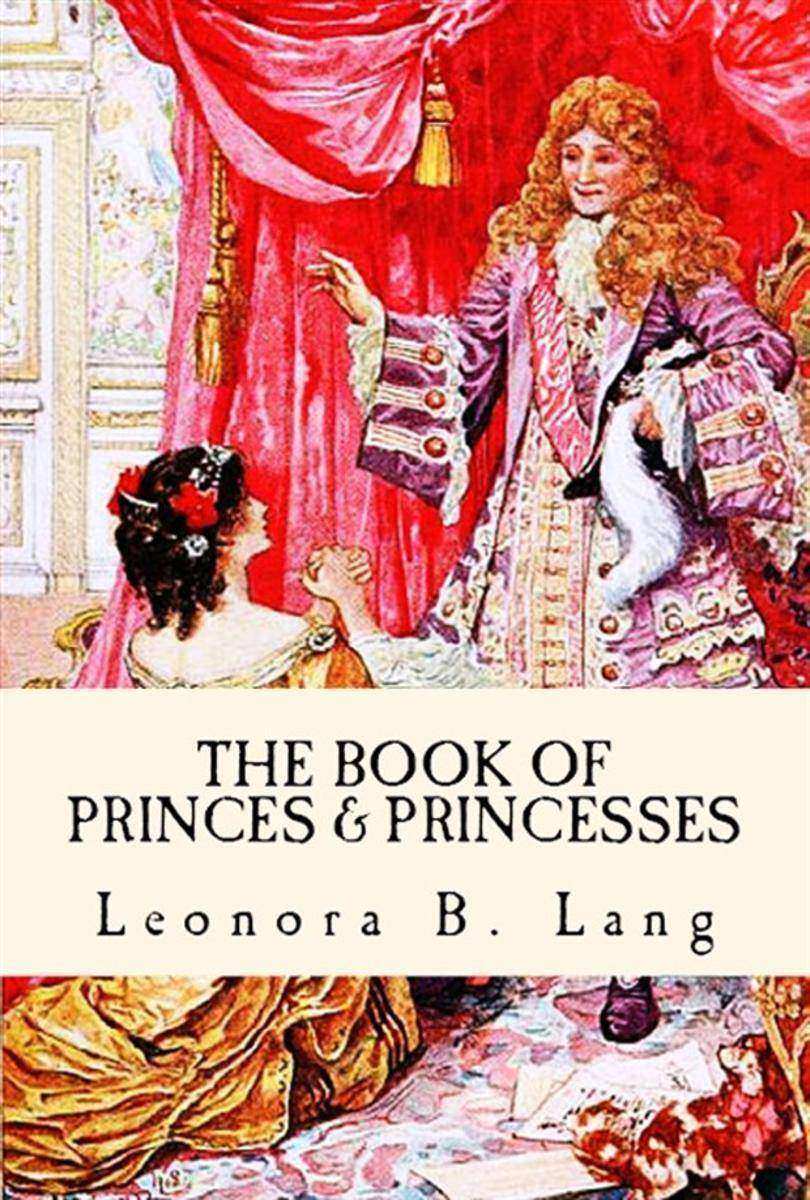
The Book of Princes and Princesses: "Developer Tales for Kids"
¥18.80
PREFACE?All the stories about Princes and Princesses in this book are true stories, and were written by Mrs. Lang, out of old books of history. There are some children who make life difficult by saying, first that stories about fairies are true, and that they like fairies; and next that they do not like true stories about real people, who lived long ago. I am quite ready to grant that there really are such things as fairies, because, though I never saw a fairy, any more than I have seen the little animals which lecturers call molecules and ions, still I have seen people who have seen fairies—truthful people. ??This book about Princes and Princesses is not one which a child is obliged to read. Indeed the stories are not put in order, beginning with the princes who lived longest ago and coming down gradually to people who lived nearest our own time. The book opens with the great Napoleon Bonaparte, who died when some very old people still living were alive. Napoleon was not born a prince, far from it; his father was only a poor gentleman on a wild rough little island. But he made himself not merely a king, but the greatest of all emperors and generals in war. He is not held up as a person whom every boy should try to imitate, but it is a truth that Napoleon always remained a boy in his heart. He liked to make up stories of himself, doing wonderful things which even he was unable to do. When he was a boy he played at being a general, making snow fortresses and besieging them, just as many boys do. And when he was a man he dreamed of conquering all the East, Asia, and India, and Australia; and he tried to do all that, but it was too much even for him.
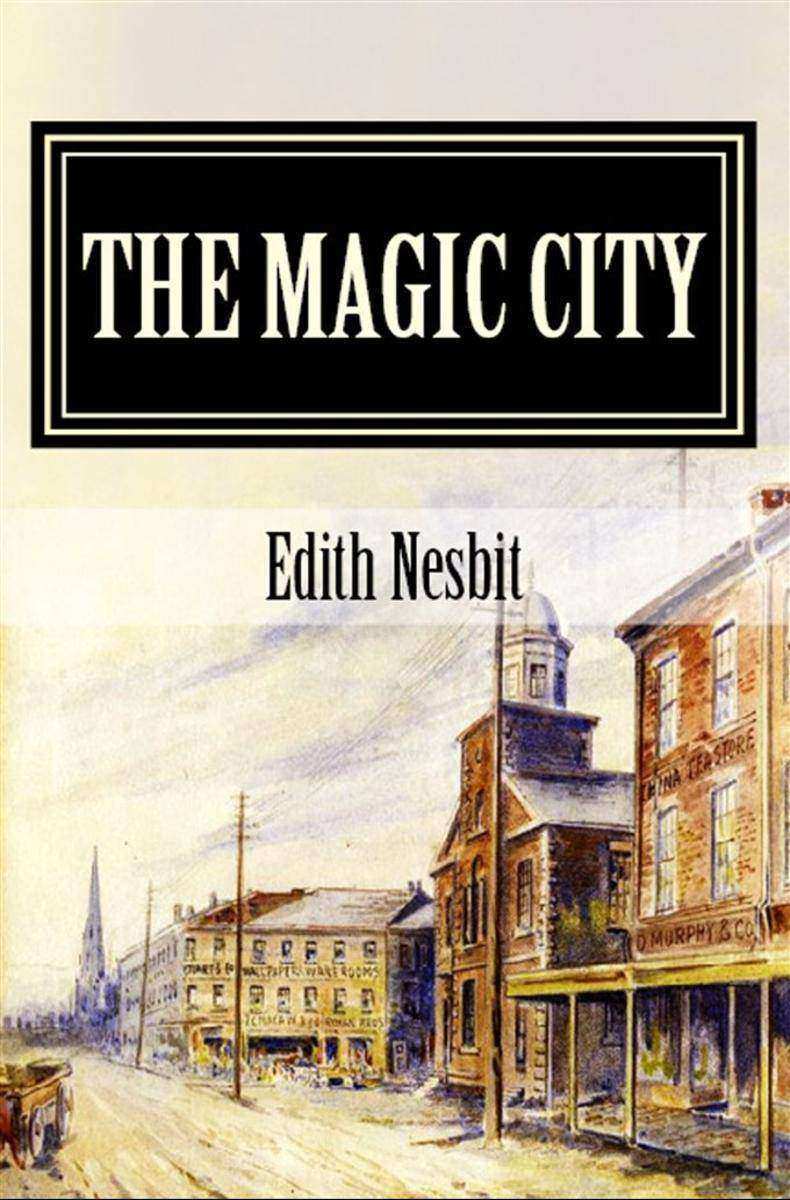
The Magic City: (Illustrated)
¥18.80
Philip Haldane and his sister lived in a little red-roofed house in a little redroofed town. They had a little garden and a little balcony, and a little stable with a little pony in it—and a little cart for the pony to draw; a little canary hung in a little cage in the little bow-window, and the neat little servant kept everything as bright and clean as a little new pin. Philip had no one but his sister, and she had no one but Philip. Their parents were dead, and Helen, who was twenty years older than Philip and was really his half-sister, was all the mother he had ever known. And he had never envied other boys their mothers, because Helen was so kind and clever and dear. She gave up almost all her time to him; she taught him all the lessons he learned; she played with him, inventing the most wonderful new games and adventures. ABOUT AUTHOR: Edith Nesbit (married name Edith Bland; 1858 – 1924) was an English author and poet; she published her books for children under the name of E. Nesbit. She wrote or collaborated on over 60 books of fiction for children, several of which have been adapted for film and television. She was also a political activist and co-founded the Fabian Society, a socialist organisation later connected to the Labour Party.
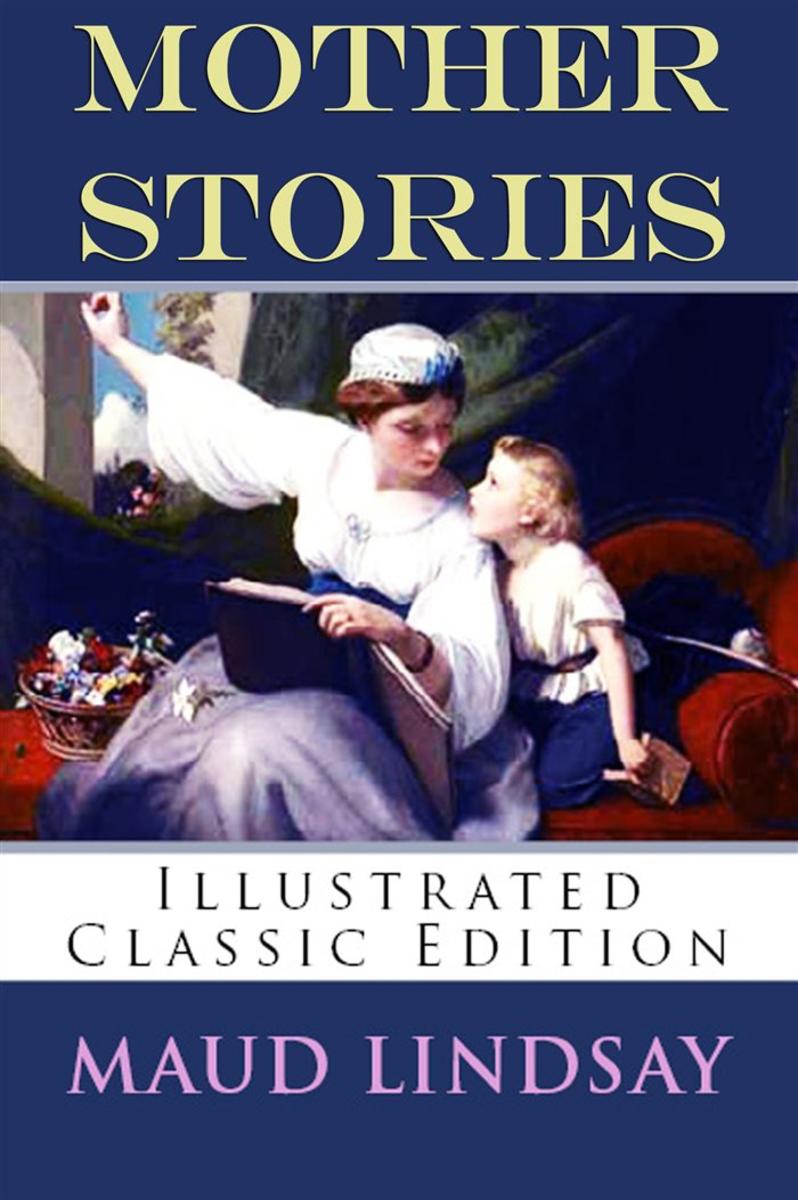
Mother Stories: (Illustrated)
¥18.80
"Mother, a Story at the right time,Is a Looking-glass for the Mind." – Froebel – Endeavored to write, for mothers and dear little children, a few simple stories, embodying some of the truths of Froebel's Mother Play. The Mother Play is such a vast treasure house of Truth, that each one who seeks among its stores may bring to light some gem; and though, perhaps, I have missed its diamonds and rubies, I trust my string of pearls may find acceptance with some mother who is trying to live with her children. I have written my own mottoes, with a few exceptions, that I might emphasize the particular lesson which I endeavor to teach in the story; for every motto in the Mother Play comprehends so much that it is impossible to use the whole for a single subject. From "The Bridge" for instance, which is replete with lessons, I have taken only one,—for the story of the "Little Traveler."
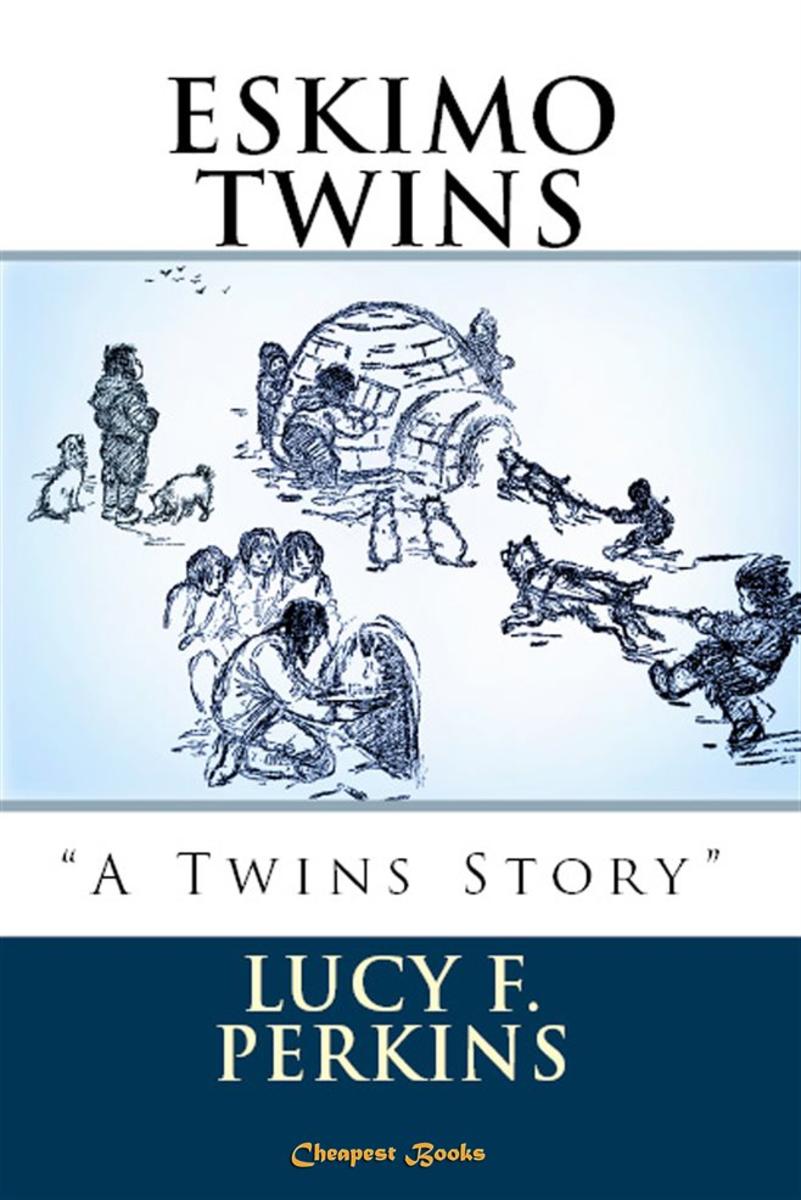
Eskimo Twins: "A Twins Story"
¥18.80
THIS is the true story of Menie and Monnie and their two little dogs, Nip and Tup.Menie and Monnie are twins, and they live far away in the North, near the very edge.They are five years old. Menie is the boy, and Monnie is the girl. But you cannot tell which is Menie and which is Monnie,—not even if you look ever so hard at their pictures!That is because they dress alike.When they are a little way off even their own mother can't always tell. And if she can't, who canSometimes the twins almost get mixed up about it themselves. And then it is very hard to know which is Nip and which is Tup, because the little dogs are twins too.Nobody was surprised that the little dogs were twins, because dogs often are.But everybody in the whole village where Menie and Monnie live was simply astonished to see twin babies!They had never known of any before in their whole lives.Old Akla, the Angakok, or Medicine Man of the village, shook his head when he heard about them. He said, "Such a thing never happened here before. Seals and human beings never have twins! There's magic in this."The name of the twins' father was Kesshoo. If you say it fast it sounds just like a sneeze.Their mother's name was Koolee. Kesshoo and Koolee, and Menie and Monnie, and Nip and Tup, all live together in the cold Arctic winter in a little stone hut, called an "igloo."In the summer they live in a tent, which they call a "tupik." The winters are very long and cold, and what do you think! They have one night there that is four whole months long!For four long months, while we are having Thanksgiving, and Christmas, and even Lincoln's Birthday, the twins never once see the sun!

Blaster Squad #4 Raiders of Cloud City
¥18.80
Blaster Squad #4 Raiders of Cloud City
Mirror Image: A Razor and Edge Mystery
¥18.80
Mirror Image: A Razor and Edge Mystery
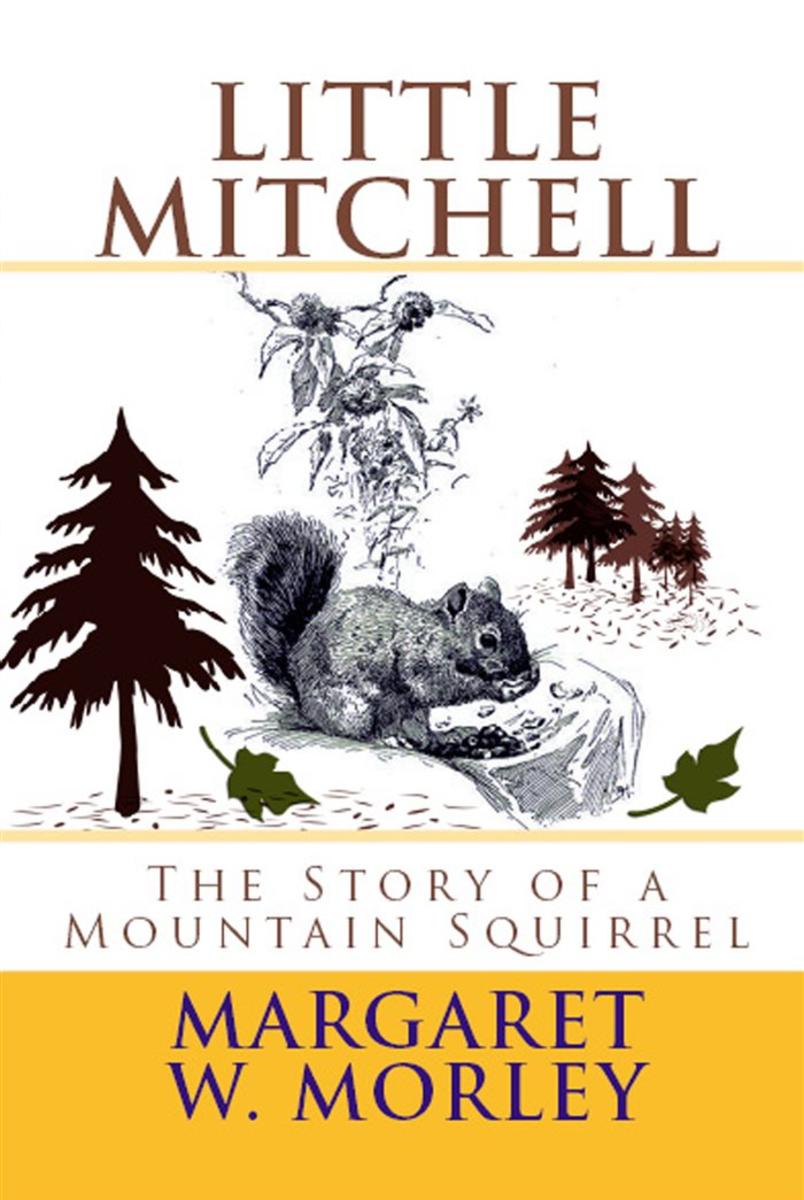
Little Mitchell: "The Story of a Mountain Squirrel"
¥18.80
Baby Mitchell was an August squirrel. That is, he was born in the month of August. His pretty gray mother found a nice hole, high up in the crotch of a tall chestnut tree, for her babies' nest; and I know she lined it with soft fur plucked from her own loving little breast,—for that is the way the squirrel mothers do. This chestnut tree grew on the side of a steep mountain,—none other than Mount Mitchell, the highest mountain peak in all the eastern half of the United States. It is in North Carolina, where there are a great many beautiful mountains, but none of them more beautiful than Mount Mitchell, with the great forest trees on its slopes. One of these forest trees was the big chestnut where Baby Mitchell was born. In the warm and lovely summer he lay safe in his snug nest twenty feet above the ground. There was a small log-cabin at the foot of the mountain, and here lived a father and mother and a very large family of very small children. There was no other house near; and the father had to go a great many miles through the woods to his work in a saw-mill that some one had set up in the mountains. “A squirrel’s nest, in a nice hole, high up in the crotch of a tall chestnut tree.” And the children had to go such a long way to school, over little rivers that they crossed on narrow foot-logs; and through deep shady woods, where the sun could scarcely send a ray down through the tops of the tall trees; and under tangled rhododendron bushes that were often like little trees they were so large, and in the summer time were covered with masses of splendid white flowers. ? ? ABOUT AUTHOR: Margaret Warner Morley was an American educator, biologist, and author of many children's books on nature and biology.
Lost in the Jungle
¥18.80
MY Dear Young Folks,—In the first book which I wrote for you, we traveled together through the Gorilla Country, and saw not only the gigantic apes, but also the cannibal tribes which eat men. In the second book we continued our hunting, and met leopards, elephants, hippopotami, wild boars, great serpents, etc., etc. We were stung and chased by the fierce Bashikouay ants, and plagued by flies. Last spring, your friend Paul, not satisfied with writing for young folks, took it into his head to lecture before them. When I mentioned the subject to my acquaintances, many of them laughed at the notion of my lecturing to you, and a few remarked, "This is another of your queer notions." I did not see it!!! I thought I would try. Thousands of young folks came to your friend Paul's lectures in Boston, Brooklyn, and New York; not only did my young friends come, but a great many old folks were also seen among them. The intelligent, eager faces of his young hearers, their sparkling eyes, spoke to him more eloquently than words could do, and told him that he had done well to go into the great jungle of Equatorial Africa, and that they liked to hear what he had done and what he had seen. When he asked the girls and boys of New York if he should write more books for them, the tremendous cheers and hurrahs they gave him in reply told him that he had better go to work.When, at the end of his third lecture, he made his appearance in the old clothes he had worn in Africa, and said he would be happy to shake hands with his young hearers, the rush then made assured him that they were his friends. Oh! how your hearty hand-shaking gladdened the heart of your friend Paul; he felt so happy as your small hands passed in and out of his! Before writing this new volume, I went to my good and estee-med friends, my publishers in Franklin Square, and asked them what they thought of a new book for Young Folks. "Certainly," they said; "by all means, Friend Paul. Write a new book, for STORI-ES OF THE GORILLA COUNTRY and WILD LIFE UNDER THEEQUATOR are in great demand."I immediately took hold of my old journals, removed the African dust from them, and went to work, and now we are going to be "LOST INTHE JUNGLE"

The Railway Children
¥18.80
They were not railway children to begin with. I don’t suppose they had ever thought about railways except as a means of getting to Maskelyne and Cook’s, the Pantomime, Zoological Gardens, and Madame Tussaud’s. They were just ordinary suburban children, and they lived with their Father and Mother in an ordinary red-brick-fronted villa, with coloured glass in the front door, a tiled passage that was called a hall, a bathroom with hot and cold water, electric bells, French windows, and a good deal of white paint, and ‘every modern con-venience’, as the house-agents say. There were three of them. Roberta was the eldest. Of course, Mothers never have favourites, but if their Mother HAD had a favourite, it might have been Roberta. Next came Peter, who wished to be an Engineer when he grew up; and the youngest was Phyllis, who meant extremely well. Mother did not spend all her time in paying dull calls to dull ladies, and sitting dully at home waiting for dull ladies to pay calls to her. She was almost always there, ready to play with the children, and read to them, and help them to do their home-lessons. Besides this she used to write stories for them while they were at school, and read them aloud after tea, and she always made up funny pieces of poetry for their birthdays and for other great occasions, such as the christening of the new kittens, or the refurnishing of the doll’s house, or the time when they were getting over the mumps. These three lucky children always had everything they needed: pretty clothes, good fires, a lovely nursery with heaps of toys, and a Mother Goose wallpaper. They had a kind and merry nursemaid, and a dog who was called James, and who was their very own. They also had a Father who was just perfect—never cross, never unjust, and always ready for a game—at least, if at any time he was NOT ready, he always had an excellent reason for it, and explained the reason to the children so interestingly and funnily that they felt sure he couldn’t help himself..
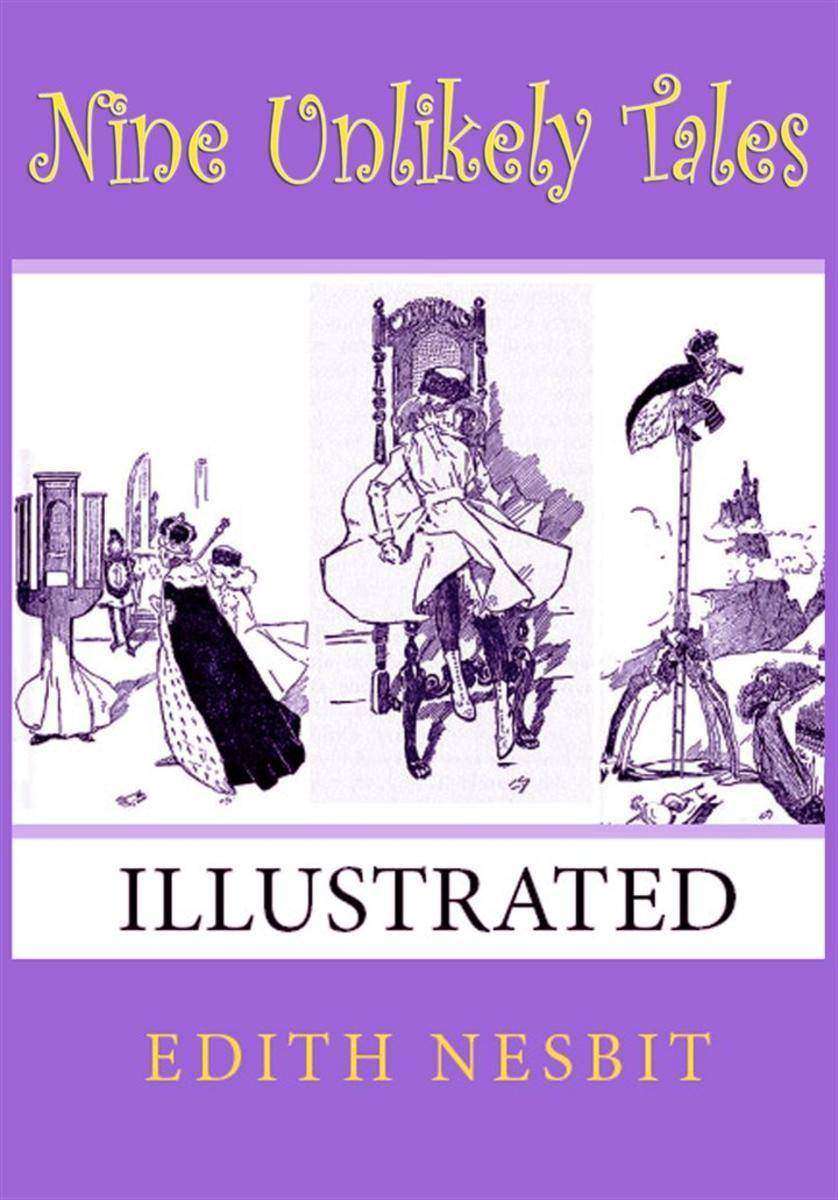
Nine Unlikely Tales: (Illustrated)
¥18.80
MATILDA'S ears were red and shiny. So were her cheeks. Her hands were red too. This was because Pridmore had washed her. It was not the usual washing, which makes you clean and comfortable, but the "thorough good wash," which makes you burn and smart till you wish you could be like the poor little savages who do not know anything, and run about bare in the sun, and only go into the water when they are hot. Matilda wished she could have been born in a savage tribe instead of at Brixton. "Little savages," she said, "don't have their ears washed thoroughly, and they don't have new dresses that are prickly in the insides round their arms, and cut them round the neck. Do they, Pridmore" ABOUT AUTHOR: Edith Nesbit (married name Edith Bland; 15 August 1858 – 4 May 1924) was an English author and poet; she published her books for children under the name of E. Nesbit. She wrote or collaborated on over 60 books of fiction for children, several of which have been adapted for film and television. She was also a political activist and co-founded the Fabian Society, a socialist organisation later connected to the Labour Party. Edith Nesbit was born in Kennington, Surrey, the daughter of agricultural chemist and schoolmaster John Collis Nesbit. The death of her father when she was four and the continuing ill health of her sister meant that Nesbit had a transitory childhood, her family moving across Europe in search of healthy climates only to return to England for financial reasons. Nesbit therefore spent her childhood attaining an education from whatever sources were available - local grammars, the occasional boarding school but mainly through reading.
![Further Adventures of Robinson Crusoe: [Next Stories of Robinson Crusoe]](https://platform-permanent.ddimg.cn/pt-media-info-soa-resource/digital/product/44/68/1901164468_ii_cover.jpg?version=673c7d5d-69b5-4236-9797-9263c5664562)
Further Adventures of Robinson Crusoe: [Next Stories of Robinson Crusoe]
¥18.80
Daniel Defoe's faith-filled The Further Adventures of Robinson Crusoe finds Crusoe bored with his prosperity and consumed by an irresistible longing to return to the island he left many years before. Along with his trusty servant and companion, Friday, he embarks on a harrowing high-seas adventure that takes them to China, over the Russian steppes, and into Siberia. Readers will find themselves captivated by this sequel, which is every bit as engaging as the original.


