


 购物车
购物车 个人中心
个人中心

Abbeys by M. R. James - Delphi Classics (Illustrated)
¥8.09
This eBook features the unabridged text of ‘Abbeys by M. R. James - Delphi Classics (Illustrated)’ from the bestselling edition of ‘The Complete Works of M. R. James’. Having established their name as the leading publisher of classic literature and art, Delphi Classics produce publications that are individually crafted with superior formatting, while introducing many rare texts for the first time in digital print. The Delphi Classics edition of James includes original annotations and illustrations relating to the life and works of the author, as well as individual tables of contents, allowing you to navigate eBooks quickly and easily. eBook features: * The complete unabridged text of ‘Abbeys by M. R. James - Delphi Classics (Illustrated)’ * Beautifully illustrated with images related to James’s works * Individual contents table, allowing easy navigation around the eBook * Excellent formatting of the text Please visit www.delphiclassics.com to learn more about our wide range of titles

Edward II by Christopher Marlowe - Delphi Classics (Illustrated)
¥8.09
This eBook features the unabridged text of ‘Edward II by Christopher Marlowe - Delphi Classics (Illustrated)’ from the bestselling edition of ‘The Complete Works of Christopher Marlowe’. Having established their name as the leading publisher of classic literature and art, Delphi Classics produce publications that are individually crafted with superior formatting, while introducing many rare texts for the first time in digital print. The Delphi Classics edition of Marlowe includes original annotations and illustrations relating to the life and works of the author, as well as individual tables of contents, allowing you to navigate eBooks quickly and easily. eBook features: * The complete unabridged text of ‘Edward II by Christopher Marlowe - Delphi Classics (Illustrated)’ * Beautifully illustrated with images related to Marlowe’s works * Individual contents table, allowing easy navigation around the eBook * Excellent formatting of the textPlease visit www.delphiclassics.com to learn more about our wide range of titles

The House of Fame by Geoffrey Chaucer - Delphi Classics (Illustrated)
¥8.09
This eBook features the unabridged text of ‘The House of Fame by Geoffrey Chaucer - Delphi Classics (Illustrated)’ from the bestselling edition of ‘The Complete Works of Geoffrey Chaucer’. Having established their name as the leading publisher of classic literature and art, Delphi Classics produce publications that are individually crafted with superior formatting, while introducing many rare texts for the first time in digital print. The Delphi Classics edition of Chaucer includes original annotations and illustrations relating to the life and works of the author, as well as individual tables of contents, allowing you to navigate eBooks quickly and easily. eBook features: * The complete unabridged text of ‘The House of Fame by Geoffrey Chaucer - Delphi Classics (Illustrated)’ * Beautifully illustrated with images related to Chaucer’s works * Individual contents table, allowing easy navigation around the eBook * Excellent formatting of the textPlease visit www.delphiclassics.com to learn more about our wide range of titles

Just So Stories
¥8.09
This unique edition of Just So Stories from Dead Dodo Vintage includes the full original text as well as exclusive features not available in other editions.

My Lady Nicotine
¥8.09
This unique edition of My Lady Nicotine from Dead Dodo Vintage includes the full original text as well as exclusive features not available in other editions.

Adventures of Huckleberry Finn
¥8.09
This Point Blank Classics edition includes the full original text as well as exclusive images exclusive to this edition and an easy to use interactive table of contents.

The Message by Honoré de Balzac - Delphi Classics (Illustrated)
¥8.09
This eBook features the unabridged text of ‘The Message by Honoré de Balzac - Delphi Classics (Illustrated)’ from the bestselling edition of ‘The Collected Works of Honoré de Balzac’. Having established their name as the leading publisher of classic literature and art, Delphi Classics produce publications that are individually crafted with superior formatting, while introducing many rare texts for the first time in digital print. The Delphi Classics edition of Balzac includes original annotations and illustrations relating to the life and works of the author, as well as individual tables of contents, allowing you to navigate eBooks quickly and easily. eBook features: * The complete unabridged text of ‘The Message by Honoré de Balzac - Delphi Classics (Illustrated)’ * Beautifully illustrated with images related to Balzac’s works * Individual contents table, allowing easy navigation around the eBook * Excellent formatting of the text Please visit www.delphiclassics.com to learn more about our wide range of titles

Beatrix by Honoré de Balzac - Delphi Classics (Illustrated)
¥8.09
This eBook features the unabridged text of ‘Beatrix by Honoré de Balzac - Delphi Classics (Illustrated)’ from the bestselling edition of ‘The Collected Works of Honoré de Balzac’. Having established their name as the leading publisher of classic literature and art, Delphi Classics produce publications that are individually crafted with superior formatting, while introducing many rare texts for the first time in digital print. The Delphi Classics edition of Balzac includes original annotations and illustrations relating to the life and works of the author, as well as individual tables of contents, allowing you to navigate eBooks quickly and easily. eBook features: * The complete unabridged text of ‘Beatrix by Honoré de Balzac - Delphi Classics (Illustrated)’ * Beautifully illustrated with images related to Balzac’s works * Individual contents table, allowing easy navigation around the eBook * Excellent formatting of the text Please visit www.delphiclassics.com to learn more about our wide range of titles

Gobseck by Honoré de Balzac - Delphi Classics (Illustrated)
¥8.09
This eBook features the unabridged text of ‘Gobseck by Honoré de Balzac - Delphi Classics (Illustrated)’ from the bestselling edition of ‘The Collected Works of Honoré de Balzac’. Having established their name as the leading publisher of classic literature and art, Delphi Classics produce publications that are individually crafted with superior formatting, while introducing many rare texts for the first time in digital print. The Delphi Classics edition of Balzac includes original annotations and illustrations relating to the life and works of the author, as well as individual tables of contents, allowing you to navigate eBooks quickly and easily. eBook features: * The complete unabridged text of ‘Gobseck by Honoré de Balzac - Delphi Classics (Illustrated)’ * Beautifully illustrated with images related to Balzac’s works * Individual contents table, allowing easy navigation around the eBook * Excellent formatting of the text Please visit www.delphiclassics.com to learn more about our wide range of titles

The Chouans by Honoré de Balzac - Delphi Classics (Illustrated)
¥8.09
This eBook features the unabridged text of ‘The Chouans by Honoré de Balzac - Delphi Classics (Illustrated)’ from the bestselling edition of ‘The Collected Works of Honoré de Balzac’. Having established their name as the leading publisher of classic literature and art, Delphi Classics produce publications that are individually crafted with superior formatting, while introducing many rare texts for the first time in digital print. The Delphi Classics edition of Balzac includes original annotations and illustrations relating to the life and works of the author, as well as individual tables of contents, allowing you to navigate eBooks quickly and easily. eBook features: * The complete unabridged text of ‘The Chouans by Honoré de Balzac - Delphi Classics (Illustrated)’ * Beautifully illustrated with images related to Balzac’s works * Individual contents table, allowing easy navigation around the eBook * Excellent formatting of the textPlease visit www.delphiclassics.com to learn more about our wide range of titles

Washington Irving by Henry W. Boynton by Washington Irving - Delphi Classics (Il
¥8.09
This eBook features the unabridged text of ‘Washington Irving by Henry W. Boynton by Washington Irving - Delphi Classics (Illustrated)’ from the bestselling edition of ‘The Complete Works of Washington Irving’. Having established their name as the leading publisher of classic literature and art, Delphi Classics produce publications that are individually crafted with superior formatting, while introducing many rare texts for the first time in digital print. The Delphi Classics edition of Irving includes original annotations and illustrations relating to the life and works of the author, as well as individual tables of contents, allowing you to navigate eBooks quickly and easily. eBook features: * The complete unabridged text of ‘Washington Irving by Henry W. Boynton by Washington Irving - Delphi Classics (Illustrated)’ * Beautifully illustrated with images related to Irving’s works * Individual contents table, allowing easy navigation around the eBook * Excellent formatting of the text Please visit www.delphiclassics.com to learn more about our wide range of titles

Tarzan and the Jewels of Opar by Edgar Rice Burroughs - Delphi Classics (Illustr
¥8.09
This eBook features the unabridged text of ‘Tarzan and the Jewels of Opar by Edgar Rice Burroughs - Delphi Classics (Illustrated)’ from the bestselling edition of ‘The Complete Works of Edgar Rice Burroughs’. Having established their name as the leading publisher of classic literature and art, Delphi Classics produce publications that are individually crafted with superior formatting, while introducing many rare texts for the first time in digital print. The Delphi Classics edition of Burroughs includes original annotations and illustrations relating to the life and works of the author, as well as individual tables of contents, allowing you to navigate eBooks quickly and easily. eBook features: * The complete unabridged text of ‘Tarzan and the Jewels of Opar by Edgar Rice Burroughs - Delphi Classics (Illustrated)’ * Beautifully illustrated with images related to Burroughs’s works * Individual contents table, allowing easy navigation around the eBook * Excellent formatting of the text Please visit www.delphiclassics.com to learn more about our wide range of titles

The Warlord of Mars by Edgar Rice Burroughs - Delphi Classics (Illustrated)
¥8.09
This eBook features the unabridged text of ‘The Warlord of Mars by Edgar Rice Burroughs - Delphi Classics (Illustrated)’ from the bestselling edition of ‘The Complete Works of Edgar Rice Burroughs’. Having established their name as the leading publisher of classic literature and art, Delphi Classics produce publications that are individually crafted with superior formatting, while introducing many rare texts for the first time in digital print. The Delphi Classics edition of Burroughs includes original annotations and illustrations relating to the life and works of the author, as well as individual tables of contents, allowing you to navigate eBooks quickly and easily. eBook features: * The complete unabridged text of ‘The Warlord of Mars by Edgar Rice Burroughs - Delphi Classics (Illustrated)’ * Beautifully illustrated with images related to Burroughs’s works * Individual contents table, allowing easy navigation around the eBook * Excellent formatting of the text Please visit www.delphiclassics.com to learn more about our wide range of titles

The Battle of the Books by Jonathan Swift - Delphi Classics (Illustrated)
¥8.09
This eBook features the unabridged text of ‘The Battle of the Books by Jonathan Swift - Delphi Classics (Illustrated)’ from the bestselling edition of ‘The Complete Works of Jonathan Swift’. Having established their name as the leading publisher of classic literature and art, Delphi Classics produce publications that are individually crafted with superior formatting, while introducing many rare texts for the first time in digital print. The Delphi Classics edition of Swift includes original annotations and illustrations relating to the life and works of the author, as well as individual tables of contents, allowing you to navigate eBooks quickly and easily. eBook features: * The complete unabridged text of ‘The Battle of the Books by Jonathan Swift - Delphi Classics (Illustrated)’ * Beautifully illustrated with images related to Swift’s works * Individual contents table, allowing easy navigation around the eBook * Excellent formatting of the text Please visit www.delphiclassics.com to learn more about our wide range of titles

The Bickerstaff-Partridge Papers by Jonathan Swift - Delphi Classics (Illustrate
¥8.09
This eBook features the unabridged text of ‘The Bickerstaff-Partridge Papers by Jonathan Swift - Delphi Classics (Illustrated)’ from the bestselling edition of ‘The Complete Works of Jonathan Swift’. Having established their name as the leading publisher of classic literature and art, Delphi Classics produce publications that are individually crafted with superior formatting, while introducing many rare texts for the first time in digital print. The Delphi Classics edition of Swift includes original annotations and illustrations relating to the life and works of the author, as well as individual tables of contents, allowing you to navigate eBooks quickly and easily. eBook features: * The complete unabridged text of ‘The Bickerstaff-Partridge Papers by Jonathan Swift - Delphi Classics (Illustrated)’ * Beautifully illustrated with images related to Swift’s works * Individual contents table, allowing easy navigation around the eBook * Excellent formatting of the text Please visit www.delphiclassics.com to learn more about our wide range of titles

Afghanistan - A Country Study
¥8.09
Based on research completed in 1997. Originally published by the Federal Research Division of the Library of Congress as part of the Country Studies/Area Handbook Series sponsored by the U.S. Department of the Army between 1986 and 1998. Each study offers a comprehensive description and analysis of the country or region's historical setting, geography, society, economy, political system, and foreign policy.

Q.E.D. by Gertrude Stein - Delphi Classics (Illustrated)
¥8.09
This eBook features the unabridged text of ‘Q.E.D. by Gertrude Stein - Delphi Classics (Illustrated)’ from the bestselling edition of ‘The Complete Works of Gertrude Stein’. Having established their name as the leading publisher of classic literature and art, Delphi Classics produce publications that are individually crafted with superior formatting, while introducing many rare texts for the first time in digital print. The Delphi Classics edition of Stein includes original annotations and illustrations relating to the life and works of the author, as well as individual tables of contents, allowing you to navigate eBooks quickly and easily. eBook features: * The complete unabridged text of ‘Q.E.D. by Gertrude Stein - Delphi Classics (Illustrated)’ * Beautifully illustrated with images related to Stein’s works * Individual contents table, allowing easy navigation around the eBook * Excellent formatting of the text Please visit www.delphiclassics.com to learn more about our wide range of titles

Fernhurst by Gertrude Stein - Delphi Classics (Illustrated)
¥8.09
This eBook features the unabridged text of ‘Fernhurst by Gertrude Stein - Delphi Classics (Illustrated)’ from the bestselling edition of ‘The Complete Works of Gertrude Stein’. Having established their name as the leading publisher of classic literature and art, Delphi Classics produce publications that are individually crafted with superior formatting, while introducing many rare texts for the first time in digital print. The Delphi Classics edition of Stein includes original annotations and illustrations relating to the life and works of the author, as well as individual tables of contents, allowing you to navigate eBooks quickly and easily. eBook features: * The complete unabridged text of ‘Fernhurst by Gertrude Stein - Delphi Classics (Illustrated)’ * Beautifully illustrated with images related to Stein’s works * Individual contents table, allowing easy navigation around the eBook * Excellent formatting of the text Please visit www.delphiclassics.com to learn more about our wide range of titles
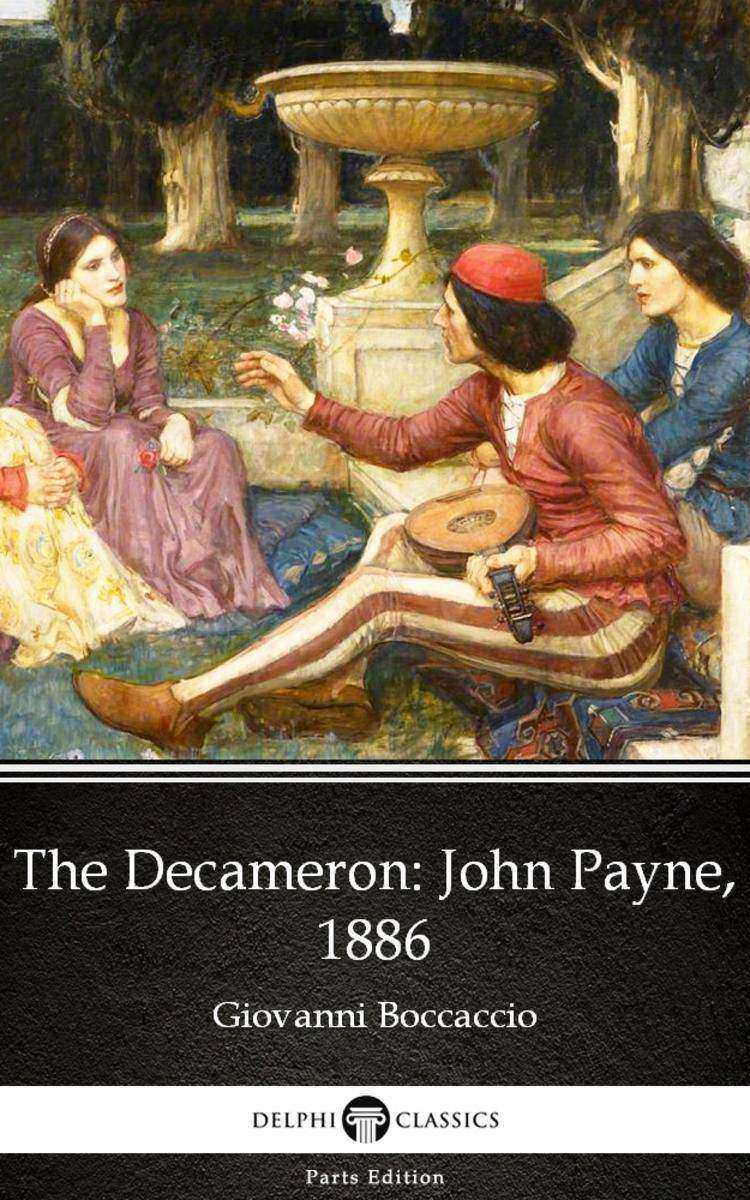
The Decameron John Payne, 1886 by Giovanni Boccaccio - Delphi Classics (Illustra
¥8.09
This eBook features the unabridged text of ‘The Decameron John Payne, 1886 by Giovanni Boccaccio - Delphi Classics (Illustrated)’ from the bestselling edition of ‘The Collected Works of Giovanni Boccaccio’. Having established their name as the leading publisher of classic literature and art, Delphi Classics produce publications that are individually crafted with superior formatting, while introducing many rare texts for the first time in digital print. The Delphi Classics edition of Boccaccio includes original annotations and illustrations relating to the life and works of the author, as well as individual tables of contents, allowing you to navigate eBooks quickly and easily. eBook features: * The complete unabridged text of ‘The Decameron John Payne, 1886 by Giovanni Boccaccio - Delphi Classics (Illustrated)’ * Beautifully illustrated with images related to Boccaccio’s works * Individual contents table, allowing easy navigation around the eBook * Excellent formatting of the textPlease visit www.delphiclassics.com to learn more about our wide range of titles

The Hill of Dreams by Arthur Machen - Delphi Classics (Illustrated)
¥8.09
This eBook features the unabridged text of ‘The Hill of Dreams by Arthur Machen - Delphi Classics (Illustrated)’ from the bestselling edition of ‘The Complete Works of Arthur Machen’. Having established their name as the leading publisher of classic literature and art, Delphi Classics produce publications that are individually crafted with superior formatting, while introducing many rare texts for the first time in digital print. The Delphi Classics edition of Machen includes original annotations and illustrations relating to the life and works of the author, as well as individual tables of contents, allowing you to navigate eBooks quickly and easily. eBook features: * The complete unabridged text of ‘The Hill of Dreams by Arthur Machen - Delphi Classics (Illustrated)’ * Beautifully illustrated with images related to Machen’s works * Individual contents table, allowing easy navigation around the eBook * Excellent formatting of the textPlease visit www.delphiclassics.com to learn more about our wide range of titles

The Green Round by Arthur Machen - Delphi Classics (Illustrated)
¥8.09
This eBook features the unabridged text of ‘The Green Round by Arthur Machen - Delphi Classics (Illustrated)’ from the bestselling edition of ‘The Complete Works of Arthur Machen’. Having established their name as the leading publisher of classic literature and art, Delphi Classics produce publications that are individually crafted with superior formatting, while introducing many rare texts for the first time in digital print. The Delphi Classics edition of Machen includes original annotations and illustrations relating to the life and works of the author, as well as individual tables of contents, allowing you to navigate eBooks quickly and easily. eBook features: * The complete unabridged text of ‘The Green Round by Arthur Machen - Delphi Classics (Illustrated)’ * Beautifully illustrated with images related to Machen’s works * Individual contents table, allowing easy navigation around the eBook * Excellent formatting of the textPlease visit www.delphiclassics.com to learn more about our wide range of titles


