


 购物车
购物车 个人中心
个人中心
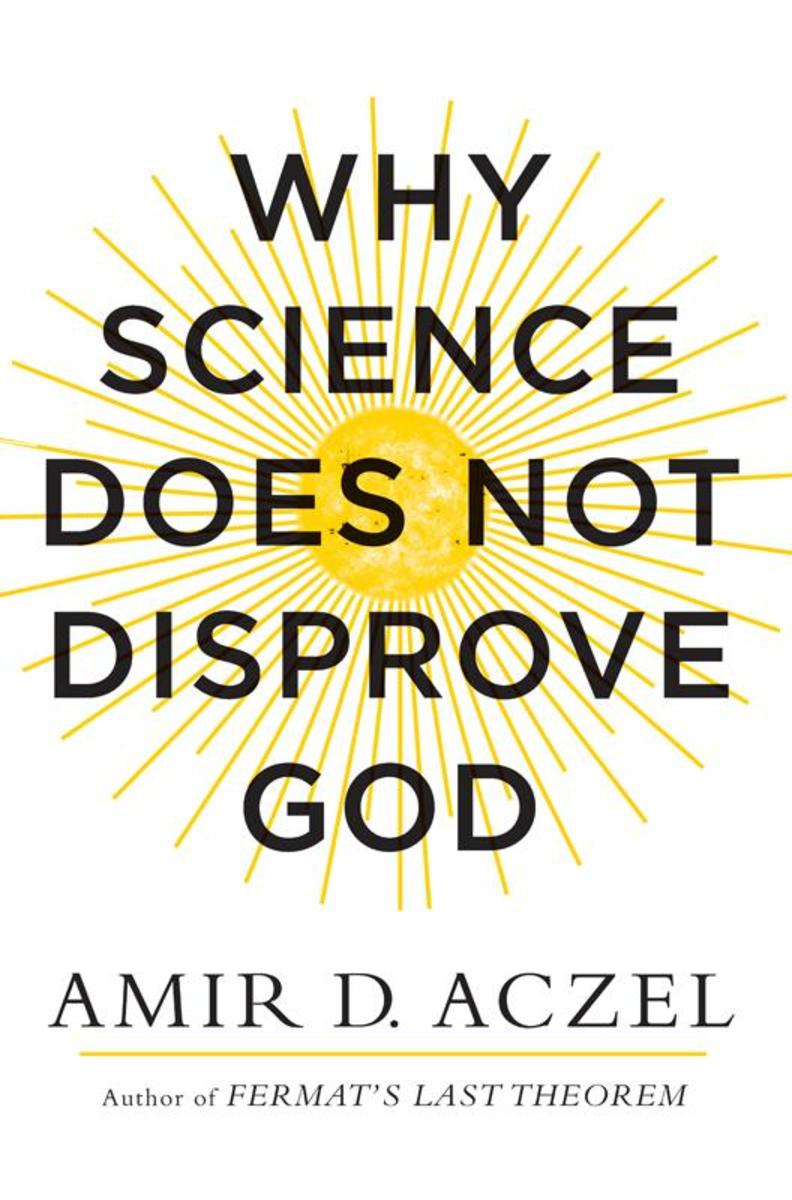
Why Science Does Not Disprove God
¥94.10
The renowned science writer, mathematician, and bestselling author of Fermat's Last Theorem masterfully refutes the overreaching claims of the "New Atheists," providing millions of educated believers with a clear, engaging explanation of what science really says, how there's still much space for the Divine in the universe, and why faith in both God and empirical science are not mutually exclusive In recent years a highly publicized coterie of scientists and thinkers, including Richard Dawkins, the late Christopher Hitchens, and Lawrence Krauss, have vehemently contended that breakthroughs in modern science have disproven the existence of God, asserting we must accept that the creation of the universe came out of nothing, that religion is evil, that evolution fully explains the dazzling complexity of life, and more. However, in this much-needed book, veteran science journalist Amir Aczel profoundly disagrees and convincingly demonstrates that science has not, as yet, provided any definitive proof refuting the existence of God. Based on interviews with eleven Nobel Prize winners and many other prominent physicists, biologists, anthropologists, and psychologists, as well as leading theologians and spiritual leaders, Why Science Does Not Disprove God is a fascinating tour through the history of science and a brilliant and incisive analysis of the religious implications of our ever-increasing understanding of life and the universe. Throughout, Aczel reminds us that science, at its best, is about the dispassionate pursuit of truth not a weapon in cultural debates. Respectful of both science and faith and argued from the perspective of no single religious tradition Aczel's book is an essential corrective that should be read by all.
The Little Big Things
¥94.10
#131 The Case of the Two-Cent CandyYears ago, I wrote about a retail store in the Palo Alto environs a good one, which had a box of two-cent candies at the checkout. I subsequently remember that "little" parting gesture of the two-cent candy as a symbol of all that is Excellent at that store. Dozens of people who have attended seminars of mine from retailers to bankers to plumbing-supply-house owners have come up to remind me, sometimes 15 or 20 years later, of "the two-cent candy story," and to tell me how it had a sizable impact on how they did business, metaphorically and in fact.Well, the Two-Cent Candy Phenomenon has struck again with oomph and in the most unlikely of places.For years Singapore's "brand" has more or less been Southeast Asia's "place that works." Its legendary operational efficiency in all it does has attracted businesses of all sorts to set up shop there. But as "the rest" in the geographic neighborhood closed the efficiency gap, and China continued to rise-race-soar, Singapore decided a couple of years ago to "rebrand" itself as not only a place that works but also as an exciting, "with it" city. (I was a participant in an early rebranding conference that also featured the likes of the late Anita Roddick, Deepak Chopra, and Infosys founder and superman N. R. Narayana Murthy.)Singapore's fabled operating efficiency starts, as indeed it should, at ports of entry the airport being a prime example. From immigration to baggage claim to transportation downtown, the services are unmatched anywhere in the world for speed and efficiency.Saga . . . Immigration services in Thailand, three days before a trip to Singapore, were a pain. ("Memorable.") And entering Russia some months ago was hardly a walk in the park, either. To be sure, and especially after 9/11, entry to the United States has not been a process you'd mistake for arriving at Disneyland, nor marked by an attitude that shouted "Welcome, honored guest."Singapore immigration services, on the other hand:The entry form was a marvel of simplicity. The lines were short, very short, with more than adequate staffing.The process was simple and unobtrusive.And:The immigration officer could have easily gotten work at Starbucks; she was all smiles and courtesy.And:Yes!Yes!And . . . yes!There was a little candy jar at each Immigration portal!The "candy jar message" in a dozen ways:"Welcome to Singapore, Tom!! We are absolutely beside ourselves with delight that you have decided to come here!"Wow!Wow!Wow!Ask yourself . . . now:What is my (personal, department, project, restaurant, law firm) "Two-Cent Candy"?Does every part of the process of working with us/me include two-cent candies?Do we, as a group, "think two-cent candies"?Operationalizing: Make "two-centing it" part and parcel of "the way we do business around here." Don't go light on the so-called substance but do remember that . . . perception is reality . . . and perception is shaped by two-cent candies as much as by that so-called hard substance.Start: Have your staff collect "two-cent candy stories" for the next two weeks in their routine "life" transactions. Share those stories. Translate into "our world." And implement.Repeat regularly.Forever.(Recession or no recession you can afford two cents.)(In fact, it is a particularly Brilliant Idea for a recession you doubtless don't maximize Two-Cent Opportunities. And what opportunities they are.)
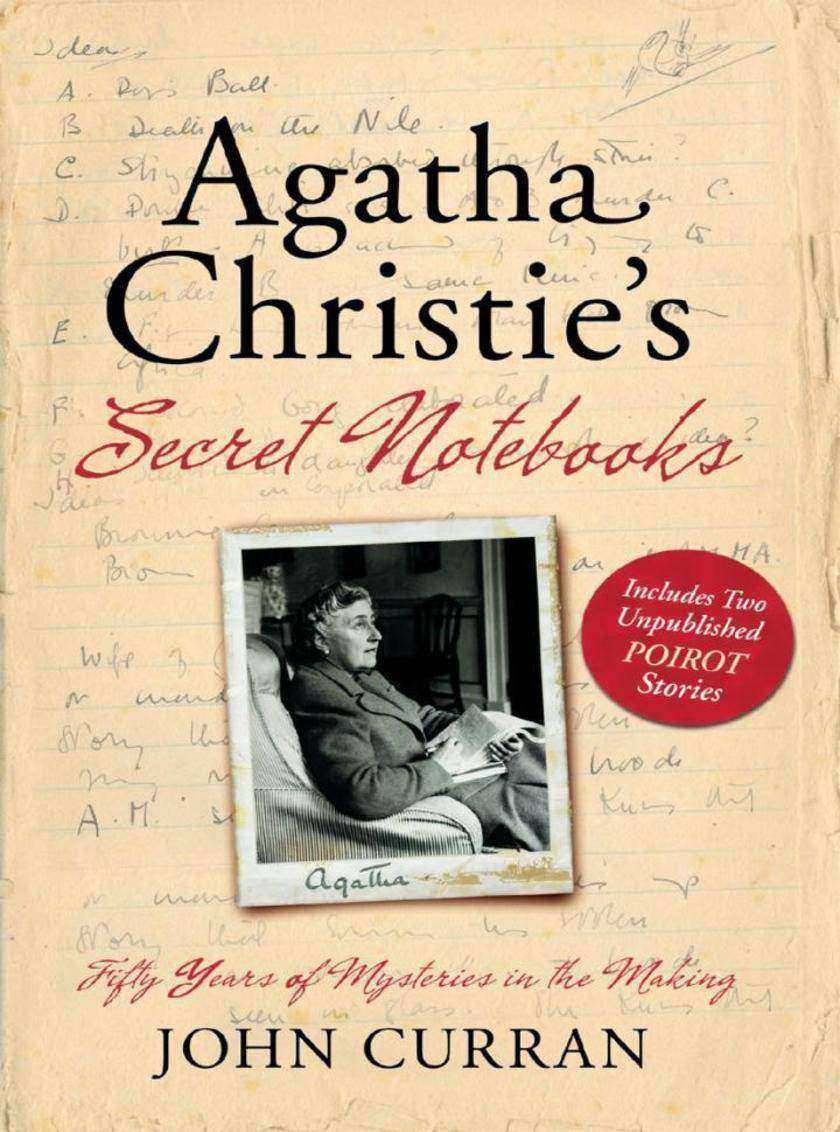
Agatha Christie's Secret Notebooks
¥94.10
A fascinating exploration of the contents of Agatha Christie's seventy-three private notebooks, including illustrations and two unpublished Poirot stories When Agatha Christie died in 1976, at age eighty-five, she had become the world's most popular author. With sales of more than two billion copies worldwide, in more than one hundred countries, she had achieved the impossible more than one book every year since the 1920s, every one a bestseller.So prolific was Agatha Christie's output sixty-six crime novels, twenty plays, six romance novels under a pseudonym and more than one hundred and fifty short stories it was often claimed that she had a photographic memory. Was this trueOr did she resort over those fifty-five years to more mundane methods of working out her ingenious crimesFollowing the death of Agatha's daughter, Rosalind, at the end of 2004, a remarkable legacy was revealed. Unearthed among her affairs at the family home of Greenway were Agatha Christie's private notebooks, seventy-three handwritten volumes of notes, lists and drafts outlining all her plans for her many books, plays and stories. Buried in this treasure trove, all in her unmistakable handwriting, are revelations about her famous books that will fascinate anyone who has ever read or watched an Agatha Christie story.How did the infamous twist in The Murder of Roger Ackroyd really come aboutWhich very famous Poirot novel started life as an adventure for Miss MarpleWhich books were designed to have completely differ-ent endings, and what were theyWhat were the plot ideas that she considered but rejected?Full of details she was too modest to reveal in her own autobiography, this remarkable new book includes a wealth of excerpts and pages reproduced directly from the notebooks and her letters, plus, for the first time, two newly discovered complete Hercule Poirot short stories never before published.

Daddy, Stop Talking!
¥94.10
Last Will & Testament of Adam CarollaI, Adam Carolla, being of beaten-down mind, declare this to be my Last Will and Testament. I revoke all wills and addendums previously made by me. (You guys never did listen, anyway.) Article II appoint the rest of the world's unappreciated dads as Personal Representatives to administer this Will. I bequeath to them the right to crack a couple cold ones in the garage after working their asses off all week and ask that they be permitted to watch all the porn they like and not have to change diapers and get dragged to every preschool "graduation" and PTA meeting. Article IITo my wife, I leave a safe-deposit box, the sole content of which is a note reading "Get a job. I'm dead," and my best wishes on trying to keep up with the unending demands of our houses, cars, dog, and kids.Article IIII devise, bequeath, and give my kids this book, Daddy, Stop Talking. Since you guys were the death of me, I leave you these pages of wisdom. But no cash, cars, or property. You've got to earn those. On that note, I further demand that the following message be placed on the marker of my grave: "You're All on Your Own Now. Enjoy."

Bloody Crimes
¥94.10
On the morning of April 2, 1865, Jefferson Davis, president of the Confederacy, received a telegram from General Robert E. Lee. There is no more time the Yankees are coming, it warned. Shortly before midnight, Davis boarded a train from Richmond and fled the capital, setting off an intense and thrilling chase in which Union cavalry hunted the Confederate president. Two weeks later, President Lincoln was assassinated, and the nation was convinced that Davis was involved in the conspiracy that led to the crime. Lincoln's murder, autopsy, and White House funeral transfixed the nation. His final journey began when soldiers placed his corpse aboard a special train that would carry him home on the 1,600-mile trip to Springfield. Along the way, more than a million Americans looked upon their martyr's face, and several million watched the funeral train roll by. It was the largest and most magnificent funeral pageant in American history.To the Union, Davis was no longer merely a traitor. He became a murderer, a wanted man with a $100,000 bounty on his head. Davis was hunted down and placed in captivity, the beginning of an intense and dramatic odyssey that would transform him into a martyr of the South's Lost Cause. The saga that began with Manhunt continues with the suspenseful and electrifying Bloody Crimes. James Swanson masterfully weaves together the stories of two fallen leaders as they made their last expeditions through the bloody landscape of a wounded nation.

My Journey with Farrah
¥94.10
Alana Stewart and Farrah Fawcett went through it all together. Friends for thirty years, they were an essential part of each other's lives since first meeting at a dinner party in the 1970s. During that time, they supported each other through the trials of Hollywood life while also raising their families, keeping in close contact. But in the fall of 2006, a test of their friendship arose unlike any other they'd faced: Farrah was diagnosed with aggressive rectal cancer. She was determined to fight, and Alana was determined to help her. Together, they were relentless in their pursuit of a cure, traveling halfway around the world as they sought every mainstream, alternative, and experimental therapy available. In all, they spent the better part of the next three years together - Alana by her friend's side as they struggled hand in hand with the unknown. Now, in these intimate and personal diaries, Alana shares her thoughts on the events of the last three years, documenting the journey she and Farrah embarked on as they prayed for a miracle. Reflecting back on the three decades they shared, Alana details what she's learned about her friend and herself as they battled through the trials of this illness. From the importance of selflessness, to the undeniable value of faith, to the remarkable resilience of the human spirit, Alana's day-to-day entries reveal a side of these two friends that the world has never seen. Even in the face of this debilitating disease, Farrah's courage and determination continues to teach us about life . . . and love. Writing candidly about aging, marriage, motherhood, and faith--all topics she and Farrah dealt with together over the years - Alana provides a moving tribute to a woman, once Hollywood's golden girl, and an inspiring celebration of life. My Journey with Farrah is the story of two courageous women who stood by each other through good times, bad times, and now the most trying of times. It is a book that will make people laugh, cry, and rejoice in the power of friendship.

The Billy Bob Tapes
¥94.10
Raised in small-town Arkansas, Billy Bob Thornton grew up amid a rich storytelling tradition. See, the South is just different than other places. . . . You can feel the ghosts there. As a kid, he would sit on the porch listening to his family or some old man down the road spinning yarns about colorful neighbors. These stories didn't have to be made up. The characters were already there, so the stories just came out of the characters we knew. Thus was borne his Oscar-winning masterpiece Sling Blade and now The Billy Bob Tapes a narrative based on late-night conversations with Kinky Friedman and other friends who gathered 'round to hear Billy mine a cave full of ghosts. Billy grew up shooting squirrels, playing drums in VFW clubs, and dreaming of rock 'n' roll stardom or pitching for the St. Louis Cardinals. Then at sixteen he took a drama class to meet chicks and met Mrs. Treadway, who noticed the young man's talent and encouraged him as an actor and writer. "You don't know what it's like to be a drama teacher in a small town in Arkansas where nobody really cares," she said, "but let me tell you something. You can do this." Everything I've accomplished since, I can trace back to this woman, Maudie Treadway.The colorful characters, stories, and experiences of his youth would find their way into Billy's work, in his films and music, and in his perspective and attitude. It's like the old saying goes: you can take the boy out of the hills, but you can't take the hills out of the boy. That boy did leave the hills for Hollywood Hills. A true fish out of water, he recalls stories of miserable jobs, the cheapest accommodations, and physical hunger but also a devoted writing partner Tom Epperson, a life-changing acting teacher in L.A., and a compassionate nurse who snuck him milk shakes when he was near starvation. But there was always the dream of being an actor, and his fortunes turned when he served hors d'oeuvres as a catering waiter to legendary director Billy Wilder, who advised him, "Write about your interesting life." Billy's long career in Hollywood yields stories of inspired collaborations and failed ones, true friendships with other actors and musicians, and good friends gone too soon. In The Billy Bob Tapes, he reflects on the critics, the culture around fame, and the challenges of conveying an artistic vision in film. Most striking is Billy's clear-eyed perspective about the magic of entertainment, and how we perceive it in a rapidly changing world. With passion, unvarnished honesty, wry humor, and a little help from friends Angelina Jolie, Robert Duvall, Dwight Yoakam, Tom Epperson, and Daniel Lanois, Billy Bob finally talks.
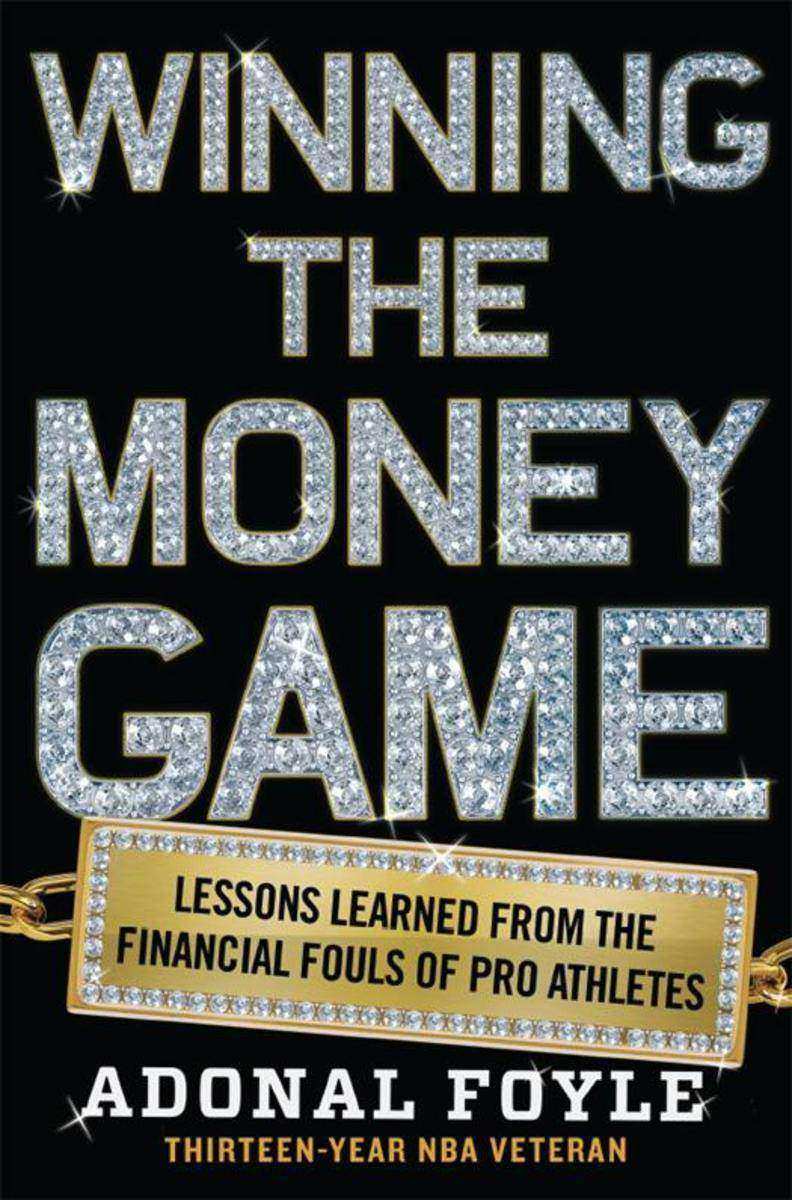
Winning the Money Game
¥94.10
Former NBA center Adonal Foyle has seen athletes burn through millions on women, large entourages, family gifts, gambling debts even shark tanks! Such spending habits are partly responsible for 60 percent of NBA players going broke within five years of retirement and nearly 80 perfect of NFL players being strapped within two.Rich with anecdotes from a sports insider, Winning the Money Game shows you how to avoid the financial fouls of athletes. Foyle gives you the straight, offering guidance on a wide range of money matters, from taxes to alimony, from child support to medical bills, and so much more. He beaks down expenses point by point, illustrating the difference between luxury items and family needs, and lays out the essential dos and don'ts to help you spend, save, and grow your money wisely.
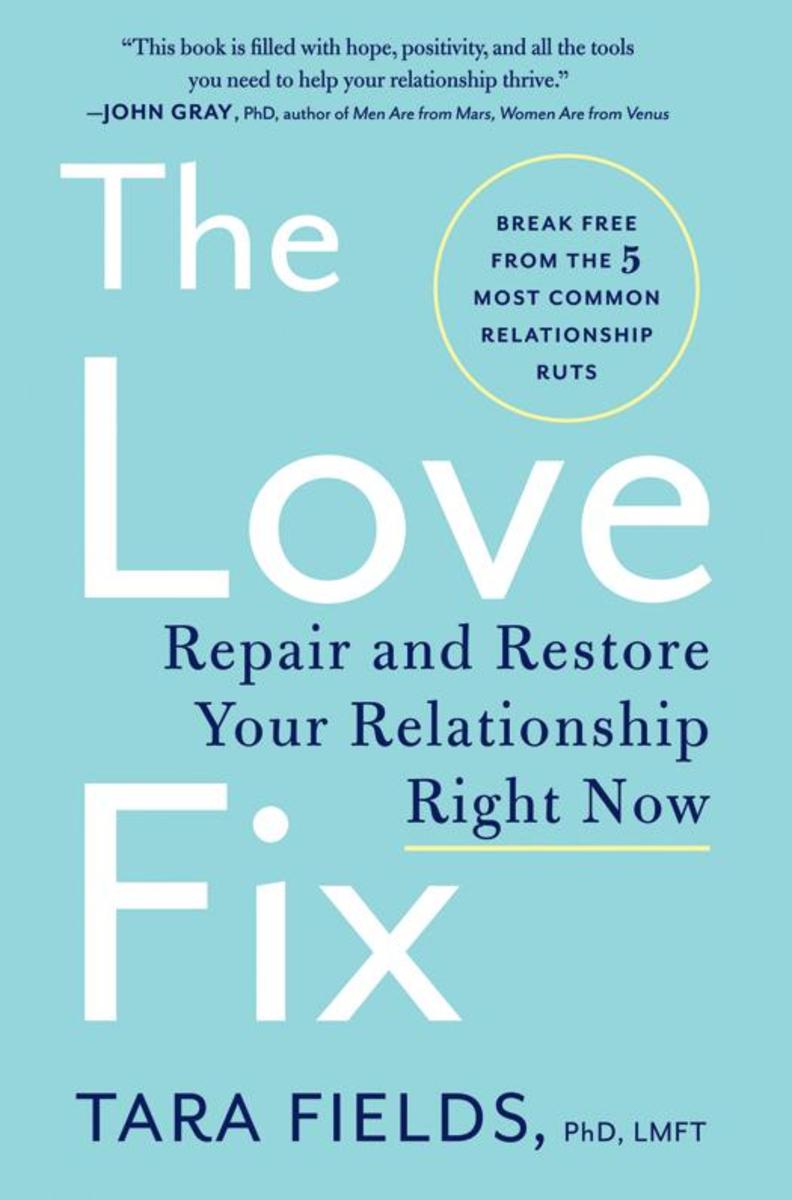
The Love Fix
¥94.10
Find your way back to a happy, satisfying relationshipAll couples argue, but how do some couples get to what seems like the point of no returnLicensed marriage and family therapist Dr. Tara Fields has spent more than twenty-eight years working with couples, and she has discovered that there are five common conflict loops that couples fall into and three steps to getting past having the same fights over and over again and onward to building a relationship where each partner feels heard, understood, respected, and loved. These steps include: Recognizing the conflict loop at play Exploring past and present fears Creating opportunities to get in touch with the deepest needs of both partners in order to find new gratitude, respect, and trust Change comes with awareness. When you're present in the moment, conflict with your partner can become an opportunity to work through unresolved issues and to learn more about each other; it can even become a way to grow closer. In The Love Fix, Fields shares her tested and proven tools to help build stronger relationships, including: Insight from real couples who have repaired their relationships Self-assessment quizzes to get to the root of the problem Practical 3-Minute Fixes you can start using immediately HEARTwork exercises to help you dig deeper in order to reconnect It's never too late to reignite your passion and to restore the love between you and your partner. Stop rehashing the same issues, figure out what you're really fighting about, and start enjoying a happier, stronger relationship today.
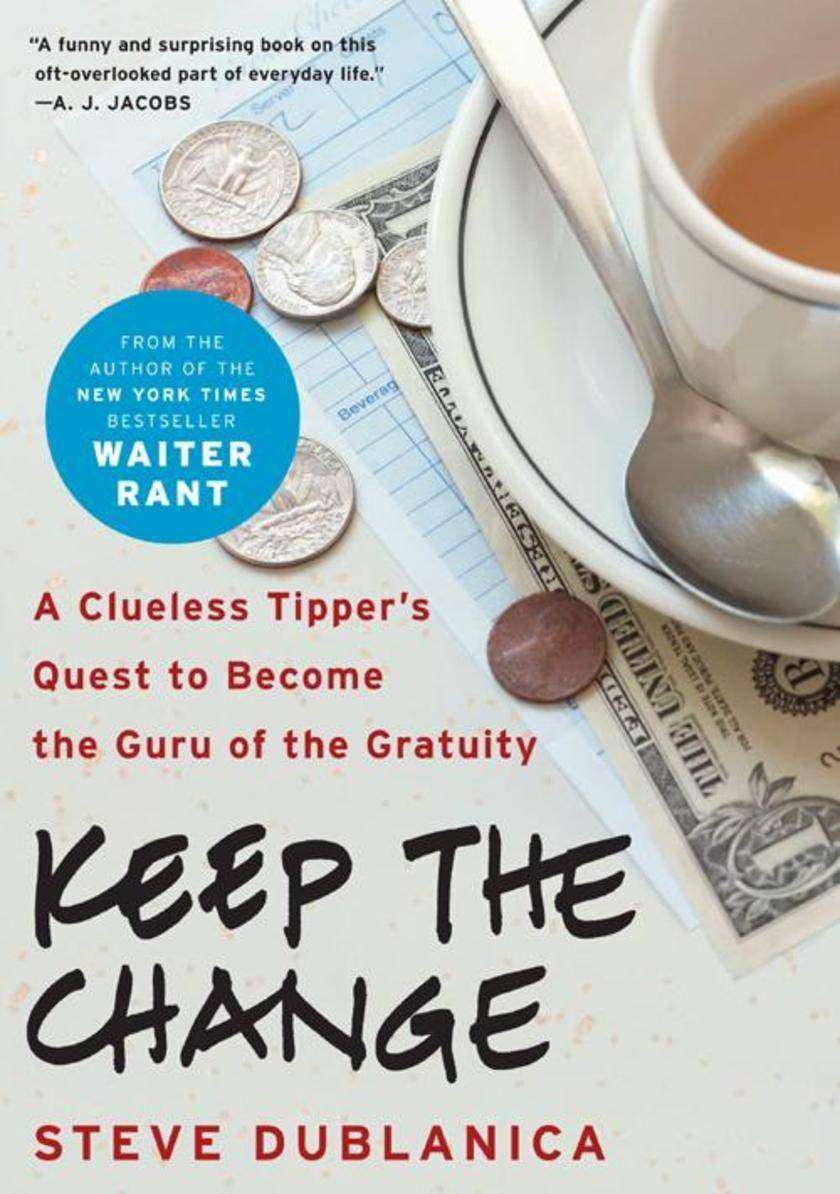
Keep the Change
¥94.10
An irreverent, pavement-pounding, eye-opening exploration of a neglected part of the American economy: tipping Tipping is huge in America. Almost everyoneleaves at least one tip every day. More thanfive million American workers depend onthem, and we spend $66 billion on tips each year.And everyone recognizes that queasy feeling inbars and restaurants, barbershops and beautyparlors, hotels and strip clubs, and everywhereelse when the check arrives or the tip jar looms.Omnipresent yet poorly understood, tipping hasworked its way into almost every part of daily life.In Keep the Change, bestselling author SteveDublanica dives into this unexplored world, in acomical yet serious attempt to turn himself intothe Guru of the Gratuity. As intrepid and irreverentas Michael Moore or A. J. Jacobs, Dublanicatravels the country to meet shoeshine men, strippers,bartenders, bellhops, bathroom attendants,and many others, all in an effort to overcome hisown sweaty palms when faced with those perennialquestions: Should I tipHow muchThroughouthe explores why tipping has spread; he explainshow differences in gender, age, ethnicity, and nationalityaffect our attitudes; and he reveals just whatthe cabdriver or deliveryman thinks of us after we've left a tip.Written in the lively style that made WaiterRant such a hit, Keep the Change is a fun and enlighteningquest that will change the way wethink and tip.
Go For The Goal
¥94.10
For the more than seven million girls from knobby-kneed tykes to high school and college stars who are tearing across the country chasing a soccer ball and dreams of glory, there is one name that eclipses all others, male or female: Mia Hamm. With her cheetahlike acceleration and lightning-bolt shot, Hamm broke nearly every record in her sport, while galvanizing a whole generation of fans and players.Go for the Goal is not only the inspiring story of how a tiny suburban sprite became a global terror with a ball (and the world) at her feet it's also a step-by-step or dribble-by-dribble guide for any kid with the all-American dream of making the team and becoming a champion.Filled with personal anecdotes and fully illustrated with both action and instructional photographs, Go for the Goal shows readers exactly how to master the silky skills and techniques that made Hamm and her teammates the finest women's soccer team in the world.
Maybe You Never Cry Again
¥94.10
By the tender of age of five, Bernie Mac had found his calling:making others laugh. Now this amazing comedian delves deep inside to share the poignant story of his childhood and the people who shaped him into the strong, self-reliant man and ruthlessly funny comedian he is today.When Bernie was just sixteen, he lost his mother to cancer.A tough but loving teacher, she showered the unwilling boy with life lessons and "Mac-isms" that would later carry him through many hardships and give him strength during his slow rise to stardom. Maybe You Never Cry Again recounts this ascent in hilarious detail, from eight-year-old Bernie's stand-up comedy performance at a church dinner to open mike nights in Chicago, the jobs he juggled to make ends meet and eventually, his success in entertaining huge audiences on stage, in film, and on television.Maybe You Never Cry Again is a powerful testamentto how a mother's love makes everything possible.
Re-Claiming the Bible for a Non-Religious World
¥94.10
For two hundred years, scholars have been analyzing one of the most important books ever written the Bible and overturning much of what we once thought we knew. Everyday Christians, however, are not privy to this deeper conversation. It is for these people that renowned bishop and author John Shelby Spong presents Re-Claiming the Bible for a Non-Religious World, a book designed to take readers into the contemporary academic debate about the Bible.A definitive voice for progressive Christianity, Spong frees readers from a literal view of the Bible. He opens the possibility that some of the characters in the New Testament are imaginary composites or even literary creations such as Joseph, the earthly father of Jesus; Judas Iscariot; Nicodemus; the Samaritan woman by the well; and Lazarus who was raised from the dead. He presents the Bible as an ever-changing and always growing story. He demonstrates that it is possible to be both a deeply committed Christian and an informed twenty-first-century citizen.In this thorough, substantive guide, Spong explores the origin and essential meaning of each of the individual books in the Bible, examining the background, the context, the level of authenticity and even the trustworthiness of the messages found there. He explains why these particular books, written between two and three thousand years ago, came to be regarded as authoritative and preserved as sacred; he traces the pathway that biblical religion has traveled as it evolved through the centuries, and he shows how people have misused many of these texts in the service of their prejudices.Reaching far beyond the familiar Sunday-school stories that have provided the content of most people’s biblical knowledge, Spong’s journey into the heart of the Bible is his attempt to call his readers into their own journeys into the mystery of God. One does not,” he asserts, have to twist one’s brain into a first-century pretzel in order to take the Bible seriously in this increasingly non-religious world.”
Dark Invasion
¥94.10
What happens when German spies collaborate to unleash a campaign of terror upon America at the start of World War I?In the summer of 1914, New York Police Department captain Tom Tunney is preoccupied by Manhattan's raging gang rivalries and has little idea that, halfway around the world, a much more ominous threat to the city is brewing. As Germany teeters on the brink of war, its ambassador to the United States is given instructions to find and finance a team of undercover saboteurs who can bring America to its knees before it has a chance to enter the conflict on the side of the Allies.At the page-turning pace of a spy thriller, Dark Invasion tells the remarkable true story of Tunney and his pivotal role in discovering, and delivering to justice, a ruthless ring of German terrorists determined to annihilate the United States. Overwhelmed and undermatched, Tunney's small squad of cops was the David to Germany's Goliath, the operatives of which included military officers, a germ warfare expert, a gifted Harvard professor, a bomb technician, and a document forger. As explosions leveled munitions plants and destroyed cargo ships, particularly in and around New York City, pan- icked officials talked about rogue activists and anarchists but it was Tunney who suspected that these incidents were part of something bigger and became determined to bring down the culprits.Through meticulous research, Blum deftly reconstructs an enthralling, vividly detailed saga of subterfuge and bravery. Enhanced by more than fifty images sourced from global archives, his gritty, energetic narrative follows the German spies with Tunney hot on their heels from the streets, harbors, and warehouses of New York City to the genteel quads of Harvard, the grand estates of industry tycoons, and the steps of the U.S. Capitol. The New York Police Department's breathtaking efforts to unravel the extent of the German plot and close in on its perpetrators are revealed in this riveting account of America's first encounter with a national security threat unlike any other the threat of terrorism that is more relevant now than ever.
The Official CIA Manual of Trickery and Deception
¥94.10
Magic or spycraftIn 1953, against the backdrop of the Cold War, the CIA initiated a top-secret program, code-named MKULTRA, to counter Soviet mind-control and interrogation techniques. Realizing that clandestine officers might need to covertly deploy newly developed pills, potions, and powders against the adversary, the CIA hired America's most famous magician, John Mulholland, to write two manuals on sleight of hand and undercover communication techniques. In 1973, virtually all documents related to MKULTRA were destroyed. Mulholland's manuals were thought to be among them until a single surviving copy of each, complete with illustrations, was recently discovered in the agency's archives.The manuals reprinted in this work represent the only known complete copy of Mulholland's instructions for CIA officers on the magician's art of deception and secret communications.

Manhunt
¥94.10
The murder of Abraham Lincoln set off the greatest manhunt in American history. From April 14 to April 26, 1865, the assassin, John Wilkes Booth, led Union cavalry and detectives on a wild twelve-day chase through the streets of Washington, D.C., across the swamps of Maryland, and into the forests of Virginia, while the nation, still reeling from the just-ended Civil War, watched in horror and sadness.James L. Swanson's Manhunt is a fascinating tale of murder, intrigue, and betrayal. A gripping hour-by-hour account told through the eyes of the hunted and the hunters, this is history as you've never read it before.
Bhagavad Gita
¥94.10
The Bhagavad Gita is often regarded as the Bible of India. With a gripping story and deeply compelling message, it is unquestionably one of the most popular sacred texts of Asia and, along with the Bible and the Qur'an, one of the most important holy *ures in the world. Part of an ancient Hindu epic poem, the dialogue of the Bhagavad Gita takes place on a battlefield, where a war for the possession of a North Indian kingdom is about to ensue between two noble families related by blood. The epic's hero, young Prince Arjuna, is torn between his duty as a warrior and his revulsion at the thought of his brothers and cousins killing each other over control of the realm. Frozen by this ethical dilemma, he debates the big questions of life and death with the supreme Hindu deity Krishna, cleverly disguised as his charioteer. By the end of the story, Eastern beliefs about mortality and reincarnation, the vision and practice of yoga, the Indian social order and its responsibilities, family loyalty, spiritual knowledge, and the loftiest pursuits of the human heart are explored in depth. Explaining the very purpose of life and existence, this classic has stood the test of twenty-three centuries. It is presented here in a thoroughly accurate, illuminating, and beautiful translation that is sure to become the standard for our day.
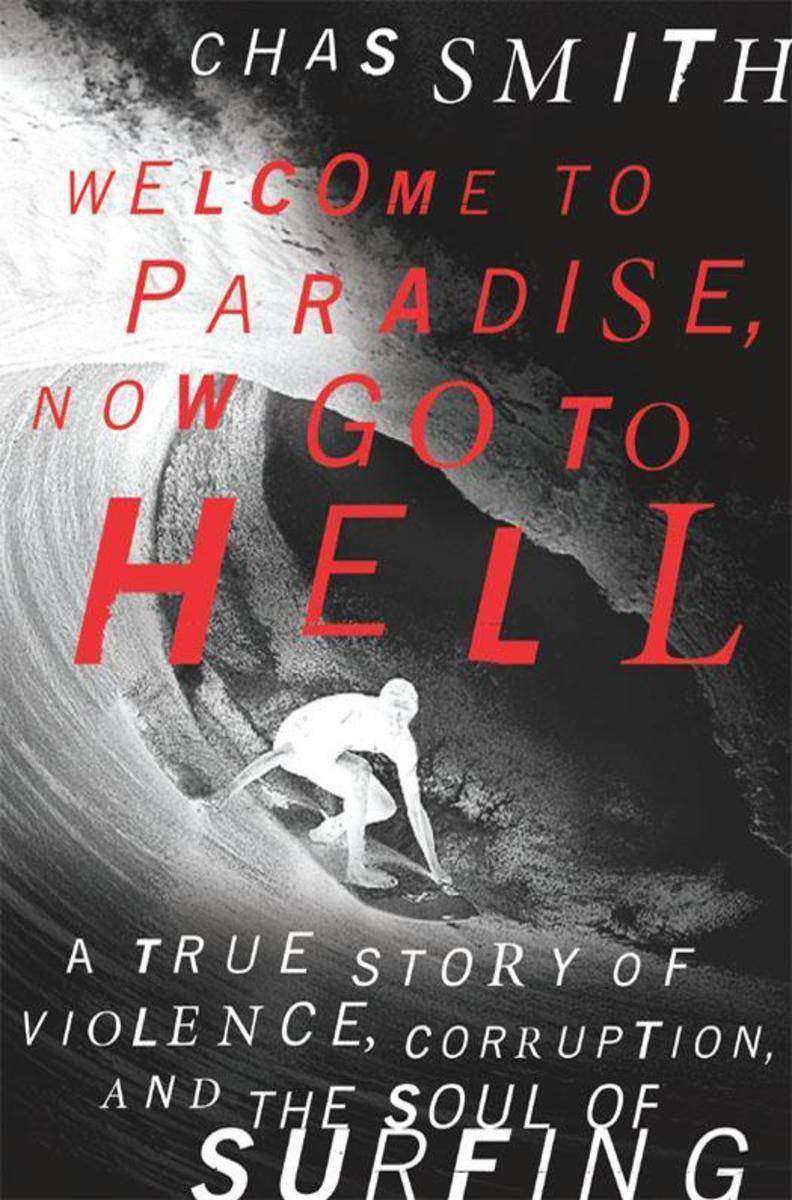
Welcome to Paradise, Now Go to Hell
¥94.10
A finalist for the PEN Center USA Award for NonfictionFor two months every winter, when Pacific storms make landfall, Oahu's paradisical North Shore turns into a fiery hell. Its normal population of sixteen thousand more than triples and this explosion of mainlanders, Brazilians, Australians, and Europeans creates one of the most combustible milieus on earth. Waves, like gold and oil, are a limited resource and, as such, are fiercely fought over by the visiting hordes, the surf industry, other Hawaiian islanders, and North Shore residents. The otherwise sleepy North Shore becomes a lawless, violent, drug-addled, and adrenaline-soaked mecca.It takes uniquely fearless men to paddle into thirty-foot waves breaking over a razor-sharp reef hidden beneath three feet of water. Death and maiming are regular occurrences during North Shore winters. Yet when the sun dips, the fearless become truly scared. You see, the ocean has rules. The men who haunt the land do not. And so they whisper about helter-skelter violence dished out by larger-than-life Hawaiians. They whisper about being choked, slapped, and bloodied for breaking unspoken codes of conduct. About the protection money extracted from the surf brands that want to hold their contests on the North Shore. About drug running, fights, and maybe even murders. And then they return to multimillion-dollar beachfront homes and drown their anxiety with cocaine and booze. But they know they are not safe. Because no one is ever safe here.The surf world is far more volatile and complex than outsiders know or popular depictions would have us believe, and the North Shore during winter is its most extreme representation. It is downright dangerous but also exhilarating, and this story paints a true picture of what it feels like to be in the middle of it all. It is both a breathtaking and wildly funny tale of beauty, wickedness, and the unyielding allure of ocean waves in all their glory.
Six Wives
¥94.10
No one in history had a more eventful career in matrimony than Henry VIII. His marriages were daring and tumultuous, and made instant legends of six very different women. In this remarkable study, David Starkey argues that the king was not a depraved philanderer but someone seeking happiness -- and a son. Knowingly or not, he elevateda group of women to extraordinary heights and changed the way a nation was governed.Six Wives is a masterful work of history that intimately examines the rituals of diplomacy, marriage, pregnancy, and religion that were part of daily life for women at the Tudor Court. Weaving new facts and fresh interpretations into a spellbinding account of the emotional drama surrounding Henry's six marriages, David Starkey reveals the central role that the queens played in determining policy. With an equally keen eye for romantic and political intrigue, he brilliantly recaptures the story of Henry's wives and the England they ruled.
Golda
¥94.10
Golda Meir was the first female head of state in the Western world and one of the most influential women in modern history. A blend of Emma Goldman and Martin Luther King Jr. in the guise of a cookie-serving grandmother, her uncompromising devotion to shaping and defending a Jewish homeland against dogged enemies and skittish allies stunned political contemporaries and transformed Middle Eastern politics for decades to follow. She outmaneuvered Richard Nixon and Henry Kissinger at their own game of Realpolitik, and led Israel through a bloody war even as she eloquently pleaded for peace, carrying her nation through its most perilous hours while she herself battled cancer. In this masterful biography, critically acclaimed author Elinor Burkett paints a vivid portrait of a legendary woman defined by contradictions: an iron resolve coupled with magnetic charm, a kindly demeanor that disguised a stunning hard-heartedness, and a complete dedication to her country that often overwhelmed her personal relationships.

It's All Greek To Me
¥94.10
Why is ancient Greece importantBecause, quite simply, if we want to understand the modern Western world, we need to look back to the Greeks. Consider the way we think about ethics, about the nature of beauty and truth, about our place in the universe, about our mortality. All this we have learned from the ancient Greeks. They molded the basic disciplines and genres in which we still organize thought, from poetry to drama, from medicine to philosophy, from history to ethnography.Packed with useful facts, including a timeline, a "mythology for dummies," a who's who, a guide to Homer's epics, and a handy map for those struggling to know their Lemnos from their Lesbos, It's All Greek to Me is an entertaining and insightful tour through the world of the ancient Greeks. Why are some laws DraconianWhat is an Achilles' heelWhy were the Spartans spartanCharlotte Higgins provides these answers and more, arming average readers with the knowledge they need to understand the Greeks and their tremendous contributions to our lives. This book aims to unlock the richness of a fascinating culture and place it where it should be in the mainstream of life.


