


 购物车
购物车 个人中心
个人中心
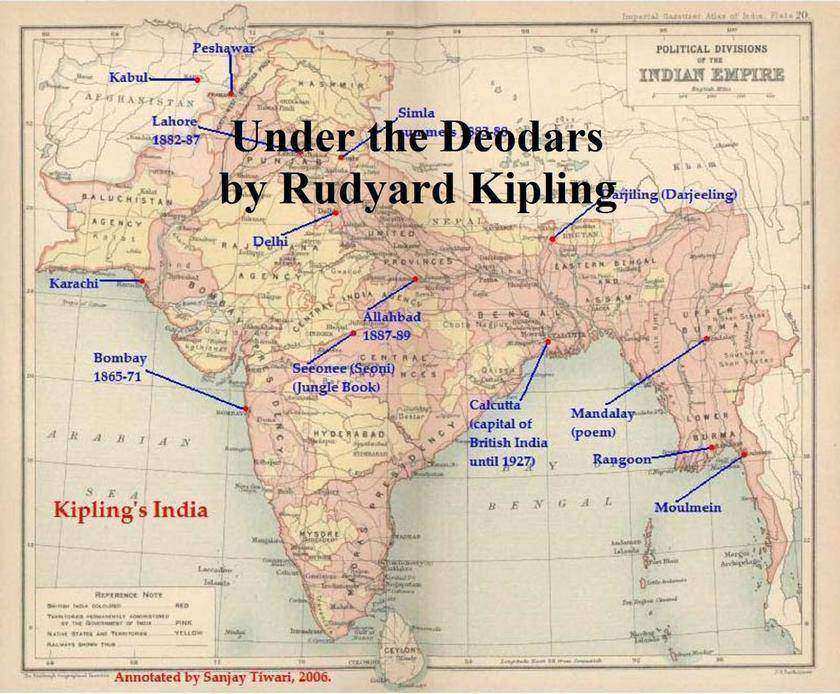
Under the Deodars
¥8.09
Classic Kipling short stories, including The Education of Otis Yeere, At the Pit's Mouth, A Wayside Comedy, The Hill of Illusion, A Second-rate Woman, Only a Subaltern, In the Matter of a Private, and The Enlightenments of Pagett. M. P. According to Wikipedia: "Joseph Rudyard Kipling (1865 – 1936) was an English author and poet. Born in Bombay, British India (now Mumbai), he is best known for his works The Jungle Book (1894) and Rikki-Tikki-Tavi (1902), his novel, Kim (1901); his poems, including Mandalay (1890), Gunga Din (1890), If— (1910); and his many short stories, including The Man Who Would Be King (1888). He is regarded as a major "innovator in the art of the short story"; his children's books are enduring classics of children's literature; and his best works speak to a versatile and luminous narrative gift. Kipling was one of the most popular writers in English, in both prose and verse, in the late 19th and early 20th centuries.[2] The author Henry James said of him: "Kipling strikes me personally as the most complete man of genius (as distinct from fine intelligence) that I have ever known." In 1907, he was awarded the Nobel Prize in Literature, making him the first English language writer to receive the prize, and to date he remains its youngest recipient. Among other honours, he was sounded out for the British Poet Laureateship and on several occasions for a knighthood, all of which he declined."
Stingaree
¥8.09
Classic mystery/detective novel. According to Wikipedia: "Ernest William Hornung (June 7, 1866 – March 22, 1921)... was an English author, most famous for writing the Raffles series of novels about a gentleman thief in late Victorian London. Hornung was the third son of John Peter Hornung, a Hungarian, and was born in Middlesbrough, England. He was educated at Uppingham School during some of the later years of its great headmaster, Edward Thring. He spent most of his life in England and France, but in 1884 left for Australia and stayed for two years where he working as a tutor at Mossgiel station. Although his Australian experience had been so short, it coloured most of his literary work from A Bride from the Bush published in 1899, to Old Offenders and a few Old Scores, which appeared after his death. He returned from Australia in 1886, and married Constance ("Connie") Doyle (1868-1924), the sister of Sir Arthur Conan Doyle in 1893. Hornung published the poems Bond and Free and Wooden Crosses in The Times. The character of A. J. Raffles, a "gentleman thief", first appeared in Cassell's Magazine in 1898 and the stories were later collected as The Amateur Cracksman (1899). Other titles in the series include The Black Mask (1901), A Thief in the Night (1905), and the full-length novel Mr. Justice Raffles (1909). He also co-wrote the play Raffles, The Amateur Cracksman with Eugene Presbrey in 1903."
Villette
¥8.09
Classic novel by author of Jane Eyre. According to Wikipedia: "The Bront? sisters (Charlotte (1816 – 1855), Emily (1818 – 1848) and Anne (1820 – 1849), were English writers of the 1840s and 1850s. Their novels caused a sensation when they were first published and were subsequently accepted into the canon of great English literature."

Jack and Jill
¥8.09
Classic novel by the author of "Little Women". According to Wikipedia: "Louisa May Alcott (1832 – 1888) was an American novelist. She is best known for the novel Little Women, published in 1868. This novel is loosely based on her childhood experiences with her three sisters."
Rose in Bloom
¥8.09
Classic novel by the author of Little Women. According to Wikipedia: "Louisa May Alcott (1832 – 1888) was an American novelist. She is best known for the novel Little Women, published in 1868. This novel is loosely based on her childhood experiences with her three sisters."
La Femme au Collier de Velours
¥8.09
Roman classique dans le fran?ais original. Selon Wikipédia: "Alexandre Dumas, père (fran?ais pour" père ", apparenté à" Senior "en anglais), né Dumas Davy de la Pailleterie (24 juillet 1802 - 5 décembre 1870) était un écrivain fran?ais, mieux connu pour ses nombreux romans historiques de grande aventure qui ont fait de lui l'un des auteurs fran?ais les plus lus au monde, dont plusieurs de ses romans, dont Le Comte de Monte-Cristo, Les Trois Mousquetaires et Le Vicomte de Bragelonne, écrit des pièces de thé?tre et des articles de magazines et était un correspondant prolifique. "

Le Pays des Fourrures
¥8.09
Roman classique dans le fran?ais original. Selon Wikipédia: ?Jules Gabriel Verne (8 février 1828 - 24 mars 1905) est un auteur fran?ais qui a été le pionnier du genre de la science-fiction, notamment des romans comme Voyage au centre de la terre (1864), Vingt mille lieues sous la mer (1870) et autour du monde en quatre-vingts jours (1873) Verne a écrit sur l'espace, l'air et les voyages sous-marins avant que les voyages aériens et les sous-marins pratiques soient inventés. Selon Index Translationum, il est le troisième auteur le plus traduit au monde, certains de ses livres ont été transformés en films ... Verne, avec HG Wells, est souvent surnommé le ?père de la science-fiction?

Le Chevalier de Maison-Rouge
¥8.09
Roman classique, en fran?ais original. Selon Wikipédia: "Alexandre Dumas, père (fran?ais pour" père ", apparenté à" Senior "en anglais), né Dumas Davy de la Pailleterie (24 juillet 1802 - 5 décembre 1870) était un écrivain fran?ais, mieux connu pour ses nombreux romans historiques de grande aventure qui ont fait de lui l'un des auteurs fran?ais les plus lus au monde, dont plusieurs de ses romans, dont Le Comte de Monte-Cristo, Les Trois Mousquetaires et Le Vicomte de Bragelonne, écrit des pièces de thé?tre et des articles de magazines et était un correspondant prolifique. "
Le Capitaine Arena
¥8.09
Roman classique, en fran?ais original. Selon Wikipédia: "Alexandre Dumas, père (fran?ais pour" père ", apparenté à" Senior "en anglais), né Dumas Davy de la Pailleterie (24 juillet 1802 - 5 décembre 1870) était un écrivain fran?ais, mieux connu pour ses nombreux romans historiques de grande aventure qui ont fait de lui l'un des auteurs fran?ais les plus lus au monde, dont plusieurs de ses romans, dont Le Comte de Monte-Cristo, Les Trois Mousquetaires et Le Vicomte de Bragelonne, écrit des pièces de thé?tre et des articles de magazines et était un correspondant prolifique. "
L'Ile a Helice
¥8.09
Roman classique, en fran?ais original. Selon Wikipédia: ?Jules Gabriel Verne (8 février 1828 - 24 mars 1905) est un auteur fran?ais qui a été le pionnier du genre de la science-fiction, notamment des romans comme Voyage au centre de la terre (1864), Vingt mille lieues sous la mer (1870) et autour du monde en quatre-vingts jours (1873) Verne a écrit sur l'espace, l'air et les voyages sous-marins avant que les voyages aériens et les sous-marins pratiques soient inventés. Selon Index Translationum, il est le troisième auteur le plus traduit au monde, certains de ses livres ont été transformés en films ... Verne, avec HG Wells, est souvent surnommé le ?père de la science-fiction?
The Holly Tree -- Three Branches, a short story
¥8.09
Classic short story. According to Wikipedia: "Charles John Huffam Dickens, (1812 - 1870), pen-name "Boz", was the foremost English novelist of the Victorian era, as well as a vigorous social campaigner. Considered one of the English language's greatest writers, he was acclaimed for his rich storytelling and memorable characters, and achieved massive worldwide popularity in his lifetime. Later critics, beginning with George Gissing and G. K. Chesterton, championed his mastery of prose, his endless invention of unique, clever personalities and his powerful social sensibilities, but fellow writers such as George Henry Lewes, Henry James and Virginia Woolf fault his work for sentimentality, implausible occurrence and grotesque characters. The popularity of Dickens' novels and short stories has meant that not one has ever gone out of print. Dickens wrote serialised novels, the usual format for fiction at the time, and each new part of his stories was eagerly anticipated by the reading public."
In the Carquinez Woods
¥8.09
Classic western novel. According to Wikipedia: "Bret Harte (August 25, 1836[2] – May 6, 1902) was an American author and poet, best remembered for his accounts of pioneering life in California. He was born in Albany, New York. ... He moved to California in 1853, later working there in a number of capacities, including miner, teacher, messenger, and journalist. He spent part of his life in the northern California coast town now known as Arcata, then just a mining camp on Humboldt Bay. His first literary efforts, including poetry and prose, appeared in The Californian, an early literary journal edited by Charles Henry Webb. In 1868 he became editor of The Overland Monthly, another new literary magazine, but this one more in tune with the pioneering spirit of excitement in California. His story, "The Luck of Roaring Camp," appeared in the magazine's second edition, propelling Harte to nationwide fame... Determined to pursue his literary career, in 1871 he and his family traveled back East, to New York and eventually to Boston, where he contracted with the publisher of The Atlantic Monthly for an annual salary of $10,000, "an unprecedented sum at the time." His popularity waned, however, and by the end of 1872 he was without a publishing contract and increasingly desperate. He spent the next few years struggling to publish new work (or republish old), delivering lectures about the gold rush, and even selling an advertising jingle to a soap company. In 1878 Harte was appointed to the position of United States Consul in the town of Krefeld, Germany and then to Glasgow in 1880. In 1885 he settled in London. During the thirty years he spent in Europe, he never abandoned writing, and maintained a prodigious output of stories that retained the freshness of his earlier work. He died in England in 1902 of throat cancer and is buried at Frimley."
A Daughter of the Sioux, A Tale of the Indian Frontier
¥8.09
Classic western novel. According to Wikipedia: "Charles King (October 12, 1844 in Albany, New York – 17 March 1933 in Milwaukee, Wisconsin) was a United States soldier and a distinguished writer. King was the son of Civil War general Rufus King, grandson of Columbia University president Charles King, and great grandson of Rufus King, one of the signers of the Declaration of Independence. He graduated from West Point in 1866 and served in the Army during the Indian Wars under George Crook. He was wounded in the arm forcing his retirement from the regular army. During this time he became acquainted with Buffalo Bill Cody. King would later write scripts for several of Cody's silents films.... In 1898, he was appointed brigadier general of volunteers and sailed to the Philippines during the Spanish-American War. The fighting with Spain was over by the time he arrived, but he assisted in the surrender negotiations. During the following Philippine-American War, King was placed in command of the 1st Brigade in Henry W. Lawton's division. He led his brigade during the Battle of Manila and sailed for Santa Cruz with Lawton's division. He was incapacitated by sickness during the Battle of Santa Cruz, but he returned to fight in the following Battle of Pagsanjan. He took part in the final major campaigns before the fighting turned primarily to guerilla warfare. He returned to the United States and was active in the Wisconsin National Guard and in training troops for World War I. He wrote and edited over 60 books and novels. Among his list of titles are Campaigning with Crook, Fort Frayne, Under Fire and Daughter of the Sioux."
Main-Travelled Roads
¥8.09
According to Wikipedia: "Main-Travelled Roads is a collection of short stories by the American author Hamlin Garland. First published in 1891, the stories are set in what the author refers to as the "Middle Border," the northwestern prairie states of Wisconsin, Nebraska, Iowa, Minnesota and South Dakota. In the book's eleven stories, Garland portrays the hardships of agrarian life, deconstructing the conventional myth of the American prairie while highlighting the economic and social conditions that characterized agricultural communities in the rural Midwest."
The Tyranny of the Dark
¥8.09
Classic western novel. According to Wikipedia: "Hamlin Hannibal Garland (September 14, 1860 – March 4, 1940) was an American novelist, poet, essayist, and short story writer. He is best known for his fiction involving hard-working Midwestern farmers."
Critique of Pure Reason
¥8.09
According to Wikipedia: "Immanuel Kant (22 April 1724 – 12 February 1804) was an 18th-century German philosopher from the Prussian city of K?nigsberg (now Kaliningrad, Russia). He is regarded as one of the most influential thinkers of modern Europe and of the late Enlightenment. Kant created a new widespread perspective in philosophy which is influencing enlightened philosophy until the 21st Century. He published important works of epistemology as also scripts in coherence to religion, law and history. His most important work is the Critique of Pure Reason, an investigation into the limitations and structure of reason itself. It encompasses an attack on traditional metaphysics and epistemology, and highlights Kant's own contribution to these areas. The other main works of his maturity are the Critique of Practical Reason, which concentrates on ethics, and the Critique of Judgment, which investigates aesthetics and teleology."
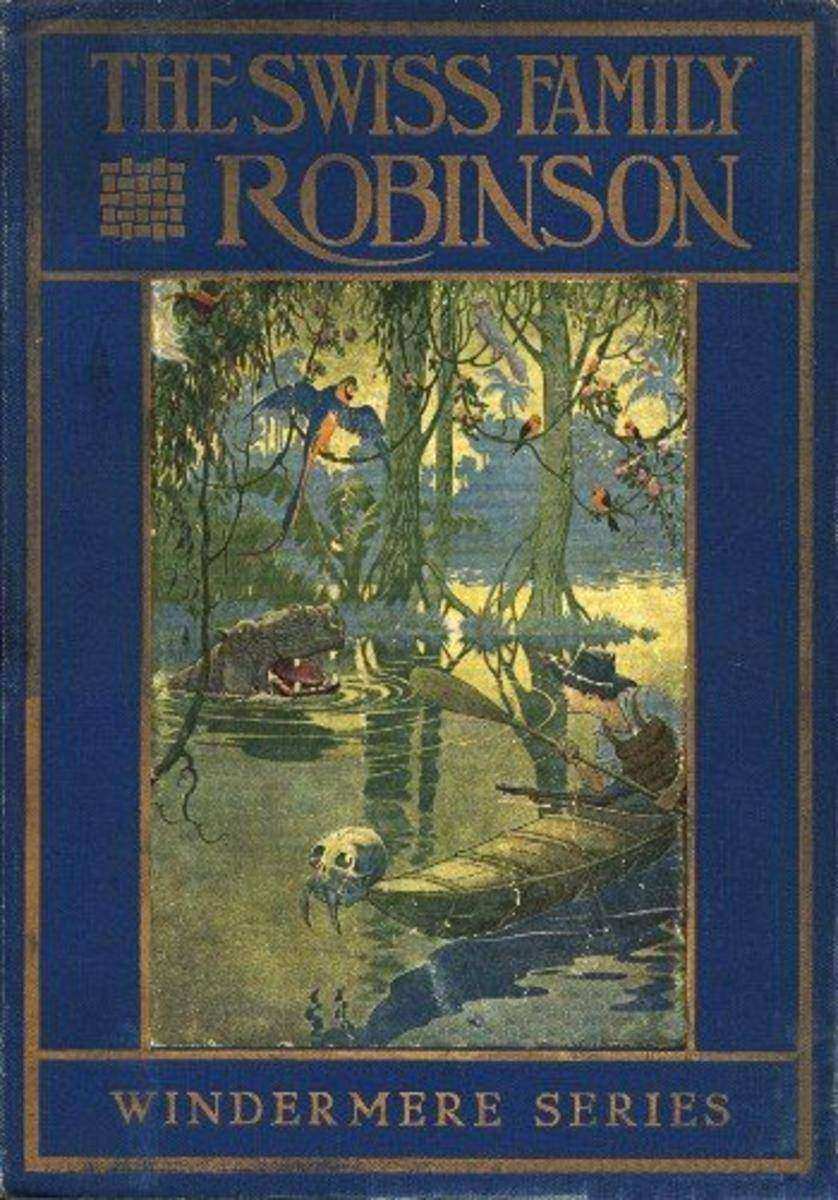
The Swiss Family Robinson
¥8.09
With 9 color illustrations. "Or Adventures on a Desert Island." According to Wikipedia: "The Swiss Family Robinson (German: Der Schweizerische Robinson) is a novel by Johann David Wyss, first published in 1812, about a Swiss family shipwrecked in the East Indies en route to Port Jackson, Australia... Johann David Wyss (March 4, 1743 - January 11, 1818) is best remembered for his book The Swiss Family Robinson. It is said that he was inspired by Defoe's Robinson Crusoe, but wanted to write a story from which his own children would learn, as the father in the story taught important lessons to his children. The Swiss Family Robinson was first published in 1812 and translated into English two years later. It has since become one of the most popular books of all time."
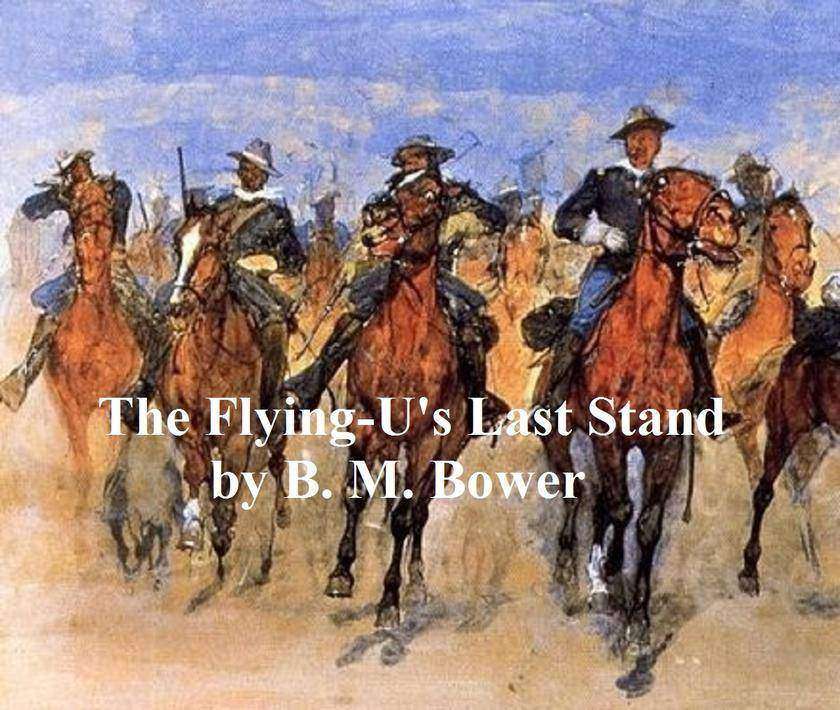
The Flying-U's Last Stand
¥8.09
Classic western. " An amusing account of Chip and the other boys opposing a party of school teachers." According to Wikipedia: "Bertha Muzzy Sinclair or Sinclair-Cowan, née Muzzy (November 15, 1871 – July 23, 1940), best known by her pseudonym B. M. Bower, was an American novelist who wrote fictional stories about the American Old West. Born Bertha Muzzy in Cleveland, Minnesota, she was married three times: to Clayton Bower, in 1890; to Bertrand W. Sinclair, in 1912; and to Robert Elsworth Cowan, in 1921. She wrote 57 Western novels, several of which were turned into films."

Good Indian
¥8.09
Classic western. "A stirring romance of life on an Idaho ranch." According to Wikipedia: "Bertha Muzzy Sinclair or Sinclair-Cowan, née Muzzy (November 15, 1871 – July 23, 1940), best known by her pseudonym B. M. Bower, was an American novelist who wrote fictional stories about the American Old West. She wrote 57 Western novels, several of which were turned into films."
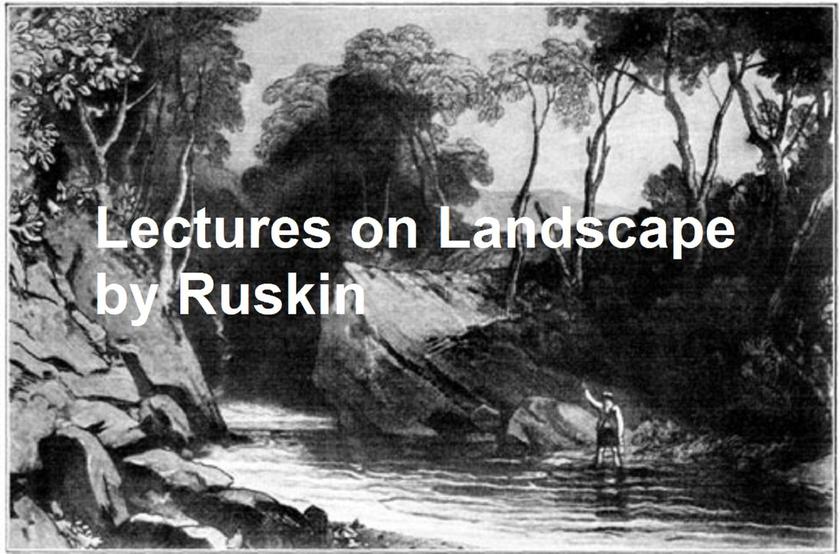
Lectures on Landscape
¥8.09
According to Wikipedia: "John Ruskin (8 February 1819 – 20 January 1900) is best known for his work as an art critic, stage writer, and social critic, but is remembered as an author, poet and artist as well. Ruskin's essays on art and architecture were extremely influential in the Victorian and Edwardian eras."
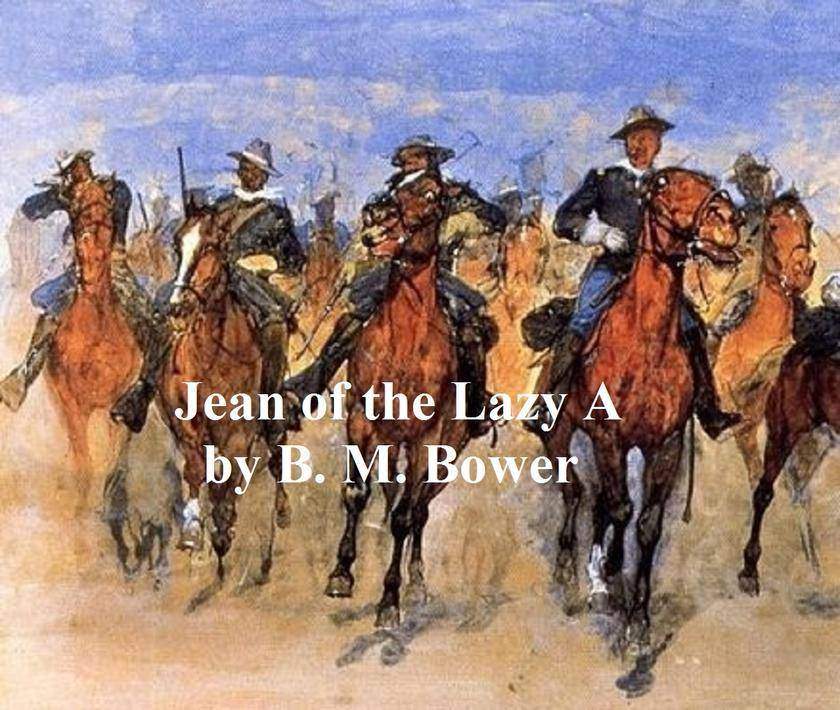
Jean of the Lazy A
¥8.09
Classic western. According to Wikipedia: "Bertha Muzzy Sinclair or Sinclair-Cowan, née Muzzy (November 15, 1871 – July 23, 1940), best known by her pseudonym B. M. Bower, was an American novelist who wrote fictional stories about the American Old West. Born Bertha Muzzy in Cleveland, Minnesota, she was married three times: to Clayton Bower, in 1890; to Bertrand W. Sinclair, in 1912; and to Robert Elsworth Cowan, in 1921. She wrote 57 Western novels, several of which were turned into films."


