


 购物车
购物车 个人中心
个人中心

Loose Diamonds
¥78.55
With her wonderful sense of humor, marvelously candid voice, and astonishing perception, Amy Ephron weaves together the most insightful, profound, and just plain funny stories of her life to form a tapestry of a woman's experiences from childhood through young adulthood, marriage, divorce (and remarriage), and everything in between. Writing with great honesty and exacting prose, Ephron gives us an evocative, engaging, and often piercing look at modern life.Throughout Loose Diamonds, Amy Ephron celebrates unforgettable memories and friendships, and the things that make life livable (such as her Filofax, which she would be lost without), all with a quick wit and a delicate eye.
Love Wins Companion
¥78.32
For those looking to go deeper with Rob Bell's bestselling pioneering book Love Wins, this companion offers: Insights and commentary by theologians, Bible scholars, scientists, and pastors Deep analysis of all relevant Bible passages on heaven, hell, and salvation Detailed chapter summaries, discussion questions, and Bible studies for individuals, groups, and classes Excerpts from works throughout Christian history illustrating the variety of teachers also debating the issues Bell wrestles with New material by Bell on his mission for the book and how people can take the next step

America's Mom
¥85.05
For two generations of Americans, reading Ann Landers's daily column was as important as eating breakfast. For nearly fifty years an entire nation turned to this quick-witted, worldly-wise counselor for advice on everything from dinner etiquette to sex. But who was the woman behind the byline?Iowa-born Eppie Lederer was first hired by the Chicago Sun-Times to take over the daily advice column in 1955 -- and over the next half-century she helped shape the nation's social and sexual landscape. Award-winning journalist Rick Kogan was Ann Landers's last editor and close friend, and he paints a fascinating, full-bodied account of the triumphs, the wisdom, the courage, and the trials of one of the twentieth century's most enduring icons -- including her painful lifelong feud with her identical twin sister, "Dear Abby"; her stubborn refusal to shy away from even the most controversial topics; and the tragic breakup of her own thirty-six-year marriage. Filled with remarkable stories shared by people from all walks of life who were profoundly affected by the good sense and guidance of Ann Landers, America's Mom is a moving tribute to a singular woman who has earned an eternal place in our culture ... and our hearts.

What Mama Taught Me
¥84.16
Millions of viewers of Tony Brown's Journal, the longest-running series on PBS, know Tony Brown as an advocate for self-reliance and self-enrichment. Now, in his most personal book yet, he introduces us to the woman who brought him up and taught him the seven core values he lives by to this day: reality, knowledge, race, history, truth, patience, and love. What Mama Taught Me states that only by understanding one's place in the world can one become free in mind and spirit, which is the path to true success. Brown argues that by following other people's rules, we betray ourselves and our desires, resulting in a vicious cycle of disconnection, unhappiness, and spiritual death. Enhanced by the homespun storytelling he heard as a child, this is Brown's personal recipe for achievement, imparting values that provide a blueprint for reaching success and happiness -- on one's own terms.
Promise Ahead
¥90.77
When Duane Elgin's classic bestseller, Voluntary Simplicity, was published in 1981, it transformed the lives of thousands and was hailed as the "bible" of the simplicity movement by the Wall Street Journal. Now, for anyone seeking to navigate today's profoundly changing world, Promise Ahead is the powerful sequel to a road map for securing a promising future.
Coming of Age on Zoloft
¥83.92
When Katherine Sharpe arrived at her college health center with an age-old complaint, a bad case of homesickness, she received a thoroughly modern response: a twenty-minute appointment and a pre*ion for Zoloft a drug she would take for the next ten years. This outcome, once unlikely, is now alarmingly common. Twenty-five years after Prozac entered the marketplace, 10 percent of Americans over the age of six use an SSRI antidepressant.In Coming of Age on Zoloft, Sharpe blends deeply personal writing, thoughtful interviews, and historical context to achieve an unprecedented portrait of the antidepressant generation. She explores questions of identity that arise for people who start medication before they have an adult sense of self. She asks why some individuals find a diagnosis of depression reassuring, while others are threatened by it. She presents, in young people's own words, their intimate and complicated relationships with their medication. And she weighs the cultural implications of America's biomedical approach to moods.
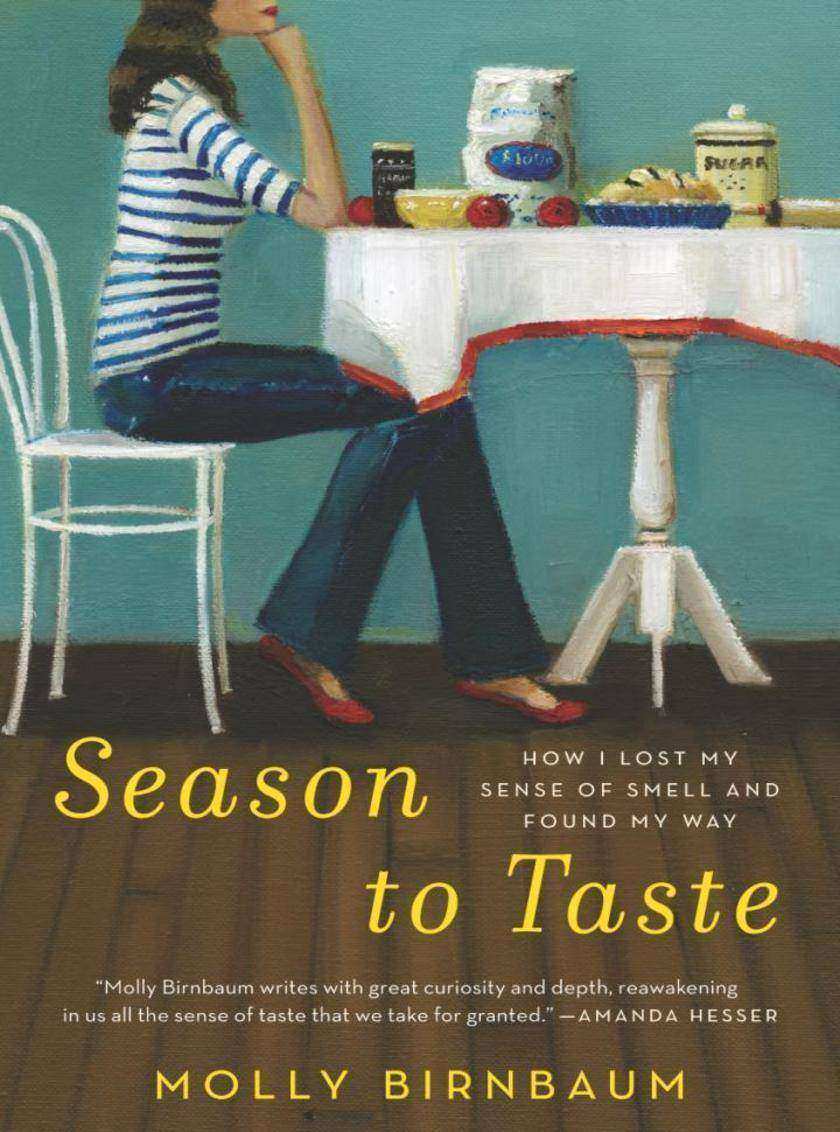
Season to Taste
¥95.11
An aspiring chef's moving account of finding her way in the kitchen and beyond after a tragic accident destroys her sense of smellAt twenty-two, just out of college, Molly Birnbaum spent her nights reading cookbooks and her days working at a Boston bistro, preparing to start training at the prestigious Culinary Institute of America. She knew exactly where she wanted the life ahead to lead: She wanted to be a chef. But shortly before she was due to matriculate, she was hit by a car while out for a run in Boston. The accident fractured her skull, broke her pelvis, tore her knee to shreds and destroyed her sense of smell. The flesh and bones would heal...but her sense of smell?And not being able to smell meant not being able to cook. She dropped her cooking school plans, quit her restaurant job, and sank into a depression.Season to Taste is the story of what came next: how she picked herself up and set off on a grand, entertaining quest in the hopes of learning to smell again. Writing with the good cheer and great charm of Laurie Colwin or Ruth Reichl, she explores the science of olfaction, pheromones, and Proust's madeleine; she meets leading experts, including the writer Oliver Sacks, scientist Stuart Firestein, and perfumer Christophe Laudamiel; and she visits a pioneering New Jersey flavor lab, eats at Grant Achatz's legendary Chicago restaurant Alinea, and enrolls at a renowned perfume school in the South of France, all in an effort to understand and overcome her condition.A moving personal story packed with surprising facts about our senses, Season to Taste is filled with unforgettable de*ions of the smells Birnbaum rediscovers from cinnamon, cedarwood, and fresh bagels to rosemary chicken, lavender, and apple pie as she falls in love, learns to smell from scratch, and starts, once again, to cook.

The Girl Who Fell to Earth
¥83.03
When Sophia Al-Maria's mother sends her away from rainy Washington State to stay with her husband's desert-dwelling Bedouin family in Qatar, she intends it to be a sort of teenage cultural boot camp. What her mother doesn't know is that there are some things about growing up that are universal. In Qatar, Sophia is faced with a new world she'd only imagined as a child. She sets out to find her freedom, even in the most unlikely of places. Both family saga and coming-of-age story, The Girl Who Fell to Earth takes readers from the green valleys of the Pacific Northwest to the dunes of the Arabian Gulf and on to the sprawling chaos of Cairo. Struggling to adapt to her nomadic lifestyle, Sophia is haunted by the feeling that she is perpetually in exile: hovering somewhere between two families, two cultures, and two worlds. She must make a place for herself a complex journey that includes finding young love in the Arabian Gulf, rebellion in Cairo, and, finally, self-discovery in the mountains of Sinai. The Girl Who Fell to Earth heralds the arrival of an electric new talent and takes us on the most personal of quests: the voyage home.
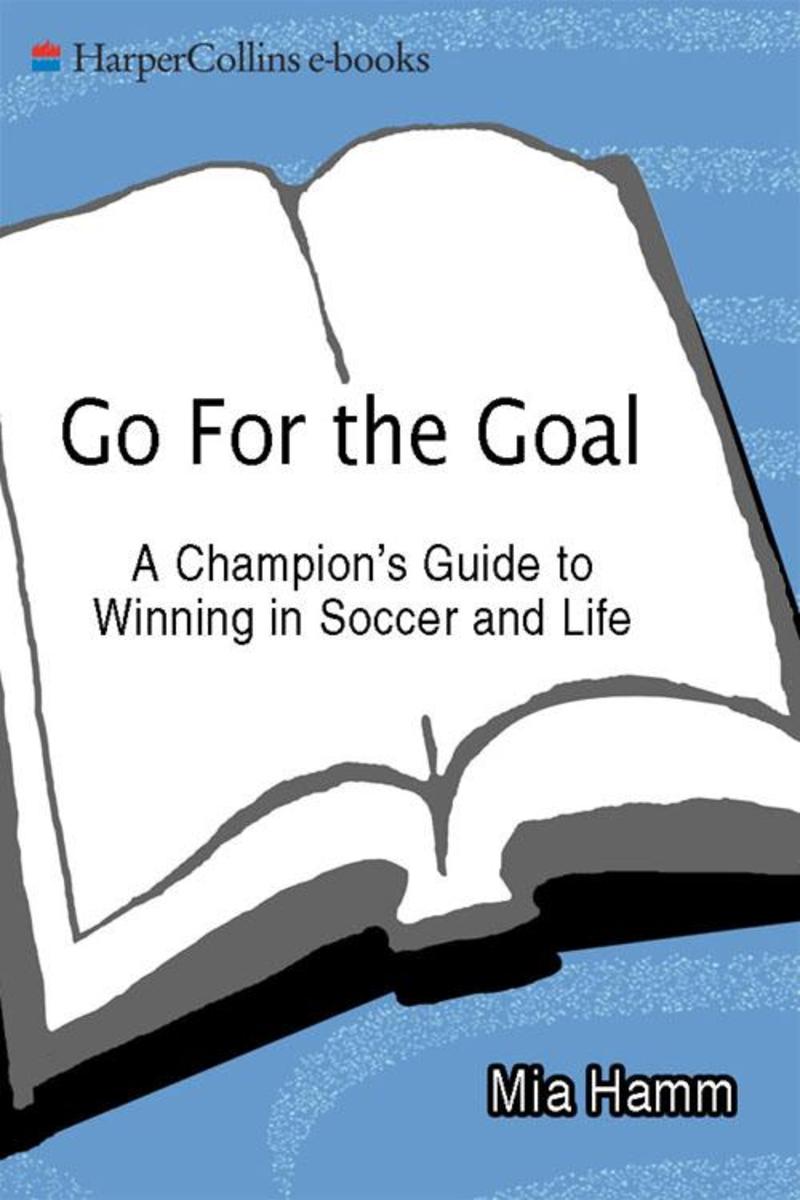
Go For The Goal
¥94.10
For the more than seven million girls from knobby-kneed tykes to high school and college stars who are tearing across the country chasing a soccer ball and dreams of glory, there is one name that eclipses all others, male or female: Mia Hamm. With her cheetahlike acceleration and lightning-bolt shot, Hamm broke nearly every record in her sport, while galvanizing a whole generation of fans and players.Go for the Goal is not only the inspiring story of how a tiny suburban sprite became a global terror with a ball (and the world) at her feet it's also a step-by-step or dribble-by-dribble guide for any kid with the all-American dream of making the team and becoming a champion.Filled with personal anecdotes and fully illustrated with both action and instructional photographs, Go for the Goal shows readers exactly how to master the silky skills and techniques that made Hamm and her teammates the finest women's soccer team in the world.
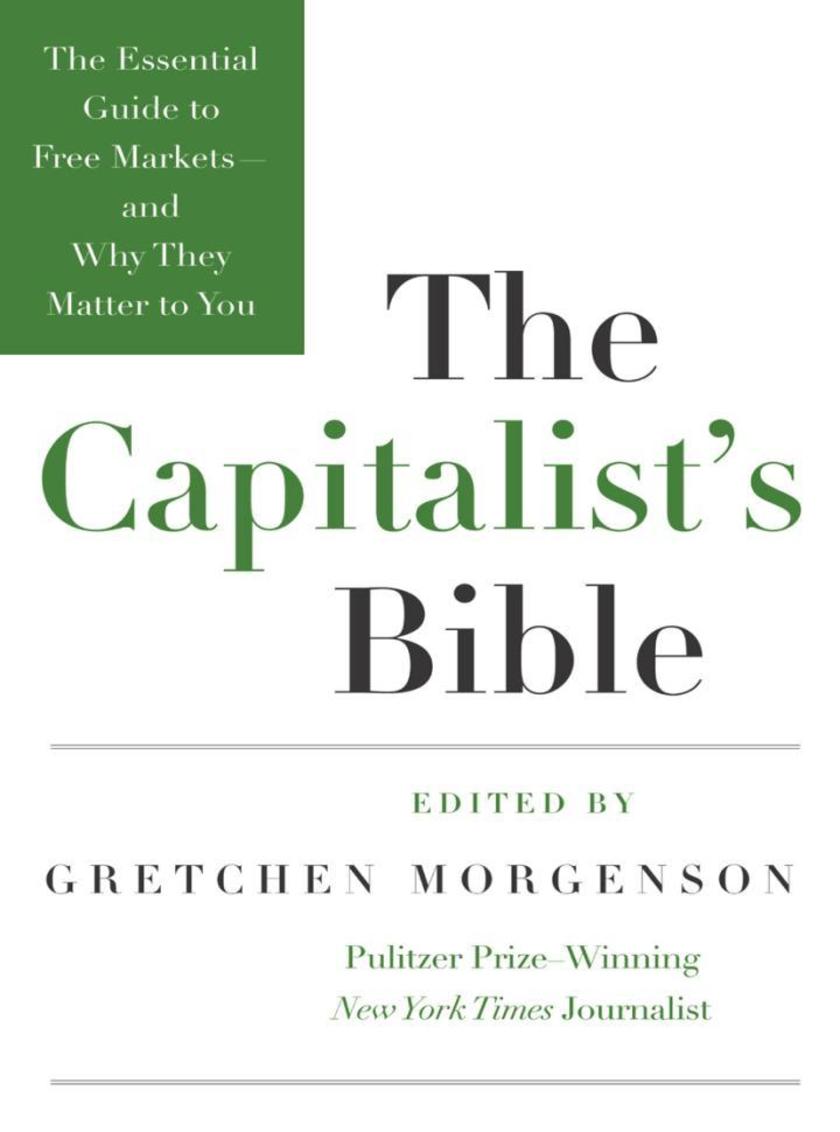
The Capitalist's Bible
¥95.39
Everything you ever wanted and needed to know about capitalism . . . but were afraid to ask. What is capitalism, and will it surviveWhat does globalization really mean and how does it affect your bank accountIf capitalism, left unchecked, has caused disasters like the Great Depression and the financial crisis of 2008–09, why has it been the economic system of choice for centuriesTo many people, the complex, jargon-rich world of capitalism can be intimidating, raising more questions than it answers. However, as the excesses and failures of free-market capitalism continue to hold sway over the daily news and our daily lives, understanding our economic system including where it has succeeded and where it has not is more important than ever. Edited by New York Times business journalist Gretchen Morgenson, The Capitalist's Bible is the essential reference on capitalism and how it works from the people who champion it to the mechanisms and institutions that uphold it to the terms and laws that define it. Whether you seek a more well-rounded understanding of the ideology that underwrites America's and, increasingly, the world's economy, or simply wish to be able to speak more knowledgeably on the subject in conversation, this book is an invaluable tool for understanding capitalism.

Maybe You Never Cry Again
¥94.10
By the tender of age of five, Bernie Mac had found his calling:making others laugh. Now this amazing comedian delves deep inside to share the poignant story of his childhood and the people who shaped him into the strong, self-reliant man and ruthlessly funny comedian he is today.When Bernie was just sixteen, he lost his mother to cancer.A tough but loving teacher, she showered the unwilling boy with life lessons and "Mac-isms" that would later carry him through many hardships and give him strength during his slow rise to stardom. Maybe You Never Cry Again recounts this ascent in hilarious detail, from eight-year-old Bernie's stand-up comedy performance at a church dinner to open mike nights in Chicago, the jobs he juggled to make ends meet and eventually, his success in entertaining huge audiences on stage, in film, and on television.Maybe You Never Cry Again is a powerful testamentto how a mother's love makes everything possible.
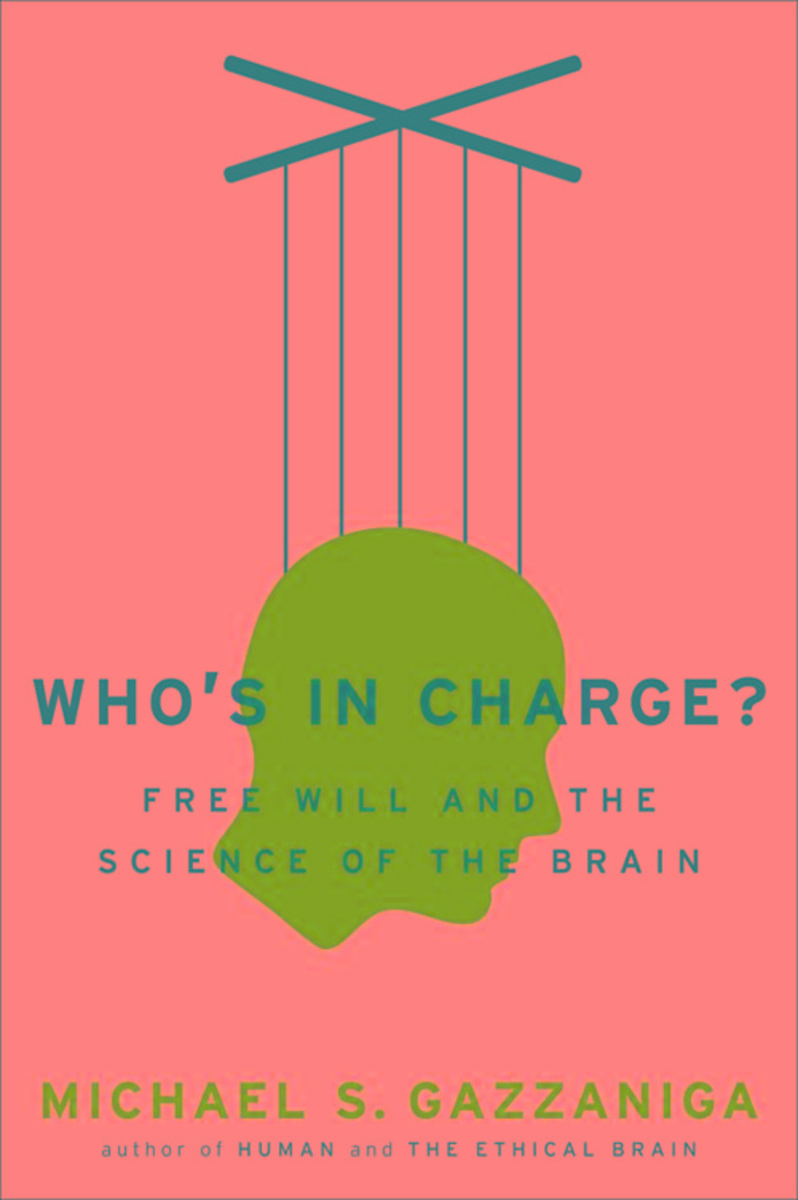
Who's in Charge?
¥95.11
The father of cognitive neuroscience and author of Human offers a provocative argument against the common belief that our lives are wholly determined by physical processes and we are therefore not responsible for our actionsA powerful orthodoxy in the study of the brain has taken hold in recent years: Since physical laws govern the physical world and our own brains are part of that world, physical laws therefore govern our behavior and even our conscious selves. Free will is meaningless, goes the mantra; we live in a determined world. Not so, argues the renowned neuroscientist Michael S. Gazzaniga in this thoughtful, provocative book based on his Gifford Lectures one of the foremost lecture series in the world dealing with religion, science, and philosophy. Who's in Chargeproposes that the mind, which is somehow generated by the physical processes of the brain, constrains the brain just as cars are constrained by the traffic they create. Writing with what Steven Pinker has called his trademark wit and lack of pretension, Gazzaniga shows how determinism immeasurably weakens our views of human responsibility; it allows a murderer to argue, in effect, It wasn't me who did it it was my brain. Gazzaniga convincingly argues that even given the latest insights into the physical mechanisms of the mind, there is an undeniable human reality: We are responsible agents who should be held accountable for our actions, because responsibility is found in how people interact, not in brains.An extraordinary book that ranges across neuroscience, psychology, ethics, and the law with a light touch but profound implications, Who's in Chargeis a lasting contribution from one of the leading thinkers of our time.
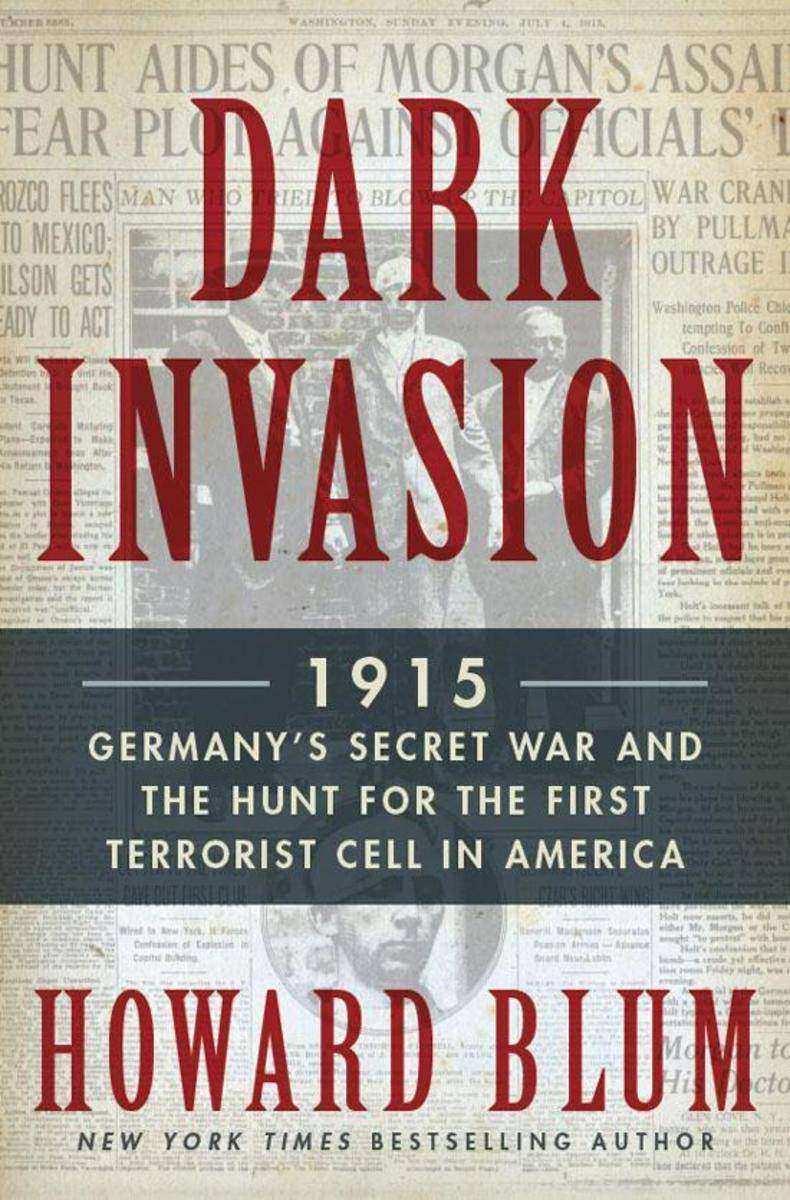
Dark Invasion
¥94.10
What happens when German spies collaborate to unleash a campaign of terror upon America at the start of World War I?In the summer of 1914, New York Police Department captain Tom Tunney is preoccupied by Manhattan's raging gang rivalries and has little idea that, halfway around the world, a much more ominous threat to the city is brewing. As Germany teeters on the brink of war, its ambassador to the United States is given instructions to find and finance a team of undercover saboteurs who can bring America to its knees before it has a chance to enter the conflict on the side of the Allies.At the page-turning pace of a spy thriller, Dark Invasion tells the remarkable true story of Tunney and his pivotal role in discovering, and delivering to justice, a ruthless ring of German terrorists determined to annihilate the United States. Overwhelmed and undermatched, Tunney's small squad of cops was the David to Germany's Goliath, the operatives of which included military officers, a germ warfare expert, a gifted Harvard professor, a bomb technician, and a document forger. As explosions leveled munitions plants and destroyed cargo ships, particularly in and around New York City, pan- icked officials talked about rogue activists and anarchists but it was Tunney who suspected that these incidents were part of something bigger and became determined to bring down the culprits.Through meticulous research, Blum deftly reconstructs an enthralling, vividly detailed saga of subterfuge and bravery. Enhanced by more than fifty images sourced from global archives, his gritty, energetic narrative follows the German spies with Tunney hot on their heels from the streets, harbors, and warehouses of New York City to the genteel quads of Harvard, the grand estates of industry tycoons, and the steps of the U.S. Capitol. The New York Police Department's breathtaking efforts to unravel the extent of the German plot and close in on its perpetrators are revealed in this riveting account of America's first encounter with a national security threat unlike any other the threat of terrorism that is more relevant now than ever.
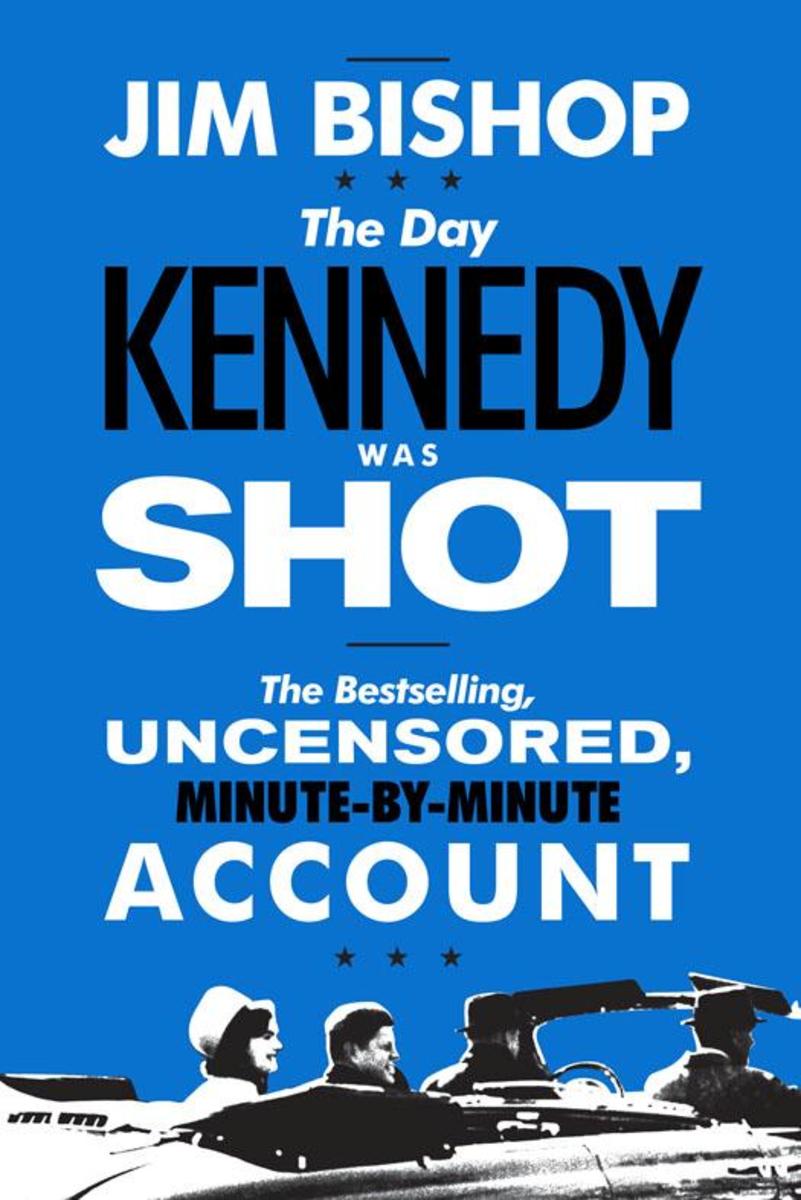
The Day Kennedy Was Shot
¥94.10
Jim Bishop's trademark suspenseful, hour-by-hour storytelling style drives this account of an unforgettable day in American history. Culled from interviews with more than three hundred individuals, his retelling tracks all the major and minor characters of that day JFK, Oswald, Ruby, LBJ, Jackie, and others illuminating a human drama that many readers believe they know well. At once moving and terrifying, and filled with vivid detail, it delivers the haunting feeling of being there as the day's events unfolded in both Dallas and Washington.As gripping as fiction but with a journalist's exacting detail, The Day Kennedy Was Shot captures the action, mystery, and drama that unfolded on November 22, 1963.
Pit Bull
¥105.17
Welcome to the world of Martin "Buzzy" Schwartz, Champion Trader--the man whose nerves of steel and killer instinct in the canyons of Wall Street earned him the well-deserved name "Pit Bull." This is the true story of how Schwartz became the best of the best, of the people and places he discovered along the way and of the trader's tricks and techniques he used to make his millions.
The Day the World Came to Town
¥95.11
"For the better part of a week, nearly every man, woman, and child in Gander and the surrounding smaller towns stopped what they were doing so they could help. They placed their lives on hold for a group of strangers and asked for nothing in return. They affirmed the basic goodness of man at a time when it was easy to doubt such humanity still existed."When thirty-eight jetliners bound for the United States were forced to land in Gander, Newfoundland, on September 11, 2001, due to the closing of United States airspace, the citizens of this small community were called upon to come to the aid of more than six thousand displaced travelers.Roxanne and Clarke Loper were excited to be on their way home from a lengthy and exhausting trip to Kazakhstan, where they had adopted a daughter, when their plane suddenly changed course and they found themselves in Newfoundland. Hannah and Dennis O'Rourke, who had been on vacation in Ireland, were forced to receive updates by telephone on the search for their son Kevin, who was among the firefighters missing at the World Trade Center. George Vitale, a New York state trooper and head of the governor's security detail in New York City who was returning from a trip to Dublin, struggled to locate his sister Patty, who worked in the Twin Towers. A family of Russian immigrants, on their way to the Seattle area to begin a new life, dealt with the uncertainty of conditions in their future home.The people of Gander were asked to aid and care for these distraught travelers, as well as for thousands more, and their response was truly extraordinary. Oz Fudge, the town constable, searched all over Gander for a flight-crew member so that he could give her a hug as a favor to her sister, a fellow law enforcement officer who managed to reach him by phone. Eithne Smith, an elementary-school teacher, helped the passengers staying at her school put together letters to family members all over the world, which she then faxed. Bonnie Harris, Vi Tucker, and Linda Humby, members of a local animal protection agency, crawled into the jets' cargo holds to feed and care for all of the animals on the flights. Hundreds of people put their names on a list to take passengers into their homes and give them a chance to get cleaned up and relax.The Day the World Came to Town is a positively heartwarming account of the citizens of Gander and its surrounding communities and the unexpected guests who were welcomed with exemplary kindness.

The Mother-Daughter Book Club Rev Ed.
¥84.16
Newly revised and updated! The tenth anniversary edition of the inspirational book that has brought countless mothers and daughters closer together! The Mother-Daughter Book Club is the story of a group of mothers and their daughters, and how their relationships were strengthened and changed by starting a monthly reading club. But it is also a practical step-by-step guide filled with stories, anecdotes, and reading lists that will inspire parents to start reading clubs of their own.Shireen Dodson's message is a powerful one: Reading, learning, and sharing ideas can help nourish a daughter's confidence, strength, spirit, and independence. A reading club offers a mother the opportunity to enjoy her daughter's burgeoning mind as she moves toward womanhood. The Mother-Daughter Book Club is not merely about books. It is about mothers and daughters, girls and women, and how reading and talking enriches our relationships with one another.
Crow Dog
¥83.03
From the co-author of Lakota Woman, which has sold more than 150,000 paperback copies, comes a compelling account detailing the unique experiences and spiritual knowledge accumulated by four generations of powerful medicine men.

Ami Ami Dogs 2
¥84.16
This Amigurumi handbook is filled with new breeds of adorable miniature puppies. Photos inside reveal the secret, devilish world of your little friends, along with easy-to-follow patterns to help you create them. These sweet creatures are perfect additions to any Amigurumi collection.

The Great Mortality
¥94.87
La moria grandissima began its terrible journey across the European and Asian continents in 1347, leaving unimaginable devastation in its wake. Five years later, twenty-five million people were dead, felled by the scourge that would come to be called the Black Death. The Great Mortality is the extraordinary epic account of the worst natural disaster in European history -- a drama of courage, cowardice, misery, madness, and sacrifice that brilliantly illuminates humankind's darkest days when an old world ended and a new world was born.

Healing Your Aloneness
¥95.39
Erika Chopich and Margaret Paul show how anyone can reconnect with his or her Inner Child to short-circuit self-destructive patterns, resolve fears and conflicts, and build satisfying relationships. Healing Your Aloneness outlines a self-healing process that can be used every day to restore a nurturing balance between loving Adult and loved Inner Child.


