


 购物车
购物车 个人中心
个人中心
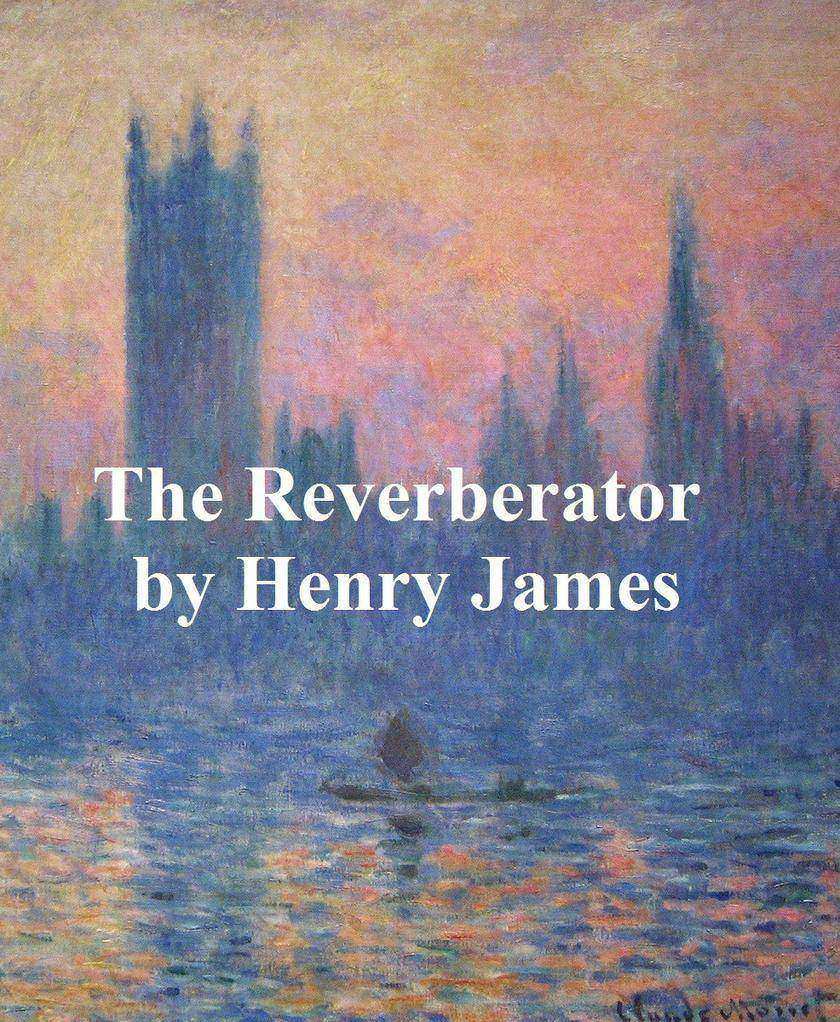
The Reverberator
¥8.09
Classic Henry James novel. According to Wikipedia: "Henry James, (1843 – 1916), son of theologian Henry James Sr., brother of the philosopher and psychologist William James and diarist Alice James, was an American-born British author. He is one of the key figures of 19th century literary realism; the fine art of his writing has led many academics to consider him the greatest master of the novel and novella form. He spent much of his life in England and became a British subject shortly before his death. He is primarily known for a series of major novels in which he portrayed the encounter of America with Europe. His plots centered on personal relationships, the proper exercise of power in such relationships, and other moral questions. His method of writing from the point of view of a character within a tale allowed him to explore the phenomena of consciousness and perception, and his style in later works has been compared to impressionist painting."
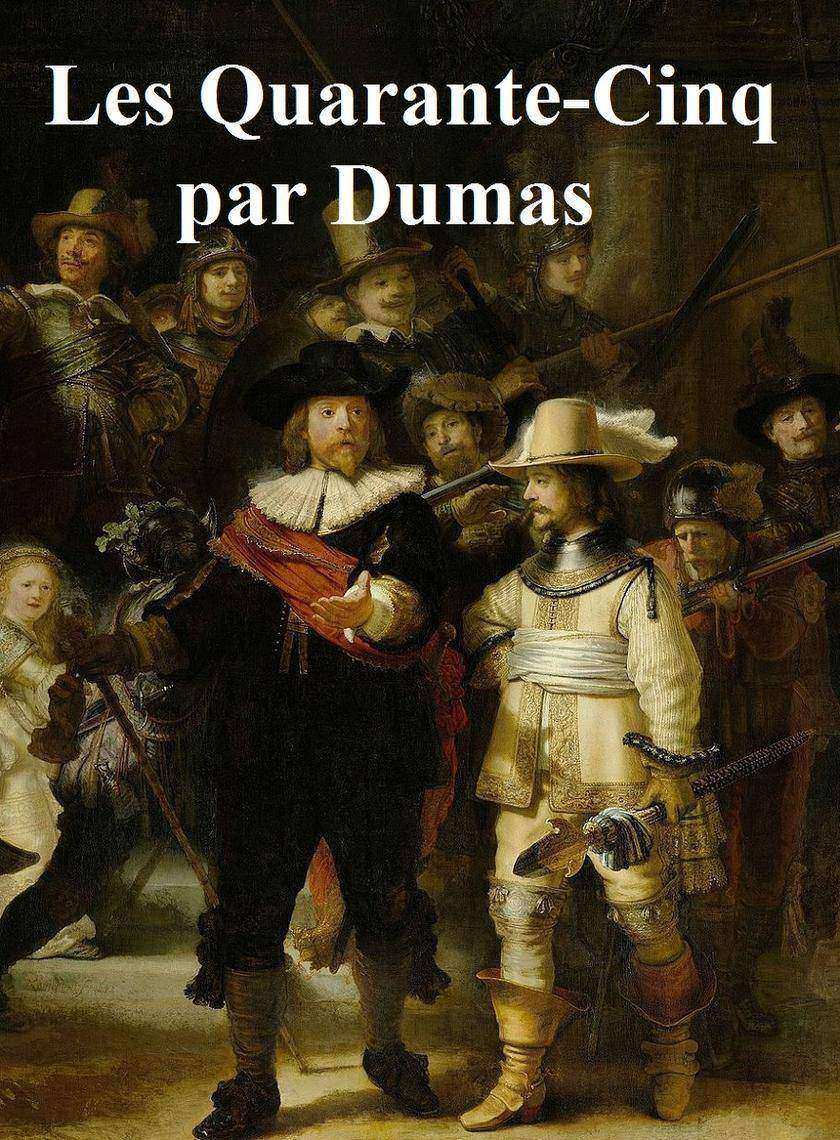
Quarante-Cinq
¥8.09
Roman historique classique mis en place pendant les guerres protestantes en France, dans le fran?ais original. Selon Wikipédia: "Alexandre Dumas, père (fran?ais pour" père ", apparenté à" Senior "en anglais), né Dumas Davy de la Pailleterie (24 juillet 1802 - 5 décembre 1870) était un écrivain fran?ais, mieux connu pour ses nombreux romans historiques de grande aventure qui ont fait de lui l'un des auteurs fran?ais les plus lus au monde, dont plusieurs de ses romans, dont Le Comte de Monte-Cristo, Les Trois Mousquetaires et Le Vicomte de Bragelonne, écrit des pièces de thé?tre et des articles de magazines et était un correspondant prolifique. "
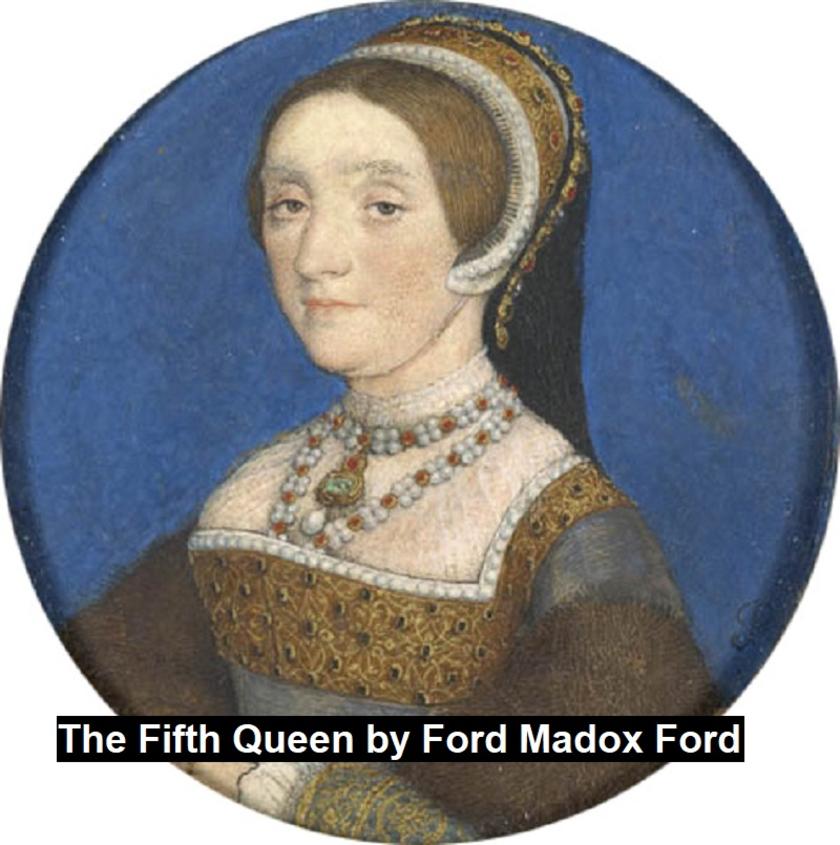
The Fifth Queen
¥8.09
Classic historical novel set in the time of Henry VIII, first published in 1908. According to Wikipedia: "Ford Madox Ford (December 17, 1873 – June 26, 1939) was an English novelist, poet, critic and editor whose journals, The English Review and The Transatlantic Review, were instrumental in the development of early 20th-century English literature. He is now best remembered for The Good Soldier (1915) and the Parade's End tetralogy."

Privy Seal, His Last Venture
¥8.09
Classic historical novel set in the time of Henry VIII, first published in 1908. According to Wikipedia: "Ford Madox Ford (December 17, 1873 – June 26, 1939) was an English novelist, poet, critic and editor whose journals, The English Review and The Transatlantic Review, were instrumental in the development of early 20th-century English literature. He is now best remembered for The Good Soldier (1915) and the Parade's End tetralogy."
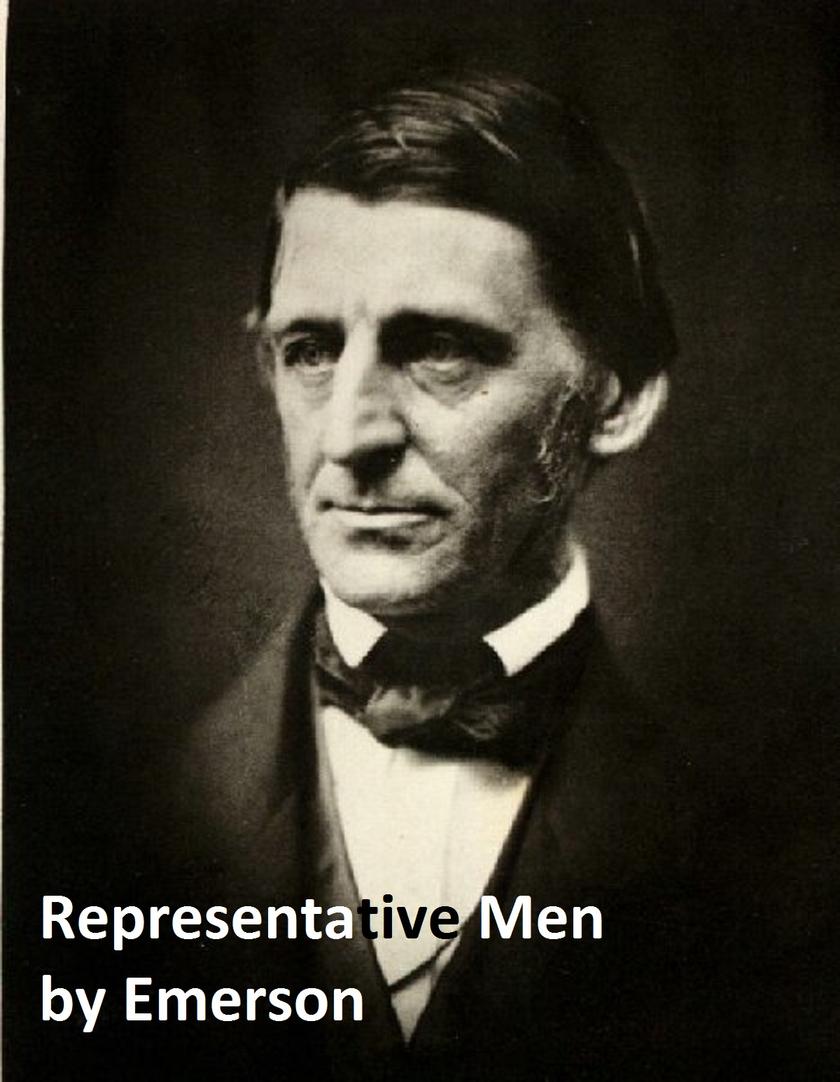
Representative Men
¥8.09
Classic collection of essays on great men, with 13 illustrations. According to Wikipedia: "Representative Men is a collection of seven lectures by Ralph Waldo Emerson, published as a book of essays in 1850. The first essay discusses the role played by "great men" in society, and the remaining six each extoll the virtues of one of six men deemed by Emerson to be great: Plato ("the Philosopher"), Emanuel Swedenborg ("the Mystic"), Michel de Montaigne ("the Skeptic"), William Shakespeare ("the Poet"), Napoleon ("the Man of the World"), and Johann Wolfgang von Goethe ("the Writer"). The work was described by Matthew Arnold as "the most important work done in prose"... Ralph Waldo Emerson (1803 – 1882) was an American essayist, philosopher, poet, and leader of the Transcendentalist movement in the early 19th century. His teachings directly influenced the growing New Thought movement of the mid 1800s. Emerson gradually moved away from the religious and social beliefs of his contemporaries, formulating and expressing the philosophy of Transcendentalism in his 1836 essay, Nature. As a result of this ground breaking work he gave a speech entitled The American Scholar in 1837, which Oliver Wendell Holmes Sr. considered to be America's "Intellectual Declaration of Independence". Emerson once said "Make the most of yourself, for that is all there is of you."
Dictionnaire des idées re?ues
¥8.09
uvre posthume, publiée pour la première fois en 1913. Selon Wikipedia: "Gustave Flaubert (12 décembre 1821 - 8 mai 1880) est un écrivain franais qui compte parmi les plus grands romanciers occidentaux et il est surtout connu pour son premier roman publié, Madame Bovary (1857), et pour son dévouement scrupuleux à son art et son style. "

Goldsmith's Friend Abroad Again
¥8.09
Classic humorous short story. According to Wikipedia: "Samuel Langhorne Clemens (November 30, 1835 - April 21, 1910), better known by the pen name Mark Twain, was a humorist, satirist, lecturer and writer from the United States of America. Twain is most noted for his novels Adventures of Huckleberry Finn, which has since been called the Great American Novel, and The Adventures of Tom Sawyer. He is also known for his quotations. During his lifetime, Twain became a friend to presidents, artists, leading industrialists and European royalty. Twain enjoyed immense public popularity, and his keen wit and incisive satire earned him praise from both critics and peers. American author William Faulkner called Twain 'the father of American literature.'"
The Call of the Wild
¥8.09
Classic Jack London novel. According to Wikipedia: "Jack London (1876 – 1916) was an American author who wrote The Call of the Wild, White Fang, and The Sea Wolf along with many other popular books. A pioneer in the then-burgeoning world of commercial magazine fiction, he was one of the first Americans to make a lucrative career exclusively from writing."
Cruise of the Dazzler
¥8.09
Classic Jack London novel. According to Wikipedia: "Jack London (1876 – 1916) was an American author who wrote The Call of the Wild, White Fang, and The Sea Wolf along with many other popular books. A pioneer in the then-burgeoning world of commercial magazine fiction, he was one of the first Americans to make a lucrative career exclusively from writing."
Jerry of the Islands
¥8.09
Classic Jack London novel. According to Wikipedia: "Jack London (1876 – 1916) was an American author who wrote The Call of the Wild, White Fang, and The Sea Wolf along with many other popular books. A pioneer in the then-burgeoning world of commercial magazine fiction, he was one of the first Americans to make a lucrative career exclusively from writing."
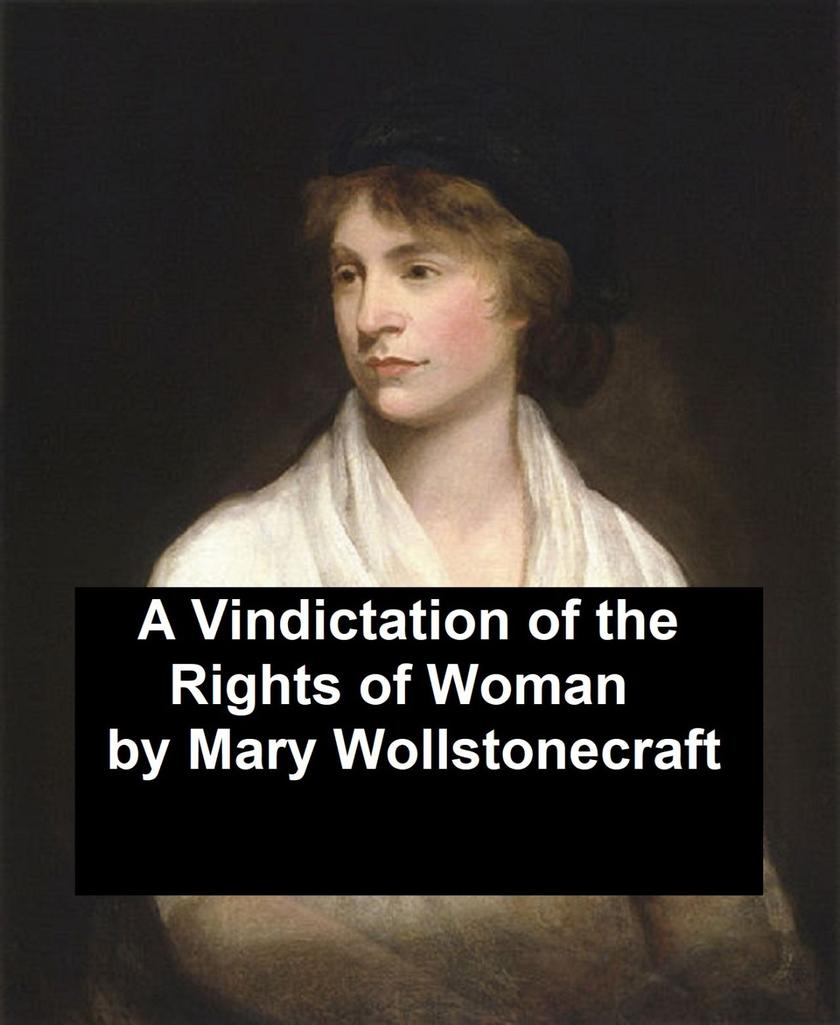
A Vindication of the Rights of Woman
¥8.09
Seminal work on the rights of woman. According to Wikipedia: "A Vindication of the Rights of Woman: with Strictures on Political and Moral Subjects (1792), written by the 18th-century British feminist Mary Wollstonecraft, is one of the earliest works of feminist philosophy. In it, Wollstonecraft responds to those educational and political theorists of the 18th century who did not believe women should have an education. She argues that women ought to have an education commensurate with their position in society, claiming that women are essential to the nation because they educate its children and because they could be "companions" to their husbands, rather than mere wives. Instead of viewing women as ornaments to society or property to be traded in marriage, Wollstonecraft maintains that they are human beings deserving of the same fundamental rights as men. Wollstonecraft was prompted to write the Rights of Woman after reading Charles Maurice de Talleyrand-Périgord's 1791 report to the French National Assembly, which stated that women should only receive a domestic education; she used her commentary on this specific event to launch a broad attack against sexual double standards and to indict men for encouraging women to indulge in excessive emotion. Wollstonecraft wrote the Rights of Woman hurriedly in order to respond directly to ongoing events; she intended to write a more thoughtful second volume but died before completing it."
The Faith of Men
¥8.09
Classic Jack London short stories, including A Relic of the Pliocene, A Hyperborean Brew, The Faith of Men, Too Much Gold, The One Thousand Dozen, The Marriage of Lit-lit, Batard, and The Story of Jees Uck. According to Wikipedia: "Jack London (1876 – 1916) was an American author who wrote The Call of the Wild, White Fang, and The Sea Wolf along with many other popular books. A pioneer in the then-burgeoning world of commercial magazine fiction, he was one of the first Americans to make a lucrative career exclusively from writing."
The Turtles of Tasman
¥8.09
Classic Jack London short stories, including BY THE TURTLES OF TASMAN, THE ETERNITY OF FORMS, TOLD IN THE DROOLING WARD, THE HOBO AND THE FAIRY, THE PRODIGAL FATHER, THE FIRST POET, FINIS, and THE END OF THE STORY. According to Wikipedia: "Jack London (1876 – 1916) was an American author who wrote The Call of the Wild, White Fang, and The Sea Wolf along with many other popular books. A pioneer in the then-burgeoning world of commercial magazine fiction, he was one of the first Americans to make a lucrative career exclusively from writing."
Lost Face
¥8.09
Classic Jack London short stories, including Lost Face, Trust, To Build a Fire, That Spot, Flush of Gold, The Passing of Marcus O'Brien, and The Wit of Porportuk. According to Wikipedia: "Jack London (1876 – 1916) was an American author who wrote The Call of the Wild, White Fang, and The Sea Wolf along with many other popular books. A pioneer in the then-burgeoning world of commercial magazine fiction, he was one of the first Americans to make a lucrative career exclusively from writing."
Fenimore Cooper's Literary Offenses
¥8.09
Short humorous critical essay. According to Wikipedia: "Samuel Langhorne Clemens (November 30, 1835 - April 21, 1910), better known by the pen name Mark Twain, was a humorist, satirist, lecturer and writer from the United States of America. Twain is most noted for his novels Adventures of Huckleberry Finn, which has since been called the Great American Novel, and The Adventures of Tom Sawyer. He is also known for his quotations. During his lifetime, Twain became a friend to presidents, artists, leading industrialists and European royalty. Twain enjoyed immense public popularity, and his keen wit and incisive satire earned him praise from both critics and peers. American author William Faulkner called Twain 'the father of American literature.'"
Songs of Travel
¥8.09
Short poetry collection. According to Wikipedia: "Robert Louis (Balfour) Stevenson ( 1850 - 1894), was a Scottish novelist, poet, and travel writer, and a leading representative of Neo-romanticism in English literature. He was the man who "seemed to pick the right word up on the point of his pen, like a man playing spillikins", as G. K. Chesterton put it. He was also greatly admired by many authors, including Jorge Luis Borges, Ernest Hemingway, Rudyard Kipling, Vladimir Nabokov, and J. M. Barrie. Most modernist writers dismissed him, however, because he was popular and did not write within their definition of modernism. It is only recently that critics have begun to look beyond Stevenson's popularity and allow him a place in the canon."
A Modern Cinderella, Or The Little Old Shoe and Other Stories
¥8.09
Short stories by the author of "Little Women", including A MODERN CINDERELLA: OR, THE LITTLE OLD SHOE, DEBBY'S DEBUT, BROTHERS, and NELLY'S HOSPITAL. According to Wikipedia: "Louisa May Alcott (1832 – 1888) was an American novelist. She is best known for the novel Little Women, published in 1868. This novel is loosely based on her childhood experiences with her three sisters."
In the Closed Room
¥8.09
Short story for children. According to Wikipedia: "Frances Hodgson Burnett, ( 1849 - 1924) was an English–American playwright and author. She is best known for her children's stories, in particular The Secret Garden, A Little Princess, and Little Lord Fauntleroy. Born Frances Eliza Hodgson in Cheetham Hill, Manchester, her father died in 1854, and the family had to endure poverty and squalor in the Victorian slums of Manchester. Following the death of her mother in 1867, an 18-year-old Frances was now the head of a family of four younger siblings. She turned to writing to support them all, with a first story published in Godey's Lady's Book in 1868. Soon after she was being published regularly in Godey's, Scribner's Monthly, Peterson's Ladies' Magazine and Harper's Bazaar. Her main writing talent was combining realistic detail of working-class life with a romantic plot. Her first novel was published in 1877; That Lass o' Lowrie's was a story of Lancashire life. After moving with her husband to Washington, D.C., Burnett wrote the novels Haworth's (1879), Louisiana (1880), A Fair Barbarian (1881), and Through One Administration (1883), as well as a play, Esmeralda (1881), written with William Gillette...Her later works include Sara Crewe (1888) - later rewritten as A Little Princess (1905); The Lady of Quality (1896) - considered one of the best of her plays; and The Secret Garden (1909), the children's novel for which she is probably best known today. The Lost Prince was published in 1915..."
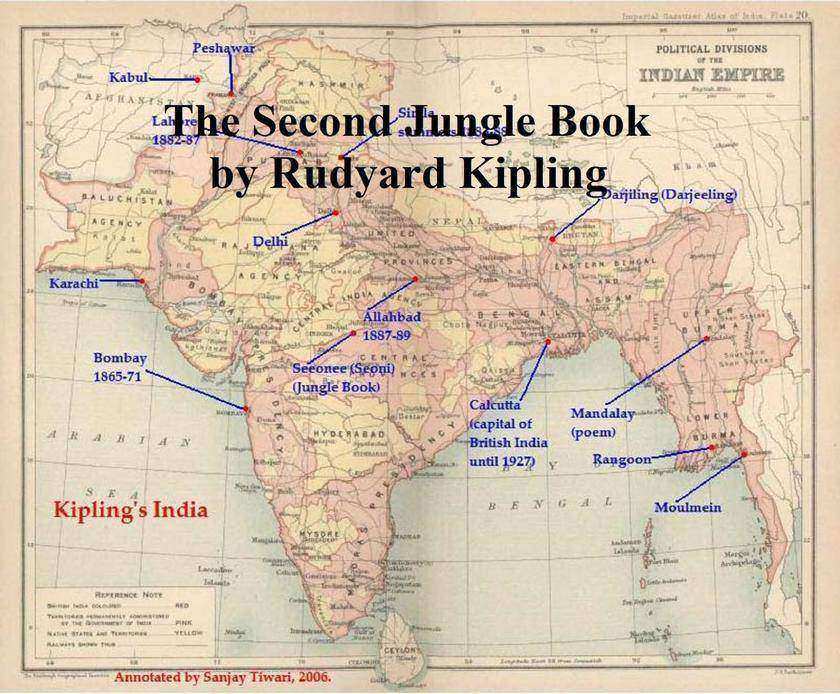
The Second Jungle Book
¥8.09
12 black-and-white illustrations. Classic Kipling short stories and verse, including the last of the Mowgli stories. How Fear Came, The Law of the Jungle, The Miracle of Purun Bhagat, A Song of Kabir, Letting in the Jungle, Mowgli's Song against People, The Undertakers, A Ripple Song, The King's Ankus, The Song of the Little Hunter, Quiquern, 'Angutivaun Taina', Red Dog, Chil's Song, The Spring Running, and The Outsong. According to Wikipedia: "Joseph Rudyard Kipling (1865 – 1936) was an English author and poet. Born in Bombay, British India (now Mumbai), he is best known for his works The Jungle Book (1894) and Rikki-Tikki-Tavi (1902), his novel, Kim (1901); his poems, including Mandalay (1890), Gunga Din (1890), If— (1910); and his many short stories, including The Man Who Would Be King (1888). He is regarded as a major "innovator in the art of the short story"; his children's books are enduring classics of children's literature; and his best works speak to a versatile and luminous narrative gift. Kipling was one of the most popular writers in English, in both prose and verse, in the late 19th and early 20th centuries.[2] The author Henry James said of him: "Kipling strikes me personally as the most complete man of genius (as distinct from fine intelligence) that I have ever known." In 1907, he was awarded the Nobel Prize in Literature, making him the first English language writer to receive the prize, and to date he remains its youngest recipient. Among other honours, he was sounded out for the British Poet Laureateship and on several occasions for a knighthood, all of which he declined."
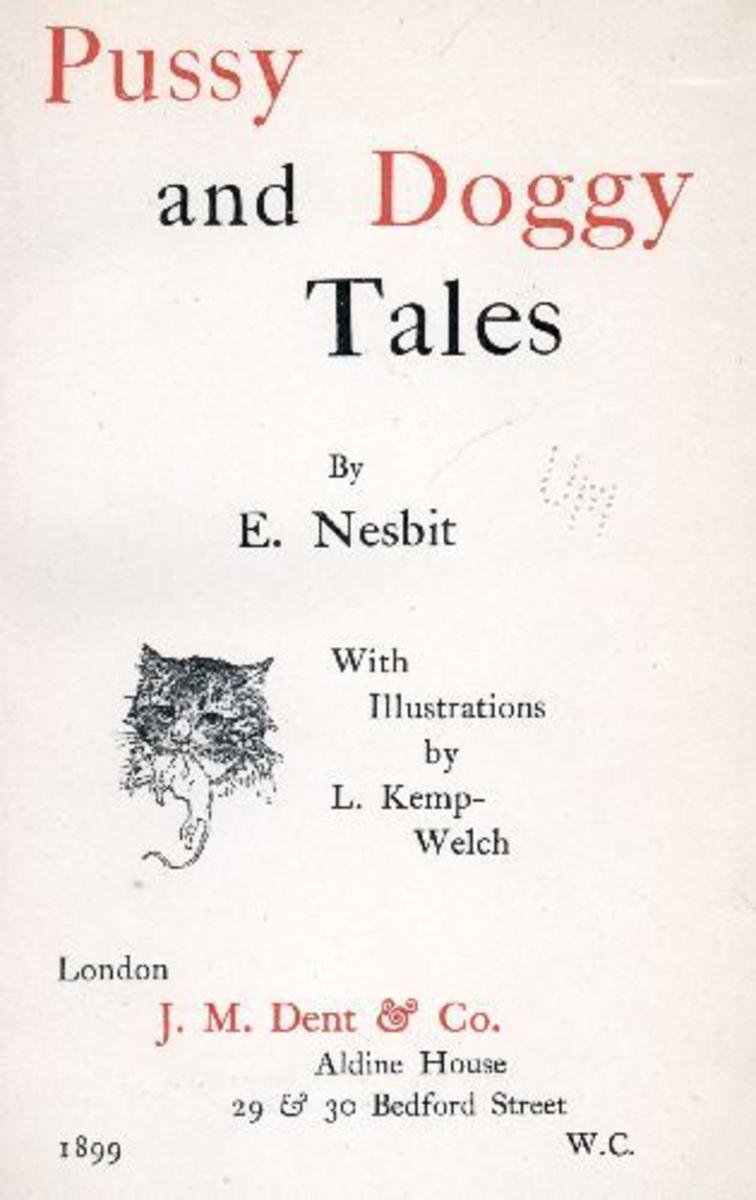
Pussy and Doggy Tales
¥8.09
Stories for children. With 25 illustrations. According to Wikipedia: "Edith Nesbit (married name Edith Bland; 15 August 1858 – 4 May 1924) was an English author and poet whose children's works were published under the name of E. Nesbit. She wrote or collaborated on over 60 books of fiction for children, several of which have been adapted for film and television. She was also a political activist and co-founded the Fabian Society, a precursor to the modern Labour Party.... Nesbit published approximately 40 books for children, both novels and collections of stories. Collaborating with others, she published almost as many more. According to her biographer Julia Briggs, Nesbit was "the first modern writer for children": "(Nesbit) helped to reverse the great tradition of children's literature inaugurated by [Lewis] Carroll, [George] MacDonald and Kenneth Grahame, in turning away from their secondary worlds to the tough truths to be won from encounters with things-as-they-are, previously the province of adult novels." Briggs also credits Nesbit with having invented the children's adventure story. Among Nesbit's best-known books are The Story of the Treasure Seekers (1898) and The Wouldbegoods (1899), which both recount stories about the Bastables, a middle class family that has fallen on relatively hard times. Her children's writing also included numerous plays and collections of verse. She created an innovative body of work that combined realistic, contemporary children in real-world settings with magical objects and adventures and sometimes travel to fantastic worlds."
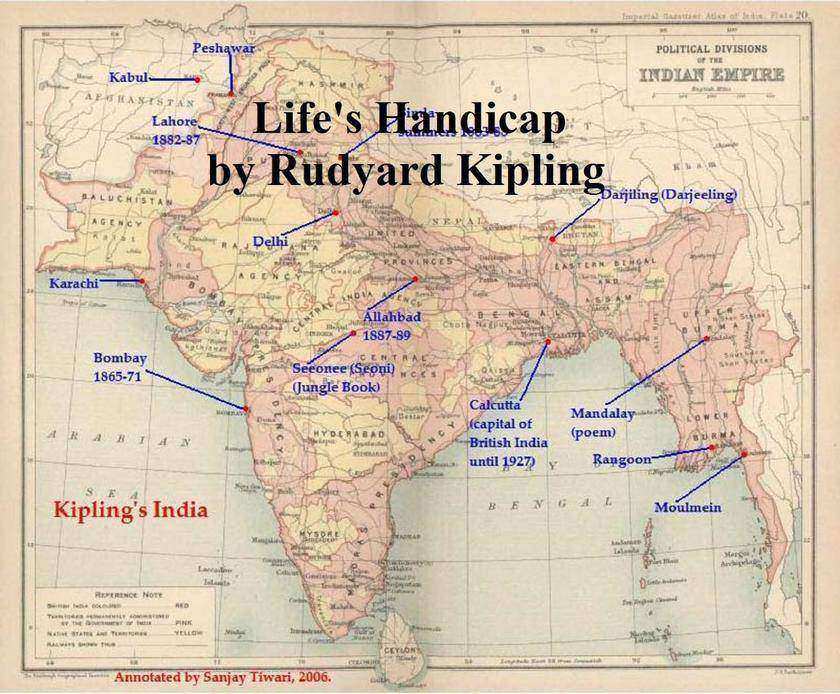
Life's Handicap
¥8.09
Classic Kipling stories, including THE LANG MEN O' LARUT, REINGELDER AND THE GERMAN FLAG, THE WANDERING JEW, THROUGH THE FIRE, THE FINANCES OF THE GODS, THE AMIR'S HOMILY, JEWS IN SHUSHAN, THE LIMITATIONS OF PAMBE SERANG, LITTLE TOBRAH, BUBBLING WELL ROAD, 'THE CITY OF DREADFUL NIGHT', GEORGIE PORGIE, NABOTH, THE DREAM OF DUNCAN PARRENNESS, THE INCARNATION OF KRISHNA MULVANEY, THE COURTING OF DINAH SHADD, ON GREENHOW HILL, THE MAN WHO WAS, THE HEAD OF THE DISTRICT, WITHOUT BENEFIT OF CLERGY, AT THE END OF THE PASSAGE, THE MUTINY OF THE MAVERICKS, THE MARK OF THE BEAST, THE RETURN OF IMRAY. NAMGAY DOOLA, BERTRAN AND BIMI, and MOTI GUJ--MUTINEER. According to Wikipedia: "Joseph Rudyard Kipling (1865 – 1936) was an English author and poet. Born in Bombay, British India (now Mumbai), he is best known for his works The Jungle Book (1894) and Rikki-Tikki-Tavi (1902), his novel, Kim (1901); his poems, including Mandalay (1890), Gunga Din (1890), If— (1910); and his many short stories, including The Man Who Would Be King (1888). He is regarded as a major "innovator in the art of the short story"; his children's books are enduring classics of children's literature; and his best works speak to a versatile and luminous narrative gift. Kipling was one of the most popular writers in English, in both prose and verse, in the late 19th and early 20th centuries.[2] The author Henry James said of him: "Kipling strikes me personally as the most complete man of genius (as distinct from fine intelligence) that I have ever known." In 1907, he was awarded the Nobel Prize in Literature, making him the first English language writer to receive the prize, and to date he remains its youngest recipient. Among other honours, he was sounded out for the British Poet Laureateship and on several occasions for a knighthood, all of which he declined."


