


 购物车
购物车 个人中心
个人中心
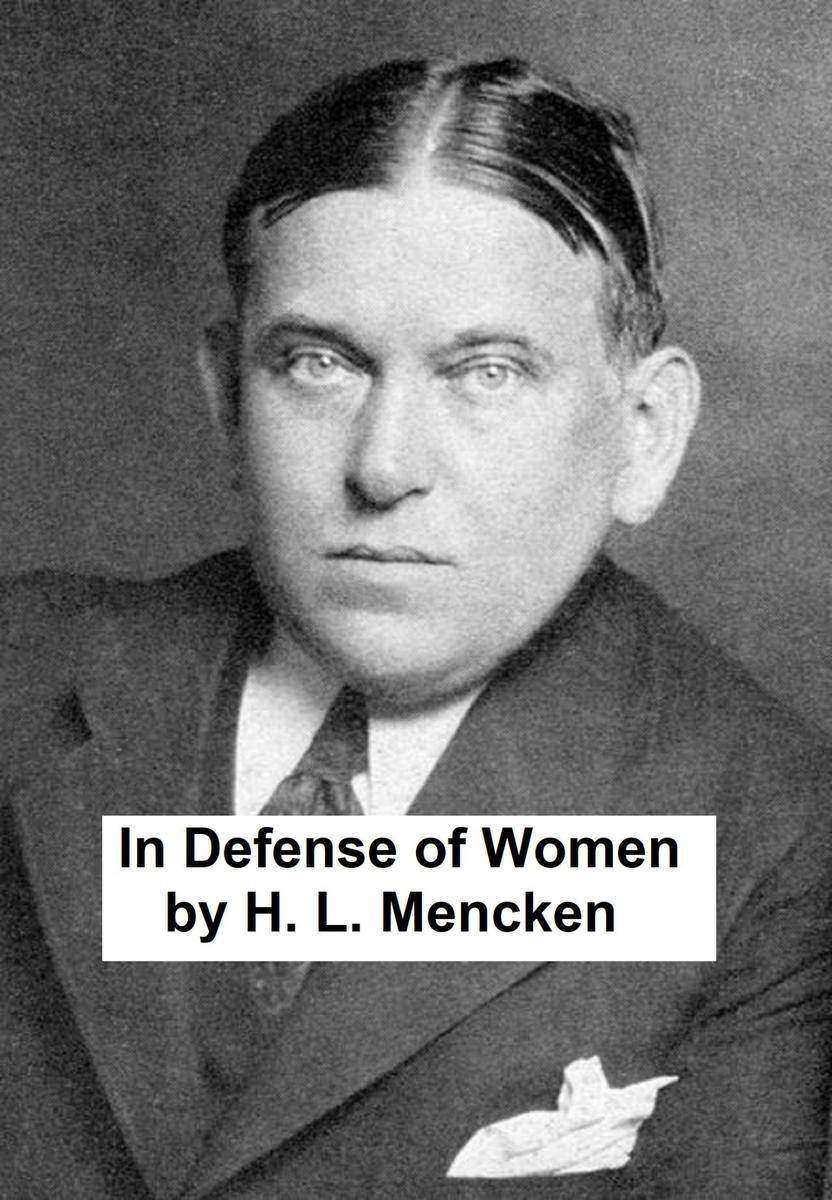
In Defense of Women
¥8.09
Classic collection of satirical essays, including The Feminine Mind, The War Between the Sexes, Marriage, Woman Sufrage, and The New Age. The Introduction begins: "As a professional critic of life and letters, my principal business in the world is that of manufacturing platitudes for tomorrow, which is to say, ideas so novel that they will be instantly rejected as insane and outrageous by all right thinking men, and so apposite and sound that they will eventually conquer that instinctive opposition, and force themselves into the traditional wisdom of the race."

Huntingtower by John Buchan - Delphi Classics (Illustrated)
¥8.09
This eBook features the unabridged text of ‘Huntingtower by John Buchan - Delphi Classics (Illustrated)’ from the bestselling edition of ‘The Complete Works of John Buchan’. Having established their name as the leading publisher of classic literature and art, Delphi Classics produce publications that are individually crafted with superior formatting, while introducing many rare texts for the first time in digital print. The Delphi Classics edition of Buchan includes original annotations and illustrations relating to the life and works of the author, as well as individual tables of contents, allowing you to navigate eBooks quickly and easily. eBook features: * The complete unabridged text of ‘Huntingtower by John Buchan - Delphi Classics (Illustrated)’ * Beautifully illustrated with images related to Buchan’s works * Individual contents table, allowing easy navigation around the eBook * Excellent formatting of the text Please visit www.delphiclassics.com to learn more about our wide range of titles

Midwinter by John Buchan - Delphi Classics (Illustrated)
¥8.09
This eBook features the unabridged text of ‘Midwinter by John Buchan - Delphi Classics (Illustrated)’ from the bestselling edition of ‘The Complete Works of John Buchan’. Having established their name as the leading publisher of classic literature and art, Delphi Classics produce publications that are individually crafted with superior formatting, while introducing many rare texts for the first time in digital print. The Delphi Classics edition of Buchan includes original annotations and illustrations relating to the life and works of the author, as well as individual tables of contents, allowing you to navigate eBooks quickly and easily. eBook features: * The complete unabridged text of ‘Midwinter by John Buchan - Delphi Classics (Illustrated)’ * Beautifully illustrated with images related to Buchan’s works * Individual contents table, allowing easy navigation around the eBook * Excellent formatting of the text Please visit www.delphiclassics.com to learn more about our wide range of titles

The Courts of the Morning by John Buchan - Delphi Classics (Illustrated)
¥8.09
This eBook features the unabridged text of ‘The Courts of the Morning by John Buchan - Delphi Classics (Illustrated)’ from the bestselling edition of ‘The Complete Works of John Buchan’. Having established their name as the leading publisher of classic literature and art, Delphi Classics produce publications that are individually crafted with superior formatting, while introducing many rare texts for the first time in digital print. The Delphi Classics edition of Buchan includes original annotations and illustrations relating to the life and works of the author, as well as individual tables of contents, allowing you to navigate eBooks quickly and easily. eBook features: * The complete unabridged text of ‘The Courts of the Morning by John Buchan - Delphi Classics (Illustrated)’ * Beautifully illustrated with images related to Buchan’s works * Individual contents table, allowing easy navigation around the eBook * Excellent formatting of the text Please visit www.delphiclassics.com to learn more about our wide range of titles

The Deserted Woman by Honoré de Balzac - Delphi Classics (Illustrated)
¥8.09
This eBook features the unabridged text of ‘The Deserted Woman by Honoré de Balzac - Delphi Classics (Illustrated)’ from the bestselling edition of ‘The Collected Works of Honoré de Balzac’. Having established their name as the leading publisher of classic literature and art, Delphi Classics produce publications that are individually crafted with superior formatting, while introducing many rare texts for the first time in digital print. The Delphi Classics edition of Balzac includes original annotations and illustrations relating to the life and works of the author, as well as individual tables of contents, allowing you to navigate eBooks quickly and easily. eBook features: * The complete unabridged text of ‘The Deserted Woman by Honoré de Balzac - Delphi Classics (Illustrated)’ * Beautifully illustrated with images related to Balzac’s works * Individual contents table, allowing easy navigation around the eBook * Excellent formatting of the text Please visit www.delphiclassics.com to learn more about our wide range of titles
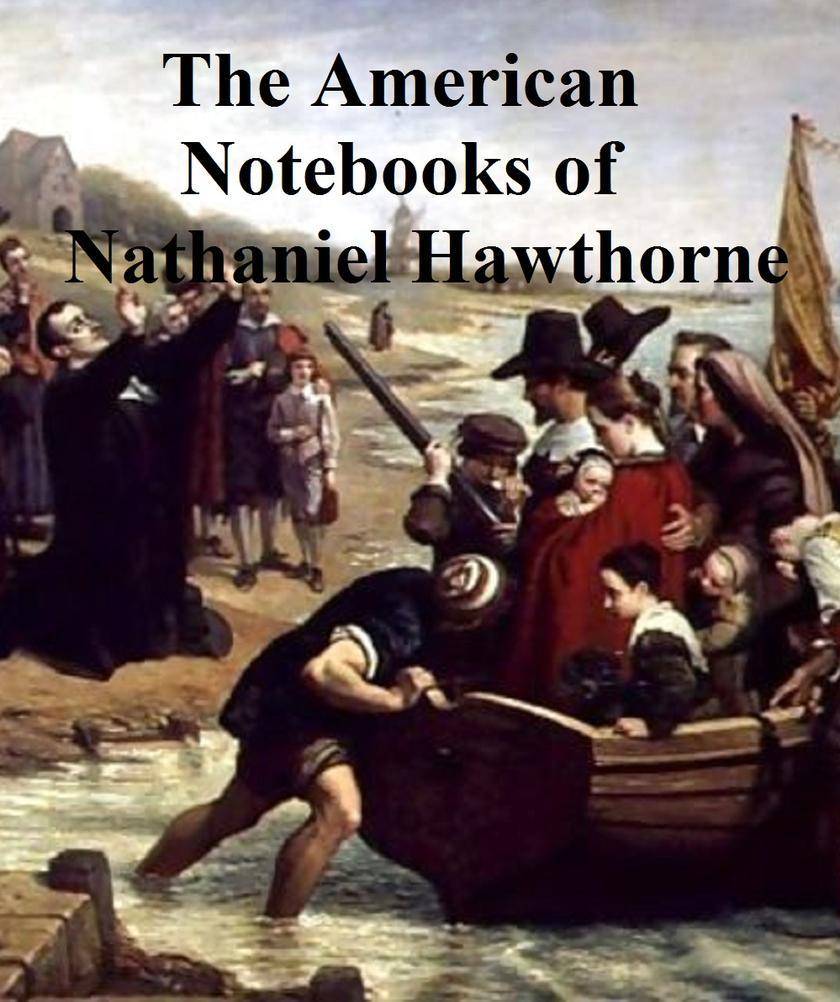
Passages from the American Notebooks of Nathaniel Hawthorne
¥8.09
The author's journals. Both volumes in a single file. According to Wikipedia: "Nathaniel Hawthorne (1804 –1864) was an American novelist and short story writer... Much of Hawthorne's writing centers around New England and many feature moral allegories with a Puritan inspiration. His fiction works are considered part of the Romantic movement and, more specifically, dark romanticism. His themes often center on the inherent evil and sin of humanity and his works often have moral messages and deep psychological complexity. His published works include novels, short stories, and a biography of his friend Franklin Pierce."
Memories of Hawthorne
¥8.09
According to Wikipedia: "Mother Alphonsa was born on May 20, 1851 to Nathaniel Hawthorne and his wife Sophia Hawthorne, and baptised as Rose Hawthorne… After her father's death in 1864, she tried to become an author, like him. She wrote book of poems, Along the Shore, which was published in 1888. She later decided to rededicate her life to restoring her family's reputation after her brother's illegal activities and prostitution attempts. She was known for her service near and within New York City, caring for impoverished cancer by founding St. Rose's Free Home for Incurable Cancer in the Lower East Side. After George's death in 1898, she became a nun, and was inspired by "The New Colossus", a poem penned by her close friend Emma Lazarus, to found a community of Dominican religious, now known as the Dominican Sisters of Hawthorne."

Sketches from Concord and Appledore
¥8.09
According to Wikipedia: "Frank Preston Stearns (1846-1917), the son of abolitionist George Luther Stearns, was a writer and abolitionist from Massachusetts during the 19th century. In addition to collaborating with Elizur Wright in ambitious abolitionist projects, such as the American Anti-Slavery Society, he is credited with several seminal works exploring the lives and careers of important American public figures and authors of note, including The Life and Genius of Nathaniel Hawthorne and The Life and Public Services of George Luther Stearns."

Heine, Grillparzer, Beethoven
¥8.09
This collection includes works by and about Heinrich Heine, Grillparzer, and Beethoven. The German Classics Of The Nineteenth And Twentieth Centuries, Volume 6, edited by Kuno Francke.

Essays of Robert Louis Stevenson
¥8.09
This collection includes: ON THE ENJOYMENT OF UNPLEASANT PLACES, AN APOLOGY FOR IDLERS, AES TRIPLEX, TALK AND TALKERS, A GOSSIP ON ROMANCE, THE CHARACTER OF DOGS, A COLLEGE MAGAZINE, BOOKS WHICH HAVE INFLUENCED ME, and PULVIS ET UMBRA.

Essays of Travel
¥8.09
This collection includes: THE AMATEUR EMIGRANT: FROM THE CLYDE TO SANDY HOOK. COCKERMOUTH AND KESWICK, AN AUTUMN EFFECT, A WINTER'S WALK IN CARRICK AND GALLOWAY, FOREST NOTES, A MOUNTAIN TOWN IN FRANCE, RANDOM MEMORIES: ROSA QUO LOCORUM, THE IDEAL HOUSE, DAVOS IN WINTER, HEALTH AND MOUNTAINS, ALPINE DIVERSION, THE STUMULATION OF THE ALPS, ROADS, and ON THE ENJOYMENT OF UNPLEASANT PLACES.

Works of Schiller in English
¥8.09
This collection includes: Life of Schiller by Calvin Thomas and such works by Schiller as Death of Wallenstein, William Tell, excerpts from The Thirty Years' War, poetry, and Correspondence with Goethe. The German Classics Of The Nineteenth And Twentieth Centuries, Volume 3, edited by Kuno Francke.

A Guide to Dinosaurs Their Past and Future
¥8.09
A Guide to Dinosaurs Their Past and Future

Augustus C?sar
¥8.09
Augustus C?sar

German Society at the Close of the Middle Ages
¥8.09
German Society at the Close of the Middle Ages

Heretics
¥8.09
Heretics

John Quincy Adams
¥8.09
John Quincy Adams
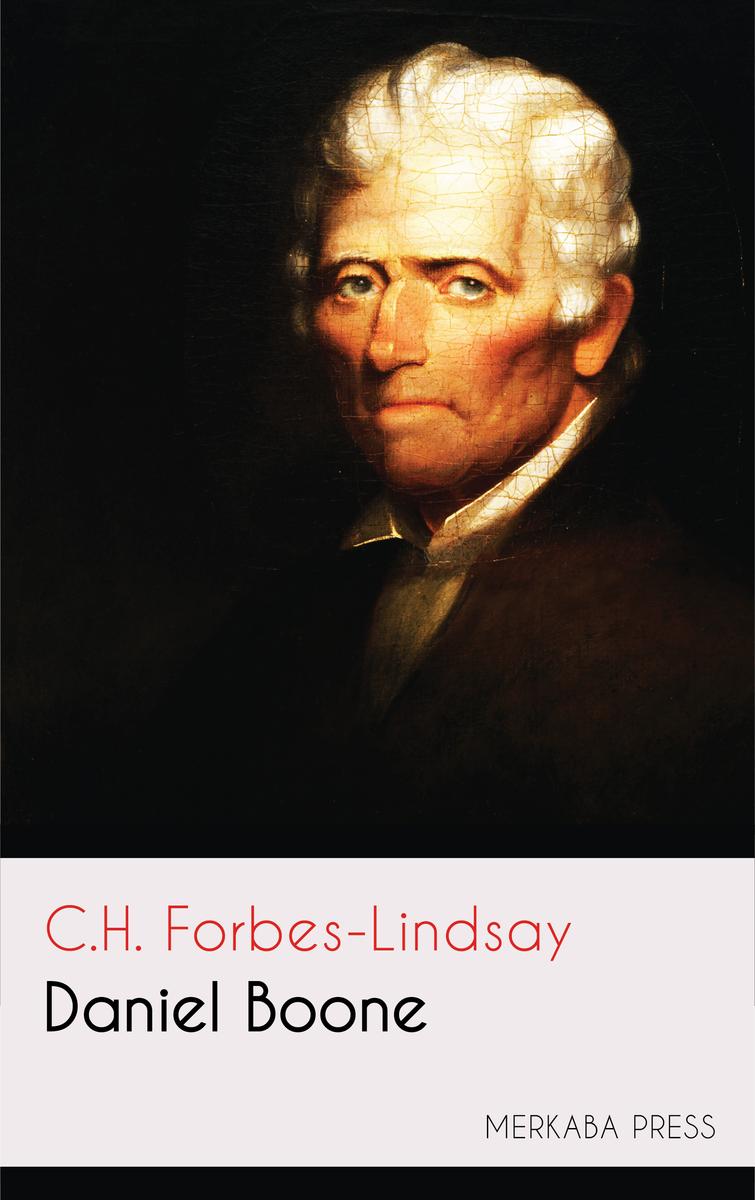
Daniel Boone
¥8.09
Daniel Boone

Considerations on Representative Government
¥8.09
Considerations on Representative Government

The Papal Monarchy
¥8.09
The Papal Monarchy

William the Silent
¥8.09
William the Silent


