


 购物车
购物车 个人中心
个人中心
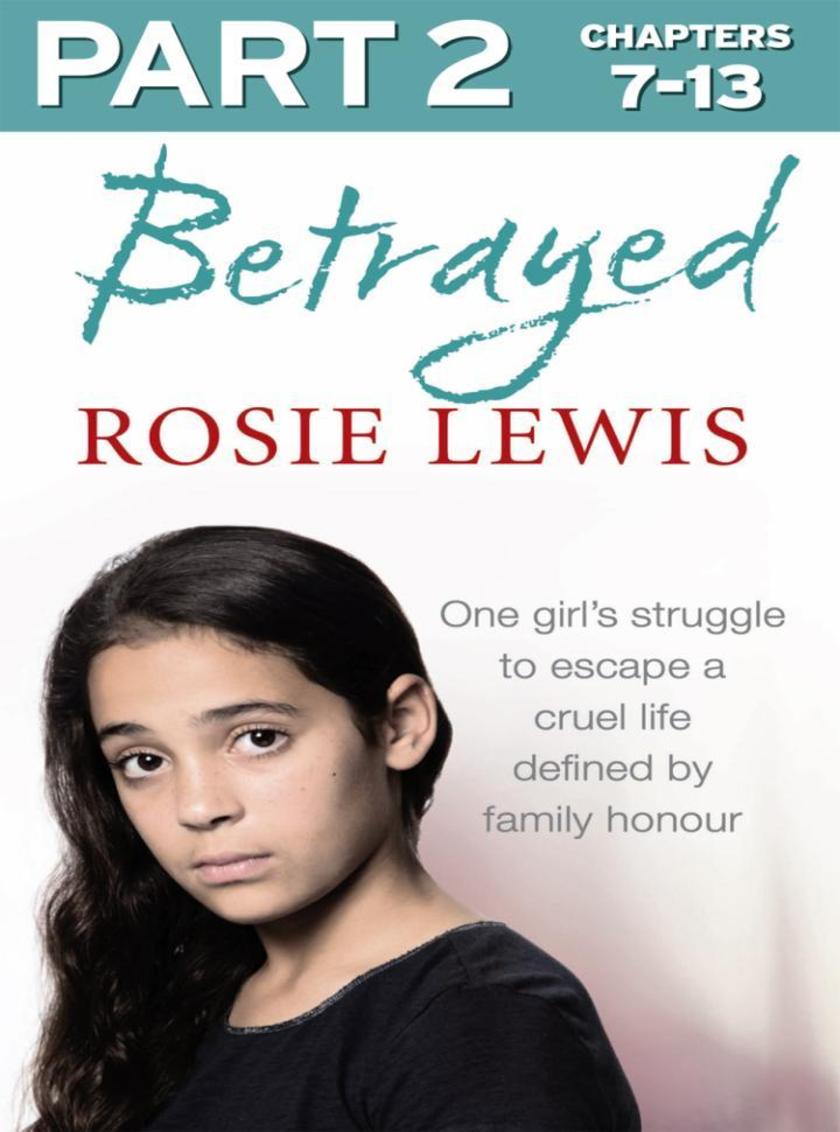
Betrayed: Part 2 of 3
¥28.45
Betrayed can either be read as a full-length eBook or in 3 serialised eBook-only parts. This is PART 2 of 3. You can read Part 2 one week ahead of release of the full-length eBook and paperback. In the much-anticipated follow-up to Sunday Times bestseller Trapped, foster carer Rosie Lewis tells the heartbreaking true story of 13-year-old Zadie. When the young teenage girl runs away and is discovered hiding on the city streets by the police, it is clear that all is not as it should be. Taught to believe that Westerners should not be trusted, when Zadie is initially delivered into the experienced hands of foster carer Rosie she is polite and well-behaved, but understandably suspicious of the family around her. Through Rosie’s support and understanding, gradually Zadie begins to settle into her new surroundings, but loyalty to her relatives, and fear of bringing shame on those around her, prevents her from confessing the horrifying truth about her troubled past. When the shocking truth finally emerges, Rosie and her family can hardly believe that Zadie had managed to keep the shocking secrets to herself for so long.
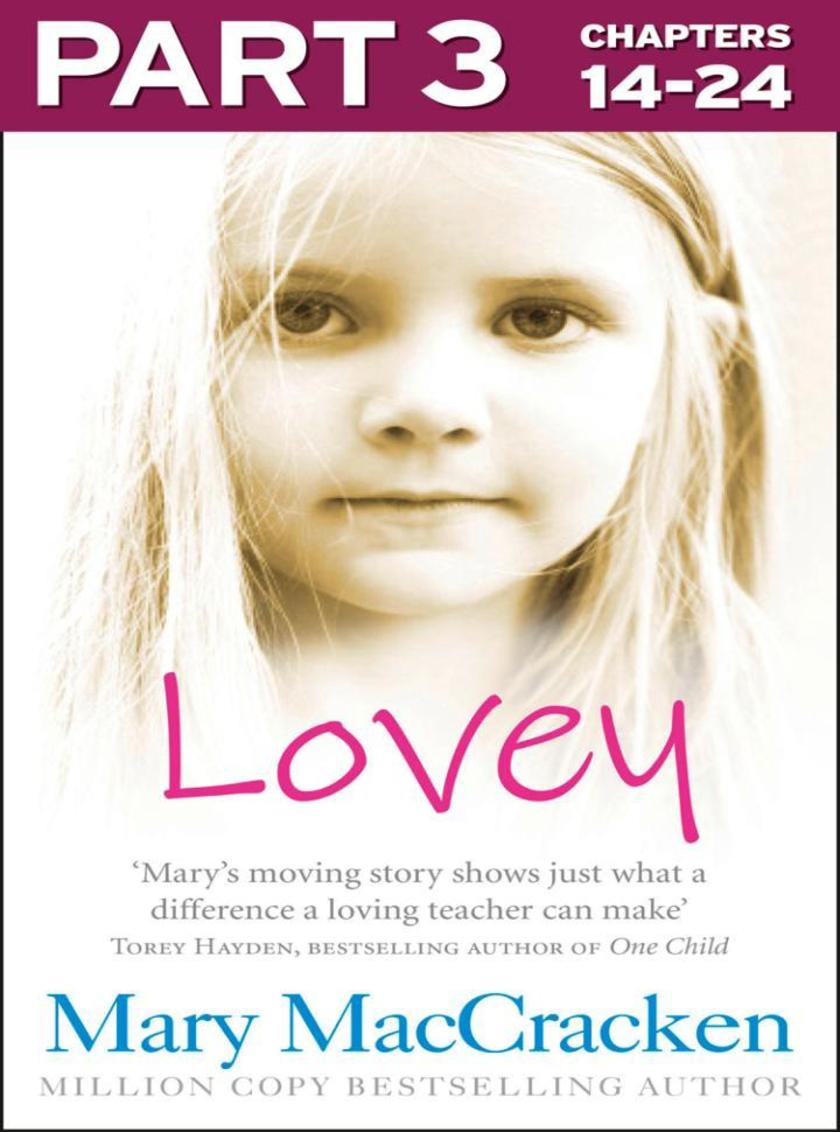
Lovey: Part 3 of 3
¥47.48
Lovey can either be read as a full-length eBook or in 3 serialised eBook-only parts. This is PART 3 of 3. You can read Part 3 1 week ahead of release of the full-length eBook and paperback. This deeply moving memoir tells the story of Hannah: a child who has been beaten and abused; a girl full of loneliness and rage; a student no one but learning disabilities teacher Mary MacCracken could reach. Mary had reservations about eight-year-old Hannah joining her class. The three emotionally disturbed boys she was currently looking after had been making steady progress, and Hannah, who had a reputation for being a withdrawn and incredibly troubled child, would only be a disruptive influence. For the first fortnight Hannah retired to a cupboard and refused to come out. Howling almost non-stop she was displaying the worst symptoms that Mary had ever seen. How could Mary help a child who had been shut up in closets and treated like an animal? What could she say to a child who had been locked out of her own home, and beaten by both her brother and her father? How could she reach this lost girl? This is the remarkable story of Hannah and Mary’s journey together. Deep within Hannah, Mary recognises an amazing strength. And with love, skill and patience, she gradually starts to make a difference. It’s a long road to recovery, but Mary never gives up. As this moving true story unfolds, we feel Mary’s joy, we share her hope and, in time, her faith that Hannah will be okay.
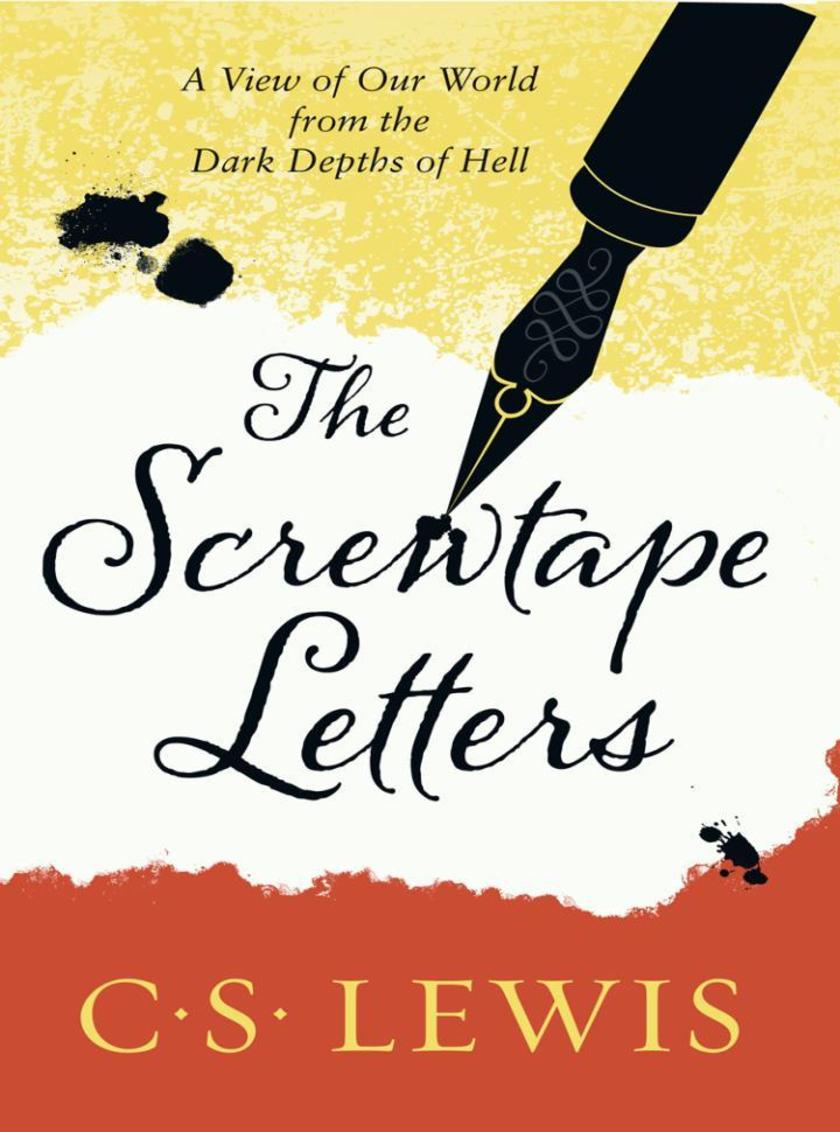
The Screwtape Letters: Letters from a Senior to a Junior Devil
¥61.51
The Screwtape Letters is a Christian apologetic novel by C. S. Lewis. It is written in a satirical, epistolary style and while it is fictional in format, the plot and characters are used to address Christian theological issues, primarily those to do with temptation and resistance to it. First published in February 1942, the story takes the form of a series of letters from a senior Demon Screwtape to his nephew Wormwood, a Junior Tempter. The uncle's mentorship pertains to the nephew's responsibility for securing the damnation of a British man known only as "the Patient".
Yours, Jack: The Inspirational Letters of C. S. Lewis
¥95.75
A collection of 365 readings containing the best and most compelling writing culled from more than 4,000 pages of C.S.Lewis‘s famous published letters. Thoughout his life, C.S. Lewis – ‘Jack’ to his friends – spent a good portion of each day writing letters to people for whom he became a spiritual mentor – literally thousands of them. Contained within this vast body of correspondence is wisdom and personal insight as powerful as anything else he ever wrote or had published. Jack’s famous letters, published in their entirety in a collection consisting of three impressive volumes, reveal much about his private life, reflections, friendships and feelings, as well as all of Lewis’s interests: theology, literature, poetry, fantasy, and unknown details about his world-famous Narnia stories and other books. Amongst Jack’s correspondents were J.R.R. Tolkien, Dorothy L. Sayers, Owen Barfield, Arthur C. Clarke, Sheldon Vanauken and Dom Bede Griffiths. Now, this distillation of 365 inspirational readings extracted from the letters offers an easy-to-digest look at this great author’s lifetime of correspondence and drives straight to the heart of this insightful and inspirational thinker.
Collected Letters Volume One: Family Letters 1905–1931
¥104.48
This collection brings together the best of C.S. Lewis’s letters – some published for the first time. Arranged in chronological order, this is the first volume covering Family Letters: 1905-1931. C.S. Lewis was a most prolific letter writer and his personal correspondence reveals much of his private life, reflections, friendships and feelings. This collection, carefully chosen and arranged by Walter Hooper, is the most extensive ever published. In this great and important collection are the letters Lewis wrote to J.R.R. Tolkien, Dorothy L. Sayers, Owen Barfield, Arthur C. Clarke, Sheldon Vanauken and Dom Bede Griffiths. To some particular friends, such as Dorothy L. Sayers, Lewis wrote over fifty letters alone. The letters deal with all of Lewis’s interests: theology, literary criticism, poetry, fantasy, children’s stories as well as revealing his relationships with family members and friends. This first volume of Family Letters: 1905-1931 covers Lewis’s boyhood and early manhood, his army years, undergraduate life at Oxford and his election to a fellowship at Magdalen College. Lewis became an atheist when he was 13 years old and his dislike of Christianity is evident in many of his letters. The volume concludes with a letter describing an evening spent with J.R.R. Tolkien and Hugo Dyson when he came to see that he was wrong to think of Christianity as one of ‘many myths.’ ‘What Dyson and Tolkien showed me was that… the story of Christ is simply a true myth… but with this tremendous difference that it really happened.
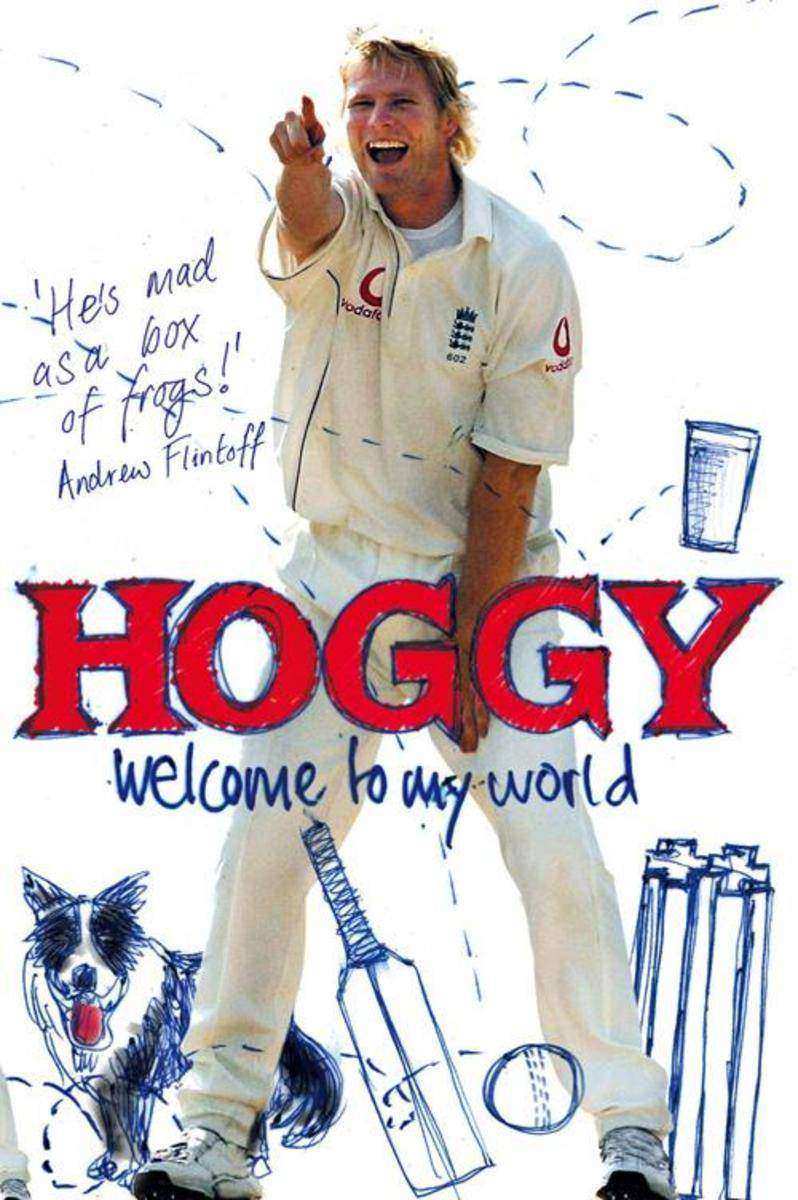
Hoggy: Welcome to My World
¥66.22
The quintessential barking-mad Yorkshire cricketer, 'Hoggy's' record-breaking bowling exploits for England allied to his humorous, uniquely oddball yet hugely endearing attitude to sport and life makes this essential reading for all lovers of the game. More than just a line-and-length cricketer's biography, Hoggy offers an entertaining insight into the weird and wonderful world of one of cricket's true characters. From the pub to the wicket and everywhere in-between, the dogged nightwatchman and wicket-taker looks beyond the runs and wickets to reveal what cricketers really get up to on tour and in the dressing room …
Me and My Brothers
¥63.18
An updated edition of the bestselling autobiography of Charlie Kray, elder brother of the Kray twins, Ronnie and Reggie, who are brought to the screen this autumn in a major motion picture. Charlie Kray was the only person who knew the truth behind the terrifying violence of his notorious twin brothers, Ronnie and Reggie. In his dying days, reflecting on how the Kray name destroyed his life, Charlie reveals what he really thought about the twins - and why they treated him so badly. Today, 40 years after the arrests that ended their so-called reign of terror, the power the Krays wielded is part of criminal folklore - and the fascination with them lives on. Charlie knew them better than anyone - from the extortion racket that provided riches beyond their dreams and the sexual liaison that took them into the corridors of power to the murderous mayhem the twins embarked on as they came to see themselves as beyond the law. In this fully updated edition of his best-selling autobiography, Charlie Kray reveals a side of Ronnie and Reggie that not even their closest henchmen ever saw.
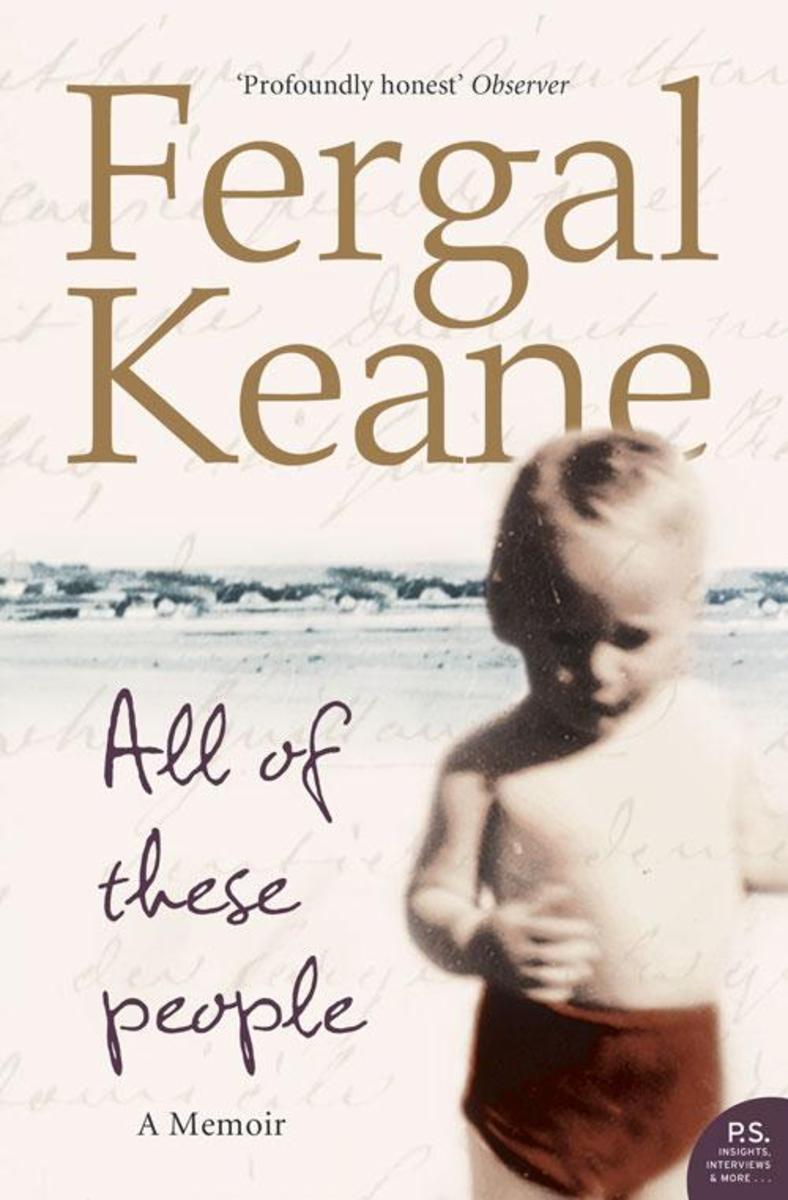
All of These People: A Memoir
¥80.25
In a memoir of staggering power and candour, award-winning journalist Fergal Keane addresses his experience of wars of different kinds, some very public and others acutely personal. During his years of reporting from the world's most savage and turbulent regions, Fergal Keane has witnessed the violence of the South African townships and the terror in Rwanda, the most extreme kinds of human behaviour, the horror of genocide and the bravery of peacekeepers faced with overwhelming odds. As one of the BBC's leading correspondents, he recounts extraordinary encounters on the front lines. Alongside his often brutal experiences in the field, he also describes unflinchingly the challenges and demons he has faced in his personal life growing up in Ireland. Keane’s existence as a war reporter is all that we imagine: frantic filing of reports and dodging shells, interspersed with rest in bombed-out hotels and concrete shelters. Life in such vulnerable areas of the globe is emotionally draining, but full of astonishing moments of camaraderie and human bravery. And so this is also a memoir of the human connections, at once simple and complex, that are made in extreme circumstances. These pages are filled with the memories of remarkable people. At the heart of Fergal Keane's story is a descent into and recovery from alcoholism, spanning two generations, father and son; a different kind of war, but as much part of the journey of the last twenty-five years as the bullets and bombs.
Smile Though Your Heart Is Breaking
¥58.86
A tale of Catherine Cookson-esque tragedy and Northern grit, Pauline Prescott's life story will shock and amaze. A mother and a faithful friend, Pauline is not your typical politician's wife. She is immensely proud of her role as a housewife and over the near-forty years she has been in the public eye she has remained discreet, dignified and deeply loyal. The daughter of a bricklayer, who died when she was young, Pauline came from humble backgrounds. At 15 she found herself pregnant by a married US serviceman. Resisting all attempts to give her son up for adoption, she struggled on for three years, until she was finally persuaded it was for his own good. She never expected to see him again. She trained as a hairdresser and got a good job at a salon in Chester. Soon afterwards she met John, a dashing waiter who whisked her off her feet and married her. John's dreams of becoming a union activist meant that he spent the next eight years in university. It was Pauline's wages that paid for everything. She never complained. John quickly rose through the ranks and suddenly, it seemed, he was the Deputy Prime Minister. Pauline went almost overnight from a Hull hairdresser to a key participant at political events. Always immaculate, she quickly became known for her fashion, style and stunning hats. But Pauline's world was turned upside down when, more than forty years after she put her son up for adoption, John received a call to say the press had tracked him down. The decision to give up her son had been heart-rending. All these years later, Pauline was overjoyed to be reunited with the child she had pined for for so long, finally getting the happy ending she had dreamed of for years. Throughout John's career, Pauline has had to cope with the lack of privacy his position has afforded their family. Through it all she has emerged a figure of admiration. Loyal, sharp, good humoured and articulate, Pauline has entranced the nation. Now tells us her story in her own words. Warm, moving and at times painfully sad, Pauline's autobiography is an honest account of a fascinating life.

Imran Khan: The Cricketer, The Celebrity, The Politician
¥147.35
The definitive biography of Imran Khan, the former Pakistan cricket captain and all-rounder – the Oxbridge graduate and vociferous campaigner; the devout Muslim whose kaleidoscopic social life flooded the gossip columns; the man who raised $60 million for cancer research and who is now one of the most important political figures in Pakistan. On one thing, Imran Khan’s friends and enemies agree: it all began with the leopard print satin trousers. In November 1974, the Cricketer International published an article about the new elite group of young talented players, ‘into concepts like fashion and pop music’, and bent on challenging cricket’s eternal stereotypes. Of the five featured stars on the cover, a superbly hirsute 21-year-old wearing a tight black shirt and gaudy trousers, with a facial expression of supreme self-confidence, stood out. Imran Khan has always been a controversial figure, a man who gives rise to hot debate on account of his strong conviction and hard line views. From his achievements on the cricket field as the Pakistan captain who captured the World Cup and the game’s best all-rounder in history, through to his racy social life – the practising Muslim boogieing on the dancefloor of Annabel’s, ‘an astonishing lovemaker’, according to one overnight partner, praised by Diana Princess of Wales, close friend to his then wife Jemima Goldsmith, as a ‘devoted husband’ – the Imran story is full of colour and contradictions. Acclaimed biographer Christopher Sandford has approached a richly varied cast list of Imran associates past and present – from Geoff Boycott, Javed Miandad, Mike Brearley, David Gower and John Major through to Nelson Mandela and close acquaintances male and female such as Eric Clapton, Mick Jagger, John Major, Keith Richards, sources close to the late Princess of Wales and Pakistan’s General Musharraf. Imran Khan himself has agreed to be interviewed for the book and given Sandford exclusive access to his inner sanctum.
Michael Jackson – Legend, Hero, Icon: A Tribute to the King of Pop
¥100.06
A lavishly illustrated tribute to the greatest entertainer of a generation. ‘The world has lost one of the greats but his music will live on forever’ - Madonna Michael Jackson was the undisputed King of Pop and his untimely death has provoked tributes from around the world. With a colourful life spanning from 1968 when Michael was a member of the Jackson 5 to his recent announcement of a final comeback tour at the O2 in London, nobody can dispute the achievements of the man who was arguably the greatest artist of the millenium. This fully illustrated book offers an insightful tribute to the man behind Thriller, the world's best selling album of all time. Including sections on Michael's early life and the Jackson 5, the making of Off the Wall and Thriller, and the troubled years leading right up to his announcement of a comeback tour, this will be a comprehensive and fitting tribute to a legendary pop star, the likes of which the world will never see again.
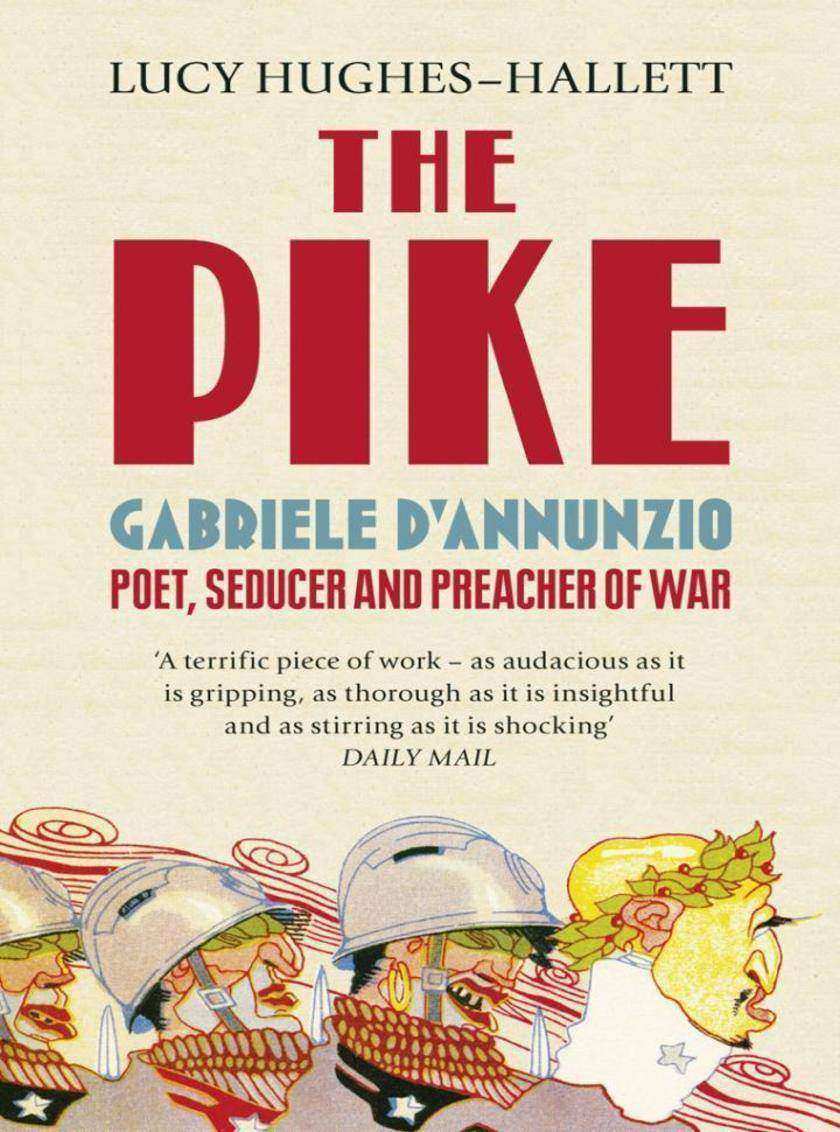
The Pike: Gabriele d’Annunzio, Poet, Seducer and Preacher of War
¥88.39
WINNER OF THE 2013 SAMUEL JOHNSON PRIZE FOR NON-FICTION WINNER OF THE 2013 DUFF COOPER PRIZE WINNER OF THE POLITICAL BOOK AWARDS POLITICAL BIOGRAPHY OF THE YEAR 2014 WINNER OF THE 2013 COSTA BOOK AWARDS BIOGRAPHY OF THE YEAR The story of Gabriele D’Annunzio, poet, daredevil – and Fascist. In September 1919 Gabriele D’Annunzio, successful poet and occasional politician, declared himself Commandante of the city of Fiume in modern day Croatia. His intention – to establish a utopia based on his fascist and artistic ideals. It was the dramatic pinnacle to an outrageous career. Lucy Hughes-Hallett charts the controversial life of D’Annunzio, the debauched artist who became a national hero. His evolution from idealist Romantic to radical right-wing revolutionary is a political parable. Through his ideological journey, culminating in the failure of the Fiume endeavour, we witness the political turbulence of early 20th century Europe and the emergence of fascism. In ‘The Pike’, Hughes-Hallett addresses the cult of nationalism and the origins of political extremism – and at the centre of the book stands the charismatic D’Annunzio: a figure as deplorable as he is fascinating.
Mummy Knew
¥63.77
Four-year-old Lisa's world turned upside down when her step-father moved in. Most of the time he was just violent but then he started making her do things to him she knew were wrong. Soon he was visiting her at night. Lisa begged her mother for help but she just shrugged, telling Lisa he would have his way. It was the greatest betrayal of all. At first Lisa's step-father would just make her stroke and massage his feet, hitting her if she stopped, but he soon wanted more. Much more. By the time she was 12 he was regularly abusing her. One day, when Lisa turned 16, she came home to discover that her mother had swapped bedrooms with her. 'You're my girlfriend now', her step-father told her. Lisa turned to her mother for help, but was met with a shrug. She wouldn't hear a word against her husband. 'Don't blame me,' she said. Her step-father's abuse was horrific but what completely tore her apart was knowing her mother knew and encouraged it. Trapped and increasingly desperate, Lisa tried to find a way out. But her isolation was complete. A few months later her mother told her she'd arranged for Lisa and her step-father to move into a flat together down the road. It was too much for Lisa to bear. 'Please don't make me, please,' she sobbed. But her mother just ignored her. Lisa was marched around to the flat with her possessions and her nightmare was complete. Alone with her step-father, Lisa's life became even more unbearable. Then one day, finally, she got the chance she'd been looking for to escape. Lisa bravely struck out on her own, petrified her mother would find her and hand her back into the waiting arms of her step-father. But Lisa's mother had no idea how determined she was to break away…

Wilfred Thesiger in Africa
¥184.23
A unique collection of essays accompany Wilfred Thesiger’s own personal photographs of the Africa he experienced as one of the world’s most celebrated explorers. While Wilfred Thesiger’s own classic writings (including ‘The Marsh Arabs’, ‘Arabian Sands’, ‘Desert’, Marsh and Mountain’, ‘The Life of My Choice’ and ‘My Kenya Days’) comprehensively cover his classic journeys amongst the Marsh Arabs in southern Iraq, or across the Empty Quarter in Arabia, they fail conspicuously to shed light on his character and motives, which have remained an enigma. Maitland’s biography had Thesiger’s support before he died in 2003, and has been written with full access, granted to no one else, to the rich Thesiger archive – vivid, intimate family correspondence, and his own letters, diaries and notebooks which are far more confiding than his scrupulously edited published accounts. Maitland investigates in depth Thesiger’s parents and family influences; his wartime experiences and the ethos of conflict; his philosophy as a hunter and conservationist; his development as a writer and photographer; his close friendships with the Arabs and Africans amongst whom he lived; and his sexuality. In all, this major biography of a great and unusual man will take its place on the shelf of outstanding lives of the great explorers.
The Light’s On At Signpost
¥66.22
From the author of the ever-popular Flashman novels, a collection of film-world reminiscences and trenchant thoughts on Cool Britannia, New Labour and other abominations. In between writing Flashman novels, George MacDonald Fraser spent thirty years as an "incurably star struck" screenwriter, working with the likes of Steve McQueen, Arnold Schwarzenegger, Cubby Broccoli, Burt Lancaster, Federico Fellini and Oliver Reed. Now he shares his recollections of those encounters, providing a fascinating glimpse behind the scenes. Far from starry-eyed where Tony Blair & Co are concerned, he looks back also to the Britain of his youth and castigates those responsible for its decline to "a Third World country … misruled by a typical Third World government, corrupt, incompetent and undemocratic". Controversial, witty and revealing – or "curmudgeonly", "reactionary", "undiluted spleen", according to the critics – The Light's on at Signpost has struck a chord with a great section of the public. Perhaps, as one reader suggests, it should be "hidden beneath the floorboards, before the Politically-Correct Thought Police come hammering at the door, demanding to confiscate any copies".
Abandoned: The true story of a little girl who didn’t belong
¥45.62
Separated from her real mother at birth, Anya grew up in terror of her drunken bullying uncle. Beaten, humiliated and sexually abused by him from the age of six, she thought her life couldn't get worse. But one day it did. "I was used to Daddy screaming 'whore's child' at me, over and over again. But I couldn't get used to what he made me do." Anya was too terrified to tell anybody about what her uncle did to her. But then he got careless and started abusing her in front of the other children. When her brothers started calling her a 'whore', Anya cracked and all her terrible secrets came pouring out. Anya had always coped because there was one woman who loved her deeply, her 'Mummy'. But this time love was not enough. One morning 'Mummy' just left. Determined to make a new life, Anya buried her feelings and tried to move on. But when she ended up homeless, living in her car, she knew she had to face her past if she was ever going to find happiness and security again. Top 10 Sunday Times Bestseller, Abandoned is Anya's inspirational story of her fight to find love, acceptance and a place to belong.
Mr Nastase: The Autobiography
¥56.11
The amazing life story of the enfant terrible of tennis in the 1970s and 80s – winner of two Grand Slam titles, three Grand Slam doubles titles and twice a Wimbledon finalist. It is not an overstatement to say that Ilie Nastase was in part responsible for the explosion of interest in tennis in the seventies. Thanks to his success, his lifestyle, his sex appeal and the controversy that continually surrounded him, Nastase's name was recognisable far beyond the confines of tennis. Yet, he also had a dark side and he regularly got himself into trouble with umpires and spectators alike. His court-side tantrums and manic questioning of line calls could spiral out of control and, all too often, he found himself fined and disqualified – and making the next day's front pages. Bjorn Borg had great difficulty adjusting to life after retirement and lost vast amounts of money, while the late Vitas Gerulaitis had a major cocaine problem. Ilie reveals how he helped both of them at a time when their problems were taking a huge toll on their personal lives. He also provides opinions and anecdotes on a host of other characters, including John McEnroe, Jimmy Connors and Arthur Ashe, Henri Leconte, Yannick Noah, Chris Evert and Martina Navratilova. As a result of his celebrity status, Nastase moved amongst the beautiful people. His book recalls some of his more memorable encounters and experiences, including dancing the night away in New York's Studio 54 and Castel in Paris with the likes of Bianca Jagger and Claudia Cardinale, and bedding some of the world's most desirable women (an Italian countess and a former Miss UK are among his conquests). For the many sports fans who followed tennis and followed his career, his stories behind the varied headline-grabbing outbursts will prove fascinating and irresistible.

Whicker’s War
¥69.26
Alan Whicker is quite simply a legend. A visionary and master of his craft, his television shows from the fifties to the nineties almost single handed invented the language of travel television and earned him the status of one of the most foremost of British media icons. Yet throughout his forty years in TV he was steadfast in his belief that his programmes should not be about himself but about those people he encountered. Until this year when he was persuaded, as part of the 60th anniversary of the invasion of Italy, to tell his remarkable war experiences in two fabulously reviewed hour-long television pieces. This book uses these programmes as the starting point to tell the story of Alan Whicker's remarkable war. Alan Whicker joined the Army Film and Photo Unit as an 18-year-old army officer, following the Allied advance through Italy, from Sicily to Venice. He filmed the troops on the front line, met Montgomery, and other military luminaries, filmed the battered body of Mussolini after his execution and accepted the surrender of the SS in Milan. This is remarkable account of the Italian campaign of 1943 and 1944 as he retraces of his steps over sixty years later. Beautifully written, poignant with humour and pathos this is a masterful book by one of the 20th centuries greatest TV journalists.
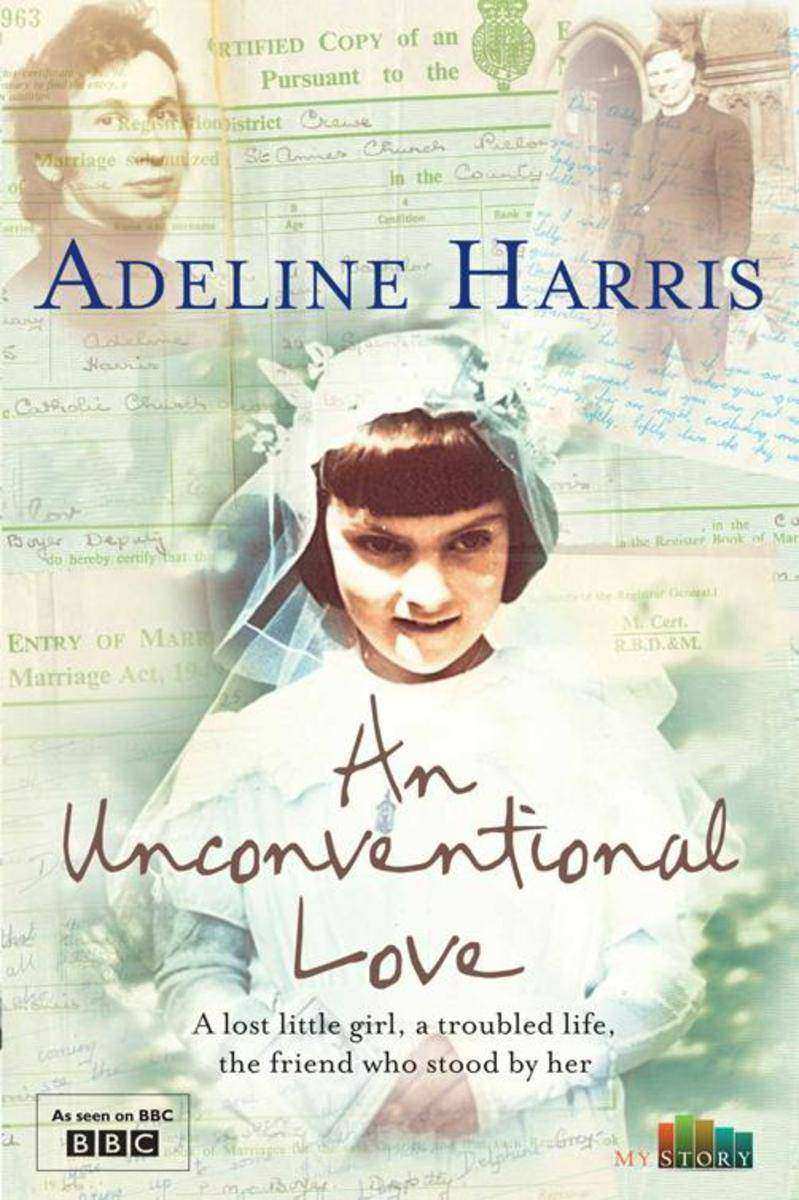
An Unconventional Love
¥51.50
Adeline Harris grew up in surroundings steeped in religion, from the beloved ayah in India who told her stories of Jesus wrestling tigers, to the strict father in England who placed a stone under her knee when she said the Rosary. It was no wonder that she always wanted to be a nun and a saint. Brought up to respect the church’s authority, the parish priest was an important early influence in her life. And when she met the new charismatic priest, Father Kelly, her interest and amazement instantly deepened. She enjoyed spending time with him and rapidly began to spend every spare moment at the church, learning much from the principled man. Following her father’s death, Adeline’s mother struggled to cope and Adeline was sent to live with Father Kelly. As Adeline grew up, she found herself falling in love with her guardian and hoped he might return her feelings. Then, when she was 18, she met a young man, Andrew, at a local dance. Soon she was pregnant and turned to the one person she could always rely on for help. He offered to look after Adeline and her baby, but he couldn’t understand her affections for Andrew. And, as time passed, deep down she always knew it was a friendship that was destined to end in heartache.
In My Dreams I Dance
¥58.86
Struck down with polio at the age of two and a half, Anne overcame the prejudice rife in her native village in Kenya, where neighbours believed she was cursed and called her a snake because of her disability, which left her paralysed below the waist. Losing her mother at a tender age, and sent to a school far away from home, she achieved fantastic academic results, amidst the challenges of a military coup. She went to university and qualified as a teacher, and fell in love with a British man who truly valued her defiant spirit. She moved from a world with no running water to make a life for herself in modern Britain. Where, against all odds, she bore a child, and went on to being the first East African to compete in her sport internationally. Anne is currently in further training, hoping to represent Great Britain at the 2012 Paralympics.
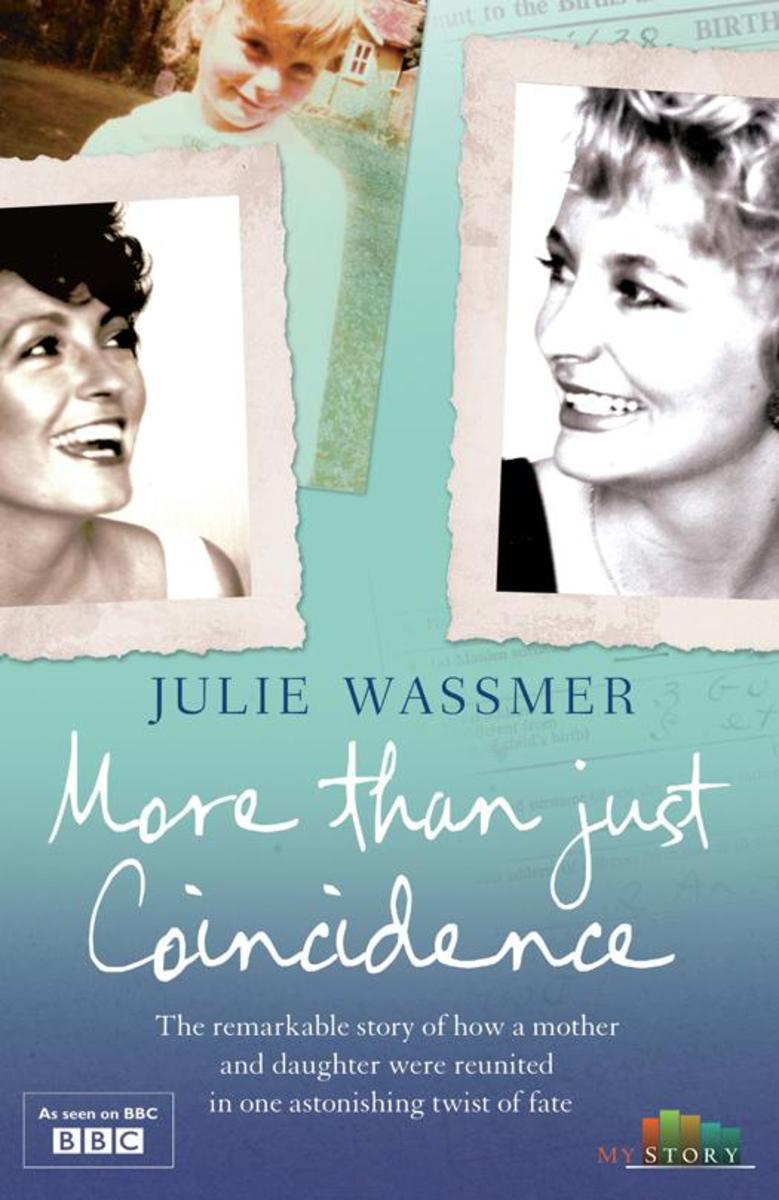
More Than Just Coincidence
¥51.50
Heartwarming, compelling and genuinely remarkable, More Than Just Coincidence is the true story of a mother who was reunited with her daughter, twenty years after she gave her up for adoption, in the most incredible of circumstances. One hot summer day in 1970, teenaged Julie dressed her 10-day-old baby daughter for the last time. Then she placed her newborn into a nurse's arms and walked away, taking with her only a tiny plastic bracelet on which were written two words - 'Baby Wassmer'. Over the next twenty years, the print on the bracelet began to fade, but the memory of Julie's lost child continued to run, like thread, through the fabric of her life. Julie travelled the world and led an adventurous life, but at the back of her mind always remained the daughter she had let go. On 5 November 1990, a struggling writer, aged 36, Julie stared at the reflection in a mirror on her bathroom wall as she prepared for her first meeting with a literary agent. All of sudden a thought came into her mind: now might be the perfect time for her daughter to re-enter her life. A few hours later, in the most astonishing way, two worlds were about to collide. Real life can be stranger than fiction.


