


 购物车
购物车 个人中心
个人中心
Maze Maker
¥141.26
"e;I address you across more than three thousand years, you who live at the conjunction of the Fish and the Water-carrier,"e; speaks Daedalus, an artisan, inventor, and designer born into an utterly alien family of heroes who value acts of war above all else, a world where his fellow Greeks seem driven only to destroy-an existence he feels compelled to escape.In this fictional autobiography of the father of Icarus, "e;Apollo's creature,"e; a brilliant but flawed man, writer and sculptor Michael Ayrton harnesses the tales of the past to mold a myth for our times. We learn of Daedalus's increasingly ambitious artifacts and inventions; his fascination with Minoan culture, commerce, and religion, and his efforts to adapt to them; how he comes to design the maze of the horned Minotaur; and how, when he decides that he must flee yet again, he builds two sets of wax wings-wings that will be instruments of his descent into the underworld, a place of both purgatory and rebirth.A compelling mix of history, fable, lore, and meditations on the enigma of art, The Maze Maker will ensnare classicists, artists, and all lovers of story in its convolutions of life and legend. "e;I never understood the pattern of my life,"e; writes Daedalus, "e;so that I have blundered through it in a maze."e;
Third City
¥141.26
Our traditional image of Chicago-as a gritty metropolis carved into ethnically defined enclaves where the game of machine politics overshadows its ends-is such a powerful shaper of the city's identity that many of its closest observers fail to notice that a new Chicago has emerged over the past two decades. Larry Bennett here tackles some of our more commonly held ideas about the Windy City-inherited from such icons as Theodore Dreiser, Carl Sandburg, Daniel Burnham, Robert Park, Sara Paretsky, and Mike Royko-with the goal of better understanding Chicago as it is now: the third city.Bennett calls contemporary Chicago the third city to distinguish it from its two predecessors: the first city, a sprawling industrial center whose historical arc ran from the Civil War to the Great Depression; and the second city, the Rustbelt exemplar of the period from around 1950 to 1990. The third city features a dramatically revitalized urban core, a shifting population mix that includes new immigrant streams, and a growing number of middle-class professionals working in new economy sectors. It is also a city utterly transformed by the top-to-bottom reconstruction of public housing developments and the ambitious provision of public works like Millennium Park. It is, according to Bennett, a work in progress spearheaded by Richard M. Daley, a self-consciously innovative mayor whose strategy of neighborhood revitalization and urban renewal is a prototype of city governance for the twenty-first century. The Third City ultimately contends that to understand Chicago under Daley's charge is to understand what metropolitan life across North America may well look like in the coming decades.
This New Yet Unapproachable America
¥141.26
Stanley Cavell is a titan of the academic world; his work in aesthetics and philosophy has shaped both fields in the United States over the past forty years. In this brief yet enlightening collection of lectures, Cavell investigates the work of two of his most tried-and-true subjects: Emerson and Wittgenstein. Beginning with an introductory essay that places his own work in a philosophical and historical context, Cavell guides his reader through his thought process when composing and editing his lectures while making larger claims about the influence of institutions on philosophers, and the idea of progress within the discipline of philosophy. In "e;Declining Decline,"e; Cavell explains how language modifies human existence, looking specifically at the culture of Wittgenstein's writings. He draws on Emerson, Thoreau, and many others to make his case that Wittgenstein can indeed be viewed as a "e;philosopher of culture."e; In his final lecture, "e;Finding as Founding,"e; Cavell writes in response to Emerson's "e;Experience,"e; and explores the tension between the philosopher and language-that he or she must embrace language as his or her?"e;form of life,"e; while at the same time surpassing its restrictions. He compares finding new ideas to discovering a previously unknown land in an essay that unabashedly celebrates the power and joy of philosophical thought.?
Simone
¥141.26
Eduardo Lalo is one of the most vital and unique voices of Latin American literature, but his work is relatively little known in the English-speaking world. That changes now: this masterful translation of his most celebrated novel, Simone-which won the 2013 Romulo Gallegos International Novel Prize-will introduce an English-language audience to this extraordinary literary talent.A tale of alienation, love, suspense, imagination, and literature set on the streets of San Juan, Puerto Rico, Simone tells the story of a self-educated Chinese immigrant student courting (and stalking) a disillusioned, unnamed writer who is struggling to make a name for himself in a place that is not exactly a hotbed of literary fame. By turns solipsistic and political, romantic and dark, Simone begins with the writer's frustrated, satiric observations on his native city and the banal life of the university where he teaches-forces utterly at odds with the sensuality of his writing. But, as mysterious messages and literary clues begin to appear-scrawled on sidewalks and walls, inside volumes set out in bookstores, left on his answering machine and under his windshield wiper-Simone progresses into a cat-and-mouse game between the writer and his mystery stalker. When the eponymous Simone's identity is at last revealed, the writer finds in the life of this Chinese immigrant a plight not unlike his own. Traumatized and lonely, the pair moves towards bittersweet collaborations in passion, grief, and art.
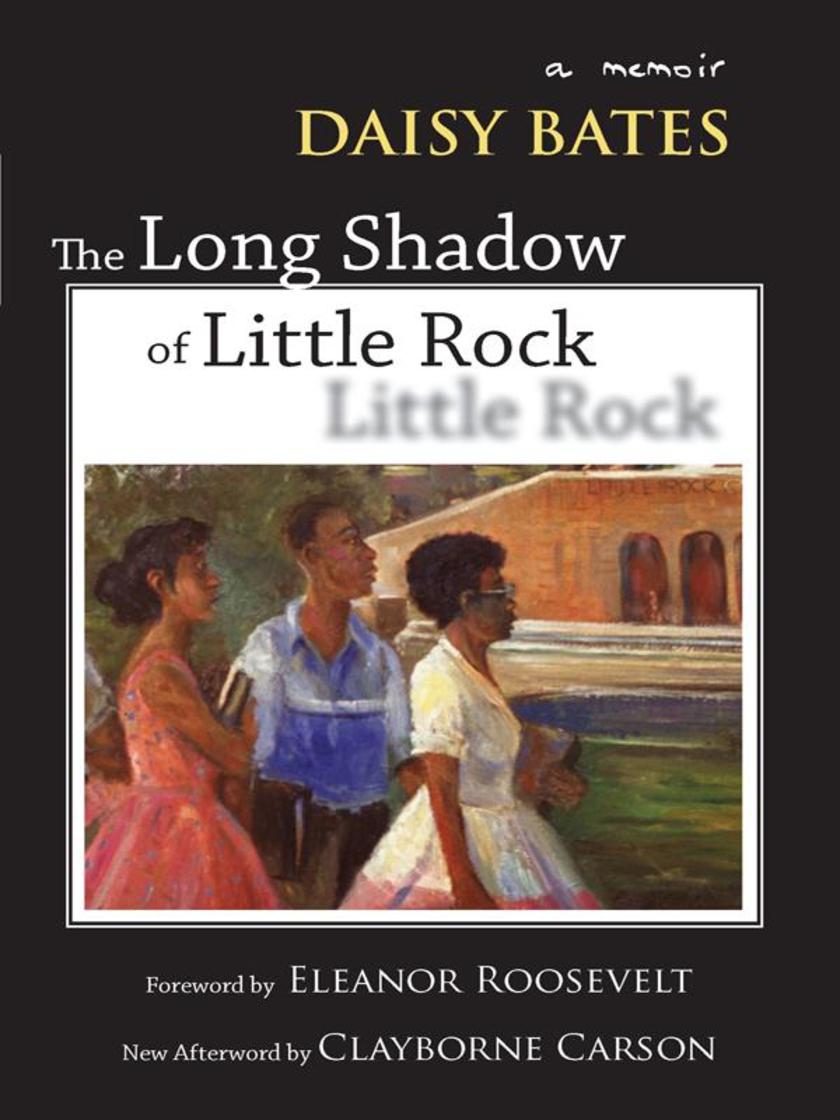
Long Shadow of Little Rock
¥141.66
At an event honoring Daisy Bates as 1990's Distinguished Citizen then-governor Bill Clinton called her "e;the most distinguished Arkansas citizen of all time."e; Her classic account of the 1957 Little Rock School Crisis, The Long Shadow of Little Rock, couldn't be found on most bookstore shelves in 1962 and was banned throughout the South. In 1988, after the University of Arkansas Press reprinted it, it won an American Book Award. On September 3, 1957, Gov. Orval Faubus called out the National Guard to surround all-white Central High School and prevent the entry of nine black students, challenging the Supreme Court's 1954 order to integrate all public schools. On September 25, Daisy Bates, an official of the NAACP in Arkansas, led the nine children into the school with the help of federal troops sent by President Eisenhower-the first time in eighty-one years that a president had dispatched troops to the South to protect the constitutional rights of black Americans. This new edition of Bates's own story about these historic events is being issued to coincide with the fiftieth anniversary of the Little Rock School crisis in 2007.
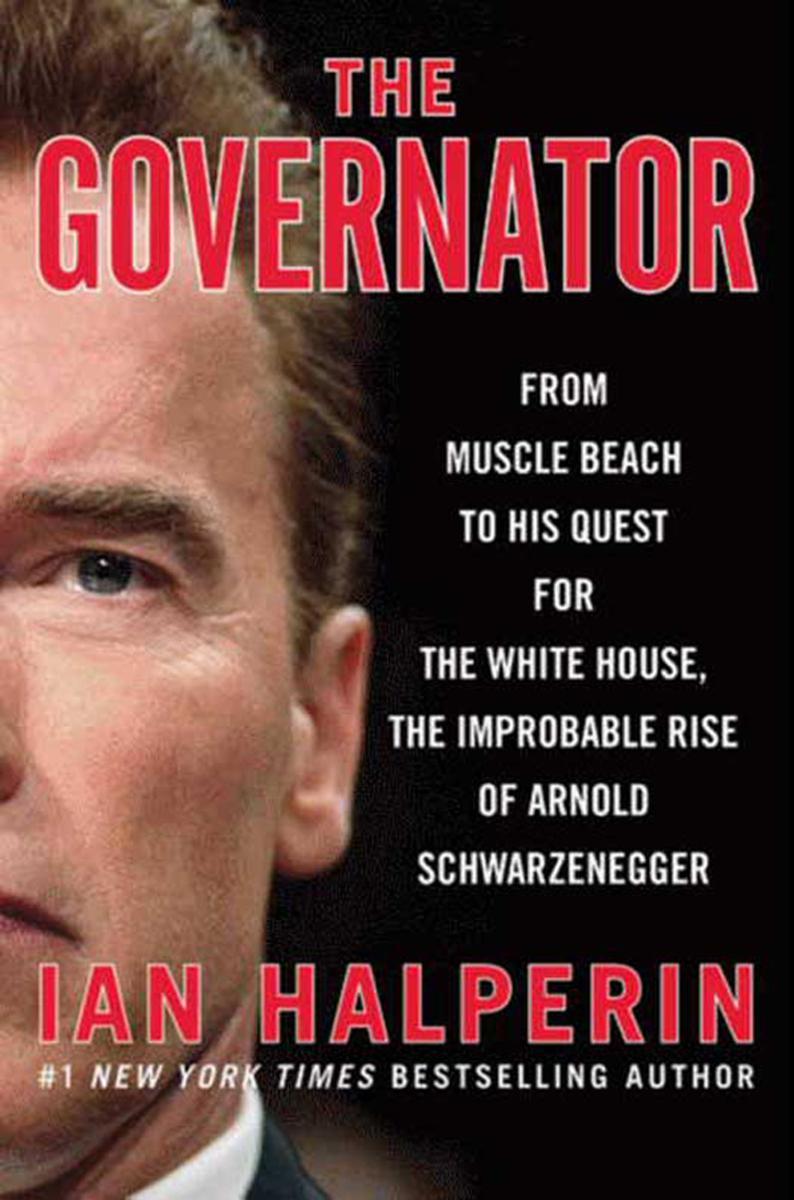
The Governator
¥145.91
Who is the real Arnold SchwarzeneggerInvestigative journalist and number one New York Times bestselling author Ian Halperin reveals the true and untold story about this larger-than-life and often outrageous figure From his childhood in Austria to his rise as a star ofAmerican conservative politics, the story of ArnoldSchwarzenegger life reads like the * of a HollywoodB-movie penned by Horatio Alger. In this exclusivepeek behind the curtain, award-winning scoop hunterIan Halperin wades through the myths and rumors todiscover the real Arnold behind the icon, a man definedby unbridled ambition and an unending quest for power. Based on extensive research, undercover forays, andcandid interviews with many of the Terminator closefriends and peers, Halperin brings the myth to life with: a riveting journey through Schwarzenegger pastto explore his relationship with his abusive father andhis feelings toward the Nazi party. insights into the shadowy world of bodybuildingand Schwarzenegger early steroid use. an investigation of Schwarzenegger reputation asa bully and a womanizer, including his alleged affairs and public accusations of sexual harassment behavior that earned him the nickname the Groper.an in-depth look at his long-standing fascination withthe Kennedys and his remarkably seamless assimilation into his wife fabled family. a detailed look into Maria startling weight loss. an analysis of Schwarzenegger political career,revealing him to be a surprisingly effective and talentedgovernor. the behind-the-scenes machinations of the Kennedyfamily to influence Schwarzenegger political agenda. And finally Halperin uncovers the never-before-told details of an incredible and audacious plan for Schwarzenegger to attempt to rewrite the Constitution and run for president of the United States.
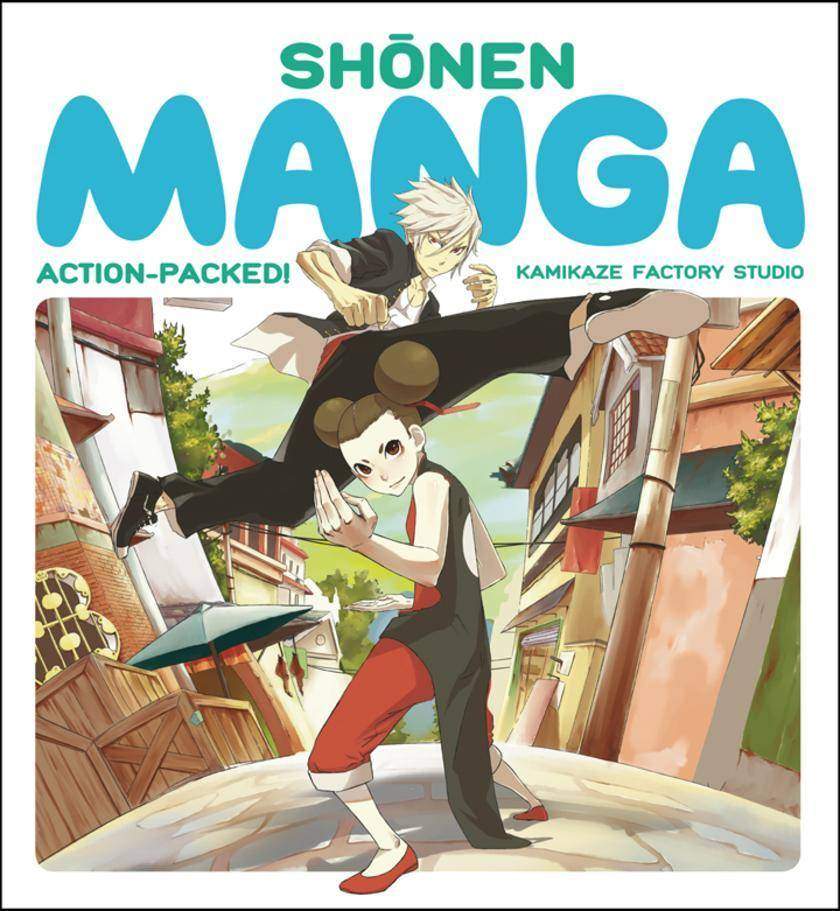
Shonen Manga
¥145.91
A step-by-step guide to all the tricks-both freehand and digital-to creating the best manga characters, Shonen Manga is a fun, easy to read manga manual for artists of all ages and languages. Focusing on Shonen-style manga and anime (a genre targeting young boys-”Shonen” means young boy, referring to elementary through grade school age groups), Shonen Manga is a practical, hands-on guide to learning the skills of action-packed drawing. It includes detailed information on how to apply digital colour, 3D designs, vectorial drawing, and a host of other fascinating and useful design applications. Each project in Shonen Manga includes step-by-step instructions specifying software, tools, and professional tricks to achieve the gritty eyes, roaring faces, and clenched fists of teen heroes, martial art masters, ninja girls, and violent samurai, integral to the Shonen genre. Shonen Manga will walk an audience of manga artists, illustrators, and graphic designers through the basic stages of manga production, beginning with black-and-white sketches and ending with vibrant, fully costumed characters.
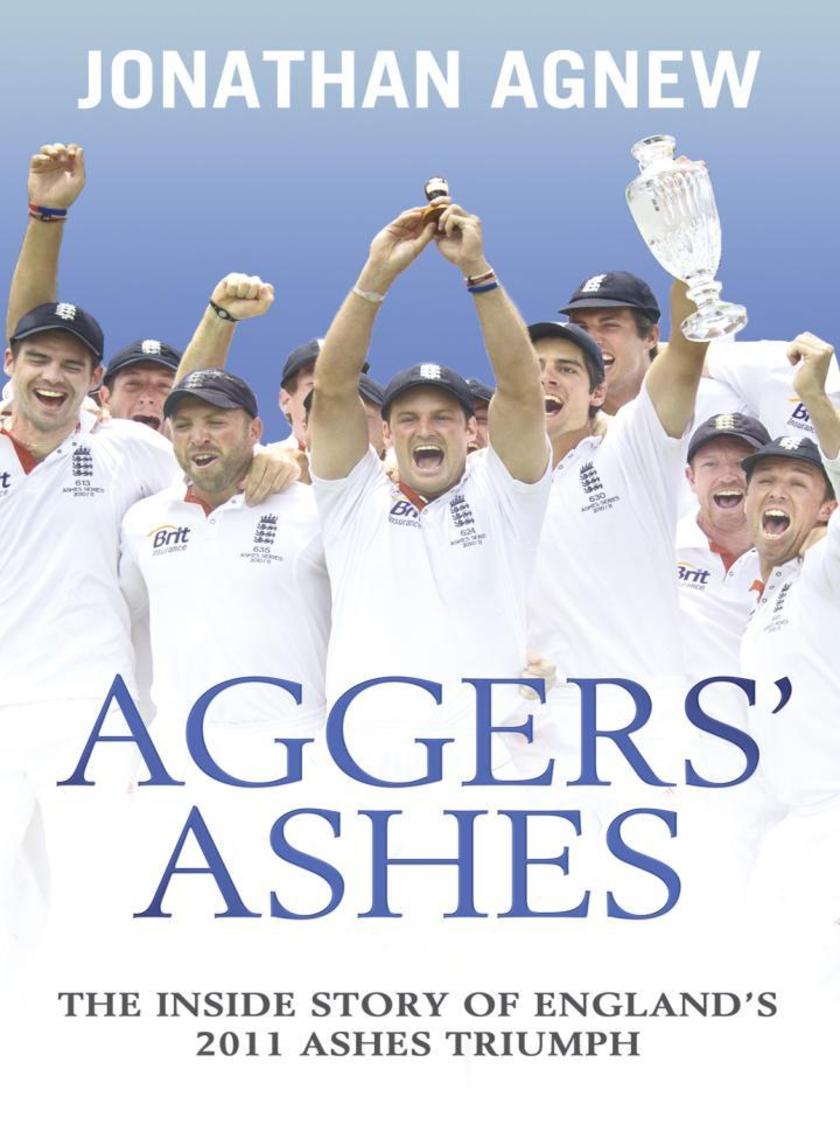
Aggers’ Ashes
¥146.27
An inside account of England’s Ashes triumph in Australia 2010/11. England’s much celebrated Ashes win by two clear matches with three comprehensive innings victories must rank as one of the finest of any English cricket team from any era. It kept people at home glued to their televisions, computers and radios – often all three at the same time – long into the night as the bitter winter and a depressed economy were forced into the background by the sheer joy and exhilaration of giving the old enemy a trouncing. It had been twenty-two years since a touring side won three Tests in Australia and twenty-four since the Ashes were last won on Australian soil. The current England team bears worthy comparison with some of the legendary teams of the past, captained by greats like Brearley, Hutton and Jardine. Andrew Strauss with back-to-back Ashes wins can now sit amongst that illustrious company. From the first ball of the tour in Perth to a closing rendition of the infamous ‘Sprinkler Dance’ on the outfield in Sydney some two months later – a clip that received some 250,000 hits in just three days – one person was there throughout, BBC Cricket Correspondent Jonathan Agnew, better known to his legion of Test Match Special fans as ‘Aggers’. Following the success of his last book Thanks, Johnners, Agnew has written a highly personal diary of his experiences in Australia. Whether he is sharing late night conversations in the bar with England coach Andy Flower, exchanging banter with new TMS recruit Michael Vaughan or keeping cricket junkies around the world sated with his daily Twitter feed, Aggers brings his unique sense of theatre and excitement to every day’s proceedings. With additional contributions from the best BBC cricket bloggers and the resident TMS statistician, Aggers Ashes is the only companion you will need to relive those glorious days when history was made Down Under.
Gavin Henson: My Grand Slam Year
¥146.27
Silver boots, perma-tanned skin, shaven legs and gravity-defying red spikes in his hair – Gavin Henson is Wales’s hottest new celeb and rugby’s golden boy. This is his story of a momentous year in rugby, starting with an epic Six Nations Grand Slam for Wales, followed by the toughest of all tours, the British Lions in New Zealand. After kicking the 50-yard goal that sent England to shock defeat in the 2005 Six Nations, the 23-year-old Gavin Henson demonstrated that here, at last, was a Welsh sportsman who was ready to put his proud rugby nation back on the world map. Wales’s Grand Slam triumph – their first since 1978 – was done the hard way, with dramatic victories against the world champions followed by France in Paris, and climaxing in the Millennium stadium against Ireland, amid a crescendo of noise and passion-fuelled expectation. The flamboyant Henson relives those special moments on and off the field: the build-up to the games and the stories from within the inner sanctum of the Welsh dressing room; the pressure of suddenly becoming favourites to win the trophy; the nail-biting victories over England and France; and the moment when Henson knew that life would never be the same again. Fast forward to summer 2005. Wales’s No 12, the inside-centre whose clever running, booming kicks and crunching tackling make him a genuine all-rounder, is the favourite to play alongside captain and Irish phenomenon Brian O’Driscoll in the Lions team against the All Blacks in this most eagerly awaited clash of the Northern and Southern hemispheres. Henson’s insight into this defining tour, his views on coach Clive Woodward and his home nation colleagues (including a fit-again Jonny Wilkinson), and the eye-opening stories away from the rugby – plus all the other highlights of an unprecedented season for Wales’s new generation of talent – will make this book essential reading for the autumn.

Scientific Babel
¥147.15
English is the language of science today. No matter which languages you know, if you want your work seen, studied, and cited, you need to publish in English. But that hasn't always been the case. Though there was a time when Latin dominated the field, for centuries science has been a polyglot enterprise, conducted in a number of languages whose importance waxed and waned over time-until the rise of English in the twentieth century.?So how did we get from there to hereHow did French, German, Latin, Russian, and even Esperanto give way to EnglishAnd what can we reconstruct of the experience of doing science in the polyglot pastWith Scientific Babel, Michael D. Gordin resurrects that lost world, in part through an ingenious mechanism: the pages of his highly readable narrative account teem with footnotes-not offering background information, but presenting quoted material in its original language. The result is stunning: as we read about the rise and fall of languages, driven by politics, war, economics, and institutions, we actually see it happen in the ever-changing web of multilingual examples. The history of science, and of English as its dominant language, comes to life, and brings with it a new understanding not only of the frictions generated by a scientific community that spoke in many often mutually unintelligible voices, but also of the possibilities of the polyglot, and the losses that the dominance of English entails.?Few historians of science write as well as Gordin, and Scientific Babel reveals his incredible command of the literature, language, and intellectual essence of science past and present. No reader who takes this linguistic journey with him will be disappointed.
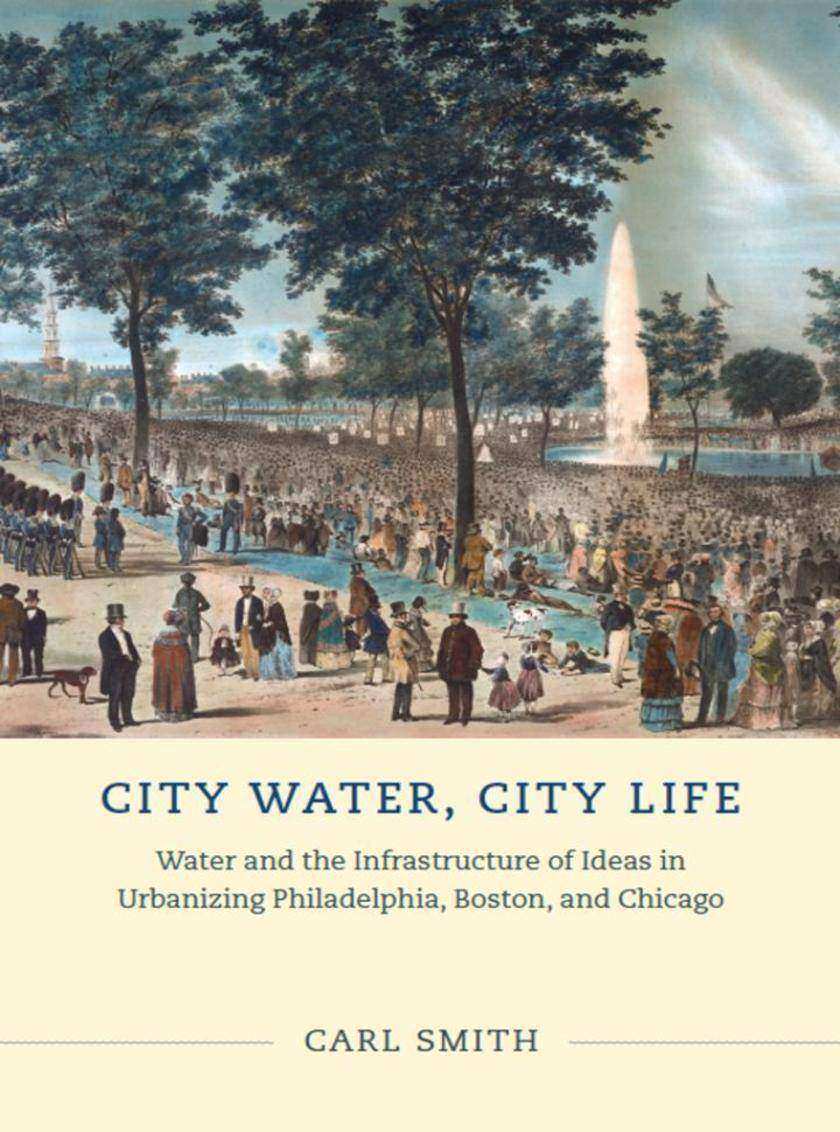
City Water, City Life
¥147.15
A city is more than a massing of citizens, a layout of buildings and streets, or an arrangement of political, economic, and social institutions. It is also an infrastructure of ideas that are a support for the beliefs, values, and aspirations of the people who created the city. In City Water, City Life, celebrated historian Carl Smith explores this concept through an insightful examination of the development of the first successful waterworks systems in Philadelphia, Boston, and Chicago between the 1790s and the 1860s. By examining the place of water in the nineteenth-century consciousness, Smith illuminates how city dwellers perceived themselves during the great age of American urbanization.?But City Water, City Life is more than a history of urbanization.?It is also a refreshing meditation on water as a necessity, as a resource for commerce and industry, and as an essential-and central-part of how we define our civilization.
After Preservation
¥147.15
From John Muir to David Brower, from the creation of Yellowstone National Park to the Endangered Species Act, environmentalism in America has always had close to its core a preservationist ideal. Generations have been inspired by its ethos-to encircle nature with our protection, to keep it apart, pristine, walled against the march of human development. But we have to face the facts. Accelerating climate change, rapid urbanization, agricultural and industrial devastation, metastasizing fire regimes, and other quickening anthropogenic forces all attest to the same truth: the earth is now spinning through the age of humans. After Preservation takes stock of the ways we have tried to both preserve and exploit nature to ask a direct but profound question: what is the role of preservationism in an era of seemingly unstoppable human development, in what some have called the AnthropoceneBen A. Minteer and Stephen J. Pyne bring together a stunning consortium of voices comprised of renowned scientists, historians, philosophers, environmental writers, activists, policy makers, and land managers to negotiate the incredible challenges that environmentalism faces. Some call for a new, post-preservationist model, one that is far more pragmatic, interventionist, and human-centered. Others push forcefully back, arguing for a more chastened and restrained vision of human action on the earth. Some try to establish a middle ground, while others ruminate more deeply on the meaning and value of wilderness. Some write on species lost, others on species saved, and yet others discuss the enduring practical challenges of managing our land, water, and air.From spirited optimism to careful prudence to critical skepticism, the resulting range of approaches offers an inspiring contribution to the landscape of modern environmentalism, one driven by serious, sustained engagements with the critical problems we must solve if we-and the wild garden we may now keep-are going to survive the era we have ushered in. ?Contributors include: Chelsea K. Batavia, F. Stuart (Terry) Chapin III, Norman L. Christensen, Jamie Rappaport Clark, William Wallace Covington, Erle C. Ellis, Mark Fiege, Dave Foreman, Harry W. Greene, Emma Marris, Michelle Marvier, Bill McKibben, J. R. McNeill, Curt Meine, Ben A. Minteer, Michael Paul Nelson, Bryan Norton, Stephen J. Pyne, Andrew C. Revkin, Holmes Rolston III, Amy Seidl, Jack Ward Thomas, Diane J. Vosick, John A. Vucetich, Hazel , and Donald Worster.?
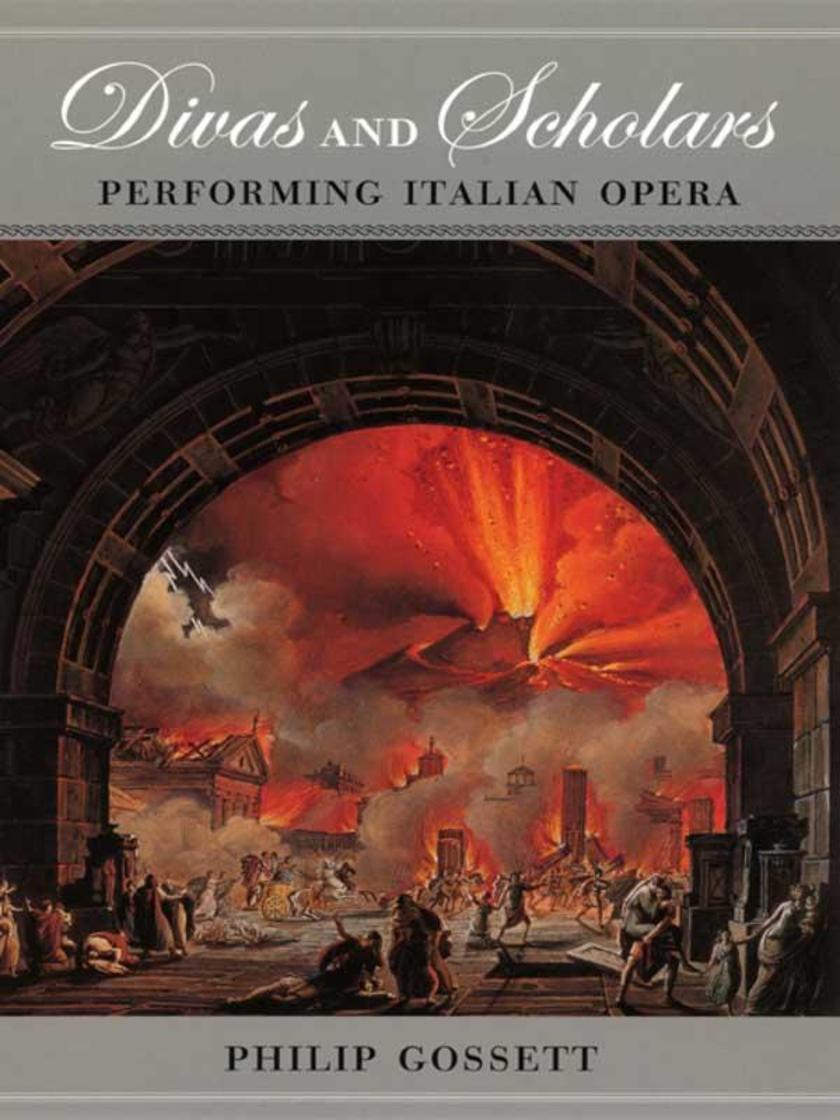
Divas and Scholars
¥147.15
Winner of the 2007 Otto Kinkeldey Award from the American Musicological Society and the 2007 Deems Taylor Award from the American Society of Composers, Authors, and Publishers.Divas and Scholars is a dazzling and beguiling account of how opera comes to the stage, filled with Philip Gossett's personal experiences of triumphant-and even failed-performances and suffused with his towering and tonic passion for music. Writing as a fan, a musician, and a scholar, Gossett, the world's?leading authority on the performance of Italian opera, brings colorfully to life the problems, and occasionally the scandals, that attend the production of some of our most favorite operas.?Gossett begins by tracing the social history of nineteenth-century Italian theaters in order to explain the nature of the musical scores from which performers have long worked. He then illuminates the often hidden but crucial negotiations opera scholars and opera conductors and performers: What does it mean to talk about performing from a critical editionHow does one determine what music to perform when multiple versions of an opera existWhat are the implications of omitting passages from an opera in a performanceIn addition to vexing questions such as these, Gossett also tackles issues of ornamentation and transposition in vocal style, the matters of translation and adaptation, and even aspects of stage direction and set design.?Throughout this extensive and passionate work, Gossett enlivens his history with reports from his own experiences with major opera companies at venues ranging from the Metropolitan and Santa Fe operas to the Rossini Opera Festival at Pesaro. The result is a book that will enthrall both aficionados of Italian opera and newcomers seeking a reliable introduction to it-in all its incomparable grandeur and timeless allure.?
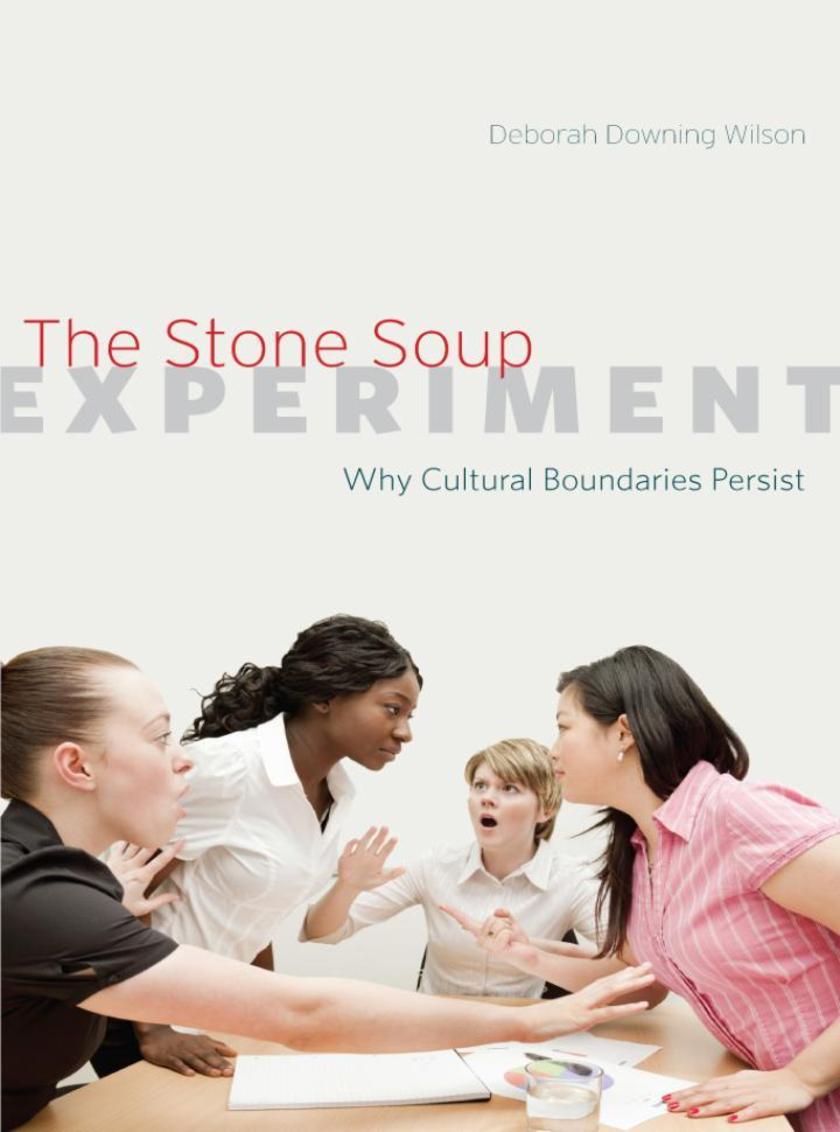
Stone Soup Experiment
¥147.15
The Stone Soup Experiment is a remarkable story of cultural difference, of in-groups, out-groups, and how quickly and strongly the lines between them are drawn. It is also a story about simulation and reality, and how quickly the lines between them can be dismantled.?In a compulsively readable account, Deborah Downing Wilson details a ten-week project in which forty university students were split into two different simulated cultures: the carefree Stoners, and the market-driven Traders. Through their eyes we are granted intimate access to the very foundations of human society: how group identities are formed and what happens when opposing ones come into contact.?The experience of the Stoners and Traders is a profound testament to human sociality. Even in the form of simulation, even as a game, the participants found themselves quickly-and with real conviction-bound to the ideologies and practices of their in-group. The Stoners enjoyed their days lounging, chatting, and making crafts, while the Traders-through a complex market of playing cards-competed for the highest bankrolls. When they came into contact, misunderstanding, competition, and even manipulation prevailed, to the point that each group became so convinced of its own superiority that even after the simulation's end the students could not reconcile. Throughout her riveting narrative, Downing Wilson interweaves fascinating discussions on the importance of play, emotions, and intergroup interaction in the formation and maintenance of group identities, as well as on the dynamic social processes at work when different cultural groups interact. A fascinating account of social experimentation, the book paints a vivid portrait of our deepest social tendencies and the powers they have over how we make friends and enemies alike.?
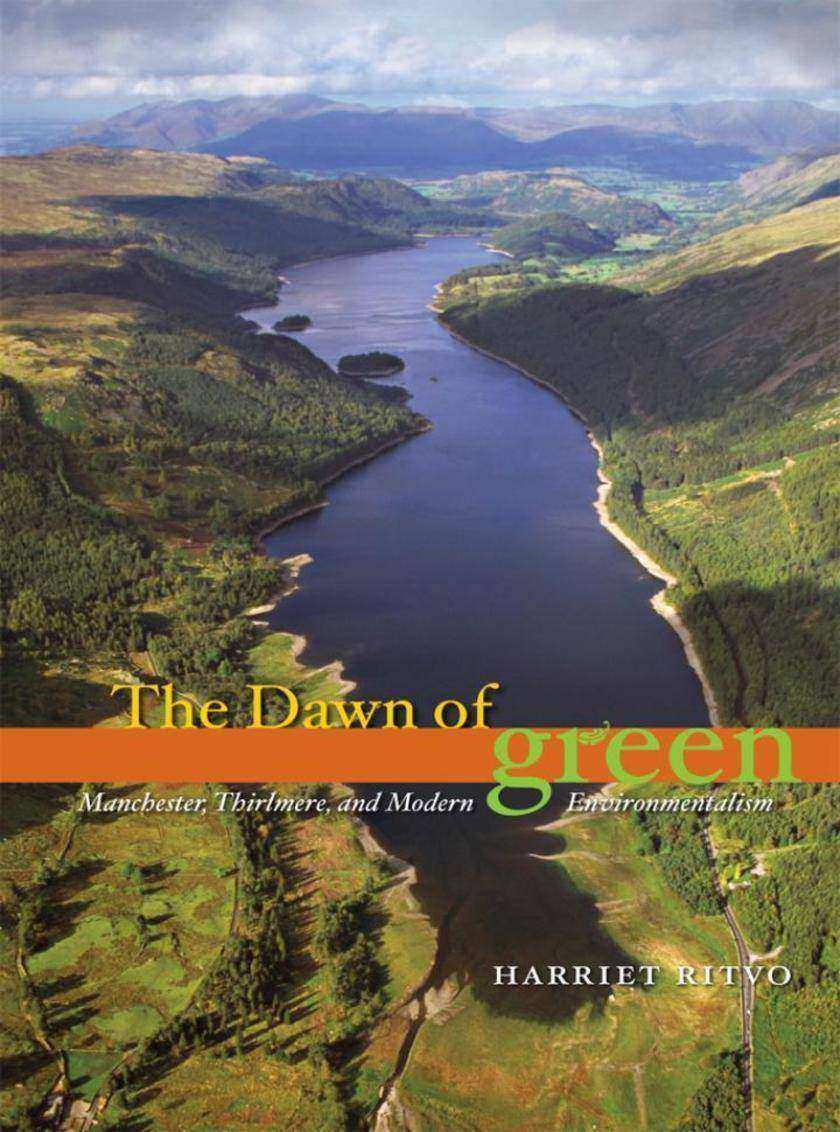
Dawn of Green
¥147.15
Located in the heart of England's Lake District, the placid waters of Thirlmere seem to be the embodiment of pastoral beauty. But under their calm surface lurks the legacy of a nineteenth-century conflict that pitted industrial progress against natural conservation-and helped launch the environmental movement as we know it. Purchased by the city of Manchester in the 1870s, Thirlmere was dammed and converted into a reservoir, its water piped one hundred miles south to the burgeoning industrial city and its workforce. This feat of civil engineering-and of natural resource diversion-inspired one of the first environmental struggles of modern times. The Dawn of Green re-creates the battle for Thirlmere and the clashes between conservationists who wished to preserve the lake and developers eager to supply the needs of a growing urban population. Bringing to vivid life the colorful and strong-minded characters who populated both sides of the debate, noted historian Harriet Ritvo revisits notions of the natural promulgated by romantic poets, recreationists, resource managers, and industrial developers to establish Thirlmere as the template for subsequent-and continuing-environmental struggles.
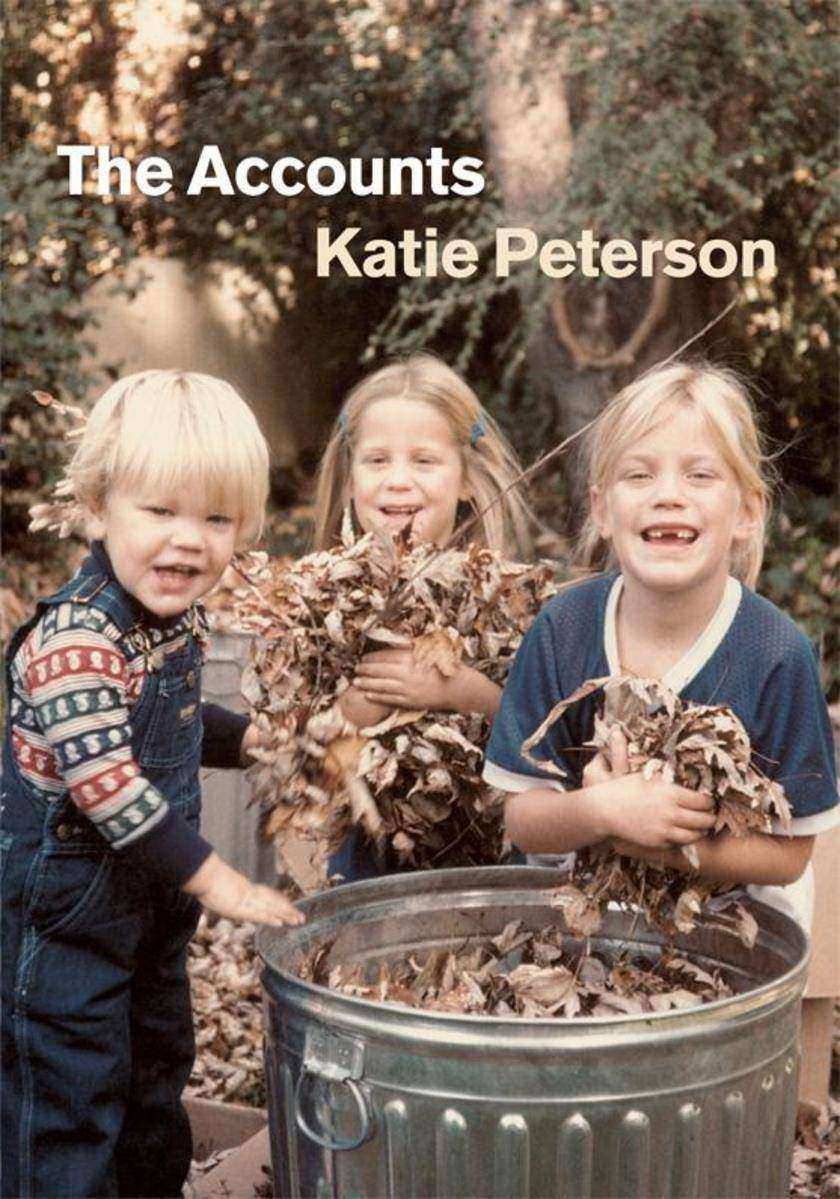
Accounts
¥147.15
The death of a mother alters forever a family's story of itself. Indeed, it taxes the ability of a family to tell that story at all. The Accounts narrates the struggle to speak with any clear understanding in the wake of that loss. The title poem attempts three explanations of the departure of a life from the earth-a physical account, a psychological account, and a spiritual account. It is embedded in a long narrative sequence that tries to state plainly the facts of the last days of the mother's life, in a room that formerly housed a television, next to a California backyard. The visual focus of that sequence, a robin's nest, poised above the family home, sings in a kind of lament, giving its own version of ways we can see the transformation of the dying into the dead. In other poems, called "e;Arguments,"e; two voices exchange uncertain truths about subjects as high as heaven and as low as crime. Grief is a problem that cannot be solved by thinking, but that doesn't stop the mind, which relentlessly carries on, trying in vain to settle its accounts. The death of a well-loved person creates a debt that can never be repaid. It reminds the living of our own psychological debts to each other, and to the dead. In this sense, the death of this particular mother and the transformation of this particular family are evocative of a greater struggle against any changing reality, and the loss of all beautiful and passing forms of order.
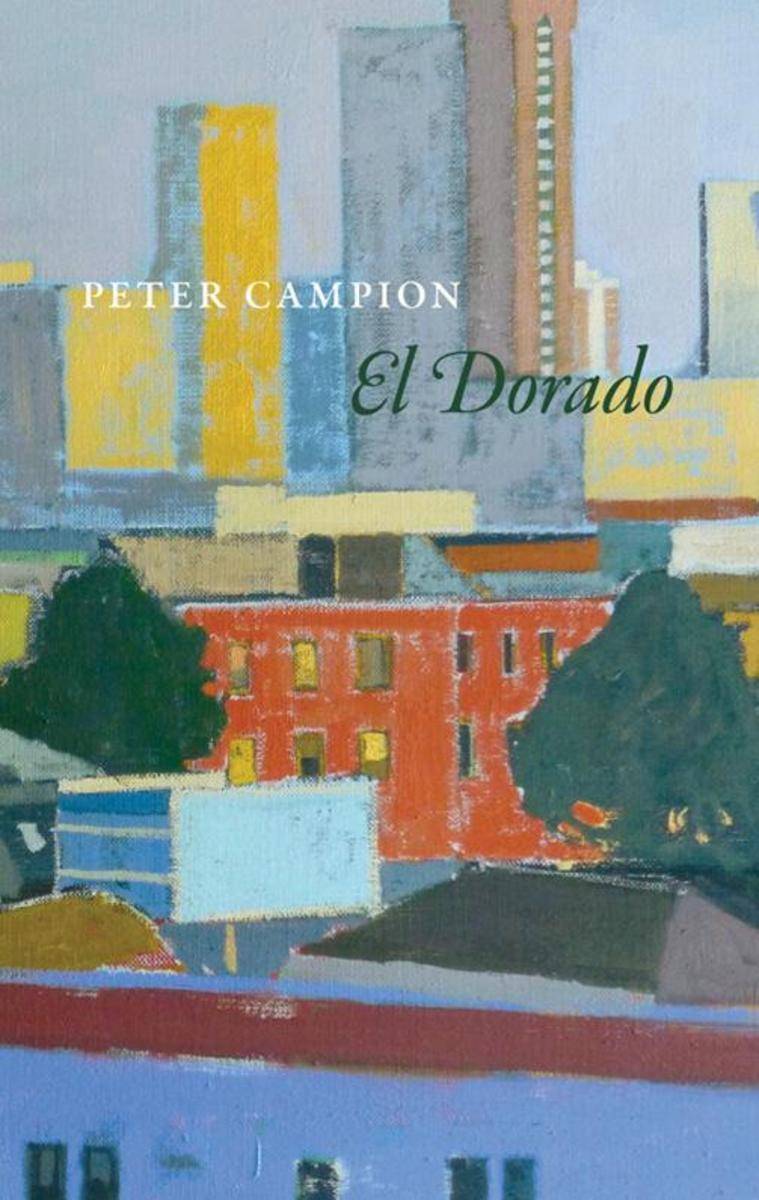
El Dorado
¥147.15
In El Dorado, Peter Campion explores what it feels like to live in America right now, at the beginning of the twenty-first century. Splicing cell-phone chatter with translations of ancient poems, jump-cutting from traditional to invented forms, and turning his high-res lens on everything from box stores to trout streams to airport lounges, Campion renders both personal and collective experience with capacious and subtle skill.
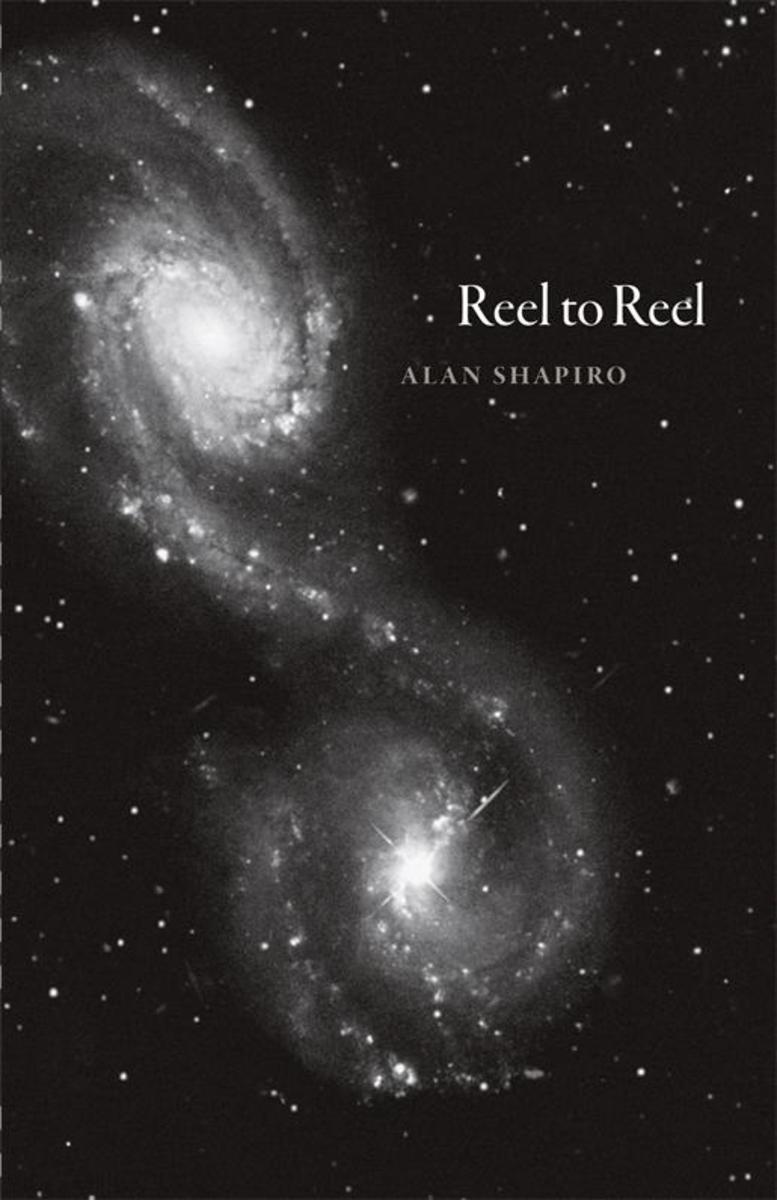
Reel to Reel
¥147.15
Reel to Reel, Alan Shapiro's twelfth collection of poetry, moves outward from the intimate spaces of family and romantic life to embrace not only the human realm of politics and culture but also the natural world, and even the outer spaces of the cosmos itself. In language richly nuanced yet accessible, these poems inhabit and explore fundamental questions of existence, such as time, mortality, consciousness, and matter. How did we get hereWhy is there something rather than nothingHow do we live fully and lovingly as conscious creatures in an unconscious universe with no ultimate purpose or destination beyond returning to the abyss that spawned usShapiro brings his humor, imaginative intensity, characteristic syntactical energy, and generous heart to bear on these ultimate mysteries. In ways few poets have done, he writes from a premodern, primal sense of wonder about our postmodern world.
Anyone
¥147.15
Milton's GodWhere I-95 meets The Pike,a ponderous thunderhead flowered-?stewed a minute, then flippedlike a flash card, tatterededges crinkling in, linings so darkwith excessive bright?that, standing, waiting, at the overpass edge,the onlooker couldn't decide?until the end, or even then,what was revealed and what had been hidden.Using a variety of forms and achieving a range of musical effects, Nate Klug's Anyone traces the unraveling of astonishment upon small scenes-natural and domestic, political and religious-across America's East and Midwest. The book's title foregrounds the anonymity it seeks through several means: first, through close observation (a concrete saw, a goshawk, a bicyclist); and, second, via translation (satires from Horace and Catullus, and excerpts from Virgil's Aeneid). Uniquely among contemporary poetry volumes, Anyone demonstrates fluency in the paradoxes of a religious existence: "e;To stand sometime / outside my faith . . . or keep waiting / to be claimed in it."e; Engaged with theology and the classics but never abstruse, all the while the poems remain grounded in the phenomenal, physical world of "e;what it is to feel: /moods, half moods, / swarming, then darting loose."e;
Disorder
¥147.15
MidsummerCambridge, MA, 2008?Midsummer. Finally, you are used to disappointment.A baby touches phlox. Many failures, many botched attempts,?A little success in unexpected forms. This is how the rest will go:The gravel raked, bricks ashen, bees fattened-honey not for babes.?All at once, a rustling, whole trees in shudder, clouds pulledWestward. You are neither here nor there, neither right nor?Wrong. The world is indifferent, tired of your insistence.Garter snakes swallow frogs. The earthworms coil.?On your fingers, the residue of red pistils. What have you made?What have you kept aliveGreen, a secret, occult,?Grass veining the hands. Someone's baby toddling.And the phlox white. For now. Midsummer.A remarkable first book, Disorder tells the story, by turns poignant and outrageous, of a family's dislocation over four continents during the course of a hundred years. In short lyrics and longer narrative poems, Vanesha Pravin takes readers on a kaleidoscopic trek, from Bombay to Uganda, from England to Massachusetts and North Carolina, tracing the path of familial love, obsession, and the passage of time as filtered through the perceptions of family members and a host of supporting characters, including ubiquitous paparazzi, amorous vicars, and a dubious polygamist. We experience throughout a speaker forged by a deep awareness of intergenerational, multicontinental consciousness. At once global and personal, crossing ethnic, linguistic, and national boundaries in ways that few books of poetry do, Disorder bristles with quiet authority backed by a skeptical intelligence.
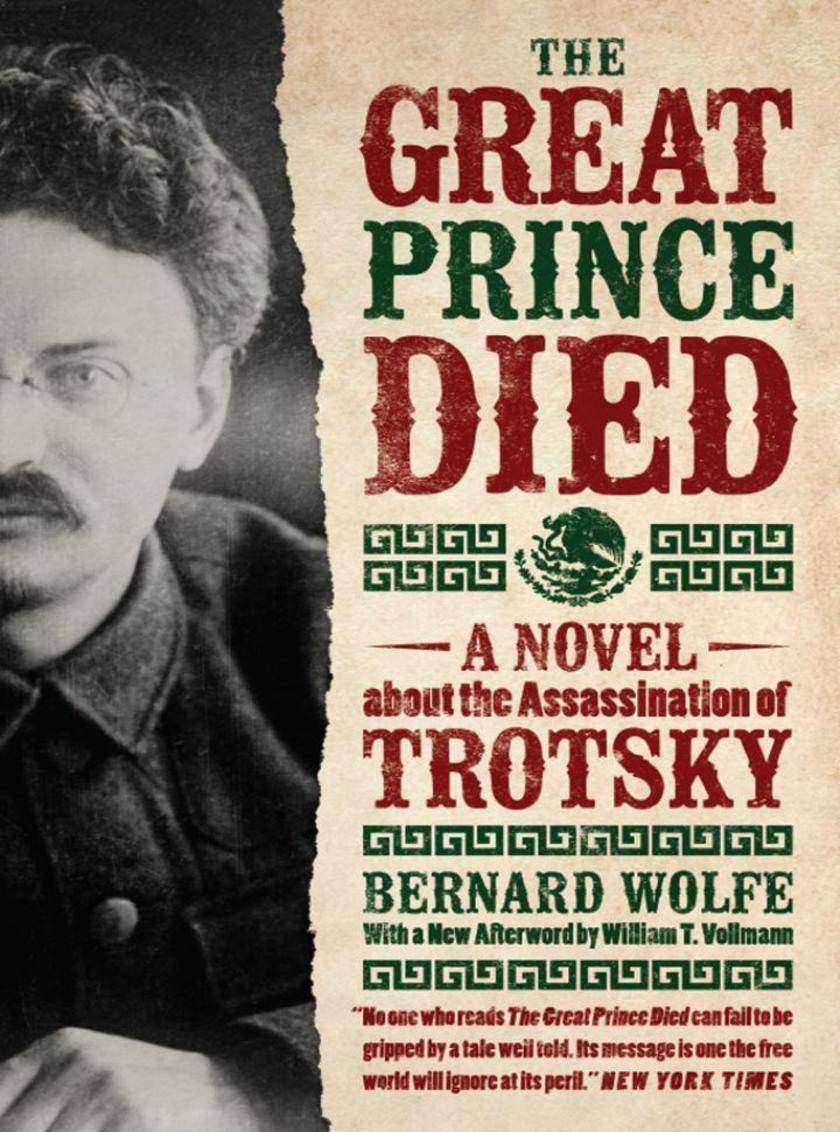
Great Prince Died
¥147.15
On August 20, 1940, Marxist philosopher, politician, and revolutionary Leon Trotsky was attacked with an ice axe in his home in Coyoacan, Mexico. He died the next day.In The Great Prince Died, Bernard Wolfe offers his lyrical, fictionalized account of Trotsky's assassination as witnessed through the eyes of an array of characters: the young American student helping to translate the exiled Trotsky's work (and to guard him), the Mexican police chief, a Rumanian revolutionary, the assassin and his handlers, a poor Mexican "e;pen,"e; and Trotsky himself. Drawing on his own experiences working as the exiled Trotsky's secretary and bodyguard and mixing in digressions on Mexican culture, Stalinist tactics, and Bolshevik history, Wolfe interweaves fantasy and fact, delusion and journalistic reporting to create one of the great political novels of the past century.


