


 购物车
购物车 个人中心
个人中心
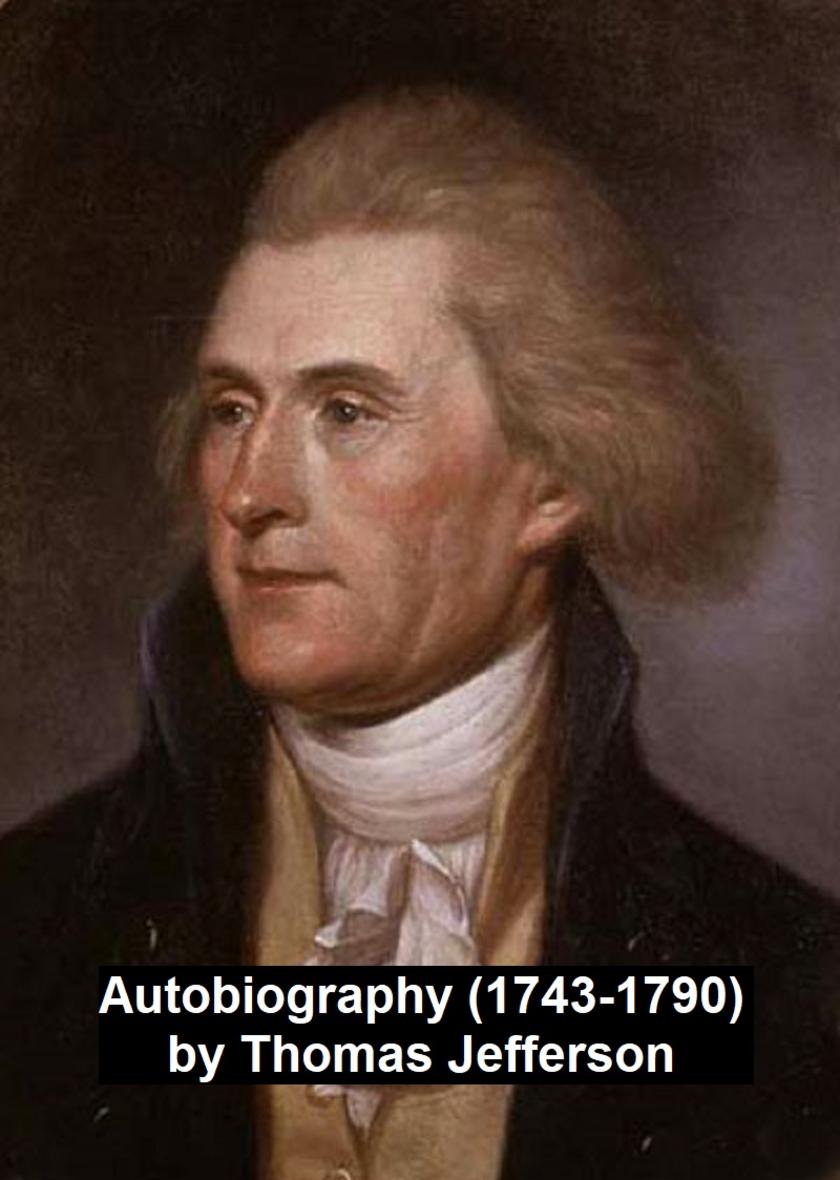
Autobiography (1743-1790)
¥8.09
According to Wikipedia: "Thomas Jefferson (April 13, 1743 – July 4, 1826)[1] was the third President of the United States (1801–1809), the principal author of the Declaration of Independence (1776), and one of the most influential Founding Fathers for his promotion of the ideals of republicanism in the United States. Major events during his presidency include the Louisiana Purchase (1803) and the Lewis and Clark Expedition (1804–1806). As a political philosopher, Jefferson was a man of the Enlightenment and knew many intellectual leaders in Britain and France. He idealized the independent yeoman farmer as exemplar of republican virtues, distrusted cities and financiers, and favored states' rights and a strictly limited federal government. Jefferson supported the separation of church and state[2] and was the author of the Virginia Statute for Religious Freedom (1779, 1786). He was the eponym of Jeffersonian democracy and the co-founder and leader of the Democratic-Republican Party, which dominated American politics for a quarter-century. Jefferson served as the wartime Governor of Virginia (1779–1781), first United States Secretary of State (1789–1793) and second Vice President (1797–1801). A polymath, Jefferson achieved distinction as, among other things, a horticulturist, statesman, architect, archaeologist, inventor, and founder of the University of Virginia."
Personal Recollections of Joan of Arc
¥8.09
Fictionalized history. According to Wikipedia: "Samuel Langhorne Clemens (1835 – 1910), better known by the pen name Mark Twain, was an American author and humorist. Twain is most noted for his novels Adventures of Huckleberry Finn, which has since been called the Great American Novel and The Adventures of Tom Sawyer. He is extensively quoted. During his lifetime, Twain became a friend to presidents, artists, industrialists and European royalty. Twain enjoyed immense public popularity, and his keen wit and incisive satire earned him praise from both critics and peers. American author William Faulkner called Twain "the father of American literature."
Littérature et Philosophie Mêlées
¥8.09
Livre classique de la critique littéraire et de la philosophie, publié en 1834. Selon Wikipédia: "Victor-Marie Hugo (26 février 1802 - 22 mai 1885) était un poète, dramaturge, romancier, essayiste, artiste visuel, homme d'?tat, défenseur des droits humains En France, la renommée littéraire de Hugo vient d'abord de sa poésie, mais repose aussi sur ses romans et ses réalisations dramatiques Parmi de nombreux volumes de poésie, Les Contemplations et La Légende des siècles tiennent particulièrement haut dans l'estime critique et Hugo est parfois identifié comme le plus grand poète fran?ais.A l'extérieur de la France, ses ?uvres les plus connues sont les romans Les Misérables et Notre-Dame de Paris (connu aussi en anglais sous le nom de Le Bossu de Notre Dame). il était jeune, Hugo devint plus libéral au fil des décennies, il devint un partisan passionné du républicanisme et son travail touche à la plupart des questions politiques et sociales et artistiques. nds de son temps. Il est enterré au Panthéon. "
The Letters of Henry James: Volume 2
¥8.09
Dodo Collections brings you another classic from Henry James, ‘The Letters of Henry James: Volume Two’. ? The Complete Letters of Henry James fills a crucial gap in modern literary studies by presenting in a scholarly edition the complete letters of one of the great novelists and letter writers of the English language. Comprising more than ten thousand letters reflecting on a remarkably wide range of topics—from James’s own life and literary projects to broader questions on art, literature, and criticism. ? Henry James, OM (15 April 1843 – 28 February 1916) was an American writer who spent most of his writing career in Britain. He is regarded as one of the key figures of 19th-century literary realism. He was the son of Henry James, Sr. and the brother of philosopher and psychologist William James and diarist Alice James. ? He is best known for a number of novels showing Americans encountering Europe and Europeans. His method of writing from a character's point of view allowed him to explore issues related to consciousness and perception, and his style in later works has been compared to impressionist painting. His imaginative use of point of view, interior monologue and unreliable narrators brought a new depth to narrative fiction. ? James contributed significantly to literary criticism, particularly in his insistence that writers be allowed the greatest possible freedom in presenting their view of the world. James claimed that a text must first and foremost be realistic and contain a representation of life that is recognizable to its readers. Good novels, to James, show life in action and are, most importantly, interesting. In addition to his voluminous works of fiction he published articles and books of travel, biography, autobiography, and criticism, and wrote plays. James alternated between America and Europe for the first twenty years of his life; eventually he settled in England, becoming a British subject in 1915, one year before his death. James was nominated for the Nobel Prize in Literature in 1911, 1912, and 1916.
Sand - Flaubert Letters
¥8.09
Classic literary correspondence in English translation. According to Wikipedia: "Amandine Aurore Lucile Dupin, Baroness Dudevant (July 1, 1804 – June 8, 1876), best known by her pseudonym George Sand, was a French novelist and feminist.... A liaison with the writer Jules Sandeau heralded her literary debut. They published a few stories in collaboration, signing them "Jules Sand." She consequently adopted, for her first independent novel, Indiana (1832) , the pen name that made her famous – George Sand. Her first published novel, Rose et Blanche (1831), was written in collaboration with Jules Sandeau. Drawing from her childhood experiences of the countryside, she wrote the rural novels La Mare au Diable (1846), Fran?ois le Champi (1847–1848), La Petite Fadette (1849), and Les Beaux Messieurs Bois-Doré (1857). A Winter in Majorca described the period that she and Chopin spent on that island in 1838-9. Her other novels include Indiana (1832), Lélia (1833), Mauprat (1837), Le Compagnon du Tour de France (1840), Consuelo (1842–1843), and Le Meunier d'Angibault (1845). Further theatre pieces and autobiographical pieces include Histoire de ma vie (1855), Elle et Lui (1859) (about her affair with Musset), Journal Intime, and Correspondence..... Also according to Wikipedia: "Gustave Flaubert (December 12, 1821 – May 8, 1880) was a French writer who is counted among the greatest Western novelists. He is known especially for his first published novel, Madame Bovary (1857), and for his scrupulous devotion to his art and style, best exemplified by his endless search for "le mot juste" ("the precise word")."
Walden
¥8.09
The classic essays. According to Wikipedia: "Henry David Thoreau (1817 – 1862) was an American author, naturalist, transcendentalist, tax resister, development critic, surveyor, stage writer and philosopher. He is best known for his book Walden, a reflection upon simple living in natural surroundings, and his essay, Civil Disobedience, an argument for individual resistance to civil government in moral opposition to an unjust state. Thoreau's books, articles, essays, journals, and poetry total over 20 volumes. Among his lasting contributions were his writings on natural history and philosophy, where he anticipated the methods and findings of ecology and environmental history, two sources of modern day environmentalism...Thoreau is sometimes cited as an individualist anarchist as well as an inspiration to anarchists. Though Civil Disobedience calls for improving rather than abolishing government – "I ask for, not at once no government, but at once a better government" – the direction of this improvement aims at anarchism: “‘That government is best which governs not at all;’ and when men are prepared for it, that will be the kind of government which they will have.”

The Crimes of England
¥8.09
Collection of humorous historical essays. According to Wikipedia: "Gilbert Keith Chesterton (1874 - 1936) was an influential English writer of the early 20th century. His prolific and diverse output included journalism, philosophy, poetry, biography, Christian apologetics, fantasy and detective fiction. Chesterton has been called the "prince of paradox."[1] He wrote in an off-hand, whimsical prose studded with startling formulations. For example: "Thieves respect property. They merely wish the property to become their property that they may more perfectly respect it."[2] He is one of the few Christian thinkers who are equally admired and quoted by both liberal and conservative Christians, and indeed by many non-Christians. Chesterton's own theological and political views were far too nuanced to fit comfortably under the "liberal" or "conservative" banner."
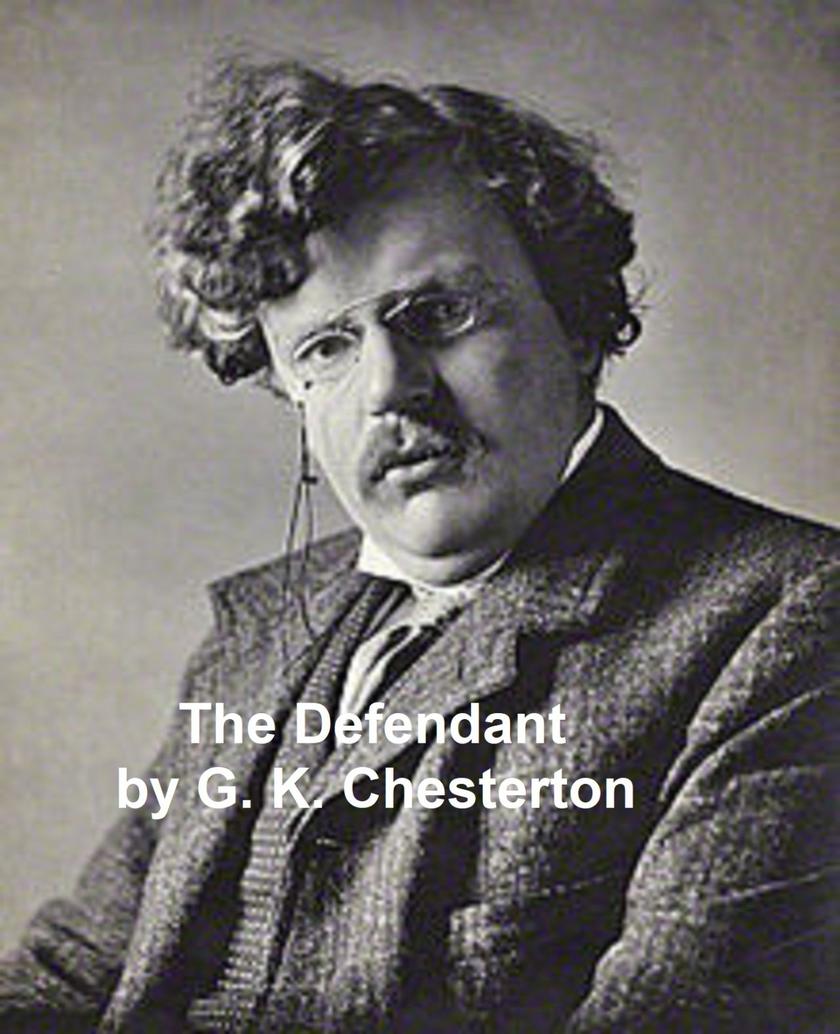
The Defendant
¥8.09
Collection of humorous essays. According to Wikipedia: "Gilbert Keith Chesterton (1874 - 1936) was an influential English writer of the early 20th century. His prolific and diverse output included journalism, philosophy, poetry, biography, Christian apologetics, fantasy and detective fiction. Chesterton has been called the "prince of paradox."[1] He wrote in an off-hand, whimsical prose studded with startling formulations. For example: "Thieves respect property. They merely wish the property to become their property that they may more perfectly respect it."[2] He is one of the few Christian thinkers who are equally admired and quoted by both liberal and conservative Christians, and indeed by many non-Christians. Chesterton's own theological and political views were far too nuanced to fit comfortably under the "liberal" or "conservative" banner."
Essays and Lectures
¥8.09
Dodo Collections brings you another classic from Oscar Wilde, ‘Essays and Lectures’. It is a collection of essays, lectures, reviews, letters, and aphorisms by Oscar Wilde. Oscar Fingal O'Flahertie Wills Wilde (16 October 1854 – 30 November 1900) was an Irish author, playwright and poet. After writing in different forms throughout the 1880s, he became one of London's most popular playwrights in the early 1890s. He is remembered for his epigrams, his novel The Picture of Dorian Gray, his plays, as well as the circumstances of his imprisonment and early death. At the height of his fame and success, while his masterpiece, The Importance of Being Earnest (1895), was still on stage in London, Wilde had the Marquess of Queensberry prosecuted for libel. The Marquess was the father of Wilde's lover, Lord Alfred Douglas. The charge carried a penalty of up to two years in prison. The trial unearthed evidence that caused Wilde to drop his charges and led to his own arrest and trial for gross indecency with other men. After two more trials he was convicted and imprisoned for two years' hard labour. In 1897, in prison, he wrote De Profundis, which was published in 1905, a long letter which discusses his spiritual journey through his trials, forming a dark counterpoint to his earlier philosophy of pleasure. Upon his release he left immediately for France, never to return to Ireland or Britain. There he wrote his last work, The Ballad of Reading Gaol (1898), a long poem commemorating the harsh rhythms of prison life. He died destitute in Paris at the age of 46.

Aesthetical and Philosophical Essays
¥8.09
The classic of literary theory. According to Wikipedia: ""Johann Christoph Friedrich von Schiller (1759 – 1805) was a German poet, philosopher, historian, and dramatist. During the last few years of his life (1788–1805), Schiller struck up a productive, if complicated, friendship with already famous and influential Johann Wolfgang Goethe, with whom he greatly discussed issues concerning aesthetics, encouraging Goethe to finish works he left merely as sketches; this thereby gave way to a period now referred to as Weimar Classicism."
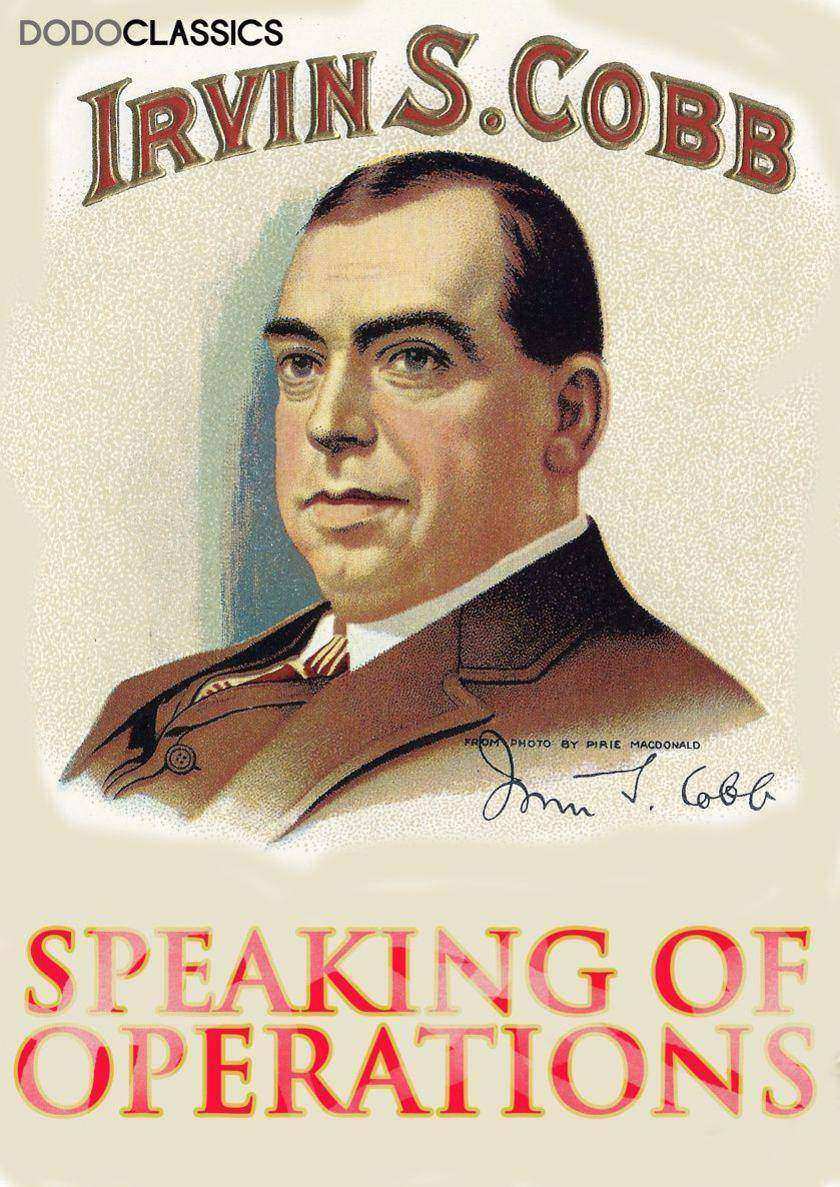
Speaking of Operations
¥8.09
Dodo Collections brings you another classic from Irvin S. Cobb, ‘"Speaking of Operations". ? Speaking of Operations is a monologue about the author's experience in having an operation in 1915 written in his typical tongue-in-cheek style. ? American author, humorist, editor and columnist from Paducah, Kentucky who relocated to New York during 1904, living there for the remainder of his life. ? Cobb joined the staff of the magazine Saturday Evening Post during 1911, and covered the Great War for the magazine. At the same time, he wrote a book about his experiences, published during 1915, titled Paths Of Glory. After a second visit to France to cover the Great War, Cobb publicized the achievements of the unit known as theHarlem Hellfighters, most notably, Croix de Guerre recipients Henry Lincoln Johnson and Needham Roberts. His article "Young Black Joe," published on August 24, 1918 in theSaturday Evening Post and later republished in Cobb's book, The Glory of the Coming, highlighted the discipline and courage displayed by black American soldiers fighting in Europe during World War I. The three-page article and half-page photograph reached a national audience of more than two million readers, and was widely reprinted in the black press.
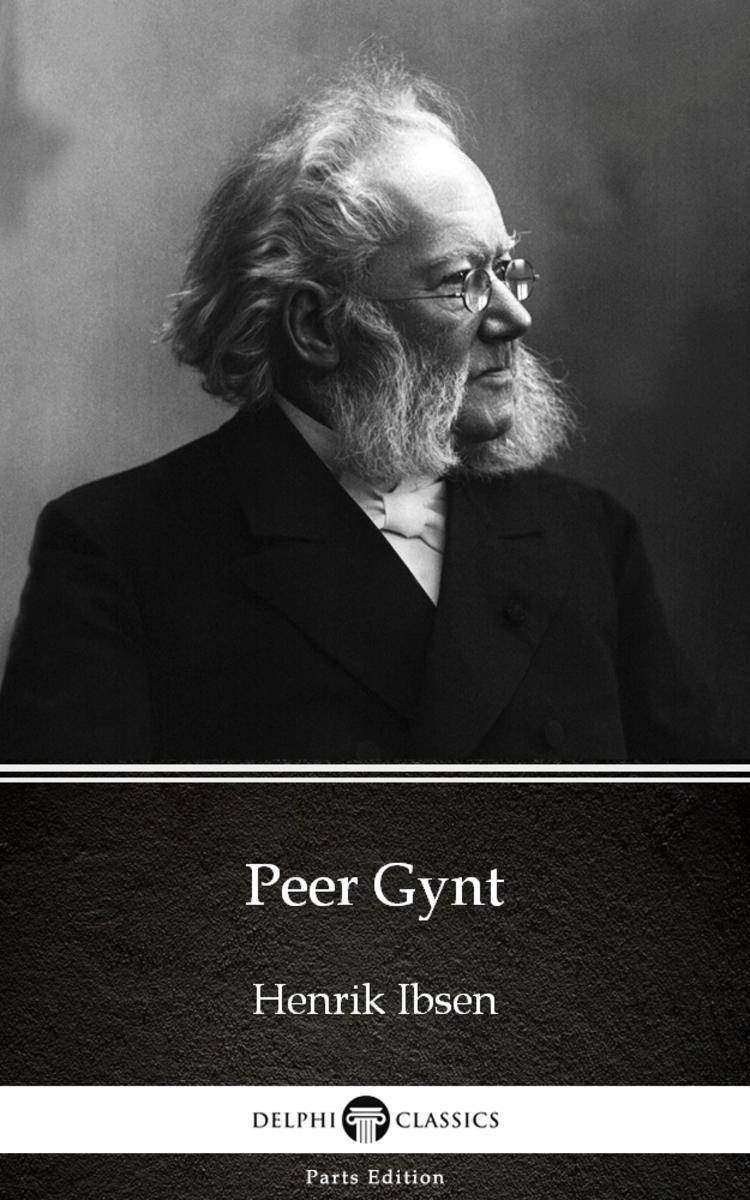
Peer Gynt by Henrik Ibsen - Delphi Classics (Illustrated)
¥8.09
This eBook features the unabridged text of ‘Peer Gynt by Henrik Ibsen - Delphi Classics (Illustrated)’ from the bestselling edition of ‘The Complete Works of Henrik Ibsen’. Having established their name as the leading publisher of classic literature and art, Delphi Classics produce publications that are individually crafted with superior formatting, while introducing many rare texts for the first time in digital print. The Delphi Classics edition of Ibsen includes original annotations and illustrations relating to the life and works of the author, as well as individual tables of contents, allowing you to navigate eBooks quickly and easily. eBook features: * The complete unabridged text of ‘Peer Gynt by Henrik Ibsen - Delphi Classics (Illustrated)’ * Beautifully illustrated with images related to Ibsen’s works * Individual contents table, allowing easy navigation around the eBook * Excellent formatting of the text Please visit www.delphiclassics.com to learn more about our wide range of titles
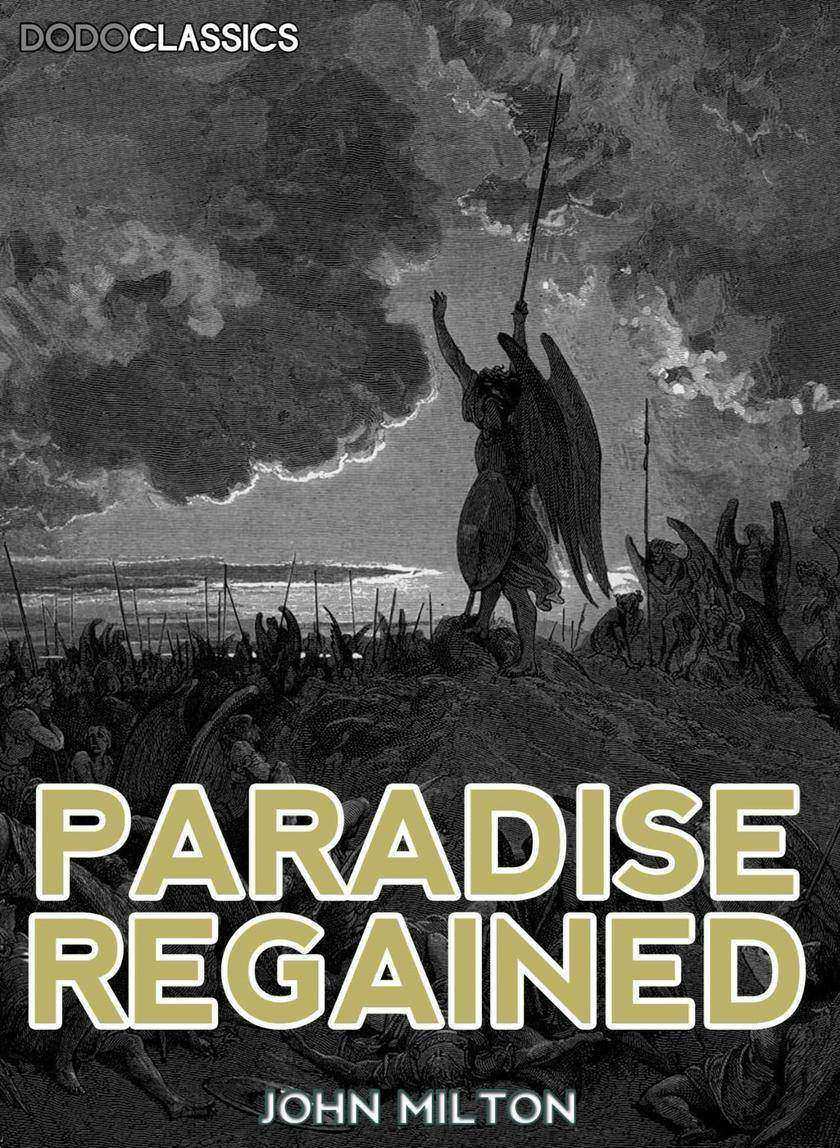
Paradise Regained
¥8.09
Paradise Regained is a poem by English poet John Milton, first published in 1671 by John Macock. The volume in which it appeared also contained the poet's closet drama Samson Agonistes. Paradise Regained is connected by name to his earlier and more famous epic poem Paradise Lost, with which it shares similar theological themes; indeed, its title, its use of blank verse, and its progression through Christian history recall the earlier work. However, this effort deals primarily with the temptation of Christ as recounted in the Gospel of Luke. ? An interesting anecdote recounted by a Quaker named Thomas Ellwood provides some insight into Paradise Regained??'?s development. After studying Latin with Milton and reading the poet's epic Paradise Lost, Ellwood remarked, "Thou hast said much here of Paradise lost, but what hast thou to say of Paradise found?" Hearing this, Milton at first "sat some time in a muse" before changing the subject; however, later on he showed to Ellwood a new manuscript entitled Paradise Regained. Some maintain that although he seemed to express gratitude to Ellwood in a letter, Milton in truth "passed on a friendly if impish fabrication" that made Ellwood feel like the inspiration for the poem. Milton composed Paradise Regained at his cottage in Chalfont St Giles in Buckinghamshire. The poem is four books long, in contrast with Paradise Lost??'?s twelve. As such, Barbara K. Lewalski has labelled the work a "brief epic." ? Whereas Paradise Lost is ornate in style and decorative in its verse, Paradise Regained is carried out in a fairly plain style. Specifically, Milton reduces his use of simile and deploys a simpler syntax in Paradise Regained than he does in Paradise Lost, and this is consistent with Jesus's sublime plainness in his life and teachings (in the epic, he prefers Hebrew psalms to Greek poetry). Modern editors believe the stylistics of Paradise Regained evince Milton's poetic maturity. No longer is the poet out to dazzle his readers with bombastic verse and lengthy epic similes. This is not to say that the poem bears no affinities with Milton's earlier work, but scholars continue to agree with Northrop Frye's suggestion that Paradise Regained is "practically sui generis" in its poetic execution. ? One major concept emphasized throughout Paradise Regained is the idea of reversals. As implied by its title, Milton sets out to reverse the "loss" of Paradise. Thus, antonyms are often found next to each other, reinforcing the idea that everything that was lost in the first epic will be regained by the end of this "brief epic." Additionally, the work focuses on the idea of "hunger", both in a literal and in a spiritual sense. After wandering in the wilderness for forty days, Jesus is starving for food. Satan, too blind to see any non-literal meanings of the term, offers Christ food and various other temptations, but Jesus continually denies him. Although Milton's Jesus is remarkably human, an exclusive focus on this dimension of his character obscures the divine stakes of Jesus’s confrontation with Satan; Jesus emerges victorious, and Satan falls, amazed.

John Milton Complete Works – World’s Best Collection: 150+ Works
¥8.09
John Milton Complete Works World's Best Collection This is the world’s best John Milton collection, including the most complete set of Milton’s works available plus many free bonus materials. John Milton John Milton was an English poet, polemicist, man of letters, and civil servant for the Commonwealth of England under Oliver Cromwell, best known for his epic poem Paradise Lost. Milton wrote at a time of religious and political upheaval, and his works reflect a passion for freedom, self-determination, and deep personal conviction. He has been called one of the greatest English authors of all time The ‘Must-Have’ Complete Collection In this irresistible collection you get a full set of Milton’s work, with more than 150 works - All his poems, All poetry, All Letters, All Prose and All Non-Fiction Works. Plus a full length biography and extra Free Bonus material. Works Included: Poetry -?All Poems, Early Works And Collections, Including: Paradise Lost Paradise Regained Samson Agonistes All Psalms That Milton Set To Verse All Religious Poetry All Sonnets, Including: On His Blindness On the Late Massacre in Piedmont Methought I Saw my Late Espoused Saint All Tracts, Non Fiction And Writing, Including: Of Prelatical Episcopacy Animadversions The Reason of Church-Government Doctrine and Discipline of Divorce Judgement of Martin Bucer Concerning Divorce Tetrachordon Colasterion Areopagitica The Tenure of Kings and Magistrates Eikonoklastes Defensio pro Populo Anglicano – in English Defensio Secunda – in English A Treatise of Civil Power All Letters, Including: Letters Written In The Name Of The Parliament. Letters Written In The Name Of Oliver The Protector. Letters Written In The Name Of Richard, Protector. Your Free Special Bonuses Life Of Milton - A biography of Milton’s intriguing life. Milton – a second biography, written by Sir Walter Alexander Raleigh Get This Collection Right Now This is the best John Milton collection you can get, so get it now and start enjoying and being inspired by his words like never before!
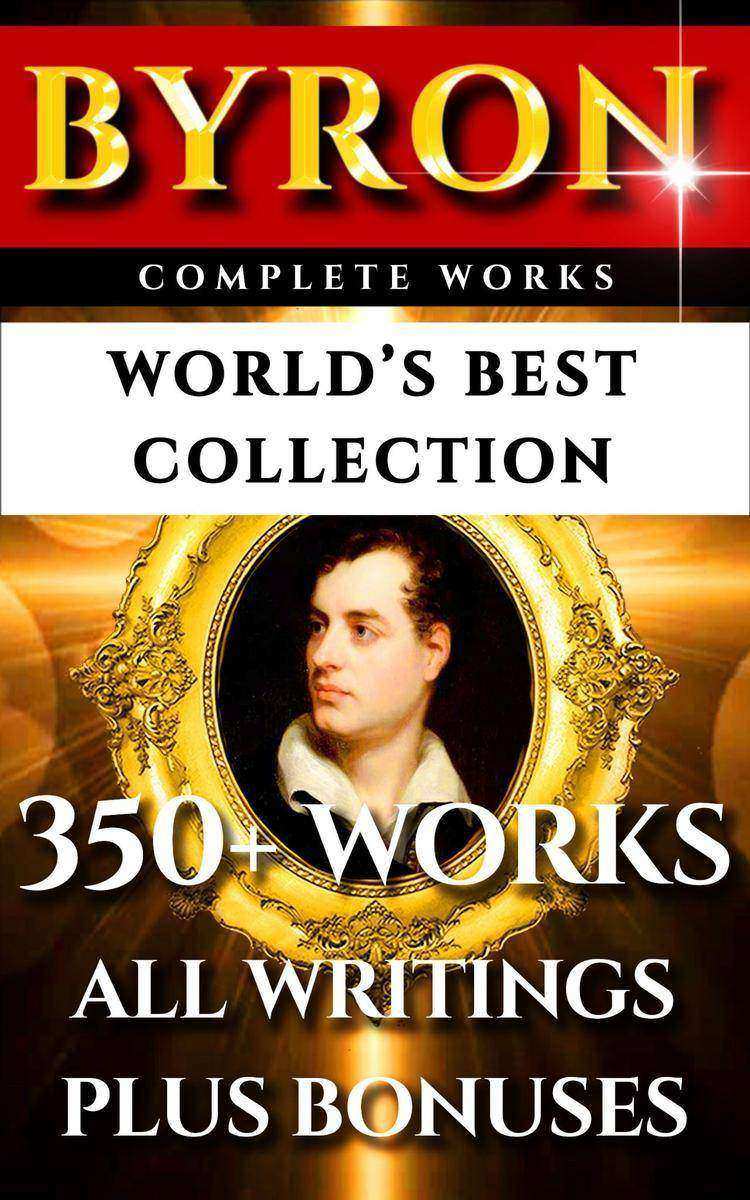
Lord Byron Complete Works – World’s Best Collection: 350+ Works
¥8.09
Lord Byron Complete Works Ultimate Collection This is the world's best Byron collection, including the most complete set of Byron's works available plus many free bonus materials. Lord Byron Byron was an English poet and a leading figure in the Romantic Movement. He is still regarded as one of the all-time greatest British poets; and he remains widely read and extremely influential The Most Complete Collection Available In this irresistible collection you get a full set of Byron's work, All his poetry, All his longer pieces, All his rarities and All his legendary works. Plus a bonus Biography. Works Included: Poetry Including: Poems On Various Occasions Hours Of Idleness Poems Of The Separation Fugitive Pieces Hebrew Melodies Including poems such as: A Woman's Hair On The Death Of Mr. Fox She Walks In Beauty The Wild Gazelle Sun Of The Sleepless! The Destruction Of Sennacherib Love And Gold Stanzas For Music The Siege Of Corinth “By The Waters Of Babylon.” The Prisoner Of Chillon The Dream Darkness Prometheus Don Juan English Bards And Scotch Reviewers Longer Works Including: The Curse Of Minerva The Waltz Childe Harold's Pilgrimage The Giaour The Bride Of Abydos The Corsair Manfred Ravenna Sardanapalus The Deformed Transformed Your Free Special BonusesAlso included in this collection is the following: The Life Of Lord Byron – a biography detailing Byron's intriguing and fascinating life Historical Context and Literary Context Notes - Detailed explanations of the Regency Era and Romanticism, written specially for this collection Get This Collection Right Now This is the best Lord Byron collection you can get, so get it now and start enjoying and being inspired by his world like never before.
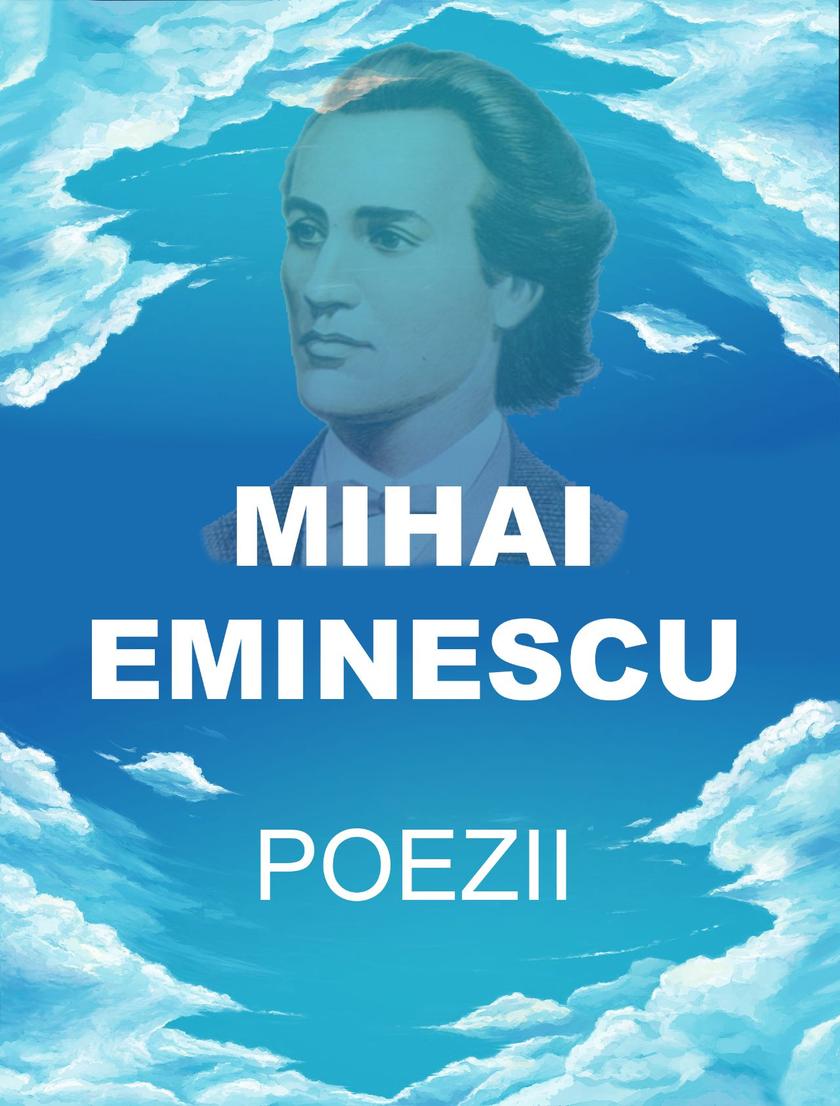
Poezii
¥8.09
FLUX PERMANENT Scene ?i secven?e cur??ate de resorturile sugestiilor automate sunt eroii poeticii Ioanei Geac?r. ?pe scaunul de la cinema las? dinadins trandafirul/ lumina se va stinge/ ?i doar lic?ririle dinspre ecran sau dinspre u?a deschis?/ ?i vor m?ng?ia genunchii“ (?Cinema“) astfel de imagini ale singur?t??ii aflate ?n permanent? rela?ie cu tot ceea ce este ?n jur lumineaz? noul volum al Ioanei Geac?r. P?n? ?i titlul c?r?ii sale de la Casa de Pariuri Literare func?ioneaz? dup? aceea?i dinaminc? a izol?rii ?n mijlocul lucrurilor. Singur?tatea unui titlu ??Recviem pentru nuca verde? e un titlu de poem care m? b?ntuie de c?teva zile ?i uite unde a r?s?rit! Am pus si eu un nuc l?ng? bloc, c??iva ar?ari, plopi, tei, dar nu s-a prins dec?t un m?r care s-a dovedit a fi dud ?n cele din urm?. Toate vr?biile din cartier m? iubesc.“ scria Ioana Geac?r ?n urm? cu 5 ani pe un site literar. ?ntre timp, titlul acela pare s? fi preluat controlul asupra unui ?ntreg volum de poezii. Un volum ?n care nu este niciun poem care s? fie explicit recviem ?i nici de nuci nu vine vorba dec?t ?n interiorul cuv?ntului ?siNUCIdere“ sau c?nd ?sinuciga?ul alege din libr?rie c?teva c?r?i de pus sub picioare“. Verde ?n ce prive?te, ?ns?, felurile ?n care apare culoarea ?verde“ ?n volumul de fa?? al Ioanei Geac?r se pot scrie pagini consistente. De la fluturele care ??i schimb? culoarea, la ?zidul crescut ca un mu?chi“ cu op?iuni de ?tergere ro?ii ?i verzi, sau la acoperi?urile sm?l?uite ?n acela?i poem (?printre ruinurile T?rgovi?tei“), ?n amestecul cromatic al trupurilor dintre blocuri, sau ?mirosul de verde“ din ?emo?ii ?n ghips“, ochiul ?ncol?cit ?i rochia mamei, acela?i motiv leag? stabilizeaz? traseul poetic parcurs ?n aceast? carte care ?ncepe cu ?the end“ ?i se ?nchide cu ?ziua abia a-nceput“, ?naintea finalului ?ioana deseneaz? raze la sf?r?itul caietului de poezii“. Poveste vs. prezen?a uman? Multe poeme din acest volum alterneaz? personalul ?i impersonalul, articolul nehot?r?t ?i m?rci ale posesivit??ii la distan?? de c?teva versuri. Dac? ar fi s? aleg un mecanism care s? fie responsabil pentru demersul poetic al Ioanei Geac?r acesta ar fi tocmai amendarea jocului literar gratuit. Fie c? preia desf??ur?ri nostalgice ori tablouri ale purit??ii, nara?iunile sunt pulverizate aici pentru a face loc unui contur uman: ?mi-e team?/ c? dac? z?mbesc fa?a mi se va descompune“ (?humpty dumpty“). ?ntr-un volum ?n care singurele cuvinte scrise cu majuscule sunt T?rgovi?te, Breughel cel B?tr?n sau Hieronymus Bosch ?i unde nu exist? nici m?car o singur? virgul?, reperele poeziei sunt puse la ?ncercare, iar ?ncercarea suprem? este leg?tura dintre elemente aparent disparate, dintre m?rci ale fragilit??ii ?i ipostaze brutale, o c?utare expresiv? ?n flux permanent.
Zece basarabeni pentru cultura rom?n? (interviuri cu tinerii dintre milenii)
¥8.09
Poemele lui Virgil Botnaru au una dintre cele mai rare caliti regsibile la un debutant: anume polifonia. Dei arat numaidect recognoscibil, ele sun diferit de la o seciune la alta a crii; se vede, vreau s spun, c-s produse de un acelai spirit i o aceeai energeia, ns sunetul lor e mereu altul. Uneori, ele par contaminate de un misticism aproape pios, ca-n poemul (aproape un haiku) n care poetul trece dimineaa devreme pe lng catedral i gsete c Dumnezeu doarme; pentru ca dup cteva pagini s gseti o strigtur licenioas de dou versuri, deucheat dar simpatic; iar, dup alte cteva pagini, poemele devin documente ale unei melancolii virile, alcoolizate & depresive. E limpede, pentru mine, c Virgil Botnaru e un poet, al crui instrument acoper cteva octave bune; i c tie, de la bun nceput, cum s i-l exploateze. E, adic, un poet despre care tiu sigur c voi mai vorbi–cu ncredere & apreciere.“ – Radu Vancu
Complete Anne of Green Gables Collection (Delphi Classics)
¥8.09
Complete Anne of Green Gables Collection (Delphi Classics)
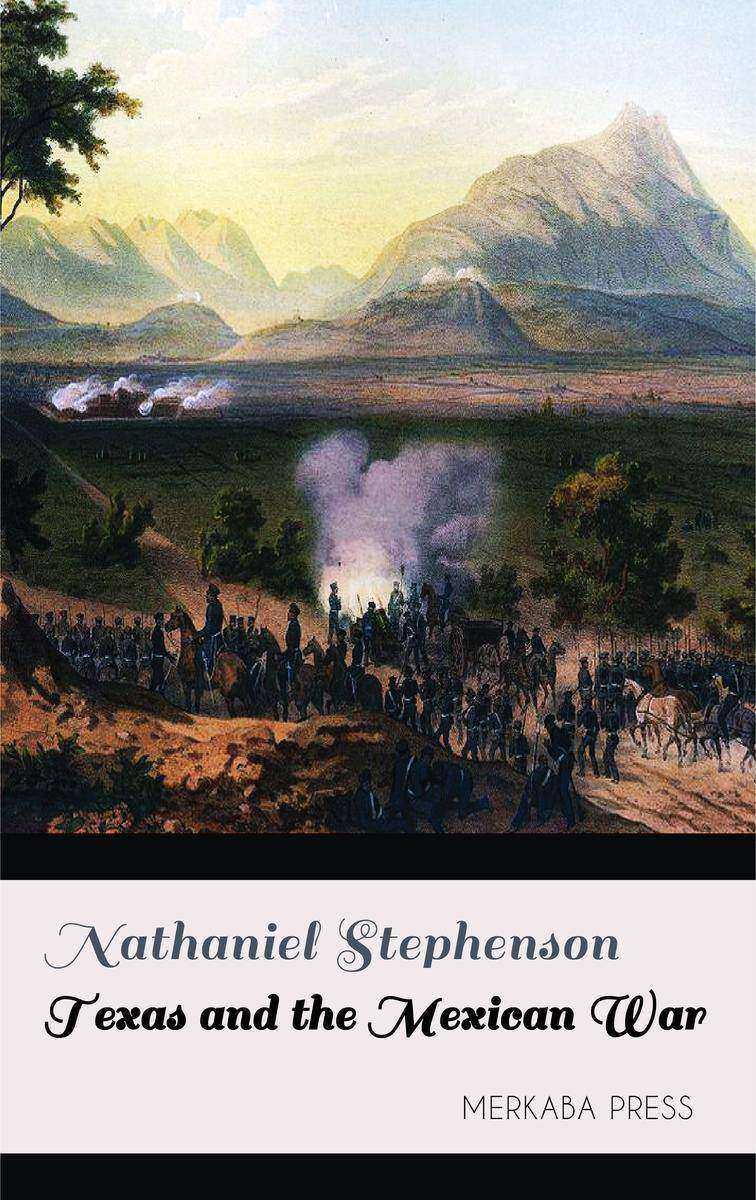
Texas and the Mexican War
¥8.09
Texas and the Mexican War
The Barbarian Invasions of Italy
¥8.09
The Barbarian Invasions of Italy
The Court of Philip IV
¥8.09
The Court of Philip IV


