


 购物车
购物车 个人中心
个人中心
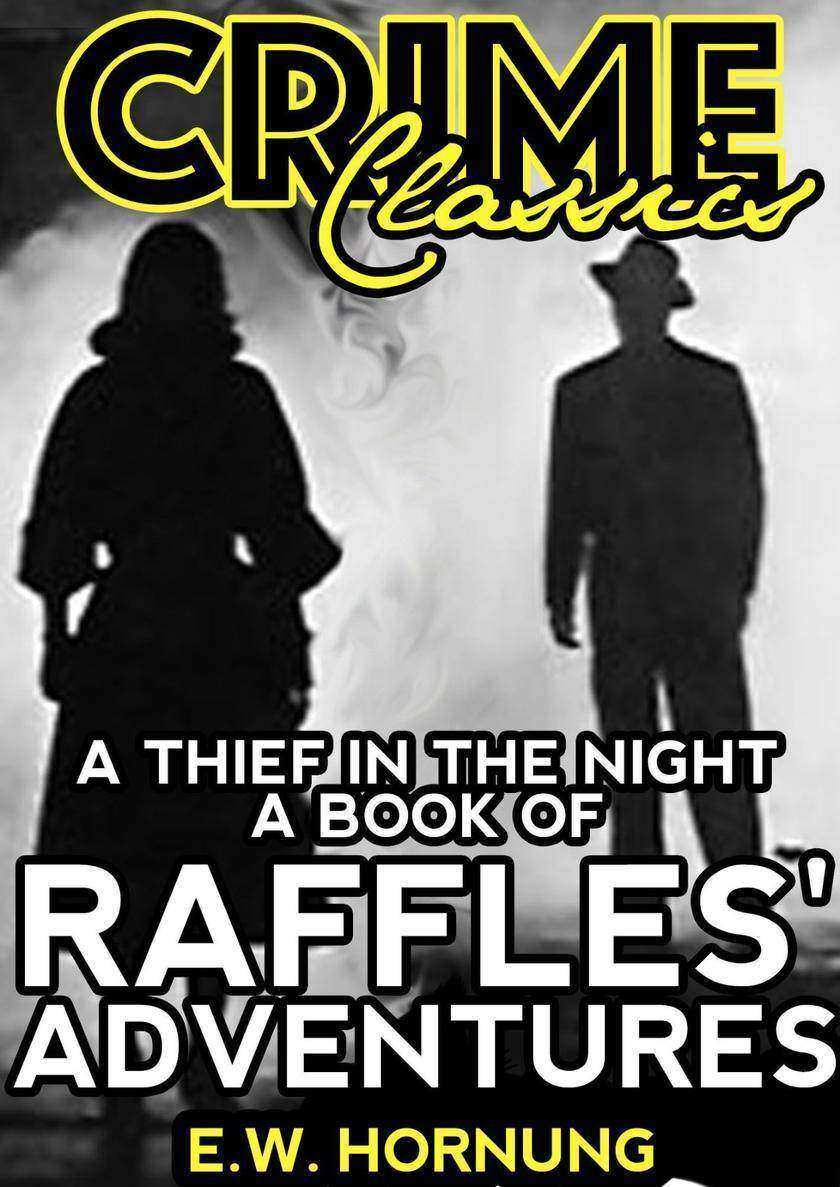
A Thief In The Night: A Book Of Raffles' Adventures
¥8.09
Classic Crime Press presents you A Thief in the Night: a Book of Raffles' Adventures in a fantastic ebook edition. ? A Thief in the Night is a 1905 collection of short stories by Ernest William Hornung, featuring his popular character A. J. Raffles. It was the third book in the series, and the final collection of short stories. In it, Raffles, a gentleman thief, commits a number of burglaries in late Victorian England. Chronicler and accomplice Bunny Manders narrates additional adventures which he had previously omitted, from various points in their criminal careers. A full-length Raffles novel, Mr. Justice Raffles, would follow in 1909. It too was set before the Boer War, with Raffles in his heyday as a gentlemen thief. Stories included in the book are: Out of Paradise The Chest of Silver The Rest Cure The Criminologists' Club The Field of Phillipi A Bad Night A Trap to Catch a Cracksman The Spoils of Sacrilege The Raffles Relics The Last Word

The Adventures Of Harry Revel
¥8.09
Dodo Collections brings you another classic from Arthur Quiller-Couch ‘The Adventures of Harry Revel.’ The Adventures of Harry Revel was first published in 1903. Sir Arthur Thomas Quiller-Couch was a Cornish writer, who published under the pen name of Q. He published his Dead Man's Rock (a romance in the vein of Stevenson's Treasure Island) in 1887, and he followed this up with Troy Town (1888) and The Splendid Spur (1889). After some journalistic experience in London, mainly as a contributor to the Speaker, in 1891 he settled at Fowey in Cornwall. He published in 1896 a series of critical articles, Adventures in Criticism, and in 1898 he completed Robert Louis Stevenson's unfinished novel, St Ives. With the exception of the parodies entitled Green Bays: Verses and Parodies (1893), his poetical work is contained in Poems and Ballads (1896). In 1895 he published an anthology from the sixteenth and seventeenth-century English lyrists, The Golden Pomp, followed in 1900 by an equally successful Oxford Book of English Verse, 1250-1900 (1900). He was made a Bard of Gorseth Kernow in 1928, taking the Bardic name Marghak Cough ('Red Knight'). Quiller-Couch was a noted literary critic, publishing editions of some of Shakespeare's plays (in the New Shakespeare, published by Cambridge University Press, with Dover Wilson) and several critical works, including Studies in Literature (1918) and On the Art of Reading (1920). He edited a successor to his verse anthology: Oxford Book of English Prose, which was published in 1923. He left his autobiography, Memories and Opinions, unfinished; it was nevertheless published in 1945.

The Complete Poetry by F. Scott Fitzgerald - Delphi Classics (Illustrated)
¥8.09
This eBook features the unabridged text of ‘The Complete Poetry by F. Scott Fitzgerald - Delphi Classics (Illustrated)’ from the bestselling edition of ‘The Complete Works of F. Scott Fitzgerald’. Having established their name as the leading publisher of classic literature and art, Delphi Classics produce publications that are individually crafted with superior formatting, while introducing many rare texts for the first time in digital print. The Delphi Classics edition of Fitzgerald includes original annotations and illustrations relating to the life and works of the author, as well as individual tables of contents, allowing you to navigate eBooks quickly and easily. eBook features: * The complete unabridged text of ‘The Complete Poetry by F. Scott Fitzgerald - Delphi Classics (Illustrated)’ * Beautifully illustrated with images related to Fitzgerald’s works * Individual contents table, allowing easy navigation around the eBook * Excellent formatting of the text Please visit www.delphiclassics.com to learn more about our wide range of titles

Shining Ferry
¥8.09
Dodo Collections brings you another classic from Arthur Quiller-Couch ‘Shining Ferry.’ Shining Ferry was first published in 1905. Sir Arthur Thomas Quiller-Couch was a Cornish writer, who published under the pen name of Q. He published his Dead Man's Rock (a romance in the vein of Stevenson's Treasure Island) in 1887, and he followed this up with Troy Town (1888) and The Splendid Spur (1889). After some journalistic experience in London, mainly as a contributor to the Speaker, in 1891 he settled at Fowey in Cornwall. He published in 1896 a series of critical articles, Adventures in Criticism, and in 1898 he completed Robert Louis Stevenson's unfinished novel, St Ives. With the exception of the parodies entitled Green Bays: Verses and Parodies (1893), his poetical work is contained in Poems and Ballads (1896). In 1895 he published an anthology from the sixteenth and seventeenth-century English lyrists, The Golden Pomp, followed in 1900 by an equally successful Oxford Book of English Verse, 1250-1900 (1900). He was made a Bard of Gorseth Kernow in 1928, taking the Bardic name Marghak Cough ('Red Knight'). Quiller-Couch was a noted literary critic, publishing editions of some of Shakespeare's plays (in the New Shakespeare, published by Cambridge University Press, with Dover Wilson) and several critical works, including Studies in Literature (1918) and On the Art of Reading (1920). He edited a successor to his verse anthology: Oxford Book of English Prose, which was published in 1923. He left his autobiography, Memories and Opinions, unfinished; it was nevertheless published in 1945.
Fast and Loose by Edith Wharton - Delphi Classics (Illustrated)
¥8.09
This eBook features the unabridged text of ‘Fast and Loose by Edith Wharton - Delphi Classics (Illustrated)’ from the bestselling edition of ‘The Complete Works of Edith Wharton’. Having established their name as the leading publisher of classic literature and art, Delphi Classics produce publications that are individually crafted with superior formatting, while introducing many rare texts for the first time in digital print. The Delphi Classics edition of Wharton includes original annotations and illustrations relating to the life and works of the author, as well as individual tables of contents, allowing you to navigate eBooks quickly and easily. eBook features: * The complete unabridged text of ‘Fast and Loose by Edith Wharton - Delphi Classics (Illustrated)’ * Beautifully illustrated with images related to Wharton’s works * Individual contents table, allowing easy navigation around the eBook * Excellent formatting of the text Please visit www.delphiclassics.com to learn more about our wide range of titles
The House of Mirth by Edith Wharton - Delphi Classics (Illustrated)
¥8.09
This eBook features the unabridged text of ‘The House of Mirth by Edith Wharton - Delphi Classics (Illustrated)’ from the bestselling edition of ‘The Complete Works of Edith Wharton’. Having established their name as the leading publisher of classic literature and art, Delphi Classics produce publications that are individually crafted with superior formatting, while introducing many rare texts for the first time in digital print. The Delphi Classics edition of Wharton includes original annotations and illustrations relating to the life and works of the author, as well as individual tables of contents, allowing you to navigate eBooks quickly and easily. eBook features: * The complete unabridged text of ‘The House of Mirth by Edith Wharton - Delphi Classics (Illustrated)’ * Beautifully illustrated with images related to Wharton’s works * Individual contents table, allowing easy navigation around the eBook * Excellent formatting of the text Please visit www.delphiclassics.com to learn more about our wide range of titles
The Glimpses of the Moon by Edith Wharton - Delphi Classics (Illustrated)
¥8.09
This eBook features the unabridged text of ‘The Glimpses of the Moon by Edith Wharton - Delphi Classics (Illustrated)’ from the bestselling edition of ‘The Complete Works of Edith Wharton’. Having established their name as the leading publisher of classic literature and art, Delphi Classics produce publications that are individually crafted with superior formatting, while introducing many rare texts for the first time in digital print. The Delphi Classics edition of Wharton includes original annotations and illustrations relating to the life and works of the author, as well as individual tables of contents, allowing you to navigate eBooks quickly and easily. eBook features: * The complete unabridged text of ‘The Glimpses of the Moon by Edith Wharton - Delphi Classics (Illustrated)’ * Beautifully illustrated with images related to Wharton’s works * Individual contents table, allowing easy navigation around the eBook * Excellent formatting of the text Please visit www.delphiclassics.com to learn more about our wide range of titles
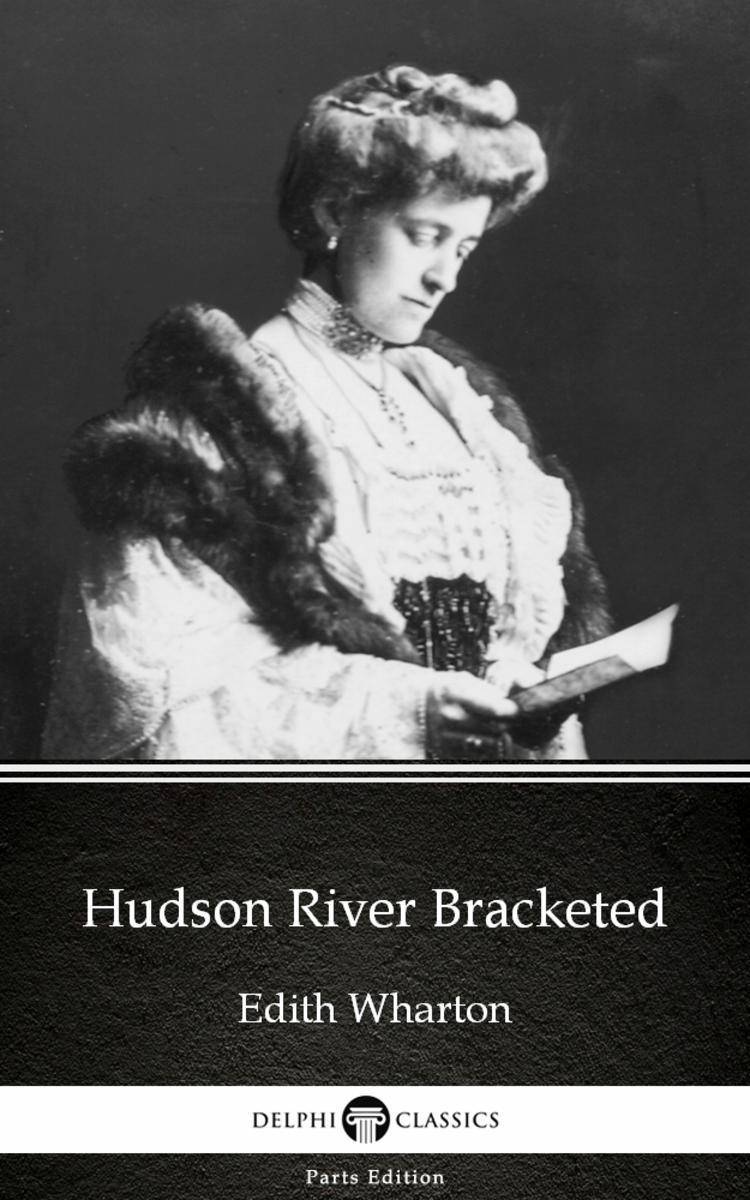
Hudson River Bracketed by Edith Wharton - Delphi Classics (Illustrated)
¥8.09
This eBook features the unabridged text of ‘Hudson River Bracketed by Edith Wharton - Delphi Classics (Illustrated)’ from the bestselling edition of ‘The Complete Works of Edith Wharton’. Having established their name as the leading publisher of classic literature and art, Delphi Classics produce publications that are individually crafted with superior formatting, while introducing many rare texts for the first time in digital print. The Delphi Classics edition of Wharton includes original annotations and illustrations relating to the life and works of the author, as well as individual tables of contents, allowing you to navigate eBooks quickly and easily. eBook features: * The complete unabridged text of ‘Hudson River Bracketed by Edith Wharton - Delphi Classics (Illustrated)’ * Beautifully illustrated with images related to Wharton’s works * Individual contents table, allowing easy navigation around the eBook * Excellent formatting of the text Please visit www.delphiclassics.com to learn more about our wide range of titles
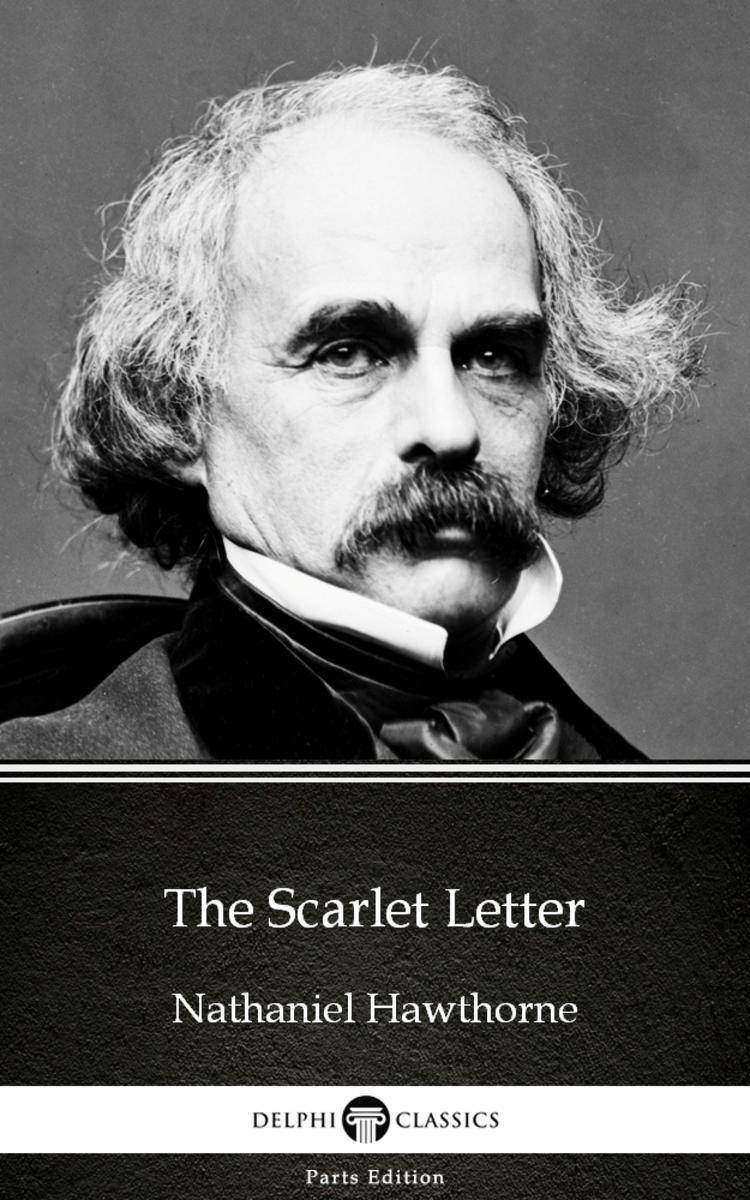
The Scarlet Letter by Nathaniel Hawthorne - Delphi Classics (Illustrated)
¥8.09
This eBook features the unabridged text of ‘The Scarlet Letter by Nathaniel Hawthorne - Delphi Classics (Illustrated)’ from the bestselling edition of ‘The Complete Works of Nathaniel Hawthorne’. Having established their name as the leading publisher of classic literature and art, Delphi Classics produce publications that are individually crafted with superior formatting, while introducing many rare texts for the first time in digital print. The Delphi Classics edition of Hawthorne includes original annotations and illustrations relating to the life and works of the author, as well as individual tables of contents, allowing you to navigate eBooks quickly and easily. eBook features: * The complete unabridged text of ‘The Scarlet Letter by Nathaniel Hawthorne - Delphi Classics (Illustrated)’ * Beautifully illustrated with images related to Hawthorne’s works * Individual contents table, allowing easy navigation around the eBook * Excellent formatting of the text Please visit www.delphiclassics.com to learn more about our wide range of titles
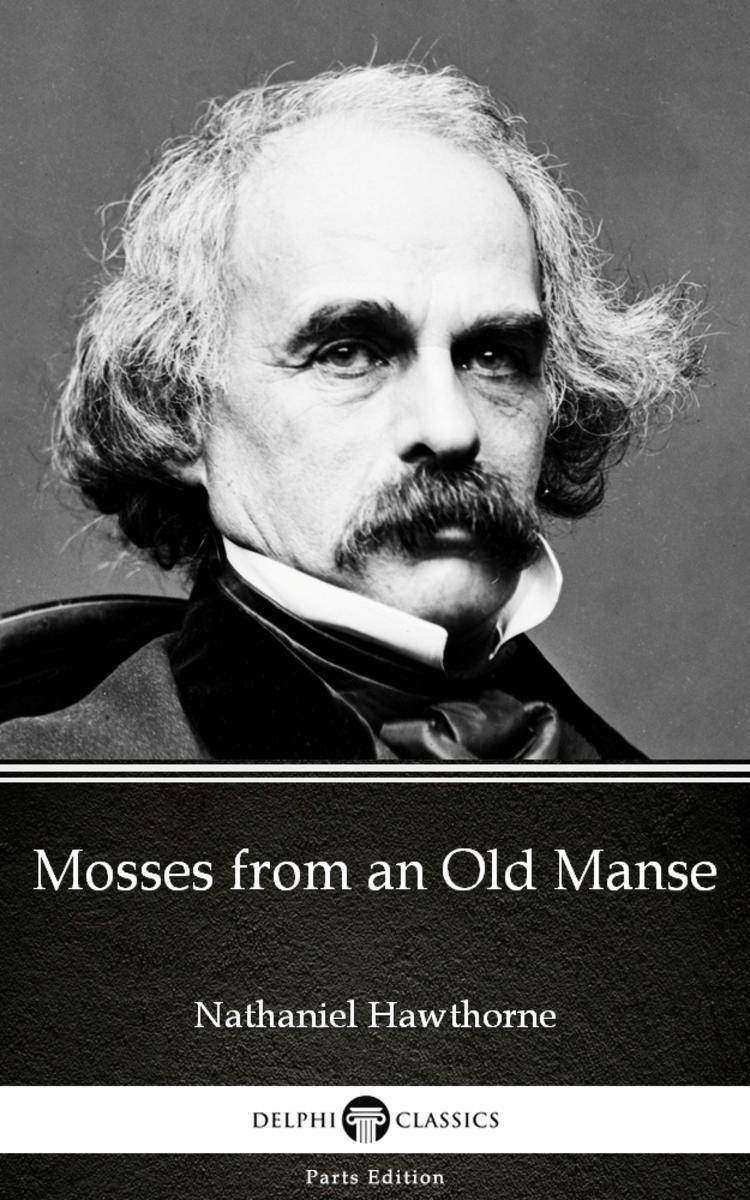
Mosses from an Old Manse by Nathaniel Hawthorne - Delphi Classics (Illustrated)
¥8.09
This eBook features the unabridged text of ‘Mosses from an Old Manse by Nathaniel Hawthorne - Delphi Classics (Illustrated)’ from the bestselling edition of ‘The Complete Works of Nathaniel Hawthorne’. Having established their name as the leading publisher of classic literature and art, Delphi Classics produce publications that are individually crafted with superior formatting, while introducing many rare texts for the first time in digital print. The Delphi Classics edition of Hawthorne includes original annotations and illustrations relating to the life and works of the author, as well as individual tables of contents, allowing you to navigate eBooks quickly and easily. eBook features: * The complete unabridged text of ‘Mosses from an Old Manse by Nathaniel Hawthorne - Delphi Classics (Illustrated)’ * Beautifully illustrated with images related to Hawthorne’s works * Individual contents table, allowing easy navigation around the eBook * Excellent formatting of the text Please visit www.delphiclassics.com to learn more about our wide range of titles
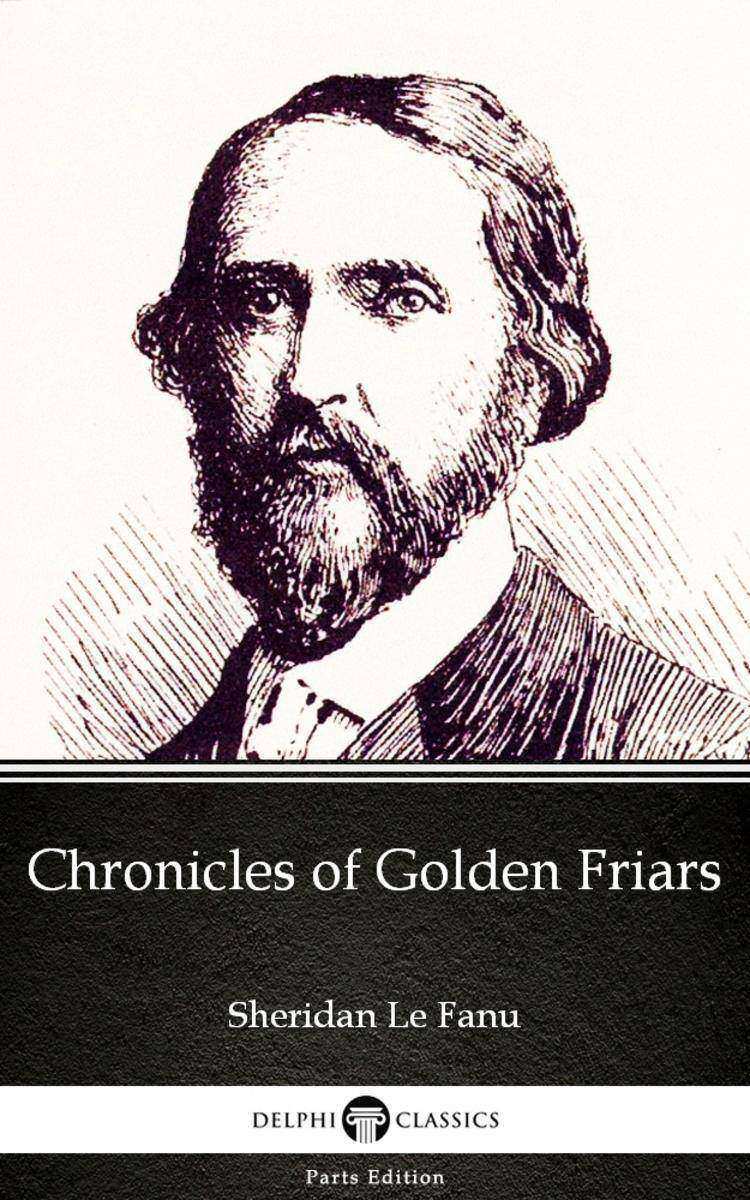
Chronicles of Golden Friars by Sheridan Le Fanu - Delphi Classics (Illustrated)
¥8.09
This eBook features the unabridged text of ‘Chronicles of Golden Friars by Sheridan Le Fanu - Delphi Classics (Illustrated)’ from the bestselling edition of ‘The Complete Works of Sheridan Le Fanu’. Having established their name as the leading publisher of classic literature and art, Delphi Classics produce publications that are individually crafted with superior formatting, while introducing many rare texts for the first time in digital print. The Delphi Classics edition of Fanu includes original annotations and illustrations relating to the life and works of the author, as well as individual tables of contents, allowing you to navigate eBooks quickly and easily. eBook features: * The complete unabridged text of ‘Chronicles of Golden Friars by Sheridan Le Fanu - Delphi Classics (Illustrated)’ * Beautifully illustrated with images related to Fanu’s works * Individual contents table, allowing easy navigation around the eBook * Excellent formatting of the text Please visit www.delphiclassics.com to learn more about our wide range of titles

Witch Wood by John Buchan - Delphi Classics (Illustrated)
¥8.09
This eBook features the unabridged text of ‘Witch Wood by John Buchan - Delphi Classics (Illustrated)’ from the bestselling edition of ‘The Complete Works of John Buchan’. Having established their name as the leading publisher of classic literature and art, Delphi Classics produce publications that are individually crafted with superior formatting, while introducing many rare texts for the first time in digital print. The Delphi Classics edition of Buchan includes original annotations and illustrations relating to the life and works of the author, as well as individual tables of contents, allowing you to navigate eBooks quickly and easily. eBook features: * The complete unabridged text of ‘Witch Wood by John Buchan - Delphi Classics (Illustrated)’ * Beautifully illustrated with images related to Buchan’s works * Individual contents table, allowing easy navigation around the eBook * Excellent formatting of the text Please visit www.delphiclassics.com to learn more about our wide range of titles

Castle Gay by John Buchan - Delphi Classics (Illustrated)
¥8.09
This eBook features the unabridged text of ‘Castle Gay by John Buchan - Delphi Classics (Illustrated)’ from the bestselling edition of ‘The Complete Works of John Buchan’. Having established their name as the leading publisher of classic literature and art, Delphi Classics produce publications that are individually crafted with superior formatting, while introducing many rare texts for the first time in digital print. The Delphi Classics edition of Buchan includes original annotations and illustrations relating to the life and works of the author, as well as individual tables of contents, allowing you to navigate eBooks quickly and easily. eBook features: * The complete unabridged text of ‘Castle Gay by John Buchan - Delphi Classics (Illustrated)’ * Beautifully illustrated with images related to Buchan’s works * Individual contents table, allowing easy navigation around the eBook * Excellent formatting of the text Please visit www.delphiclassics.com to learn more about our wide range of titles

The House of the Four Winds by John Buchan - Delphi Classics (Illustrated)
¥8.09
This eBook features the unabridged text of ‘The House of the Four Winds by John Buchan - Delphi Classics (Illustrated)’ from the bestselling edition of ‘The Complete Works of John Buchan’. Having established their name as the leading publisher of classic literature and art, Delphi Classics produce publications that are individually crafted with superior formatting, while introducing many rare texts for the first time in digital print. The Delphi Classics edition of Buchan includes original annotations and illustrations relating to the life and works of the author, as well as individual tables of contents, allowing you to navigate eBooks quickly and easily. eBook features: * The complete unabridged text of ‘The House of the Four Winds by John Buchan - Delphi Classics (Illustrated)’ * Beautifully illustrated with images related to Buchan’s works * Individual contents table, allowing easy navigation around the eBook * Excellent formatting of the text Please visit www.delphiclassics.com to learn more about our wide range of titles
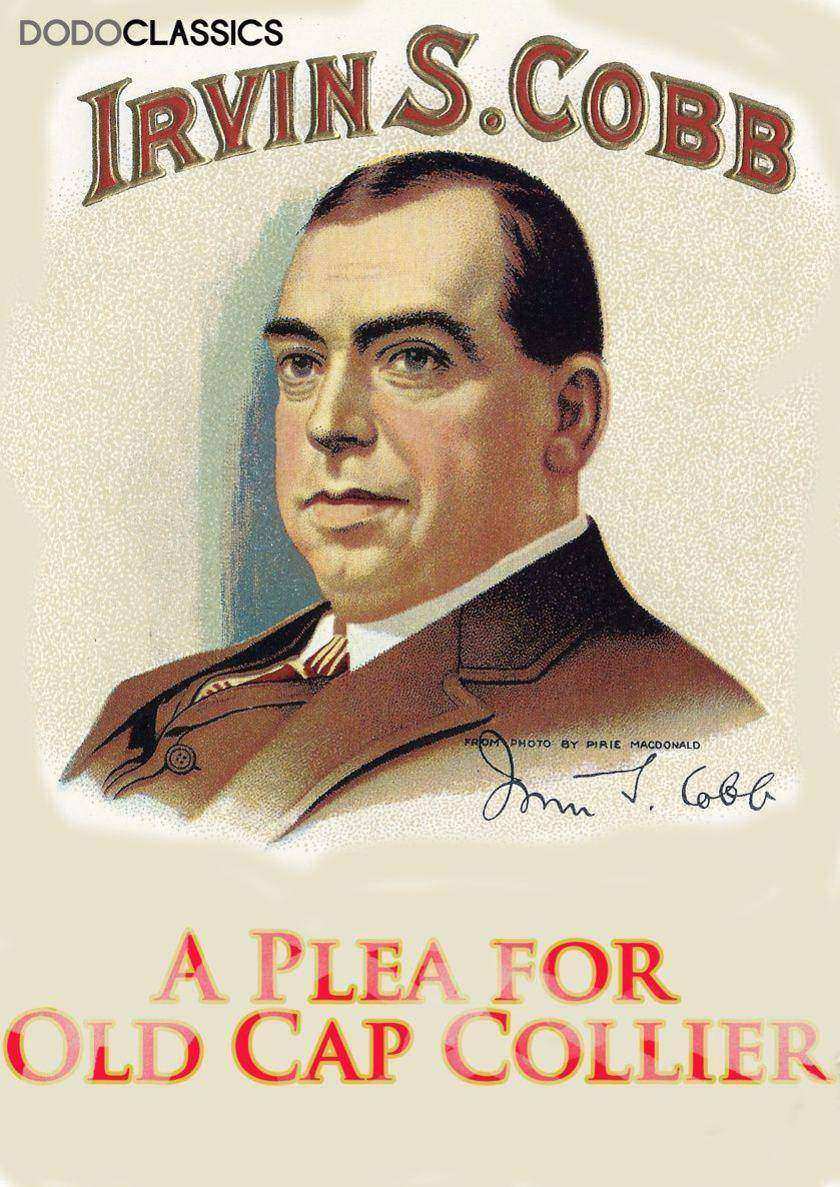
A Plea for Old Cap Collier
¥8.09
Dodo Collections brings you another classic from Irvin S. Cobb, ‘A Plea for Old Cap Collier.’ ? This is a short novel in which the author makes the case for the value of dime novels as a more fun, immediate read than the "classic" books more in favor with parents and educators. He looks back onto his own childhood to provide examples. ? Cobb joined the staff of the magazine Saturday Evening Post during 1911, and covered the Great War for the magazine. At the same time, he wrote a book about his experiences, published during 1915, titled Paths Of Glory. After a second visit to France to cover the Great War, Cobb publicized the achievements of the unit known as theHarlem Hellfighters, most notably, Croix de Guerre recipients Henry Lincoln Johnson and Needham Roberts. His article "Young Black Joe," published on August 24, 1918 in theSaturday Evening Post and later republished in Cobb's book, The Glory of the Coming, highlighted the discipline and courage displayed by black American soldiers fighting in Europe during World War I. The three-page article and half-page photograph reached a national audience of more than two million readers, and was widely reprinted in the black press.
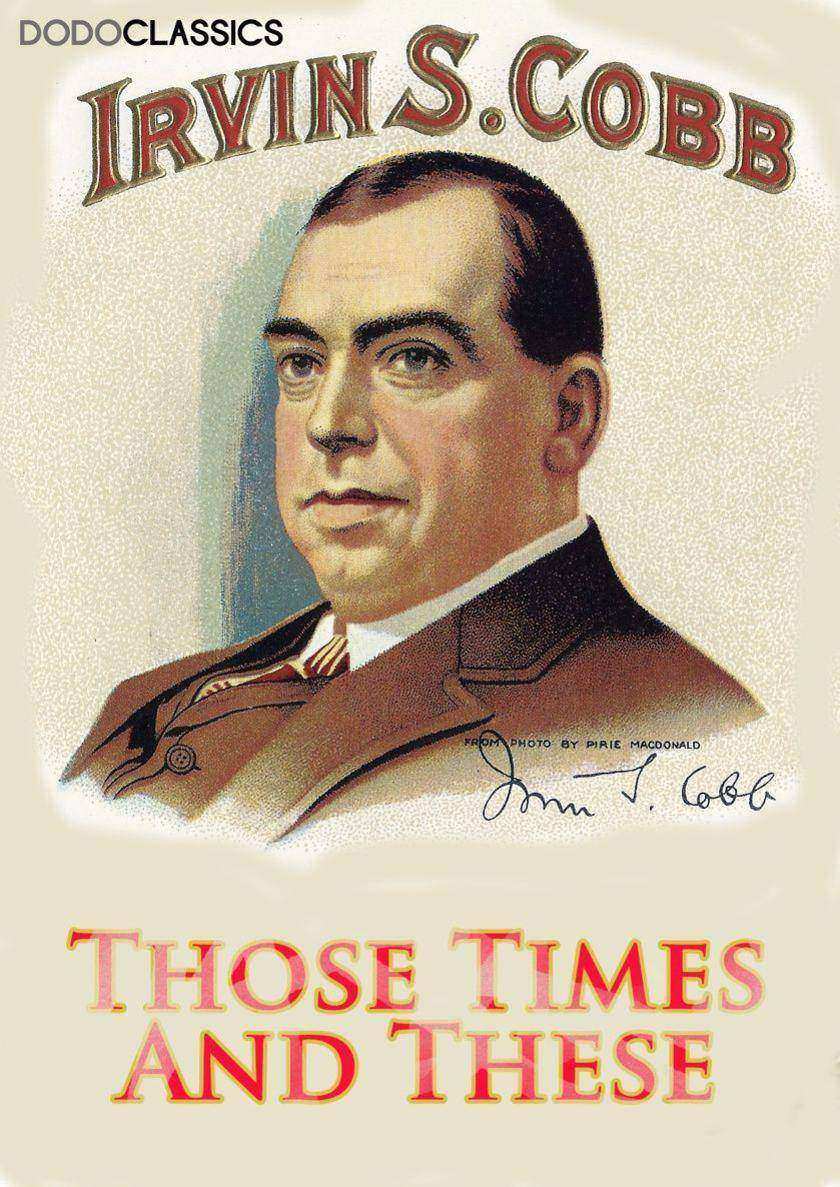
Those Times And These
¥8.09
Dodo Collections brings you another classic from Irvin S. Cobb, ‘Those Times And These.’ ? A classic work of fiction featuring Judge Priest, dramatic and compelling, using a wealthy of precisely rendered detail to evoke a powerful mood. ? Cobb joined the staff of the magazine Saturday Evening Post during 1911, and covered the Great War for the magazine. At the same time, he wrote a book about his experiences, published during 1915, titled Paths Of Glory. After a second visit to France to cover the Great War, Cobb publicized the achievements of the unit known as theHarlem Hellfighters, most notably, Croix de Guerre recipients Henry Lincoln Johnson and Needham Roberts. His article "Young Black Joe," published on August 24, 1918 in theSaturday Evening Post and later republished in Cobb's book, The Glory of the Coming, highlighted the discipline and courage displayed by black American soldiers fighting in Europe during World War I. The three-page article and half-page photograph reached a national audience of more than two million readers, and was widely reprinted in the black press.

A London Life and Other Tales
¥8.09
Dodo Collections brings you another classic from James Henry, ‘A London Life, and Other Tales.’ Henry James surprises one with every work, even after years of reading him. Here in A London Life is the familiar calm omniscient anonymous narrative voice telling the story, but the story itself is full of hard things, emotional violence, and financial violence, and not just scaled to the era in which it takes place. Henry James, OM, son of theologian Henry James Sr., brother of the philosopher and psychologist William James and diarist Alice James, was an American-born author, one of the founders and leaders of a school of realism in fiction. He spent much of his life in England and became a British subject shortly before his death. He is primarily known for a series of major novels in which he portrayed the encounter of America with Europe. His plots centered on personal relationships, the proper exercise of power in such relationships, and other moral questions. His method of writing from the point of view of a character within a tale allowed him to explore the phenomena of consciousness and perception, and his style in later works has been compared to impressionist painting.

The Highgrader
¥8.09
Classic western novel, first published in 1915. "A breezy, pleasant and amusing love story of Western mining life." According to Wikipedia: "William MacLeod Raine (1871—1954), was a British-born American novelist who wrote fictional adventure stories about the American Old West."

The Fighting Edge
¥8.09
Classic western novel, first published in 1922. According to Wikipedia: "William MacLeod Raine (1871—1954), was a British-born American novelist who wrote fictional adventure stories about the American Old West."

The Diary of a Man of Fifty
¥8.09
Dodo Collections brings you another classic from James Henry, ‘The Diary of a Man of Fifty.’ ? Returning to Florence after 25 years of military service, a man finds himself haunted by memories of a thwarted love affair?that took place on the banks of the Arno during his youth. On inquiring after the erstwhile object of his affections, he encounters a young man in amorous pursuit of her daughter.?Eager to spare his young friend the sorrow that has marred his own life, the man finds himself deliberating the morality of recounting his own story. This heartbreaking tale touches on themes that were to dominate Henry James's later fiction, including the suggestibility of youth and the dubious morality of influence. With characteristic psychological insight and a youthful fluency of expression, even in his early work James demonstrates himself a master of?the art of fiction.? ? Henry James, OM, son of theologian Henry James Sr., brother of the philosopher and psychologist William James and diarist Alice James, was an American-born author, one of the founders and leaders of a school of realism in fiction. He spent much of his life in England and became a British subject shortly before his death. He is primarily known for a series of major novels in which he portrayed the encounter of America with Europe. His plots centered on personal relationships, the proper exercise of power in such relationships, and other moral questions. His method of writing from the point of view of a character within a tale allowed him to explore the phenomena of consciousness and perception, and his style in later works has been compared to impressionist painting.? ??

Pandora
¥8.09
Dodo Collections brings you another classic from James Henry, ‘Pandora.’ ? James explored consciousness and perception from the point of view of a character within a tale. Pandora begins, "The process of inquiry had already begun for him, in spite of his having as yet spoken to none of his fellow-passengers; the case being that Vogelstein inquired not only with his tongue, but with his eyes--that is with his spectacles--with his ears, with his nose, with his palate, with all his senses and organs. He was a highly upright young man, whose only fault was that his sense of comedy, or of the humour of things, had never been specifically disengaged from his several other senses. He vaguely felt that something should be done about this, and in a general manner proposed to do it, for he was on his way to explore a society abounding in comic aspects." ? Henry James, OM, son of theologian Henry James Sr., brother of the philosopher and psychologist William James and diarist Alice James, was an American-born author, one of the founders and leaders of a school of realism in fiction. He spent much of his life in England and became a British subject shortly before his death. He is primarily known for a series of major novels in which he portrayed the encounter of America with Europe. His plots centered on personal relationships, the proper exercise of power in such relationships, and other moral questions. His method of writing from the point of view of a character within a tale allowed him to explore the phenomena of consciousness and perception, and his style in later works has been compared to impressionist painting.


