


 购物车
购物车 个人中心
个人中心

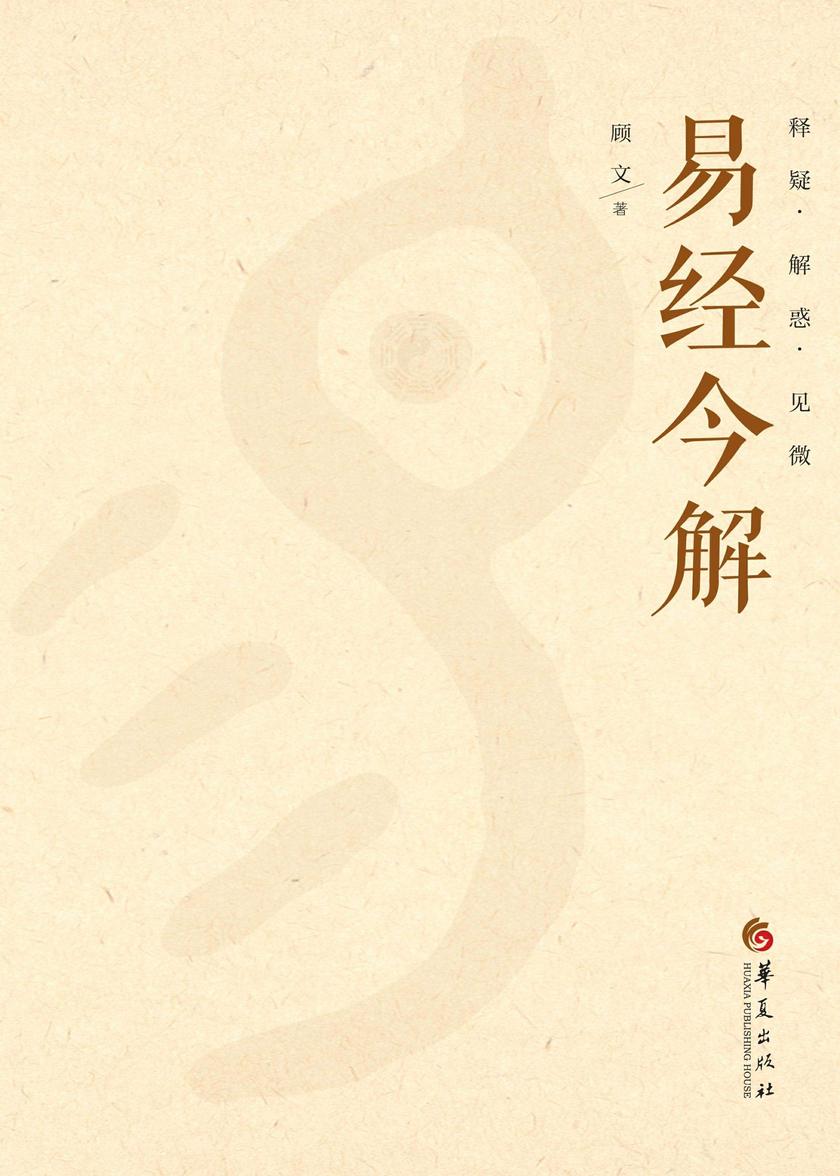
易经今解:释疑·解惑·见微
¥39.50
本书作者顾文是南粤大地知名的易经学者,曾撰写多部易学通俗著作。本书是他的综合之作,九九归一,从对易经内容的阐发,回到易经本身的研究和普及。本书以词条的形式,全面地解释易经,本书的词条阐发既准确又生动,在一些辞条上也不乏自己的见解,方便学易之人迅速查阅,是学易之人不可多得的工具型图书。几千年的历史,像婉蜒而去的长河。“易注”也一样,弯弯曲曲,来来去去。“汉易”过于特殊繁琐,不易了解;王夫之批注,引人胜,但个性强烈;王弼的批注,风采最动人,但解释晦涩,且老庄浓厚;程、朱有理有义,可《程传》缺占卜,朱子欠风趣。程朱之“易说”,传承悠久,注释稳当,当是易学古典之门最便捷的途径。但那毕竟是古人之作,今日读起,还隔遥远,不及亲切。因此,本人致力编着一部明快、不需费多大神就可读懂的易学门之书。这本书,就像你在时间不多,事情又多,但又想填饱肚子的时候,遇到的一家经典的快餐店。你不需多少时间,就拿到了你想吃的东西,而且不烫嘴,快吃慢吃都可以。狼吞虎咽可以,慢嚼细咽也可以,平易简明,智慧有趣,随读由你。
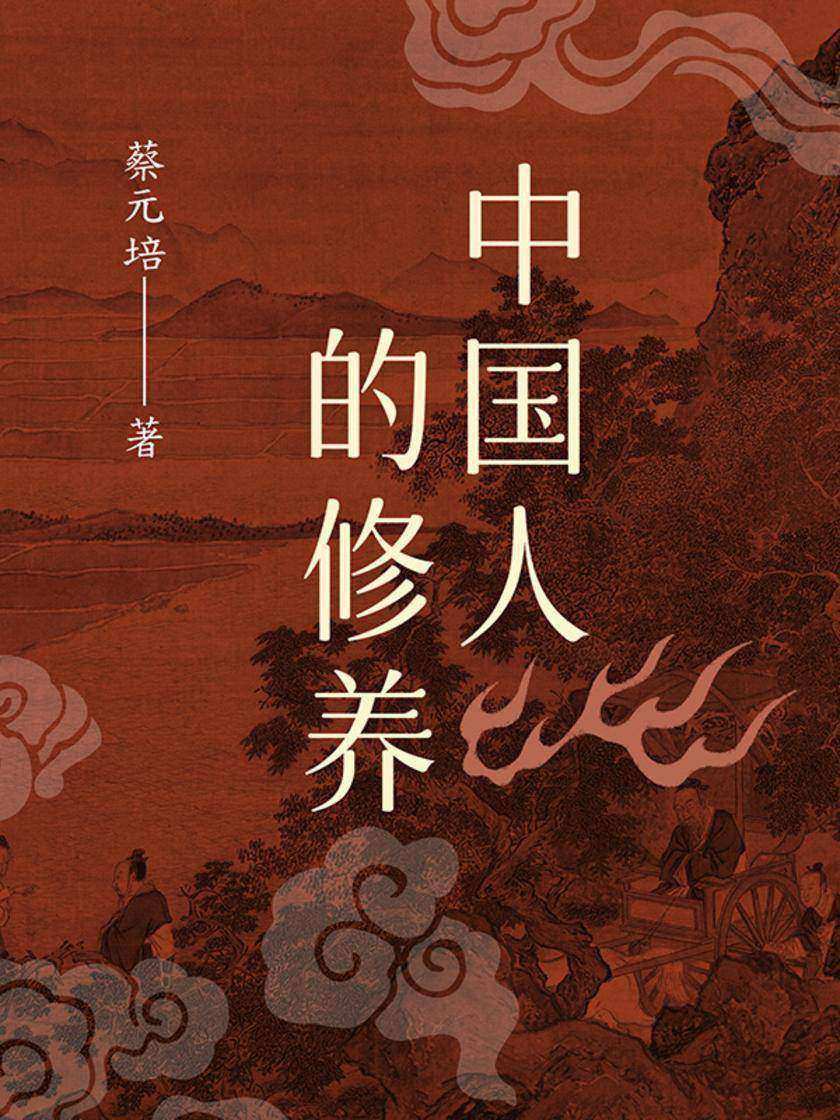
中国人的修养
¥39.50
《中国人的修养》是蔡元培道德修养方面的代表作品,不仅继承了中华修身的传统,还结合了西方的教育观念,是一部百年经典的道德实践之书。主要收录他*重要的道德思想代表作品《中学修身教科书》和《华工学校讲义》,并收录蔡元培其他有关道德修养的零散文章,体现了蔡元培对于现代中国人应具有的道德素养的总体构想和深切的关怀。
鸢飞鱼跃:中国哲学语素论
¥39.60
刘康德编写的《鸢飞鱼跃--中国哲学语素论》对构成中国哲学思想之基本单位的“哲学语素”展开讨论,以揭示中国哲学思维方式的独特性。 基于中国古代哲人“辞微旨远”之特点,作者对中国古代典籍中出现的若干“词语”(语素),如“研几”“体认”“渔翁”“樵叟”“农夫”“工匠”“ 游刃与凿”“鸢飞鱼跃”“戒慎恐惧”等作一一梳理和解析。 作者还对中国古代典籍中出现的若干“字”(语素),如“道”“玄”“朴”“爻”等作一一梳理和解析。 全书将上述这些“语素”分别归入“方法篇”“ 物象篇”“字象篇”“行象篇”“理象篇”五部分,以形成一个简略的“中国哲学语素论”之体系,展现了作者对中国传统文化的别样思考。 本书的出版,希望能对当今文化创新有所肩示。 ?
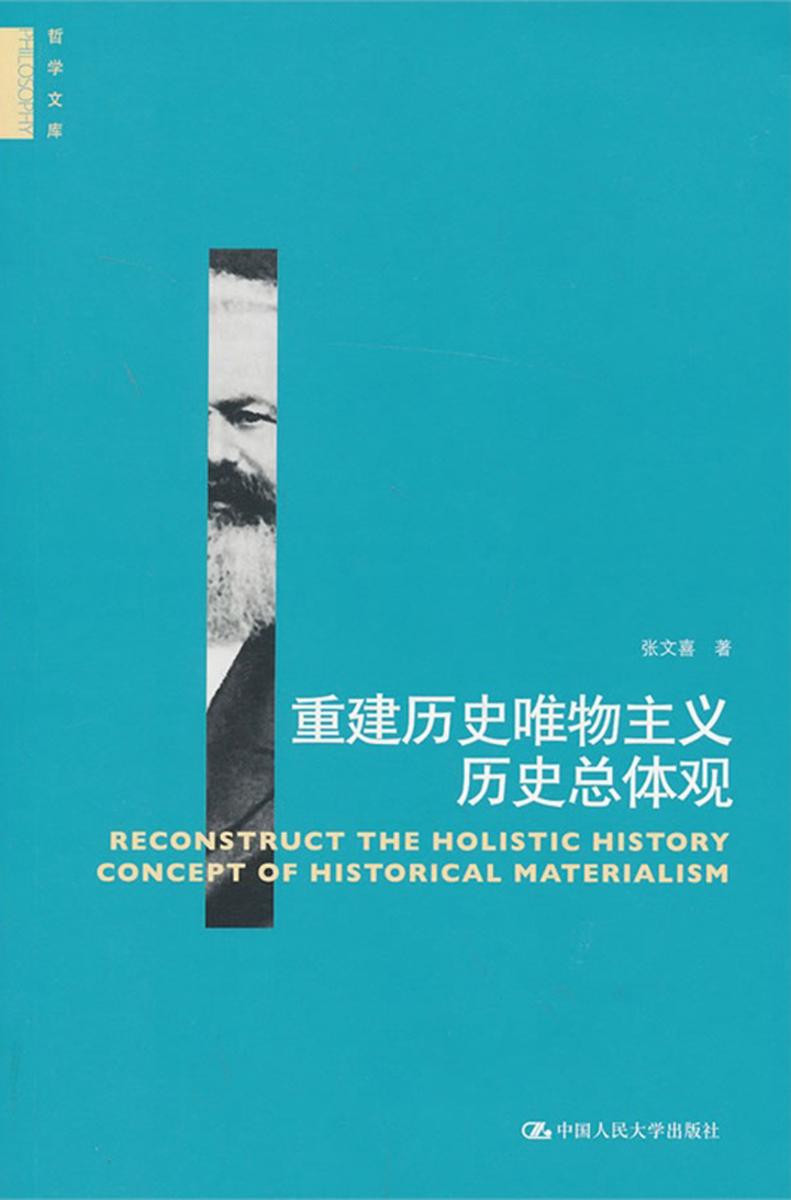
重建历史唯物主义历史总体观
¥39.60
《重建历史唯物主义历史总体观》围绕客观社会现实如何实际地构成历史的总体和结构的总体的观点来重新阐释历史唯物主义,是目前为止从这一视角来衡量马克思主义哲学研究历史状况的*著作。作者严格区别了这个主题的马克思哲学形式与形而上学形式,并在寓于历史的总体与时间、空间、历史目的、人的意志、民族、资本逻辑的矛盾之中,揭示其中蕴含的理论上和实践上的重大意义,旨在表明当代历史唯物主义的成就及与其相匹配的时间观之间的紧密联系,同时试图揭示这种联系在今天基本上还处在未曾言明的状态。这种解蔽对于反对现代性历史观念、更好地理解客观社会现实都是必要的。
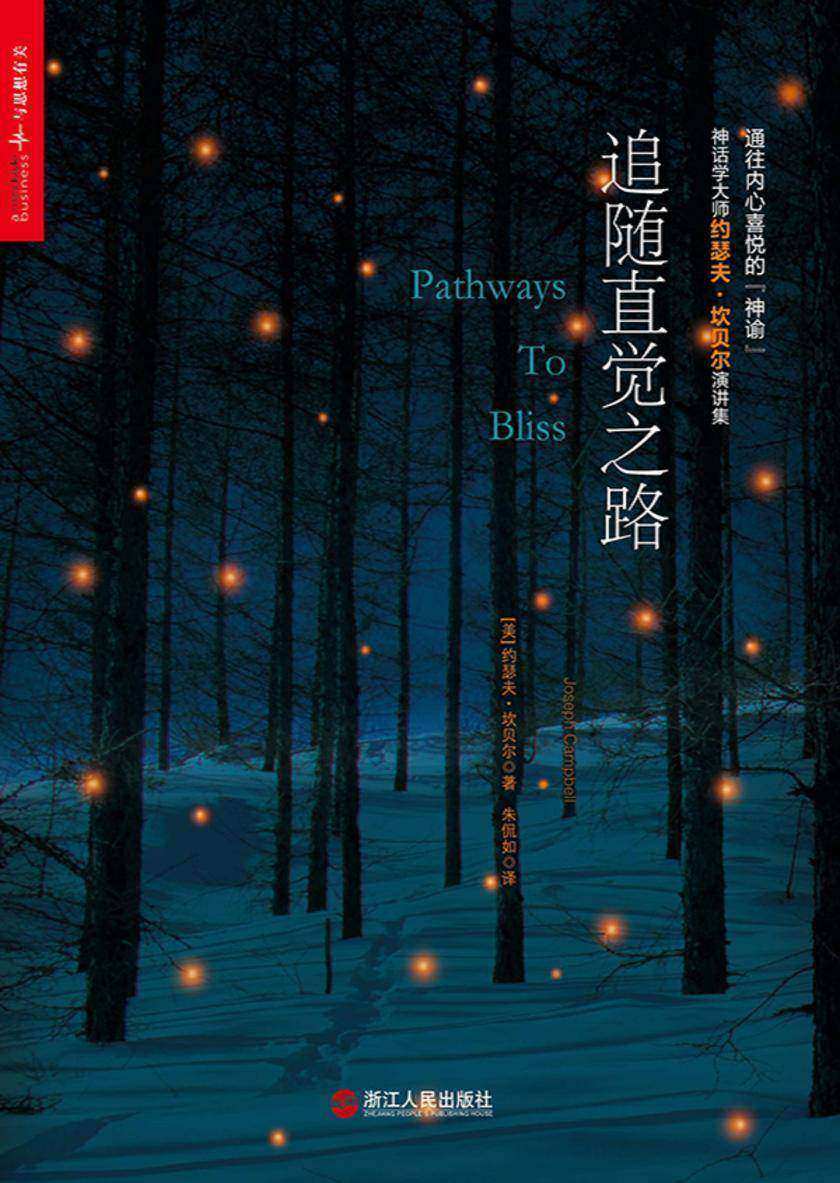
追随直觉之路
¥39.60
神话在当代社会发挥着怎样的作用?它的功能有哪些?神话学大师约瑟夫·坎贝尔为你揭示神话的4大功能,带你看清神话的表面与实质,你会看到,古老的神话依然存在帮助现代人走过生命之旅的神奇力量,它是让人们走向幸福之路的指明灯。 神话提供了个人成长和转化的架构,我们若能了解神话和象征影响一个人心智的方式,就可以过着一种和自己的本性调和共生的生活,也就是找出了那条通往自己内心“直觉”的道路。 为什么说神话重要的功能在于它对人类心理层面的影响?作者通过对神话作用机制与弗洛伊德、荣格的心理模型的剖析发现,神话的意象能够引导心灵,帮人心甘情愿地跨越难关,战胜本我,克服自卑,实现自性化和人格的完善。 神话是每个人不可或缺的一部分,人们应该如果从找寻属于自己的个人神话?坎贝尔将跨文化神话故事与现代心理学相融合,以生命必会经历的重要问题为着眼,讨论了探寻我们个人神话的方法。
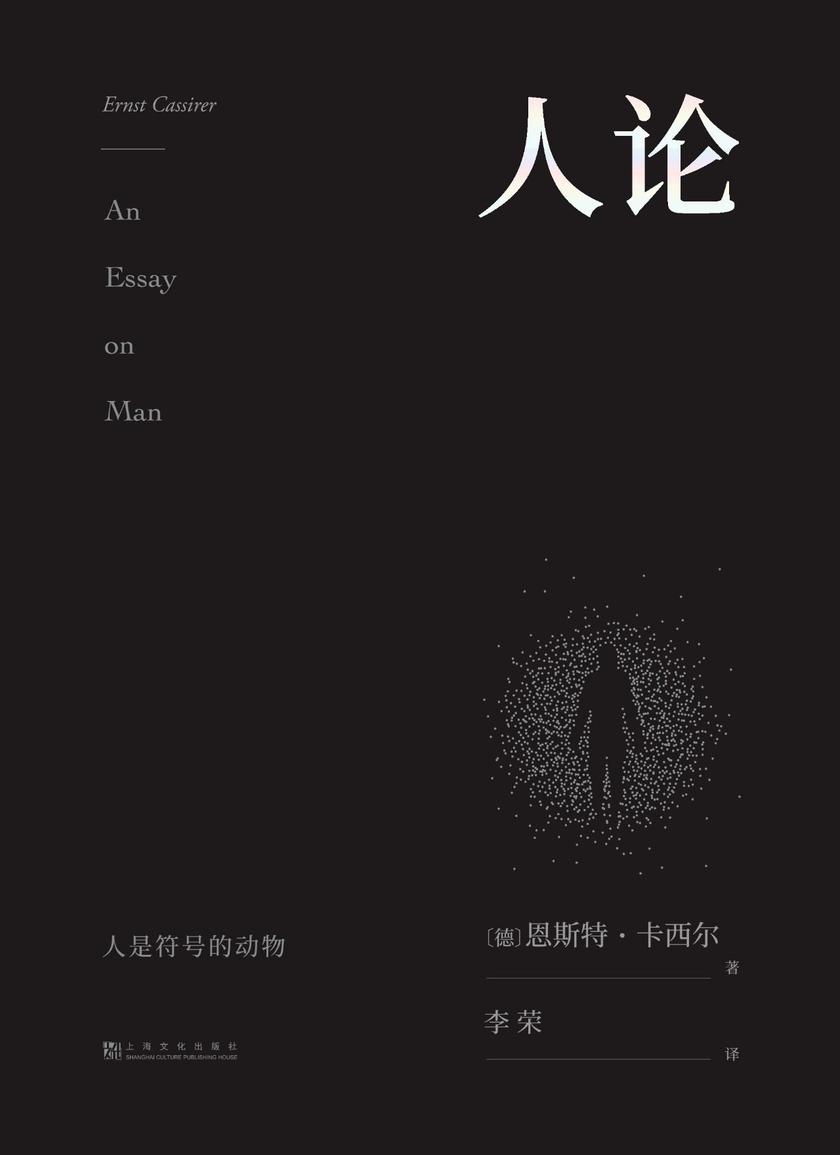
人论
¥39.80
《人论》是文化哲学创始人卡西尔生前出版的*后一部著作,是其毕生理论的浓缩,在其著作中是*为著名、流传*广、影响力*的一本。全书围绕"人是什么"这一问题,旁征博引,高屋建瓴,独树一帜地提出了"人是符号动物"这一观,指出"人不仅生活在自然物质宇宙中,还生活在符号宇宙中"的事实。 全书分上下两篇,上篇"人是什么"着力探讨了人与动物的分野以及人的符号创造性特;下篇"人与文化"则对人类文化各个形态与现象,如神话、宗教、语言、艺术、历史、科学等,行深浅出的分析探索,自"符号"出发解读人类与人类文化的关系。 人类对于自我认识的探索永不停息,而卡西尔则给予了我们一个睿智精妙的解答。
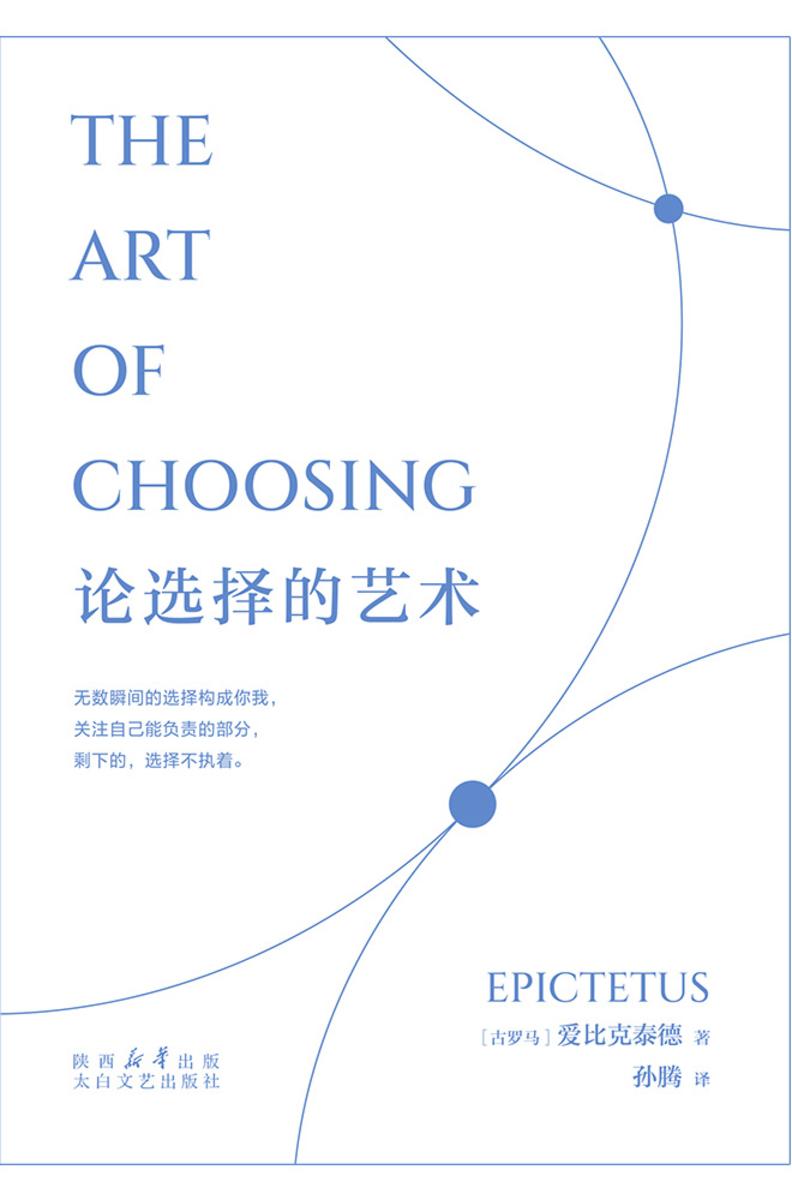
论选择的艺术
¥39.80
在纷繁复杂的世界中,我们需要学会选择。 选择受自己正在体验的“人生剧本”。 你不过是戏中的演员,戏怎么演归根结底取决于导演的选择。不管分配给你什么角色,技艺高超的演员都会受任务。 在人和人的关系中,选择关注自己,少在意对方。 只要关心自己必须做什么,让自己顺应自然。如果没有你的配合,没有人能真正伤害你,你觉得自己受伤害的那一刻,才真正受了伤害。 只能选择成为一种人 要么关心自己的精神,要么关心物质的东西;要么专精于内在的东西,要么专注于外在之物。也就是说,你要么专心致志地当一个哲学家,要么就认认真真地当一个门外汉。
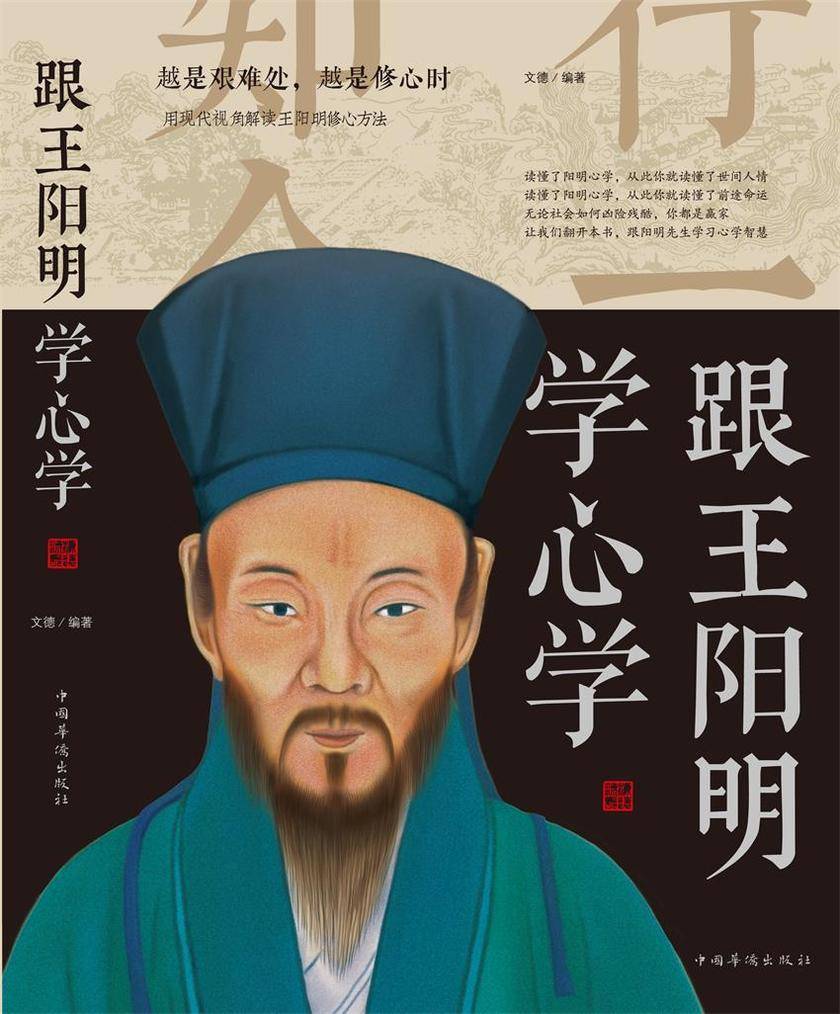
跟王阳明学心学
¥39.80
王阳明的心学,大致可分为三个部分:心即是理的人生论,知行合一的认识论,致良知的修养学说。心是天地万物的主宰,心外无理、心外无物,是心学说的基本观点。本书共分为十九章,每一小节文章开头均以王阳明的一句或一段经典言论做引,在正文具体展开论述其思想的精炼和智慧所在。本书从现代人立身处世的需要出发,从宽心、诚心、进取心、道德心、孝敬心、素净心、喜乐心等十九个方面阐释了王阳明在立志、修心、仁爱、至诚等方面修身处世的智慧。
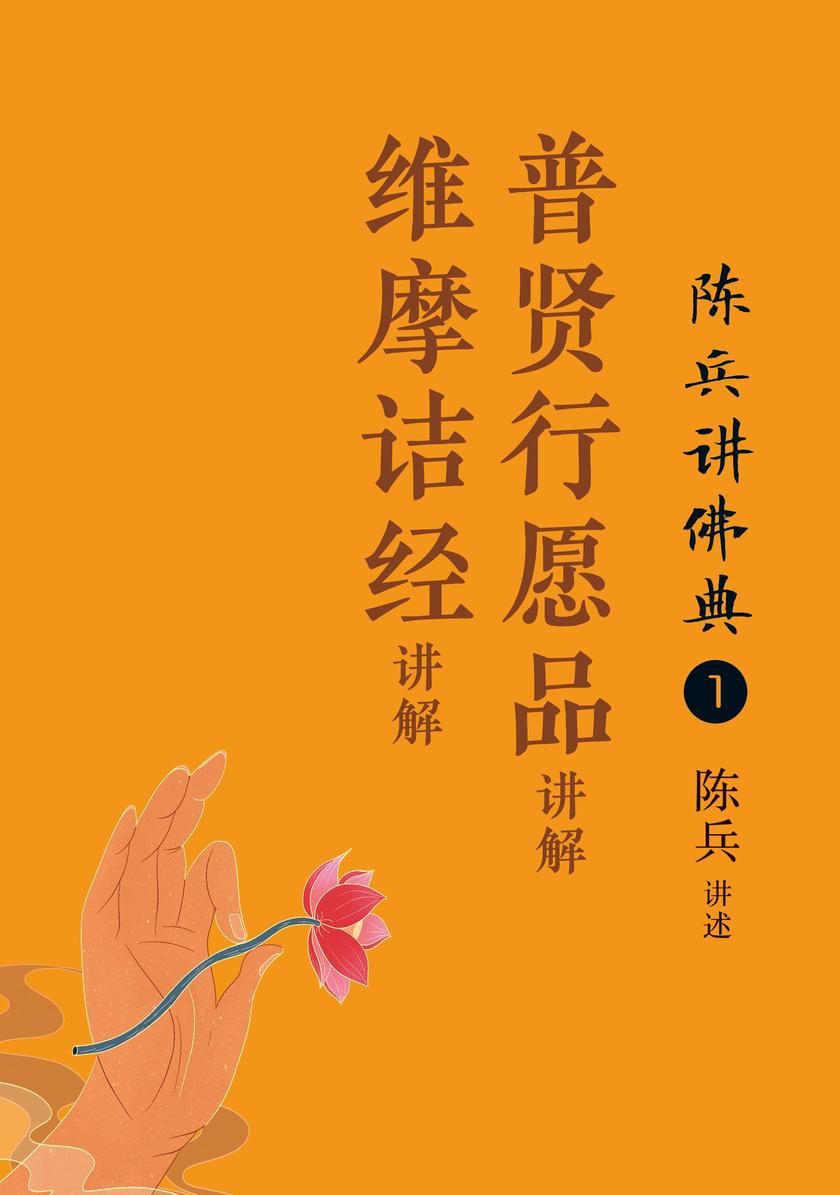
陈兵讲佛典1:《普贤行愿品》《维摩诘经》讲解
¥39.80
本书是著名佛教学者、四川大学佛教文化研究中心主任、四川大学道教与宗教文化研究所教授陈兵对佛经《普贤行愿品》《维摩诘经》的讲解,陈兵教授以其对佛教深厚的研究,给广大佛教信众和佛学研究者提供了权威和专业的解读和阐释。
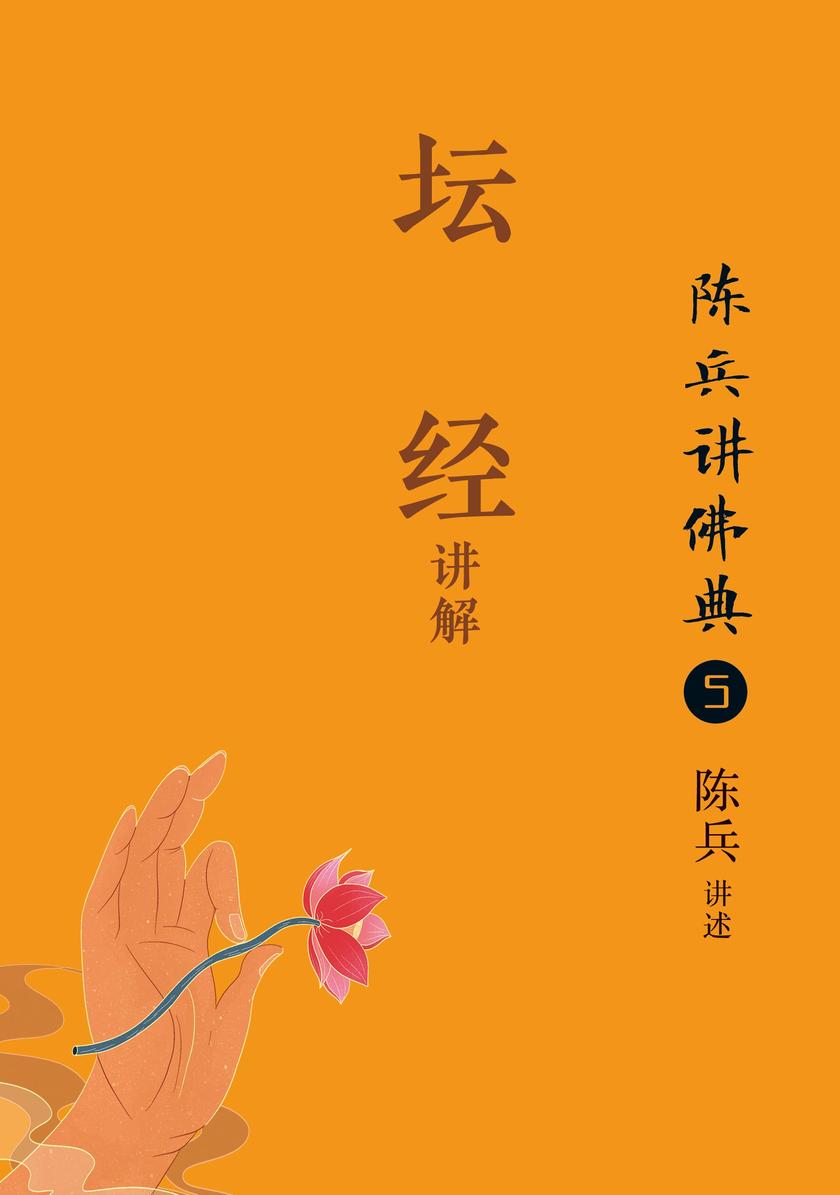
陈兵讲佛典5:《坛经》讲解
¥39.80
本书是著名佛教学者、四川大学佛教文化研究中心主任、四川大学道教与宗教文化研究所教授陈兵对佛经《坛经》的讲解,陈兵教授以其对佛教深厚的研究,给广大佛教信众和佛学研究者提供了权威和专业的解读和阐释。
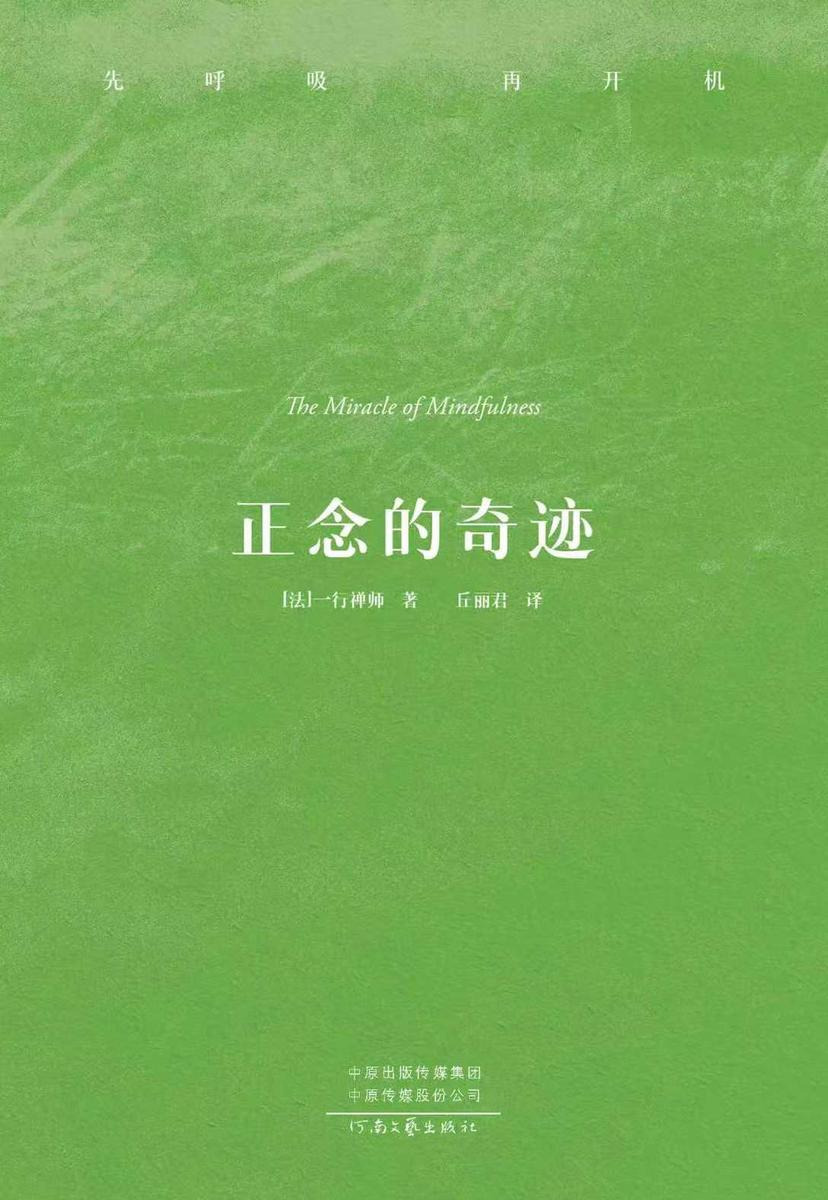
正念的奇迹
¥39.80
《正念的奇迹》是由一行禅师写给一位友人的长信整理而来,是其经典作品,也是具有实操性的修学 指南,在中国乃至全球范围内拥有广泛的读者。核心内容是一个非常重要的概念:正念。什么是正念呢? 一行禅师说,正念就是指对“当下的实相保有觉知”, 即要清醒地知道自己在想什么、说什么、做什么,而 不是对自己的言行举止毫不觉察,任意妄为。也就是说,要关注此刻正在做的事情和心灵感受。书中由此 衍生出的活在当下、专注工作等理念,对于消除快节 奏时代普遍存在的焦虑心理、帮助大家管理自己的负 面情绪富有积极作用。
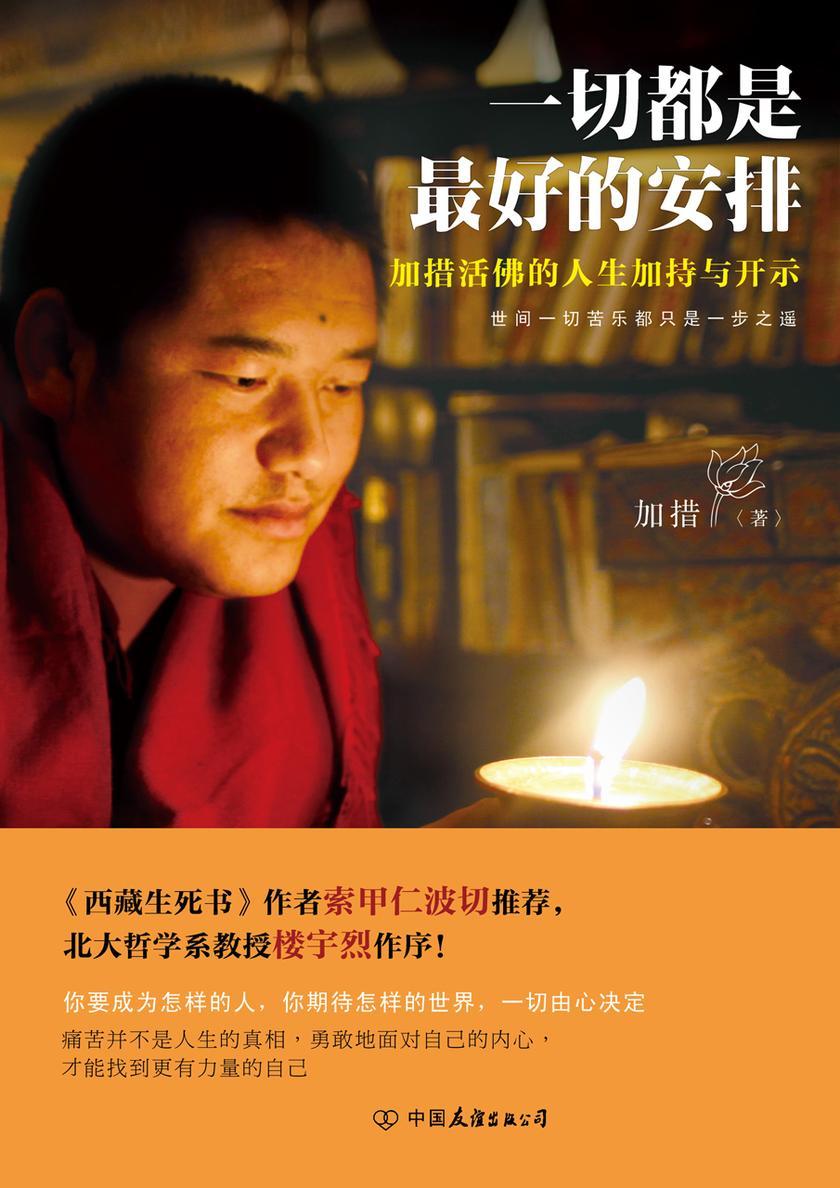
一切都是最好的安排
¥39.80
本书是加措活佛作品,也是他首度公开分享生命沉淀的轨迹与感悟。本书完成之后,受到《西藏生死书》作者索甲仁波切和北京大学哲学系楼宇烈教授的大力赞赏,还被谢娜等人列为书。全书共分九个章节,以人生、情感、信念、生活、爱、快乐、幸福、智慧、情绪为主题。教我们如何对待生命中的困惑与迷茫,增强面对世事无常的内在力量。
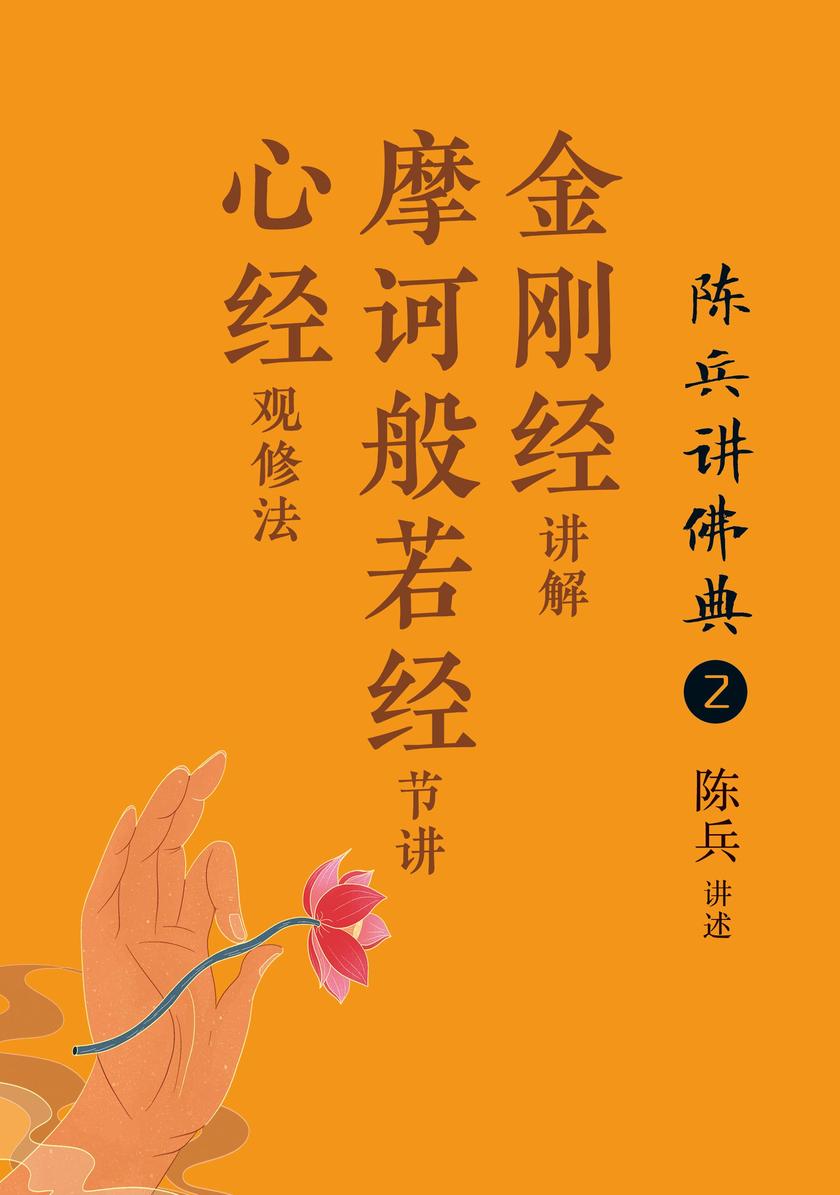
陈兵讲佛典2:《金刚经》讲解、《摩诃般若经》节讲、《心经》观修法
¥39.80
本书是著名佛教学者、四川大学佛教文化研究中心主任、四川大学道教与宗教文化研究所教授陈兵对佛经《金刚经》《摩诃般若经》《心经》的讲解,陈兵教授以其对佛教深厚的研究,给广大佛教信众和佛学研究者提供了权威和专业的解读和阐释。
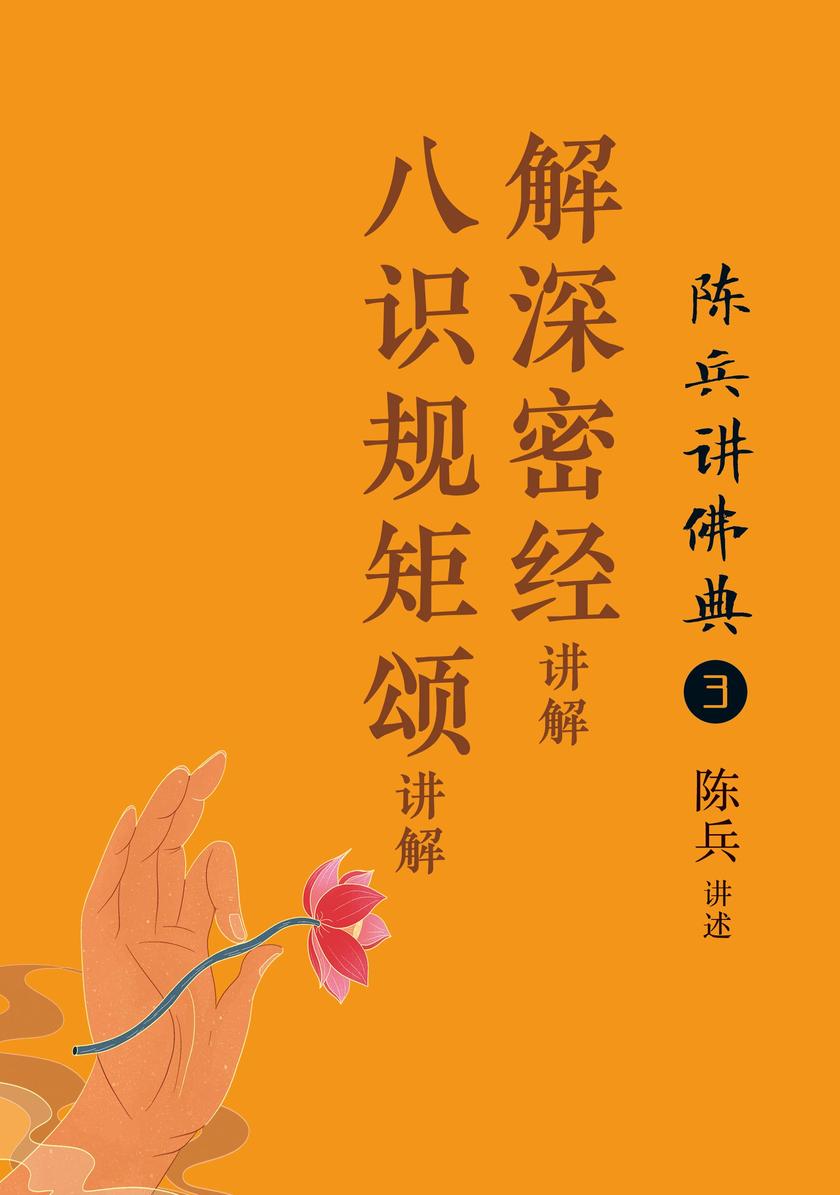
陈兵讲佛典3:《解深密经》《八识规矩颂》讲解
¥39.80
本书是著名佛教学者、四川大学佛教文化研究中心主任、四川大学道教与宗教文化研究所教授陈兵对佛经《解深密经》《八识规矩颂》的讲解,陈兵教授以其对佛教深厚的研究,给广大佛教信众和佛学研究者提供了权威和专业的解读和阐释。
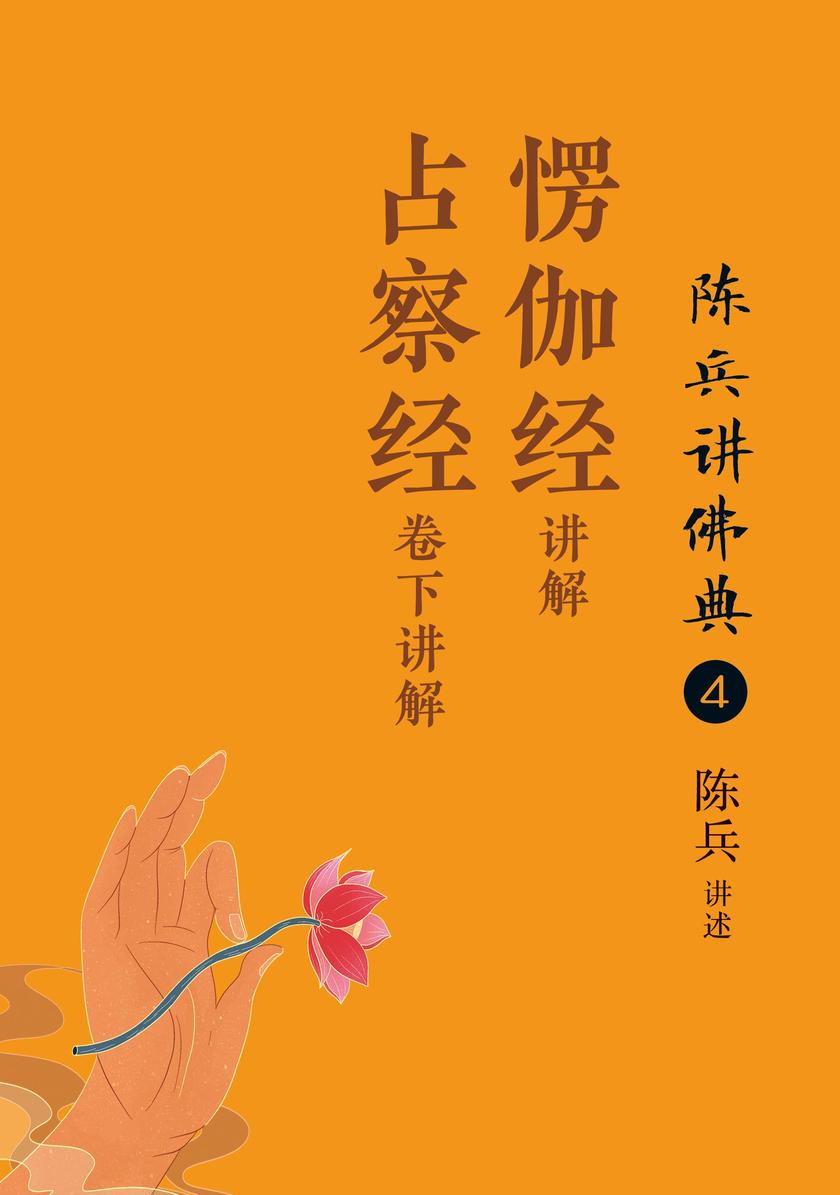
陈兵讲佛典4:《愣伽经》《占察经卷下》讲解
¥39.80
本书是著名佛教学者、四川大学佛教文化研究中心主任、四川大学道教与宗教文化研究所教授陈兵对佛经《愣伽经》《占察经卷下》的讲解,陈兵教授以其对佛教深厚的研究,给广大佛教信众和佛学研究者提供了权威和专业的解读和阐释。

存在主义经典文学名著(套装2册)
¥39.80
【存在主义经典文学名著(套装2册)】 《荒原狼》 本书是赫尔曼·黑塞的自传体小说,一部“社恐人”自我疗愈与成长的经典之作。 主人公哈里年轻时拥有崇高的个人理想,但却为当时的社会所排斥。一次,他读到一本名为《荒原狼》的小册子,觉醒了隐藏在自己“人性”下的“狼性”。为了摆脱这种孤独的痛感,他到酒馆里买醉,寻欢作乐,但只是获得了短暂的解脱。后来他进入一家魔术剧院,看到分裂散落的种种人格,便把它们拼成一个完整的自我,*终摆脱绝望,回归了现实生活。 本书借哈里的境遇来表达黑塞本人的身心疗愈过程,同时也揭示了当时欧洲文化衰亡的时代病症。 《地下室手记》 陀思妥耶夫斯基的《地下室手记》是一部兼具思想深度与文学艺术的经典巨作,也是打开他文学世界的入口之书。 作品围绕“地下室人”的内心展开,全书分为两个部分:DI一部分是地下室人的长篇独白,探讨了自由意志、人的非理性、历史的非理性等哲学议题。第二部分是地下室人追溯自己过往的故事。 这本书能够推开陀思妥耶夫斯基文学的大门,是他的文学代表作,同样还是其他五本长篇小说的开篇之作。它涵盖了陀思妥耶夫斯基全部的艺术特色,阅读本书,带你*感受文学的无尽魅力。
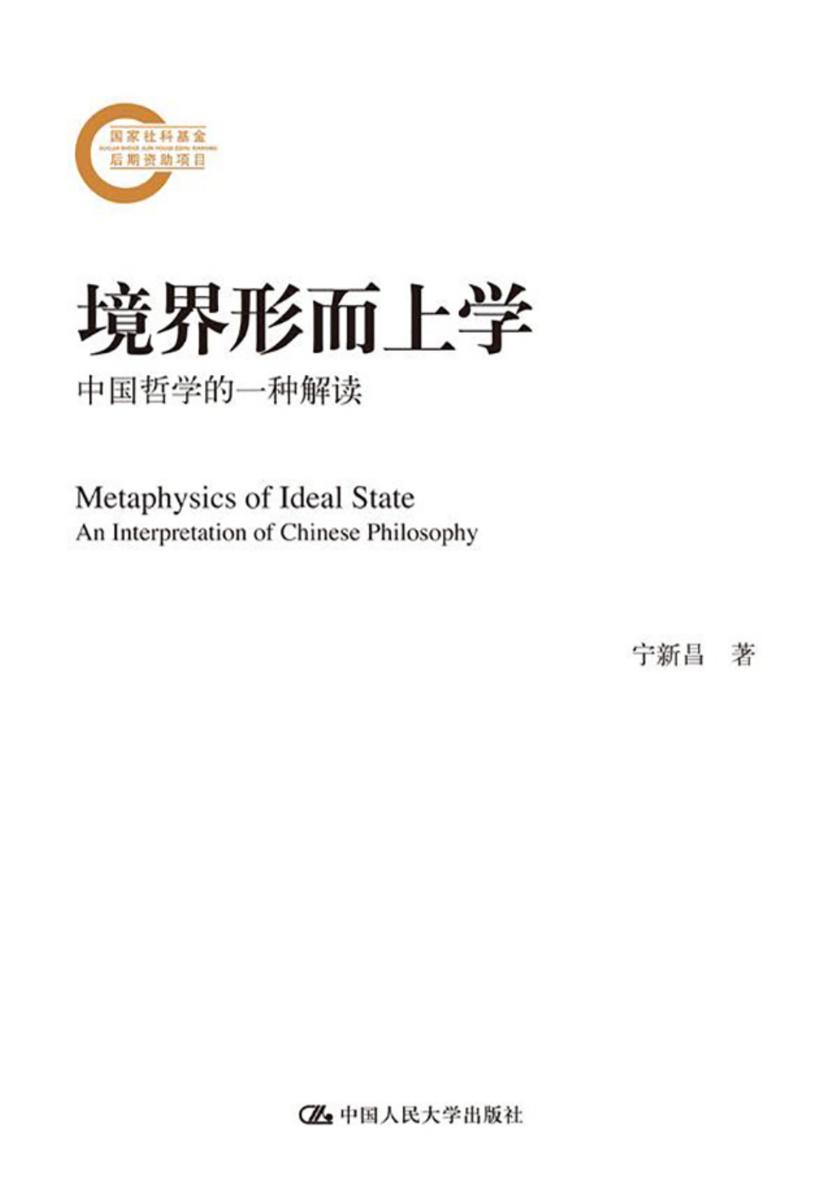
境界形而上学——中国哲学的一种解读
¥39.90
本书论述了形而上学的基本含义,比较说明了中西形而上学的差异与会通,探讨了境界形而上学的内涵,主张哲学意义上的实事求是与真善美的自由人格的内在统一。本书通过境界形而上学的视角探索中国哲学中儒释道的本体、工夫、境界三者的统一,揭示了儒释道所说的本体与人的关系,即本体与人的存在内在相连,并由人的道德实践而呈现在精神境界上。
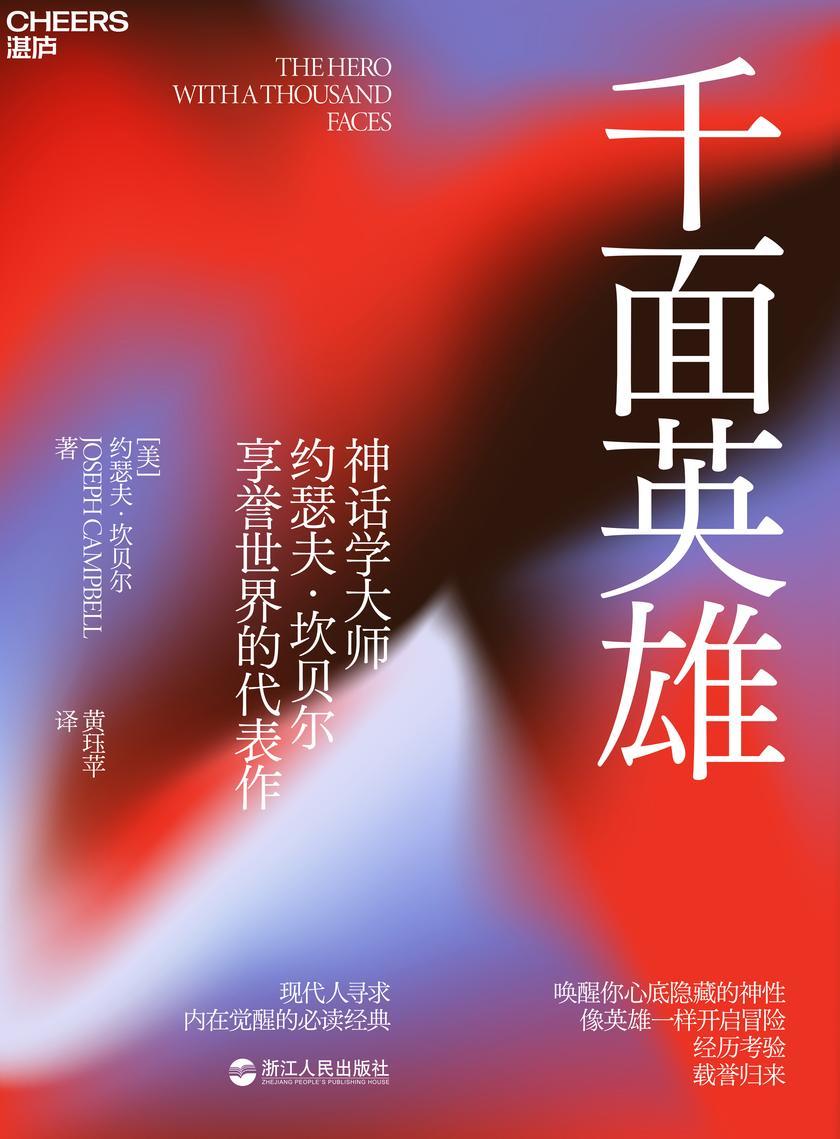
千面英雄
¥39.90
约瑟夫·坎贝尔历尽多年搜寻阅读了全球各地的神话与宗教故事,将这些故事中的共通的奥秘汇集在几百页的《千面英雄》中,将神话之源轻松显现在世人面前。 坎贝尔告诉我们,英雄的旅程主要包括以下几个主要阶段。启程:放弃当前的处境,历险的领域;启蒙:获得某种以象征性方式表达出来的领悟;考验:陷险境,与命运搏斗;归来:*后再度回到正常生活的场域。这是每一位英雄的必经之路。 穿越古今,通全世界神话中的经脉,帮助现代人重拾解读神话的本能,让希腊、北欧、印度、埃及、中国神话再度与我们对话。引领我们发现内心的奥秘,触终极的真实。鼓励我们启生命的旅程,彰显生命的深层意义,为个人和社会寻找恩赐。 英雄就是能够战胜个人和当地的历史局限性的人,他们能够了解、受并迎命运的挑战。我们每个人都是人生旅程中受考验的潜在英雄,只有受生活的召唤,踏上考验的旅程,生命才能达到丰富多彩的境界。
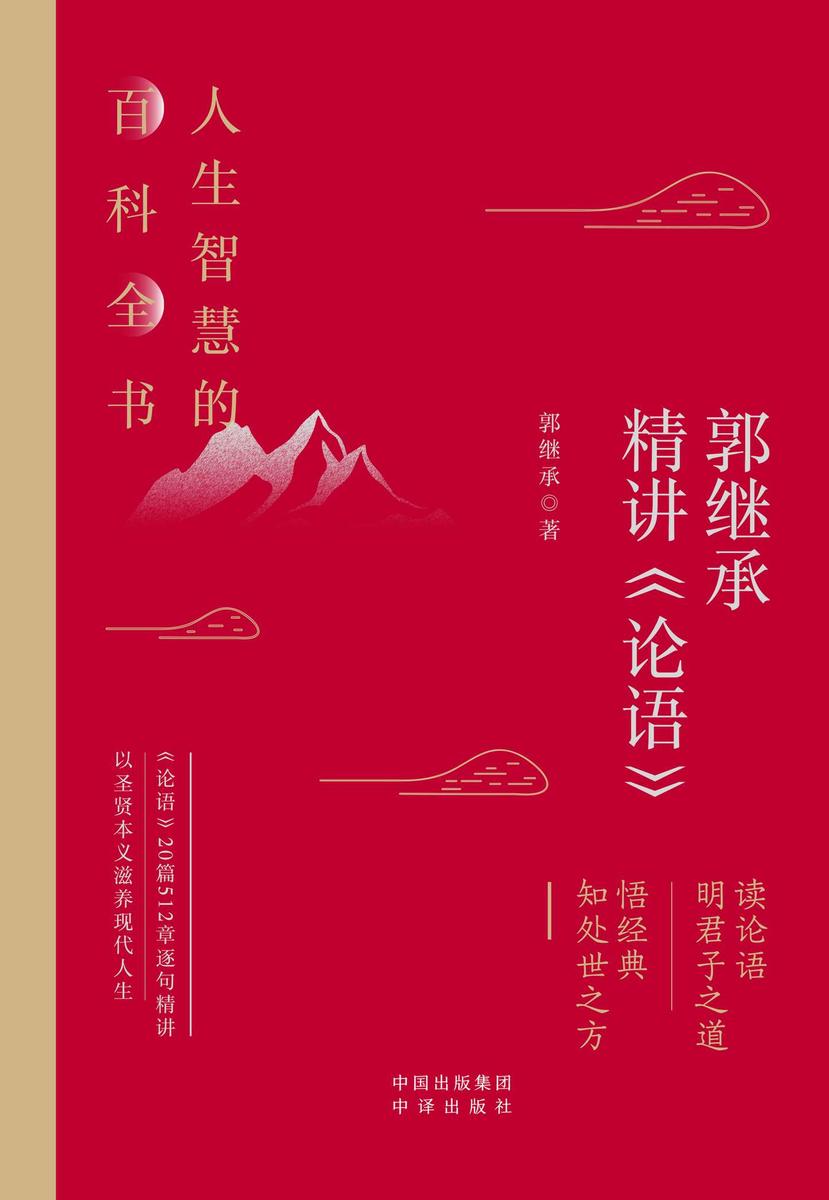
郭继承精讲《论语》:人生智慧的百科全书
¥39.90
为什么懂得那么多道理,还是过不好这一生?职场卷不动、关系处不好、心里憋得慌,想提升自己又不知从哪下手……别急着,2500年前孔子早把这些破事看透了。 北京师范大学哲学博士、中国政法大学郭继承老师,把《论语》20篇512句逐章拆解,用大量现实案例打通古今,把“仁、义、礼、孝”变成你日常能用的处事准则。全书一字不落完整收录,生僻词句有脚注,版式清晰好读。从为学修身到职场处世、家庭和睦,每一步都有章可循。迷茫时翻两页,焦虑时读一章,这不是供着的经典,是随时能帮你拿主意的“人生智慧百科全书”。
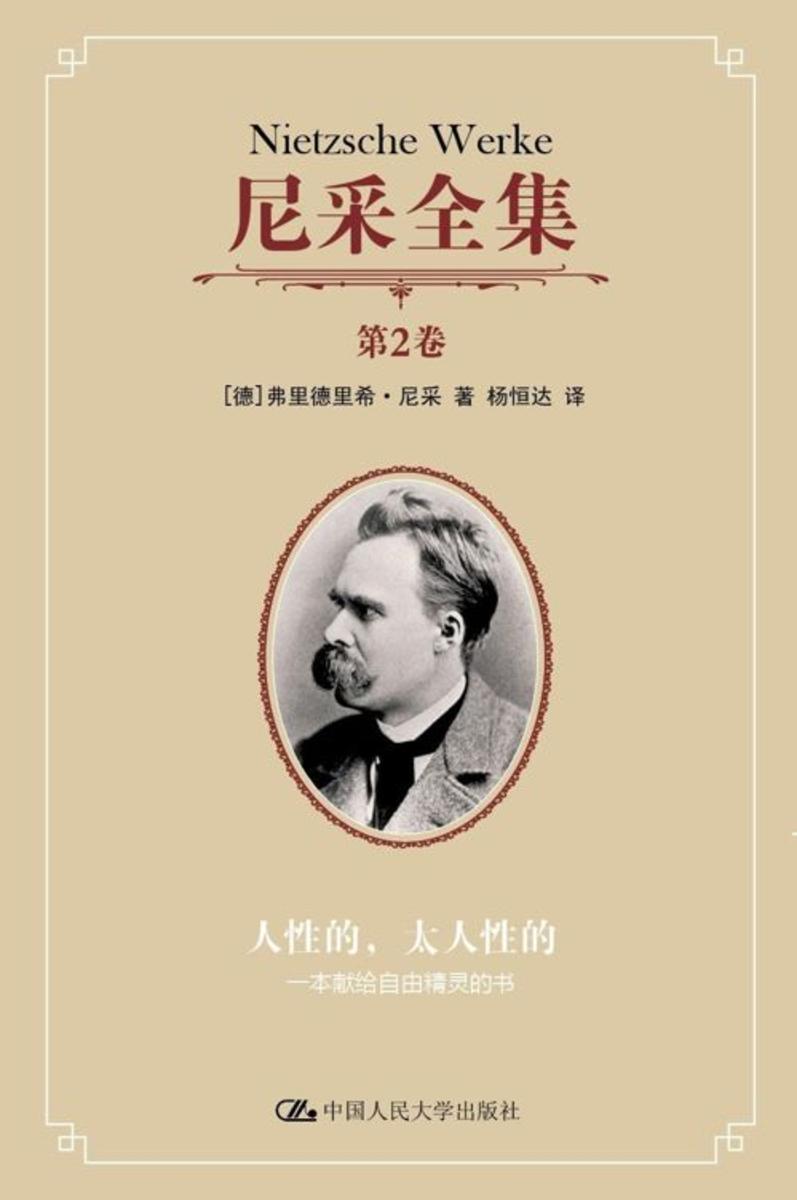
尼采全集(第2卷)
¥39.90
本卷内容为《人性的,太人性的——一本献给自由精灵的书》。该书是尼采为纪念伏尔泰逝世100周年而写,同时也流露了他对早年崇拜的音乐家瓦格纳的失望情绪。全书用格言体写成,分两卷。卷共九章,从各方面探讨了世界与人生的基本问题。第二卷的两个部分《见解与箴言杂录》和《漫游者和他的影子》,继续了在卷中开始的对西方形而上学传统及其影响下的西方文化的全面批判。尼采一方面肯定人性中值得肯定的方面,希望挖掘人的潜力,使人类变得更优秀;另一方面又对人性的弱点和缺点,尤其对西方文化传统下形成的这种弱点和缺点,进行了尖刻的讽刺和挖苦。尼采寄希望于“自由精灵”,也就是能超越传统思维方式、传统道德观念而自由思想的人。
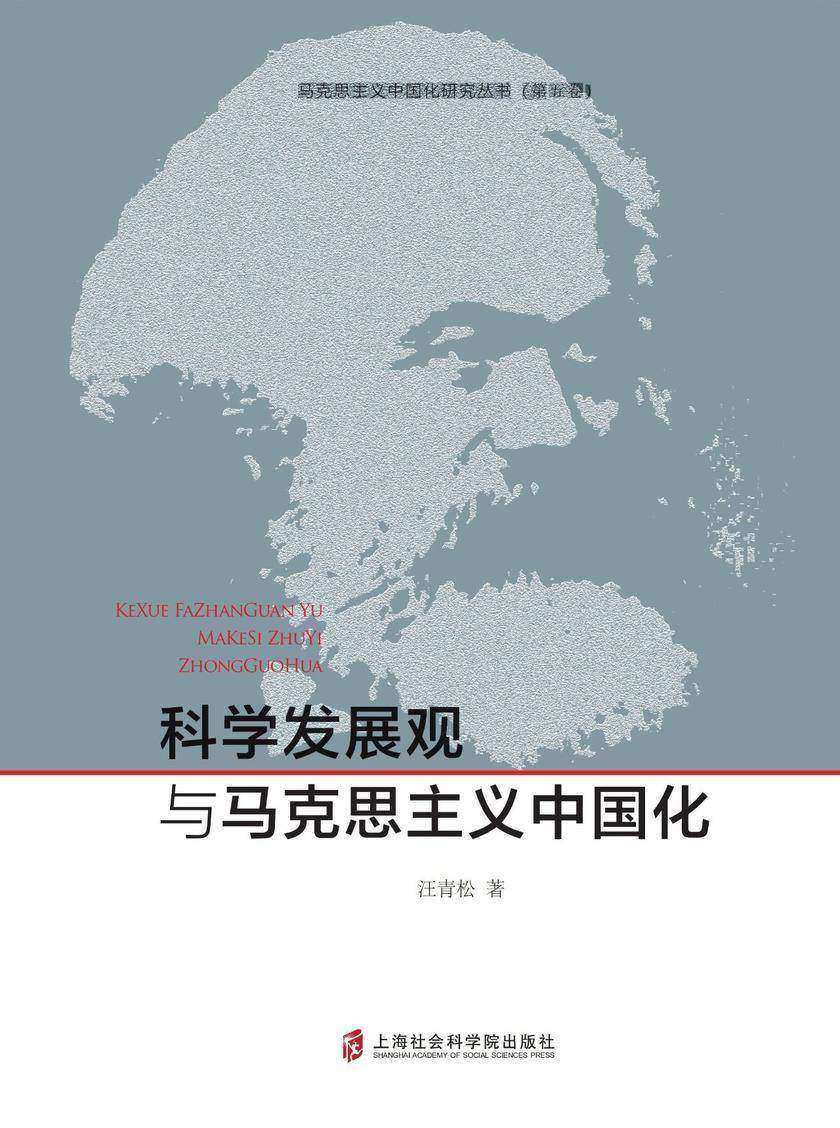
科学发展观与马克思主义中国化
¥39.90
科学发展观继承了*思想、邓小平理论、"三个代表"重要思想中关于发展的基本思想,深刻 体现了马克思主义中国化一脉相承的重要特。科学发展观是在新形势下提出的关于中国建设的又一新理论指导,是马克思主义中国化的*理论成果。本书主要从科学发展观的内容、要义等方面探讨了科学发展观就是中国化的马克思主义。


