


 购物车
 个人中心


?rzelmi vírusveszély
¥49.79
Elveink nem tudnak olyan szilárdak lenni, mint naiv pillanatainkban gondolnánk, mert világunkat az érzelmek, az értelem és a hit folyton változó egyensúlya tartja ?ssze. Az ember hajlamos nagy titkokat sejteni ott, ahol egyszer?en csak nagyobb er?k m?k?dnek, mint amiket uralni tud. Azonnal a nagy titkot keresi, amikor kiemelked? tehetségekkel találkozik, amikor a hit alapvet? kérdéseit firtatja, amikor a saját érzelmeit vizsgálja, és akkor is, amikor a tudomány eszk?zeivel igyekszik mélyebben megérteni a világot. Pedig: ?A nagy titok az, hogy nincs titok”. ?j k?nyvében Mér? László az elvek, az érzelmek, a hit és a tudomány erejét valamint korlátait járja k?rül. A csattanós, “?tperces” esszék felvillantják a témák kül?nféle arcait a mindennapi életben, a hosszabbak pedig bemutatják, mit tett mindehhez a modern pszichológia.

61 de ore
¥81.67
Cartea este o culegere de eseuri pe teme de istorie literar?, istoria ideilor ?i probleme generale de estetica artelor, toate acestea fiind abordate dintr-un accentuat unghi filozofic ?i ?tiin?ific deopotriv?.
Michel Foucault: crítico-esteta-cínico mitigado
¥57.14
S?rmanul Nietzsche, ?bestia blond?“, a avut ?i el parte de crucificare. Multor profe?i ?i m?ntuitori li se ?nt?mpl? asta: eventual ?i ?n timpul vie?ii, ?i dup? moarte. Nietzsche, r?zvr?titul ?mpotriva legilor celor vechi, ?ntemeietorul orgolios al noii sale ?religii“, a trebuit s? suporte ?i el toate e?ecurile ?i r?st?lm?cirile posibile, ba chiar ?i punerea terifiant? ?n practic? a unora dintre ideile lui, care nici nu mai erau ale lui ?i, ?ndeob?te, nu mai erau idei…?Viclenia ra?iunii“, implicit a istoriei, o descrisese Hegel, unul dintre cei mul?i pe care Nietzsche nu-i agrea. Dincoace de istorie ?i chiar dincolo de ea, r?m?n c?r?ile. Omul n-a fost s? fie m?ntuit de Nietzsche. C?r?ile lui vor d?inui printre oameni: pentru oameni.

A, mint alibi
¥66.79
Magyarázatok a Srimad-Bhagavatam tizedik éneke harminckettedik fejezetének 16-22. versáhez, az el?z? acaryák írásai alapján. A Na pāraye ’ham három része ?rī K???a, ?rī Caitanya Mahāprabhu és ?rīmatī Rādhārā?ī szeretetét mutatja be. Szeretetük egy-egy hatalmas folyóként h?mp?ly?g a prema óceánja felé. ?cāryáink kegyéb?l a bhakták megérinthetik ennek az óceánnak a partját, s néhány cseppnyi nektárt megízlelhetnek bel?le.

A trubadúr
¥22.73
Egy kétségtelenül szellemes megjegyzés szerint a cím csak akkor fedheti le pontosan a k?nyv tartalmát, ha bet?r?l bet?re megegyezik vele. Valami hasonló mondható a fülsz?vegekr?l is (biztos Boegesnek is tetszene ez a gondolat), és ennek megfelel?en meg sem kísérlem néhány mondatban ?sszefoglalni, hogy mir?l lesz szó. Ehelyett inkább el?sz?r is azt emelem ki, hogy a címnek megfelel?en mir?l nem: például nem magáról Borgesr?l, a 20. század egyik legjelent?sebb argentin írójáról. Hanem inkább arról, hogy a novelláival kapcsolatban milyen, az irodalomtól olyakor látszólag meglehet?sen távol álló kérdések merülhetnek fel kezdve azon, hogy az általa leírt bábeli k?nyvtár valóban olyan teljes és mindenre kiterjed?-e, miként azt Borges sugallja; folytatva azon, hogy van-e egyáltalán értelme felvetni, hogy milyen lenne, ha valaki t?kéletes emlékezettel rendelkezne (nincs). Meg, hogy elképzelhet?-e, nem pedig, hogy létezik vagy legalább lehetséges-e egy olyan pont vagy térrész: egy olyan Alef, amelyen keresztül egyszerre láthatunk mindent. ?s így tovább egészen addig, hogy mit mondhatunk az irodalomkritikáról, az irodalmi zsánerek létrej?ttér?l meg elt?nésér?l vagy éppen az irodalmi halhatatlanságról – ismét csak mint elméleti problémáról. Azaz végs? soron persze mégiscsak egyfajta bolyongás ez a borgesi k?nyvtában, illetve bizonyos, legalább hipotetikusan lehetséges és az irodalomhoz így vagy úgy kapcsolódó kérdések fázisterében még akkor is, ha a fentebbiekben, miként a figyelmes olvasó már észre vehette, éppen azt tettem, amir?l korábban azt sejttettem, hogy nem fogom: néhány példa említésével próbáltam utalni rá, hogy mir?l szól az egész. De talán ez sincs igazi ellentmondásban azzal a megk?zelítéssel, amit ez a k?nyv sugall. Galántai Zoltán tudományt?rténész és író. Korábbi k?nyvei az eClassicnál: K?nyvkett?. A k?nyv, az írás és az irodalom j?v?jér?l (2013) http://eclassic.xyz/shop/bemutato/konyvketto-a-konyv-az-iras-es-az-irodalom-jovojerol/ Monoverzumok. Kozmosz, t?rvény, tudomány (2016) http://eclassic.xyz/shop/szabadpolc/monoverzumok/

Безжальна правда про нещадний б?знес
¥24.53
Em Vida sem Princípio , Henry David Thoreau nos apresenta um verdadeiro manual de como viver em sociedade e em contato com a Natureza respeitando a natureza e ao próximo.? puro Transcendentalismo , um apelo para que cada um siga a sua própria luz interior.Este ensaio foi obtido a partir da palestra''What Shall It Profit? ''apresentada ao publico em 06 de dezembro de 1854, no Sal?o Railroad em Providence Rhode Island.Foi publicado pela primeira vez na edi??o de outubro de 1863 The Atlantic Monthly, onde foi dado o título moderno.Vida sem Princípio é um ensaio em que Thoreau coloca o seu programa para viver bem. Incluem-se aqui as suas ideias sobre a forma de abordagem da comunica??o interpessoal, modos de trabalho, sustento financeiro e outros códigos de conduta baseados na filosofia de de vida de Thoreau.'
Discovery of the Future: Illustrated
¥13.98
Such is the system which underlies the Meditations of Marcus Aurelius. Some knowledge of it is necessary to the right understanding of the book, but for us the chief interest lies elsewhere. We do not come to Marcus Aurelius for a treatise on Stoicism. He is no head of a school to lay down a body of doctrine for students; he does not even contemplate that others should read what he writes. His philosophy is not an eager intellectual inquiry, but more what we should call religious feeling. The uncompromising stiffness of Zeno or Chrysippus is softened and transformed by passing through a nature reverent and tolerant, gentle and free from guile; the grim resignation which made life possible to the Stoic sage becomes in him almost a mood of aspiration. His book records the innermost thoughts of his heart, set down to ease it, with such moral maxims and reflections as may help him to bear the burden of duty and the countless annoyances of a busy life. It is instructive to compare the Meditations with another famous book, the Imitation of Christ. There is the same ideal of self-control in both. It should be a man's task, says the Imitation, 'to overcome himself, and every day to be stronger than himself.' 'In withstanding of the passions standeth very peace of heart.' 'Let us set the axe to the root, that we being purged of our passions may have a peaceable mind.' To this end there must be continual self-examination. 'If thou may not continually gather thyself together, namely sometimes do it, at least once a day, the morning or the evening. In the morning purpose, in the evening discuss the manner, what thou hast been this day, in word, work, and thought.' But while the Roman's temper is a modest self-reliance, the Christian aims at a more passive mood, humbleness and meekness, and reliance on the presence and personal friendship of God. The Roman scrutinises his faults with severity, but without the self-contempt which makes the Christian 'vile in his own sight.' The Christian, like the Roman, bids 'study to withdraw thine heart from the love of things visible'; but it is not the busy life of duty he has in mind so much as the contempt of all worldly things, and the 'cutting away of all lower delectations.' Both rate men's praise or blame at their real worthlessness; 'Let not thy peace,' says the Christian, 'be in the mouths of men.' But it is to God's censure the Christian appeals, the Roman to his own soul. The petty annoyances of injustice or unkindness are looked on by each with the same magnanimity. 'Why doth a little thing said or done against thee make thee sorry? It is no new thing; it is not the first, nor shall it be the last, if thou live long. At best suffer patiently, if thou canst not suffer joyously.' The Christian should sorrow more for other men's malice than for our own wrongs; but the Roman is inclined to wash his hands of the offender. 'Study to be patient in suffering and bearing other men's defaults and all manner infirmities,' says the Christian; but the Roman would never have thought to add, 'If all men were perfect, what had we then to suffer of other men for God?' The virtue of suffering in itself is an idea which does not meet us in the Meditations. Both alike realise that man is one of a great community. 'No man is sufficient to himself,' says the Christian; 'we must bear together, help together, comfort together.' But while he sees a chief importance in zeal, in exalted emotion that is, and avoidance of lukewarmness, the Roman thought mainly of the duty to be done as well as might be, and less of the feeling which should go with the doing of it. To the saint as to the emperor, the world is a poor thing at best. 'Verily it is a misery to live upon the earth,' says the Christian; few and evil are the days of man's life, which passeth away suddenly as a shadow. ? ? ? ? ? ? ? ? ? ? ? ? ? ? ? ? ? ? ? ? ? ? ? ? ? ? ? ? ? ? ? ? ? ? ? ? ? ? ? ? ? ?*** ? "MARCUS AURELIUS ANTONINUS" was born on April 26, A.D. 121. His real name was M. Annius Verus, and he was sprung of a noble family which claimed descent from Numa, second King of Rome. Thus the most religious of emperors came of the blood of the most pious of early kings. His father, Annius Verus, had held high office in Rome, and his grandfather, of the same name, had been thrice Consul. Both his parents died young, but Marcus held them in loving remembrance. On his father's death Marcus was adopted by his grandfather, the consular Annius Verus, and there was deep love between these two. On the very first page of his book Marcus gratefully declares how of his grandfather he had learned to be gentle and meek, and to refrain from all anger and passion. The Emperor Hadrian divined the fine character of the lad, whom he used to call not Verus but Verissimus, more Truthful than his own name. He advanced Marcus to equestrian rank when six years of age, and at the age of eight made him a member of the ancient Salian priesthood. The boy's aunt, A
The World Set Free
¥18.74
Kitab?n ba?l?ca vasf? olarak, Antik Yunan polisinden günümüze uzanan yolda, ?ocuk ve gen? yeti?tirmenin kamusal ve insan? ?nemini ortaya koyarken, fizik?, ahl?k? ve kültürel y?nleriyle bir bütün olarak e?itim felsefesi üzerine kaleme al?nm?? en temel eserlerden biri olmas? g?sterilebilir… ?Bu noktada, Rousseau’nun, “Tüm yazd?klar?m i?inde en iyi eserim” diye takdim etti?i?Emile’in 1762’de yay?nland???nda lanetlenip, 30 y?l sonra, Frans?z Devrimi’nin ?ncüleri i?in Frans?z milli e?itiminin ilham kayna?? addedildi?i dikkate al?nd???nda, Kant’?n e?itim üzerine sarf etti?i s?zlerin tarihsel ve toplumsal ba?lam? da ortaya ??kar. 18.yüzy?l?n ortalar?ndan 19.yüzy?l?n ba?lar?na dek ge?en bir ?mürlük sürede k?ta Avrupas? büyük bir do?umun sanc?lar?yla sars?lmaktad?r. ?ncesi ve sonras? diye tarihi ikiye ay?ran ?ifte Devrim (Sanayi ve Frans?z Devrimi) büyük bir zihinsel d?nü?üme yol a?mak üzeredir. Kant’? büyüten, ya da büyüklü?üne ayr?ca de?er katan bir unsur da, onun i?te bu ?a??n insan? olmas?d?r. ?Kant, 1806’daki Jena Sava??n? ve Napoleon i?galinin Alman milleti üzerinde yaratt??? ?ok ve deh?eti g?remeden vefat etse de, Wilhelm von Humboldt gibi e?itim reformcular? arac?l???yla Prusya (genel itibar?yla da Alman) e?itim sistemi i?in ne denli ?nemli bir yol a?t???n? tüm kitap boyunca seziyor gibidir. Bununla birlikte Kant’?nE?itim ?zerine’si, milli dilde ibadet edip, okumay? yazmay? te?vik eden Luhterci gelene?in Pietizmle kendini yenilemi? ve Büyük Frederich taraf?ndan te?vik edilmi? olan e?itim anlay???n?n olgunla?ma ?a??n?n da bir ürünüdür. Bu sebeple, kitab?n tamam?na h?kim olan motif, Ayd?nlanmac? bir “i?sel ?zgürle?im” ve “ruhan? terbiye” aras?nda kurulmas? gereken büyük dengedir. ? ? ?Bu arka plan? dikkate alarak, ?imdi kitaba biraz daha yak?ndan bakabiliriz… E?itim ?zerine, memleketin sayg?n ?evirmenlerinden biri olan Ahmet Aydo?an’?n sunu? ve ?ns?züyle ba?l?yor. ?stü kapal? fakat sitem dolu bir de?erlendirme yaz?s? olan “’Sapere Aude!’ Diye ??kt?k Yola”, Kant’a s?zü teslim etmeden evvel, 30 sayfada, Kant’?n dü?ünce dünyas?ndan ne denli uzakta kald???m?z?n ele?tirisini yap?yor. Bu arada, kitab?n ortaya ??k?? ?yküsüne de 22.sayfada a??klay?c? bir notla yer veriliyor. K?ningsberg ?niversitesi’nde muhtelif zamanlarda verilen dersler i?in haz?rlanan notlardan derlendi?i anla??lan?E?itim ?zerine, modern Türk?e’nin bir felsefe dili olamamas?n?n da etkisiyle, ?e?itli dipnotlar arac?l???yla kavramlar?n ve kelimelerin daha anla??l?r k?l?nd??? bir h?lde okura sunuluyor. ? “?nsan E?itilmesi Gereken Bir Varl?kt?r”: ? ?Kant, dü?üncelerini temellendirdi?i giri? sayfalar?nda insan?n e?itime muhta? ten varl?k oldu?u ger?e?inden hareket ediyor ve insan?n ancak e?itimle insan olabilece?ini dile getiriyor. (s.35) E?itime y?nelik bu yakla??m, Kant’?n idealizm felsefesinin ger?ekle?mesine giden yolu a?an anahtarlardan biri say?labilir.? ? ???NDEK?LER: ? KANT'IN YA?AMI…KANT'A G?RE AYDINLANMA NED?R?AHLAKIN METAF?Z???…KANT VE E??T?M ?ZER?NE….KANT VE TANRIKANT IN ELE?T?REL FELSEFES?KANT’IN ELE?T?REL FELSEFES?NE PLATON VE PARMEN?DES?N KATKILARI Kritisizm Nedir? KANT FELSEFES?N?N TEMEL KAVRAMLARIKANT’IN KURAMSAL METAF?Z?K ELE?T?R?S? HAKKINDAK? D???NCELER?..I. KANT'IN LE?BN?Z- WOLFF VE HUME'UN FELSEFELER?NE Y?NEL?K ELE?T?R?S?II. KANT'TA METAF?Z?K B?LG?N?N OLANA?I: METAF?Z?K OLANAKLI MIDIR?SONU?LARKANT’IN D?NYA YURTTA?LI?I AMACINA Y?NEL?K GENEL B?R TAR?H D???NCES?KANT’?I EBED? BARI?” D???NCES?S?YAS? HAKLARDA TEOR? VE PRAT?K ?L??K?S? ?ZER?NEK?RESELLE?EN SORUNLAR KAR?ISINDA KANT ET???UNUTULMAZ KANT S?ZLER?…..
Перегляд позитивного мислення
¥16.35
A compreens?o de Contos d’Escárnio n?o poderia restringir-se à constru??o do horizonte no qual nasce, o século XX. A inten??o de escrever lixo e bestagem, anunciada pelo narrador, aos poucos, revela um grotesco vindo de um longínquo, de um aquém. Por isto, faz-se necessário também compreender o fluxo histórico-estético que encontra acolhida na imagina??o de Hilda Hilst, cujo amparo conceitual buscou-se à estética da recep??o e do efeito. Na Teoria Estética, o feio insurge como fen?meno da realidade artística contempor?nea; refúgio de sobrevivência da arte e dos belos escritos, deixa livre à plasticidade do presente a tarefa da denúncia da realidade. Em protesto, o dissonante reivindica cidadania e se mantém como possibilidade da arte. Neste sentido, tem lugar em Hilda Hilst a atualidade do grotesco.

Ancheta
¥33.03
Ce este adev?rul? De unde ?tiu cine sunt? De ce ar trebui s? fim buni? Exist? multe c?r?i despre filosofie. Cu toate acestea, Cine sunt eu? difer? fa?? de celelalte lucr?ri de introducere ?n filosofie. Nimeni nu a reu?it p?n? acum s? pun? cititorul fa??-n fa?? cu marile ?ntreb?ri ale omenirii ?ntr-o manier? at?t de documentat?, de competent? ?i, ?n acela?i timp, cu umor ?i cu elegan??. Prezenta lucrare reprezint? o c?l?torie unic? prin noianul de cuno?tin?e pe care le avem despre om. Precht ne prezint? tot ceea ce este mai nou ?n neuro?tiin??, ?n psihologie ?i ?n filosofie. Fie c? pleac? ?n cercetarea sensului vie?ii pornind de la analiza unui episod din Star Trek sau de la melodia Lucy in the Sky with Diamonds a celor de la Beatles, cartea ne pune ?n fa?a unui traseu captivant, ?n care vom descoperi cele mai surprinz?toare lucruri despre noi ?n?ine.
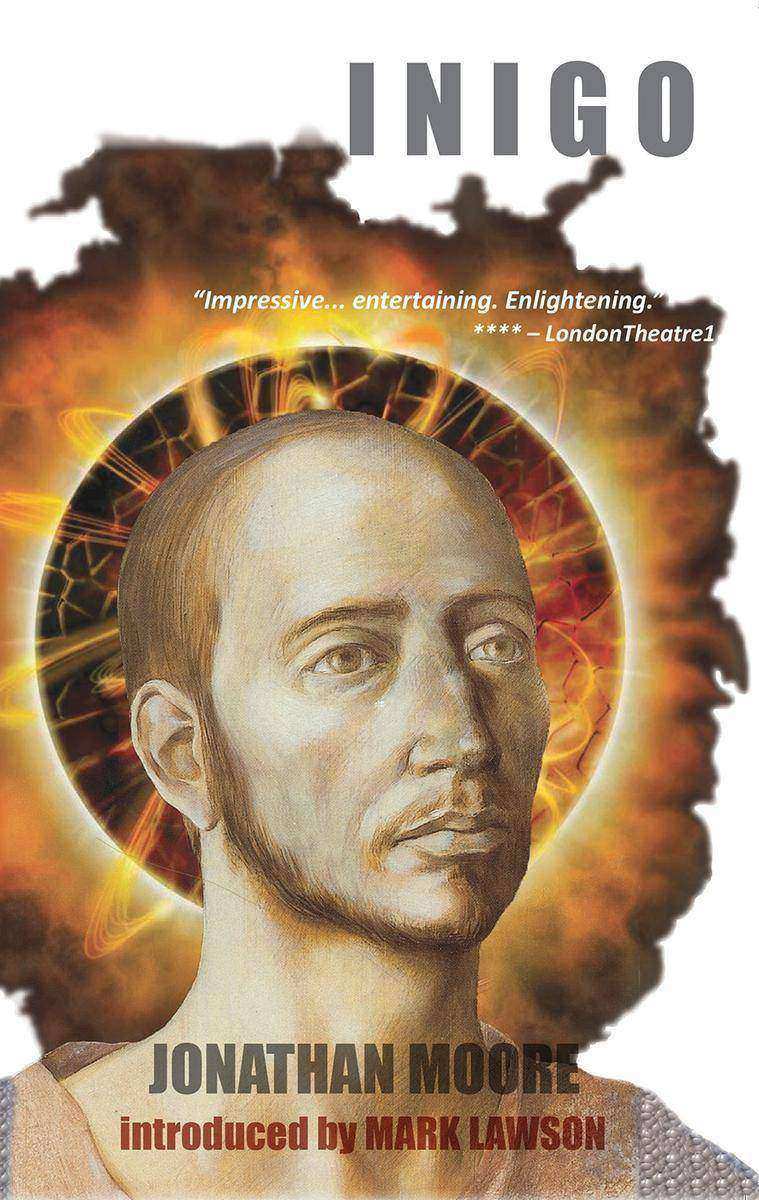
Inigo: a play about Ignatius of Loyola
¥32.62
Inigo (Ignatius de Loyola) begins as a hot-headed, street-fighting sensualist, in this action-packed play but due to serious injury in a sword-fight, he has to spend time recovering and reassessing his dissolute life. This stage version of his life follows his transformation to become the co-founder of the Jesuits in the sixteenth century, battling the powers of the day and the Inquisition. In Moore's bold, funny play, he asserts Inigo's position as a radical figure bent on changing the Catholic Church.?? This play is not only for those interested in Inigo and the Jesuits. It is also about individuals who fight for change against an implacable Establishment and it is ideal for performing in schools, colleges and theatres. Of special interest to schools and colleges, many of which are named after Inigo (Ignatius de Loyola).?Inigo's spiritual tools for change have informed other self-development programs such as the 12 step program for recovering drug and alcohol addicts. As Pope Francis is a Jesuit, this is a timely exploration of one of history's major spiritual leaders and reformers. "This is the most interesting play text to have reached me for a while... Ignatius of Loyala, founder of the Jesuits is not the most obvious choice for a play subject until you remember that he was effectively a counter-cultural radical fighting an implacable establishment suddenly it s both topical and relevant. I hope this thoughtful, engaging and very funny in places eight-hander will get more outings very soon. If not read the text anyway." --Susan Elkin, The Stage"Brilliantly written... a great evening of thoughtful and dynamic theatre." --Mark Lawson, arts correspondent"The structure and dynamism of the play, the art with which Jonathan Moore makes Ignatius accessible to us, capturing much of the drama of the Spiritual Exercises themselves, would also make I?igo an excellent discovery for schools and colleges." --James Hanvey SJ, Master of Campion Hall, University of Oxford, Thinking Faith Jonathan Moore is an award-winning actor, writer and director. As an actor he has played leading roles at the Royal Shakespeare Co, Royal Court, Donmar, the Royal Exchange and on BBC TV. He has directed theatre and opera world premieres at the Almeida, Donmar, West End, Royal Exchange, Gate, English National Opera, Covent Garden, La Fenice in Venice and on TV among many others. He has directed world premieres by composers such as Turnage, MacMillan, Henze, Schnittke, Nyman, Copeland and more, and his early work was sponsored by Joe Strummer of The Clash. He has collaborated with members of punk band Killing Joke and on several projects with Industrial group Test Dept. A published playwright and librettist, his work has been performed at leading theatres including the Donmar, Royal Exchange, Gate, BBC TV, radio and internationally. Jonathan was asked by Mark Rylance to direct the large-scale immersive project for over fifty performers What You Will, a co-production for Shakespeare s Globe, The Cultural Olympiad and Mayor s Office and several subsequent Shakespeare projects. He is due to direct a large-scale site-specific immersive project for Ludovico Einaudi in Italy and a new opera project with Stewart Copeland. He is on the Artistic Advisory Committee of the Royal Academy of Dramatic Art. He has had a Who s Who entry since 2007. A collection of Moore's plays has been previously published by Aurora Metro Books. www.jonathanmooreuk.com

文德尔班哲学导论(文德尔班代表作,关注哲学主题蕴含的内在力量,呈现新康德主义哲学的基本纲领!)
¥19.92
本书是新康德主义弗莱堡学派创始人文德尔班的代表作,与广为人知的《哲学史教程》相互配合,构成新康德主义哲学的基本纲领,对哲学门者也有很好的引导作用。全书以存在(理论)问题和价值问题的区分为基础,以价值的存在与存在的价值之间的关系立论,探讨了本体论、发生论、认识论、伦理学、美学、宗教等各类哲学问题。作者关注重大哲学主题所蕴含的内在力量,以日常生活和科学中的朴素预设为出发,从哲学史的流变手,试图解释处理这些问题的各种趋势及其分歧,并将生命中的基本问题简明扼要地呈现出来,旨在呼唤读者思索生命中的重大问题。
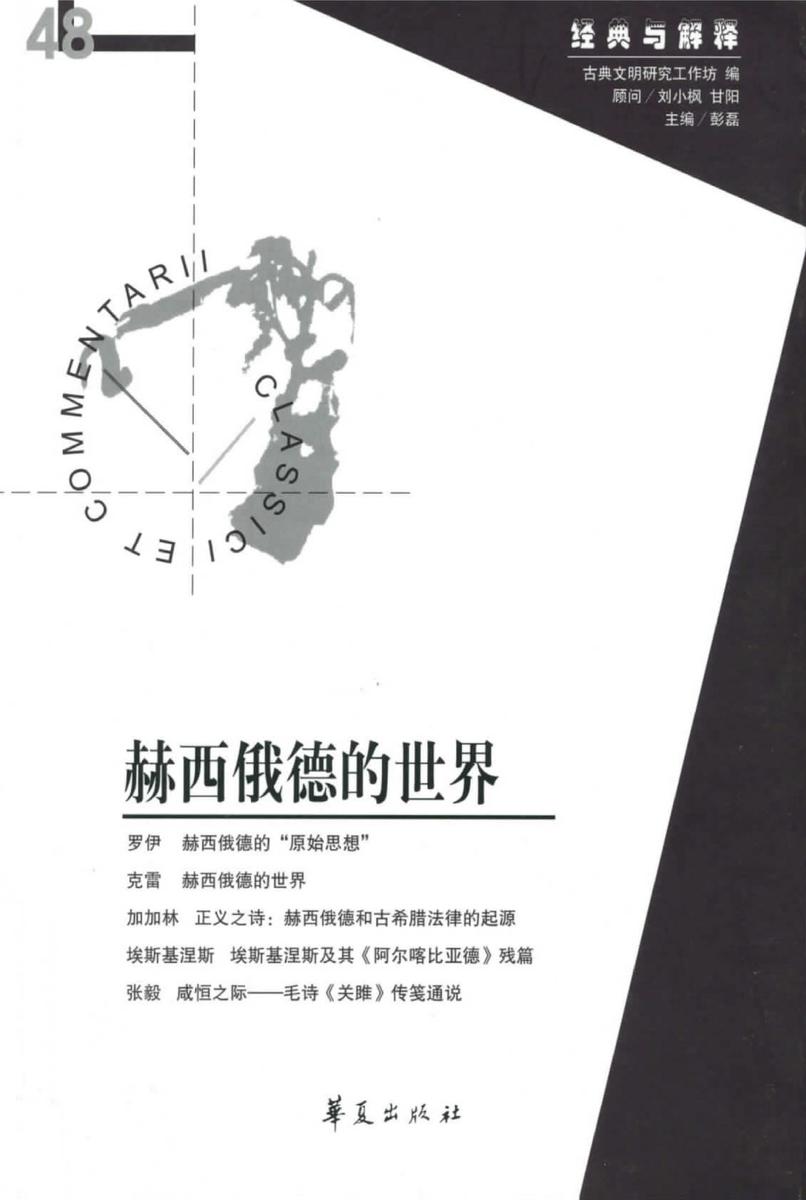
赫西俄德的世界(“经典与解释”第48期)
¥22.42
本期为赫西俄德专题,选译了英语学界研究赫西俄德的四篇代表性文章,分别涉及赫西俄德诗歌与自然哲学和政治哲学的关系问题,意图显示赫西俄德的两个世界——自然的世界和正义的世界之间的关系,揭示赫西俄德与古希腊思想的深刻勾连。 “古典作品研究”栏目选译了日本学者斋藤拙堂的《老子辨》和古希腊哲学家埃斯基涅斯的《阿尔喀比亚德》残篇。“思想史发微”则收录研究海德格尔的力作《从“同一者”到“命运”》;“旧文新刊”栏目刊布民国湖南学者郭倬瑩的《四部通論·經部流別》;“评论”收录两篇译文,分别涉及黑格尔和施特劳斯。
贺麟全集:马克思博士论文 黑格尔辩证法和哲学一般的批判
¥42.00
《马克思博士论文黑格尔辩证法和哲学一般的批判》(“贺麟全集”第九卷)是贺麟译述马克思早年经典哲学论著的重要成果。收发表于1842年的博士论文《德谟克里特的自然哲学与伊壁鸠鲁的自然哲学的差别》,该文对于用辩证法观研究古代自然哲学史有很大贡献,1958年由贺麟完成中译,1961年人民出版社出版单行本,后收《马恩全集》。《黑格尔辩证法和哲学一般的批判》于1955年翻译出版,对黑格尔哲学批判研究很有指导作用。本书另收四篇贺麟所撰相关文章,以备研究参考之用。

赫尔墨斯的口误(增订)(曹卫东学术文集)
¥25.00
《赫尔墨斯的口误(增订)》是作者的学术译文合集,涉及形而上学批判、话语政治、文艺理论等,收录了霍克海默、哈贝马斯、伽达默尔、克吕格、巴尔塔萨、罗曼·茵伽登、顾彬等著名学者的经典文章。译文难度较大,可见译者译笔矫健,这些文章也为学术界提供了颇具学术价值的成果。
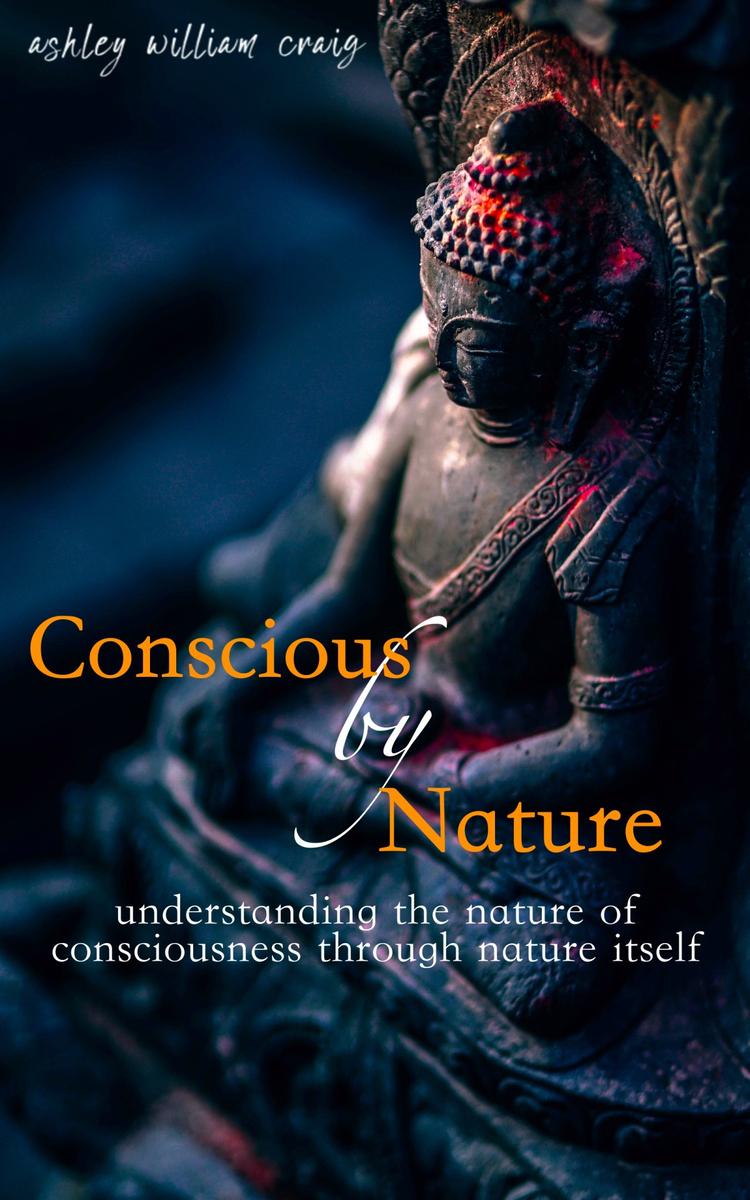
Conscious by Nature: Understanding the nature of consciousness through nature it
¥40.79
Come on a journey into the nature of consciousness, finding the space 'between thoughts' as the most obvious place to recognize your true and eternal Self. We recognize overlooked aspects of the natural world around us; as ourselves, as well as using nature to demonstrate spiritual concepts such as God, union and liberation. Your true 'nature' awaits...---------------------------"No matter how it is approached, no amount of words will ever transmit to another person the indescribable 'ultimate Truth'. The fact that it's described as indescribable should be enough to stop us trying. Yet it's made even more difficult because of our troublesome human mind. As intelligent and magnificent as it is, it has a deep and tragic habit of confusing the symbols we use (for simple convenience) in our lives, for the actual things or ideas they represent. As Alan Watts used to say, it's like climbing a signpost rather than walking in the direction it points. Our greatest of misunderstandings is that we confuse the story and idea of who we are, with what is actually true; pure and simple. We make a false judgment on who or what we are, and you wouldn't believe the amount of mischief that arises in result.As exaggerated or humorous as all this may sound on first impressions, this habit of confusing symbols for reality is a very real problem plaguing our human world, and the implications are exceptionally far reaching. We have confused such things as money for wealth, status or fame for character and even the virtual world for real - but most appropriate to this book, is that religious or spiritual concepts are always confused for the things they are pointing towards. That's particularly true of our concepts of 'God', particularly true of Buddha's Dharma, particularly true of any teaching towards enlightenment or liberation."---------------------------"OmniscienceOh father in heaven, omniscience cannot be. It makes no sense, no sense to me....***Between thoughts, your functioning remains flawless. Between thoughts you are ego-less, yet still exist...?How is it so that your heart beats without your control?How do migrating birds travel without directions, newborn horses stand straight up and embryos form without instruction. How does a plant know how to flower and a seed mature into a tree??Without thought or instruction, nature around you is already omniscient. Are you different from nature, or one and the same?***Young one, nature already exists in an omniscient state with no mind…?Between thoughts, are you omniscient?Mid-thought, do you believe you're not?"

贺麟全集:五十年来的中国哲学(全新升级版)
¥69.00
《五十年来的中国哲学》是贺麟先生对从1884年孙中山创立兴中会到1949年中国人民共和国建立这段时期,现代中国哲学发展历史的介绍。这一时期中国哲学界的主要特是,西方哲学的介绍与引,以及对儒家思想的创新与发扬。在这个大背景下,贺麟先生介绍了康有为、谭嗣同、梁启超、章太炎、熊十力、胡适、金岳霖、冯友兰、洪谦等思想家的思想,反映出民国学者的学术造诣与学术水准。 《五十年来的中国哲学》分上下两编,上编包括“中国哲学的调整与发扬”“西方哲学的绍述与融会”“时代思潮的演变与剖析”三章,从新心学的角度出发,总结了新中国成立之前约五十年时间中国受西方哲学影响,以及西方哲学在中国的传播等内容。下编则深探讨了“知行”学说问题。
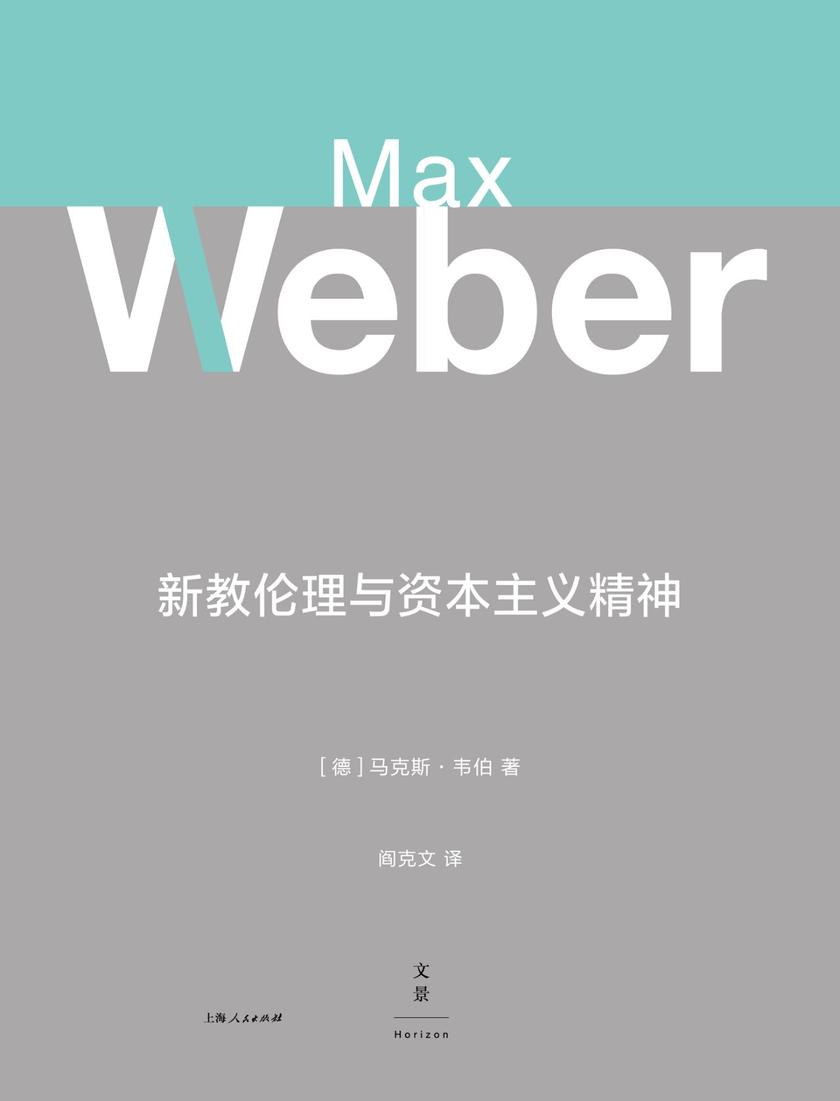
新教伦理与资本主义精神
¥79.00
《新教伦理与资本主义精神》是马克斯·韦伯著名的作品。在这部作品中,韦伯提出了一个知名的论:新教教徒的思想影响了资本主义的发展。宗教教徒往往排斥世俗的事务,尤其是经济成就上的追求,但为什么新教教徒却是例外? 韦伯在该书中论述宗教观念(新教伦理)与隐藏在资本主义发展背后的某种心理驱力(资本主义精神)之间的关系。韦伯列举了新教、清教、加尔文教等教徒生活、学习的例子并加以分析得出:资本主义的兴起和成功与新教盛行存在着相互影响的关系。新教世禁欲主义伦理为资本主义企业家提供了心理驱动力和道德能量,从而成为现代资本主义得以兴起的重要条件之一。
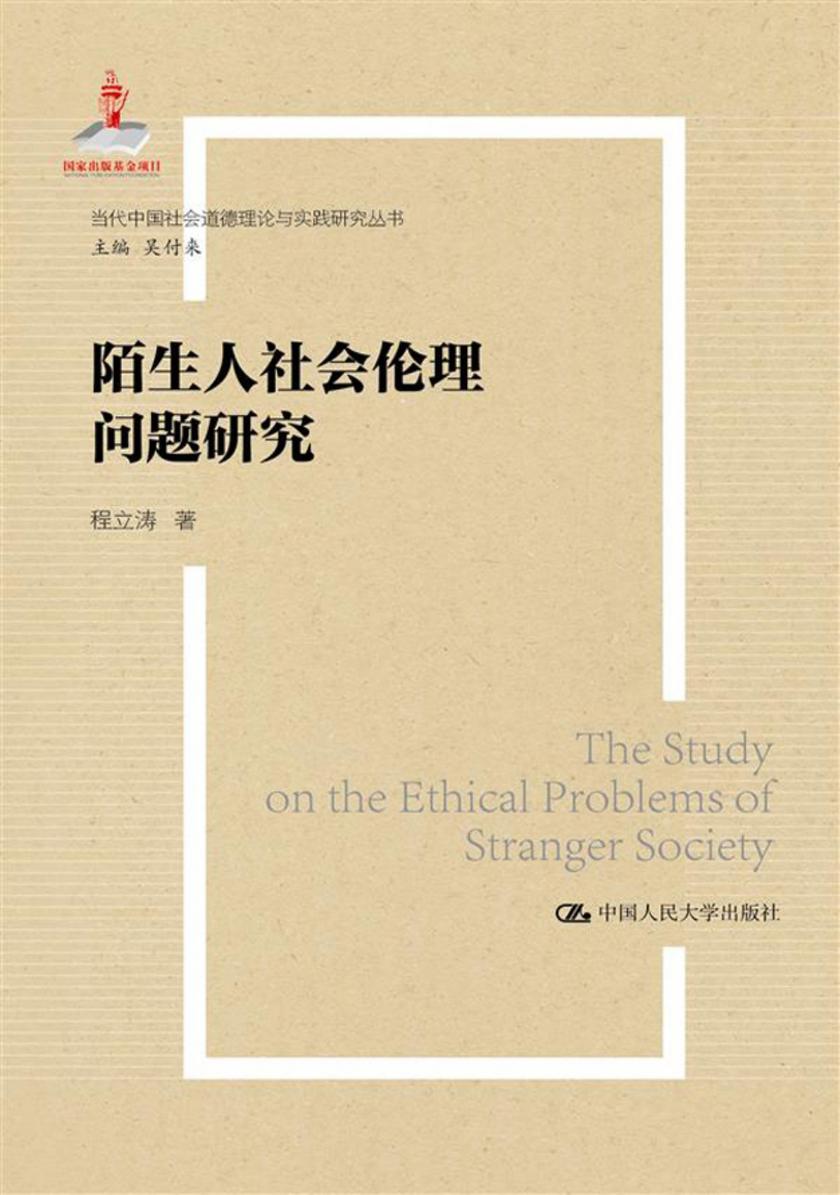
陌生人社会的伦理问题研究(当代中国社会道德建设理论与实践研究丛书)
¥40.80
“陌生人社会”的来临,为当代中国展示了全新的生活场景和伦理视野,同时导致了许多未曾遇到的新挑战、新困惑:面对数不清的“陌生人”,我们应该以怎样的伦理经验与其交往?以往的伦理规范和处事准则能否被简单移植到“陌生人”身上?在喧闹的现代都市,陌生的居民之间如何和睦相处?以往人们对“陌生人”的道德想象,能否作为直面“陌生人”时的道德推理机制?如何解决“人情味”与“公德心”之间的内在冲突?……本书围绕“陌生人社会”所生发的一系列伦理道德问题,从思辨和经验两个层面做出了有益思考和尝试性回答,对解决“陌生人社会”的道德困境有所助益。
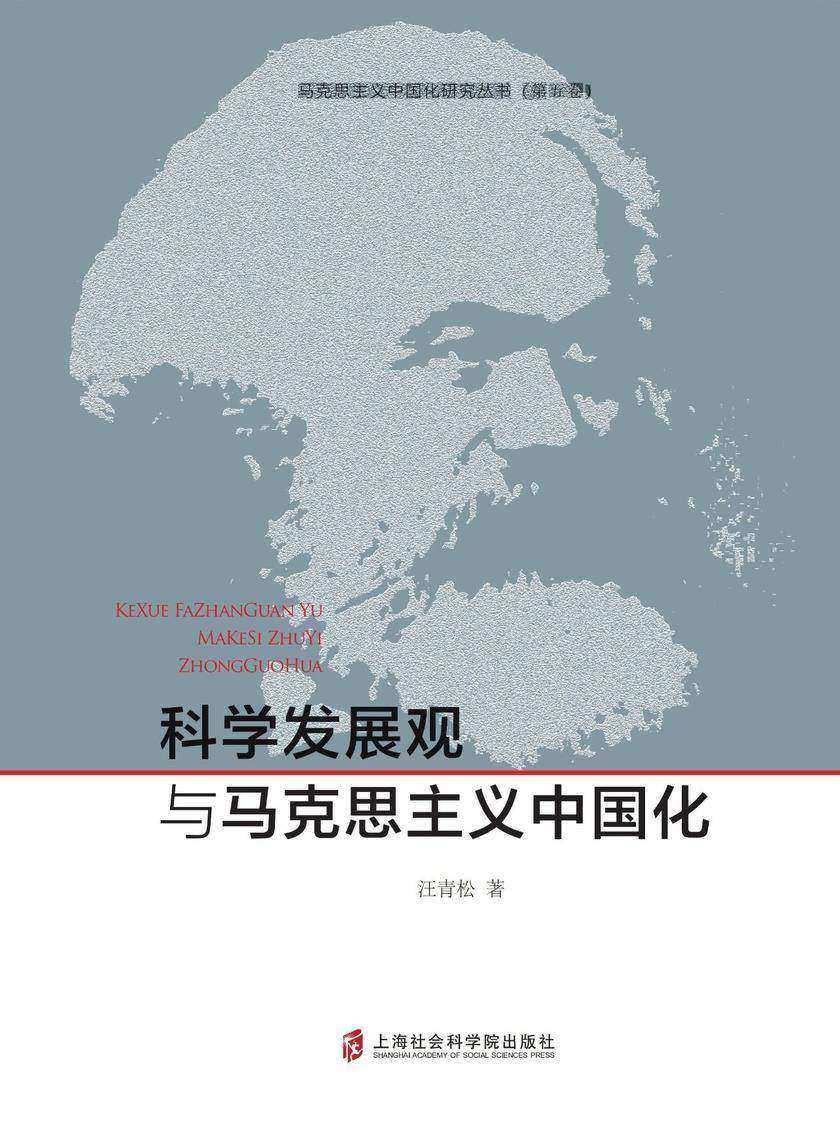
科学发展观与马克思主义中国化
¥39.90
科学发展观继承了*思想、邓小平理论、"三个代表"重要思想中关于发展的基本思想,深刻 体现了马克思主义中国化一脉相承的重要特。科学发展观是在新形势下提出的关于中国建设的又一新理论指导,是马克思主义中国化的*理论成果。本书主要从科学发展观的内容、要义等方面探讨了科学发展观就是中国化的马克思主义。
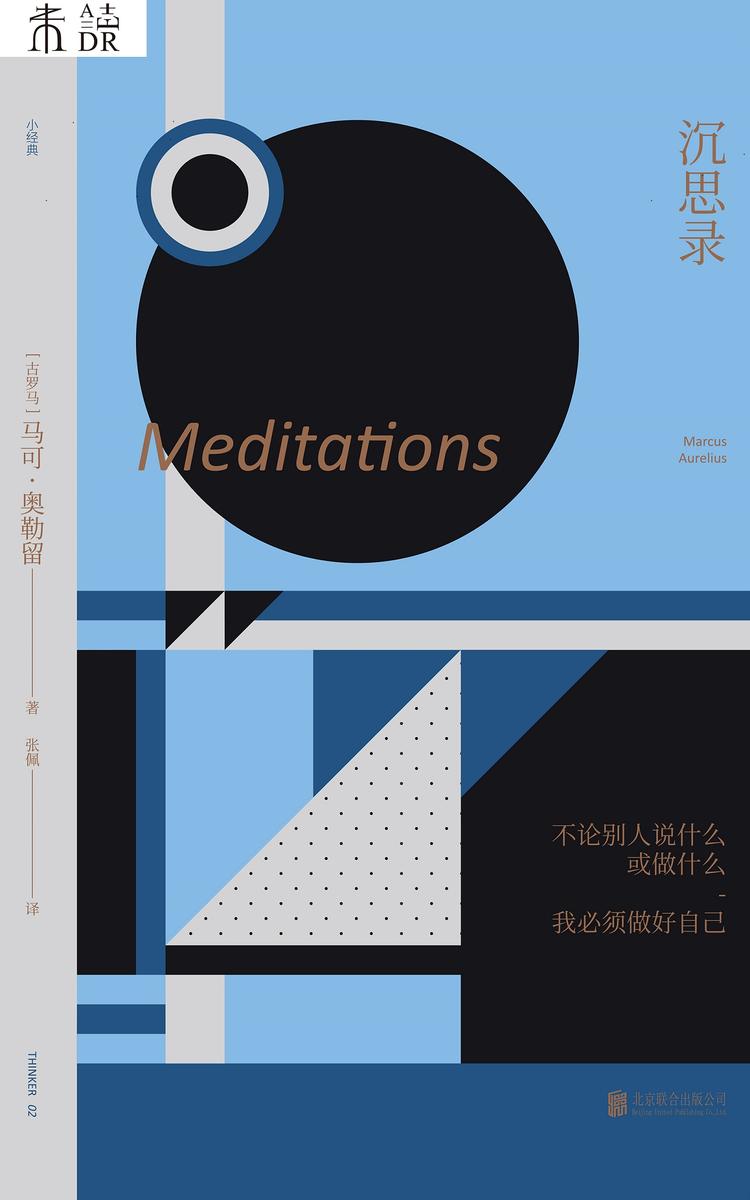
未读小经典:沉思录
¥18.99
马可·奥勒留是古罗马的“哲学家皇帝”。在历史上,一世英明且苦修哲学的皇帝,除奥勒留外恐怕没有第二人。他在政务辛劳之余,利用短暂的闲暇,与自己对话,对人生行思考,写下了《沉思录》这本“世界之书”。本书是斯多葛学派的里程碑之作,认为应遵从自然规律过一种自制的生活,回归安宁、平静和理性的心灵状态。时至今日,对生活在巨大压力下、心灵躁动不安的现代人来说,依然是一剂良方。


