为你推荐

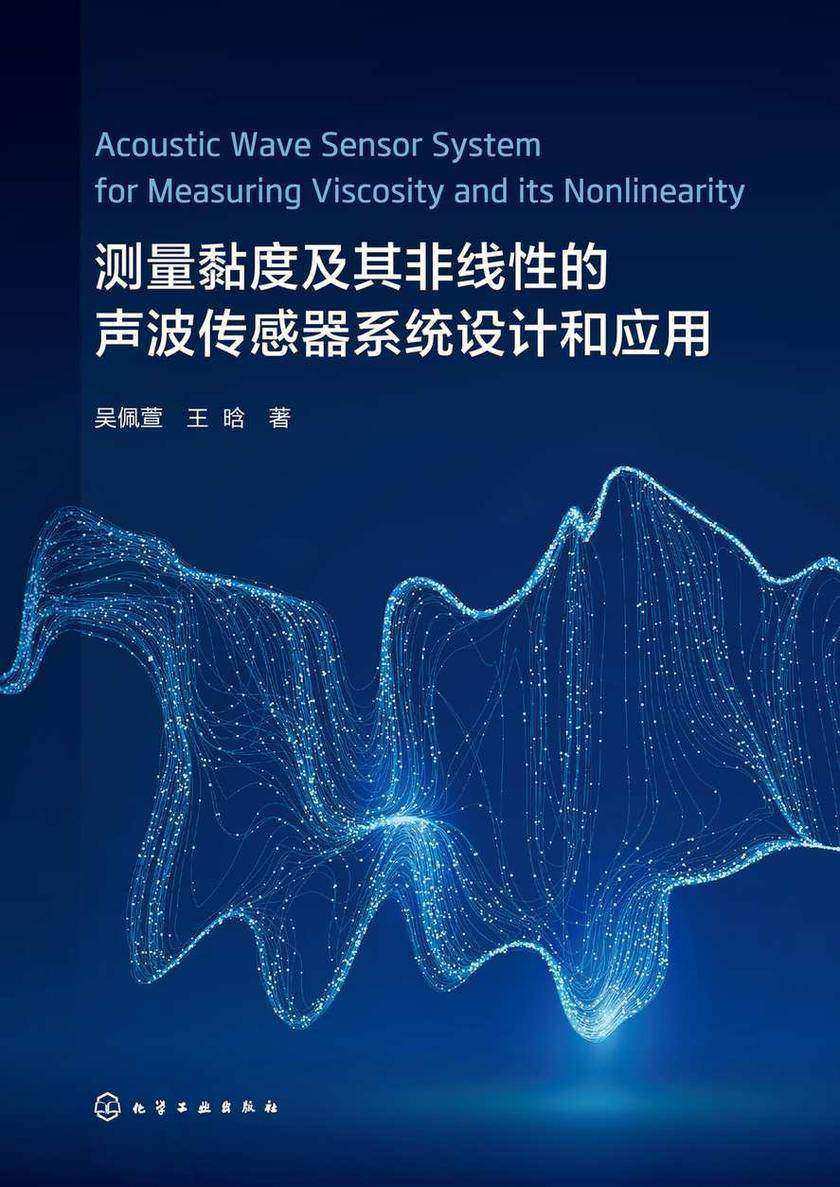
内容提要
前言
Preface
目录
Chapter 1 In troduction
1.1 Background Identification of the Current Issue
1.2 Viscosity,Newtonian & Non-Newtonian Liquids
1.2.1 General Introduction of Viscosity
1.2.2 Newtonian & Non-Newtonian Liquids
1.2.3 Different Models of Typical Non-Newtonian Liquids
1.2.4 Temperature Dependence of Liquid Viscosity
1.2.5 Engine Oils and Non-Linear Behaviors of Viscosity in Engine Oils
1.3 Conventional Methods
1.3.1 U-Tube Viscometer
1.3.2 Falling Ball Viscometers
1.3.3 Rotational Viscometers
1.4 Active Acoustic Wave (AW) Resonators as Viscometer and Current Research
1.4.1 Vibrating Viscometers
1.4.2 Current Research on AW Viscometer (Advantage over Traditional One,and Challenges)
1.5 Research Objectives
References
Chapter 2 Fundamental Study of Magnetostrictive Strip Resonance Behaviors and Location Effects in Pick-up Coils
2.1 Introductions
2.2 Configuration of Magnetostrictive Strip Sensor
2.3 Current Characterizations of Resonance Behaviors of Magnetostrictive Strips
2.4 Experimental and Measurement Setup
2.4.1 Lock-in Amplifier Method
2.4.2 Impedance Analyzer Method
2.4.3 Network Analyzer Method
2.5 Characterization and Experiment Results Discussion
2.5.1 Resonance Frequency of Magnetostrictive Sensor
2.5.2 Effect of External DC Bias Magnetic Field on Resonance Behaviors of Strip Sensor
2.5.3 Effect of AC Driving Magnetic Field on Resonance Behaviors of Strip Sensor
2.5.4 Comparison of Impedance Analyzer Method and Lock-in Amplifier
Method
2.5.5 Comparison of the Influence of Different Coils on Resonance Behaviors of Magnetostrictive Strip by Impedance Analyzer Method
2.5.6 Location Effect of Magnetostrictive Strip Sensor in Pick-up Coils
2.6 Conclusions
References
Chapter 3 Magnetostrictive Strip Sensors to Identify the Nonlinearity of Viscosity
3.1 Introduction
3.2 Experimental and Measurement Setup
3.3 Determination of Three Characteristic Frequencies
3.4 Comparison of the Performances of Different Length Magnetostrictive Strip Sensors in Oils
3.5 Comparison of the Performances of Different Length-ratio Magnetostrictive Strip Sensors in Oils
3.6 The Performances of 40mm×3mm×30μm Magnetostrictive Strip Sensor in Oils at Different Temperatures
3.7 Conclusions
References
Chapter 4 Piezoelectric Cantilever Sensors to Identify the Nonlinearity of Viscosity
4.1 Introduction
4.2 Configuration of Piezoelectric Cantilever Sensor
4.3 Theory
4.4 Experimental and Measurement Setup
4.5 The Performance Comparison of PZT Cantilevers with Same Length and Thickness but Different Width and Performance Comparison of PZT Cantilevers with Different Length but Same Width and Thickness
4.6 Conclusions
References
Chapter 5 Numerical Simulations to Identify the Nonlinearity of Viscosity
5.1 Introduction
5.2 Theoretical Model (in Newtonian & Non-Newtonian Liquids) and Numerical Simulation
5.3 Model in Newtonian Liquids and Numerical Simulation
5.3.1 The Study of Relationship of Three Characteristic Frequencies with B Value
5.4 Model in Non-Newtonian Liquids and Numerical Simulation
References
Chapter 6 Conclusions and Perspectives

买过这本书的人还买过
读了这本书的人还在读
同类图书排行榜












 购物车
购物车 个人中心
个人中心



 6.7
6.7